Tag: parcels

  • Gido launches cross-border express delivery services

    Gido launches cross-border express delivery services

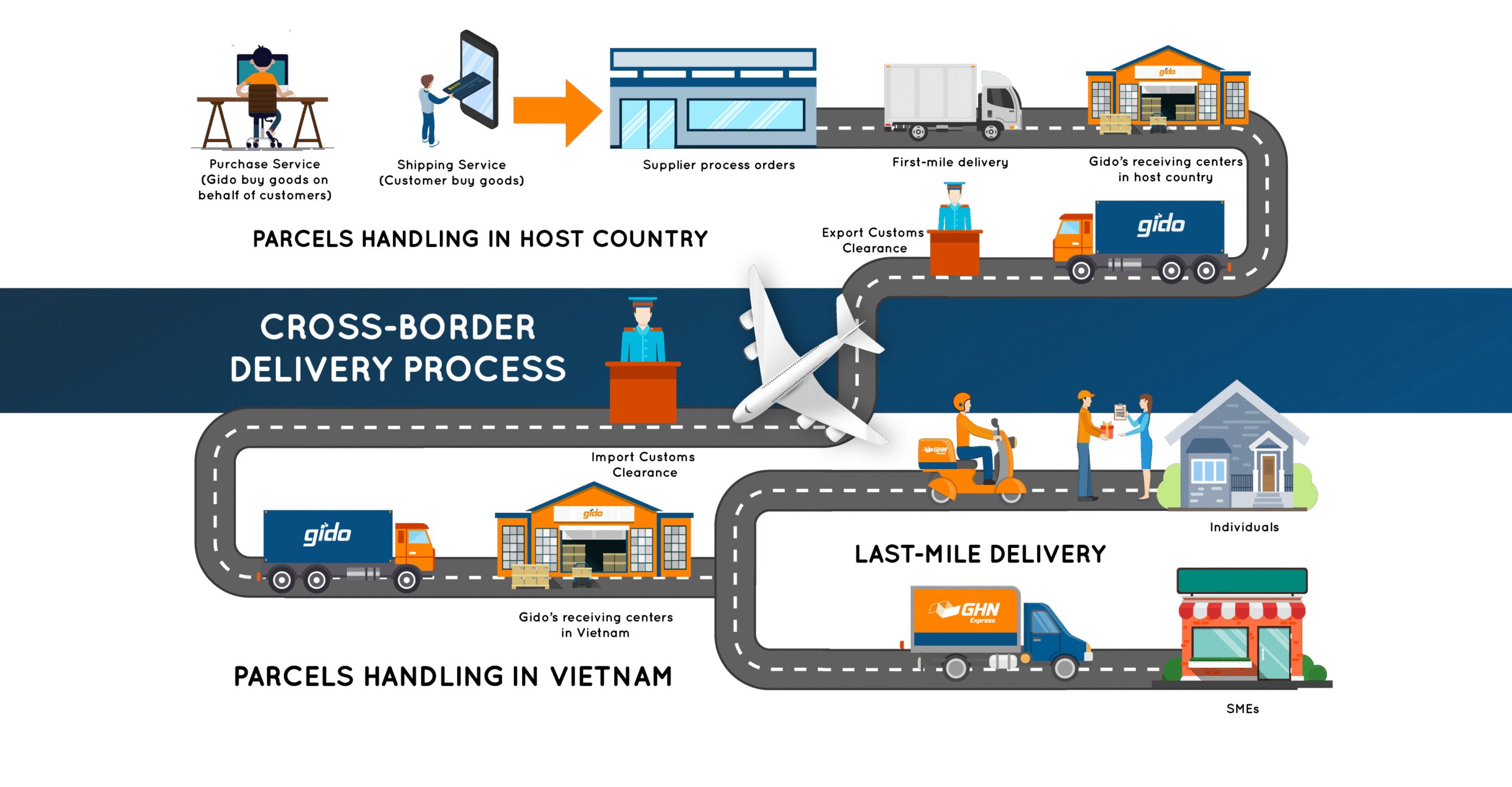
    Gido has launched an express cross-border delivery service from China to Vietnam, promising three working day turnaround.

    All parcels shipped by Gido are offered at the price US$1.95, including customs clearance.

    Customers can submit information about the parcels and recipients via an Excel file or integrate their API with Gido system.

    Parcels will be delivered from Gido’s hub in Shenzhen to end recipients in Hanoi and Ho Chi Minh City within three days, and a maximum of five days for other provinces.

    As a branch of Vietnamese e-commerce delivery service GHN, Gido has a modern IT system connecting multiple delivery partners in different countries along cross-border routes on a single platform to increase handling capacity, reduce transit time, tracking transparently in order to scale things up with the lowest cost.

    “We are inspired by asset-light business model of Cainiao, 4PX, Janio to connect multiple delivery partners along cross-border routes on one single platform,” said Hai Vo, Gido CEO.

    “This enables us to combine partners’ operation capacity with our own infrastructure more than 1000 stations, 30,000 drivers nationwide to provide a comprehensive cross-border e-commerce delivery solution with minimal setup time and cost in comparison to other asset-heavy companies.”

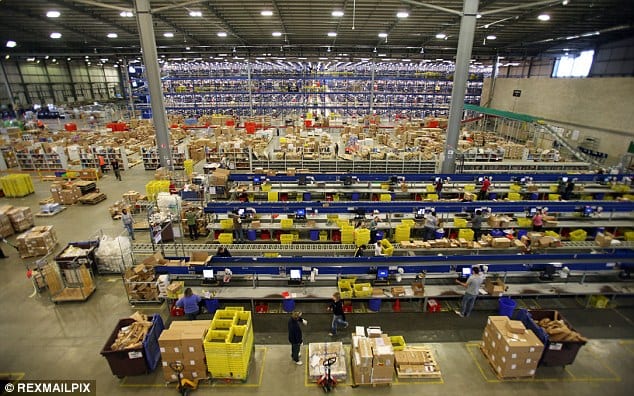
    Gido’s consolidation center boasts a capacity of more than 100,000 parcels per month.
  • Amazon offering deliveries to parked vehicles

    Amazon offering deliveries to parked vehicles

    Expanding on its Amazon Key, which enables access for in-home deliveries, Amazon has started offering deliveries to vehicles.

    With Amazon Key-in-Car, Prime members with compatible vehicles can have packages delivered to the boots and back seats of their cars when parked at home or in public areas.

    Customers need to have a compatible vehicle from Buick, Cadillac, Chevrolet, GMC or Volvo, reports The Verge.

    Free for Prime members, the service is so far available in 37 US cities following beta tests in California and Washington State for the past six months. Amazon is using multiple layers of verification to secure the in-car deliveries.

    The Amazon Key app also shares notifications with users throughout the four-hour delivery-time window, such as when the delivery is on its way, when the package was delivered and when the car was relocked.

    The service expands on the Amazon Key program, a lock-and-camera service that enables Prime members to receive packages directly inside their homes.

  • South Korea c-store launches own parcel service

    South Korea c-store launches own parcel service

    South Korean convenience store chain CU has launched BGF Post, a c-store-specific parcel delivery service unit. A Korean Economic Daily article reported that BGF Post has been set up to distinguish CU’s parcel service from other convenience store chains’.

    CU previously operated CVS Net, a joint parcel service with GS25 convenience stores. As it independently operates the new subsidiary, GS25 plans to run CVS Net on its own, says the report.

    The company will also explore new business opportunities through BGF Post amid increasing number of convenience store parcel delivery users.

    CU is a subsidiary of BGF Retail and has more than 8,000 convenience stores in the country.

  • Stranded online parcels claim ‘partly untrue’

    Stranded online parcels claim ‘partly untrue’

    China Post has said reports that thousands of parcels from overseas have been languishing at a Shanghai port for months because it owes millions of yuan in port fees are “partly untrue.” This follows online claims that 200 containers mostly containing haitao — goods bought online from overseas — brought by ship to the city are piled up at a Shanghai port. Items transported by air are unaffected. They are mainly said to be items bought from Japan between October and November — including diapers and other infant products ordered by parents. It has been claimed online that the delay is because the China Post Express Mail Service owes some 5 million yuan (US$817,730) to Shanghai International Port Group and has refused to pay.