Tag: paribas

  • BNP Paribas Switzerland Pivots to Wealth Management, Targeting Swiss Entrepreneurs and High-Value Lending Market

    BNP Paribas Switzerland Pivots to Wealth Management, Targeting Swiss Entrepreneurs and High-Value Lending Market

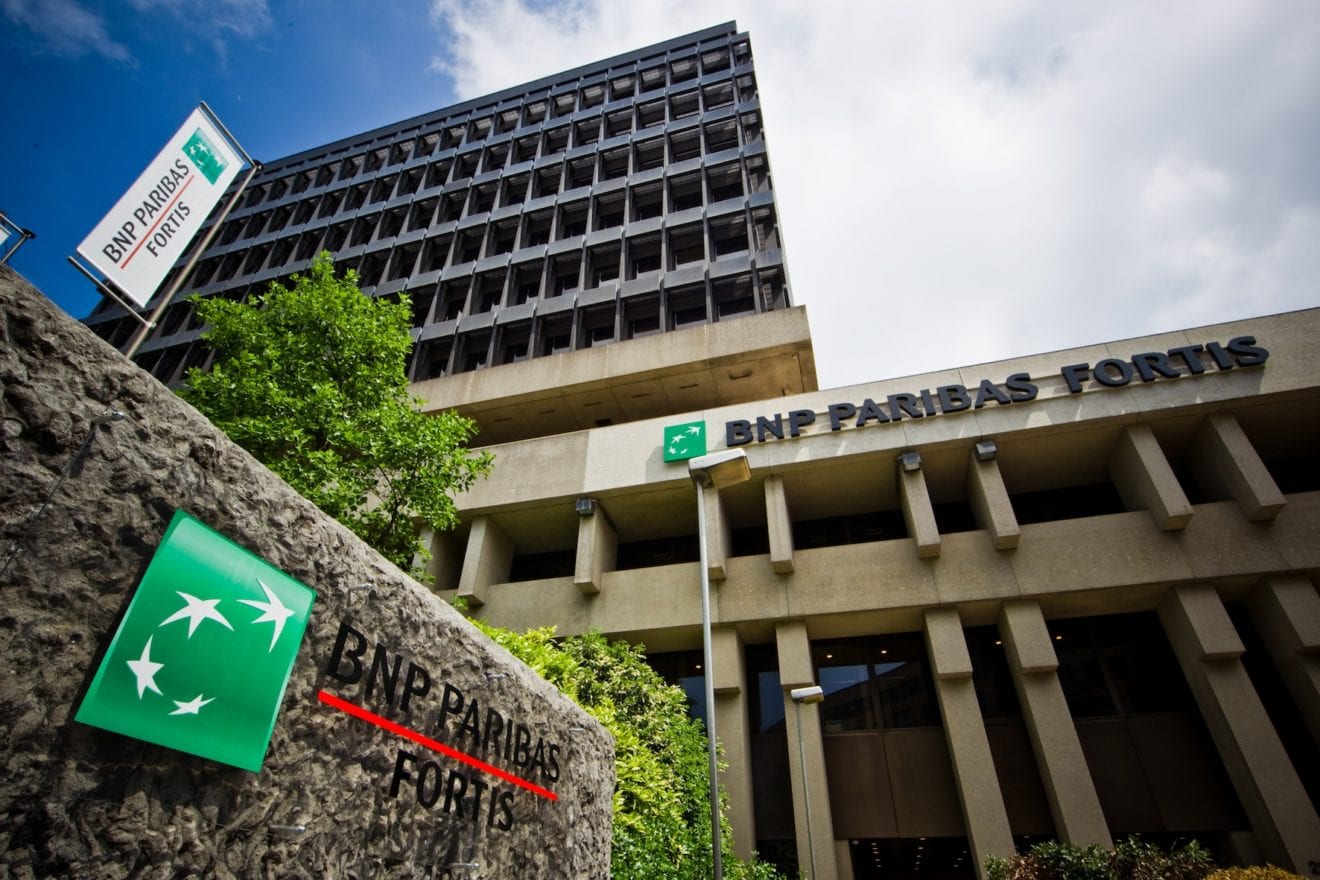
    BNP Paribas, the French multinational bank, has recently finished the restructuring of its Swiss operations, with a primary emphasis on Wealth Management. From this point onwards, the bank’s primary concern will be to expand its wealth management sector, focusing especially on Swiss entrepreneurs. A key component of this strategy is the lending business.

    Aligning the Swiss Operations

    Over the years, BNP Paribas has been realigning its operations in Switzerland. Today, Wealth Management and entrepreneurial services form the bedrock of their strategy. Since May 2025, the Swiss unit has been operating as a branch of BNP Paribas Paris. As a result of this change, separate financial figures will no longer be made public. Enna Pariset, Swiss head of BNP Paribas, stated, “The retreat from commodity trade finance was finalized in 2022, and we concluded 2025 positively, intending to continue our growth.”

    Swiss Client Growth

    The bank intends to concentrate primarily on Swiss entrepreneurs. Pariset mentions that “Four years after the launch of the initiative, roughly 30% of the assets under management are from Swiss clients.”

    The Corporate and Investment Banking (CIB) unit is another important aspect of the company. In 2024, revenues from Swiss clients totaled €1 billion globally and saw further growth in 2025. According to the new growth plan, these figures are projected to increase to approximately €1.5 billion by 2030.

    Lending as a Key Strategy

    Lending forms a fundamental part of the Wealth Management strategy. BNP Paribas positions itself as a purveyor of intricate financing solutions for entrepreneurs and affluent private clients. Yusuf Savmaz, CEO of Wealth Management Switzerland, stated, “Not many banks offer a €150 million single-stock loan in Switzerland. Owing to our robust balance sheet and expertise, such transactions are integral to our core operations.”

    Another area of focus is the expansion of the mortgage franchise. Pariset explained, “This is a relatively new business for us. We see immense potential here, especially considering that our collaboration with AXA Investment Managers has enriched our knowledge of the real estate market in Switzerland.”

    AXA Investment Managers Integration

    BNP Paribas anticipates additional momentum from integrating AXA Investment Managers, which currently manages CHF 75.5 billion in assets for Swiss clients, including CHF 52.4 billion in Switzerland. The Swiss asset management business of AXA IM will maintain its independence, with its own CEO. However, Pariset assured that they will collaborate closely to offer clients a wider range of products.

    Private Banking Positioning

    In classic private banking, the entry threshold in Switzerland is approximately CHF 5 million. BNP Paribas adopts a tailored approach based on the client segment. For Swiss clients, the entry threshold is somewhat lower, while for new relationships with Middle Eastern clients, it’s higher due to increased regulatory requirements, explained Savmaz.

    Artificial Intelligence Initiatives

    A key aspect of BNP Paribas’ model is its integration with Corporate and Investment Banking. This deep understanding of firms through Corporate and Investment Banking helps them assess risks, noted Savmaz.

    While BNP Paribas utilizes traditional strategies in the investment management area, digital assets currently do not play an active role. Pariset stated, “We are not the right bank for that.” However, the bank is investing in new technologies and is working with Zurich fintech Unique on several AI projects.

    Questions & Answers

    What is the focus of BNP Paribas in Switzerland?
    BNP Paribas is focusing on expanding its Wealth Management sector, especially serving Swiss entrepreneurs.

    What is BNP Paribas’ approach to private banking in Switzerland?
    In private banking, BNP Paribas adopts a differentiated approach based on the client segment with an entry threshold of approximately CHF 5 million.

    Does BNP Paribas have plans to invest in digital assets?
    Currently, BNP Paribas does not see an active role for digital assets in its investment management area.

  • BNP Paribas Faces Scrutiny: Insights from Ms. Pariset on Recent Criticism

    BNP Paribas Faces Scrutiny: Insights from Ms. Pariset on Recent Criticism

    BNP Paribas has recently restructured its operations in Switzerland, transitioning from a subsidiary to a branch of its French parent company. This strategic move, according to Switzerland CEO Enna Pariset, is designed to streamline the group’s legal framework and enhance operational efficiency across markets where retail banking isn’t part of the offering.

    Legal Streamlining for Growth

    By becoming a branch, BNP Paribas has aligned its Swiss operations more closely with its overall group structure, which has already been implemented in other European markets. Pariset expressed satisfaction with the transition, noting that Switzerland was the final European market to make this change. The bank remains fully regulated by FINMA and also falls under the scrutiny of the European Central Bank.

    Benefits to Clients and Organizational Structure

    This reorganization is not just an administrative shift; it directly supports the bank’s growth ambitions. With branches in Zurich and Geneva, and Lugano functioning under Zurich’s umbrella due to its small team of 15 specialists, the new setup aims to boost operational clarity and efficiency. “Clients benefit from the new structure,” Pariset emphasized, hinting at the positive outcomes expected from this realignment.

    Client Reception and Future Outlook

    What about the clients’ reactions to these changes? Surprisingly, there has been no negative feedback reported. After a two-year preparation process, clients were thoroughly informed and guided throughout the transition. They now enjoy direct access to BNP Paribas Group’s impressive €2.7 trillion balance sheet, bolstered by strong credit ratings—A+ from S&P and A1 from Moody’s. “We are the largest branch of an international bank ever to operate in Switzerland,” Pariset proudly stated.

    Navigating Challenges and Setting Goals

    Despite a lackluster performance in 2023 and the ongoing transformation, Pariset remained optimistic regarding the bank’s future. Operating in Switzerland since 1872, BNP Paribas aims to expand its business with local clients to €1 billion in 2024, with a bold target of €1.5 billion by 2030. “We’re on the right path,” she asserted, detailing the bank’s mission to provide a unique value proposition to Swiss corporates and wealthy families, helping them thrive internationally while preserving their wealth.

    With all this restructuring, it seems one thing is clear: BNP Paribas isn’t just weathering the storm; it’s fine-tuning its sails for smoother seas ahead. Who knew banking could be so exhilarating?

    Questions & Answers

    What are the main motivations behind BNP Paribas’s restructuring in Switzerland? The restructuring aims to streamline legal structures and improve operational efficiency across the group.

    How has the client response been to the new branch model? Clients have responded positively, with no negative feedback reported, gaining direct access to the BNP Paribas Group’s substantial resources.

    What ambitious goals does BNP Paribas have for the Swiss market by 2030? The bank aims to grow its business with Swiss clients to €1.5 billion by 2030, enhancing support for corporates and high-net-worth families.

  • One in Three Entrepreneurs in APAC Rely on M&A

    One in Three Entrepreneurs in APAC Rely on M&A

    In Asia Pacific, one in three entrepreneur leverages on merger or acquisition as means to grow or expand their businesses, according to a recent report by BNP Paribas. A high proportion of entrepreneurs (33%) in the region rely on merger or acquisition to grow their businesses compared to their counterparts in Europe, GCC and USA, according to the 2019 BNP Paribas Global Entrepreneur Report.

    38 percent of Hong Kong business owners have undergone either a merger or acquisition in the past.

    Disruption and Development

    Over 50 percent of Indonesian entrepreneurs focus on contributing to growth of the local economy as their business goals in five years, while the entrepreneurial ambition in Taiwan is gravitated towards contributing to innovation and development in their chosen sectors. For Taiwan entrepreneurs, 38 percent are disruptors – their business goal is to permanently change the status quo with a new product or concept within five years.

    In India, it is for the next generation of their families to have meaningful careers.

    Use Of Credit Solutions

    Globally, 44 percent of elite entrepreneurs have used credit solutions to develop their business.  In Asia, 55 percent of entrepreneurs have sought to borrow to invest in their own businesses. This rises to six in every ten entrepreneurs in China, India and Indonesia.

    61 percent of Chinese entrepreneurs use credit or lending products to finance their business.  54 percent of Indonesian entrepreneurs have used structured products for credit or lending.

    Respondents

    The report is based on the responses of 2,763 Asian elite entrepreneurs handling a total net worth of USD16 billion, spanning 23 countries across Europe, Asia, the United States and the Middle East. It also unveils the different stages of maturity of their entrepreneurial journey, the impact on their private wealth and their need for family governance.

    Sampling of the Asia respondents include 830 elite entrepreneurs covering China, Hong Kong, India, Indonesia, Singapore and Taiwan. The average primary company revenue was $7.2 million.