Tag: Paris Fashion Week

  • Handsome markets brands in Paris Fashion Week

    Handsome markets brands in Paris Fashion Week

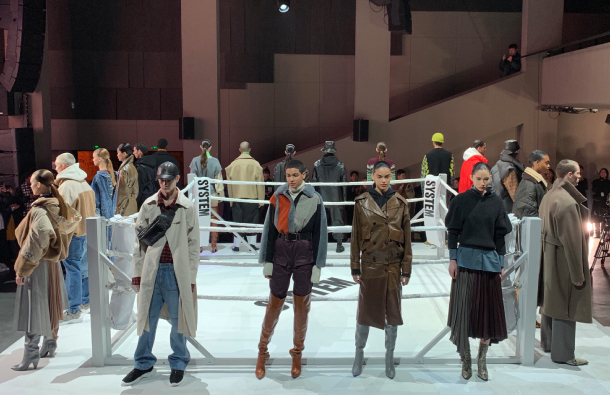
    Handsome, a Korean fashion brand owned by Hyundai Department Store, brought two of its labels to Paris Fashion Week in an effort to expand on the global stage. System for Women and System Homme, the two Handsome brands, showcased their fall and winter collections in a rented showroom for eight days starting from Jan. 17. The Handsome event included a presentation of the collections followed by showroom events, where item were modeled for clients.

    The brands are presenting their new collection one season early to major buyers in the fashion industry.

    In addition to 180 buyers, the event was attended by the Wall Street Journal, Vogue and GQ as well as by fashion influencers.

    It was the first time Handsome has taken its brands to a foreign showroom since being founded in 1987.

    System for Women debuted in 1990 and System Homme in 2008. The company has also introduced other names, including Time, Mine and SJSJ.

    Handsome was acquired by Hyundai Department Store Group in 2012.

    At the Paris event, which featured 200 items for men and women, around 40 department stores from 14 countries participated. Samples were purchased ahead of possible quantity orders.

    It was a buyers’ who’s who. The list included representatives from Bloomingdales, France’s Le Bon Marche, Hong Kong’s Lane Crawford, Japan’s Isetan and Shanghai’s 10 Corso Como. Inquiries also came in from parties in Switzerland and Israel.

    “We predicted the number of businesses that would visit our showroom would be 40 at maximum. But since System Homme was introduced via major media outlets and social media after the presentation on Jan. 18, a great number of fashion businesspeople visited,” said a source from Handsome.

    The company said that visitors appreciated the designs as being unique and set apart from other major Asian brands.

    “In the case of businesses that received the samples, they will decide on quantity purchases in February, and in June, the main products of System [for Women] and System Homme will be sold at department stores and in multibrand shops of each country,” said a source from Handsome.

    Handsome is planning to use the Paris showroom event as a stepping stone for its international expansion efforts.

    In line with the strategy, it will complete its product development earlier and present new design concepts to the market one season ahead.

    It is rare for a ready-made brand to utilize this sort of advanced development.

    “Our brand is still new in the global fashion market, but we will elevate awareness to the point where we could open an exclusive fashion show at a foreign fashion week,” said Kim Hyung-jong, the CEO of Handsome.
  • The coolest men’s sneakers from Paris Fashion Week

    The coolest men’s sneakers from Paris Fashion Week

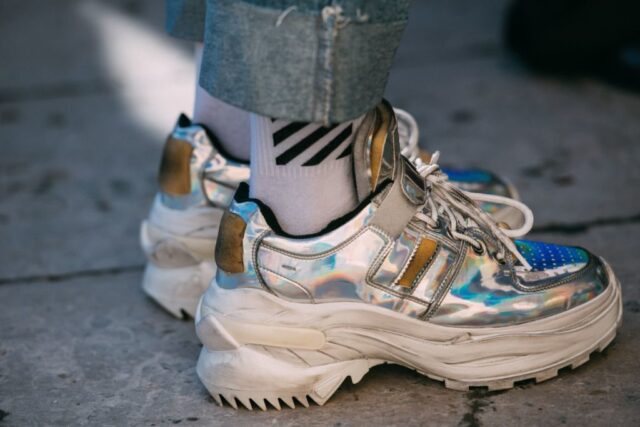
    Paris Fashion Week Men’s was not lacking in head-turning street-style looks this year. Attendees brought their sartorial A-game to take in new fall ’19 collections from the hottest designers. A guest paired trendy Off-White socks with shiny silver Maison Margiela sneakers that featured a chunky platform sole and an iridescent finish. Cuffed denim jeans highlighted the pairing perfectly.

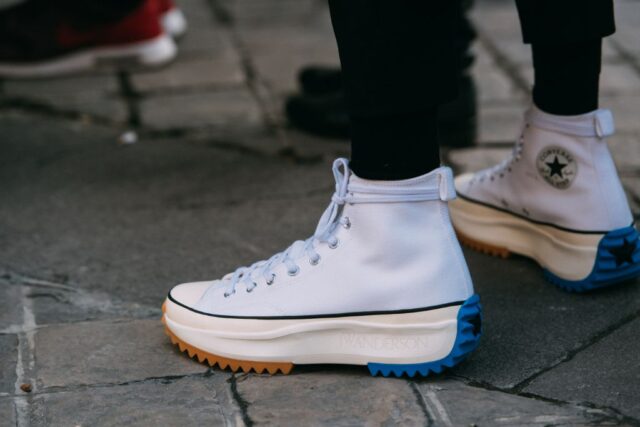
    Elsewhere, a guest showed off J.W. Anderson’s new Converse collab sneakers, which feature a rubber jagged platform sole. The high-tops debuted on the catwalk at Anderson’s spring ’19 show.

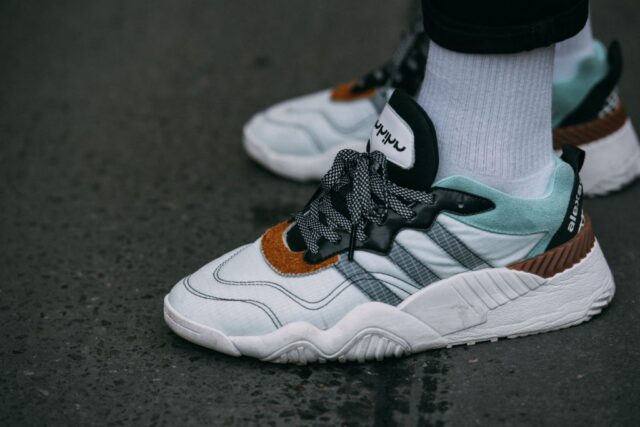
    Meanwhile, Adidas x Alexander Wang Turnout Mint White runners caught our attention with its chunky midsole design, a mash-up inspired by several previous Adidas sneakers.

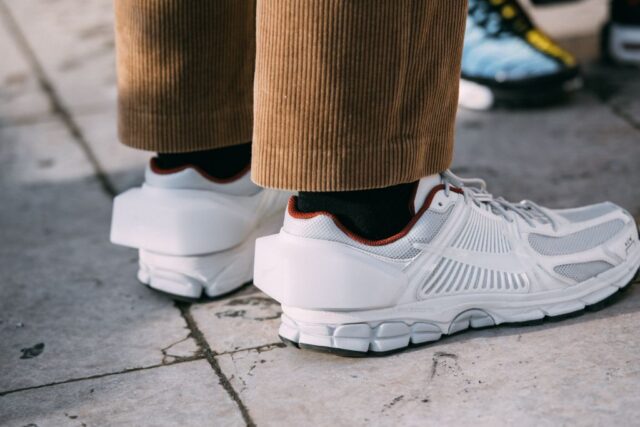
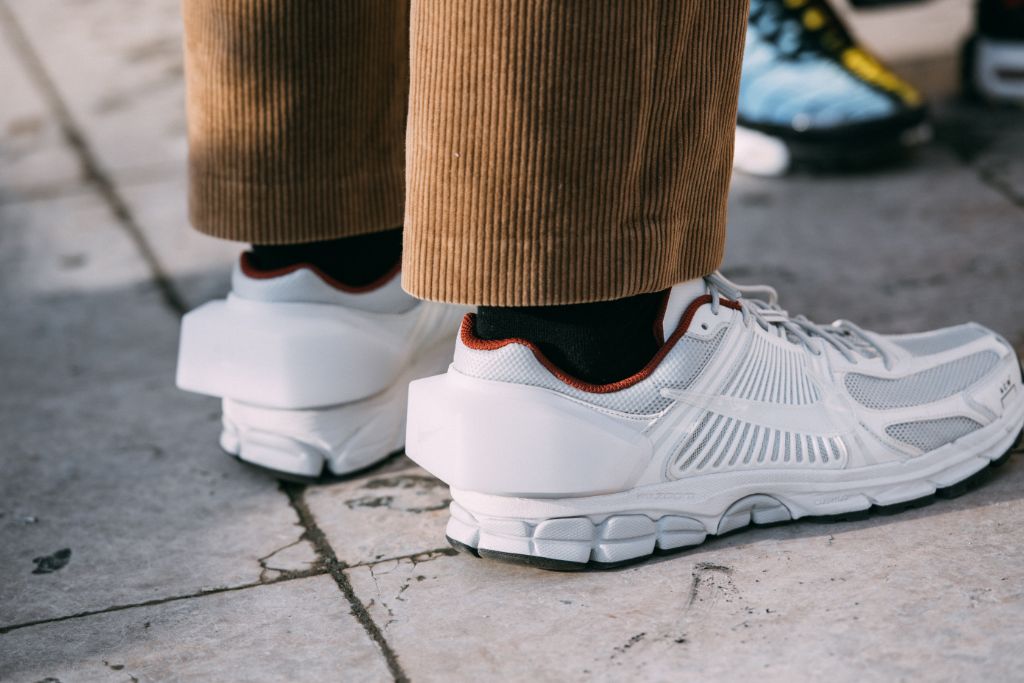
    The Nike x A-Cold-Wall Zoom Vomero +5, designed by Samuel Ross, undeniably stands out with its enlarged heel counter. The style, which dropped in November, blends retro and futuristic elements.

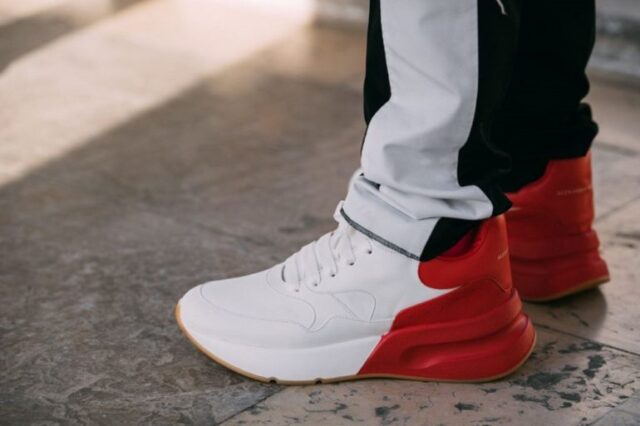
    Lastly, the oversized red and white contrast leather sneakers by Alexander McQueen, which Timothée Chalamet has worn on the red carpet, of course, made an appearance at fashion week.

  • Pooey Puitton toy purse makers file lawsuit against Louis Vuitton

    Pooey Puitton toy purse makers file lawsuit against Louis Vuitton

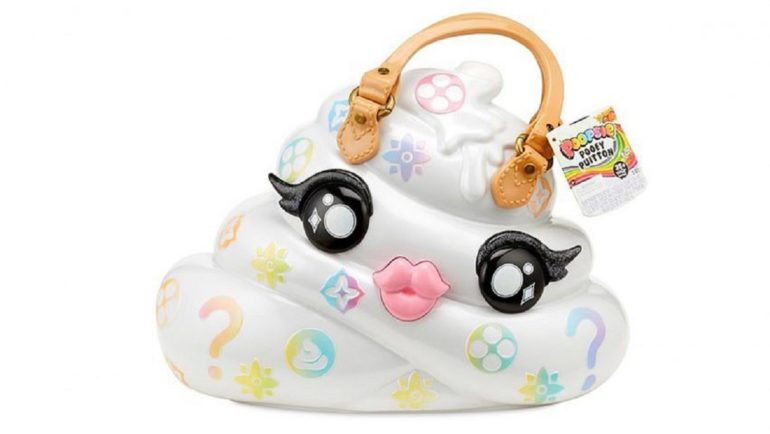
    Toy company MGA Entertainment has preemptively sued Louis Vuitton in an attempt to prevent the fashion house from taking actions that might impact sales of its slime-filled children’s purse Pooey Puitton. Filed 28 December 2018 in Los Angeles federal court, the lawsuit aims to prevent any potential claims of trademark infringement that Louis Vuitton might have against the plastic, poop-shaped purse.

    Instead, it asserts that the product is a “protected parody” of Louis Vuitton’s luxury handbags.

    The Pooey Puitton plastic purse takes the shape of a poop emoji with a handle and sparkly eyes. It is printed with a colourful, printed monogram, similar to the floral trademark pattern found on Louis Vuitton products, particularly the Spring/Summer 2003 collaboration with Japanese artist Takashi Murakami.

    Intended as a children’s toy, the purse is designed to store “unicorn poop”, a glittery toy slime.

    The children’s toy manufacturer launched the lawsuit in response to a claim that Pooey Puitton’s name and image violates the fashion label’s intellectual property rights.

    But MGA Entertainment asserted that “no reasonable consumer would mistake the Pooey product for a Louis Vuitton handbag”, citing the difference in material, price, marketing and stockists.

    According to the toy giant, the product is actually a parody of the luxury fashion brand, “designed to mock, criticise, and make fun of the wealth and celebrity” associated with Louis Vuitton products.

    “The use of the Pooey name and Pooey product in association with a product line of magical unicorn poop is intended to criticise or comment upon the rich and famous, the Louis Vuitton name, the ‘LV’ marks, and on their conspicuous consumption,” the statement reads.

    The interlocking “L” and “V” floral monogram pattern was designed by Louis Vuitton’s son, Georges Vuitton, in 1896.

    This is not the first time that MGA Entertainment has found itself in legal battles. The brand was famously sued by Barbie-manufacturer Mattel for allegedly stealing the idea behind its Bratz doll franchise.

    Elsewhere, Virgil Abloh – who was appointed artistic director of menswear for Louis Vuitton in March 2018 – unveiled his polychromatic menswear collection for the brand during Paris fashion week.

  • How smaller retailers are thinking beyond Fashion Week for #fashion to compete

    How smaller retailers are thinking beyond Fashion Week for #fashion to compete

    Increasingly easy-to-use technology has enabled smaller retailers to speak and deliver to their niche customer sets across all channels with the same voice as they would in a shop in Hong Kong. So what is driving their success?

    This vendor-written piece has been edited by Executive Networks Media to eliminate product promotion, but readers should note it will likely favour the submitter’s approach.

    Like many reading this, I’m always intrigued by the small business owners I meet across the world, many running generations-old boutiques selling one-of-a-kind treasures. These shop owners, with their warm welcomes and time-honored craftsmanship, can quickly endear themselves to even the most casual shopper. A storefront with a history or an intriguing story can quickly turn a browser into a loyal customer, as has been my experience time and time again.

    This sort of personalized experience has always been the key to success for small retailers in the fashion and luxury goods sector.

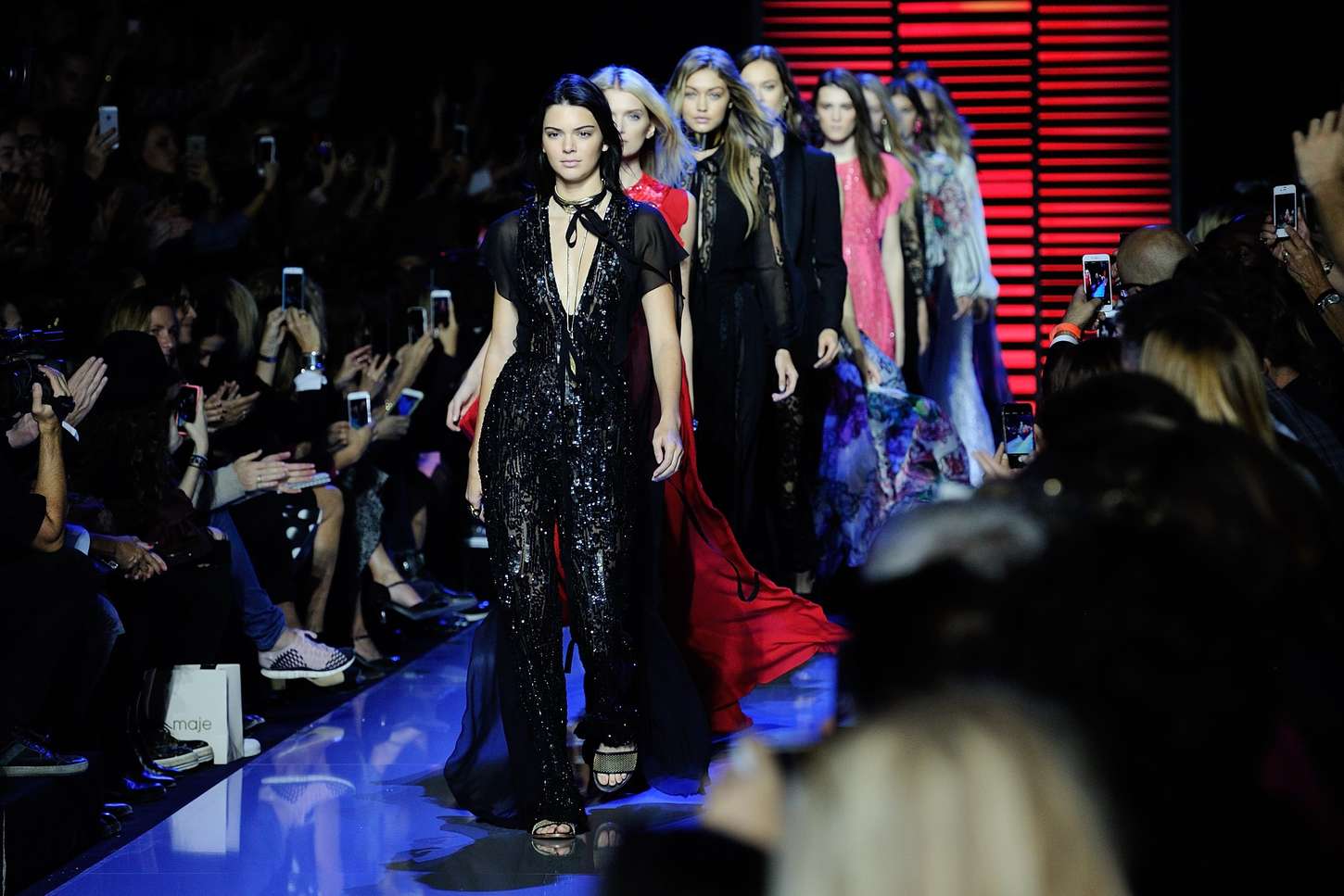
    However, as the worlds of fashion, luxury and media descend upon Paris for Fashion Week, these experiences and transactions seem increasingly quaint and inconsequential. Amid all the dazzle, glitz and glamor, one can be forgiven for thinking that high fashion continues to be the realm of global retailers and big-name luxury brands.

    Yet remarkably, more and more fashion retailers are starting to embrace being ‘small’ as a strategy for success and growth. Increasingly easy-to-use technology has enabled smaller retailers to speak and deliver to their niche customer sets across all channels with the same voice as they would in a shop in Hong Kong. So what is driving their success?

    They’re tech-savvy

    With e-commerce growth projected to double the retail industry average at least until 2017, half of all shoppers discovering new products when searching with smartphones, 82 percent of smartphone owners looking online for product information when shopping, and smartphones already accounting for over 40 percent of ecommerce transactions in Japan and South Korea it is no wonder that small retailers are realizing that they need to be as tech-savvy and flexible as their customers. That means engaging and delighting shoppers on mobiles, social media and online channels. 

    They’re highly personal

    Technological advancements and the democratizing power of the Internet have allowed retailers to scale up without sacrificing intimacy and personal service. As customers no longer think about retailers’ brands in a silo, neither does the small retailer. They analyze insights from website visitor traffic, social media interactions, and newsletter click-through rates to better understand their customers. Any retailer with a Facebook page can now easily discover that their average customer is, for example, female, aged between 16 and 24, and listens to One Direction, and by using this data to precisely tailor their sales and marketing strategy, they can more effectively engage and delight their customers.

    They look for ways to cultivate and engage a community

    It is much more profitable to sell to loyal customers than to constantly look for new ones. A Bain study showed that just a five percent growth in customer retention could boost profitability by 75 percent.

    Small retailers are starting to use this insight to build loyal online communities, which do the selling for them. No wonder a brief Google search on the words ‘e-commerce’ and ‘social media’ turns out 101 million results, with articles such as ’12 Social Media Tactics to Drive Traffic to your E-commerce Site’ being the most visited. Another way is through loyalty programs, which 30 percent of independent retailers are planning to implement in 2016. This is on top of the quarter of independent retailers who already have a loyalty program in place.

    They find the right support 

    Finally, one cannot ‘grow small’ without a reliable network of business partners, whether it’s like-minded companies to cross-sell services and expand the product offering, or other companies to provide operational support in areas where expertise is lacking.

    One example of this is logistics. According to a recent FedEx study, about 70 percent of consumers surveyed listed shipping-related factors as the most influential in their decision to buy from online retailers in other markets. That is why small retailers look to third-parties for their expertise and capabilities in potentially complex areas, such as the implementation of a policy that allows customers the option to return items purchased online to a physical store.

    #fashion is a game changer

    As global product availability is almost a non-issue these days, smart small retailers in the fashion and luxury sector need to constantly rethink their strategies, find ways to stand out, grow, and engage their customers without compromising the essence of their appeal.