Tag: paris motor show

  • Li Auto Delays European Debut to First Quarter 2027 with Norway and Netherlands Rollout

    Li Auto Delays European Debut to First Quarter 2027 with Norway and Netherlands Rollout

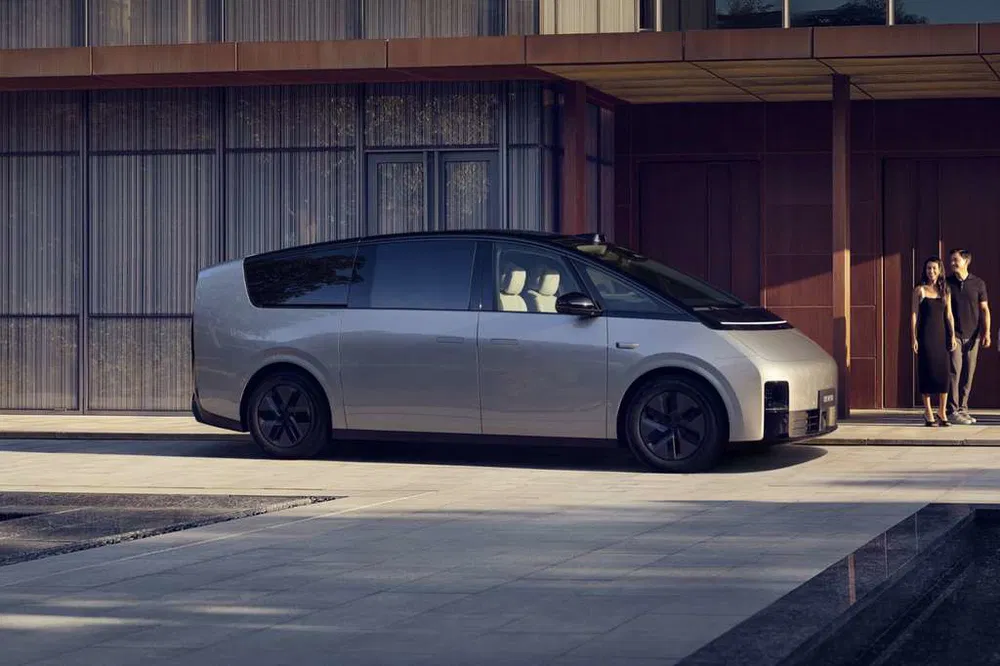
    Li Auto pushed its European market debut to the first quarter of 2027 on Monday. The company revealed the battery-electric Li 6 SUV in Paris ahead of initial sales in Norway and the Netherlands.

    That timeline delays European showroom arrivals from late 2026. Management previously gave a fourth-quarter 2026 target during an August earnings call.

    Benjamin Baum, senior exterior design director at Li Auto, presented the vehicle on October 12 during the opening day of the Paris Motor Show. Known as the i6 in China, the export model carries the shorter Li 6 badge for European buyers. Deliveries will focus first on Norway and the Netherlands before expanding across other European markets. Localized versions of the brand’s extended-range hybrid models will arrive at an unannounced date.

    European Target Selection and Vehicle Architecture

    Norway and the Netherlands serve as proving grounds for Chinese electric carmakers entering Europe. Both countries offer dense charging networks and high EV adoption rates. Li Auto chose pure electric drivetrains for Western Europe while prioritizing extended-range hybrids in Central Asia and the Middle East to match local charging infrastructure. In July, it introduced the L9 extended-range SUV in Kazakhstan and Uzbekistan. That rollout drew technical support from an engineering center established in Munich in January 2025.

    Engineers built the European specification to meet Euro NCAP five-star crash test standards. Formal safety assessments will follow once local market deliveries begin. Under the floor sits a 96 kilowatt-hour fast-charging battery pack. It delivers an operating range of up to 780 kilometers under China Light-Duty Test Cycle standards. Li Auto designs the battery cells internally and outsources cell fabrication to suppliers CALB and Sunwoda, though it builds the completed packs in-house.

    Domestic Pressure Drives Overseas Export Push

    Selling abroad has become a commercial necessity for Chinese carmakers facing brutal price competition and slowing domestic volume growth. Li Auto delivered 31,817 vehicles in September. That was a 6.29 per cent drop from the same month last year and a 15.56 per cent slide from August. Total deliveries across the first nine months of the year reached 293,436 units, down 1.25 per cent compared to the identical period in 2025.

    Rivals like Nio and Xpeng have already built retail distribution channels across Northern Europe. They found that building brand recognition is expensive and sales accumulate slowly. Li Auto must now set up physical showrooms, service centers, and software localization across multiple languages while fighting established European premium marques. CEO Li Xiang stated on Weibo that the company will adapt to local conditions and enter when ready. He pointed to compact vehicle dimensions suited to European urban street layouts.

    Model Refresh Precedes Export Program

    In China, the i6 remains Li Auto’s primary volume driver. Cumulative domestic sales have exceeded 190,000 units since its debut. In August alone, the vehicle accounted for 16,979 deliveries, representing roughly 45 per cent of the manufacturer’s total monthly output. Order books for the initial model generation closed on September 11 to clear assembly lines for an updated 2026 edition.

    Dealerships across China began displaying static models of the refreshed 2026 i6 at 485 locations on October 11. The updated variant adds adaptive beam matrix headlights and twin 150-degree reclining zero-gravity front seats. It also includes a 29-inch panoramic front display, Li Auto’s proprietary Mach M100 driving assistance processor, and Qualcomm Snapdragon silicon.

    Customer test drives and official retail sales for the 2026 i6 begin across China on October 28. Initial customer handovers follow in early November ahead of planned European export shipments.
  • Xpeng to Unveil 5.12-Metre G9L Electric SUV at Paris Motor Show

    Xpeng to Unveil 5.12-Metre G9L Electric SUV at Paris Motor Show

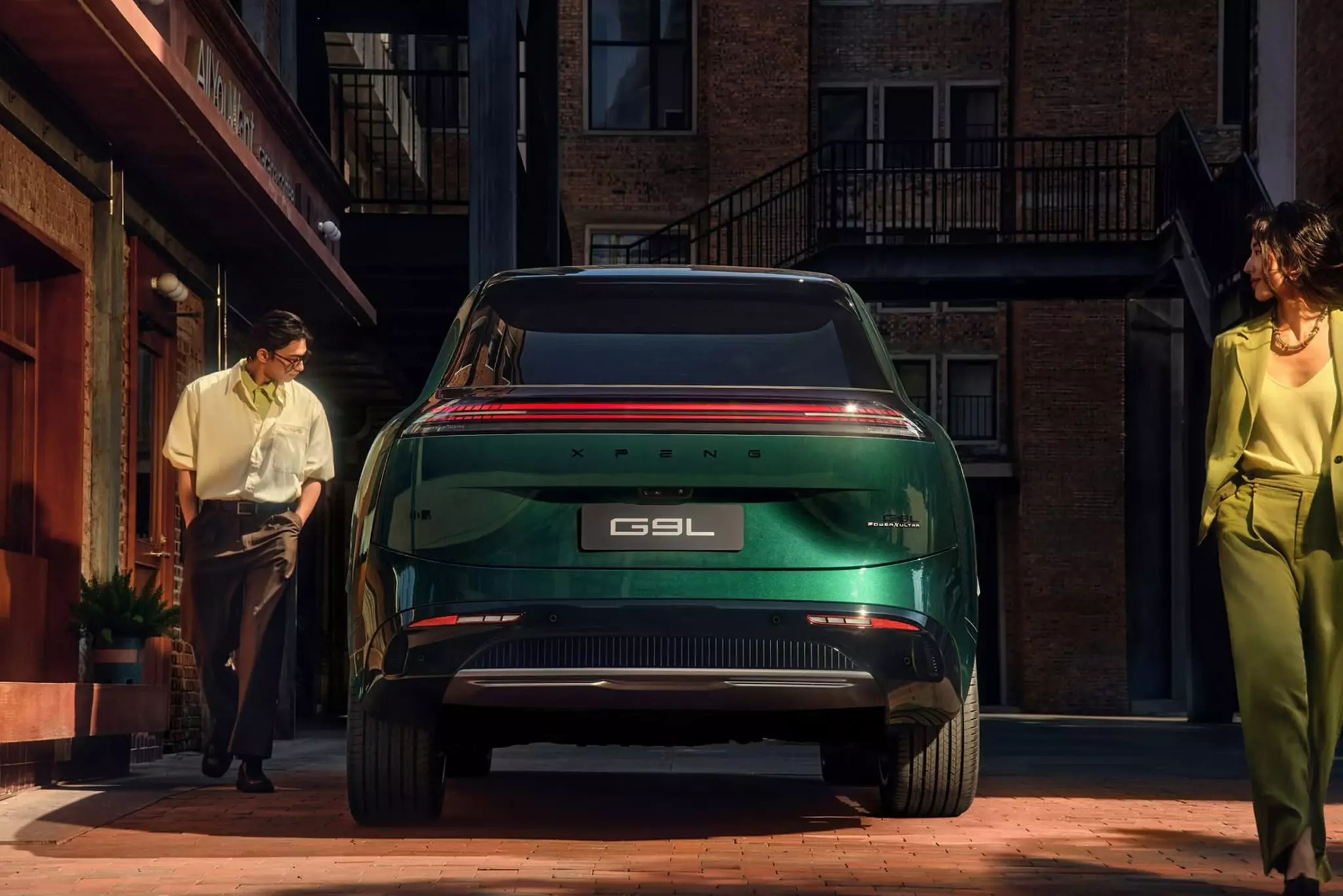
    Xpeng will unveil its new G9L electric SUV at the Paris Motor Show this year ahead of a European rollout. The flagship model is already on sale in China and features peak DC charging power of 540 kW.

    The 5.12-metre vehicle is 23 centimetres longer and 10 centimetres taller than the standard G9. It carries a 110 kWh battery that charges from 10 to 80 per cent in under 12 minutes.

    Dimensions and executive cabin layout

    Engineers stretched the wheelbase by 12 centimetres and added 10 centimetres of height compared to the standard G9. That yields a total vehicle height of 1.78 metres and a width of roughly two metres. Passengers enter via electrically deployed sliding side steps and automated remote doors. Outside, a revised closed front fascia and updated lighting clusters alter styling while keeping aerodynamic drag low.

    Inside, the cabin prioritises rear passenger amenities over raw cargo space. Second-row seating features two individual captain chairs with ventilation, heating, and massage functions. A thermoelectric storage unit sits between the rear seats, capable of freezing, cooling, or heating food and drinks. Overhead, a retractable ceiling display handles entertainment alongside powered side window blinds.

    Storage and configuration choices

    Luggage capacity stands at 367 litres with all three rows occupied, including a lower underfloor well. Folding down the third row expands cargo volume to 1,330 litres in the six-seater and 935 litres in the seven-seat configuration. A front trunk adds 65 litres. At the back, an electrically deployed tow bar provides up to two tonnes of towing capacity.

    European dealerships will stock both six-seat and seven-seat configurations. A five-seat version is designated strictly for the UK market. The six-seater comes exclusively with an all-wheel-drive powertrain, while seven-seat buyers can choose between single-motor and dual-motor specifications.

    Charging capability and drivetrain output

    The entry rear-wheel-drive variant generates 270 kilowatts and hits 100 kilometres per hour in seven seconds flat. It achieves a certified WLTP driving range of 591 kilometres. The twin-motor all-wheel-drive performance trim increases output to 430 kilowatts. That cuts the sprint to 100 kilometres per hour to roughly four seconds, while delivering 553 kilometres of WLTP range.

    A 22-kilowatt onboard AC charger comes standard across all versions for overnight wallbox replenishment. On fast-charging DC networks supporting 800-volt architectures, the vehicle draws up to 540 kilowatts at peak input.

    Market positioning against German rivals

    Chinese electric vehicle makers are targeting the upper tier of the European market. Higher transaction prices there help absorb logistics costs and regional trade duties. The G9L aims at executive fleet operators and wealthy private buyers who typically buy the BMW iX, Audi Q8 e-tron, or Mercedes-Benz EQS SUV.

    Official European pricing is not yet confirmed. However, the standard G9 starts at €59,600, while the dual-motor Performance model sells for €72,600. Offering rear-seat cinema screens, 12-minute charging, and three-row seating below legacy German price bands tests whether European corporate buyers will switch badges.

    Xpeng launched the original G9 platform nearly four years ago before rolling out a mid-cycle refresh last year. Full regional pricing schedules and delivery windows will follow the Paris debut.