Tag: personal care

  • Givaudan Targets GLP-1 Consumer Spending Shift Toward Beauty

    Givaudan Targets GLP-1 Consumer Spending Shift Toward Beauty

    Givaudan is revamping product development across its beauty and fragrance divisions as weight loss treatments reshape consumer budgets, tracked by 15 generic semaglutide brands entering India since patent expirations began. The ingredient supplier found adult adoption of GLP-1 therapies in the US climbed from 3 per cent in 2024 to 11 per cent in 2026, triggering direct reallocation of discretionary spending.

    Data compiled by the manufacturer from a NielsenIQ Homescan panel revealed American households using the medications increased spending on fine fragrances by 97 per cent while cutting grocery budgets. In Brazil, 47 per cent of buyers reported trimming other expenses specifically to finance treatment doses, signaling a widespread behavioral reallocation away from food toward personal grooming, sports, and travel.

    India Generics Drive Rapid Market Expansion

    Price reductions and the loss of patent exclusivity in markets such as India have dismantled entry barriers for metabolic therapies. The introduction of 15 domestic brands following patent expiries expanded regional supply rapidly, lowering therapy costs and broadening usage beyond narrow clinical segments.

    Lower retail prices combined with the development of oral alternatives to subcutaneous injections are speeding up adoption across emerging economies. For personal care brands operating in Asia, this shift alters the customer base faster than anticipated. Product developers must adjust formulas for consumers managing the physiological consequences of rapid weight reduction.

    Formulations Adapt to Side Effects

    Patients experience specific physiological issues that prompt new topical requirements, notably loss of facial volume, loose skin, barrier dryness, temporary hair thinning, and bad breath. Consumers navigating these side effects prioritize demonstrable performance over brand prestige, checking active concentrations and clinical validation closely.

    Buyers demand formulas that combine medical-grade efficacy with sensory textures. Frédéric Merlin, manager of the Givaudan Digital Factory in Paris, stated: “Faced with these very real concerns, consumers are becoming more demanding: they seek out the right actives, compare concentrations, and check the evidence behind efficacy claims. But they are unwilling to choose between performance and pleasure. They expect visible results, sensorial textures, and an enjoyable experience. Whereas a brand’s reputation may once have been enough to win them over, it is now the efficacy promise, backed by evidence, that makes the difference.”

    Scent Profiles Reflect Appetite Changes

    Social listening data gathered by Givaudan identified two dominant fragrance profiles among treatment users: gourmand compositions and crisp, fresh notes. Appetite suppression does not eliminate interest in rich food-inspired aromas, although nausea risks create sharp aversions to heavy notes, requiring finer calibration by perfumers.

    Energy dips and sleep disruptions linked to these therapies have opened room for functional scents. Givaudan is deploying its patented MoodScentz and DreamScentz platforms, pitching neuro-olfactive formulations that stimulate alertness in the morning or support disrupted sleep cycles at night.

    Digital Factory Tests Commercial Concepts

    The company developed an exhibition format called The New Desire at its Paris Digital Factory, built around an artificial intelligence persona named Nathalie to model shifting habits. Brand teams examine over 120 global product rollouts and generate concept packaging tested against simulated consumer feedback.

    Corporate clients have booked repeat sessions at the facility, prompting an operational extension of the program. Fast-moving consumer goods suppliers across the Asia-Pacific region now face parallel realignments on retail shelves: packaged food volumes face headwinds, while functional personal care and premium fragrances capture liberated wallet share.

    Givaudan plans to publish its next wave of field research on GLP-1 olfactory preferences before the end of 2026.


  • Kimberly-Clark Completes Kenvue Buyout Targeting $2.1 Billion in Synergies

    Kimberly-Clark Completes Kenvue Buyout Targeting $2.1 Billion in Synergies

    Kimberly-Clark completed its acquisition of Kenvue on November 2, 2026, creating a personal care and consumer health group with 10 brands generating over $1 billion each in annual sales.

    The combined roster brings Huggies, Kleenex, Kotex, Depend and Scott together with lines including Neutrogena, Tylenol, Listerine and Johnson’s Baby under a single corporate umbrella.

    Synergy Targets and Financial Timelines

    Management reiterated an anticipated run-rate synergy target of approximately $2.1 billion following the close. The bulk of that figure rests on approximately $1.9 billion in operational cost reductions scheduled for extraction within the first three years of joint operations.

    Revenue synergies are projected to deliver roughly $500 million in incremental profit over four years. Those gains will be counterbalanced by approximately $300 million in planned commercial reinvestments over the same horizon.

    Chief executive Mike Hsu will direct the enlarged group, deploying what the Dallas-based manufacturer calls its Powering Care operating structure across Kenvue’s retail pipeline.

    Asia Shelf Space and Retail Realignment

    For supermarket chains, pharmacy operators and convenience retailers across Asia, the completed transaction consolidates bargaining power across everyday grocery aisles. Kimberly-Clark already holds entrenched shelf positions in personal care across markets such as Australia, while Kenvue brings commanding distribution in skin health and oral hygiene.

    Combining both portfolios gives the company broader negotiating use during annual supplier reviews against regional conglomerates and multinational rivals. Retail buyers now face a unified counterparty across baby care, adult incontinence, over-the-counter wellness and topical skincare.

    Category Overlap and Integration Drag

    Execution risks sit squarely in supply chain integration and localized market dynamics. The transaction binds high-volume, paper-pulp manufacturing cycles with regulated consumer healthcare lines that carry vastly different regulatory hurdles and pharmacy distribution models across individual Asian territories.

    In fast-developing Asian retail corridors, category boundaries between fast-moving daily goods and self-care products are blurring rapidly as consumers purchase more preventative health products. Global spending across everyday health and wellness categories now exceeds $500 billion annually, making scale in cross-category retail distribution essential to defend operating margins.

    From Spinoff to Final Sale

    The deal closes after months of integration planning and internal structuring designed to map cost cuts before day one.

    Investors and retail partners now turn to Kimberly-Clark’s first post-merger quarterly filings to track progress on the initial tranches of the $1.9 billion three-year cost elimination plan.

  • Stryv Raises $11.5 Million in Series B Round Led by ACV Capital

    Stryv Raises $11.5 Million in Series B Round Led by ACV Capital

    Singapore-based direct-to-consumer personal care brand Stryv has secured $11.5 million in a Series B funding round led by Indonesia-headquartered ACV Capital. The fresh injection lifts the company’s total capital raised to date to about $20 million, according to CEO and co-founder Roy Ang.

    Openspace Capital and OCTAVE Capital also backed the round, Stryv confirmed in a statement. The company will deploy the proceeds to enter Taiwan, expand operations across Malaysia and Hong Kong, scale research and development, and pursue acquisitions of complementary consumer brands.

    Evo Commerce, established in 2020 by former Grab executives Ang and Minghao Teoh, launched the Stryv brand in 2022. The fundraising comes as the business explores a potential public listing on the Singapore Exchange’s Catalist Board to fund its next stage of regional growth.

    Financing Regional Operations

    Ang said Stryv is currently focused on Taiwan, noting that entering each new market requires having the right local team in place to execute.

    “That said, the company is open to entering new markets quickly through acquisitions if the opportunity arises,” he added.

    The company designs and retails affordable, premium-quality grooming and beauty products tailored for Asian consumers, including hair styling tools, hair care formulations, and shavers.

    From Grooming to Household Appliances

    Stryv acquired Singapore-based home appliances brand Sterra in March 2026, adding a footprint in 200,000 households and expanding beyond grooming tools into home wellness hardware.

    Following that purchase, the company launched the Stryv Oasis massage chair and the Stryv Halo air purifier since September. Ang noted that the capital supports Stryv’s broader ambition to build a multi-category ecosystem of personal and home care products for households across Asia.

    Lead investor ACV Capital manages more than $500 million across five funds and has invested in over 100 businesses during the past eight years, according to its website.

    Private Equity Competition for Beauty and Care Assets

    The financing coincides with aggressive dealmaking across Asia’s personal care and beauty landscape, where global private equity sponsors are acquiring established brands to capture resilient consumer demand.

    Recent transactions show the momentum: CVC revised its binding offer to privatise Japan’s Mandom at 3,105 yen per share, topping KKR’s revised 3,100 yen offer. Meanwhile, Bain Capital agreed to purchase FineToday Holdings from CVC Asia Fund V for an estimated 200 billion yen ($1.3 billion) following competing bids from Blackstone and KKR.

    Public Listing Plans on the Catalist Board

    In August, DealStreetAsia reported that Stryv was exploring a potential listing on the Catalist Board. Sources said the company was evaluating the move to support cross-border expansion, strengthen its proprietary technology platform, and raise brand visibility.

  • Touchland Enters Sephora Australia with 13 Products

    Touchland Enters Sephora Australia with 13 Products

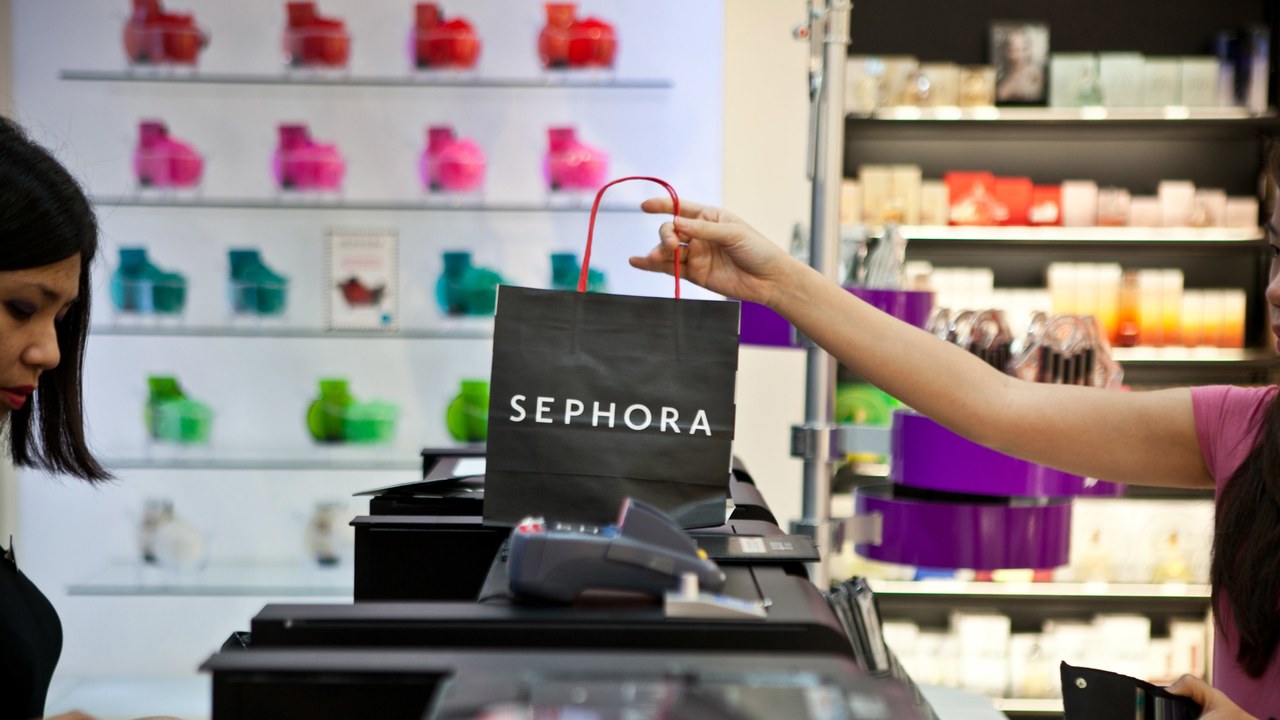
    Touchland entered Australia on October 28, rolling out 13 products across Sephora stores nationwide and online.

    The partnership gives the US brand its first local retail presence in the country, following years of domestic shoppers purchasing its mist sanitizers while traveling overseas.

    Expanding personal care shelves

    Founded in 2018, the US-based brand built its profile around fragrance-led formulations and slim, pocket-sized packaging. The Australian debut focuses on its Power Mist range, placing the sanitizer lineup directly into Sephora’s physical footprint and digital storefront.

    Personal care items in beauty retail have steadily migrated from checkout add-ons into dedicated shelf categories. By securing prime space inside Sephora, Touchland bypasses mass-market pharmacy shelves where utility sanitizers dominate on price rather than branding.

    The premium hygiene play

    The Australian rollout tests whether local consumers will pay beauty-counter premiums for hand hygiene in an inflationary retail climate. For Sephora, stocking the brand expands impulse personal care assortment with products that carry established social media recognition.

    Department stores and specialty beauty chains across Asia-Pacific face tighter consumer discretionary budgets, forcing retailers to rely on lower-ticket basket builders. Touchland gives the retailer a recognized entry-level item that drives foot traffic without demanding high capital outlay from shoppers.

    Retail distribution across markets

    Before securing domestic distribution, Touchland relied on outbound Australian travelers buying inventory abroad. Brand tracking and cross-border demand indicated an addressable audience long before domestic stock arrived on local shelves.

    The initial deployment across Australian retail establishes a southern anchor for the brand in the broader Asia-Pacific region. Inventory performance across Sephora’s network over the final quarter will show whether consumer demand sustains beyond initial launch traffic.

  • Sunscreen Reforms Proposed After 16 of 20 Products Fail SPF Tests

    Sunscreen Reforms Proposed After 16 of 20 Products Fail SPF Tests

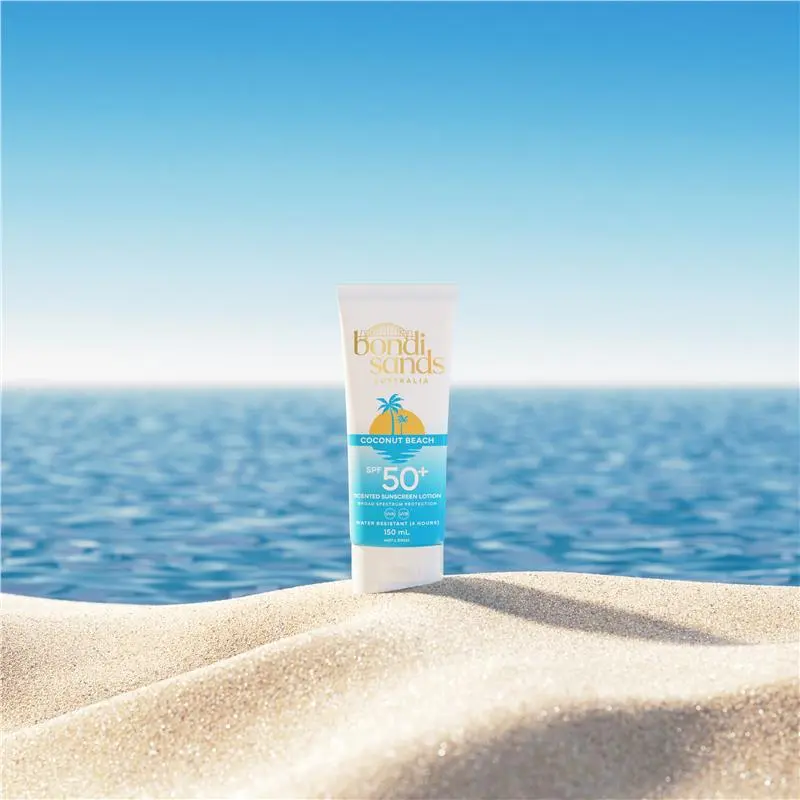
    Australia’s Therapeutic Goods Administration is overhauling sunscreen testing rules, requiring brands to conduct repeated SPF verification and lodge data before products reach retail shelves.

    The regulatory shift follows testing conducted last year that discovered 16 out of 20 popular sunscreen formulations failed to deliver their claimed sun protection factor.

    Consumer advocacy group Choice, industry body Accord Australasia and the Australian Sunscreen Association have backed elements of the framework while demanding that the TGA scrutinise the compliance costs and supply availability before codifying the rules. Under the proposed regime, personal care manufacturers must test finished shelf formulations rather than base batches, repeating trials across the stated shelf life of the product.

    Mandatory Testing Shifts Before Shelf Placement

    Brands currently sell sunscreens in Australia without lodging baseline laboratory data with the regulator prior to retail distribution unless specifically ordered to produce records. The updated rules eliminate that gap by forcing suppliers to lodge certified testing dossiers with the TGA ahead of retail launch.

    Laboratory evaluation protocols will also change to accommodate in vitro testing methods conducted on plates rather than relying solely on human volunteer skin trials. The TGA confirmed human testing protocols will remain compulsory for specific categories, including water-resistant claims, to prevent degradation under real-world conditions.

    The regulator decided against establishing an open public registry of brand testing results. Officials cited commercial confidentiality, trade secret protections and the risk that technical testing metrics would confuse shoppers.

    Supply Chain Friction for Beauty and Personal Care Brands

    RetailNews Asia sees this regulatory clampdown reshaping procurement margins for pharmacy chains, beauty retailers, and contract manufacturers across the Asia-Pacific region. Australia represents the strictest suncare compliance market in the southern hemisphere, and Australian compliance frequently serves as the quality benchmark for brands exporting into Southeast Asian retail networks.

    Suppliers face sharp operational cost increases as testing requirements expand from one-off formula verifications to continuous stability batches. Independent indie brands and cross-border beauty labels using third-party contract packagers will bear the brunt of these overheads, creating shelf consolidation in major retailers such as Coles, Woolworths, and chemist chains.

    Fallout from Sunscreen Recalls

    The regulatory overhaul stems from an industry crisis when independent testing showed severe disparities between front-label claims and actual barrier performance. One mineral sunscreen labelled SPF 50+ registered a protection score of just SPF 4 during laboratory trials, triggering a recall of the product alongside 19 sister formulations built on the identical base matrix.

    While products like Mecca Cosmetica’s To Save Body SPF 50+ recorded matching protection levels of SPF 51 in the same trial, the wider category suffered severe reputational erosion. The TGA’s chief medical adviser, Professor Robyn Langham, explained that investigations revealed multiple systemic factors behind failing batches rather than isolated formulation errors.

    Australians expect the SPF on the label to be backed by robust evidence. These proposed reforms put that expectation at the centre of sunscreen regulation.

    Next Regulatory Steps and Compliance Milestones

    The TGA will review submissions from retail and chemical industry groups regarding cost burdens before finalising the regulatory timetable. Consumer advocates continue to demand that the regulator institute an independent government-run batch testing programme rather than relying exclusively on company filings.

    Beauty retailers and FMCG distributors operating across Australia and regional export markets are now auditing supplier dossiers ahead of the binding implementation dates.

  • Coles Adopts MTick Menopause Label Across 200 Products in Australia

    Coles Adopts MTick Menopause Label Across 200 Products in Australia

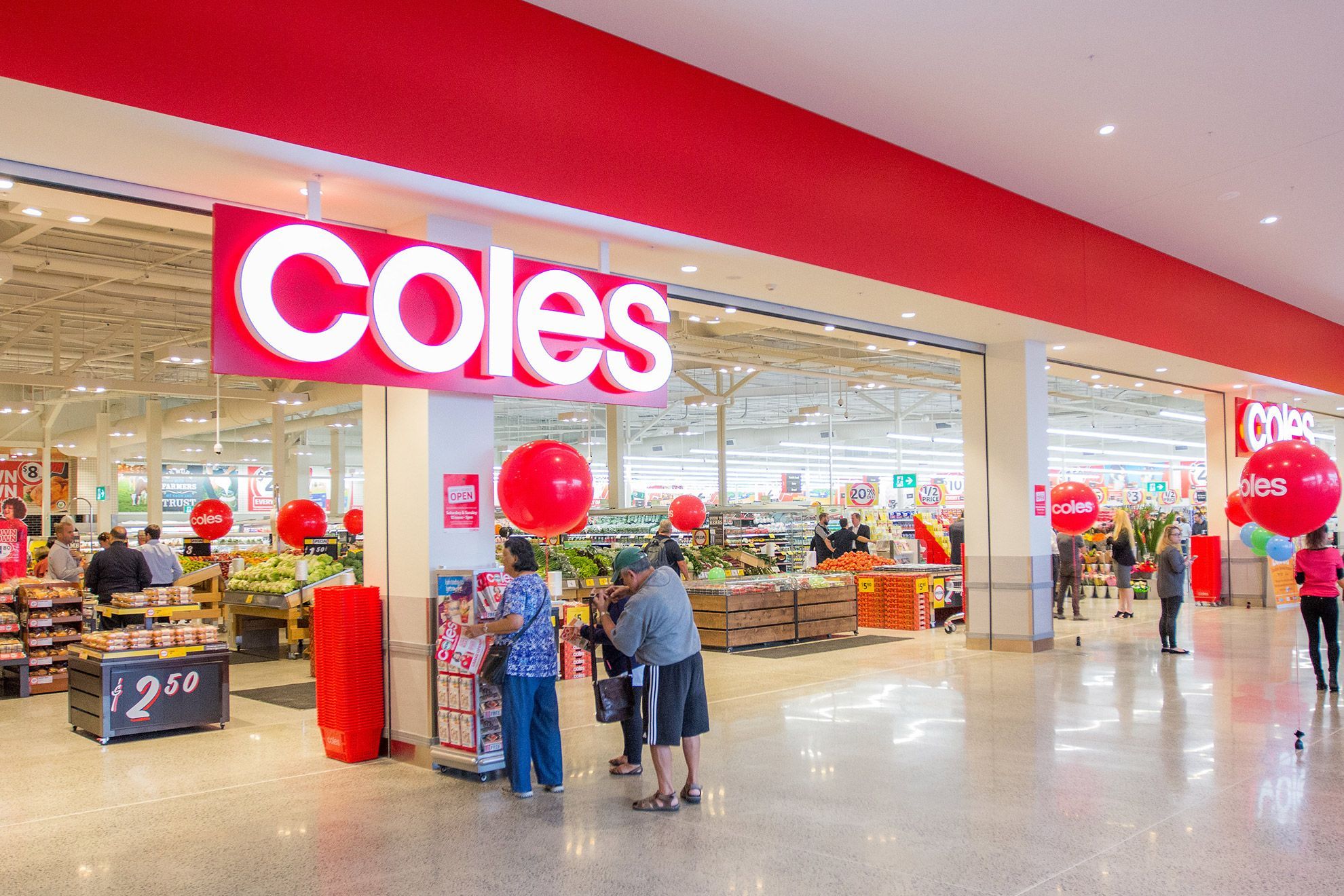
    Coles will introduce MTick menopause certification across more than 200 items in Australian stores and online, partnering with advocacy group GenM to standardise product labelling for midlife women.

    The agreement covers food, skincare, personal care and dietary supplements across an Australian market where GenM estimates 4.5 million women currently navigate perimenopause and menopause.

    Implementation begins with an online educational hub before purple MTick identifiers appear on physical shelves and digital storefronts early next year. The accreditation scheme checks products against 48 recognized symptoms of menopause, including sleep disruption, skin alterations, dry eyes, cognitive fatigue and intimate health needs.

    Shelf Signage and Digital Hubs

    Physical stores will install dedicated point-of-sale badging to help consumers spot qualifying inventory quickly during routine grocery trips. Online, Coles will index qualifying lines into dedicated search filters linked to informational guides detailing common physiological transitions.

    GenM manages the certification process, vetting third-party formulations against ingredient standards and consumer testing guidelines before clearing items to display the purple symbol. Brand owners pay verification fees directly to the standard holder to qualify individual product lines for placement.

    The GenM Standard and UK Precedents

    British grocers and pharmacies created the template that Coles is now transplanting into the southern hemisphere. Retailers including Tesco, Asda, Sainsbury’s and health-and-beauty chain Boots already display MTick iconography across an international inventory pool exceeding 4,000 certified stock-keeping units.

    For Australian retail operators, category tagging creates margin opportunities in aisles that historically functioned as low-margin convenience stops. Supermarkets can capture wellness revenue by aggregating high-margin items such as targeted serums, magnesium formulations and sleep supplements into visible health sub-categories.

    Pharmacy Competition and Category Margins

    Pharmacy chains built Australia’s baseline market for dedicated wellness merchandising, leaving grocers to fight for basket share. Community pharmacy group TerryWhite Chemmart previously added MTick shelf tags to recruit shoppers seeking guidance on hormonal health transitions.

    By establishing certified shelf space in high-frequency supermarkets, Coles puts direct commercial pressure on independent pharmacies and banner groups that rely heavily on discretionary personal care sales. Suppliers must now balance slotting allowances and certification audits if they want shelf access in both distribution channels.

    Rollout Schedule and Brand Recruitment

    Health and beauty manufacturers in Australia have spent recent years reformulating private-label and branded ranges to satisfy rising demand for transparent personal care claims. Several local brands secured MTick approval ahead of the supermarket launch to guarantee distribution when shelf changes take effect.

    Coles plans to begin deploying the online resource centre in early 2027, followed by storewide rollouts of shelf tags as certified supplier stock enters its distribution centres.

  • Aptar Beauty Adds All-Plastic Pump to Personal Care Packaging Line

    Aptar Beauty Adds All-Plastic Pump to Personal Care Packaging Line

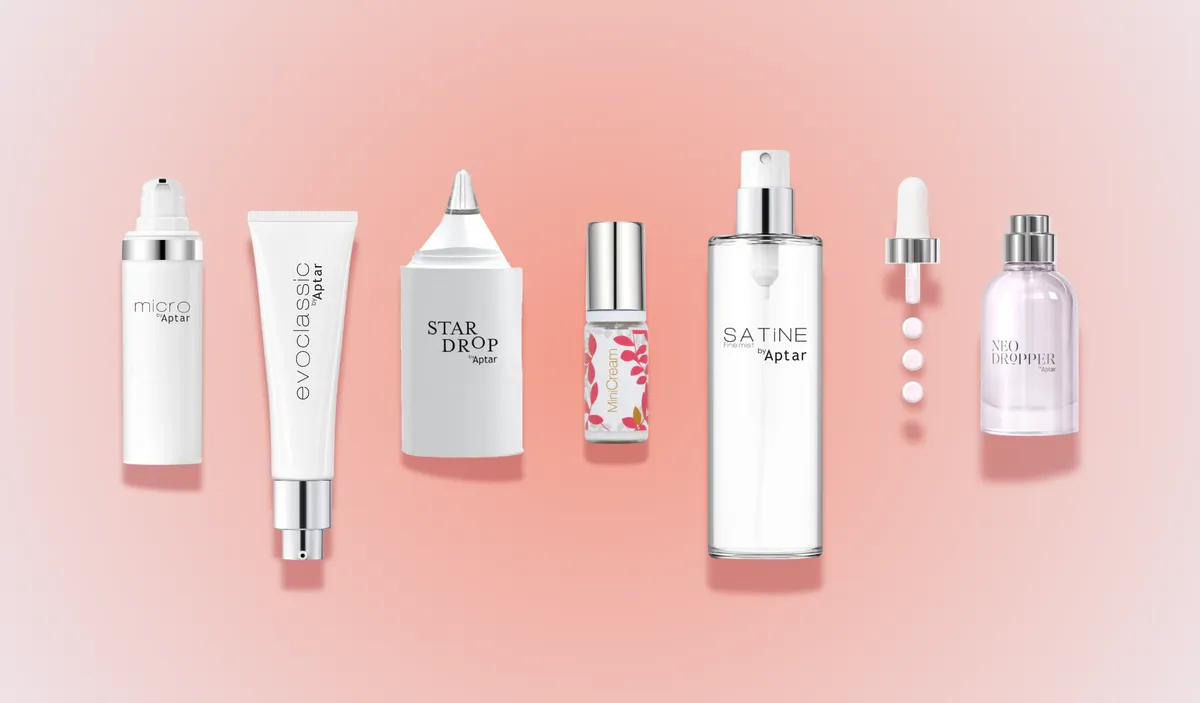
    Aptar Beauty launched the Novus Advance all-plastic pump on October 5, widening its polyolefin dispensing line into high-volume hair and body care formats. The unit dispenses fixed doses of 350 and 500 microlitres without metal springs or mixed-material components that disrupt commercial recycling sorting lines.

    The launch extends the Advance platform the supplier introduced in 2025, which began with the GSA Advance lotion pump and PZ Advance fine mist spray. By eliminating polyoxymethylene and internal metal springs, the company targets brands facing stricter extended producer responsibility rules across international export markets.

    All-Polyolefin Engineering and Formulation Fit

    Novus Advance runs on a full-polyolefin cartridge combining polypropylene and polyethylene. When paired with high-density polyethylene, polypropylene or PET containers, the entire bottle and closure assembly passes through standard recycling streams without requiring disassembly by consumers or sorting facilities.

    Internal mechanics rely on an exterior bellows system positioned outside the dosage chamber. Keeping the mechanical spring mechanism separated from the liquid path broadens formula compatibility, allowing personal care brands to run viscous creams, oils, hair serums and short-chain alkane formulations without chemical degradation or clogging.

    The component also integrates post-consumer recycled resin options. A twist-to-lock head eliminates the need for an overcap, reducing total plastic weight per stock-keeping unit.

    Meeting E-Commerce Transit Requirements

    Online retail compliance has become a baseline requirement for mass beauty brands selling across digital marketplaces in Asia. Aptar verified the closure under ISTA-6 protocol testing to prevent leaking during air freight, parcel sorting and direct-to-consumer delivery.

    Packaging suppliers are racing to re-engineer closures that withstand pressure drops and rough handling in parcel networks without adding secondary tape, shrink wrap or outer bags. Passing ISTA-6 standards allows personal care groups to bypass secondary outer boxing, reducing packaging costs in cross-border fulfillment.

    “Novus Advance is another step in our continued focus on ensuring our products continue to support circular economy efforts. We plan to expand this innovative full-polyolefin collection to other dosages and applications to facilitate this sustainable transition for brands,” says Luigi Garofalo, Global Category Director Personal Care & Home Care, Aptar Beauty.

    Shifting Dynamics in Personal Care Packaging

    Rival packaging suppliers are pursuing similar mono-material and refill designs as fast-moving consumer goods giants cut non-recyclable components from core lineups. Silgan Dispensing rolled out its Melodie Pirouette SNI 13 pump in late September 2026, pairing a screw-neck closure with moulded glass bottles for portable refill formats in partnership with Groupe Pochet.

    For consumer goods operators across Asia-Pacific, packaging shifts carry operational trade-offs on manufacturing lines. Transitioning from conventional metal-spring dispensers to polyolefin bellows often requires retooling capping machinery and verifying seal integrity across varying liquid viscosities and factory temperatures.

    Brands face commercial risks if all-plastic pumps fail to match the tactile feel or priming speed of traditional metal springs. Contract packagers and private-label manufacturers must balance higher initial tooling costs against long-term savings on plastic packaging taxes in major consumer territories.

    Building Out the Mono-Material Portfolio

    Aptar Beauty developed the Advance line over several product cycles, shifting flagship dispensing designs to mono-material resin architectures. The rollout follows earlier iterations in fragrance and facial skincare, where the group adapted its best-selling fine mist and lotion formats to meet European and North American circular packaging mandates.

    Brand owners are accelerating procurement reviews as regional packaging regulations penalise mixed plastics. The company will expand the polyolefin cartridge platform into additional dosage volumes and closure diameters in 2027.

  • Jessica Sepel Tracks Decade-Long Shift to Preventative Wellness

    Jessica Sepel Tracks Decade-Long Shift to Preventative Wellness

    Consumer wellness is experiencing a fundamental change as shoppers move away from reactive remedies toward proactive health routines, according to Jessica Sepel in September 2026.

    Over the past decade, consumers have increasingly prioritized daily habits and preventative measures to safeguard their future wellbeing rather than waiting to address emerging health concerns.

    Surging Adoption Meets Low Shelf Satisfaction

    Shoppers are replacing reactive remedies with preventative routines. They are buying supplements, specialized nutrition, and metabolic support earlier in life. Women in transition stages try an average of 3.3 more interventions than women at other life stages, and 2.9 more than male consumers.

    Retail shelves have failed to keep pace. In the consumables category, 90 per cent of surveyed women in menopause have purchased at least one wellness product. Only 35 per cent report that the product met their health requirements. The shortfall stems from generic formulation strategies that ignore sex-differentiated hormonal aging.

    The Healthspan Deficit Driving Basket Size

    Underlying the commercial disconnect is a structural gap between lifespan and healthspan. Women outlive men by roughly five years worldwide. However, they spend 25 per cent more of their lives managing illness or disability.

    This disparity drives steady demand across Asia-Pacific markets, including China, India, and Japan. Retailers stocking unisex longevity lines miss out on high-spending shoppers seeking targeted hormone, sleep, and metabolic formulas. Brands offering verified clinical efficacy can take market share directly from legacy multivitamin labels.

    Category Shifts Across Asian Pharmacies and E-Commerce

    For health retailers and cross-border platforms, preventative longevity signals a structural break from quick-fix symptom treatments. Wellness brands built on broad lifestyle positioning now face buyers demanding targeted clinical data before committing to repeat subscriptions.

    Supply chain priorities are shifting for vitamin and dietary supplement manufacturers. Formulators who relied on standard herbal blends must invest in specialized compounds for hormonal transitions, bone density, and cellular aging to protect distribution in major pharmacy chains.

    Earlier Baseline and Future Commercial Benchmarks

    The product gap follows years of longevity protocols built on male clinical baselines. Research published in December 2024 by JAMA Network Open documented systematic healthspan-lifespan disparities across 183 World Health Organization member states, opening doors for direct-to-consumer disruption.

    Manufacturers and retail category buyers will review updated demographic conversion metrics at the upcoming St. Moritz Longevity Forum proceedings as brands prepare 2027 product pipelines for key Asian and Western consumer markets.

  • Salon Lane Opens 675-Square-Metre Melbourne Duplex in Victorian Expansion

    Salon Lane Opens 675-Square-Metre Melbourne Duplex in Victorian Expansion

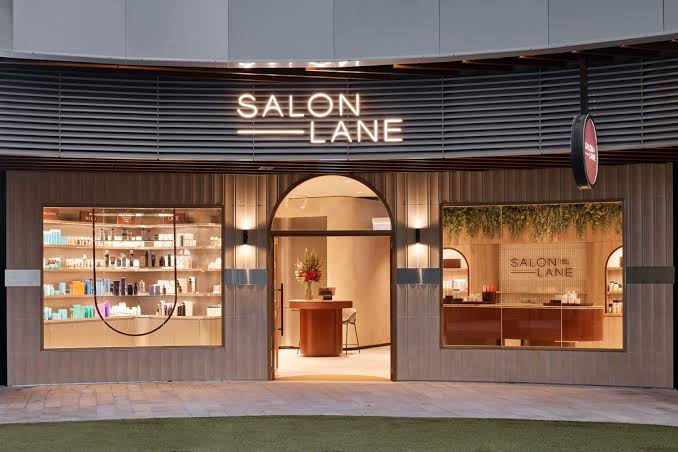
    Salon Lane will open a 675-square-metre duplex at Richmond Square in Melbourne in February. The launch expands the shared salon operator into Victoria.

    Up to 50 independent practitioners will work out of the two-level facility. They cover hair, aesthetics, skin, brows, lashes, wellness and nail care. It is the company’s sixth location nationally.

    Inside the Richmond Square Layout

    The space holds 21 private studios and 14 open workstations alongside specialized service stations. Architecture firm X+O designed the interior layout. The design brings an artistic visual identity tailored to Melbourne’s retail corridor.

    Customer amenities include a dedicated wash lounge, nail and colour stations, a client lounge with a coffee bar, and an on-site retail store. Independent beauty professionals get access to a private member lounge and back-of-house infrastructure. They run autonomous businesses under one roof.

    The Shared Real Estate Model

    Co-working salon hubs alter conventional retail leasing by gathering independent operators into a single anchor tenancy. For commercial landlords, this structure lowers vacancy risk. It replaces individual small-lease negotiations with a single master tenant.

    Commercial pressure falls directly on workstation utilization and tenant retention. Independent practitioners must generate steady foot traffic to cover recurring station costs. At the same time, the operator relies on full occupancy across private suites and open chairs to protect margins.

    Expanding From East Coast Hubs

    Salon Lane built its footprint across five locations in Sydney and Brisbane before committing to Melbourne. This expansion tests whether the shared-space beauty model can duplicate its northern East Coast momentum in a competitive personal care market.

    Doors open at Richmond Square in February for the initial intake of 50 independent operators.

  • Dove Expands Advanced Care Deodorant Range to Six Scents in Australia

    Dove Expands Advanced Care Deodorant Range to Six Scents in Australia

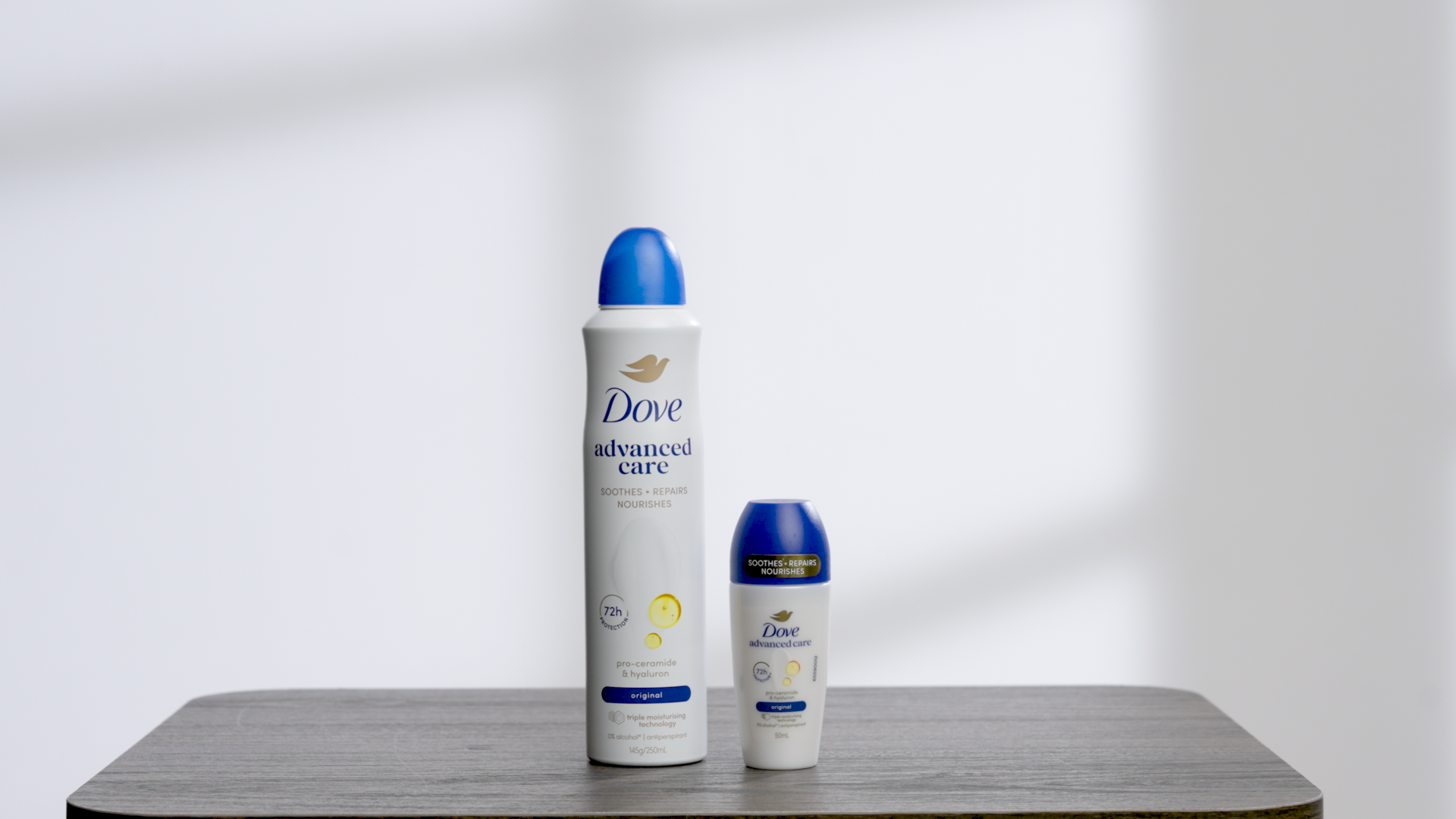
    Dove upgraded its Advanced Care deodorant lineup in Australia in September 2026, adding active skincare ingredients across six distinct fragrance varieties.

    The revamp introduces pro-ceramide serum and hyaluronic acid directly into the brand’s mass-market underarm portfolio, featuring an exclusive scent for independent retailer IGA.

    Skincare Ingredients Enter Daily Deodorants

    Formulations across the refreshed line now blend barrier-repair ingredients typically reserved for facial serums. Pro-ceramide serum works alongside hyaluronic acid to hydrate skin, targeting irritation caused by daily shaving and friction.

    The range spans six fragrances: Original, Pomegranate & Lemon Verbena, Acai Berry & Waterlily, Coconut & Jasmine Flower, Passionfruit & Lemongrass, and Apple & White Tea.

    Retail Distribution and Exclusive Variants

    Supermarket distribution splits the lineup across major national grocers and independent operators. The Apple & White Tea variant sells exclusively through independent IGA stores across the country.

    Channel-exclusive scents give independent operators a defensive shield against major supermarket chains. Tier-one grocers take the core five variants, while IGA uses the exclusive fragrance to drive foot traffic into its personal care aisles.

    Shifting Formulations on Supermarket Shelves

    Personal care manufacturers across the region continue migrating premium skincare ingredients down into high-volume grocery categories. Adding active hydrators allows everyday consumer brands to protect shelf space against specialty pharmacy competitors.

    Retail buyers are watching whether functional skincare claims can lift basket values in basic grocery aisles as shoppers manage everyday household budgets.

  • Beauty Sector Vegetable Oils Market to Reach $7.72 Billion by 2031

    Beauty Sector Vegetable Oils Market to Reach $7.72 Billion by 2031

    Personal care formulators will push global spending on cosmetic vegetable oils from US$5.84 billion this year to $7.72 billion by 2031, research from MarketsandMarkets shows.

    Asia-Pacific demand for plant-based ingredients is driving the bulk of that expansion as regional beauty brands overhaul skincare and haircare recipes.

    Coconut oil leads ingredient demand

    Coconut oil will retain the largest individual volume share throughout the forecast period, supported by heavy use in commercial haircare and barrier creams across Asian markets. Conventional oils remain dominant despite the push for specialized extracts, capturing 76.4 percent of total market value this year.

    Clean-label reformulations are forcing raw material buyers to secure traceable supply chains. Consumer goods manufacturers across Japan, South Korea, and Southeast Asia are replacing synthetic emollients with plant derivatives to meet export standards in Western markets and satisfy domestic consumer scrutiny.

    Supply pressures shift procurement

    For regional manufacturers, the shift changes cost profiles in core product lines. Palm, coconut, and seed oil derivatives carry agricultural price volatility that chemical feedstocks avoid, squeezing operating margins when harvest yields drop in major producing hubs like Indonesia and the Philippines.

    Retail buyers in Asia are tightening shelf requirements, penalizing brands that cannot substantiate sustainable sourcing claims on product packaging. Mass-market brands that rely on low-cost conventional oils must balance ingredient certification costs against price-sensitive consumer baskets in developing markets.

    Category targets through 2031

    Formulation trends over the past five years laid the groundwork for this transition, as major beauty conglomerates divested petroleum-heavy bases in favor of botanical alternatives. That initial switch in prestige skincare has now moved down into mass personal care and supermarket private labels.

    Procurement teams now look toward the 2031 horizon, when cosmetic vegetable oil purchases will absorb nearly $1.9 billion in additional annual spending.

  • Laifen Adds Curling Iron and Smart Mirror to Challenge Dyson

    Laifen Adds Curling Iron and Smart Mirror to Challenge Dyson

    Personal care device maker Laifen launched three new hardware products on September 1, expanding beyond hair dryers. Its global household footprint now tops 30 million units across 60 countries.

    The lineup includes the Swift 4 high-speed dryer, the AutoCurl curling iron, and the Glowy vanity mirror. The rollout pushes the Shenzhen-founded hardware maker directly into multi-category personal care tech.

    Motor tech and sensor additions

    Positive and negative ion emitters in the Swift 4 dryer generate 470 million ions. A dedicated nozzle infuses bottled hair treatments directly into the airflow. It sells in platinum, titanium, and burgundy finishes through the company’s direct digital storefronts.

    The AutoCurl curling iron uses a micro-servo motor that detects rotational resistance in real time to stop snagging. An automated chamber feeds hair strands in either direction. This eliminates manual switching between left and right barrels.

    Bathroom fixtures mark the next hardware expansion with the Glowy Vanity Mirror, which goes on sale September 4. The 8.5-inch unit embeds a 24 GHz radar sensor. It activates full-spectrum LED illumination when a user steps in front of the glass and saves lighting preferences to internal memory.

    Hardware playbook outside China

    Laifen built its initial commercial success across Asia by undercutting Dyson on price while matching brushless motor speeds. Extending that playbook into curling wands and smart mirrors brings new competition. The brand now faces legacy salon suppliers and beauty gadget makers with entrenched shelf space in Western department stores.

    That shift exposes the business to different replacement cycles. Hair dryers are daily essentials with high purchase frequency. Lit vanity mirrors and curlers face slower replacement rates and tighter specialty demand. Margins will depend on whether direct online buyers buy into the broader three-piece routine.

    From motor engineering to retail shelves

    Founded in 2019, Laifen established its manufacturing base on proprietary brushless motors. It holds over 600 patents. The company broadened its catalog in May 2025 with the Wave Special electric toothbrush, followed by physical distribution expansion into US warehouse chain Costco in July 2026.

    Laifen will show all three devices at its first brand media presentation in New York City on September 17. Retail distribution agreements for brick-and-mortar storefronts are scheduled for presentation at the event.

  • Asia-Pacific Diaper Market to Reach $19.9 Billion as Pant Formats Gain

    Asia-Pacific Diaper Market to Reach $19.9 Billion as Pant Formats Gain

    The Asia-Pacific baby diaper market reached USD 11.3 billion in 2025, heading toward USD 19.9 billion by 2035. Revenue across the region will hit USD 12.1 billion in 2026, expanding at a 5.9 per cent annual compound rate over the ten-year period.

    Unicharm Corporation led the regional sector with more than 21 per cent market share in 2025. Together with Procter & Gamble, Hengan International Group, Kao Corporation, and Kimberly-Clark Corporation, the top five players controlled 58 per cent of total diaper revenue across Asia-Pacific.

    Shift to Pants and Digital Channels

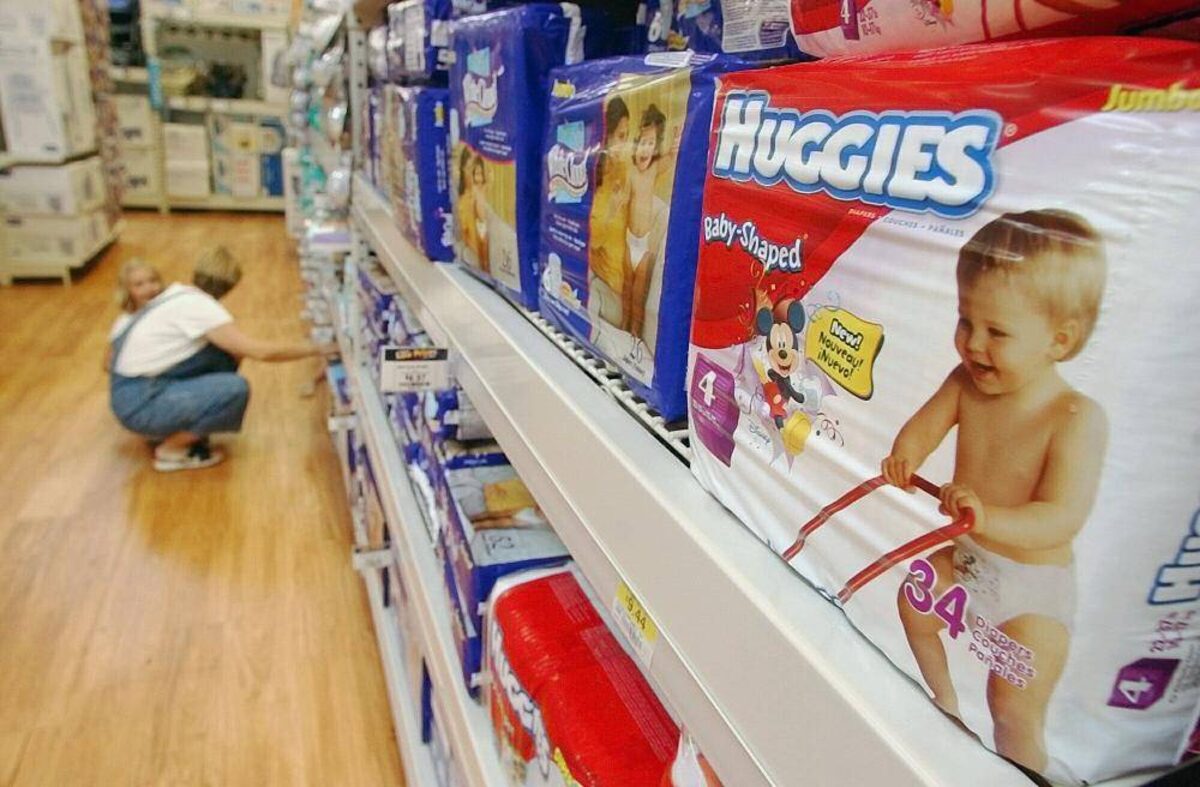
    Taped diapers generated 52 per cent of sales in 2025, anchored by newborn demand and premium lines such as Pampers Premium Care and Huggies Platinum. Pant-style diapers accounted for the remaining 48 per cent. Rising demand for mobile infant formats will push pant diapers to 56 per cent of the total market by 2035, expanding at a 7.2 per cent annual rate.

    Digital storefronts captured 44.9 per cent of total regional revenue in 2025. Diaper sales through online platforms are climbing at 7.5 per cent annually, led by recurring orders on Tmall, JD.com, Flipkart, Lazada, and Shopee. High price transparency on these marketplaces is forcing brand owners to rely on bundle promotions and subscription models rather than standard shelf markups.

    Volume Split Between East and South Asia

    China remains the largest market by revenue, while India is expanding the fastest. Mature metropolitan markets in Japan, South Korea, and Tier-1 Chinese cities reward high-specification components, including multi-layer superabsorbent polymer cores, breathable backsheets, and wetness indicators. Suppliers in these markets face tighter environmental policy, including South Korean producer-responsibility rules and Japanese resource-circulation guidelines targeting nonwoven plastic waste.

    In contrast, revenue growth across India, Indonesia, Vietnam, and the Philippines relies on converting households from cloth to disposable products. That conversion hits income ceilings in areas where household earnings stay below USD 5 per day. Sourcing volatility in polypropylene nonwovens and elastic attachments leaves little room for price increases in mass-market packs.

    Regional manufacturers are running split production lines to balance these distinct market demands. The strategy separates high-speed, cost-optimized conversion for Southeast Asian distribution networks from thin-core premium lines destined for East Asian e-commerce channels.

    Production economics now hinge on how fast producers adjust material formulations before municipal packaging and nonwoven waste rules take effect in Northeast Asian retail networks.

  • New Zealand Clears Kimberly-Clark Kenvue Deal with Feminine Hygiene Divestment

    New Zealand Clears Kimberly-Clark Kenvue Deal with Feminine Hygiene Divestment

    New Zealand’s Commerce Commission has approved Kimberly-Clark’s acquisition of Kenvue. Clearance requires the business to divest Kenvue’s feminine hygiene operations across New Zealand and Australia.

    This divestment covers regional rights to brands including Carefree and Stayfree. The condition aims to prevent excessive market concentration on supermarket shelves.

    Conditions for Clearance Across Australasia

    Kimberly-Clark is acquiring Kenvue, the consumer health spin-off from Johnson & Johnson, in a global takeover. Under an undertaking given to the regulator, Kimberly-Clark must sell the entire Kenvue feminine care unit in both countries to an approved independent buyer.

    Commerce Commission deputy chair Anne Callinan said the remedy protects competition across personal care aisles, where both suppliers held overlapping product lines.

    Supermarket Consolidation and Buyer Timelines

    Australasian retailers face tightening supplier networks as multinational consumer goods groups consolidate personal care portfolios. Selling Carefree and Stayfree keeps an independent supplier in play against Kimberly-Clark’s Kotex and U by Kotex lines.

    Attention now turns to the asset sale. Kimberly-Clark must secure a commission-approved buyer within a confidential, binding timeframe to finalize the broader merger clearance.

  • Parent Hax Secures Coles Distribution for Rinse-Free Washcloth

    Parent Hax Secures Coles Distribution for Rinse-Free Washcloth

    Melbourne startup Parent Hax has secured national retail distribution with supermarket chain Coles for Top N Tail, its rinse-free washcloth priced at $15 for a 20-pack.

    The listing gives the young Australian brand immediate nationwide physical reach across one of the country’s two dominant grocery networks.

    Plant-based formulation targeting bath alternatives

    Top N Tail is formulated with plant-based cleansers, glycerin, aloe and chamomile. Unlike standard baby wipes designed for spot cleaning, the cloth is self-foaming and built for full-body cleansing without requiring water rinsing afterwards.

    Parent Hax engineered the item to bridge the gap between quick wet wipes and full tub baths, targeting parents seeking faster hygiene routines. The product cleans deeply enough to replace an evening wash while cutting down bath preparation and cleanup time.

    Supermarket baby care competition

    Supermarket baby aisles across Australia have traditionally belonged to multinational incumbents selling standard wet wipes and liquid soaps. Coles and rival Woolworths have steadily allocated shelf space to local independent brands offering premium or plant-derived formulations that command higher retail price points.

    Parent Hax enters this category at a per-unit premium compared to conventional baby wipes, betting that convenience and reduced water use justify the $15 shelf price. Initial sales performance across Coles stores will determine whether the startup can expand the range into additional personal care formats.