Tag: petrobangla

  • Petrobangla Halves Net Worth Requirement to $50 Million for Spot LNG Suppliers

    Petrobangla Halves Net Worth Requirement to $50 Million for Spot LNG Suppliers

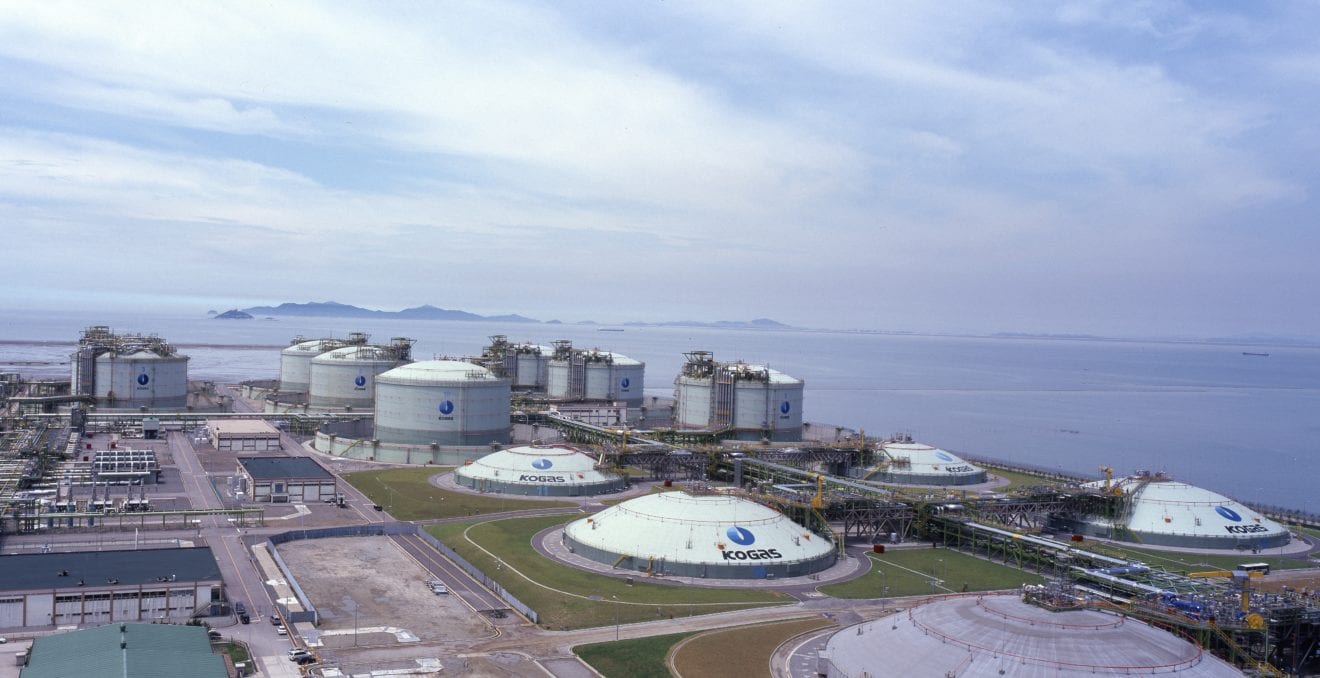
    Petrobangla has slashed its financial and experience thresholds for spot liquefied natural gas suppliers, halving the required net worth to $50 million to ease severe national fuel shortages.

    The state-run energy company now demands just one completed supply contract with no minimum cargo volume, dropping a previous rule requiring 0.5 million tonnes delivered across two separate years.

    Lower barriers for commodity traders

    Under the revised criteria issued on August 29, Petrobangla eliminated requirements for suppliers to own or charter an LNG vessel, prove experience with floating storage and regasification units, or guarantee lean gas containing at least 91 percent methane. Applicants no longer need to verify an absence of failed cargo deliveries over the past five years or limit their arbitration losses to three awards. For joint ventures, the lead partner must cover 75 percent of the $50 million financial capacity, while partners supply the remaining 25 percent.

    “We are looking for more participants in the spot market,” Petrobangla Director for operations and mines Md Shoyeb said.

    Pressure on industrial output

    For industrial manufacturers and export supply chains across South Asia, reliable gas flow dictates factory uptime and power tariffs. Bangladesh faced severe disruption in August when average gas deliveries dropped to 2,235 million cubic feet per day against official demand of 3,860 million cubic feet per day, the lowest August supply figure in a decade. Terminal outages and global supply bottlenecks forced emergency spot purchases at more than $28 per million British thermal units, up sharply from historical norms of $10 to $12 per MMBtu.

    Lowering entry barriers allows smaller trading houses without dedicated fleets to bid against established multinational commodity merchants. The tradeoff sits squarely in operational risk: by waiving past delivery guarantees and vessel charter proofs, Petrobangla accepts higher exposure to cargo defaults and scheduling failures when spot vessel availability tightens.

    Procurement shift since 2024

    The revised criteria follow a governance overhaul that suspended the Quick Enhancement of Electricity and Energy Supply Act, which previously allowed direct, non-tender contracts. The interim administration shifted spot purchases under the Public Procurement Rules 2025, expanding the active spot tender roster to 30 companies from an earlier pool where purchases were concentrated among five suppliers.

    Applications for the new supplier pool close on September 15.
  • Gas Shortage Shuts 80 Percent of Narsingdi Textile Mills in Bangladesh

    Gas Shortage Shuts 80 Percent of Narsingdi Textile Mills in Bangladesh

    A severe natural gas shortage has shut roughly 80 percent of textile and dyeing mills in Narsingdi, wiping out an estimated Tk 500 crore in daily output.

    The industrial hub supplies about 75 percent of domestic fabric demand in Bangladesh, leaving garment makers without essential materials as international buyers cancel orders.

    Rotting Fabric and Idled Boilers

    Narsingdi houses more than 3,000 production units, including 2,500 sizing, spinning, dyeing and weaving mills. About 400 of these operations rely on uninterrupted natural gas at 10 to 15 pounds per square inch to run steam boilers and drying machines. Gas pressure in key industrial pockets like Madhabdi and Chowala fell to zero for four straight days, leaving chemically treated fabric stranded mid-cycle. Fabric left wet beyond 16 hours rots and turns unusable.

    Local industry groups estimate between 10 million and 15 million yards of fabric have been ruined. At Tithi Textile in Madhabdi, 250,000 yards were damaged after generators and machinery stopped. Facing steep losses and wage deadlines, more than 100 mills closed indefinitely, sending workers home on unpaid leave. Others turned to burning wood in steam boilers at a cost of Tk 12,000 a day, skirting local environmental permits after the price of scrap fabric waste spiked.

    Supply Chain Bottlenecks Spread

    The disruption traces back to July 21, when a technical fault crippled an offshore floating liquefied natural gas terminal at Moheshkhali. National gas output plunged from 2,650 million cubic feet per day to 2,175 mmcfd against total demand of 3,800 mmcfd. State distributor Petrobangla lifted supply to 2,300 mmcfd on August 22, but state utility Titas Gas diverted high-pressure flows of 200 PSI to the Ghorashal-Palash fertiliser plant, starving private textile processors.

    Bangladesh remains the world’s second-largest apparel exporter, yet its supply chain faces recurring energy vulnerabilities that threaten delivery timelines for global fashion brands. While competing manufacturing hubs in Vietnam and India rely on more diversified power grids, Bangladeshi mills remain exposed to single-point infrastructure failures in offshore gas infrastructure, compounding margin pressure from rising domestic debt.

    Titas Gas engineers expect regional gas pressure to show initial signs of recovery next week as repair teams complete work on the Moheshkhali LNG terminal.