Tag: pets

  • Inaba Breaks Into Australian Market With Innovative Cat Treat Range

    Inaba Breaks Into Australian Market With Innovative Cat Treat Range

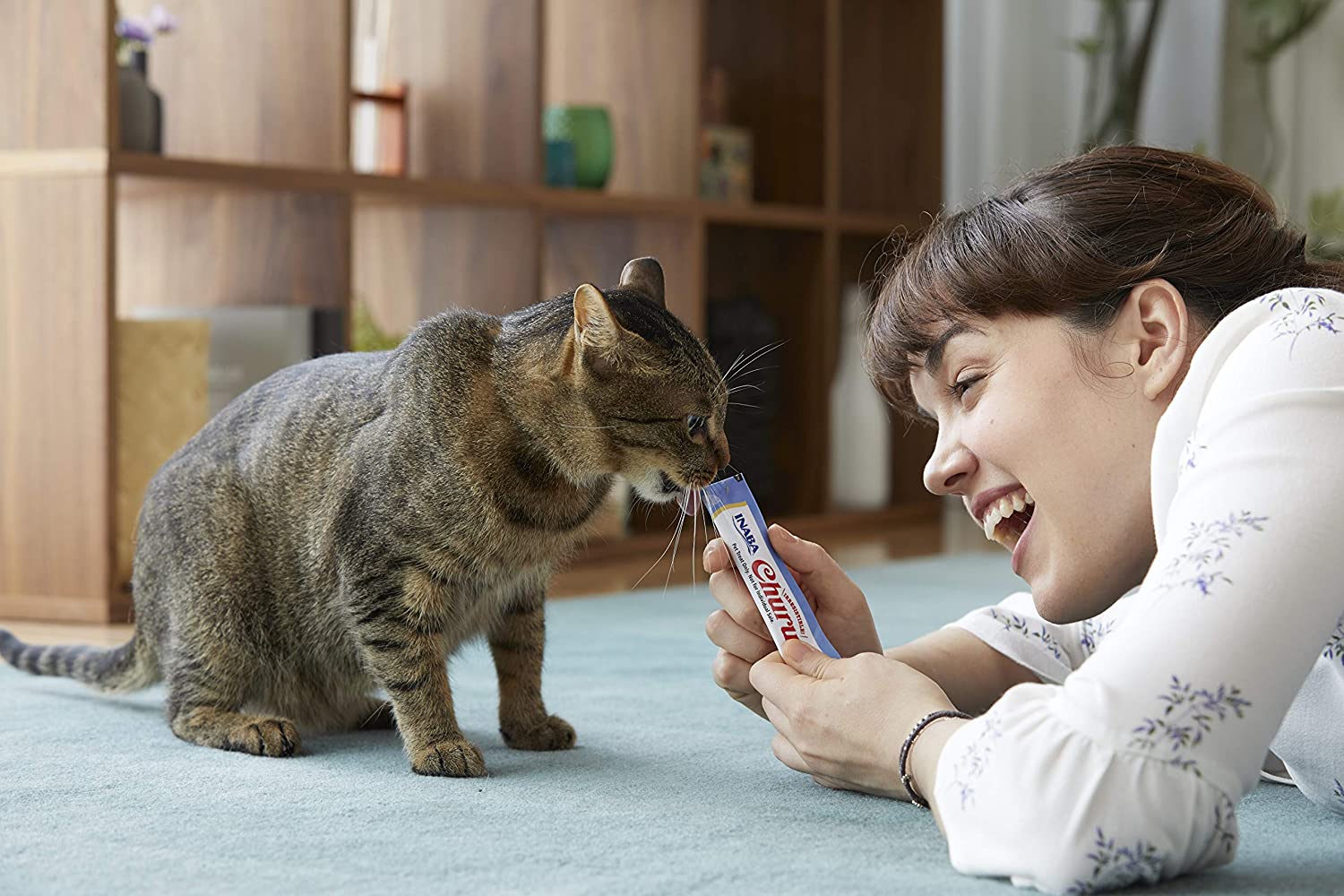
    Inaba, a renowned Japanese pet food brand, has made its debut in the Australian market with the introduction of its Churu cat treat range.

    The Innovative Inaba Churu Treats

    Inaba Churu treats stand out due to their fresh chicken and seafood ingredients, absence of preservatives, and high moisture content. Their unique texture can be either soft or chewy, and they are also low in calories.

    According to Adam Heelis, Inaba Australia’s Country Manager, the cat treat industry has been lacking in novelty for a long time. The introduction of these innovative products is expected to stimulate the growth of the cat treat sector.

    Product Availability

    The Churu treat range, which includes Puree, Bites, Stew, and Sprinkles flavours, will be made available nationwide in Woolworths and Coles supermarkets from September. Customers will also be able to purchase these treats online.

    The Inaba Brand Legacy

    Inaba was established in 1989 and has its roots in the family tradition of Yoshizo Inaba, who was a seafood harvester. The brand has been selling its cat food lineup in the United States since 2016. In 2020, it introduced sustainable tuna for cats.

    Questions & Answers

    What makes Inaba Churu treats unique?
    The Churu treats are created with fresh chicken and seafood, have no preservatives, and are high in moisture. They can be either soft or chewy and are low in calories.

    Where can customers purchase Inaba Churu cat treats in Australia?
    The Churu cat treat range will be available at Woolworths and Coles supermarkets nationwide. They will also be available for online purchase.

    When did Inaba start selling its cat food lineup in the United States?
    The Inaba cat food lineup has been available in the United States since 2016.

  • Real Pet Food Pledges $1.3m For Safety Upgrades After Epa Directive Following Acid Spill Incident

    Real Pet Food Pledges $1.3m For Safety Upgrades After Epa Directive Following Acid Spill Incident

    Real Pet Food, also recognised as Australian Pet Brands, is set to expend over $1.3 million on safety improvements and equipment upgrades. This decision comes following a directive from the NSW Environment Protection Authority (EPA) after a phosphoric acid leakage incident at the company’s Dubbo location.

    Details of the Incident

    A defective valve is reportedly to blame for the spillage of around 300 litres of phosphoric acid within the production tower of the facility. The acid, a chemical agent used to extend the shelf-life of pet food, spread across several levels of the building. Emergency Hazmat crews were deployed to manage the clean-up operation.

    Company’s Response and Legal Obligations

    In response to the incident, the EPA accepted a legally binding Enforceable Undertaking (EU) from the company. As per this agreement, Real Pet Food is required to disburse over $1.38 million to implement preventive measures against such incidents in the future. Jason Gordon, EPA’s executive director of regulatory operations, emphasised the gravity of the incident, stating that while no environmental harm transpired, the risk potential was significant.

    Enforced Changes

    The impending changes, according to Gordon, will not only enhance safety for the site’s workers but also augment environmental protection by improving how chemicals are stored, monitored, and managed. The company is expected to move its acid dosing system from the top to the ground floor and automate previously manual systems, such as dosing products’ valve controls and holding tanks. Furthermore, it is required to bolster spill containment measures and enhance its training and inspection procedures.

    In addition, as part of its agreement with the EPA, the company will donate $75,000 to the Wambangalang Environmental Education Centre. The funds will be used to carry out repairs and improvements to the centre’s model wetland teaching space.

    Questions & Answers

    What are the changes that Real Pet Food needs to implement as per the agreement?
    The company is required to relocate its acid dosing system from the top to the ground floor, automate manual systems, strengthen spill containment measures and improve training and inspection procedures.

    What was the reason behind the phosphoric acid spill at the facility?
    A faulty valve was identified as the cause of the leakage of approximately 300 litres of phosphoric acid within the facility’s production tower.

    What will be the use of the $75,000 that the company will pay to the Wambangalang Environmental Education Centre?
    The funds will be utilised for repairs and enhancements to the centre’s model wetland teaching space.

  • PetO to cease live animal sales across its network

    PetO to cease live animal sales across its network

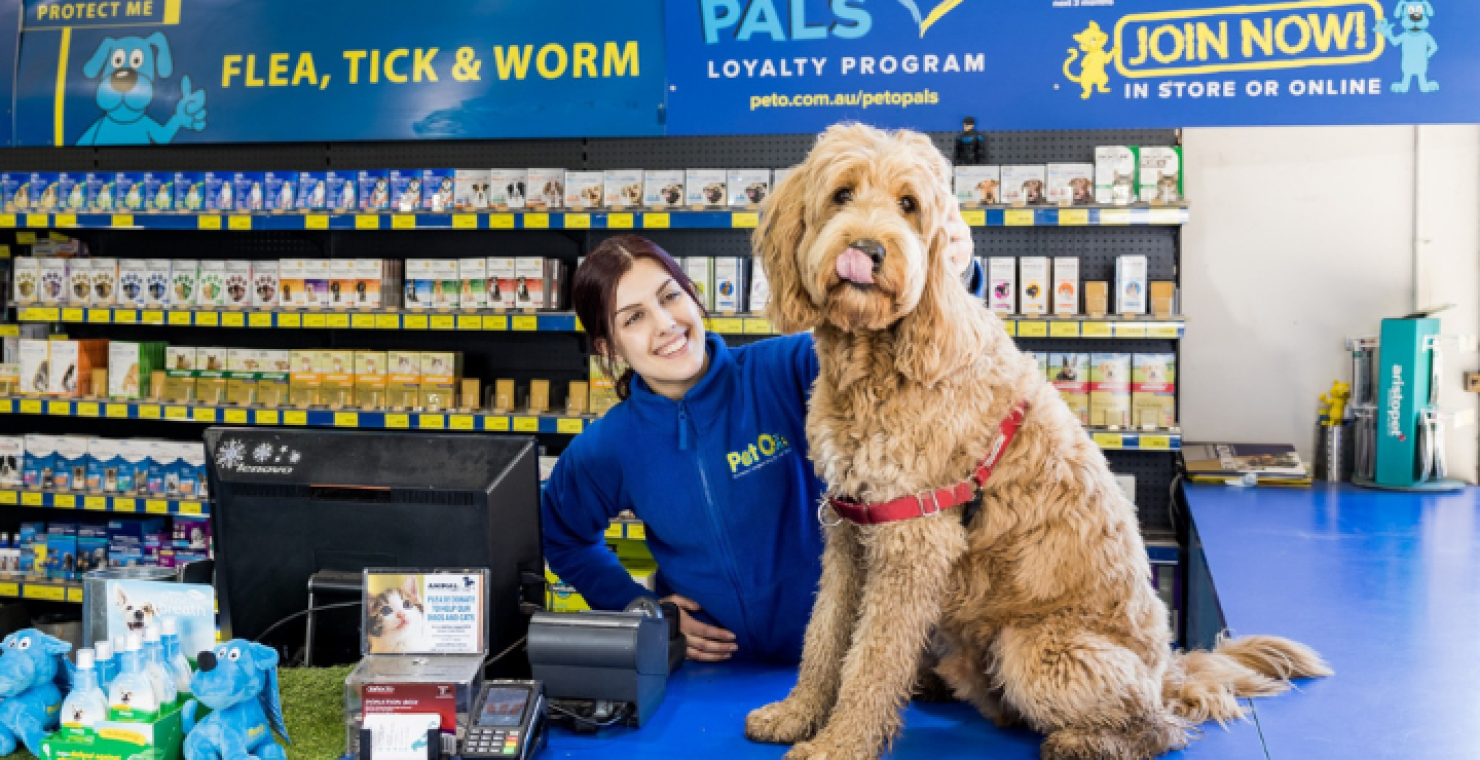
    PetO, a renowned family-owned pet retail company, has made the substantial decision to halt the sale of live animals throughout its 58 nationwide stores. The decision has been driven by mounting concerns about animal welfare and the notable absence of industry regulation.

    The Impetus Behind the Decision

    The decision from PetO comes at a time when the live animal sales sector is under increased scrutiny, particularly in an industry dominated by sizeable chains and multinational corporations. With over two-thirds of Australian households currently owning a pet, PetO posits that current industry practices are falling short of societal expectations.

    PetO’s spokesperson voiced concerns over the handling and sale of pets in pet shops, which presents ethical challenges and potentially leads to issues surrounding animal welfare and irresponsible pet ownership.

    Industry Influence

    In addition to implementing these changes within its own operations, PetO is encouraging other retailers to follow suit, particularly those who hold substantial influence on a national scale. The goal is to elevate the ethical standards across the industry.

    Expansion and Forecasted Growth

    In its recent expansion, PetO absorbed 41 retail stores and 25 veterinary clinics formerly under the ownership of Petstock and Woolworths, raising its total number of stores from 17 to 58. Although this transition may cause short-term commercial effects, the company views it as a strategic move aligned with its long-term growth vision. PetO aims to attain an annual revenue of $250 million by the year 2028.

    Questions & Answers

    Why has PetO chosen to cease the sale of live animals in its stores?
    In response to the growing concerns over animal welfare and the lack of industry regulation, PetO has decided to stop live animal sales in its stores.

    How is PetO encouraging other retailers to change their practices?
    PetO is publicly calling on other retailers, especially those with significant national reach, to follow its example and cease live animal sales, thereby raising the ethical standards of the industry.

    How does PetO’s recent acquisition of 41 retail stores and 25 veterinary clinics align with its long-term business strategy?
    While the acquisition may have some short-term commercial impacts, PetO sees this expansion as part of its long-term plan to achieve an annual revenue of $250 million by 2028.

  • Diana Unicharm to sell cat food

    Diana Unicharm to sell cat food

    Diana Unicharm, a leading personal hygiene products manufacturer, is set to distribute Japanese cat food brand Silver Spoon.

    Takahiro Okada, CEO of Diana Unicharm, said the company would import the product from Japanese joint venture partner Unicharm and sell it through supermarkets, pet stores and e-commerce platforms in Vietnam.

    Since Covid broke out, the pet industry has thrived as families choose to raise dogs or cats to soothe themselves.

    Statistics from Pet Fair Asia, the organizer of an annual international tradeshow for pet supplies, show pet care industry sales in Southeast Asia are US$4 billion, with Vietnam accounting for $500 million.

    The Vietnamese market is forecast to grow at 11% a year.

    Diana Unicharm, one of the biggest makers of sanitary napkins and diapers in Vietnam, targets annual revenues of $1 billion by 2030.

    As of last year it had a 40% share of the child care segment, 58% of the women’s care segment and 88% of the adult care segment.

  • Nectar of the dogs expands into Southeast Asia

    Nectar of the dogs expands into Southeast Asia

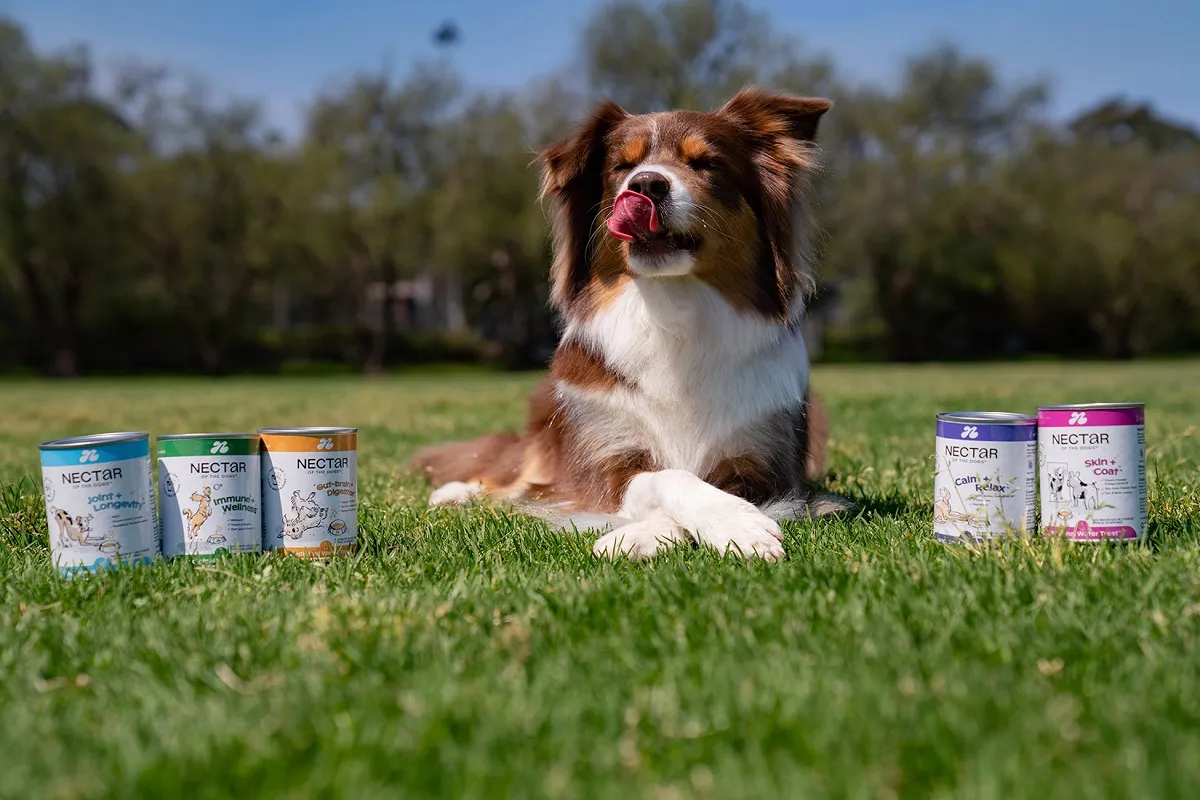
    Australian pet supplement brand Nectar Of The Dogs – which launched in the Australian market in 2021– is now expanding to meet the needs of overseas dog owners. Through a partnership with Asia Pet World, Nectar Of The Dogs is now available for online purchase and distribution globally, with pet owners in Singapore able to purchase the products in store.

    The partnership marks a dramatic milestone for the Sydney based start-up, which until now has been available to purchase only within Australia. Partnering with Asia Petworld means Nectar Of The Dogs can now reach the distributor’s network of over 500,000 households, and will be stocked on the shelves of Singpet Superstore – Singapore’s largest pet store.

    Partnering with natural health experts, veterinarians, food technologists and dog lovers, Nectar’s range of medicinal water supplements are made in Australia with high-quality, human-grade, plant-based ingredients. Nectar’s formulations are aimed to assist pet parents with the top health concerns for today’s dogs, including joints, immune system, calming the nervous system, and supporting skin health, gut and digestive system. The five products from Nectar’s range will be available to dog owners throughout Singapore.

    The growth of the brand represents rising demand for high quality, natural supplements for dogs, not just in the Australian market. Formulated in Australia by a team of food technologists and complementary health experts, Nectar Of The Dogs offers human grade, plant-based supplements that dogs find delicious.

    “We’re experts in supplements for dogs and people,” shares Nectar of the Dogs Founder, Gabriel Perera. “With Nectar, we’ve created a range of products that we wanted for our own dogs, with each ingredient painstakingly formulated to deliver maximum benefit, based on clinical evidence in dogs that tastes amazing.”

    More than just a healthy dog supplement brand, plant-based and Australian-made Nectar is better for the planet. All of Nectar’s formulas are carefully packaged in recyclable and compostable packaging, avoiding any single-use plastics.

  • Coles launches own-brand premium pet food range

    Coles launches own-brand premium pet food range

    Supermarket chain Coles has launched a new premium pet food range called ‘Elevate’, recognizing Australians’ growing pet ownership.

    Coles said the new range, which features 19 products, was scientifically developed to cater to dietary requirements and health concerns, from digestive support for dogs to hairball and urinary care for cats.

    “We worked closely with pet nutritionists to develop a range that featured vital nutrients and health benefits typically found in top brands without compromising on price,” said Jonathan Torr, GM at Coles.

    Pet nutritionist, treasurer of the Pet Food Industry Association of Australia, and a member of the Australian Pet Food Standards Working Group, Scott Williams also helped to develop Elevate.

    “Food safety was paramount in everything we made for Elevate,” Williams said. “We tested all ingredients to understand their nutritional properties and meet the requirements set by the American Association of Feed Control Officials”.

    According to Coles, more than two-thirds of Australian households own a pet and the number is growing substantially each year. The supermarket also recorded more than 80 percent of pet owners purchasing pet food from its stores, showing the rising demand to this sector.

    “Research showed pet owners are spending $3.6 billion on dog and cat food per year,” Torr said. “In fact, the top two things our customers are looking for when purchasing pet food at Coles is health followed by budget.”

  • Korean startup translates dog barks using AI

    Korean startup translates dog barks using AI

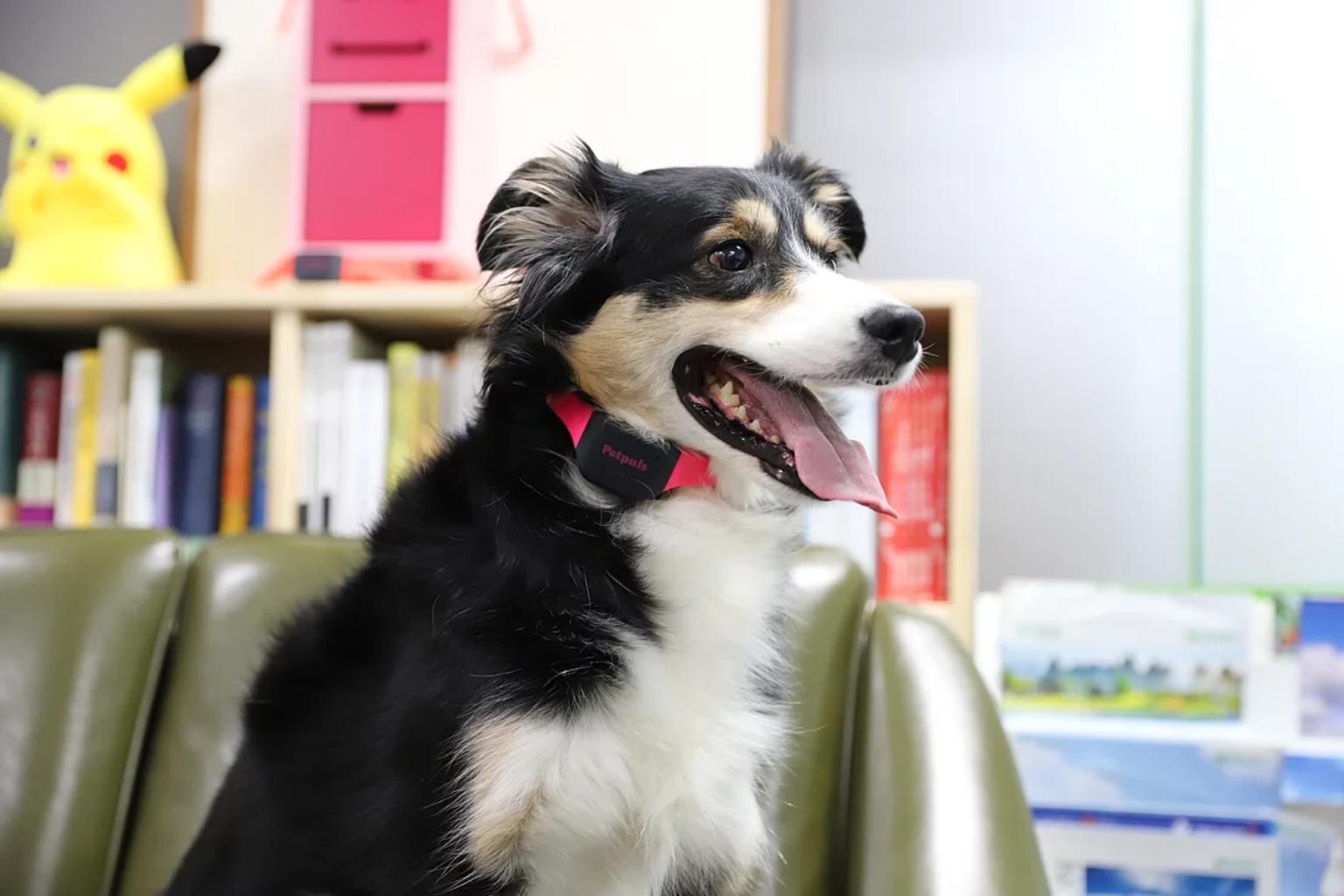
    A South Korean startup has developed an AI-powered dog collar that can detect five emotions in canines by monitoring their barks using voice recognition technology.

    The Petpuls collar can tell pet owners through a smartphone application if their dogs are happy, relaxed, anxious, angry or sad. It also tracks dogs’ physical activity and rest.

    “This device gives a dog a voice so that humans can understand,” Andrew Gil, director of global marketing at Petpuls Lab said.

    The company began gathering different types of barks to analyse dogs’ emotions in 2017. Three years later, they developed a proprietary algorithm based on a database of more than 10,000 samples from 50 breeds of dogs.

    “I thought she was just happy when she played and felt sad and anxious when I wasn’t home…actually she felt angry when she lost a game she played with me, like how humans feel,” said Moon Sae-mi, who has a six-year-old Border Collie.

    The collar has a 90 percent average accuracy rate of emotional recognition, according to Seoul National University, which tested the device the company says is the first of its kind to be powered by AI voice recognition technology.

    Petpuls Lab started marketing the collar online in October last year at $99.

    The global pet care market was worth $138 billion in 2020, up 34 percent, Euromonitor data showed, as more people spent time at home with their pets or adopted pets during the COVID-19 pandemic. The global dog population also grew 18% the same year to 489 million.

    “More people began to adopt dogs, but unfortunately some of them abandoned their dogs due to miscommunication,” Gil said. “Petpuls can have an important role in the pandemic…it helps owners understand how dogs feel and increase their bonding.”

  • Pagerie releases what it bills as world-first luxury accessories for dogs

    Pagerie releases what it bills as world-first luxury accessories for dogs

    The brand, which bills itself as the world’s first “luxury fashion house for pets”, makes each piece by hand using sandy-hued, full-grain French leather and marine-grade stainless steel normally reserved for making yachts.

    “I just always found it odd when I’d see people dressed immaculately but then their dog is sporting a bright red plastic leash from a chain pet store,” founder Mandy Madden Kelley told Dezeen.

    “Our pets are a reflection and extension of ourselves and I realized there was such a gap in the market for products that live up to that connection.”

    The Sahara collection shuns an overly cutesy or utilitarian look in favor of a minimalist design and form-fitting silhouette reminiscent of equestrian equipment.

    “Everything about Pagerie’s styles, shapes cuts, and patterns is meant to conform to the shapes and contours of our dogs,” said Kelley.

    “Other pet accessories tend to be too sporty, masculine or they tend to cover the pet’s entire body. What I was looking for was something more sensual. I wanted to create designs that highlight the gracefulness and elegance that pets have.”

    At $380, the Dórro collar is the cheapest item in the collection and comes with a buckle that can be adjusted to its wearer on first use.

    From then on, the collar can be fastened and unfastened in a process “as seamless as opening and closing your Birkin”, Kelley explained, simply by closing the steel turnlock and securing it by flipping down the hook at the center.

    The matching Tascher leash can be set to three different lengths and used for two dogs simultaneously. It also comes with a cylindrical pouch for doggie bags or treats, rendered in the same sand-colored leather as the other pieces.

    As the most expensive piece, the $720 Babbi harness is modeled after a horse’s saddle and even comes with a removable, quilted lining similar to the saddle pads worn by horses.

    Kelley, a former lawyer and current beauty influencer, argues the collection’s price tag is justified because it will encourage slower, more considered consumption.

    “I would be shocked walking into someone’s homes if they had several different leashes and collars simply because they weren’t able to come across something high quality that they love,” she said.

    “Quality costs more but it can last a lifetime. When my team and I developed the designs for Pagerie, we made them to be timeless, high-quality pieces that would never go out of style or need to be disposed of or replaced.”

    The Sahara collection is the first release by pet wear label Pagerie

    Choupette, the famed cat of late fashion designer Karl Lagerfeld, also made its first foray into pet accessories this year, releasing a woollen, hammock-style cat bed in collaboration with German brand LucyBalu.

    Elsewhere, Asif Khan’s contribution to the Architecture for Dogs exhibition at London’s Japan House saw the British architect add a circular crater to the top of a felt-covered table to allow dogs to snuggle up in it.

  • Pet Lovers Centre flourishes in the Philippines

    Pet Lovers Centre flourishes in the Philippines

    The Philippines’ Robinsons Retail will open its fifth Pet Lovers Centre (PLC) this year following its strategy of broadening its retail focus beyond fashion.

    The latest pet shop is scheduled to open in the third quarter of this year in Robinson Place Palawan.

    Pet Lovers Centre has grown after Robinsons Retail Holdings secured the license from the Singapore-based pet store chain last October with the first shop opening in Robinsons Galleria in Metro Manila.

    The store has selections from local and international brands that caters for different pets and their needs. It also has a section dedicated to aquarium hobbyists, featuring tropical fish, ornamental shrimp, freshwater aquatic plants and nano-tanks.

    Christine Tan, senior marketing manager, Pet Lovers Centre, said that nowadays pet owners see the company they buy supplies from as part of their ecosystem. The brand’s rapid expansion in the Philippines attests to the fact that PLC is resonating with pet owners there.

    “The PLC brand is about an award-winning shopping experience that translates the love and passion for pets into true value. We do this by offering pets and pet lovers quality products and services, highly accessible care and fun experiences.”

    She added that this includes the widest and freshest range of products pet owners can find with prompt, friendly and helpful service as well.

    Other Pet Lovers Centre stores are located in Robinsons Magnolia Mall and UP Town Center in Metro Manila and Robinsons Galleria in Cebu City.

    The pet retail and service chain was founded by David and Robert Ng in 1973 and has a network of more than 100 stores across Southeast Asia.

  • Chinese store Nova Pets encourages owners

    Chinese store Nova Pets encourages owners

    A new grooming salon concept in China called Nova Pets allows customers to chill with their pets in a retail space.

    Located in Hangzhou, Nova Pets features a sunken cafe, playground and a swimming pool for pets.

    “The project started with an idea of creating a new type of pet store, a place where people could really socialise with their pets,” said a spokesperson for the designers Say Architects.

    Using yellow, black and gray as project’s themed colors, one of the founders Yan Zhang explained “Those are the main colours that dogs can see in their daily doggy life.”

    Nova Pets occupies a 450sqm area, half of which is dedicated to a cafe and a pet playground with the other half used for a grooming salon.

    The playground for pets is adjacent to the store’s entrance. A cafe is located on the upper floor, featuring two curved, hollow “valleys” where customers can sit and enjoy drinks, at the same time, watch their pets running around the playground.

    Say Architects also design a small tunnel with windows for animals to travel between the sunken seating areas.

    In case customers are away or use the restroom, their pets will be taken care of at Nova Pets’ “hotel”.

    The store also features instagrammable spots for photoshoots and a paddling pool for four-legged visitors.

    Say Architects described a concrete column, which lies at the centre of the floor plan, as a nova. This is also where the salon chooses its name.

    “We imagine this column to be the origin of the whole room,” explained the practice.

  • JD wants its My Pet Profile to transform animal lives across China

    JD wants its My Pet Profile to transform animal lives across China

    Customers of JD can now store detailed profiles of their pets online and receive updates of suitable products, services and care instructions through JD’s My Pet Profile Initiative function.

    With My Pet Profile, brands can improve their product specifications and target marketing campaigns to specific pet demographics. Nestle Purina’s Pro Plan brand has piloted the initiative recently, and saw its click rate quickly double among customers who received targeted recommendations.

    “By providing insights not only on pet owners, but for the first time also on their pets, JD has taken us to the next step,” said Zoe Zuo, marketing director at Nestle Purina. “The My Pet Profile Initiative represents an expanding database of growing importance for us because it helps us improve our products and strategies. We will work on these insights to recommend products to customers with more precision, helping ensure our customers have longer and happier relationships with their beloved pets.”

    A report released by JD and Nielsen shows that Chinese pet owners are now more engaged with their animals and more interested in improving their pets’ health and longevity. In 2018 the year-on-year sales increase of imported pet brands was 118 per cent higher than that of domestic brands. Services related to pets are also on the rise, such as grooming and medical care.

    Tianyang Fan, head of pet products at JD Fast Moving Consumer Goods, said the initiative provides a better shopping experience for pet owners, while also serving brand partners who are looking to improve their products and marketing solutions based on consumer insights.

    JD also hopes to become Chinese pet owners’ one-stop destination for pet-related information and the types of high-quality pet products. Currently applicable only to cats and dogs, the initiative could be expanded to offer tailored information about other pets, such as aquatic creatures.

  • Singapore startup PerroMart taps into soaring rate of pet ownership in Asia

    Singapore startup PerroMart taps into soaring rate of pet ownership in Asia

    A Singapore startup has developed an online-to-offline solution for pet owners blending products, advice, accessories and even vet care and grooming.

    PerroMart, which started as a monthly mystery gift-box service responding to the rapid rise in pet ownership in Southeast Asia, has adopted a mission purpose to help strengthen the bond between pets and humans for a lifetime.

    “We are running on pure passion,” founder Roy Lim told Inside Retail Asia. “We want to improve the wellness of pets and take the burden of pet care off people, because everyone is getting busier and busier these days, and we want to enable humans to spend more time creating memories [with their pets] while we take care of everything else.”

    Asean’s pet-care market is estimated to be worth US$1.4 billion and is currently growing at around 12.7 percent annually. Pet-ownership rates are rising across the region, in tandem with the growing income and spending power of consumers.

    Lim started PerroMart in 2015 as PerroBox, a subscription box service for dogs. The concept was based on a mystery delivery once a month. When the box arrives, the owner and the dog get surprised by the treats inside.

    Subscribers responded well, and they still post photos on social media of the boxes arriving and the dogs responding to the contents.

    “PerroMart was really a natural progression from the PerroBox,” says Lim, recalling that customers who liked particular products in the boxes were asking about regular long-term supplies.

    So in 2016 the company developed a full-scale online store selling goods for cats and dogs and their owners: dry food, wet food, treats, toys, accessories and cleaning products.

    While selling pet supplies online is not unique – marketplaces and even physical pet stores are PerroMart’s main competitors – the company’s philosophy is its point of difference.

    “Customer service is where we really stand out from online marketplaces or even pet shops with online stores,” says Lim. About three in 10 PerroMart customers want personal interaction with staff, seeking help choosing products or getting advice on pet care, for example – something hard to deliver online without specialists on tap. The store runs a telephone hotline from 10am to 6pm daily and allows customers to click and collect from their premises in Joo Seng Road.

    The retailer currently stocks about 200 brands online and has “several thousand” active customers. Lim is reluctant to divulge too many more details at present as the company remains in growth mode, but he does say the venture is doubling its business year on year, something which has recently attracted the attention of multinational private equity company Sequoia Capital.

    Sequoia, which has already backed more than 250 companies, including Asian juggernauts Gojek, Tokopedia and Carousell, runs a rapid-scale ‘bootcamp programme’ for startups across Southeast Asia and India called Surge. The programme is designed to equip early-stage startups with the expertise, knowledge and financial backing to hold an unfair advantage as they look to grow their business. Surge provides capital ranging from US$1 million to $2 million, company-building workshops, global immersion trips and support from a community of mentors and founders.

    “We were introduced to Surge in the middle of last year by a friend,” explains Lim. “When we spoke to them they turned out to be great partners and investors. More than anything it is great to bounce ideas off them and to widen the way we think and what we can do … and to look at the business model from a different perspective.”

    If repeat business is a measure of success, Lim and his team must be doing something right. “It takes a lot to keep customers happy and keep them coming back every month.”

    Perhaps the company’s embrace of a mission is a key. “Our mission is really important to us. It is to enable the bond between a human [and a pet] for a lifetime. So this is  … what drives us, how we develop products or where we work with partners in all the ways we develop services.”

    Like PerroMart, other companies in Sequoia’s Surge program are focused on the online space.

    “Southeast Asia is at a tipping point,” says Rajan Anandan, MD of Surge at Sequoia Capital India. “The rate of mobile internet adoption and the growth of daily active users is now at a massive scale, and that opens up all kinds of possibilities for startup founders with new insights and innovative ideas.

    “There are so many gaps and white spaces in every country in the region – across virtually every sector. For mission-driven founders who want to build something new, make a difference and have a big impact on your economy – this is your time.”

    While Asia offers massive opportunities in e-commerce, for now PerroMart is keeping its focus on Singapore and on developing the Malaysian market. But other Asian countries are on the long-term radar.
  • Australians love their pets

    Australians love their pets

    Venture to the local shops and you’ll probably see dogs outside on the footpath waiting for their owners. Perhaps the store has provided a hook for dog leads and a bowl of water for thirsty canines. But travel further from home, into the city centre for example, and you are unlikely to see many dogs, or other pets. The same applies to most parks and beaches, and certainly to cafés, bars, restaurants, department stores, and public transport.

    Although Australia is a nation of pet owners and pet lovers, our non-human companions are not welcome in most public spaces in our towns and cities.

    Pets outnumber people

    Some 62% of Australian households have a pet. While these rates are similar to those in the United States (65%), they are much higher than the United Kingdom (40%) and continental Europe (around 40%), where pets are much more visible and tolerated in public places.

    There are 4.8 million pet dogs, 4.2 million pet birds and 3.9 million pet cats in Australia. Of those of us who don’t have a pet, 59% report we would like one in the future. The ratio of pets to people in Australia is 101:100 – there are more animal companions than Homo sapiens.

    In fact, more of us live in a house with a cat and/or a dog than with a child. For many people, especially those without children, pets are increasingly being anthropomorphised and replacing human family members.

    Pet ownership rates are not rising significantly in Australia, but our spending on pet-related goods and services is increasing substantially. In 2016 we spent A$12.2 billion on pets and pet-related goods and services.

    Businesses are responding to the growth of the pet supplies sector by developing and marketing everything from vegetarian pet food to sophisticated smartphone surveillance apps. The market for pet insurance, pet day care, pet taxis, grooming and funeral services is robust, providing many opportunities for entrepreneurs and start-ups to tap into consumer demand for pampered pets.

    High-density housing and shrinking yards

    At the same time as spending on pets is increasing, our backyards are shrinking, with many of us choosing high-density apartment living. In addition, new housing developments feature larger houses and garages, which dominate the block at the expense of front and back yards. This means there is much less room for our pets at home than ever before.

    Historically, the Australian dream was a house on a quarter-acre block with plenty of outside space for pets, but blocks and yard space are shrinking in new housing developments.

    With outdoor living space disappearing, pets and their owners must increasingly turn to public spaces for social activity and interaction.

    Pets in public places

    The problem is that pets are not welcome in many public places. In most local council areas, the presence of domesticated animals is heavily restricted and governed by myriad council by-laws.

    Local parks and beaches are mostly off-limits. The fines for non-compliance are hefty.

    If you want to take your dog to a local café, you’ll have to sit outside. Even if you go to a “human-friendly” dog or cat café you won’t be served food because most pet cafés aren’t permitted to make or serve human food.

    In most cities, pets are not allowed to travel on trains, trams, buses or ferries; travelling with pets is either outlawed altogether or managed with strict guidelines for restraining pets and restricted travelling times.

    Research confirms the many benefits of pet ownership. In terms of general health and well-being, they improve our mental health and often provide the impetus to exercise. These are important issues for our time-poor, fast-paced and stressed-out society.

    Pet ownership also allows for interaction with others in social settings and in local communities. The importance of pets in fostering social interaction has been established in a study that found owning a pet is incredibly important for well-being and increasing social connectedness in neighbourhoods. In fact, 60% of participants in the study who owned a dog knew their neighbours better than those without a dog. Even 25% with a different type of pet reported the same.

    City planning for pets

    There is clearly a need to provide more public places for animals and humans to interact, particularly in settings that allow for greater social interplay. As city planners work towards cities that are “smart”, “green” and “walkable”, the focus should also be on making our towns and cities much more pet-friendly by providing outdoor spaces that encourage and foster interaction between animals and humans.

    We need an approach that recognises the benefits of human-animal connection and makes provisions for “animal-friendly” cities by opening up more areas for pets and their owners.

    Given Australia’s passion for pets, we should be able to interact with them in public. This will help us strengthen social ties, build local communities, improve our health and reduce social isolation.

  • Link’s Stanley Plaza launches seaside speed-dating for dogs

    Link’s Stanley Plaza launches seaside speed-dating for dogs

    Link’s Stanley Plaza is presenting Hong Kong’s first seaside speed-dating event for dogs. Now in its eighth year, the Paws by the Sea 2019 event will involve a series of events held at the plaza on the weekends from March 23 to 31, including the doggie speed-dating activity. Dog owners and their dogs are invited to attend together to find their true love, and loving dogs-in-waiting will have the chance to be adopted into a new family.

    The events constitute part of Link’s Stanley Plaza’s commitment to providing innovative services for customers and their pets as Hong Kong’s first pet-friendly shopping mall.

    Stanley Plaza and the Society for Abandoned Animals will hold a “Walk the Dog Experiential Tour” for people who are considering adopting a dog to assess their chemistry with the dogs being considered for adoption. On March 31, Link will also host the “Doggie Wedding Gown Exhibition and Design Competition”, in which dog owners can design a unique wedding dress for their doggies and dress up them as a model in the catwalk show. At the same time, there is a dog wedding exhibition which collects various dog marriage information for each dog owner.

    Stanley Plaza will also challenge the Guinness world record for the “Longest Line of Glass Bottles” again on March 24, where dog owners will write love letters to their dogs and decorate their own “love bottle” to add to the line. After the event, owners may take their bespoke bottle home as souvenir.

    Several large-scale dog photo spots, exciting activities and workshops are also being arranged concurrently, including a photography tour, a “Love the Dogs Educational Workshop”, a “Pet Doctor Workshop Doggie” and “Love Is in The Air Carnival Exhibition”.

  • Ikea pet range ‘covers all the basics’

    Ikea pet range ‘covers all the basics’

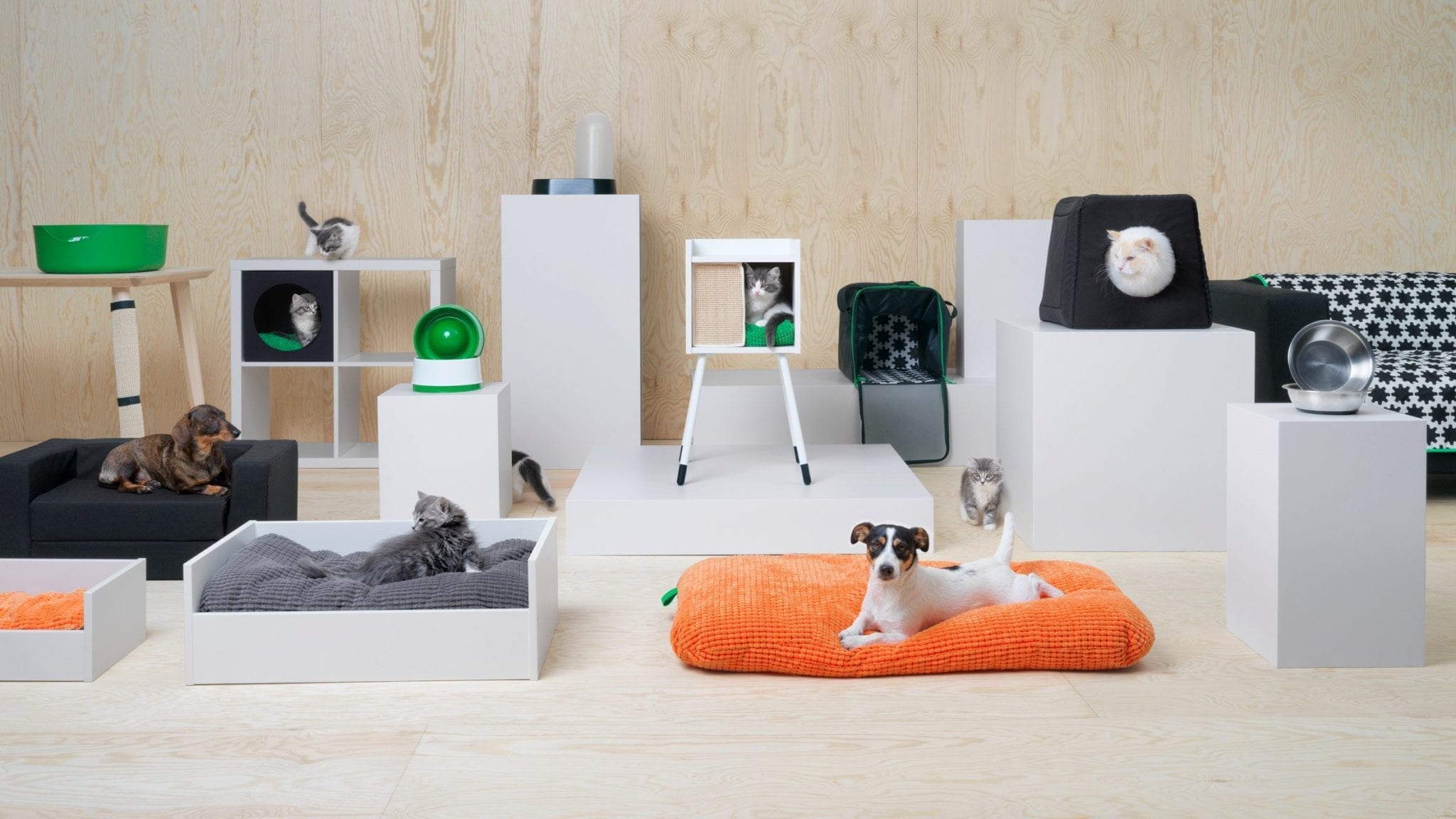
    As animals are part of the family, an Ikea pet range has been introduced with 62 specially designed products.

    The Swedish homewares retailer’s Lurvig pet collection ranges from a cat hideaway resembling a treehouse to a bowl that encourages dogs to eat slowly, reports Freshout.Today.

    Designer Inma Bermudéz says she saw a gap in the market for affordable but attractive pet products covering such basics as sleep, eat, play, travel and walk.

    “Created by pet-loving designers with support from veterinarians, the range covers all the bases of our shared life with pets indoors and out.”

    Bermudéz says the items were designed with the natural needs and behaviours of animals in mind, such as how they sleep, eat or play.

    “Dogs will definitely chew on their toys and bring in dirt from their daily walks. Cats will definitely scratch on most surfaces and are sensitive to smell and texture. So safe, durable materials are very important.”

    Highlighting the influence of a vet in the design process is the “slow-feed bowl” for dogs, many of which tend to overeat. The bowl’s internal surface is designed to prevent dogs from eating their meal “in one or two gulps”.