Tag: pharmaceuticals

  • Pierre Fabre Targets 600 Million Euros in Asia with Annual Regional Outlay

    Pierre Fabre Targets 600 Million Euros in Asia with Annual Regional Outlay

    Laboratoires Pierre Fabre plans to invest 60 million euros annually across Asia-Pacific to double regional revenue by 2032, prioritizing Asian markets over the United States.

    The French maker of Eau Thermale Avene and Klorane closed 2025 with 3.2 billion euros in worldwide sales, with the regional expansion designed to lift global revenue past 5 billion euros by 2032.

    Asia-Pacific excluding China brought in 170 million euros in 2025, while the Chinese dermo-cosmetics business delivered about 180 million euros. Chief executive Eric Ducournau plans to raise ex-China regional revenue past 300 million euros by 2032 and roughly double sales inside China, deploying an annual investment run-rate equal to 20 per cent of regional revenue.

    Splitting Dermocosmetics and Drug Lines

    Group revenue currently splits 55 per cent to dermo-cosmetics and 45 per cent to pharmaceuticals. Brands such as Eau Thermale Avene, Ducray and A-Derma anchor the consumer skincare portfolio, while oncology, rare diseases and medical dermatology make up the prescription pipeline.

    Ducournau intends to equalize both divisions at a 50-50 share globally by 2032. That balancing hinges on Asian distribution, where pharmaceuticals currently represent 35 per cent of regional net sales.

    External licensing and biotechnology partnerships feed the drug pipeline. Oncology has already expanded from 19 per cent of pharmaceutical revenue in 2018 to 41 per cent in 2025, targeting colorectal, lung and melanoma cancers.

    Building Production Closer to Asian Shelves

    Supply snarls during the pandemic prompted the group to re-evaluate factory footprints. Pierre Fabre will now place dedicated manufacturing capacity inside the region for both consumer formulas and pharmaceuticals rather than shipping finished units entirely out of Europe.

    Clinical trials will also shift eastward to account for local patient populations. Rather than rolling out European trial data unchanged, the company is tying clinical research directly to hospital networks and doctors across East and Southeast Asia.

    Eight regional markets currently form the footprint: mainland China, Japan, South Korea, Australia, Taiwan, Hong Kong, Vietnam and Singapore.

    Rival Strategy and Malaysia Expansion

    Most European beauty and drug conglomerates lean on North American channels to fund top-line growth. Pierre Fabre is taking the opposite route, directing commercial budgets into Asia where consumer dermo-cosmetics demand outpaces Western retail pharmacy counters.

    For regional pharmacy chains, department stores and e-commerce platforms, this pivot channels larger trade marketing budgets and faster inventory replenishment into Southeast Asian channels. The risk lies in execution: competing against established Japanese beauty giants and entrenched European conglomerates demands heavy shelf-space spending in retail environments that operate on tight vendor margins.

    Malaysia sits next on the retail roadmap. Ducournau pointed to Malaysia alongside Vietnam as priority markets for footprint expansion, citing fast consumer spending growth across urban centres.

    Regional Hub Operations

    Singapore has anchored the company’s regional headquarters since 2014, operating as the initial launch pad for new formulas across Southeast Asia. The city-state accommodates roughly 60 staff out of the group’s 350 regional employees, according to Jairo Pardey, general manager for Singapore.

    Maintaining Singapore as the commercial base ensures direct oversight as Pierre Fabre establishes marketing, regulatory and clinical trial teams on the ground in target territories.

    The company is now tracking toward an 8 per cent group-wide annual growth rate, alongside double-digit annual gains across Asia-Pacific toward the 2032 deadline.


  • Givaudan Targets GLP-1 Consumer Spending Shift Toward Beauty

    Givaudan Targets GLP-1 Consumer Spending Shift Toward Beauty

    Givaudan is revamping product development across its beauty and fragrance divisions as weight loss treatments reshape consumer budgets, tracked by 15 generic semaglutide brands entering India since patent expirations began. The ingredient supplier found adult adoption of GLP-1 therapies in the US climbed from 3 per cent in 2024 to 11 per cent in 2026, triggering direct reallocation of discretionary spending.

    Data compiled by the manufacturer from a NielsenIQ Homescan panel revealed American households using the medications increased spending on fine fragrances by 97 per cent while cutting grocery budgets. In Brazil, 47 per cent of buyers reported trimming other expenses specifically to finance treatment doses, signaling a widespread behavioral reallocation away from food toward personal grooming, sports, and travel.

    India Generics Drive Rapid Market Expansion

    Price reductions and the loss of patent exclusivity in markets such as India have dismantled entry barriers for metabolic therapies. The introduction of 15 domestic brands following patent expiries expanded regional supply rapidly, lowering therapy costs and broadening usage beyond narrow clinical segments.

    Lower retail prices combined with the development of oral alternatives to subcutaneous injections are speeding up adoption across emerging economies. For personal care brands operating in Asia, this shift alters the customer base faster than anticipated. Product developers must adjust formulas for consumers managing the physiological consequences of rapid weight reduction.

    Formulations Adapt to Side Effects

    Patients experience specific physiological issues that prompt new topical requirements, notably loss of facial volume, loose skin, barrier dryness, temporary hair thinning, and bad breath. Consumers navigating these side effects prioritize demonstrable performance over brand prestige, checking active concentrations and clinical validation closely.

    Buyers demand formulas that combine medical-grade efficacy with sensory textures. Frédéric Merlin, manager of the Givaudan Digital Factory in Paris, stated: “Faced with these very real concerns, consumers are becoming more demanding: they seek out the right actives, compare concentrations, and check the evidence behind efficacy claims. But they are unwilling to choose between performance and pleasure. They expect visible results, sensorial textures, and an enjoyable experience. Whereas a brand’s reputation may once have been enough to win them over, it is now the efficacy promise, backed by evidence, that makes the difference.”

    Scent Profiles Reflect Appetite Changes

    Social listening data gathered by Givaudan identified two dominant fragrance profiles among treatment users: gourmand compositions and crisp, fresh notes. Appetite suppression does not eliminate interest in rich food-inspired aromas, although nausea risks create sharp aversions to heavy notes, requiring finer calibration by perfumers.

    Energy dips and sleep disruptions linked to these therapies have opened room for functional scents. Givaudan is deploying its patented MoodScentz and DreamScentz platforms, pitching neuro-olfactive formulations that stimulate alertness in the morning or support disrupted sleep cycles at night.

    Digital Factory Tests Commercial Concepts

    The company developed an exhibition format called The New Desire at its Paris Digital Factory, built around an artificial intelligence persona named Nathalie to model shifting habits. Brand teams examine over 120 global product rollouts and generate concept packaging tested against simulated consumer feedback.

    Corporate clients have booked repeat sessions at the facility, prompting an operational extension of the program. Fast-moving consumer goods suppliers across the Asia-Pacific region now face parallel realignments on retail shelves: packaged food volumes face headwinds, while functional personal care and premium fragrances capture liberated wallet share.

    Givaudan plans to publish its next wave of field research on GLP-1 olfactory preferences before the end of 2026.

  • Piramal Pharma Opens Microbiology Lab in 85 Million Dollar US Expansion

    Piramal Pharma Opens Microbiology Lab in 85 Million Dollar US Expansion

    Piramal Pharma Solutions has opened a microbiology laboratory at its sterile injectable plant in Lexington, Kentucky. The project advances an 85 million dollar expansion.

    The new space triples testing floor area. It targets a 50 per cent cut in product release turnaround times.

    Regulators cleared routine Good Manufacturing Practice work on September 11, 2026. Conditional approval for the adjoining sterility suite followed soon after. The lab unit forms the first operational phase of the multi-year capital program.

    Boosting Sterility and Cleanroom Capacity

    Engineers reconfigured the Lexington site to handle higher volumes of sterile drug products for clinical and commercial use. The upgrade adds three biosafety cabinets for concurrent testing. It also consolidates all incubation equipment into a single footprint.

    A dedicated Grade C cleanroom suite houses a Grade A sterility testing isolator. That setup replaces a non-classified zone. It doubles testing throughput by running open and closed filtration on multiple batches at once. Built-in sample pass-throughs connect manufacturing suites directly to analytical benches.

    Cutting Release Bottlenecks for Injectables

    Global sterile injectable manufacturing faces capacity crunches, particularly for antibody-drug conjugates, peptides and high-potency small molecules. Bringing microbiology and sterility testing in-house cuts sample transport delays. It also lowers contamination risks.

    Faster batch clearance gives the company an edge over Asian contract development and manufacturing rivals tied strictly to domestic facilities. Shorter release cycles also help pharmaceutical clients. They trim inventory holding costs and speed market access.

    Indian CDMOs Expanding Global Footprints

    Indian contract manufacturers continue to buy and upgrade assets in North America and Europe to stay close to clinical sponsors. Piramal Pharma Limited trades in Mumbai on both the BSE and the National Stock Exchange of India. It runs 17 development and manufacturing sites across India, North America and Europe, alongside hospital generics and consumer healthcare units.

    Through its subsidiary Yapan Bio, the parent company entered complex biologics manufacturing while keeping fill-finish work in Western jurisdictions. Cleanroom and testing capacity in the United States protects contract volume from overseas trade barriers and inspection backlogs.

    Timeline for Full Commercial Operations

    Nathan Richardson, vice president and site head at the Lexington facility, said: “By enhancing sterility testing and microbiological quality capabilities, we are further strengthening our ability to support clients with high quality, reliable, and responsive services throughout the product life cycle.”

    Crews are now installing commercial-scale fill and finish equipment across the remaining space. Piramal expects the full Lexington plant to reach commercial readiness in late 2027.

  • Novo Nordisk Introduces Higher-Dose Semaglutide in Thailand

    Novo Nordisk Introduces Higher-Dose Semaglutide in Thailand

    Novo Nordisk Pharma Thailand introduced a higher-dose semaglutide option on October 7. The treatment addresses type 2 diabetes and linked cardiovascular risks across the country.

    It targets an expanding patient base. Diabetes prevalence in Thailand climbed to 10.6 per cent in 2025, up from 9.5 per cent in the 2020 national survey.

    The Danish drugmaker presented the formulation to more than 500 Thai medical practitioners at an industry gathering. The therapy targets cardiovascular-kidney-metabolic syndrome. That condition links heart disease, renal impairment, and obesity in diabetes patients.

    Expanding Treatment Beyond Glycaemic Control

    Cardiovascular disease is the leading cause of death among Thai type 2 diabetes patients. Chronic kidney disease also affects up to 40 per cent of diagnosed patients. Diabetes remains the primary driver of end-stage renal failure nationwide.

    Doctors gain an extra clinical tool for weight management and organ protection alongside blood glucose reduction. Most Thai adults with type 2 diabetes are overweight or obese. This compounds their health risks.

    Distribution runs through state hospital tenders, private hospital networks, and licensed retail pharmacies across the Kingdom. The company has operated locally for more than four decades, supplying metabolic and chronic disease therapies through all three channels.

    Commercial Stakes in Southeast Asian Healthcare

    Demand for advanced glucagon-like peptide-1 receptor agonists has surged across Southeast Asia. Lifestyle illnesses now place heavy pressure on state healthcare funds. In Thailand, universal health coverage schemes face rising long-term costs from dialysis and acute cardiac interventions.

    Drug suppliers compete directly for formulary spots in private hospital groups and government procurement lists. Higher dosage strengths help manufacturers preserve revenue per patient. They also defend market share against emerging biosimilars and rival GLP-1 therapies entering Asian markets.

    Premium chronic therapies provide healthcare operators and pharmacy chains with steady prescription volumes. Affordability and public reimbursement access remain the main hurdles. Because of those limits, high-dose therapies rely largely on private payers and self-funded patients.

    Four Decades of Thai Market Presence

    Novo Nordisk established its formal presence in Thailand more than 40 years ago. It built distribution relationships with public teaching hospitals and private medical groups, later rolling out baseline semaglutide formulations across Southeast Asia after global clearances.

    Novo has been at the forefront of diabetes care for more than a century, and we recognise that type 2 diabetes is one of the most pressing public health challenges of our time. In Thailand, it is closely linked to CKM syndrome, conditions that place an enormous burden on families and on the Thai healthcare system.

    Next year, the pharmaceutical producer will hold clinical symposiums across provincial medical hubs. These sessions will train specialists on prescribing protocols for the higher dosage.

  • Bangladesh Drugmakers See Little Gain from US 100% Tariff Exemption

    Bangladesh Drugmakers See Little Gain from US 100% Tariff Exemption

    Bangladesh’s pharmaceutical industry will see limited immediate export gains from a US tariff adjustment exempting specialty medicines, according to industry leaders including Shawkat Haider of Beximco Pharmaceuticals Limited.

    Under Section 232 of the Trade Expansion Act, the US announced a 100 percent ad valorem tariff on certain licensed pharmaceutical products and ingredients from September 29, while granting zero-tariff entry on selected specialty drugs to eligible jurisdictions.

    The zero-rate list covers rare-disease orphan drugs, nuclear medicines, plasma-derived therapies, fertility treatments, cell and gene therapies, and antibody-drug conjugates from approved partners including Bangladesh, India, Japan, and the European Union.

    The Manufacturing Gap

    Exemption on paper means little without production lines on the ground. Bangladesh built its drug export trade on generic small-molecule tablets, capsules and basic formulations rather than complex biologics.

    Commercial production of gene therapies or antibody-drug conjugates requires sterile cleanrooms, specialized bioreactors and years of clinical validation. Shawkat Haider, executive director of Beximco Pharmaceuticals Limited, confirmed the structural limitation facing domestic producers.

    “Bangladesh will not get any significant benefit from the tariff adjustment because we do not manufacture this type of highly sophisticated medicine,” Haider said.

    Regional Competition and Compliance

    Regional competitors hold a wide lead in the specialty segments covered by the US order. Contract manufacturers in South Korea and India already operate US Food and Drug Administration-cleared biologic plants. They supply licensed ingredients directly to North American distributors.

    Local producers attempting to enter these niches face steep capital costs and strict US regulatory audits. Domestic veterinary medicine manufacturers also lack the international certifications needed to clear US border inspections, leaving that market segment out of reach for now.

    Earlier Tariffs and Trade Timelines

    The revised pharmaceutical duties follow an earlier round of US trade enforcement under Section 232. Washington activated the first phase of 100 percent tariffs on July 31 for an initial annex of listed companies before widening enforcement to broader pharmaceutical categories on September 29.

    Industry lobby BAPI, the Bangladesh Association of Pharmaceutical Industries, is reviewing product lists to identify whether any existing formulation pipelines qualify under the zero-tariff rules. Abdul Muktadir, president of BAPI and chairman of Incepta Pharmaceuticals, said individual product assessments will determine if future export openings exist.

    What to Watch

    Dhaka drugmakers are reviewing capital expenditure plans for dedicated biotech and oncology plants to evaluate their long-term viability under US export specifications.

    Government trade officials are tracking whether the US Trade Representative adds conventional oral generic categories to future Section 232 exemption schedules before the next tariff review cycle opens in 2027.

  • Singapore Expands Drug Regulatory Alliances Across Malaysia, Middle East and Africa

    Singapore Expands Drug Regulatory Alliances Across Malaysia, Middle East and Africa

    Singapore’s Health Sciences Authority signed cross-border regulatory pacts with counterparts in Saudi Arabia and Africa. At the same time, Malaysia began piloting Singaporean medicine assessments to speed up commercial drug clearances.

    The pilot with Malaysia’s National Pharmaceutical Regulatory Agency started on 1 September 2026. It establishes a formal reliance framework to eliminate duplicate clinical reviews across both markets.

    Under the bilateral trial, Malaysia’s agency is evaluating whether referencing evaluations by Singapore’s Health Sciences Authority can shorten review timelines without lowering safety or efficacy benchmarks. A successful trial will prompt Malaysia to designate Singapore as an official reference agency. That step would give drugmakers with Singaporean clearances an accelerated registration route in Kuala Lumpur.

    Faster approvals across ASEAN

    For pharmaceutical distributors, biotechs, and consumer healthcare brands, duplicative licensing remains a costly barrier to scaling products across Southeast Asia. Fragmented national registries across ASEAN historically forced manufacturers to submit separate dossiers. Companies then had to wait out multi-year evaluation cycles in each domestic market.

    Singapore’s push to become an international evaluation hub shifts that dynamic for regional supply chains. Under mutual reliance models, regional health agencies replace independent full-scale assessments with shared technical oversight. This cuts administrative overhead for suppliers and speeds up treatment rollouts in retail pharmacies and hospitals.

    Bilateral deals with Riyadh and the African Union

    Beyond Southeast Asia, HSA signed two agreements between 14 and 16 September 2026. The agency inked a memorandum of understanding with the Saudi Food and Drug Authority to exchange pre-market and post-market safety data. The deal also builds regulatory pathways for biotechnology and artificial intelligence applications in healthcare.

    The second agreement, signed with the African Medicines Agency, creates a cooperative framework covering regulatory science, capacity development, and technical reviews. Under the pact, African regulators can use Singaporean approvals as technical benchmarks for national decisions across member states.

    “A medicine or medical device should not have to wait because trusted regulators are repeating the same high-quality work,” HSA CEO Raymond Chua said. “By enabling partners to draw on HSA’s assessments, we can reduce duplication, support more timely access to safe and effective health products, and help innovators reach patients across more markets.”

    Expanding European lab standards

    Ties with European and British authorities also expanded. Following a joint audit, the European Directorate for the Quality of Medicines and HealthCare extended Singapore’s associate membership in the General European Official Medicines Control Laboratory Network to include the city-state’s National Biologics Testing Laboratory.

    The European accreditation allows Singapore to participate in global testing programs for complex biological drugs. At the same time, Singapore and the UK Medicines and Healthcare products Regulatory Agency reaffirmed their Regulatory Innovation Corridor. Opened in December 2025, the initiative gives developers of novel drugs early, iterative regulatory guidance across both jurisdictions.

    The timeline for regulatory convergence

    During its 2026 chairmanship of the International Medical Device Regulators Forum, Singapore delivered an operational playbook for regulatory reliance. It also released technical frameworks for artificial intelligence in medical devices and product cybersecurity. In addition, HSA deployed a large language model tool built with GovTech Singapore to map medical device adverse event reports directly to global classification standards.

    Regulators in Kuala Lumpur will track data from the reference pilot over the coming quarters. Their findings will determine whether to formalize Singapore’s status as a permanent reference agency for Malaysian drug registrations.

  • China Targets 25% Share of Global First-in-Class Drugs Market by 2030

    China Targets 25% Share of Global First-in-Class Drugs Market by 2030

    China has set its sights on capturing at least a quarter of the world’s first-in-class drugs market by 2030 under a new five-year plan to become a global biomedicine powerhouse.

    The plan requires large pharmaceutical enterprises to generate a combined revenue of no less than 3.5 trillion yuan (US$522 billion) driven by technological breakthroughs across critical fields.

    As authorities seek to build scale beyond market leaders like Sinopharm, which generated 575 billion yuan last year, the policy outlines 10 measurable targets, including producing at least 50 drugmakers with annual revenue exceeding 10 billion yuan each.

    Revenue Targets for Top Drugmakers

    Meeting the top-line target requires faster consolidation across state-backed and private drugmakers. Sinopharm, the country’s largest pharmaceutical distributor, generated 575 billion yuan in revenue last year. State planners want to replicate that scale across the manufacturing base.

    Reaching 3.5 trillion yuan across leading firms means turning mid-tier developers into commercial powerhouses. These firms must fund long clinical trials. Capital must also shift away from low-margin generics into novel compounds.

    Building Scale Across the Supply Chain

    Healthcare operators, hospital networks and procurement platforms will see supplier negotiations change. State purchasing programs have spent years cutting generic drug prices. That compressed distribution margins while freeing hospital budgets for innovative therapies.

    Institutional investors face a different risk profile across the sector. Backing early-stage discovery brings higher clinical failure rates than reformulating existing drugs. Capital will concentrate around the 50 major players capable of clearing the 10 billion yuan threshold.

    Shifting from Generics to Innovation

    Commercial drug distribution historically relied on large volumes of off-patent medications to support national healthcare coverage. Domestic intellectual property stayed tied to fast-follower treatments rather than novel biologics.

    Recent regulatory reforms sped up drug approvals and aligned domestic clinical trial standards with international norms. The new five-year plan builds directly on that operational base.

    The 2030 Benchmarks

    Execution hinges on domestic developers clearing late-stage international trials and licensing compounds overseas. Dealmakers are tracking the pace of mergers and pipeline acquisitions needed to build 50 ten-billion-yuan producers before 2030.

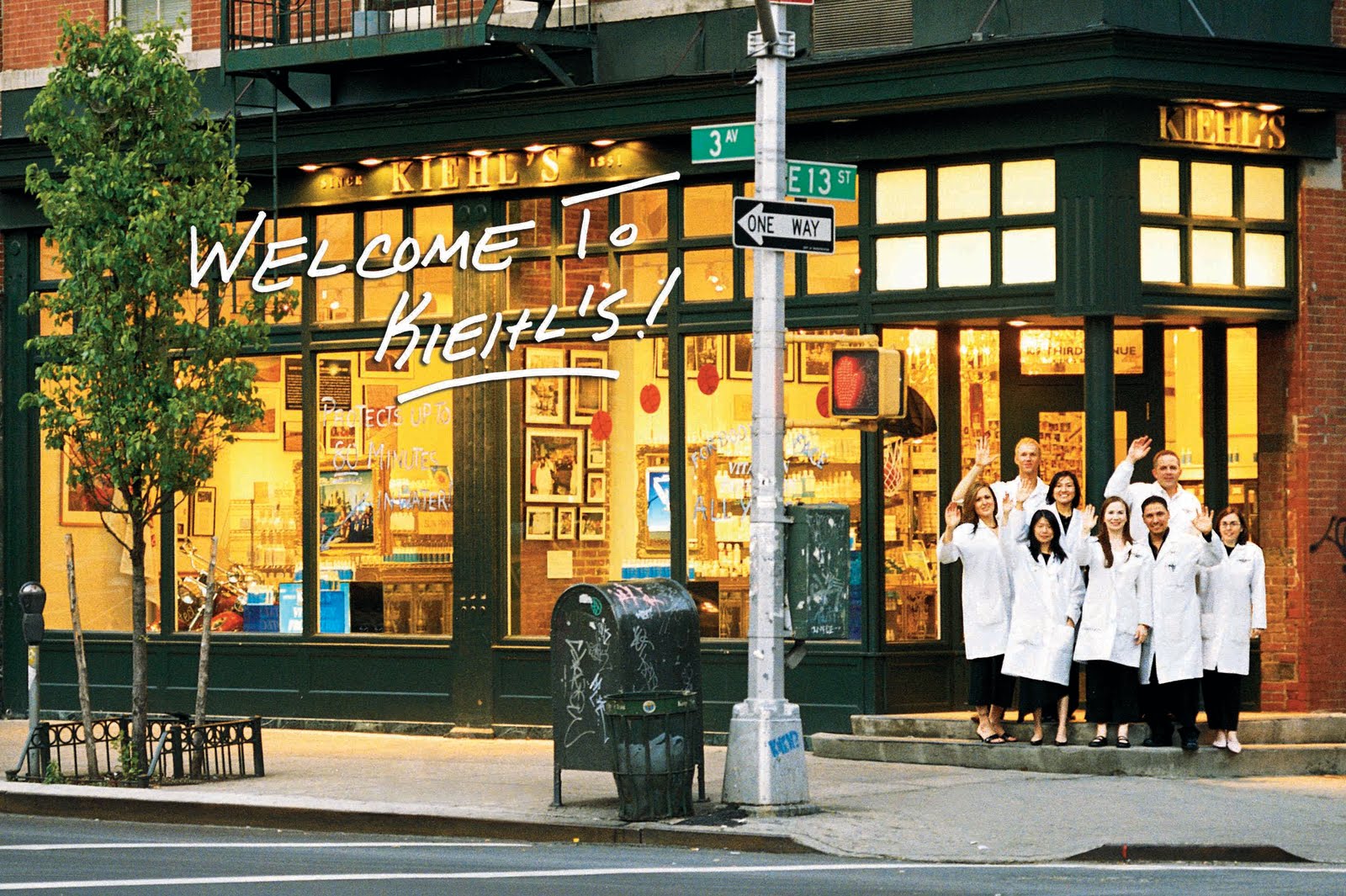
  • Kiehl’s opens biggest store in Asia Pacific since their Launch

    Kiehl’s opens biggest store in Asia Pacific since their Launch

    New York pharmaceuticals firm Kiehl’s has launched its largest boutique in the Asia-Pacific region at Senayan City mall in Jakarta.

    The opening of the 137sqm store marks the brand’s 10th anniversary in the territory and is designed to evoke classic New York themes, such as the iconic Brooklyn Bridge.

    “We work hard to remain alongside current innovations and to stay relevant,” said Caroline Foo, GM of L’Oreal Luxe Division, which oversees Kiehl’s. “What has really helped us stay relevant and modern in the business landscape today is that Kiehl’s always personalises its service and moves alongside with innovations to meet consumer needs.”

    Kiehl’s operates 10 boutiques in 21 Indonesian locations as well as an online store.

  • Mong Kok retailers raided in illegal pharmaceuticals hunt

    Mong Kok retailers raided in illegal pharmaceuticals hunt

    Three Mong Kok retailers were raided this week in a joint operation involving police and Department of Health officials.

    The stores were reported to health officials by a member of the public who suspected the illegal sale and possession of unregistered pharmaceutical products.

    “Preliminary investigation indicated that the external preparations seized during the operation contained controlled ingredients including hydrocortisone, prednisolone, triamcinolone acetonide and clindamycin,” a DoH spokesman said.

    “Hydrocortisone, prednisolone and triamcinolone acetonide are Part 1 poisons, which are steroidal drugs for treating inflammation. Inappropriate or excessive application of the drugs could cause skin problems.

    Clindamycin is an antibiotic used for treating bacterial infection and may cause side-effects such as hypersensitive reactions. Part 1 poisons and antibiotics should be used under the advice of medical practitioners,” the spokesman said.

    Investigations are ongoing.

    According to the Pharmacy and Poisons Ordinance, all pharmaceutical products must be registered with the Pharmacy and Poisons Board of Hong Kong before they can be sold legally in the market. Illegal sale and possession of unregistered pharmaceutical products and Part I poisons are criminal offences. The maximum penalty for each offence is a fine of $100,000 and two years’ imprisonment. In addition, the Antibiotics Ordinance also prohibits illegal sale and possession of antibiotics. Offenders are liable to a maximum penalty of a $30,000 fine and one year’s imprisonment for each offence.

    The DH strongly urged members of the public not to buy or use unregistered pharmaceutical products as their safety, efficacy and quality are not guaranteed. All registered pharmaceutical products should carry a Hong Kong registration number on the package in the format of “HK-XXXXX”.

    People who have purchased the above products should stop using them and consult healthcare professionals if they are in doubt or feeling unwell after use.They may submit the products to the DH’s Drug Office at Room 1856, Wu Chung House, 213 Queen’s Road East, Wan Chai, Hong Kong, during office hours for disposal.