Tag: Phnom Penh

  • Southeast Asia Emerges As Preferred Destination For Luxury Homebuyers, Boasting High Rental Yields

    Southeast Asia Emerges As Preferred Destination For Luxury Homebuyers, Boasting High Rental Yields

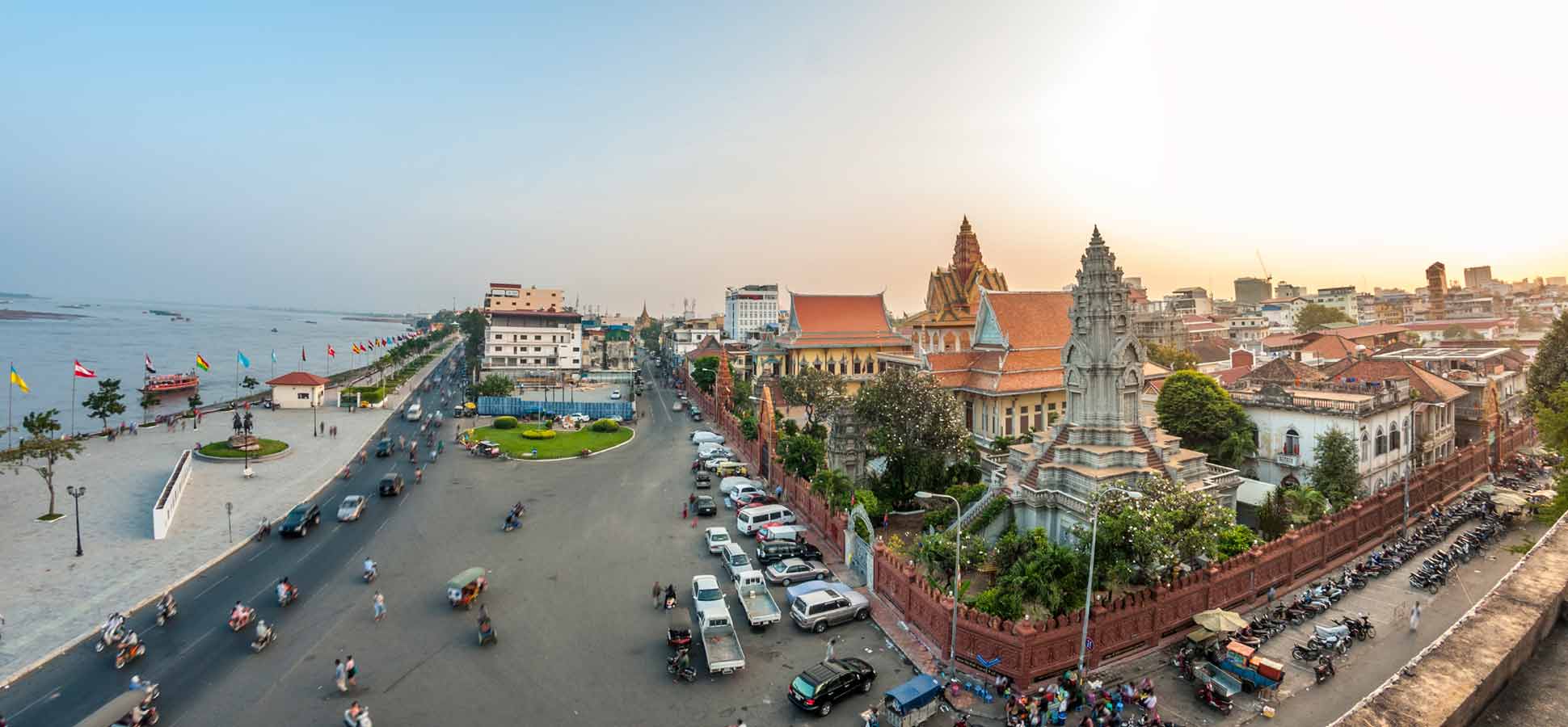
    Phnom Penh is rapidly emerging as a hotspot for the discerning investor, boasting impressive rental yields of 8% to 10%. In a telling shift, luxury homebuyers across Asia are increasingly looking closer to home, with a notable uptick in investments directed towards regional properties, particularly in Southeast Asia.

    Andrew Grimley, head of Global Distribution at International Property Alerts, shared insights during the Global Property Expo in Singapore, held from July 18 to 20. He noted, “While buyers are still purchasing homes in Europe, North America, and some parts of the Middle East, there’s a marked rise in investment activity for Southeast Asian real estate.”

    Among the standout markets in Southeast Asia are Cambodia, Thailand, the Philippines, and the picturesque island of Bali, Indonesia. Grimley enthusiastically described Cambodia as a captivating marketplace, thanks to its lack of capital gains tax, robust rental yields, and notable potential for capital appreciation.

    “Established markets like Thailand are still performing exceptionally well, and we’re witnessing significant growth in Bali, while the Philippines is drawing increasing interest,” he elaborated.

    Grimley highlighted that both Bali and Thailand are top picks for rental yield seekers, with Phnom Penh also making its mark as an emerging contender. Beyond Southeast Asia, he pointed to Sydney and Melbourne as reliable options for investors keen on solid rental income.

    For those considering property investments, Grimley emphasized the importance of collaborating with reputable management companies and focusing on capital appreciation alongside rental income. “It’s essential to pay attention to market growth—both from a tourism perspective and overall economic performance,” he advised.

    With Southeast Asia becoming a focal point for property investments, it seems the region is ready to not just attract attention, but to hold it, like the promise of a sunny beach day after a long week.

    Questions & Answers

    What is driving luxury homebuyers toward Southeast Asian real estate?
    Luxury homebuyers are drawn to Southeast Asian properties due to attractive factors such as high rental yields, capital appreciation potential, and favorable tax conditions like the absence of capital gains tax in markets like Cambodia.

    Which Southeast Asian countries are becoming popular among investors?
    Countries such as Cambodia, Thailand, the Philippines, and Indonesia—particularly Bali—are gaining traction among investors for their growth and investment prospects.

    What should investors prioritize when purchasing properties in these markets?
    Investors should seek reputable management companies and focus on both capital appreciation and rental yields, considering overall economic growth in addition to tourism growth in these regions.

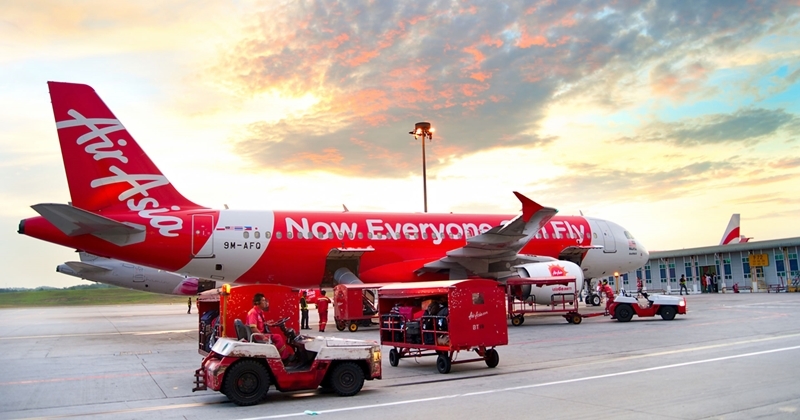
  • AirAsia CEO ‘bullish’ on beating Omicron as airline announces resumption of Phnom Penh flights

    AirAsia CEO ‘bullish’ on beating Omicron as airline announces resumption of Phnom Penh flights

    AirAsia Group chief executive Tony Fernandes has urged governments to stop “overreacting” to the emergence of the new Omicron variant of Covid-19 and focus on reducing the cost of PCR testing instead.

    “It’s a huge overreaction. We don’t know anything about this variant yet. Let’s wait and see before we jump the gun,” Mr. Fernandes said at a virtual address at Bangkok Post’s International Forum 2021 dubbed “Unleashing the Future: A Glimpse into 2022 and Beyond” on Thursday.

    Air Asia has also hinted that Cambodia is one potential market for new ventures. Current group president for airlines Bo Lingam says: “We will continue to review new markets to operate from in the future, like Cambodia for example when we can connect Southeast Asia once again with the best value fares and lifestyle offerings.”

    The chief executive of the low-cost carrier said the world is more equipped and better prepared to deal with Omicron — first detected in South Africa — than previous strains.

    Air Asia is also reportedly looking at resuming Kuala Lumpur-Phnom Penh flights in January 26 to take advantage of Chinese New Year travelers. During its heydays prior to COVID-19, it used to mount three flights a day.

    “There are Merck pills, and Pfizer pills are coming out. We are vaccinated. There are boosters available. I’m feeling much more bullish, and I am not doom and gloom,” he said.

    “Governments need to use common sense and see what is needed. I think travel restrictions and such measures are temporary, and the world is global. No matter how much we close the borders, the viruses will travel.”

    He criticized the pricing and frequency of the PCR tests required by many governments, including Thailand, when travelers enter their borders. He said this risks deterring passengers from taking a vacation despite the pent-up demand to venture overseas.

    “No government has looked at the cost of the PCR test. PCR tests in Southeast Asia are extremely [expensive]. It’s unfair for passengers to pay that kind of cost. Of course, we want to be safe, but make it as simple as possible.”

    He praised Thailand for planning to reduce some of these charges and procedures.

    “Thailand is ahead of the rest of ASEAN, which are still quite draconian,” he said, referring to the Association of Southeast Asian Nations.

    “In Malaysia, we have a seven-day quarantine. It’s a start. At least we are opening up borders, but there’s a long way to go before we get to where we used to be.”

    As for AirAsia’s operations and outlook for 2022, Mr. Fernandes said he had restructured the company and pivoted to more digital businesses.

    So far, the low-cost carrier has launched three logistics businesses — a food delivery super-app, online bank BigPay, and parcel delivery service Teleport. The company has no plans to cut routes yet, it said.

    The group CEO was optimistic about the future of the aviation industry. He said he expects low-cost carriers to bounce back faster than full-service airlines as most passengers prefer to travel short distances. Moreover, business travelers are getting used to attending meetings virtually instead of in person, he said.

  • AirAsia to resume Bangkok-Phnom Penh flights following Cambodia’s reopening

    AirAsia to resume Bangkok-Phnom Penh flights following Cambodia’s reopening

    AirAsia is resuming flights from Bangkok to Cambodia’s capital Phnom Penh starting December 22. The Southeast Asian country recently lifted restrictions to allow fully vaccinated foreign travelers to enter without undergoing quarantine.

    Next month, flights from Bangkok’s Don Mueang International Airport to Phnom Penh will take off on Wednesdays, Fridays, and Sundays. Travelers who are considered fully vaccinated under the World Health Organisation requirements within 14 days of departure will be allowed to enter under the quarantine-free travel scheme.

    Visitors will also need to test negative in a RT-PCR Covid-19 test at least 72 hours before departure and take a rapid antigen test on arrival. Those who have not been fully vaccinated will need to undergo a 14 day quarantine.

    For AirAisa BIG members, tickets start at 1,690 baht per trip with pre-booking from November 18 to 28 for flights from December 22 to March 25.

  • Papa John’s launches in Cambodia

    Papa John’s launches in Cambodia

    US pizza chain Papa John’s is launching in Cambodia with 15 restaurants scheduled to open during the next three years. The company opened its flagship store in Phnom Penh last month.

    “Papa John’s Cambodia team is truly passionate about pizza,” said Peter Xu, Papa John’s Cambodia franchisee.

    “With our ‘Better ingredients – Better pizza’ promise, we look forward to providing local pizza lovers with quality products and outstanding services.”

    Xu also owns a Papa John’s franchise in New York and other business ventures in Cambodia.

    Jack Swaysland, Papa John’s COO, international, said that following a record year of sales and growth, Papa John’s is well-positioned to accelerate international development, a key pillar for the brand’s long-term growth.

    Papa John’s has restaurants in 48 countries, with the latest new openings in France, Spain, Tunisia, Iraq, the Netherlands, Morocco, Kazakhstan, Kyrgyzstan, Poland, the Bahamas, Pakistan, and Portugal. The company is eyeing expansion in Brazil, Japan, and Southeast Asia.

  • Phnom Penh Megamall launch delayed

    Phnom Penh Megamall launch delayed

    The Phnom Penh Megamall developer has delayed the mall’s launch until the fourth quarter of this year owing to lagging interior design work, according to its marketing representative CBRE Cambodia.

    The 47,000sqm, 11-storey shopping hub is being constructed as a mixed-commercial centre.

    “The delay has nothing to do with market issues,” said CBRE Cambodia MD Ann Sothida. “Companies have expressed their interest and have leased about 70–80 percent of the building’s retail space, with the ninth floor entirely leased out.”

    According to local news media reports, the Phnom Penh Megamall, which is being constructed in the building which used to house a Parkson department store, requires additional foundation works unexpectedly when the project commenced.

    CBRE Cambodia reports 19 buildings in Phnom Penh currently offering 314,000sqm of retail space in total, with an additional 261,746sqm in retail space supply expected to launch this year.

  • Cambodia’s SINET to expand into residential market

    Cambodia’s SINET to expand into residential market

    Cambodia’s largest enterprise-focused ISP SINET has selected Nokia to support its expansion into the residential market with FTTH services.

    Under the agreement, Nokia will roll out a nationwide access network starting in major housing apartments and gated communities – known as borey – in Phnom Penh and Siem Reap.

    SINET plans to deliver broadband services targeted at residents living in newly built gated areas and apartment buildings using Nokia’s Gigabit capable GPON Mini optical line terminal solution.

    SINET CEO Meta Sy said the company plans to use the high speeds and qualities available with GPON technologies to stand out from the crowd and gain a competitive foothold in the residential market.

    “The Cambodia market is crowded with low-quality residential broadband services available at low prices using many off-the-shelf access equipment with little consideration to long term quality and reliability,” he said.

    “When we decided to deploy GPON in borey and housing apartments, we wanted a quality-based and future-proof offering that would set us apart from the competitions. That means the service has to be on-par with international broadband standard in terms of speed, reliability, efficiency and ease of troubleshooting which are key criteria why we selected Nokia.”

  • KBank unveils capital branch

    KBank unveils capital branch

    Kasikornbank (KBank), one of the largest banks in Thailand, officially unveiled its first branch in Phnom Penh with the aim of offering financial services to local businesses as well as corporate and retail customers.

    KBank entered the Cambodian financial market in November and initially, the branch’s objective was to facilitate Thai businesses in Cambodia in the area of corporate finance and fund mobilization for investment in infrastructure projects towards the production of garments and processed food.

    KBank services are available in Thai baht, US dollars and Cambodian riel for bilateral trade activities and other transaction services.

    KBank president Predee Daochai said the bank’s first injection of investment capital into Cambodia was $50 million and it will increase, based on bank performance and demand.

    Mr. Predee said recently that KBank’s loan portfolio was $2 million with a small amount of deposits. However, the bank expects to expand its loan portfolio to about 1.5 billion baht ($43 million) to corporate customers, local businesses and retail customers, both Thai and Cambodian, in the next three to five years.

    “We have to grow in terms of loans and deposits. Our loan portfolio is $2 million, but we have targeted that within the next three to five years, it should rise to two billion baht [$57 million] and we aim to have 800 million baht [$22.8 million] in deposits,” he said.

    “We can grow faster than that because there are many big Thai customers here since they came here many years ago. Most of them use our services in Bangkok so they are pleased to use our services here.”

    Mr. Predee said that KBank is not only looking to serve the financial sector in Cambodia, but also wants to help boost investment and trade between Cambodia and Thailand.

    He said if the first branch performs well, the bank will look to open a second branch in the country.

    Nattavudh Photisaro, Thai ambassador to Cambodia, said that KBank opened its representative office in Cambodia in February 2015, and had a soft opening of its Phnom Penh branch in November.

    He added that although KBank just officially unveiled its branch, it was no stranger to the Thai embassy in Phnom Penh as the bank had worked closely and has strong ties with the Thai diplomatic staff in Cambodia for the past couple years.

    “With KBank, Thailand has a total of four banks in Cambodia including Bangkok Bank, Krungthai Bank and Cambodian Commercial Bank. Now KBank has brought another Thai business to Cambodia,” he said.

    Mr. Nattavudh added that bilateral trade between Thailand and Cambodia reached $5.6 billion last year. He said several Thai companies have expanded their operations in Cambodia and more will follow.

    “I have always encouraged Thai businesses here to operate on three principles: mutual trust, mutual respect and mutual benefit. I think that Kasikornbank has taken these principles to implement here,” he said.

  • Nike aims for traction in Cambodia with first retail store

    Nike aims for traction in Cambodia with first retail store

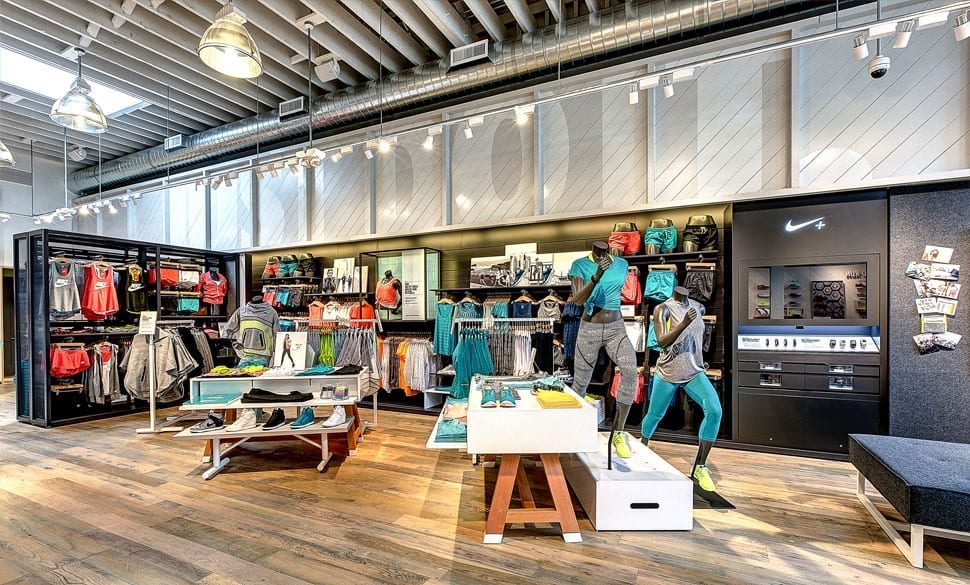
    American sporting goods giant Nike has opened its first dedicated retail store in Cambodia in what observers have described as another sign the Kingdom’s strong economy and rising incomes had not gone unnoticed by international retail giants.

    The opening of the outlet store in central Phnom Penh marks the first time that Nike goods such as sport shoes and apparel – including items produced at local factories – can be purchased from a dedicated brand outlet.

    According to Julie Chung, Charge d’ Affaires at the US Embassy in Phnom Penh, Nike’s retail launch underscores the Kingdom’s economic development and its ability to attract major name-brand American products and investment.

    “This is a testament to the economic transformation that is taking place here a transformation we hope the United States and American companies can continue to help support,” she said at the store opening on Saturday.

    Ronald Marvin, executive director of the American Chamber of Commerce, said the Nike store’s arrival was a positive sign that American businesses have confidence in the Cambodian market.

    However, on a retail level, some analysts said the choice of opening a flagship store on Monivong Boulevard, rather than in an upscale mall or neighbourhood such as Aeon Mall or Boeung Keng Kang 1, could signify that Nike was still testing the market before going all in.

    “The fact that they are not opening a flagship store in a more prime location could be because they just want to establish a presence in Cambodia for the meantime,” said Sofia Perez of property consultancy advisory Knight Frank Cambodia.

    She said that while Nike’s brand-name appeal would certainly help business, it should not be relied on as the sole marketing tool.

    “The choice in location and the store size will definitely affect brand image, which is important for consumers because for a higher price, they would also expect a more exclusive shopping experience among other added benefits,” Perez said.

    She added, however, that if Nike can develop an effective marketing strategy with added consumer benefits, “they could definitely increase the pressure on their competitors”.

  • Mongolian Hot Pot Coming to Phnom Phen

    Mongolian Hot Pot Coming to Phnom Phen

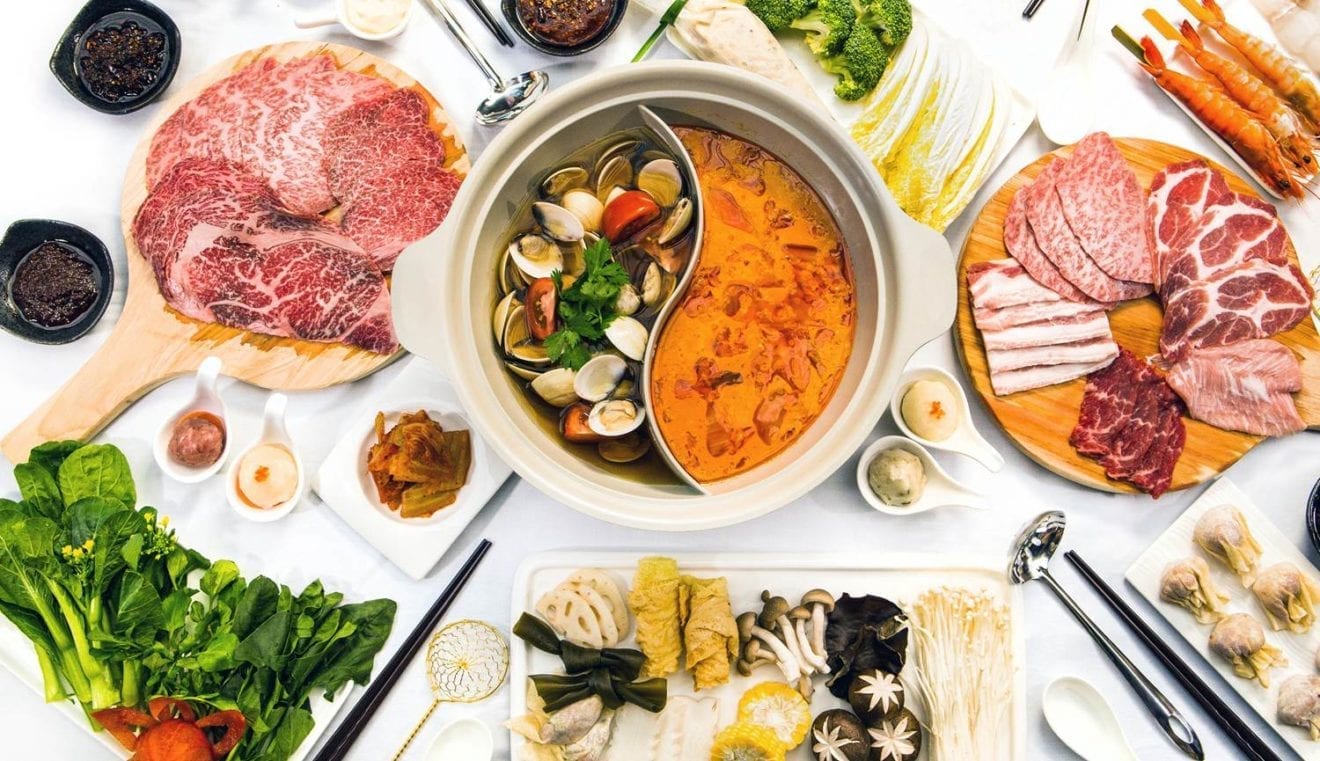
    Little Sheep Hot Pot, a Yum Brands Inc. company, yesterday signed a partnership agreement with HGB Food Industry Co. Ltd. to bring its Mongolian hot pot restaurant to Cambodia.

    HGB Food Industry is a subsidiary of private local investment company HGB Group, which focuses on the domestic automobile industry, food and retail goods.

    Little Sheep’s director of field operations Aileen Wu said the company would bring good quality food to the Kingdom through its cooperation with HGB Food Industry.

    “The partnership between Little Sheep Hot Pot with HGB Food Industry Co., Ltd. to step into the Cambodian market with branches of new restaurants is aimed at bringing fun and the delicious hot pot of Mongolia to Cambodia with many new branches,” she said, adding that they would be located in downtown Phnom Penh.

    HGB Food Industry representative Austin Tan said that the restaurant would bring healthy food to Cambodian people.

    “The market here shows high potential for the demand of healthy food. That’s why we are preparing to enter the market,” he said.

    Little Sheep Hot Pot began operations in 1999 with its first restaurant in Mongolia. In the past 17 years, the company has expanded to 300 branches in 110 countries. Yum Brands, which owns KFC, Taco Bell and Pizza Hut, bought the Mongolian hot pot chain in 2012.

    HGB Group is the sole-appointed distributor in Cambodia for Rolls-Royce Motor Cars, Bentley Motors, Mazda, Kia, Kawasaki and Harley-Davidson motorcycles.

    HGB Food Industry Co., Ltd. is a leading food and beverage distributor and retailer of quality imported food and beverages. The company has been operational in this field for eight years and is a preferred supplier of beverages to hotels and resorts, restaurants, cafes and retail stores in Cambodia.

  • Cambodia Properties Shine in Asean

    Cambodia Properties Shine in Asean

    Asean property markets are promising, with Cambodia offering the most attractive prospects due to strong demand and limited supply, notably in Phnom Penh.

    Aliwassa Pathnadabutr, managing director of property consultant CBRE Thailand, said prime residential property for rent in the Cambodian capital has posted the highest yield among all sectors at eight percent per year. Selling prices remain relatively low, but rents are high.

    “Demand for rental in Phnom Penh is driven by expatriates working for multinational companies set up in the city,” she said. “Asking rents are high as those companies are willing to spend on good accommodation for their staff.”

    With strong demand and a limited supply of only 5,500 units, the apartment sector has an occupancy rate of between 80 to 90 percent while rent per square meter is 700 to 1,000 baht (about $20 to $28).

    Rent for a one-bedroom serviced apartment is around 40,000 to 50,000 baht per month ($1,141 to $1,426), the same rate for a unit in Bangkok.

    But the average selling price for a high-end unit is only 110,000 baht per square meter, lower than Bangkok’s 200,000-300,000 baht.

    She said the selling price per square meter for a high-end residential unit in Phnom Penh is lower than that in Bangkok due to lower land costs. Construction costs, however, are close to those in Bangkok as most of the construction materials are imported from Thailand.

    For the high-end segment, the average selling price is 110,000 to 170,000 baht per square meter. For middle-end condos it is 93,000 baht and 24,000 baht on average for the affordable segment.

    The foreign ownership quota in Cambodia’s residential sector is higher than Thailand’s, with up to 70 percent of total units at a project. But foreigners are not allowed to buy ground-floor or basement units. Foreigners are also allowed to set up a company with 100 percent ownership.

    However, Thai investors should be cautious if they want to jump on the bandwagon as Phnom Penh’s residential supply will reach 25,000 units in 2018 from only 5,000 units this year, Ms. Aliwassa said.

    Investing in a condo for rent in Phnom Penh is attractive for individual investors. The major investment buyers in the city are Taiwanese, Chinese, Singaporean, South Korean and Japanese.

    “If Thais want to get in on the act, they should do so now or at the beginning of the boom as there will be a large volume of new supply being completed in the next two years,” added Ms. Aliwassa.

    She said office and retail spaces in Phnom Penh are limited but demand is strong so the occupancy rate is quite good. The city’s office supply totals around 280,000 square meters, compared with 8.4 million square meters in Bangkok.

    For C-grade office space, occupancy is as high as 90 percent due to a lower monthly rent of $10 to $15 per square meter. Rent for B-grade office space is $16 to $25 with an occupancy rate of 85 percent while A-grade rent stands at $28 with an occupancy rate of only 40 percent, compared with $30 in Bangkok.

    Another attractive investment in Phnom Penh is retail, as Thai brands are very popular among Cambodian consumers. Successful Thai retailers in Phnom Penh now include Major Cineplex, Fuji and S&P restaurants.

    Nonetheless, the retail property market in Phnom Penh is quite small compared with Bangkok. The current retail space in Phnom Penh totals 680,000 square meters, which accounts for less than 10 percent of Bangkok’s total retail area of seven to eight million square meters.

    Despite limited supply, the monthly rent for prime malls remains low at only 1,200 baht per square meter, compared with 3,000 to 4,000 baht in Bangkok.

    Although Phnom Penh’s luxury segment has a limited supply, it might be too soon to enter the market as the segment is very small and Cambodian consumers are not ready to accept luxury prices, said the consultant.

    “Besides checking local regulations, investors should consider the balance of costs, prices and returns. If one of them is too high, the rest will fall down just like in Myanmar where land costs are very high,” added Ms. Aliwassa.

    Tony Picon, managing director of property consultant Colliers International Myanmar, said all commercial properties in Yangon are attractive with high occupancy rates since supply is limited and demand is strong.

    “New supply is difficult to enter as regulations are unclear and land costs are steep,” he said. “But opportunities in Myanmar are high as its GDP is the highest in the region at 8.3 percent. The country also boasts abundant resources.”

    Suphin Mechuchep, managing director of property consultant JLL Thailand, said Vietnam is an interesting investment destination as its economy is picking up, purchasing power is strong and the government is spending on infrastructure projects.

    “All segments in Vietnam’s property market have bottomed out in the past two years as middle-income earners prefer spending on IT, mobile and technology,” she said.

  • Inside Starbucks Cambodia flagship

    Inside Starbucks Cambodia flagship

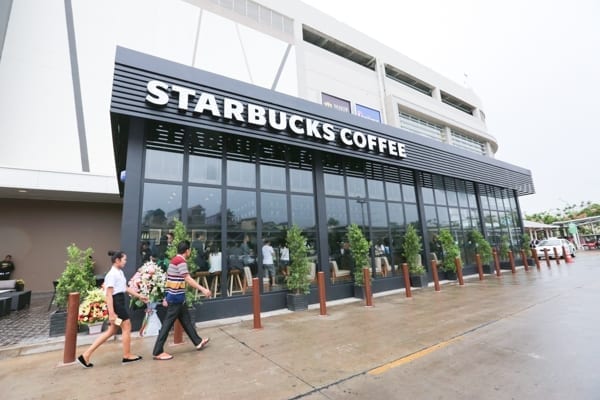
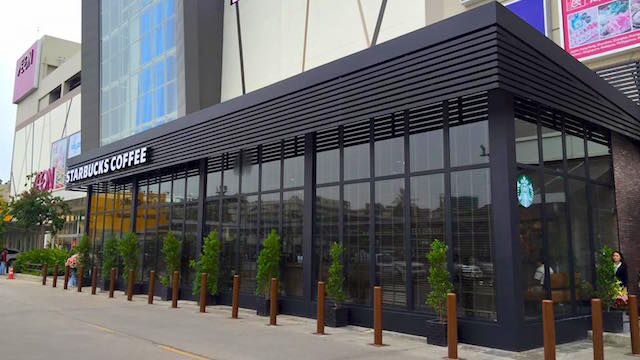
    Starbucks Cambodia has opened a new flagship store in Phnom Penh, in partnership with regional partner Maxim’s Group of Hong Kong.

    Cambodia is Starbucks 16th market in the China/Asia Pacific region, where it has more than 6200 stores. This is the third store in the country. Last month, Starbucks celebrated 20 years since the opening of its first store outside North America – in Japan.

    Starbucks BKK

    The Starbucks Cambodia Phnom Penh flagship, in the Boeung Keng Kang neighbourhood, will introduce Starbucks Reserve coffees to Cambodia, says Starbucks Asia Pacific president Mark Ring. An interactive coffee bar will allow customers to experience a range of brewing techniques including siphon, cold brew, pour-over, coffee press and espresso machine.

    Starbucks BKK

    Inspired by Starbucks’ 45-year history, the flagship store features not only the brand’s core menu but also rare, small-lot coffees. For the store opening, baristas handcrafted two small-lot Starbucks Reserve coffees, Colombia La Union 16 and Papua New Guinea Luoka. Over time, the store will showcase a variety of coffees from small-lot coffee farmers in various countries. All Starbucks Reserve coffee is roasted in Seattle.

    Starbucks BKK

    Starbucks BKK

    Through its licensed partner Coffee Concepts (Cambodia), a subsidiary of Hong Kong Maxim’s Group, Starbucks entered the Cambodian market in December 2015. It has two stores at Aeon Mall and Phnom Penh International Airport.

    Photo: Nick Sells at www.SoShootMeStudio.com

    It latest store covers 650 sqm over two levels and features local craftsmanship as well as iconic global images, including a hand-carved Cambodian sandstone siren, an illustration of Starbucks first store on a textured rattan canvas, a coffee landscape tapestry made of fabric woven on a rattan frame, and a metal sculpture over the bar.

    Starbucks BKK

    The centerpiece is a hand-painted mural over the stairs to the second floor, illustrating the Cambodian folklore of Sovann Maccha, the siren princess with a tail that is transformed into two Naga dragons.

    Starbucks BKK

    Starbucks is working with Cambodian Children’s Fund, a non-government organisation that works with children in one of the most underserved areas of Phnom Penh.

  • Starbucks Coffee Company opened the doors to its store in Phnom Penh, Cambodia

    Starbucks Coffee Company opened the doors to its store in Phnom Penh, Cambodia

    Starbucks Coffee Company last week opened the doors to its newest flagship store in Asia, located in Phnom Penh, Cambodia, building on its long-term relationship with Hong Kong Maxim’s Group. Cambodia is Starbucks 16th market in the China and Asia Pacific region. In September, Starbucks celebrated 20 years since the opening of its first store outside North America in Japan and today, the company has more than 6,200 stores across the China and Asia Pacific Region.

    “We are proud to bring an elevated experience to Cambodia with the introduction of our Starbucks Reserve™ coffees,” said Mark Ring, president, Starbucks Asia Pacific. “Our new flagship store in Phnom Penh’s vibrant Boeung Keng Kang neighborhood will excite Cambodian customers with a unique coffee experience that showcases our deep passion for some of the finest coffees from around the world, while honoring the country’s rich heritage and culture.”

    At the flagship store, customers can discover exceptional coffees, engage with Starbucks partners (employees) and form a deeper connection with Starbucks coffee heritage. With an atmosphere that invites customers to explore the tastes and flavors of coffees from around the world, they can sit at the interactive coffee bar and experience a range of brewing techniques including Siphon, Cold Brew, Pour-over, Coffee Press and the state-of-the-art Black Eagle espresso machine. In the hands of Starbucks skilled baristas, the Black Eagle espresso machine delivers a smooth quality and consistent taste profile that complements Starbucks® signature handcrafted beverages.

    Inspired by Starbucks 45-year history of sourcing, roasting and serving some of the world’s finest coffees, the flagship store features Starbucks core menu in addition to rare small-lot coffees through its exclusive Starbucks Reserve™ coffee program. For the store opening, baristas are handcrafting two small lot Starbucks Reserve™ coffees: Colombia La Unión 16 and Papua New Guinea Luoka. Over time, the store will showcase a rich variety of coffees that draw on Starbucks relationships with small lot coffee farmers from the world’s coffee growing regions. All Starbucks Reserve™ coffee is roasted at the Starbucks Reserve™ Roastery and Tasting Room in Seattle.

    To further elevate the coffee experience for customers, select partners at the store are Starbucks Coffee Masters. The Coffee Master program recognizes their expertise with the special designation of the black apron after they pass written and taste tests.

    Through its licensed partner Coffee Concepts (Cambodia) Limited, a subsidiary of Hong Kong Maxim’s Group, Starbucks entered the Cambodian market in December 2015 and currently operates two stores at Aeon Mall and the Phnom Penh International Airport.

    “We are pleased to further strengthen the partnership between Maxim’s and Starbucks in Asia and look forward to continuing to deliver the unique Starbucks Experience through coffee leadership, high-quality products, exceptional service and engaging baristas in a welcoming environment to customers across Cambodia,” said Michael Wu, Chairman and Managing Director, Hong Kong Maxim’s Group.

    A Perfect Blend of Cultures

    The design of the new two-story, 650 square-meter (7,000 square-feet) store features local craftsmanship and iconic global images, including a hand-carved Siren made of Cambodian sandstone, an illustration of Starbucks first store at the Pike Place market on a textured rattan canvas, a coffee landscape inspired tapestry made of fabric tightly woven on a rattan frame, and a metal sculpture hanging over the bar inspired by the coffee aroma.

    The centerpiece is a hand-painted mural over the staircase to the second floor, and illustrates the popular Cambodian folklore of Sovann Maccha, the siren princess with a tail that is transformed into two majestic Naga dragons. Illustrated by prominent local urban artists Peap Tarr and Lisa Mam, the artist highlights the distinct beauty and characteristics of urban Khmer art.

    Long-term Community Investments
    As Starbucks continues to expand its store footprint in Cambodia, it is deeply committed to being an active member of the community and a catalyst for positive change. Currently, Starbucks is working with Cambodian Children’s Fund, a non-government organization that works with children in one of the most underserved areas of Phnom Penh. The Cambodian Children’s Fund aims to transform the country’s most impoverished children into future leaders, by delivering education, family support and social development programs to the local community.


  • CDFG opened 3000sqm Duty Free in Phnom Penh

    CDFG opened 3000sqm Duty Free in Phnom Penh

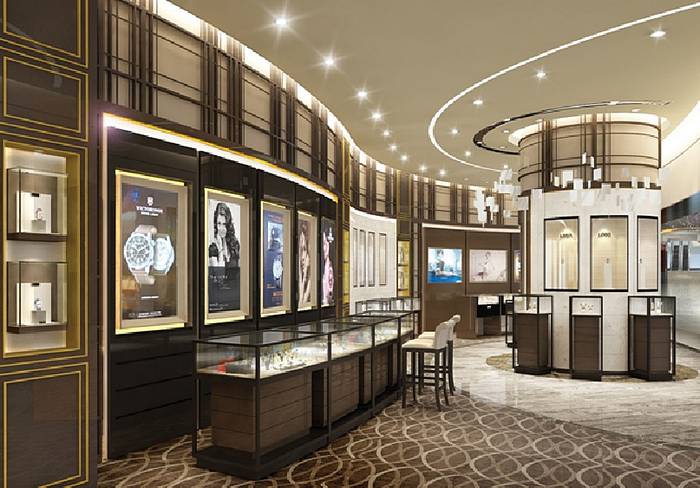
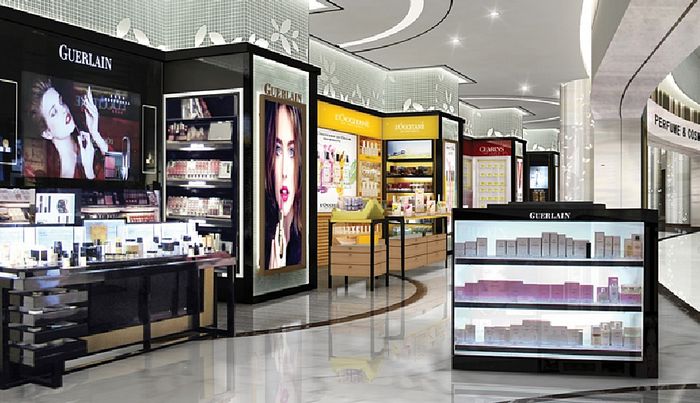
    Phnom Penh Duty Free is located inside the integrated entertainment destination of Naga City at Naga City Walk which connects Naga World to ‘Naga 2’. It offers approximately 4,000sq m of retail space with all the main DF&TR and luxury categories available: cosmetics, perfume, jewellery, sunglasses, watches, fashion, beverages, tobacco, travel goods and confectionery as well as “famous local products”.

    The end of September will see the arrival of a slew of further brands: Estée Lauder, Kiehl’s, La Mer, SK-II, Lancôme, MK, Rimowa, and Tumi.

    CDFG Phnom Penh beauty cambodia

    The beauty area in the new store.

    State-owned CDFG, which operates a brand company in Cambodia, comments: “We are the top luxury retail store in Phnom Penh providing a high-end shopping destination to tourists and business travellers. Customers can choose from more than 200 brands from around the world.”

    On opening, branded boutiques will include Longines, Tissot, Swarovski, Samsonite and Prada, with further boutiques from Armani, Coach and Furla to be unveiled at the end of this year.

    SILK ROAD TARGET

    The Phnom Penh development is part of an international expansion policy targeting the so-called ‘Silk Road Economic Belt’ to which CDFG parent, China Travel Group, is committed.

    Cambodia is a key market within the plan: CDFG has already opened its Angkor duty free store in December 2014 (where it competes with DFS), followed a year later by the Shihanoukville duty free store in December 2015. CDFG says it has “the full support at all levels of government in Cambodia”.

    CDFG – which claims to be China’s largest retailer of luxury merchandise – says that with its three stores in place it “will write a new chapter in the tourism industry in Cambodia”.

    To celebrate today’s soft opening, promotions are in place with a 15% discount on all shopping; a chance to experiencing the VIP shopping service; and a gift on purchases over $100. Scanning the company’s official WeChat account, or clicking ‘like’ on the company’s official Facebook, also qualifies for a surprise gift.

  • Krispy Kreme Cambodia opens first outlet

    Krispy Kreme Cambodia opens first outlet

    Krispy Kreme Cambodia has opened its first shop, in Phnom Penh.

    This makes Cambodia the 27th country to have a Krispy Kreme Doughnuts outlet.

    It will offer the brand’s classic treats and coffee, says senior VP and international president Dan Beem. “The strong fan support for the brand is exciting, and we believe that support will continue to grow as we open more shops in the country over the next several years.”

    Krispy Kreme Cambodia

    Krispy Kreme Doughnuts has signed a franchise agreement with Express Food Group to open 10 shops throughout Cambodia over five years.

    Krispykreme cambodia

    More than 1000 people visited the Phnom Penh shop on its grand opening day. The first guest in line received a voucher for a free dozen of Original Glazed doughnuts each week for a year.

    Krispy Kreme Doughnuts has its headquarters in Winston-Salem, North Carolina, where it was founded in 1937. The company has more than 1000 retail shops internationally.

  • Starbucks Cambodia opens new and first mall outlet

    Starbucks Cambodia opens new and first mall outlet

    Coffee franchise giant Starbucks Cambodia has opened its second outlet, at Aeon Mall in Phnom Penh.

    Licensed as Coffee Concepts Cambodia, the outlet comes less than six months after the US chain made its debut at Phnom Penh International Airport. However, the mall store is the first fully accessible to the public.

    Starbuck PhnomPenh 1

    Despite its limited access, Starbucks has grown in reputation and cemented the brand, assuring long-term investment, says GM Por Lim.

    Its next store is scheduled to open in the Boeung Keng Kang district of Phnom Penh in October, with further expansion depending on brand pick-up, says Lim.