
Retail News CRM

Tag: phone calls

  • Google Fi is fi-nally getting end-to-end encryption for phone calls

    Google Fi is fi-nally getting end-to-end encryption for phone calls

    If you’re concerned about the privacy of your voice communications, Google has a new way to guarantee that no one can snoop in on your calls anymore.
    Of course, there’s only so much the search giant can control, so the newly announced end-to-end encryption feature will merely work on the company’s own Fi MVNO (mobile virtual network operator) starting sometime “in the coming weeks.”

    Both the caller and the callee will need to be Google Fi subscribers and use Android phones for everything to work as advertised, at least to begin with. There’s not a lot to the technology that Big G plans to deploy before long, and all you have to know is that everything discussed during fully encrypted one-to-one voice calls will stay between you and the person you’re talking to.

    To avoid potential confusion or misunderstandings, a bunch of new “audio and visual cues” will make it crystal clear both before engaging in and during end-to-end encrypted calls that you’re wholly and entirely protected from spying ears.

    Namely, look for a lock symbol and straightforward “Encrypted by Google Fi” text on your phone’s screen or be aware of a “unique ringing tone” to make sure the functionality is indeed up and running. Obviously, the feature itself is hardly groundbreaking, as Google points out by highlighting that end-to-end encryption has become an “industry standard” in recent years for messaging apps.

    Slowly but surely, things are moving in the right direction from a privacy and security perspective as far as voice services are concerned as well, thanks to the likes of Facebook and now Google. The search giant’s Duo app actually launched with built-in end-to-end encryption for audio and video calls all the way back in 2016, so if anything, we’re surprised it took so long to implement this for Fi users.
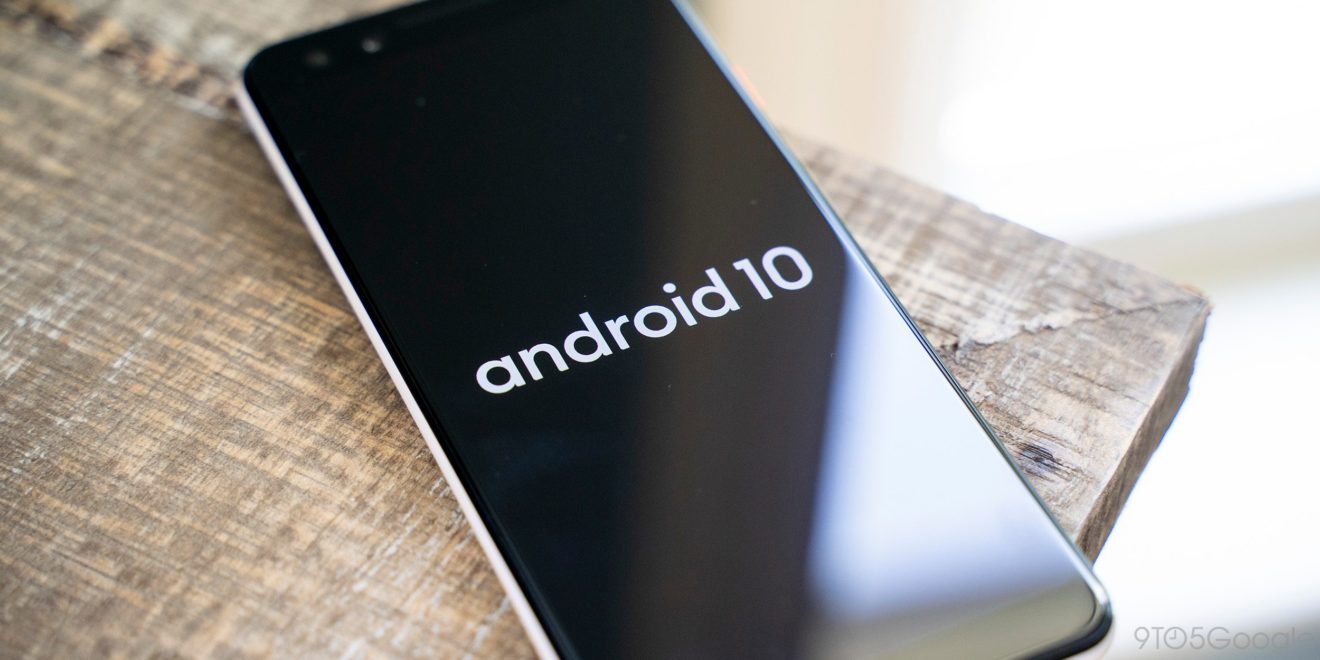
  • 40% of Android phones have modem vulnerability allowing an attacker to listen in to your calls

    40% of Android phones have modem vulnerability allowing an attacker to listen in to your calls

    A vulnerability discovered by security firm Check Point Research could allow a malicious app to skip the usual security features giving it access to call and text history. It also gives an attacker the ability to record conversations. The Qualcomm Modem Interface (QMI) software is normally impossible for third-party apps to access, but if key aspects of Android are hacked, the QMI vulnerability can be used to listen in and record an active phone call, and as we already pointed out, steal call and SMS records.

    QMI is used on as much as 40% of Android handsets including those made by Google, Samsung, OnePlus, LG, Xiaomi, and more. Check Point kept certain information out of its report to make sure that the attack can not be easily copied. There is no indication that the attack has been used by a malicious hacker.

    Check Point revealed all of this to Qualcomm last October calling it a high-rated vulnerability. The chipmaker told the phone manufacturers that use Qualcomm’s modem chips. So far, the vulnerability has not been fixed and we can only hope that Qualcomm and Google will patch this in a future security update.

    However, Qualcomm says that it did make fixes available to “many” Android phone manufacturers last December and that these firms passed along security updates to end-users. The vulnerability will be part of the June Android bulletin.

    Qualcomm issued a statement today that said, “Providing technologies that support robust security and privacy is a priority for Qualcomm. We commend the security researchers from Check Point for using industry-standard coordinated disclosure practices. Qualcomm Technologies has already made fixes available to OEMs in December 2020, and we encourage end-users to update their devices as patches become available.”