Tag: phulet

  • King Power Bangkok airport retail monopoly to stretch longer

    King Power Bangkok airport retail monopoly to stretch longer

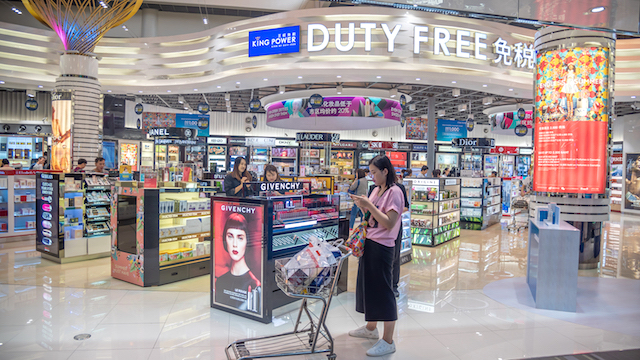
    Hopes of opening up the duty-free and retail monopoly at Bangkok Suvarnabhumi airport have been dashed after Airports of Thailand (AOT) announced the incumbent operator had lodged the highest bid to retain the business.

    While still subject to final ratification by the AOT board, King Power has effectively bought a monopoly on duty-free business at the airport for another decade.

    King Power Duty Free has held the rights since the airport opened in 2006, and was competing to continue when the current contract expires next year through until 2031.

    “The company that scored the highest is King Power Duty Free Company and the winner offered the highest return than what AOT has received before and higher than AOT estimate (sic),” said Wichai Bunyu, senior executive VP at AOT, in a statement.

    Two rival bidders were hoping for a share of the action in what is a lucrative monopoly with prices unmonitored or regulated. The losing bidders were a joint venture between Bangkok Airways and South Korea’s Lotte, and another involving Royal Orchid Hotel Thailand, Empire Asia Group and a subsidiary of World Duty Free Group.

    Leading Thai retail business Central Group and Minor International did not submit bids before the deadline.

    Having selected the winning bidder, the appointment process is a mere formality, subject to ratification of AOT’s remuneration committee next week. According to Reuters, that will decide the technical score and revenue King Power would share with AOT before the board of directors officially approves the winner on June 19.

    The Thai government had ordered a review of duty-free auction period amid monopoly concerns after more than a decade of dominance by King Power. But that apparently had no effect.

    The winning bidders to operate duty-free shops at Chang Mai, Hat Yai and Phuket airports were expected to be released today (June 3) with King Power almost certain to win those contracts as well.
  • Four in five Thais tries going cashless as confidence in digital payments grows

    Four in five Thais tries going cashless as confidence in digital payments grows

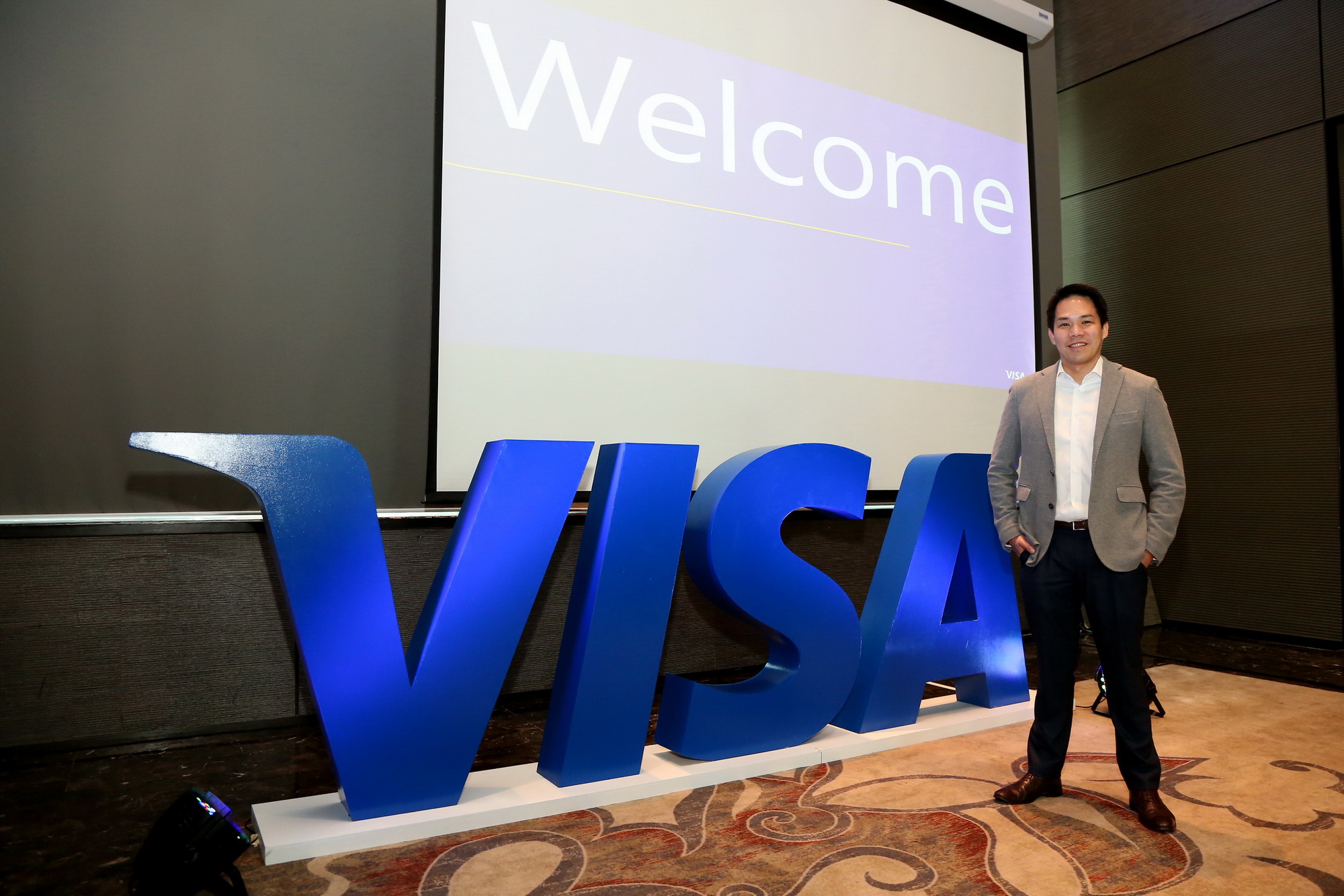
     Four in five Thai consumers (78 percent) have tried going cashless in 2018, compared to only fifty percent in previous year as confidence in digital payments grew, according to the 2018 Visa Consumer Payment Attitudes study (the “Study”). The study tracks payment habits and attitudes as well as exploring emerging topics related to payments among 4,000 consumers across eight Southeast Asian countries, including 500 respondents from Thailand.

    For Thai consumers, digital payment methods, such as cards, in-app mobile payments and QR payments combined together have a larger preference (57 percent) over cash (43 per cent).

    Suripong Tantiyanon, Country Manager for Visa Thailand said: “The higher preference towards using digital payments and the rise of confidence in going cashless are credited to industry players and the government, who have been relentlessly driving the national e-payments agenda.

    “In addition, we believe that the higher preference towards digital payments can be attributed to the proliferation of payment form factors and acceptance points.  More than ever before, Thai consumers can make payments with a wider range of connected devices and payment applications on smartphones, such as wearables and mobile payments.  At the same time, QR code offers merchants in traditionally cash-based segments with a fast, cost-effective and secure digital payments solution.”

    According to the study, two in five Thais (42 percent) said they carried less cash than they did two years ago, compared to 26 percent in 2017.  Top reasons for the decrease in cash in wallet are cash is unsafe (65 percent), higher adoption of digital payments (65 percent) and the hassle of using cash (39 percent).

    The study also showed  that of those who tried going cashless, more than half (60 percent) could manage a day without cash and forty-five percent could last without cash for more than three days.

    Overall, in terms of future expectation, more Thais are confident about the country becoming a cashless society.  Nearly one in three (29 percent) are confident that Thailand can become a cashless society in less than three years, compared to 11 percent in 2017.  Thirty-nine percent believed it will take between four to seven years while only six percent believed it will take longer than 15 years.

    “The findings are encouraging.  We believe that we are on the right track and it is important to help more consumers and merchants understand and embrace the benefits of digital payments.  At the same time, we are committed to innovate and collaborate with all stakeholders in the payment industry and beyond as we continue our journey towards transforming Thailand into a cashless society,” Suripong concluded.