Retail News CRM

Tag: Physical

  • OCBC Leverages Rising Gold Demand, Launches Physical Gold Trading in Singapore

    OCBC Leverages Rising Gold Demand, Launches Physical Gold Trading in Singapore

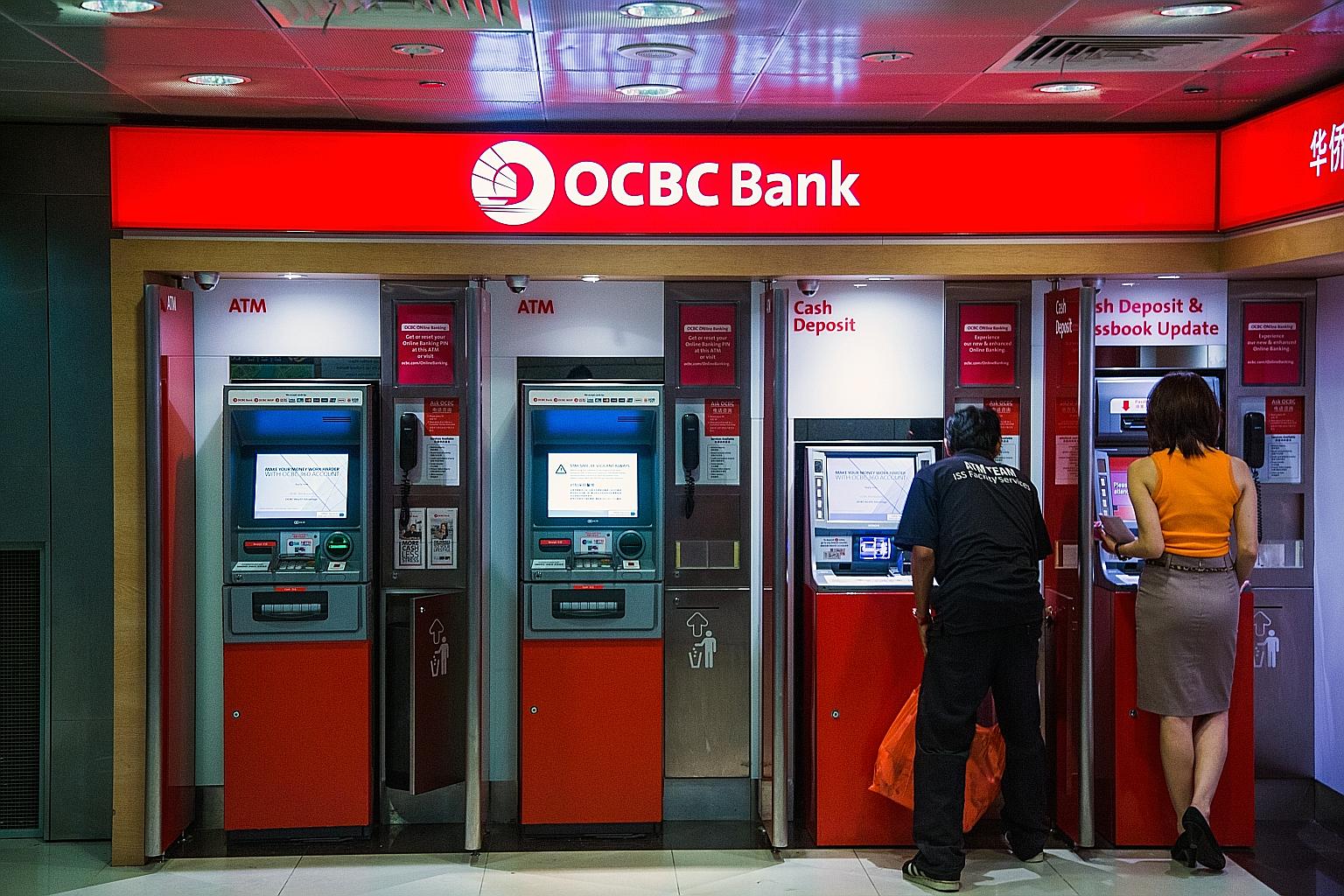
    The Oversea-Chinese Banking Corporation (OCBC) in Singapore is broadening its precious metals sector by introducing physical gold trading and storage services for institutional investors and private banking clients. OCBC perceives an increasing demand for safe-haven assets as geopolitical and economic uncertainty heightens.

    Initiating from June 10, OCBC’s institutional clients and affluent clients of its private banking division, the Bank of Singapore, will be granted the opportunity to purchase, trade, and store physical gold via OCBC, with the entire trading and custodial process based in Singapore.

    Enhancing the Gold Franchise

    This decision signifies a considerable amplification of the bank’s gold franchise beyond its current paper gold offerings. The move comes as investors’ hunger for physical bullion continues to grow. According to OCBC’s reference to data from the World Gold Council, the global demand for gold bars in the first quarter of 2026 experienced a 50% surge compared to the previous year. The Bank of Singapore disclosed that client holdings of physical gold have witnessed an increase of more than 40% since the conclusion of 2025.

    OCBC has stated that the new service will initially provide two forms of bullion: large bars weighing roughly 400 troy ounces (12.4 kilograms) and one-kilogram bars, both allocated to clients and individually identifiable through serial numbers.

    The bank has indicated that client demand has progressively gravitated towards local custody arrangements. Previously, Bank of Singapore clients conducted transactions in physical gold via a U.S.-based entity. With the new arrangement, clients can carry out transactions and store bullion entirely within Singapore.

    Expansion of Wealth Management Strategy

    This introduction mirrors wider efforts by Singapore’s financial industry to fortify its stance as a regional precious-metals hub. OCBC expressed intentions to explore the extension of physical gold products and related hedging solutions to additional client segments over time.

    The move also forms part of OCBC’s more extensive wealth management strategy. Over the past few years, the group has continuously expanded its gold-related offerings across its banking, asset management, and insurance industries.

    Kenneth Lai, Head of Global Markets at OCBC, expressed that the bank perceives physical gold as a natural extension of its existing precious-metal capabilities and is planning to widen access to the offering over time.

    Questions & Answers

    What new services is OCBC introducing?
    OCBC is introducing physical gold trading and storage services for institutional investors and private banking clients.

    What does this expansion mean for OCBC’s existing services?
    This expansion signifies a considerable amplification of OCBC’s gold franchise beyond its current paper gold offerings.

    What is the impact of this move on Singapore’s financial industry?
    This introduction mirrors wider efforts by Singapore’s financial industry to fortify its stance as a regional precious-metals hub.


  • Chinese Beauty Giant JudyDoll Debuts First Physical Store in Trendy Hong Kong

    Chinese Beauty Giant JudyDoll Debuts First Physical Store in Trendy Hong Kong

    JudyDoll, a popular beauty brand from mainland China, has recently ventured into the physical retail space, having inaugurated its first store in Hong Kong. This move signifies the brand’s ongoing efforts to expand its horizons beyond e-commerce, marking a significant stride in its international growth strategy.

    JudyDoll’s Expansion Strategy

    JudyDoll was established in 2017 by Juyi Cosmetics in Shanghai. It became a part of the Joy Group and quickly made a name for itself due to its youthful aesthetics and budget-friendly product selection. The brand boasts more than 800 stock-keeping units (SKUs) in its product portfolio, spanning across categories such as eye, lip, and face cosmetics. Some of the brand’s top-selling products include the 3D Curling Iron Mascara, Iced Watery Lip Gloss, and the Highlight & Contour Palette.

    JudyDoll’s senior sales and marketing manager in Hong Kong, Clair Chau, highlighted that Hong Kong, with its deep-rooted makeup culture and trendy spirit, is a fitting location for JudyDoll’s first physical venture. Chau expressed confidence in the brand’s potential to appeal to a broader consumer base in Hong Kong’s thriving and reliable retail market, which is highly regarded for its energetic and youthful brand personality.

    InvestHK’s Deputy Head of Consumer and Hospitality, Angelica Leung, expressed hope that JudyDoll will utilize Hong Kong as a springboard for its broader expansion initiatives. Leung anticipates that JudyDoll’s physical store will bring a fresh makeup experience to consumers in the city, complimenting the brand’s already creative online presence, and further solidifying Hong Kong’s position as an international trendsetter.

    Since its inception, JudyDoll has made a significant impact in numerous international markets including Japan, Southeast Asia, Australia, Canada, the Middle East, and North America.

    Questions & Answers

    What is JudyDoll known for in the cosmetics industry?
    JudyDoll is renowned for its youthful aesthetic and affordable range of beauty products, which includes over 800 SKUs spanning eye, lip, and face cosmetics.

    Why did JudyDoll choose Hong Kong for its first physical store?
    Hong Kong was chosen for its vibrant makeup culture and fashionable spirit. The city’s thriving retail market offers JudyDoll the potential to showcase its brand to a broader range of consumers.

    What are JudyDoll’s future expansion plans?
    While specific plans have not been disclosed, it is anticipated that JudyDoll will use Hong Kong as a stepping stone for future international expansion.

  • Revolutionizing Gold Investment: Singapore Launches First Local Physical Gold ETF After 20 Years

    Revolutionizing Gold Investment: Singapore Launches First Local Physical Gold ETF After 20 Years

    Singapore will soon see the launch of its first domestically developed physical gold exchange-traded fund (ETF) – the LionGlobal Singapore Physical Gold ETF. This noteworthy event is scheduled to take place on March 26th on the Singapore Exchange. This will also serve as the inaugural gold ETF listing on the local market in two decades. Lion Global Investors, a Singapore-based financial firm owned by banking institution OCBC, issued this information. The ETF’s trading will be facilitated in both Singaporean dollars and US dollars.

    Understanding ETFs

    An ETF can be described as an investment fund that owns an array of securities like commodities and stocks. Its operation is similar to that of an individual stock as it is traded on stock exchanges.

    Subscription and Benefits

    Investors will have the opportunity to subscribe to the ETF during the initial offering period, which is set to run from March 6th to 20th. Subscription is possible through participating dealers. The ETF is supported by physical gold, which is both insured and securely stored in Singaporean vaults. The primary goal of this ETF is to provide investors with cost-efficient exposure to the precious metal during a period where conventional asset allocations might encounter more significant hurdles, according to Lion Global’s CEO, Teo Joo Wah.

    Teo also noted that the LionGlobal Singapore Physical Gold ETF’s listing on the Singapore Exchange is a logical step forward in their mission to widen access to Singapore’s physical gold market.

    The Value of Gold

    Amid the current global macroeconomic uncertainty and the volatility of currencies, gold is often seen as a secure asset. Investors’ concerns and the surge in central bank acquisitions have contributed to an increase in gold prices. As evidence of this, gold prices hit a record high of US$5,597.23 per ounce on January 29th. As of the time this report was written, it was valued at $5,124.73 per ounce.

    Questions & Answers

    What is the LionGlobal Singapore Physical Gold ETF?
    The LionGlobal Singapore Physical Gold ETF is Singapore’s first domestically developed physical gold exchange-traded fund, set to launch on the Singapore Exchange on March 26th.

    What is the purpose of the LionGlobal Singapore Physical Gold ETF?
    The primary aim of this ETF is to provide investors cost-efficient exposure to the precious metal during a time when traditional asset allocations might face more significant hurdles.

    How does the current global economic situation affect the value of gold?
    In the face of global macroeconomic uncertainty and currency volatility, gold is often considered a safe haven asset. Factors like investor concerns and increased central bank purchases have helped drive prices higher, highlighting gold’s value during uncertain times.

  • Fortnum & Mason Bids Adieu to Hong Kong Physical Store: Online and Airport Presence to Persist

    Fortnum & Mason Bids Adieu to Hong Kong Physical Store: Online and Airport Presence to Persist

    British high-end grocery retailer Fortnum & Mason has announced the closure of its primary store and accompanying restaurant located at K11 Musea. The closure, scheduled for January 25, concludes the company’s independent operations in the city, following a six-year presence.

    The announcement, which was made through the company’s official social media channels, was met with a range of responses from devoted shoppers.

    In its official statement, Fortnum & Mason expressed deep gratitude to its customers for their unwavering support throughout the years. The company confirmed that the decision to close its K11 Musea store and restaurant was a strategic move, rather than a final farewell.

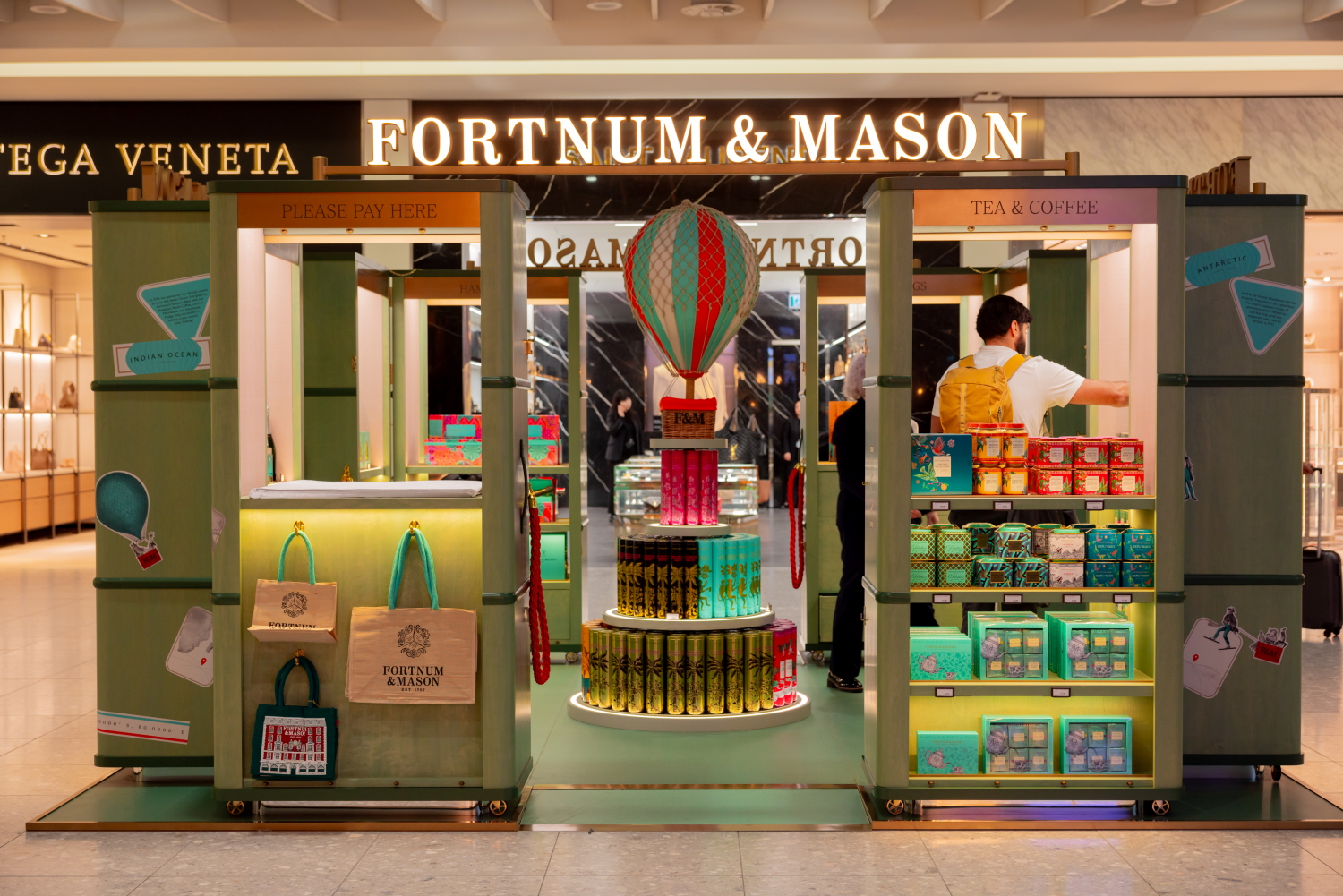
    The company further reassured customers that their iconic products would remain accessible in the city. Patrons can still purchase Fortnum & Mason’s offerings through Lane Crawford, via the Hong Kong International Airport outlet, and on their online store.

    With origins tracing back to 1707, Fortnum & Mason has long been celebrated for its premium food products, signature teas, and regal gift hampers. The brand has remained a cornerstone of British culinary and cultural traditions for over three centuries.

    The expansive 7,000 square feet K11 Musea store was Fortnum & Mason’s first foray into standalone stores beyond the United Kingdom’s borders. In addition to Hong Kong, the brand’s products can also be found in South Korea and Japan.

    Questions & Answers

    When will Fortnum & Mason’s store and restaurant at K11 Musea close?
    The closure is scheduled for January 25.

    Despite the closure, how can customers in Hong Kong still access Fortnum & Mason’s products?
    Customers can continue to purchase products through Lane Crawford, the Hong Kong International Airport outlet, and the Fortnum & Mason online store.

    Are Fortnum & Mason’s products available in any other markets in Asia?
    Yes, in addition to Hong Kong, Fortnum & Mason’s offerings can also be found in South Korea and Japan.

  • Singapore Unveils First Locally Vaulted Physical Gold Fund: A New Era for Precious Metals Investment

    Singapore Unveils First Locally Vaulted Physical Gold Fund: A New Era for Precious Metals Investment

    Singapore has recently launched its inaugural fully insured and locally stored physical gold fund. The move enhances the city-state’s prestige as an international financial center and a hub for precious metals.

    The LionGlobal Singapore Physical Gold Fund was unveiled following an alliance between Singlife and Lion Global Investors (LGI). It provides retail and policyholder portfolios with access to institution-grade bullion. This construct was designed to cater to the increasing demand for diversification and protection from long-term inflation, as reported in a press release on Tuesday.

    The fund is entirely backed by physical gold bars that meet the London Bullion Market Association’s Good Delivery standards. This arrangement allows investors to gain exposure to the performance of the metal’s price while circumventing the logistical costs and security risks associated with private storage.

    Transparent Tracking

    The fund securely stores and insures all holdings in Singapore and aims to closely emulate the LBMA Gold Price AM benchmark. This practice ensures the transparent tracking of the global reference price.

    The fund’s availability on Singlife’s ILPs is designed to let policyholders include physical gold exposure in their long-term insurance-linked savings and retirement plans.

    Digital Access

    Stanz Tan, Head of Investments and Wealth at Singlife, stated that this option supports “diversification, wealth preservation, and growth” as market dynamics develop. Digital access is a fundamental aspect of this rollout. Through GROW and dollarDEX, investors can add gold to their portfolios with minimal entry amounts.

    Lion Global Investors CEO Teo Joo Wah stressed that Singapore’s reputation as a reliable financial and gold-trading hub makes it the perfect location for a fully backed physical gold fund. This initiative, he said, makes gold exposure “simpler and more secure for policyholders and investors alike” and aligns with the long-term structural demand for the metal.

    Institutional Framework

    Standard Chartered Bank acts as the custodian, trustee, fund administrator, transfer agent, and gold provider, centralizing oversight under a single institution with extensive experience in precious metals operations. This structure is designed to reinforce governance, safeguard assets, and enhance operational efficiency for investors seeking institutional-grade protections.

    The launch, backed by partners including OCBC, MariBank, and Great Eastern, aligns with Singapore’s SG60 anniversary and utilizes the country’s refreshed aspirations in wealth management and gold custody.

    This consortium-led approach underscores the fund’s role in shaping a more comprehensive precious metals market accessible to retail and institutional investors.

    Questions & Answers

    What is the LionGlobal Singapore Physical Gold Fund?
    The LionGlobal Singapore Physical Gold Fund is a physical gold fund that is fully insured and locally stored. It was launched through a partnership between Singlife and Lion Global Investors.

    How does the fund ensure transparent tracking of the global reference price?
    The fund securely stores and insures all holdings in Singapore and aims to mirror the LBMA Gold Price AM benchmark closely.

    Who are the key players involved in the launch of this fund?
    Key players in the launch of the LionGlobal Singapore Physical Gold Fund include Singlife, Lion Global Investors, Standard Chartered Bank, OCBC, MariBank, and Great Eastern.

  • Harrods Ramps up Digital Strategy, Scaling Down Physical Presence in China

    Harrods Ramps up Digital Strategy, Scaling Down Physical Presence in China

    The iconic British department store Harrods has decided to scale back its physical presence in China. Its most significant move in this direction is the impending closure of its upscale hospitality spaces in Shanghai.

    Closure of Premium Spaces

    The Shanghai Tea Rooms and the ultra-exclusive private member club, The Residence, are scheduled to shut their doors in January. This move signifies the end of an era that began in 2020, initiated by an exclusive personal shopping concept that was only available via invitation.

    Both the Shanghai Tea Rooms and The Residence were designed with the intention of offering well-heeled Chinese customers a taste of classic British luxury. They were spaces where social, lifestyle, and retail experiences were effectively blended.

    Maintaining Presence through Other Channels

    Despite the closures, Harrods is not completely pulling out of China. The retailer aims to maintain its presence in the country by hosting exclusive pop-up events and activities. They also plan to continue their engagement with Chinese consumers through digital channels and by exploring local wholesale opportunities.

    Harrods has additionally discontinued its membership program, which was specifically designed for Chinese consumers. However, the retailer’s senior leadership is committed to supporting local partners and plans to conduct a series of visits over the next year.

    Earlier Developments

    In 2021, Harrods unveiled a second version of The Residence in Beijing. The brand then embarked on a partnership with The Opposite House, which is part of Swire Hotels’ Upper House Group, to launch The Harrods Residence Suite. This marked the opening of its first hotel suite in Asia.

    Questions & Answers

    Why is Harrods closing its hospitality spaces in Shanghai?

    Harrods is reducing its physical footprint in China and focusing more on digital channels, local wholesale opportunities, and exclusive pop-up events.

    Will Harrods completely withdraw from the Chinese market?

    No, despite the closure of some physical spaces, Harrods intends to maintain its presence in China through various channels and activities.

    What was the purpose of the Shanghai Tea Rooms and The Residence?

    These venues were designed to offer affluent Chinese customers a taste of traditional British luxury, blending elements of social, lifestyle, and retail experiences.

  • Ios 26 Update Revolutionizes Apple Wallet With Enhanced Card Information Storage

    Ios 26 Update Revolutionizes Apple Wallet With Enhanced Card Information Storage

    The recent iOS 26 update has unveiled a host of minor enhancements, including a significant upgrade to the Apple Wallet. The digital wallet can now store detailed information about all your credit and debit cards, enhancing the user experience and accessibility.

    Storing Card Details in the Wallet App

    The iOS 26 iteration of Apple Wallet now allows detailed storage of physical card information alongside their digital counterparts within the app. This empowers users to access essential information such as the card number, expiry date, and other specifics, even in the absence of the physical card.

    Previously, the Wallet was somewhat limiting, offering no option to store comprehensive physical card information for debit and credit cards—a feature exclusive to the Apple Card. This update simplifies and enhances the user experience, positioning the Wallet app as a comprehensive replacement for a physical wallet—a functionality competitor apps like 1Password have been offering for a while.

    Manual Data Entry

    However, while this feature enhances convenience, Apple Wallet does not automatically store all card details. Users must manually input the information into the app. This can be done through a straightforward process:

    1. Open Wallet and select a card.
    2. Click on the ‘123’ button in the upper right corner and authenticate with FaceID or a passcode.
    3. Select “Add Physical Card information.”
    4. Scan the card or manually input the details to be saved.
    5. Confirm by tapping ‘Done.’

    Users can store the card number, expiration date, security code, cardholder’s name, and even add a specific description. Aside from the card number, all other details are optional, allowing users to customize what gets stored. This feature is particularly useful for cards with dynamic security codes.

    Apple has assured users that the saved data is both encrypted and stored in the user’s iCloud Keychain, accessible only by the particular user. Importantly, this information does not get used for Apple Pay transactions.

    A Competitive Edge

    The addition of detailed card information storage to Apple Wallet effectively eliminates the need for many users to stick with 1Password instead of transitioning to Apple’s own Passwords app. This development underlines Apple’s strategy of integrating features of utility apps into its operating systems, rendering separate apps superfluous.

    Questions & Answers

    What new features does the iOS 26 update bring to the Apple Wallet?
    The iOS 26 update allows users to store detailed information about their physical credit and debit cards within the Wallet app.

    How does one add physical card details to the Apple Wallet?
    Physical card details can be added manually by selecting a card within the Wallet app, clicking on the ‘123’ button, selecting “Add Physical Card information,” scanning the card or manually entering the details, and confirming the action.

    Is the card information stored in Apple Wallet secure?
    Yes, Apple assures users that all stored data is encrypted and kept in the user’s iCloud Keychain, accessible only to the user. The stored card information is not used for Apple Pay transactions.