Retail News CRM

Tag: pilot

  • Yum China Unveils ‘Fried Chicken Brothers’: A New Twist On Fast-food With Chinese And Korean Flavors

    Yum China Unveils ‘Fried Chicken Brothers’: A New Twist On Fast-food With Chinese And Korean Flavors

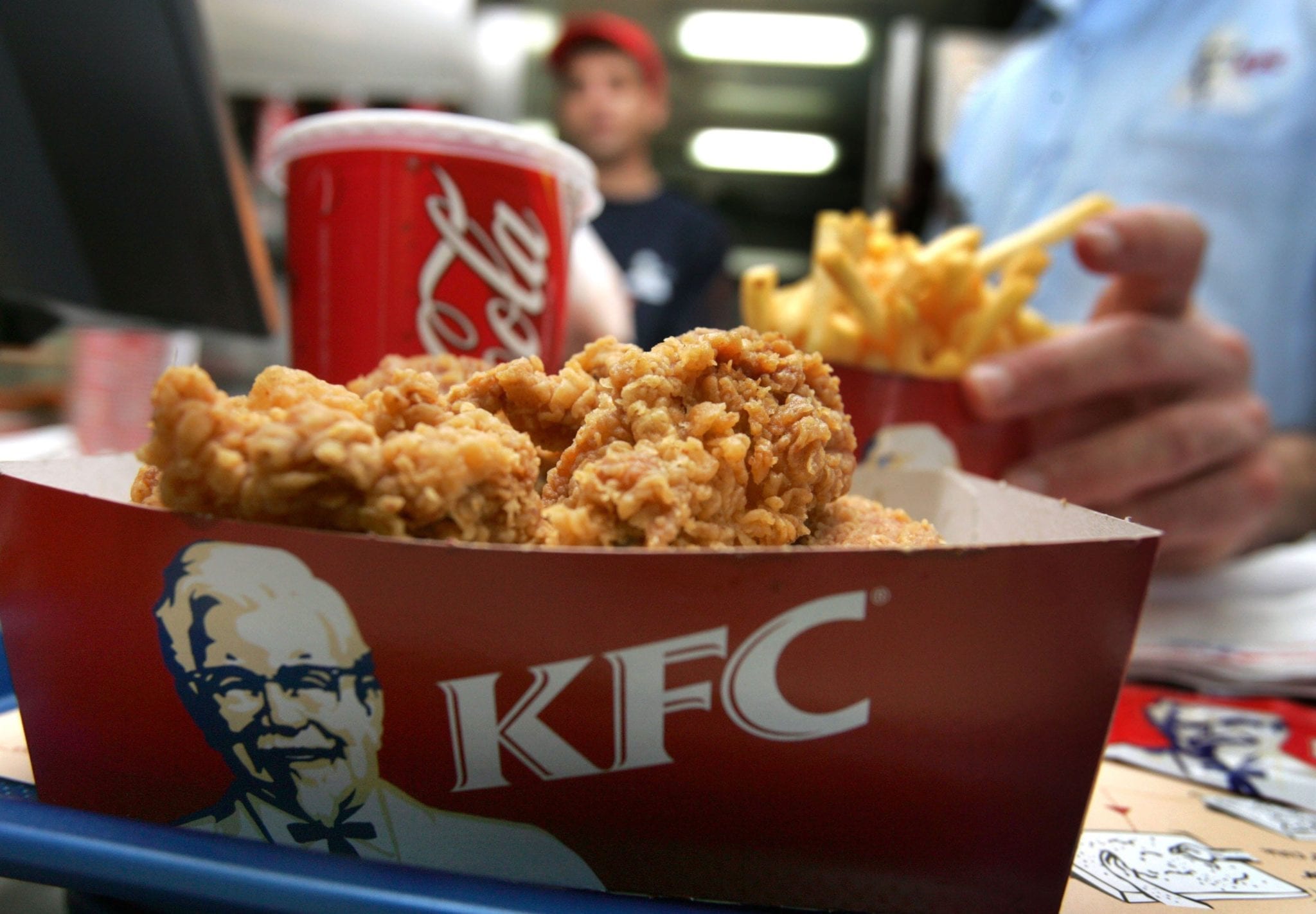
    Yum China, KFC’s operator in the country, has discreetly introduced a fresh pilot concept by the name of Fried Chicken Brothers, further diversifying its localized sub-brands.

    The pilot currently runs two compact stores in Shanghai, each approximately 20sqm in size, with a particular focus on takeaway and delivery services.

    The innovative brand presents two unique culinary adventures. One specializes in Chinese-style fried chicken, while the other embraces the distinct flavors of Korean-style fried chicken.

    The Chinese menu features dishes inspired by regional flavors, such as chicken spiced with Litsea cubeba, crispy chicken skin paired with chili, and chicken racks with a unique taste of Yanbian barbecue kimchi. The Korean-style shop, on the other hand, emphasizes boneless fried chicken, served with an array of bold sauces including creamy cheese, amber sweet and spicy, and honey mustard sauces.

    Based on user reviews, the average spending per person is estimated around 30 RMB (approximately US$4.12), positioning Fried Chicken Brothers as a cost-effective and flavor-rich alternative in the fast-food fried chicken market.

    This new addition expands Yum China’s increasing portfolio of KFC sub-brands in the country, which further includes KCoffee and Kpro. This move aligns with the company’s broader strategy of diversifying its offerings to cater to younger consumers and adapt to the ever-changing local tastes.

    Questions & Answers

    What is Yum China’s new pilot concept?
    Yum China has introduced a new pilot concept called Fried Chicken Brothers, which offers Chinese and Korean-style fried chicken.

    What does the Fried Chicken Brothers menu offer?
    The menu offers two distinct culinary experiences. The Chinese-style menu features dishes like Litsea cubeba-spiced chicken and Yanbian barbecue kimchi-flavoured chicken racks. The Korean-style menu focuses on boneless fried chicken with a variety of sauces.

    What is the positioning of Fried Chicken Brothers in the market?
    As per user reviews, the average spending per person is around 30 RMB (US$4.12), thus positioning Fried Chicken Brothers as an affordable and flavor-rich alternative in the fast-food fried chicken market.
  • Vietnam Airlines pays local pilots 41% less than foreigners

    Vietnam Airlines pays local pilots 41% less than foreigners

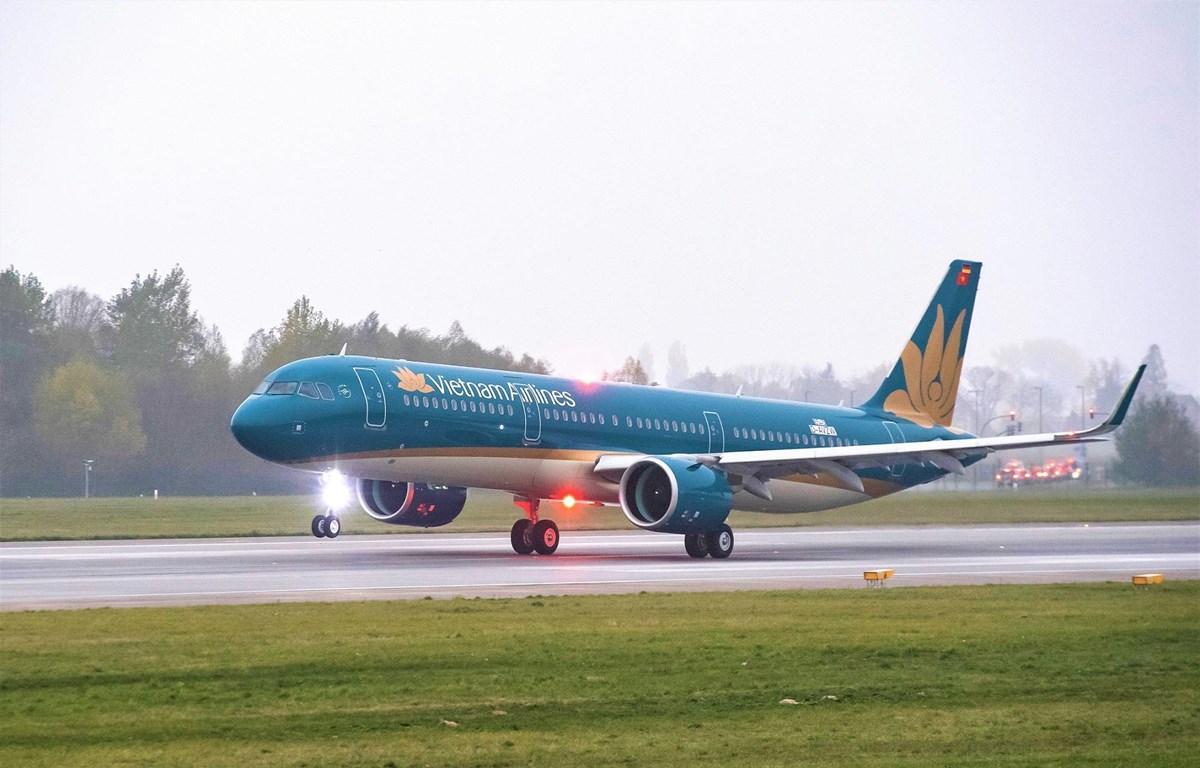
    The average monthly salary of Vietnamese pilots working for Vietnam Airlines was 41% lower than their foreign colleagues’ last year, a gap that caused many to quit.

    A recent report by the Ministry of Labor, Invalids and Social Affairs, which flagged this, said the 829 Vietnamese pilots working for the carrier received on average VND85 million (US$3,620) a month while the 152 foreign pilots got paid VND145 million.

    The latter work for Vietnam Airlines through a third-party agency and are not directly on its payroll.

    The airline plans to increase its payroll by 2025, when it will have 1,044 Vietnamese pilots.

    The average salary of Vietnamese pilots will be hiked by 59% by then to VND134.8 million.

    But foreign pilots’ salaries will be increased by 93% to VND279.2 million, increasing the wage gap between to 52%.

    The ministry said the carrier could not afford higher salaries for Vietnamese pilots, and the intense competition in the country’s skies means many pilots look for jobs elsewhere.

    Thirty five have quit since 2020, and more are set to leave when their contracts expire.

    The decline in number of Vietnamese pilots will place an even bigger burden on the airline since it will have to hire more foreign pilots, whose compensation is around VND2.5 billion a year each, including accommodation, insurance and others.

    Assuming the airline loses 120-140 Vietnamese pilots every year, it would have to spend VND300-600 billion on hiring foreign replacements and face greater risk of flight cancelations.

    It is therefore necessary to increased the salary budget to ensure stable operations, the ministry said.

    If it is increased by VND300 billion annually, the current 41% salary gap would decrease to 30%, and if the hike is VND800 billion, the gap would shrink to 10%, it said.

    But the increase must be tied to commitments from the airline that it would achieve its profit and revenue targets so that its losses do not bloat further, it added.

  • AirAsia Is Accepting Applications For Its ‘Dare To Fly!

    AirAsia Is Accepting Applications For Its ‘Dare To Fly!

    If you are among those who wish to become pilots someday, now is your chance to reach your dream. AirAsia has recently announced it is now accepting applications for the “Dare to Fly! The Allstars Cadet Pilot Program.”

    The aim, according to a press release from AirAsia, is to select as well as train aspiring young pilots.

    In this program, AirAsia has teamed up with Omni Aviation Corporation in a bid to provide successful cadets with up to two years of technical and leadership training. It is to reach the competencies that are required by the Civil Aviation Authority of the Philippines.

    “AirAsia is proud to have the best pilots in the country and we will strive to train more young cadets with our partner Omni Aviation Corporation,” said Ricky Isla, the CEO of AirAsia Philippines. “Through the ‘Dare to Fly! The Allstars Cadet Pilot Program,’ we invite Filipinos to dare to dream with AirAsia.”

  • India needs 10k pilots by 2030 says AirAsia

    India needs 10k pilots by 2030 says AirAsia

    Despite the current slump in the domestic aviation market, India will require up to 10,000 new pilots by 2030. Acknowledging this, AirAsia India on Tuesday launched the country’s first cadet-pilot program, ready to send its first batch of 15 cadets to New Zealand for flight training.

    By passenger volumes, India was ranked second globally among the fastest growing domestic markets for aviation. This would only mean the requirement for pilots will spike in the future, even as the Kingfisher and Jet Airways pilots are being quickly absorbed by other airlines.  To get the cadet-pilot project going, AirAsia India has partnered with New Zealand Academy and Harrison Omniview Consulting. As part of the 18-24 month course, selected candidates will be trained at the currently under-utilized Oamaru airport in New Zealand’s Waitaki district.

    The first batch of the cadets will come out in 2021, informs AirAsia India’s Head of Operations, Capt Manish Uppal. Cadets earn their second officer rank and commercial pilot license after 500 hours of flying before graduating to first officer, senior first officer, and captain, in charge of the entire aircraft and crew.

    The first batch of the cadets will come out in 2021, informs AirAsia India’s Head of Operations, Capt Manish Uppal. Cadets earn their second officer rank and commercial pilot license after 500 hours of flying before graduating to first officer, senior first officer and captain, in charge of the entire aircraft and crew.  Headquartered in Bengaluru, AirAsia India currently has a fleet of 21 Airbus-A320 aircraft covering 19 destinations across the country. The airline had commenced operations in India on June 12th.

    Uppal informs 11% of the airline’s crew are women. Most of the batch passing out from the cadet-pilot program are expected to be absorbed by the airline.

  • KDDI, Terra Drone launch drone asset inspection service

    KDDI, Terra Drone launch drone asset inspection service

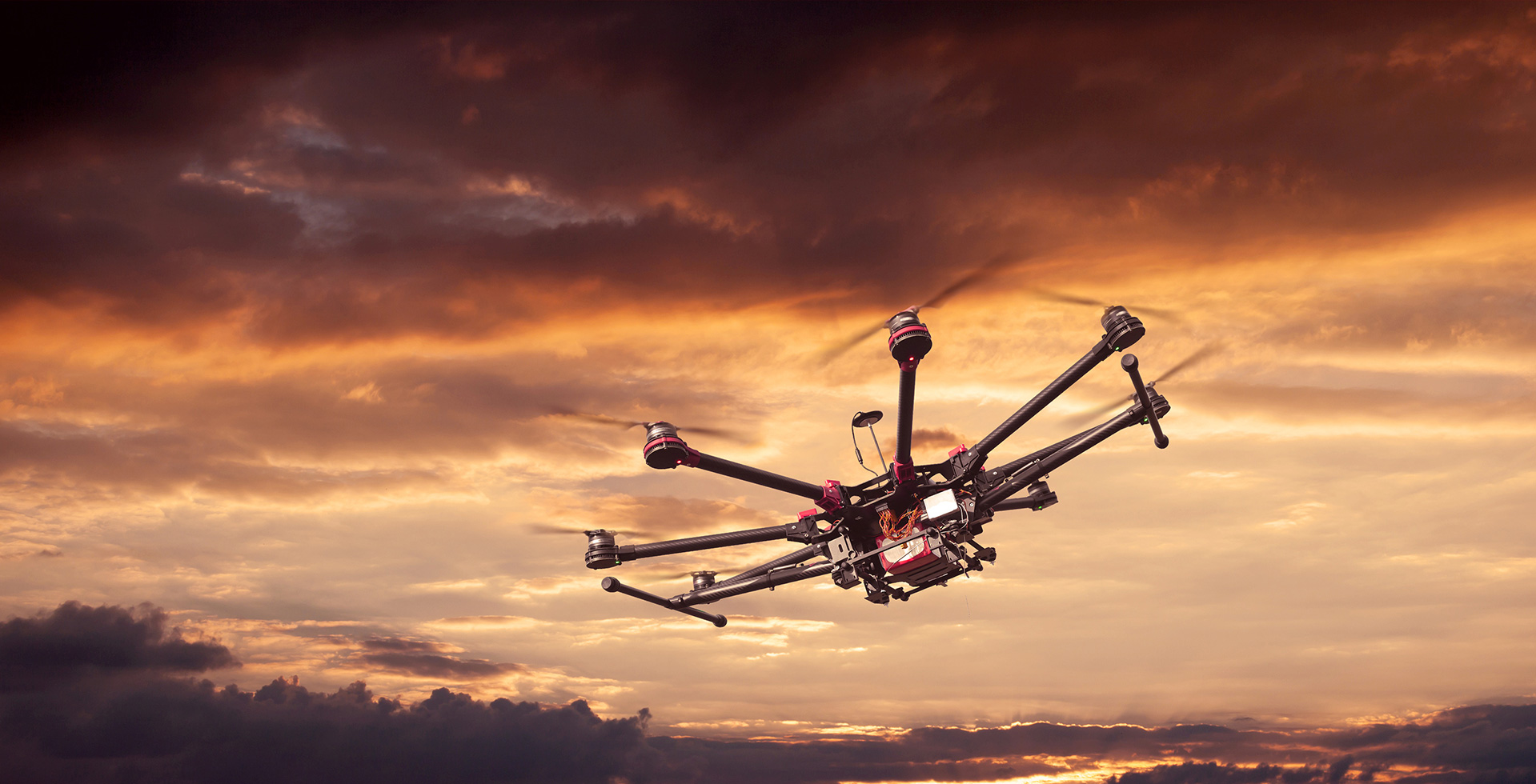
    Japan’s KDDI and industrial drone solutions provider Terra Drone have jointly launched a new drone inspection services for industrial infrastructure.

    The jointly developed solution involves using a drone to generate a 3D, high resolution model of heavy industrial assets such as wind turbines, telecom and transmission steel towers, smokestacks, and bridges.

    The drone will use the model to determine which components should be inspected, allowing the drone to shoot the inspection points from optimal angles and range designated by the Terra Inspection software.

    It uses mobile networks to transmit data back to inspection crews and to allow operators to remotely plan flight paths based on weather databases and maps.

    The solution also has potential applications in areas beyond asset inspection, such as large area surveillance, land surveying or precision farming.

    KDDI and Terra Drone jointly developed the underlying Smart Drone platform, and have developed a number of solutions based on the platform since 2016.

  • Asiana and pilots reach safe operations agreement

    Asiana and pilots reach safe operations agreement

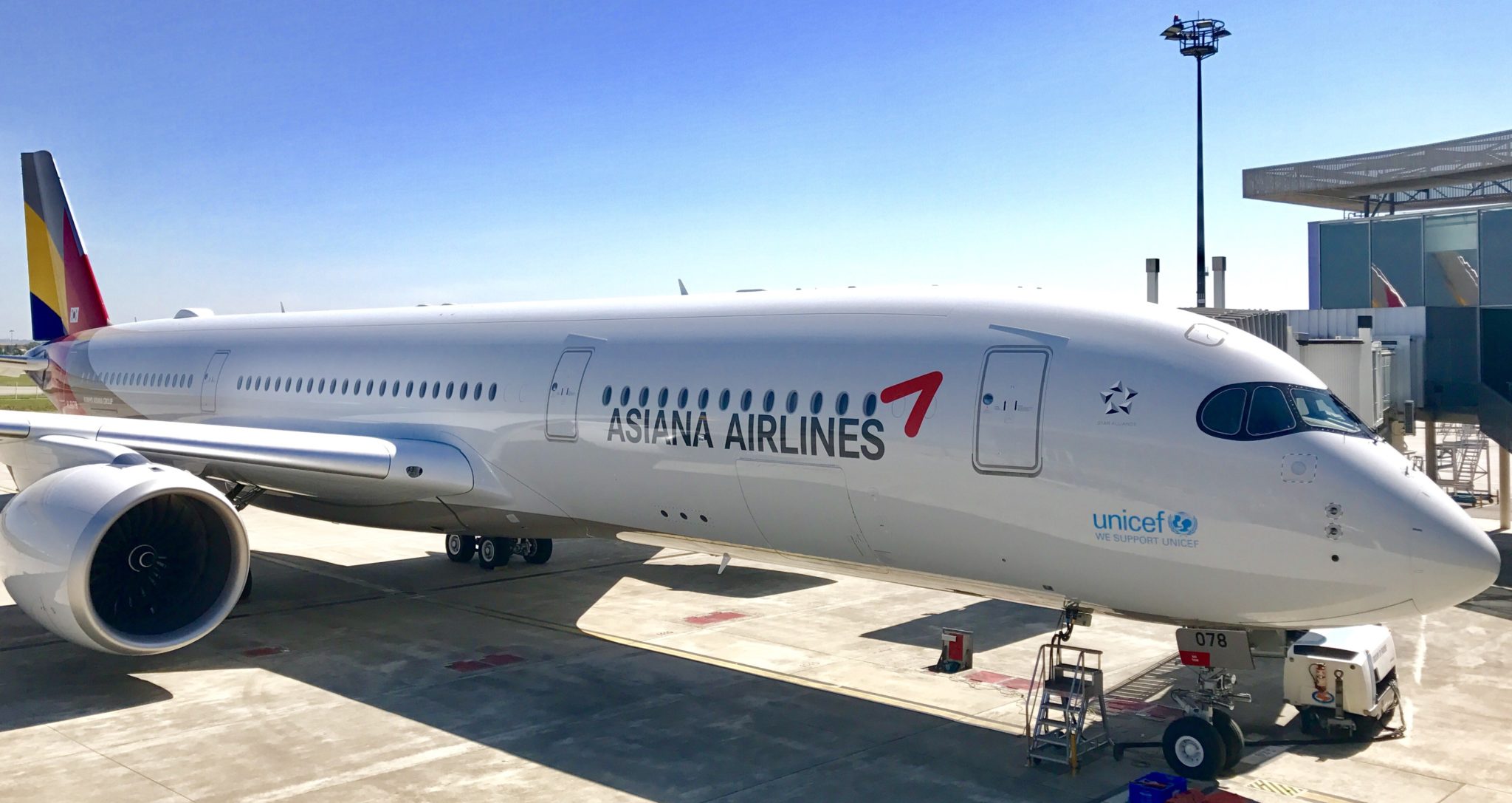
    Asiana Airlines and its pilot labor union jointly announced their vision for safe airline operations, the airline said Friday. During a ceremony held for the announcement Thursday, they vowed to strengthen communications for safe flight operations and cooperate in enhancing airline sustainability. The ceremony was held at the company headquarters in Gangseo District, western Seoul.

    Asiana Airlines CEO Han Chang-soo and Asiana Pilot Union head Kim Young-gone attended.

    The union requested the company establish a new team that will make sure there are no obstacles to safe flight and improve pilot rights and interests. The company agreed to fully support safe and secure flight operations.

    The two parties completed wage negotiations in September and have since worked toward cooperation.

  • Vietnamese airlines continue to be plagued by pilot shortage

    Vietnamese airlines continue to be plagued by pilot shortage

    With increasing demand for pilots as they expand, Vietnamese airlines have had to raise salaries, spend more on training and hire foreign pilots. Figures from the Civil Aviation Authority of Vietnam show that by 2020 Vietnam will need a total of 2,680 pilots for commercial flights, 1,320 more than now. Vietnam Airlines, the country’s flag carrier, needs to hire 193 more pilots to increase the number on its payroll to 1,293 pilots to meet demand in 2019, according to the carrier’s recent assessment report.

    The assessment forecast the demand to keep rising increasing to 1,340 by 2020 and 1,570 by 2025. This is a challenging number given the increasing shortage of pilots globally, according to industry insiders.

    According to a recent report from Boeing, the global aviation industry will need 790,000 new pilots by 2037, or double the current number, driven by an anticipated doubling of the commercial airplane fleet, record travel demand and tightening labor supply.

    Pilot training has always been extremely expensive, with stringent health and technical knowledge requirements, meaning that the number of pilots qualifying is always limited, according to industry insiders.

    A former Vietnam Airlines pilot revealed that because of the shortage, soon after he gave notice of termination he received many offers from airlines both domestic and foreign.

    He said many other pilots at Vietnam Airlines also constantly offered 15-25 percent higher salaries by head hunters.

    As a result the carrier has been focusing on hiring trainees. Duong Tri Thanh, its general director, said given the global shortage of pilots and carry out its expansion plans in time, Vietnam Airlines has been training internally and recruiting foreign pilots despite high costs.

    Similarly, Jetstar Pacific or Vietjet Air are facing difficulties filling their vacancies with pilots when trying to rapidly expand in South Korea, Japan, and other countries in Southeast Asia. Currently, the number of pilots at these firms is largely foreign due to limited domestic supply. Typically, at Jetstar Pacific, foreign pilots account for 80 percent of their fleet.

    However, foreign pilots can be hard to come by since many other companies in Asia can offer them better remuneration and working conditions.

    An aviation expert said airlines need to combat the pilot shortage by investing in training facilities and recruitment programs and subsidizing training for pilot trainees.

    Vietnam’s aviation industry has been growing rapidly in recent years. There were 12.5 million air passengers last year, up 14.4 percent from 2017.

    The number of flights in the country grew by 16 percent on average between 2010 and 2017, according to official data.

    Vienam’s five airlines are Vietnam Airlines, its low-cost carrier Jetstar Pacific, budget airline Vietjet Aviation, Bamboo Airways and Vietnam Air Services Co.

  • Ministry tells Indonesian airliners to hire 900 jobless local pilots

    Ministry tells Indonesian airliners to hire 900 jobless local pilots

    The Transportation Ministry has said as over 900 Indonesian pilots having not been able to gain employment with local airliners, the ministry is planning to impose a new obligation to ensure higher absorption of local pilots by the airline industry.

    “This is a big problem. At least 900 local pilots have no jobs. This will be our homework, to create opportunities for them,” Transportation Minister Budi Karya Sumadi said on the sidelines of the Air Transportation Safety Campaign at the ministry’s office on Sunday.

    Budi said his ministry would require local airliners to employ local pilots, while promising that the ministry would also help improve the competence of the pilots through further training.

    “There has to be an obligation for local airliners to take on local pilots,” he added.

    In addition, the ministry would give impose stricter requirements to foreign pilots working at local airliners.

    “We should impose certain requirements for foreign pilots working in Indonesia,” he added.

    Reportedly, 564 foreign pilots are currently working in the country.