Retail News CRM

Tag: pilots

  • Starbucks pilots ‘Green Dot’ AI virtual assistant tool

    Starbucks pilots ‘Green Dot’ AI virtual assistant tool

    Starbucks has initiated a testing phase for a novel artificial intelligence (AI)-driven virtual assistant, Green Dot Assist, across 35 outlets in the United States and Canada. This innovative tool is designed to offer immediate, conversational answers to baristas’ queries, thereby eliminating the necessity to consult manuals or conduct online searches for information.

    Green Dot Assist is intended to facilitate easy access to key information, bolster baristas’ confidence and familiarity with products, and ensure smooth workflow. As an example, Starbucks cited how Green Dot Assist could swiftly refresh a barista’s memory about ingredients in a seasonal beverage.

    Starbucks has expressed that this tool aligns with its broader strategy to minimize friction in the workplace and give baristas more time to concentrate on preparing beverages and interacting with customers.

    The AI assistant, powered by Microsoft Azure’s OpenAI platform, is expected to automate technical alerts and staff scheduling adjustments in the near future.

    Following the completion of this trial phase, Starbucks intends to extend the usage of Green Dot Assist to more outlets.

    Questions & Answers

    What is the purpose of Starbucks’ Green Dot Assist?
    Green Dot Assist is an AI-powered virtual assistant designed to facilitate easy access to key information, bolster baristas’ confidence and familiarity with products, and ensure smooth workflow in Starbucks outlets.

    How does Green Dot Assist work?
    Green Dot Assist provides immediate, conversational responses to baristas’ queries, eliminating the need for staff to consult manuals or search for information online.

    What are the future plans for Green Dot Assist?
    Following the completion of its testing phase across select outlets in the US and Canada, Starbucks intends to extend the implementation of Green Dot Assist to more locations. The AI assistant is also expected to automate technical alerts and staff scheduling adjustments in the future.

  • Cebu Pacific targets 12% passenger growth with A321 deliveries

    Cebu Pacific targets 12% passenger growth with A321 deliveries

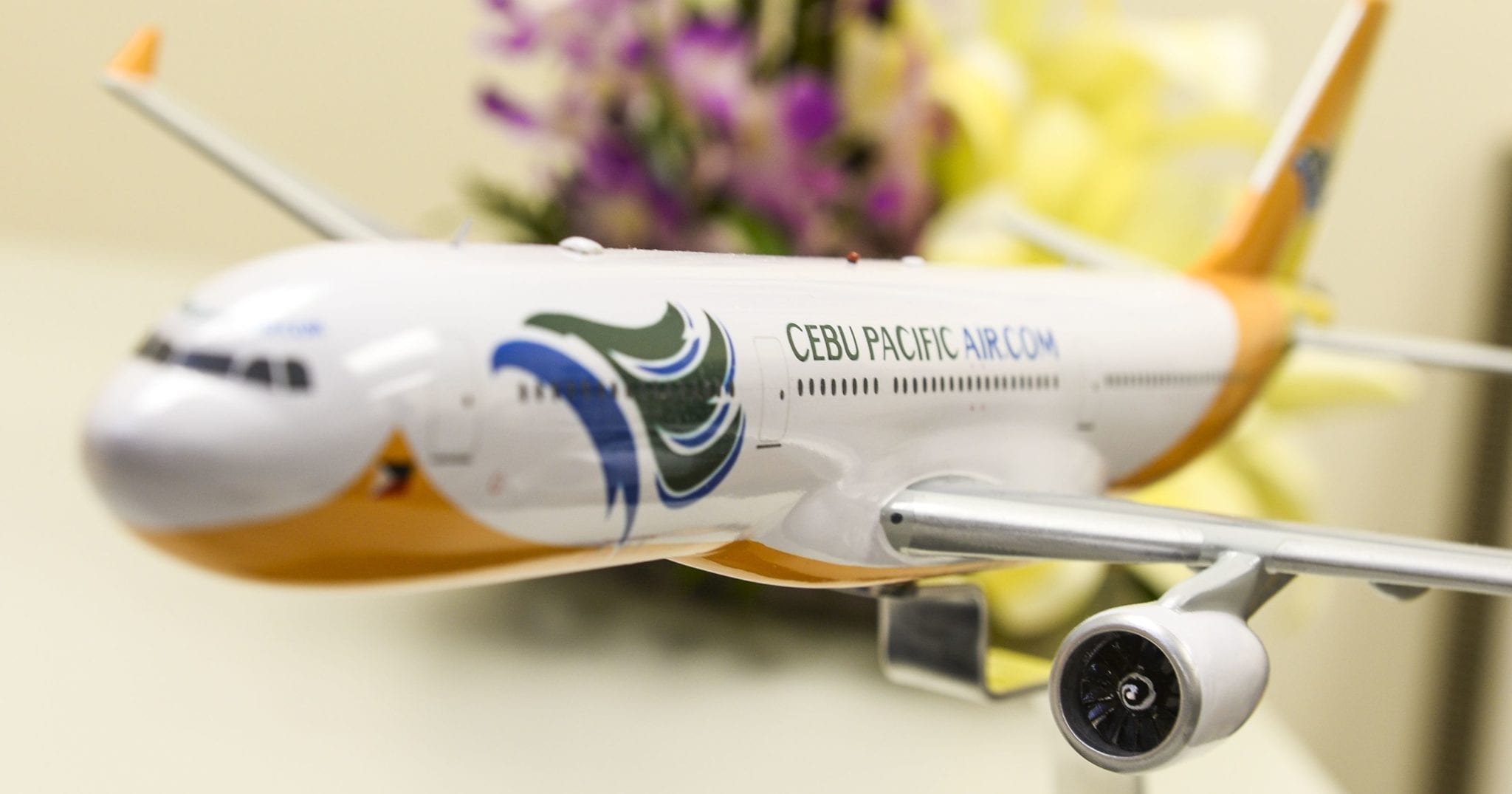
    Cebu Pacific is targeting for passenger numbers to hit 22 million in 2018, a 12% increase from the year before.

    Last year, the Philippine low-cost carrier handled 19.7 million passengers, a 3% year-on-year increase, largely driven by an 8% growth in the number of international passengers. Performance was strong in its key markets of Sydney, Dubai, Hong Kong, Tokyo Narita, Taipei, and Seoul.

    “To reach our goal of flying 22 million passengers this year, we remain committed to offering a compelling route network where we can meet rising demand and sustain our year-round low fare proposition,” says JR Mantaring, the airline’s vice-president for corporate affairs.

    He adds that despite the higher fuel price, the weakening of the Philippine peso against the US dollar, security concerns and travel advisories, the carrier has “remained relatively resilient”.

    This year, the carrier is scheduled to add seven A321s from March through September, before its first Pratt & Whitney PW1100G-powered A321neo is delivered in November. These large narrowbodies will add capacity and also free up some A330s that are used on short-haul services to go further afield.

    Two of these A321s have already been delivered, while another three are scheduled to arrive “in the coming days”.

    Last year, operating profit slipped 17.3% to Ps10.1 billion ($194 million), as the growth in expenses outpaced that of revenue. Net profit fell 18.9% to Ps7.91 billion.

  • Cebu Pacific launches program to train future Filipino pilots in Australia

    Cebu Pacific launches program to train future Filipino pilots in Australia

    Gokongwei-led budget carrier Cebu Pacific Air launched a new program to train would-be pilots in Australia.

    Dubbed the Cebu Pacific Cadet Pilot Program, it seeks to address the airline’s expansion requirements over the next 5 years. The training will be conducted in partnership with Australia’s Flight Training Adelaide (FTA).

    The aim is to train 250 Filipinos who will subsequently join the corps of pilots of Cebu Pacific.

    “Over the next 5 years, Cebu Pacific will be investing $25 million to train 250 cadet pilots to become full-fledged First Officers and eventually Captains. The program will allow us to train homegrown Filipino pilots with best-in-class international standards,” Cebu Pacific chief executive officer Lance Gokongwei said during the launch of the program on Tuesday, October 24.

    Cadet pilots will undergo a 56-week program that features integrated flying training, flight theory, and education courses.

    After completion of the program, the cadet pilots will become First Officers at Cebu Pacific, flying both domestic and international routes.

    The airline will initially shoulder the cost of the training, with payments amortized through salary deductions over a maximum period of 10 years.

    Changing the pilots’ game

    One major reason for the program is to address the need of Cebu Pacific, and the overall aviation industry, for more trained pilots.

    Cebu Pacific vice president for flight operations Sam Avila noted that there are around 290,000 commercial pilots globally this year, while around 440,000 will be needed in 2027.

    Of the estimated 440,000, around 180,000 need to be captains, and some 220,000 expected to be flying have not yet begun training due to prohibitive costs.

    “It’s expensive to become a pilot and there’s no timeline for a return on investment because employment is not guaranteed, which limits the pool of pilots available,” Avila explained.

    He estimated the cost to be around P2 million to P3.8 million for a 12-month course which does not yet include license and certification expenses.

    “This program changes the game in that it is company-sponsored so it broadens the selection pool to provide equal opportunities to qualified Filipinos of all financial means,” Avila added.

    Cebu Pacific said 16 candidates will be chosen per batch, with 3 batches of cadet pilots to be sent to Australia per year.

    The application process begins with an online screening, followed by an on-site screening for core skills and pilot aptitude tests, among other examinations, where a fee of AU$425 or around P17,000 will be charged. Cebu Pacific and FTA will jointly select the final candidates.

    The program is open to all Filipinos who are college graduates, proficient in English, and hold passports valid for at least two years prior to the start of the program.

    The program will start by the beginning of 2018, with the first batch of 16 cadet pilots aimed to be selected by December this year.

  • AirAsia partners hijab brand to create exclusive headscarf for female pilots

    AirAsia partners hijab brand to create exclusive headscarf for female pilots

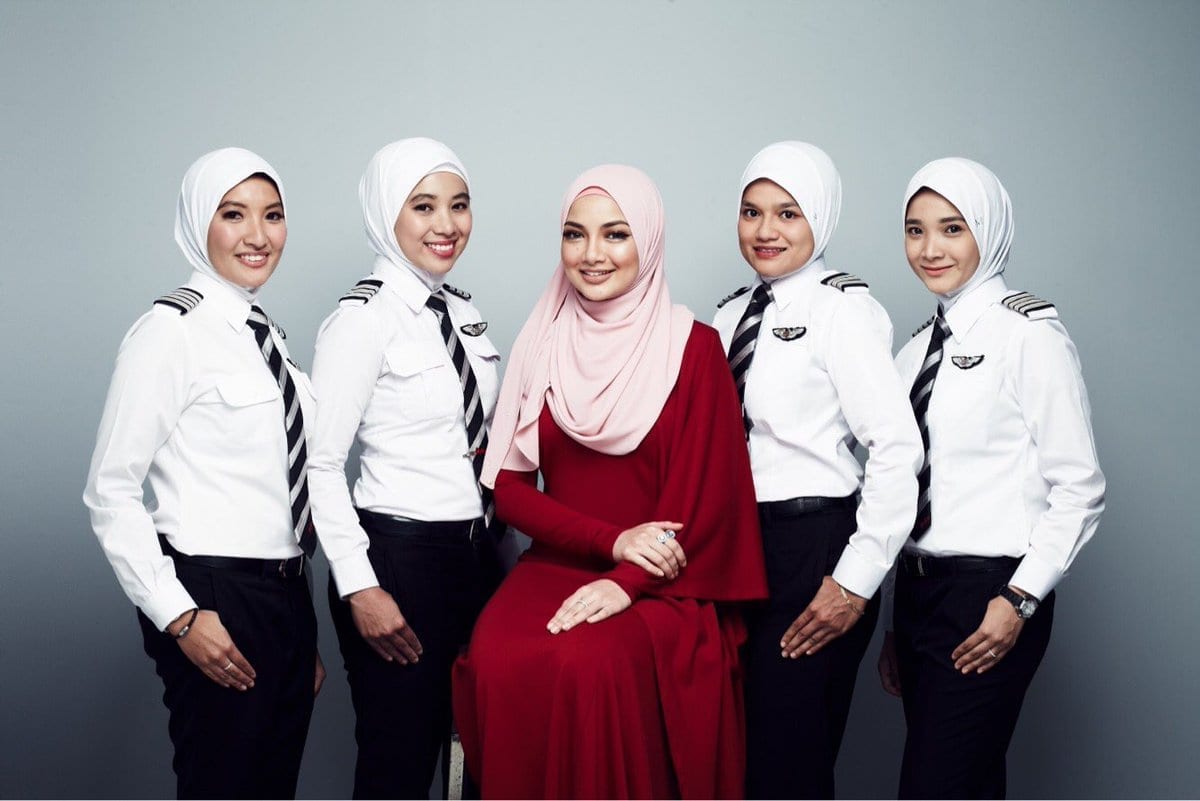
    AirAsia has partnered with Naelofar Hijab to unveil an exclusively designed hijab for the airline’s female pilots.

    Starting from June 2017, Muslim female pilots from AirAsia and AirAsia X will don the white Naelofar Hijab that is specifically tailored to meet their workday needs.

    Rudy Khaw, regional head of branding for AirAsia, said this is the first time ever for the airline to collaborate with a designer in producing hijab wear for its female pilots, “We are happy to work with Naelofar Hijab to create a piece that complements our female pilots’ look while providing enhanced comfort as they perform their duty.”

    “We are currently looking into revamping hijab designs for our ground staff as well,” Khaw added.

    AirAsia female pilots were involved throughout the design process where they worked closely with Naelofar Hijab designers. The prototypes had undergone multiple wear testing by members of the airline’s pilots as well.

    “Being given the opportunity to redesign the female hijab was very exciting and it gave us the opportunity to create a special piece that is comfortable, functional and stylish,” Neelofa, founder of Naelofar Hijab added.

    Using fabric materials with enhancement properties, AirAsia said, the new hijab allows great stretch and recovery for easy movement along with adornment of the signature Naelofar Hijab symbol in Swarovski crystals for a finishing touch.

  • Pilot shortage puts Vietnamese airlines on standby

    Pilot shortage puts Vietnamese airlines on standby

    Big bonuses are being offered by airlines to woo more pilots. Vietnamese airlines are grappling with what they believe to be a serious shortage of professional pilots, so to keep the pilots they currently have on their payrolls and to lure new ones, they are offering hefty bonuses.

    “Vietnam’s airline market is growing rapidly, so there’s a huge demand for qualified professional pilots,” Lai Xuan Thanh, the director of the Civil Aviation Administration of Vietnam, said at a recent meeting of transport authorities.

    He added although salaries in the airline industry have increased significantly in recent years and many airlines have even offered fat bonuses to attract and retain professionals, the supply remains below the demand. According to the aviation administration, that demand is growing at 5 percent per year.

    The CAAV has mainly blamed the shortage on the fast-growing airline market.

    Vietnam’s airline industry is growing at the third-fastest pace in the Asia-Pacific region with the number people traveling by air in 2016 jumping by 29 percent from 2015 to about 52 million.

    To meet the demand, local carriers have expanded in recent years, buying more planes, opening new routes and increasing the number of flights.

    “At present, the shortage of pilots is endemic throughout the airline industry,” Thanh said. “For example, only 30 percent of national flagship Vietnam Airlines’ pilots are Vietnamese. The figures at low-cost carriers Vietjet Air and Jetstar are much lower.” he said, implying that domestic airlines are having difficulties hiring enough pilots to replace retirees and to support expansion.

    The aviation administration suggested that airlines could offer more bonuses and even set up partnerships with flight centers.

    “The CAAV will not issue executive orders to help ease the shortage. Airlines will have to transform themselves to retain workers,” said Thanh.

  • Citilink recruits 70 new pilots for business expansion

    Citilink recruits 70 new pilots for business expansion

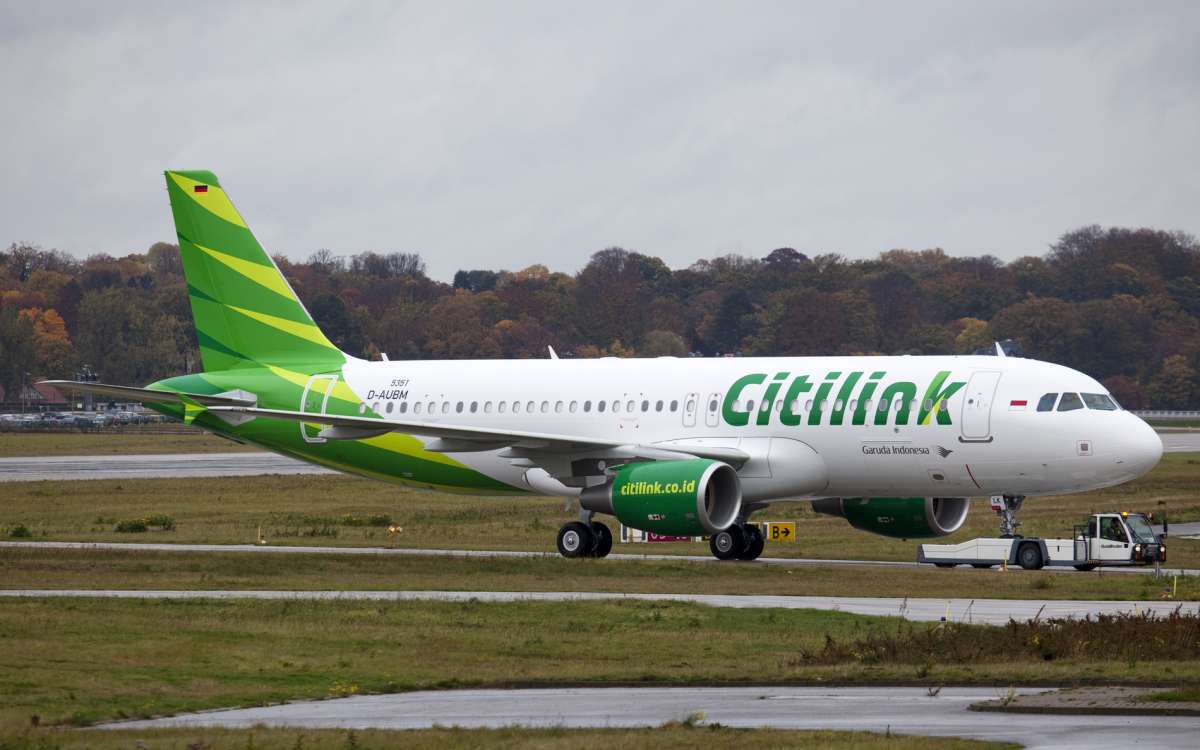
    Low-cost carrier Citilink, a subsidiary of national flag carrier Garuda Indonesia, recruited 70 candidate pilots to boost the company’s business expansion after a three-month enrollment process from June to August this year.

    Citilink president director Albert Burhan said that the company had chosen the candidates out of 897 applicants from across country.

    “We need to recruit more pilots to undertake our expansion and open new routes,” Albert said at the Garuda Indonesia Training Center (GITC) in Jakarta on Monday.

    The recruited pilots will undergo a series of training at the GITC and at the Airbus training centers in Toulouse, France, and Florida, US, for at least six months. They will exercise to achieve a “type rating” as is required to operate an Airbus A320.

    Garuda Indonesia human resources director Linggarsari Suharso warned the candidate pilots that working as a pilot was a difficult job. A pilot must prioritize the safety of passengers over other considerations, he said.

    “Safety is the top priority in the transportation business,” he said at the training center on Monday.

    According to data from the Transportation Ministry last year, Indonesia needs at least 600 new pilots every year. Meanwhile, 24 pilot schools across the country graduate from 15 to 24 students each annually.