Tag: pink
-

Apple says the pink screen iPhone 13 Pro issue is a software problem
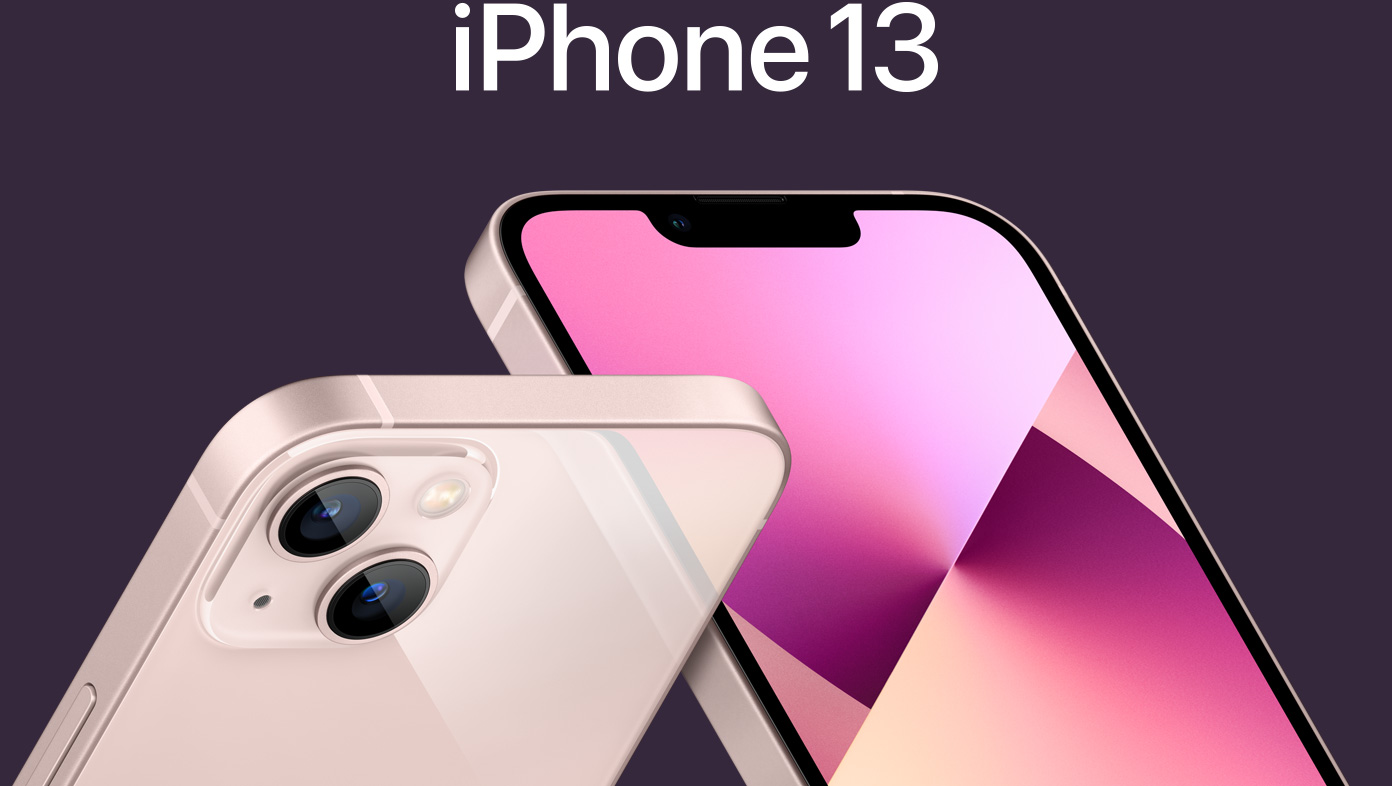
Several iPhone 13 series owners are continuing to report an issue with the screen on their phones. The display on affected models turns pink or purple and these handsets cannot be used.Posts in the Apple Communities Forum about this problem started in October when a user named DPigar wrote that “I use an iPhone 13 pro for a two day (sic) and my screen turns pink for a few seconds and then reloads. It happens all the time, so I can’t use my iPhone. Why?” Two images were attached to the post showing the user’s iPhone 13 Pro with a fully purple display,That message was followed up by one from another iPhone 13 Pro user claiming to have the very same problem. Apparently, Apple did some maneuvering behind the scenes to replace these malfunctioning phones since a post from the company added to both messages said, “The issue has been resolved. Replacement of the device (authorized service conclusion).”But here’s the thing. Many more iPhone 13 users complained about this problem and not all of them were lucky enough to get a replacement from Apple. Check out this sad story posted in the Forum by an iPhone 13 Pro Max user who goes by the name “Calisthrone.” He owns an expensive handset for less than two months when the device starts performing unexpected restarts with the screen off, randomly his screen turns pink, and the device becomes unstable.Apple diagnosed the problem as being a faulty motherboard. But here is where Apple drops the ball. It promises to give the owner a “Back System Replacement” which means that the owner keeps the screen and the camera system and the faulty parts are replaced.This should not be acceptable because this man spent good money on Apple’s top-of-the-line handset and now he will get back from Apple (after being left without a phone for 7 to 14 business days) a Frankenstein handset put together by the mad scientists at Apple. “Calisthrone” writes, “Problem is the phone is only active for less than 2 months and I would be so happy if they can offer a brand new replacement unit.”Now here is one of the main reasons why what Apple is doing is not fair. Returning to the post, the iPhone 13 Pro Max owner says, “It is not so nice to have my iPhone guts out after this brief amount of time. And my iPhone would be marked as “fixed” so I will lose the value of my device when trying to sell it in the future.”His final thought does not present Apple in a good light. “Apple customer care is not as wonderful as before. I’m now with no decent device in my pocket and I paid a premium device expecting to find a premium kind of service. Something very natural is a replacement unit.”The list of similar stories goes on and on. “Disappointed_User8” wrote a long post in which the pink screen surfaced on his device after just six days. After exclaiming that it was a hardware device and having the owner bring the phone into the nearest service center, Apple reversed its position and had the owner pick up the device after doing nothing but charging it.While charging it did stop the issue, it was a temporary cure. Forced to set up his phone from scratch after Apple had reset the device, the problem started all over again. Here is this disappointed iPhone owner’s take on the situation:”The phone is very expensive but unreliable. The stress that it is causing me and its effects on my mental health thinking about how I trusted Apple and paid a hefty amount for a malfunctioning unit but not getting proper post sales support is very very disappointing.”The latest date on the thread is January 16th of this year which means that this is an ongoing problem. Because most of the pink screen issues occurred in China, MyDrivers noted that Apple made a statement on Weibo this past weekend which said, “We didn’t notice relevant problems in the hardware of the devices because this situation [pink screen] is caused when the system is locked.”Apple recommends that users backup their data, join the iOS Beta Software Program and install the latest iOS 15.3 beta update in case the pink screen is being caused by an incompatibility between an app version and the iOS version. However, it appears that the changelist for the latest beta version of iOS 15.3 doesn’t mention a fix for a pink screen bug. Hopefully, Apple gets to the bottom of this and issues a fix. And if that is impossible, replacing affected models with new replacements would be the proper thing to do. -
LVMH’s shuttered Thomas Pink brand to be revived
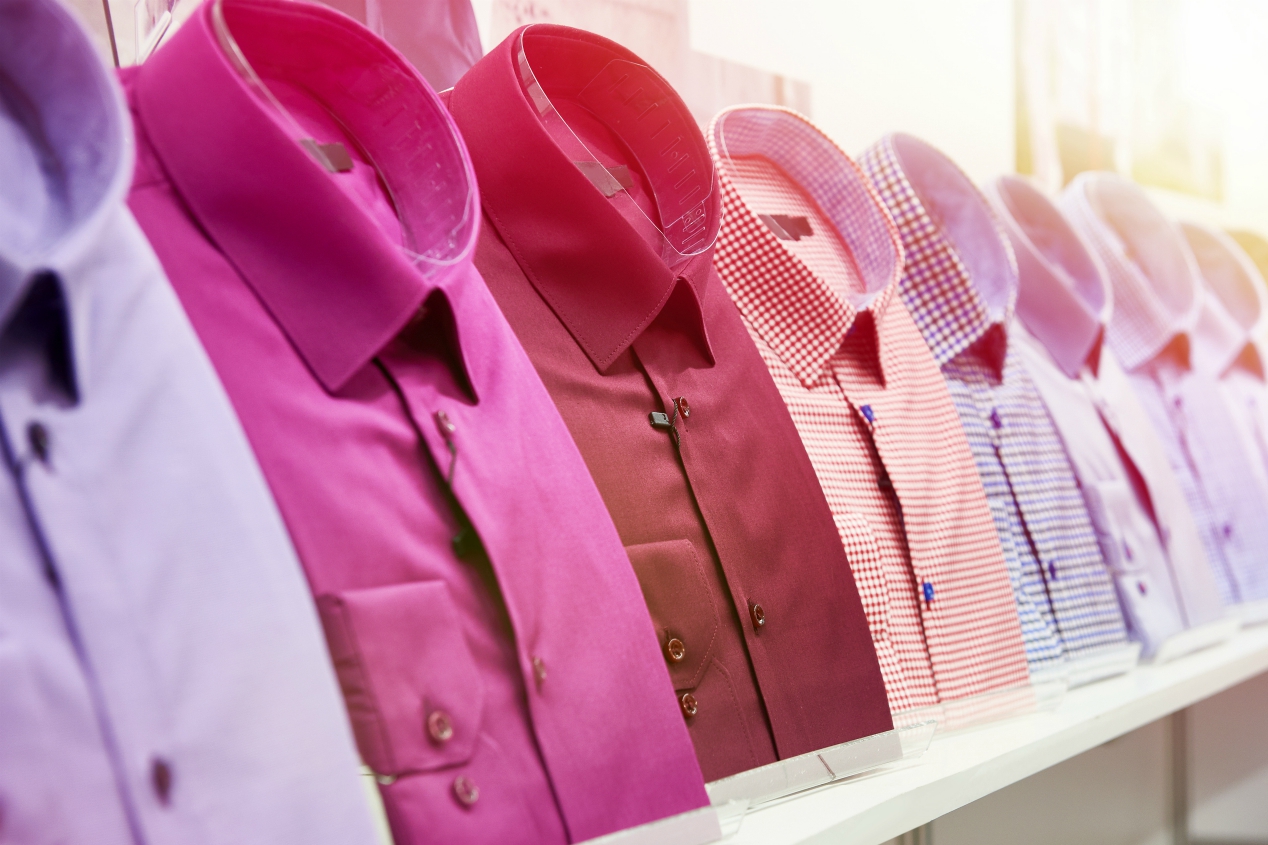
British shirt-maker Thomas Pink is set to be revived after former JD Sports executive Nick Preston acquired the brand.
According to the Mail on Sunday, Nick Preston has brokered a deal to take control of LVMH’s shirtmaker brand, including its intellectual property but not its website or shops.
The retailer ceased operations last year amid the Covid-19 pandemic, as LVMH Group was seeking to sell the brand. Last December, the French luxury group removed Thomas Pink from its “Fashion and Leather Goods” website page.
According to Retail Gazette, Thomas Pink updated its own website last month, saying “We’re excited to announce that we’re returning to our roots with the same team that has helped build Thomas Pink Shirtmakers over the years”.
“We have some things to iron out and button-up, but will be back soon with an improved website to offer you the highest quality English shirting made for modern life that you have come to know and love.”
-

L Brands loss revealed, Victoria’s Secret faces challenge
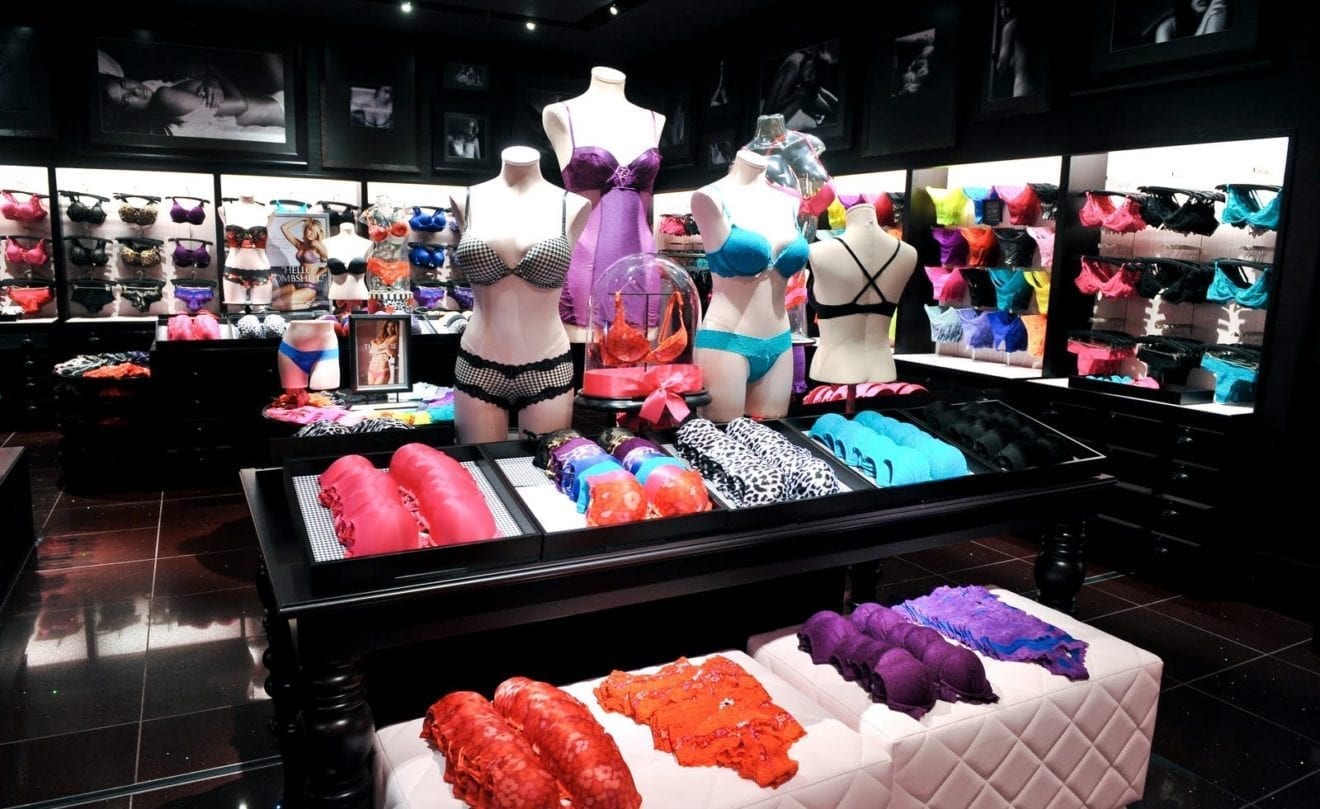
Lingerie brand Victoria’s Secret needs to reinvent itself, says retail analyst Neil Saunders, commenting in the wake of a US$42.8 million loss by its parent L Brands. “The brand is simply not connecting and resonating with consumers in the way that it once did. Its overt sexuality, its focus on airbrushed glamour, and its dark-and-moody stores are completely out of step with the mood of most modern consumers,” said Saunders, MD of GlobalData Retail.
“However, this is not a new phenomenon, Victoria’s Secret has been out of kilter for a long period of time – and has seemingly done very little to bring itself back into line.”
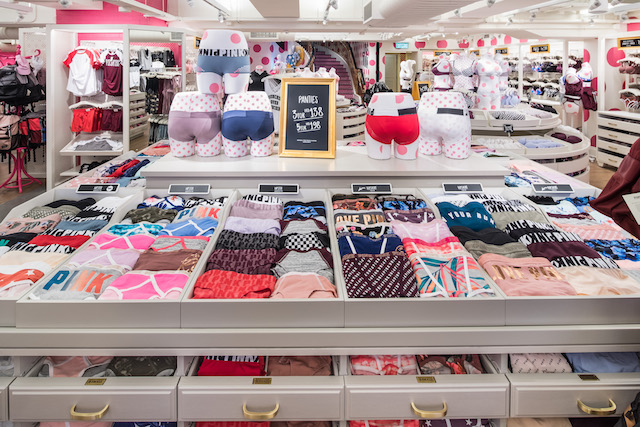
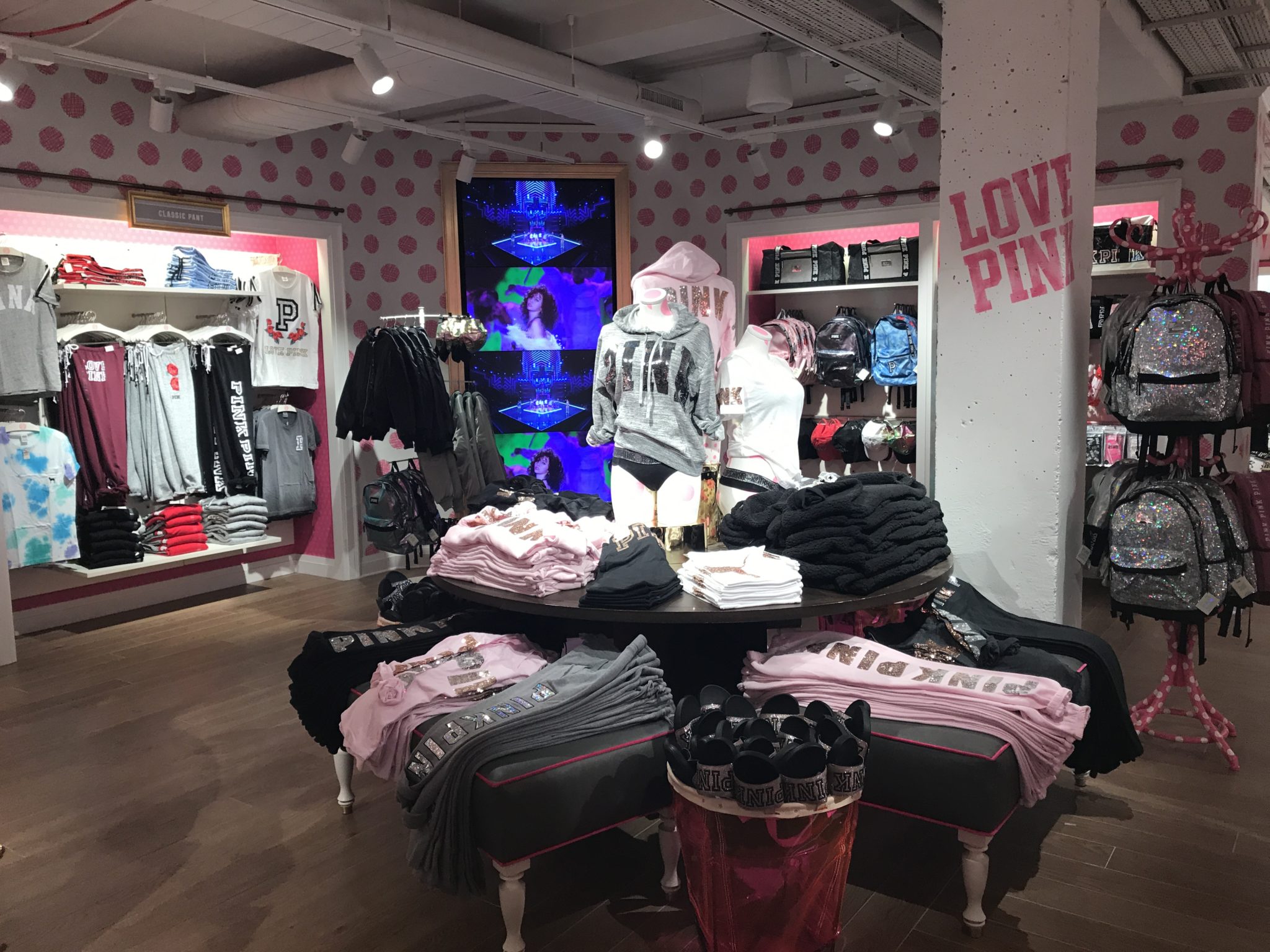
Sales at Victoria’s Secret have fallen in seven out of the last eight quarters, mainly due to its weak diffusion brand Pink, launched in 2002 and aimed at college-aged women.
“In Pink, fashion errors in loungewear have driven a recent deceleration in performance,” the company admitted in its earnings statement.
L Brands’ third-quarter results showed an increase in same-store sales of 4 per cent across the group, to $2.77 billion, but Victoria’s Secret store sales fell by 2 per cent.
The top line was boosted by L Brands’ Bath & Body Works brand. But one-off costs from the closure of Henri Bendel, impairments at Victoria’s Secret and ongoing losses in the La Senza business drove the net loss.
Saunders described the Victoria’s Secret performance as disappointing, “not only with the sales numbers but by the inertia within the business”.
He said much of the brand’s failure to change came down to embedded attitudes within management.
“The recent insensitive comments about transsexuals from chief marketing officer, Ed Razek, in a Vogue interview characterise the problems. Not only are such remarks bad for the brand’s image, but it also earned a sharp public rebuke from the CEO of more incisive rival ThirdLove which has been stealing share from Victoria’s Secret for some time.
“In theory, the departure of Jan Singer as CEO should help herald in changes someone coming in will have fresh ideas about reviving the fortunes of Victoria’s Secret.”
L Brands has appointed John Mehas from lifestyle brand Tory Burch as the new CEO of Victoria’s Secret. He will take up the role early next year.
Pink CEO Denise Landman retired after the release of the L Brands half-year results and she was replaced on October 1 by former Bath & Body Works president for merchandising and product development, Amy Hauk.
“Our new leaders are coming in with a fresh perspective and looking at everything … our marketing, brand positioning, internal talent, real estate portfolio and cost structure,” said CEO Leslie Wexner.
Saunders said Bath & Body Works was a stark contrast to the core brand.
“The company’s wholesome brand image and its focus on small indulgences are paying real dividends – especially in a consumer economy where shoppers have more money to treat themselves. Its strong range development which means assortments are constantly changing encourages regular visits to online and stores. It also means that the company is good at jumping on trends like aromatherapy-based scents and the ongoing popularity of candles. Second, good marketing and promotions help to drive volumes through the business,” said Saunders.
“Both of these things stem from the fact that the BBW team is much more attuned to the market and consumer trends than is the case at Victoria’s Secret. Indeed, the cultures at the two divisions could not be more different, and we believe that Victoria’s Secret should take a leaf out of its sister brand’s playbook as it looks to reinvent itself.”
-

First Victoria’s Secret Lingerie Store to open in Malaysia
The first full-range Victoria’s Secret Malaysia store has opened. Located in Mid Valley Megamall, the boutique has been launched by the US brand’s regional partner Valiram Group, which is also behind Victoria’s Secret stores in Macau, Bali and Singapore, (but not Hong Kong and Mainland China). It is reportedly planning more stores in Jakarta, Bangkok and Melbourne, Australia.
The Kuala Lumpur store takes up 8233sqft, and has dedicated space for diffusion lines Pink and Victoria Sport, as well as the beauty products and perfume ranges stocked in earlier Victoria’s Secret stores in Malaysia.
Many celebrities attended a formal opening earlier this month and social media key influencers including Joi Lynn have been photographed at the store.
-

L Brands slides as sales slumps for Pink lingerie
L Brands, parent of Victoria’s Secret, Pink, La Senza and Bath & Body Works, has reported a drop in sales and earnings for the second quarter.
Teen-focused diffusion-brand Pink, now a US$3 billion business which achieved $12 billion in sales last year, is suffering from decline in its core US market, where it seems exposed to rival brands like American Eagle’s Aerie and the Adore Me and ThirdLove.
The company confirmed in an earnings call that Pink’s same-store sales declined by a vague mid-single digits during the quarter to August 4, adding to challenges the company has with its flagship Victoria’s Secret brand, where same-store sales declined 1 per cent. Bath & Body Works restored some respectability to the company’s figures, with sales up 10 per cent.
Pink CEO Denise Landman announced her retirement after the results were released, and will be replaced on October 1 by Bath & Body Works president for merchandising and product development, Amy Hauk.
L Brands executives deny that Pink is losing touch with its customers.
“I do not think nor do I think anyone in this room believes that Pink has lost its ability to connect with customers and drive excitement in our core constituency,” said Landman during an earnings call.
L Brands’ reported net sales of US$2.984 billion for the quarter to August, down from $2.755 billion in the same period last year. The group’s comparable sales increased by 3 per cent overall. Second-quarter operating income was $228.1 million compared to $300.9 million last year, and net income was $99 million compared to $138.9 million last year.
After blaming Pink for reducing the company’s full-year earnings guidance, management watched as L Brands’ share price fell to its lowest point since 2011.
Addressing her retirement, Landman said she felt “incredibly fortunate” to have been part of the brand since its inception and for her nearly 20 years with L Brands.
“It’s been a privilege to lead and be surrounded by such incredible talent, thinking and creativity. It inspires me every day. I have great respect for Amy and know that I will be leaving the business in good hands.”
Leslie H Wexner, chairman and CEO of L Brands, said: “Denise has always been a curious student of the business, focused on the customer and driven by her entrepreneurial spirit. Her contagious passion for the brand has built a true “Pink Nation” experience among college-age women and created one of the fastest growing specialty retailers of all time.
“Amy too is a master merchant with deep knowledge and capabilities. She is well-equipped to lead the Pink team.
She has a track record of accurately identifying what’s next in the market, is curious and action oriented. She leads with pace and energy. Since joining Bath & Body Works 10 years ago, she has built a solid, talented merchant team which is well prepared to continue the momentum in the business.”
L Brands operates 3076 company-owned specialty stores in the US, Canada, the UK and greater China, and its brands are sold in more than 800 additional franchised locations worldwide.
-

L Brands hit by sagging Victoria’s Secret sales
L Brands, which owns the Victoria’s Secret, Pink and Bath & Body Works brands, has reported positive comparable and net sales for December.
However, Victoria’s Secret sales failed to pick up during the holiday season.
Net sales reached US$2.5 billion for the five weeks ended December 30, up 3 per cent compared to the same period the previous year, while comparable sales increased 1 per cent.
Bath & body Works sales rose 4 per cent while Victoria’s Secret comparable sales declined 1 per cent. Minus the effect of online sales, Victoria’s Secret comparable-store sales fell 6 per cent.
This follows Victoria’s Secret brand quitting the swim and apparel categories.
For the 48 weeks to the end of December, the company reported net sales of $11.5 billion, down from $11.7 billion. Comparable sales dropped 4 per cent.
-

Time to Shop For Pink again
Nearly 30 retailers are sponsoring this year’s Shop For Pink charity event in support of the Hong Kong Cancer Fund next month.
For the annual event, retailers offer pink items to raise money to support women with breast cancer. Exclusive pink offerings this year cover fashion, jewellery, accessories, lifestyle, beauty and dining, with the sponsors including Calvin Klein, Pandora and Pizza Express.
Hong Kong Cancer Fund founder/chief executive Sally Lo says Shop For Pink serves as a reminder for all women to prioritise their health and have regular checks.
She says breast cancer is the most common form of the disease among Hong Kong women, with one in 16 at risk. “With medical advancements, more and more women diagnosed with breast cancer are receiving timely and successful treatment. However, this also means the need for supportive care during recovery is increasing.
Now in its 17th year of advocacy, the fund’s Pink Revolution is bringing together celebrities, medical professionals and breast-cancer survivors to raise awareness of the disease.