Tag: plane

  • Tragic Runway Mishap At Hong Kong Airport Claims Two Lives, Investigation Underway

    Tragic Runway Mishap At Hong Kong Airport Claims Two Lives, Investigation Underway

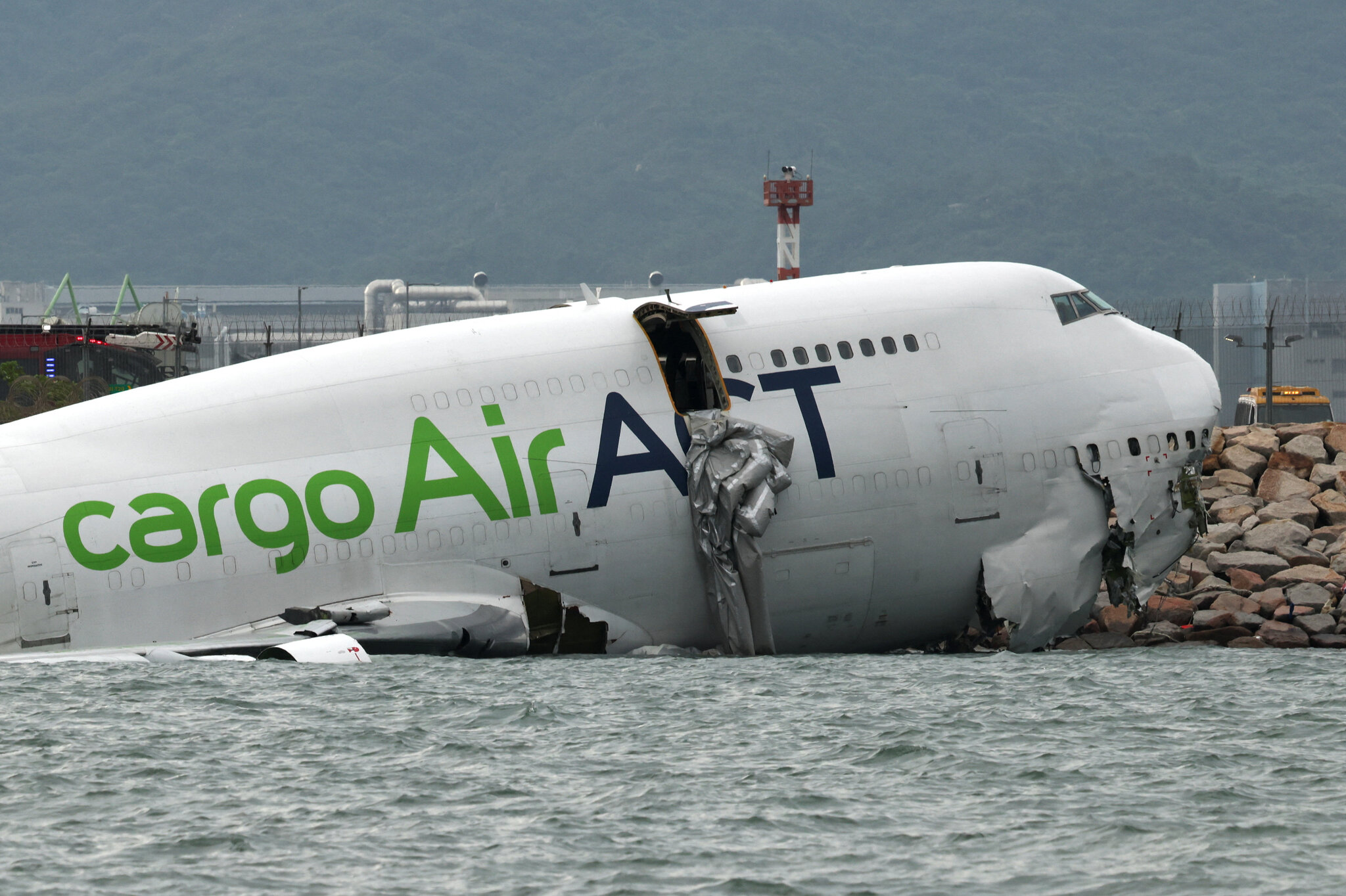
    On Monday, a shocking incident occurred at Hong Kong International Airport, one of the world’s busiest air cargo hubs, when a cargo plane veered off the runway during landing and splashed into the sea. This unfortunate event resulted in the death of two ground crew members.

    Details of the Accident

    The freight Boeing 747 had flown in from the United Arab Emirates. According to the Civil Aviation Department of Hong Kong, the plane failed to remain on the North Runway after touching down and ended up in the sea. A preliminary report reveals that the aircraft’s four crew members were rescued and taken to the hospital. Sadly, two ground personnel were impacted by the incident and drowned.

    The occurrence, which happened around 3:50 a.m. local time, left the aircraft’s front section floating above the water with its tail end detached. The plane had also hit a ground vehicle during the accident, which too plunged into the sea.

    Loss of Lives

    According to the authorities, a 30-year-old man inside the ground vehicle was pronounced dead at the site of the accident. Another worker, aged 41, tragically died after being rushed to the hospital.

    Impact on Airport Operations

    In response to the incident, the airport’s north runway was temporarily shut down on Monday, while the other two runways remained in use. A dozen cargo flights were canceled throughout Monday, but passenger flights were not affected.

    Investigation Underway

    The Transport and Logistics Bureau’s spokesperson expressed grave concerns about the incident and confirmed that the Air Accident Investigation Authority would actively probe into the cause of the mishap. Helicopters from the Government Flying Service and vessels from the Fire Services Department were dispatched to the scene.

    Hong Kong’s airport, already one of the busiest globally, commenced operations on its third runway last November after an expansion project costing HK$142 billion ($18 billion) and spanning eight years of construction. This development was aimed at boosting the city’s competitiveness as an aviation hub.

    Questions & Answers

    What happened at Hong Kong International Airport on Monday?
    A cargo plane veered off the north runway during landing and ended up in the sea, resulting in the death of two ground crew members.

    What was the impact of the incident on the airport’s operations?
    The north runway at the airport was temporarily closed following the incident. Although a dozen cargo flights were canceled throughout Monday, passenger flights operated as usual.

    What measures have been taken following the accident?
    The Transport and Logistics Bureau has initiated an active investigation into the accident’s cause. Additionally, helicopters from the Government Flying Service and vessels from the Fire Services Department were deployed to the accident site.
  • AirAsia offers UNLI Flight pass for a limited time only

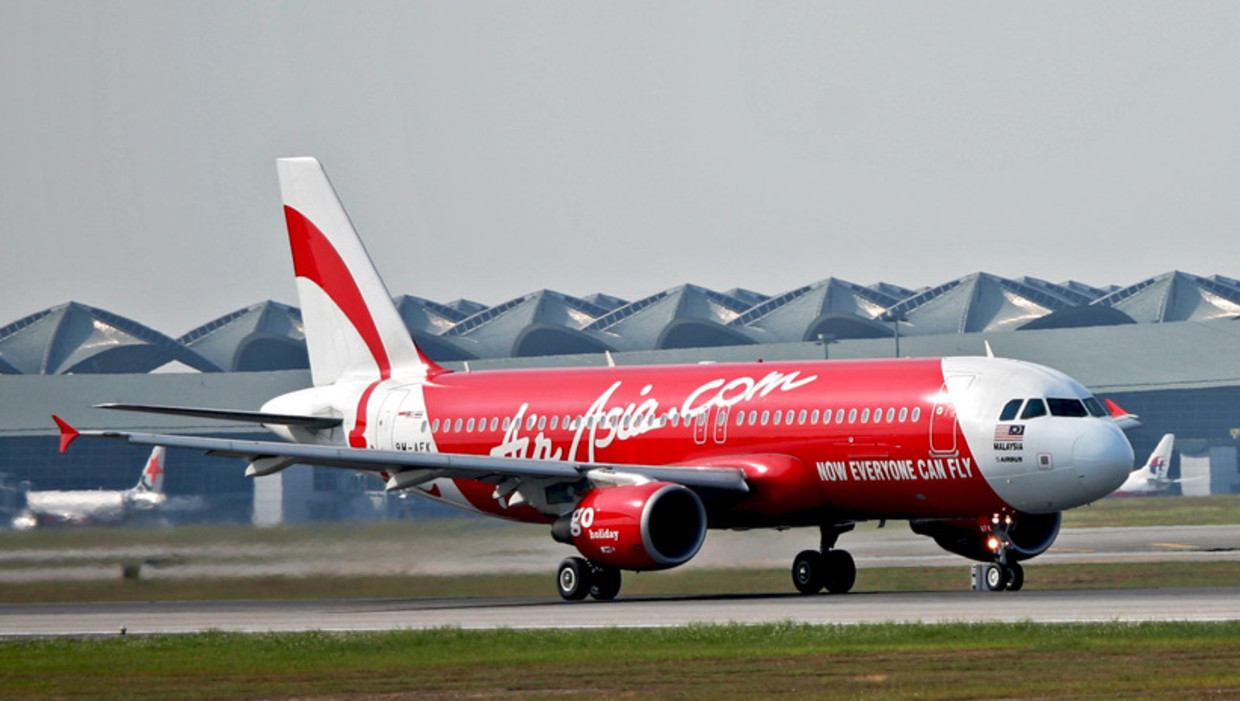
    AirAsia offers UNLI Flight pass for a limited time only

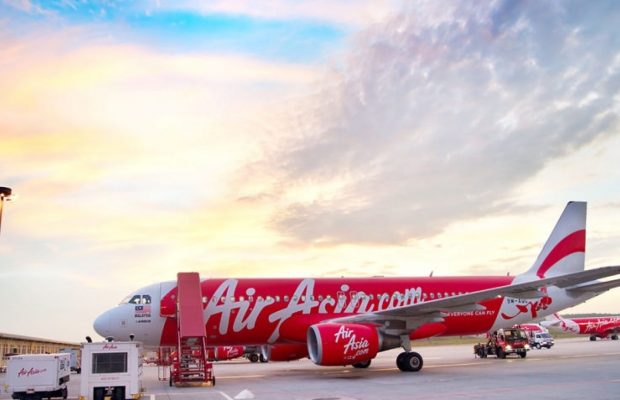
    The tourism industry is slowly recovering, starting with the re-opening of Boracay to leisure travelers. More flights, accommodations, and tours are resuming operations to accommodate excited travelers after being stuck at home for so long! With travel restrictions gradually being lifted in the Philippines, AirAsia introduces a unique product that will allow people to travel as many times as they want around the Philippines. Yes, you read it right!

    Filipinos are known to always seek the best deals: Buy-one, take-one, 50% off, and unlimited offers on Korean BBQ, rice, and call and text promos, but have you heard of unlimited flights? AirAsia is offering the UNLI Flight pass for a limited time only!

    What is the AirAsia UNLI Flight Pass?

    UNLI Flight Pass offers a travel bundle so you can fly as many times as you want to any AirAsia domestic destination available on airasia.com or AirAsia’s mobile app for a fixed price of only PHP 4,999. The promo covers flights from AirAsia’s domestic hubs (Manila, Cebu, Clark) to your favorite island destinations such as Boracay, Cebu, Palawan, Davao, Bacolod, Zamboanga, General Santos, and so much more. The UNLI Flight Pass is perfect for both leisure and business travelers alike, especially those who are frequent flyers who aim to get a good deal.

    The UNLI Flight Pass is valid for a year, so you can plan and plot your trips ahead of time. Scratch your travel itch and grab your very own AirAsia UNLI Flight Pass available for purchase on airasia.com, through the ‘Unlimited Deals’ tile. The pass purchase period will start from November 2 until November 8, 2020, wherein flights can be redeemed from November 9, 2020 until October 16, 2021, and be used to travel between November 23, 2020 and October 30, 2021.

    How to Purchase UNLI Flight Pass?

    • Log in to your BIG Member account. If you haven’t, register already. It’s for free!

    • Click the AirAsia UNLI Flight Pass bundle

    • Purchase and pay. Only Credit and debit cards will be allowed.

    • Receive your confirmation voucher via e-mail

    How to Redeem Flights using the UNLI Flight Pass?

    • Log in to your BIG member account on Airasia ‘Unlimited Deals’

    • Select your purchased UNLI Flight Pass, confirm your full name (upon first redemption only), and click “Redeem”

    • Search dates and choose flights labeled ‘100% OFF’

    • Enter your passenger details

    • Pay any add-ons, taxes, and other fees

    • Receive your flight itinerary in your e-mail

    Disclaimer: Flights redeemed with the Unlimited Pass are subject to government taxes and fees, add ons, and other applicable charges. Seats are subject to availability. Embargo dates and other terms and conditions apply.

  • Cebu Pacific to refund tickets of 1.5M passengers

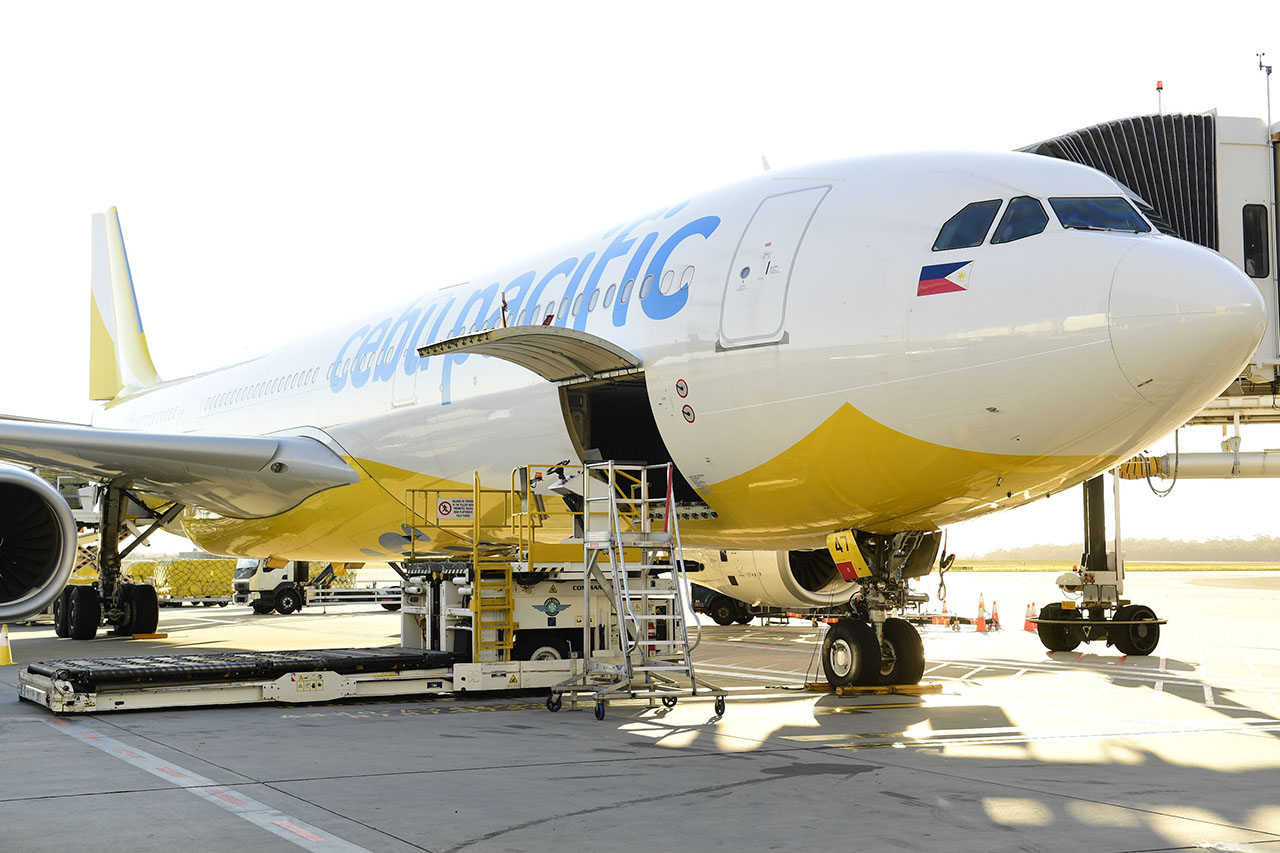
    Cebu Pacific to refund tickets of 1.5M passengers

    Budget carrier Cebu Pacific will provide refunds to an estimated 1.5 million passengers as 50 percent of its fleet remains grounded due to the coronavirus pandemic.

    Charo Logarta Lagamon, corporate communications director for Cebu Pacific Air, assured that passengers who requested refunds since April or earlier will be refunded by August.

    “All of a sudden, we have a situation where hundreds of thousands of passengers are all clamoring for a refund in a 160-day time frame. It’s not that simple to refund, especially now that there’s no cash flow in the airline. Nothing is going in and everything is going out,” she said in a Zoom meeting Friday, Aug. 7.

    Lagamon said they are doing their best to fast-track the process and that there are reforms underway to help in the refund process.

    She said the airline will reimburse payments made through credit or debit card while for those who paid in cash, the refund will be deposited in the bank account of the customer.

    Moreover, to stay afloat during these challenging times, the airline also implemented cost-cutting measures like the layoffs of 800 employees, which is 20 percent of the airline’s 4,000 employees.

    Company officials also had pay cuts.

    “Our second-quarter performance was very challenged due to the prolonged Covid-19 situation,” she said.

    Meanwhile, Cebu Pacific placed 14 of its 76 aircraft in long-term storage in Alice Springs, Australia to preserve the airline’s condition. Others were parked in the different hubs in the country.

  • Bamboo Airways inks deal for 26 Airbus aircraft

    Bamboo Airways inks deal for 26 Airbus aircraft

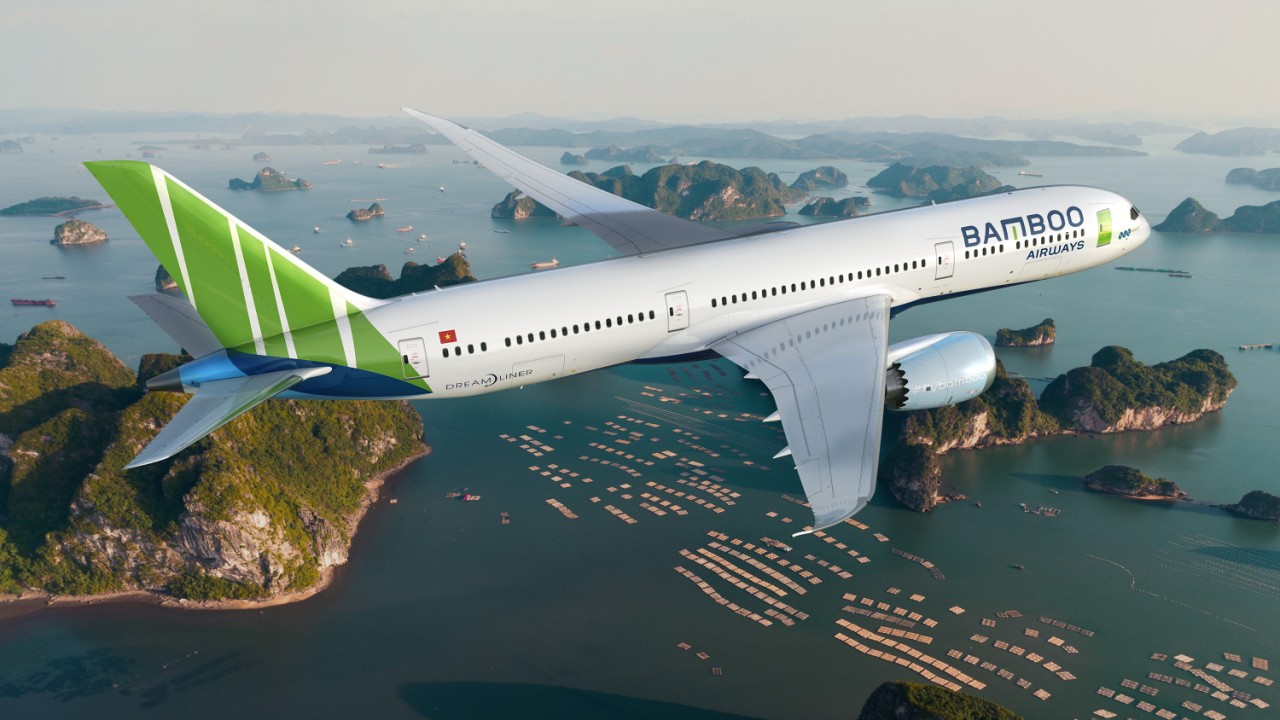
    Private airline Bamboo Airways will buy 26 new narrow-body Airbus aircraft as it expands operations. The value of the deal is $6.3 billion, based on list price, chairman Trinh Van Quyet told. With the previous order of 24 aircraft of the same model last year, the airline has ordered 50 in total.

    Quyet said that the first of the A321Neo planes will be delivered in 2022.

    Bamboo Airways had previously said that it was considering purchasing 25 narrow-body Boeing 737 MAX, which has been grounded internationally after two deadly crashes within a space of five months.

    Last month, Bamboo Airways had inked a deal with Boeing for 10 wide-body 787-9 Dreamliners worth almost $3 billion.

    Starting this year, the airline operates 17 domestic flight routes. It plans to start international flights next month, with Japan, Singapore and South Korea mentioned as possible destinations.

    It also plans to fly to Europe in June and directly to the U.S. by the end of this year or early next year.

    Bamboo Airways is one of five airlines operating in Vietnam. The others are state-owned Vietnam Airlines, budget airline Vietjet, low-cost carrier Jetstar Pacific and Vietnam Air Services Company (VASCO).

    Local airlines served almost 50 million passengers last year, up 10 percent from 2017.

  • Vietjet not operating any flights with Boeing 737 MAX aircrafts

    Vietjet not operating any flights with Boeing 737 MAX aircrafts

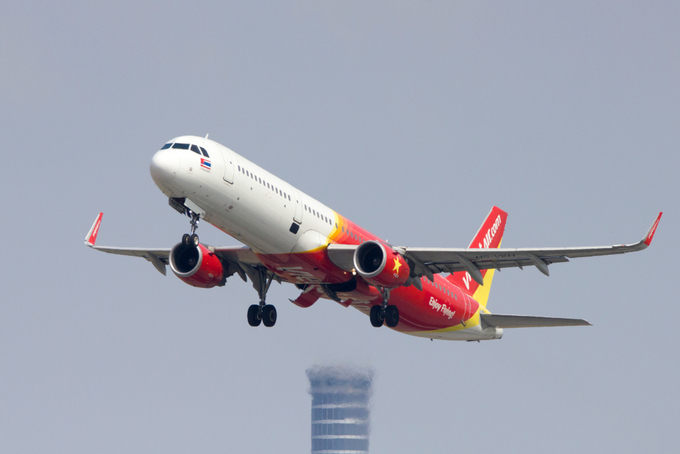
    Vietjet does not operate any flights with Boeing 737 MAX aircraft. We are currently operating with a fleet entirely composed of new Airbus aircraft from the A320 family aircraft. The average age of our fleet is 2.82 years. We are also using latest generation of Airbus aircraft, A320-A321 neo.

    Furthermore, Vietjet’s operations meet the highest international standards with regard to safety and maintenance. In particular, we have complied with all of the regulations and met the latest standards which have been set out by the European Aviation Safety Agency (EASA), the Federal Aviation Administration of the United States (FAA) and the Civil Aviation Authority of Vietnam (CAAV), including the approval of aircraft type for our operation.

    The safety for passengers is always Vietjet’s highest priority. Now we are closely monitoring the Boeing 737 MAX case and our decisions related to these aircraft will be made after the official conclusions and guidelines of the world’s aviation authorities and the CAAV. We are doing this to ensure the development of our modern fleet and to meet the highest quality and safety standards. Vietjet has well managed our fleet so far and our transport business plans are unchanged.

  • No more loss for Hong Kong’s Cathay

    No more loss for Hong Kong’s Cathay

    Hong Kong flag carrier Cathay Pacific said on Wednesday it is expected to have swung back to profit in 2018, ending two successive losses as it embarks on a massive overhaul. The recovery also came in a year that saw it suffer an embarrassing data breach that dented its reputation and could could prove costly. The airline said it expects to record a consolidated profit of around US$293 million (RM 1.2 billion) for 2018, compared with US$160 million (RM651 million) losses the year before, according to a preliminary profit alert.

    The company’s share price jumped more than seven percent after the announcement as investors took comfort in the turnaround after two grim years for Asia’s largest carrier.

    “In 2018, the passenger business benefited from capacity growth, a focus on customer service and improved revenue management,“ the company said in a statement, adding its cargo sector was also “strong”.

    Cathay has been overhauling its business after posting its first losses in eight years in 2016, firing more than 600 workers and paring overseas offices and crew stations as it faced stiff competition from budget rivals on the mainland.

    It also added international routes and better services on board its flights in a bid to compete with well-heeled Middle Eastern long-distance carriers.

    The profit alert suggests those moves have paid off.

    The airline narrowed its losses to US$33.5 million for the first half of 2018 – a tenth of what their losses were for the same period in 2017. But the second half of the year appears to have brought Cathay squarely back into the black.

    Dickie Wong, an analyst with Kingston Securities, said Cathay is expected to further benefit from the end this year of costly fuel-hedging contracts.

    “I would say the unfavorable impact to Cathay would continue to reduce,“ he said.

    Wong said the introduction of premium economy had attracted new customers while ticket discounts helped it compete against budget carriers. But he said the company still had “much room to improve in their luxury classes” if it wants to take on Middle Eastern rivals.

    Cathay will announce its full-year result next month.

    But the year was not without trouble.

    In October it sparked outrage when it admitted to a massive breach five months after hackers made off with the data of 9.4 million customers, including some passport numbers and credit card details.

    The airline faces potentially steep payouts in Europe, which boasts strong protection laws and financial penalties for companies that do not swiftly own up to data breaches.

    British-based law firm SPG Law has already launched a group action against the carrier over the breach to help customers seek compensation.

    This year Cathay’s website mistakenly offered first and business class flights for a fraction of their value in two high-profile and costly blunders.

  • Vietnamese airlines excited, worried about direct US flights

    Vietnamese airlines excited, worried about direct US flights

    Vietnamese carriers are keen on operating direct flights to the US, but worried about recouping the large investments involved. The U.S. Federal Aviation Administration (FAA) is expected to grant a Category 1 rating to Vietnam soon, allowing direct flights between the two countries, reported earlier this month, citing two U.S. officials.

    Dinh Viet Thang, head of the Civil Aviation Authority of Vietnam (CAAV), said that direct routes to the U.S. would be a new market that Vietnamese airlines won’t have to face with strong competition from other foreign carriers. He did not elaborate.

    “Non-stop flights from Vietnam to the U.S. will be a brand-new market full of potential for local airlines, as no international airline has operated them so far,” he said.

    Local airlines are enthused about the possibility of operating direct routes. A Vietnam Airlines official who asked not be named said the carrier was considering the purchase of more airplanes which are capable of flying non-stop to the U.S.

    “None of our airplanes can fly directly, so we are considering the purchase of wide-body aircrafts such as Airbus 350-1000 or Boeing 787-8 Dreamliner,” the representative said.

    Budget airline Vietjet and new private airline Bamboo Airways have also said they are interested in opening direct flights between the two countries.

    The direct route is expected to cater to the large demand for travel between both countries. The number of tourists coming to Vietnam from the U.S. grew by 11.9 percent last year from 2017 to 687,000, according to the Ministry of Culture, Sports and Tourism.

    A Vietnamese population of over 2.1 million in the U.S., is also expected to be a stable source of travel demand, said industry insiders.

    Tourism companies are also having high hopes about prospects of direct flights. Nguyen Cong Hoan, vice general director of Hanoi Redtours, said that the number of customers travelling to the U.S. through his company has increased by 30 percent each year in the last few years.

    “A direct flight will make travel between the two countries much easier and reduce the time passengers have to wait in airports. We believe that our customers are willing to pay 20-40 percent more for a direct flight,” he said.

    Breaking even

    But there are also concerns about possible losses. Vietnam Airlines CEO Duong Tri Thanh had said earlier that the airline could face an average annual loss of $30 million in the first years of operation if it opens a direct route to the U.S.

    It would take at least five years for the national flag carrier to break even, he added.

    CAAV head Thang said that local airlines would need to purchase larger airplanes as most of the existing fleet cannot manage such long flights.

    Another option would be to reduce the number of passengers and/or cargo weight of existing aircraft to guarantee safety over a 13-hour flight, but this would reduce revenue, he added.

    The Vietnamese government had early last year approved plans to expand the network of national carriers to major markets including Australia, China, Europe and the U.S.

    Under these plans, Vietnam Airlines will go through with its proposal to open non-stop services to the U.S., starting with direct flights to San Francisco or Los Angeles.

    As Vietnam has never held an FAA rating, passengers travelling to the U.S. now have to transit through different countries and territories like China, Hong Kong and Japan, with a total time of 18-21 hours.

    In 2004, Vietnam Airlines sought permission from the U.S. to provide direct services. However, the request was denied because it was judged that the CAAV did not meet safety supervision requirements set by the FAA.

    Vietnam’s aviation industry has seen increasing demand in recent years. The country welcomed 12.5 million air passengers last year, up 14.4 percent from 2017, according to the General Statistics Office.

    The country’s aviation traffic increased 16 percent on average each year from 2010 to 2017, according to data from the civil aviation regulator.

  • AirAsia X to get 2 planes next year, more from 2019

    AirAsia X to get 2 planes next year, more from 2019

    AirAsia X said Monday it will take delivery of two new aircraft next year, which could be deployed in North Asia and China, and its new route to India is likely to help boost passenger load factor as the long-haul unit of Malaysian budget carrier AirAsia seeks to expand network in Asia.

    AirAsia X is expected to receive up to four new aircraft a year beginning 2019 as it ramps up capacity after receiving two new planes by end of 2018, Chief Executive Benyamin Ismail said at a news conference.

    “Next year, we will introduce two new India routes in the second half, as well as new routes to Japan and China,” he said.

    His comments come after the company said earlier today that it will start flying from Kuala Lumpur four-times a week from Feb. 5 to Jaipur, a popular tourist destination in the western Indian state of Rajasthan. The airline, which now flies to only to New Delhi, also aims to expand services into second and third-tier cities in the vast South Asian country.

    The airline is targeting an 80% load factor for the new Kuala Lumpur-Jaipur flight, said Benyamin. In 2017, AirAsia X carried 340,000 passengers into India, a 34% increase from 2016, he said.

    “India is a very important market to us,” AirAsia X Group Chief Executive Kamarudin Meranun said at the same event. “We will continue to expand our services to key Indian cities including the second and third tier cities especially those that lack good connectivity.”

    The thrust to expand in India follows the carrier’s stated aim to further penetrate North Asia including lucrative routes in Japan, South Korea and China as it cuts its Australia exposure.

    AirAsia X, which operates a fleet of 30 aircraft, has been looking to rationalize its Australian operations that contributed more than a third of its revenue. However, the airline faced a market plagued by overcapacity amid stiff competition on select routes, which weighed on its last year’s earnings.

    AirAsia X Group has placed orders for 66 A330neo planes to be delivered until 2027. Together with major shareholder AirAsia, the airline group has placed a firm order for close to 600 aircraft with Airbus, making it one of the largest Airbus operators in the world.

    “The company has guided earlier that the focus (growth) area would be North Asia,” said Public Investment Bank’s analyst Nur Farah Syifaa’ Mohamad Fu’ad. “North Asia should be more profitable as compared to other routes,” she said.

  • Boeing has announced the end of its programme to turn Boeing 747-400 into cargo planes

    Boeing has announced the end of its programme to turn Boeing 747-400 into cargo planes

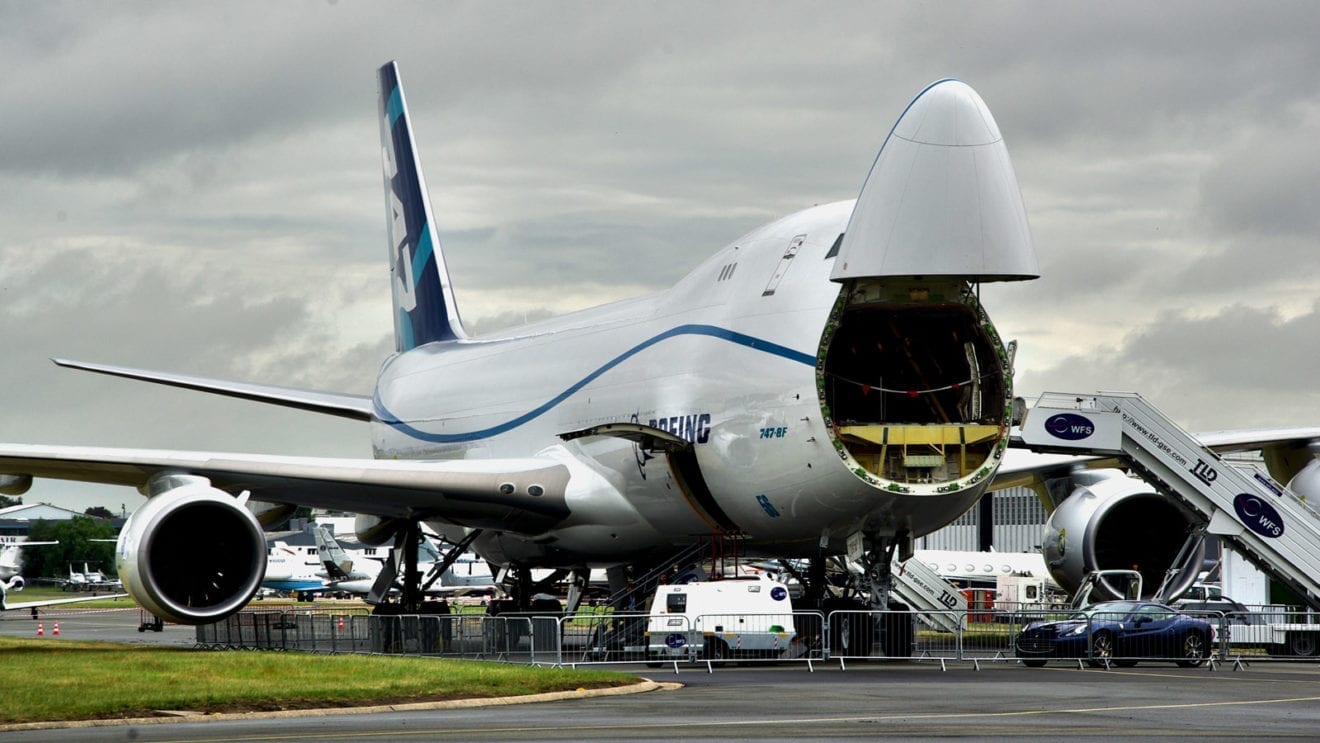
    Boeing has announced the end of its programme to turn Boeing 747-400 passenger aircraft into cargo planes. In October, the plane manufacturer formally announced that management had decided to cancel the programme.

    To some industry executives, Boeing’s decision merely seals the inevitable. One executive from a freighter conversion specialist likened the 747 conversion scene to a graveyard.


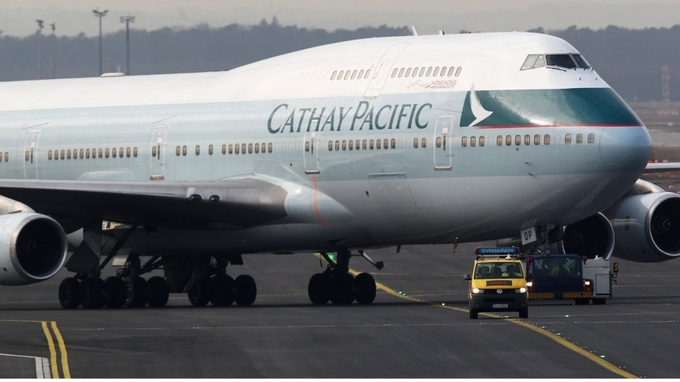
    Faced with relentless downward pressure on yields owing to abundant capacity chasing too little cargo in nearly every market around the globe, airlines have been pushed to shrink their all-cargo capacity. Recent years have seen a steady exodus not only of 747-400BCFs but also newer 747-400 production freighters. Cathay Pacific retired its last two 747-400Fs this summer, leaving it with a freighter fleet composed entirely of 747-8 and 747-400ER freighters, plus a lone 747-400BCF.

    Low oil prices may have alleviated the pain of operating older 747 freighters and rendered them more attractive versus the high acquisition cost of 747-8Fs, but the need to maximize load factors through capacity reduction has hastened their exit.

    As converted – as well as production – 747-400 freighters are headed for the shadows, a large question mark looms over their successor, the 747-8. The passenger version of the type never gained much traction, and the freighter programme has been struggling. In April, Boeing announced that with effect from September it would throttle down production of the aircraft from 12 a year to just six – a single freighter every two months.

    In 2013, Boeing was still producing two 747-8Fs a month, but sluggish demand forced it to slow down its output. In the summer the manufacturer went one step further, signalling the possible end of the 747-8 altogether. In its filing to the US Securities and Exchange Commission towards the end of that month Boeing stated that without sufficient new orders and/or an inability to mitigate market, production or other risks, “it is reasonably possible that we could decide to end production of the 747.”

    The demise of the 747-8 would mark the end of an era that began in 1969, when the first 747-100 entered the market. It would leave a gap in the market, with no aircraft other than the Antonov 124 in a similar bracket in terms of payload capability. The next largest freighter in commercial service is the 777-200F, which can carry 105 tons, significantly less than the 140 tons that the 747-8 can lift.

    Arguably a bigger loss would be the disappearance of large freighters with nose-loading capabilities, but most operators have shrugged off that issue, pointing to the presence of 747-8 freighters for decades to come.

    In late October, UPS placed an order for 14 747-8 freighters, plus 14 options. This prompted speculation in some quarters about a longer run for the type. However, with only 109 747-8 passenger and freighter aircraft delivered to date, an order for 14, or even 28, planes still appears a long shot to justify an extended production run.

    Many Asian carriers like EVA Air or China Southern, which used to operate 747-400 cargo aircraft, have decided to renew their freighter fleets with 777Fs instead and are phasing out their 747 contingents both in the passenger and cargo sectors. Of the large all-cargo airlines that are using 747-8Fs, Cargolux recently announced a major review of its business, indicating that without significant change it may not survive as a cargo carrier, which hardly indicates an appetite for more large freighters with price tags north of the US$300 million mark. Nippon Cargo Airlines is not showing appetite for growth, and AirBridge should have more than enough 747-8s to find markets for.

    In its 20-year market forecast released at the Air Cargo Forum in Paris in October, Boeing predicted stronger growth in the narrowbody freighter segment, driven by e-commerce. “The growth of the standard-body share of the fleet will result in a decline in the large- and medium-widebody shares of the total fleet over the forecast period, from 31% and 33% to 28% and 31%, respectively,” it declared.


    Rival Airbus, which has no freighter larger than the A330-200F in the market, is even less sanguine on the outlook for large freighters. Its recently published long-term industry forecast projections that bellyhold capacity will boost its share of the global freight market from 52% in 2015 to 62% by 2035.

  • Indonesia to Unveil First Local-made Plane after N250

    Indonesia to Unveil First Local-made Plane after N250

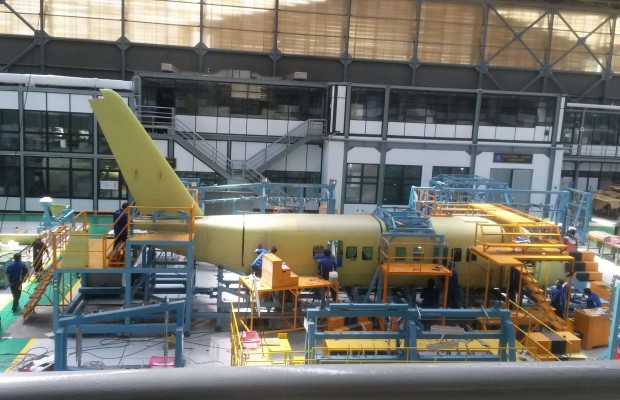
    PT Dirgantara Indonesia, (Persero) or PT DI, today will roll-out the N219, the first plane Indonesia has made again after the N250, which was made in 1995.  The N219 is the result of a collaboration between Dirgantara Indonesia and the National Aeronautics Space Agency (Lapan).

    The roll-out—a term for unveiling an airplane for the first time—was supposed to be done in August, but the plane was only ready by November. The roll-out marks that the N219 prototype is ready to be introduced to the public,

    Initially, President Joko Widodo was supposed to attend the unveiling ceremony. But Widodo had canceled his trip to Bandung, where he was supposed to open the 2015 Anti Corruption Festival and the N219 roll-out ceremony.

    Dirgantara Indonesia president director Budi Santoso said that the N219 could mark the beginning of the revival of Indonesia’a aerospace industry.

    “We hope it will help create synergy between industrial sectors and absorb skillful labor,” he said today, December 10.