Retail News CRM

Tag: planes

  • AirAsia X ‘out of money’

    AirAsia X ‘out of money’

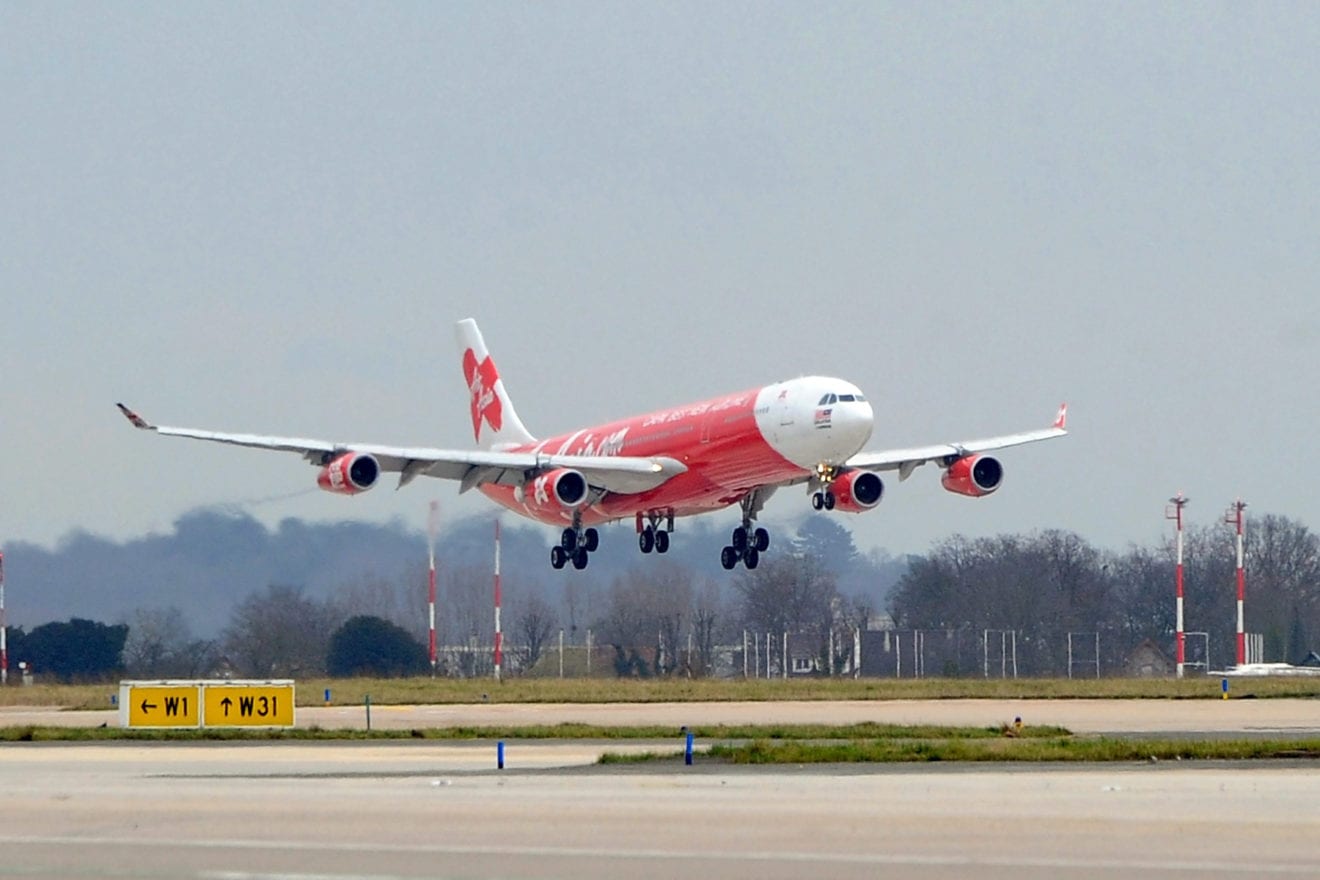
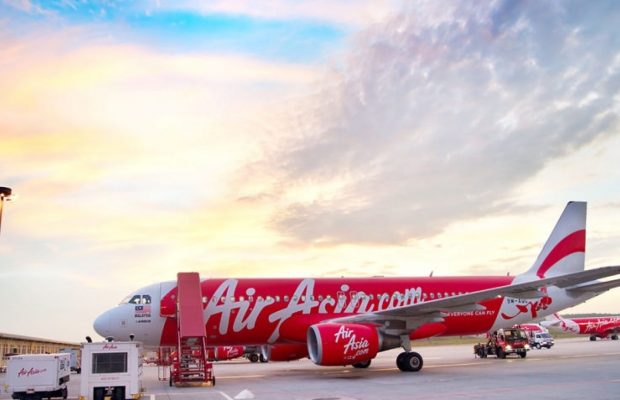
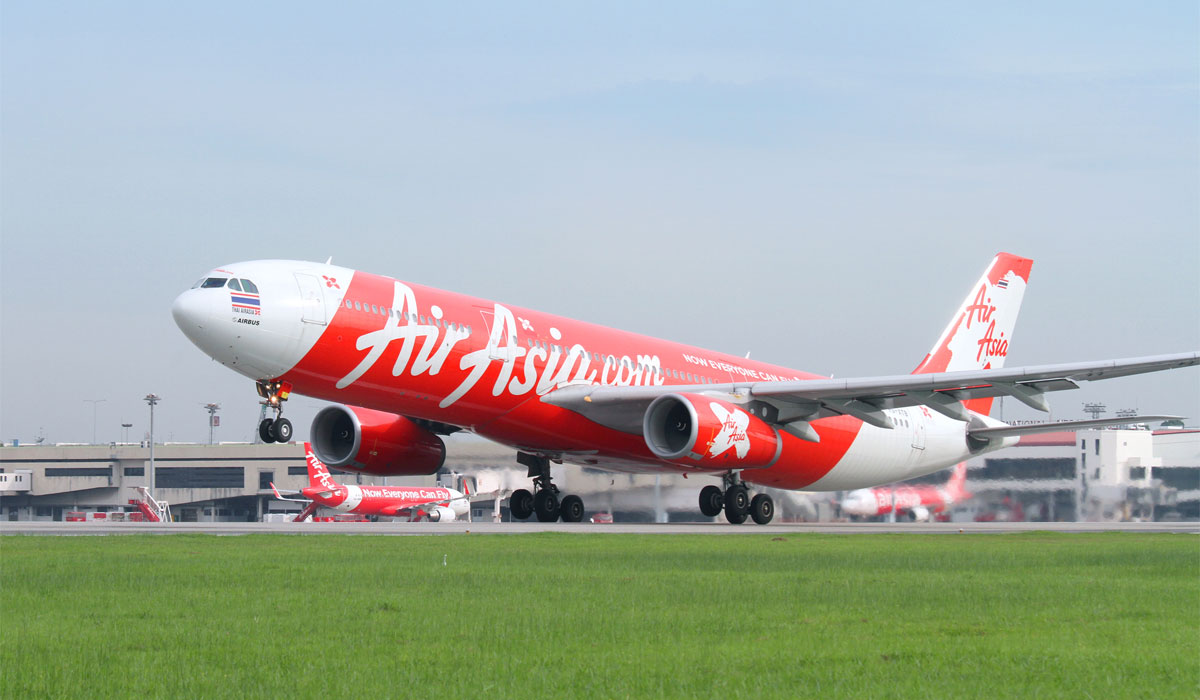
    The long-haul budget carrier AirAsia X Bhd has run out of money and needs to raise up to 500 million ringgit (US$120 million) to restart the airline, according to deputy chairman Lim Kian Onn. The Malaysia-based affiliate of AirAsia Group said this month it wanted to restructure 63.5 billion ringgit ($15.3 billion) worth of debt and slash its share capital by 90% to continue as a going concern.

    “We have run out of money,” Lim said in an interview. “Obviously, banks will not finance the company without shareholders, both old and new, putting in fresh equity. So, a prerequisite is a fresh equity.”

    He said the airline had actual liabilities of 2 billion ringgit, with the larger figure of 63.5 billion ringgit including all lease payments for the next eight to 10 years and its large order for Airbus planes and contracted engine maintenance with Rolls-Royce.

    “If we find 300 million ringgit in new equity, then the shareholder funds are 300 million at the restart of business and if we are able to borrow 200 million ringgit, we feel that we will have a good platform to start all over again,” Lim said.

    He said AirAsia X also needed to convince its lessors of its business plan, adding that an unnamed lessor recently took back one of the airline’s planes to convert it to a freighter.

    The airline plans to liquidate its small Indonesia-based carrier and has completely written down its stake in Thai AirAsia X, with the Thai carrier not part of the restructuring scheme, Lim said.

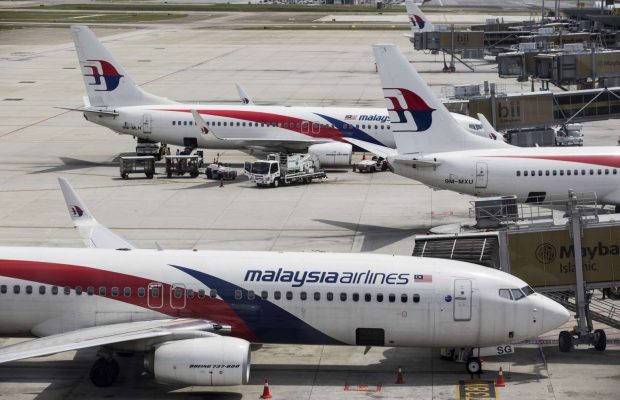
    Rival Malaysia Airlines is also in financial trouble, but Lim said there would be “no good outcome” from seeking to merge two airlines in dire straits.

    Initial negotiations with creditors have been tough as they are understandably upset, Lim said in the interview. They had asked for better terms, including free equity for the forgiven debt — something that would be impossible for the airline to fulfill, he added.

    Still, Lim said all of them genuinely wanted to find a common ground to take the airline forward. “No one has anything to gain from our demise,” he said.

    The airline is planning to resume flights in the first quarter of 2021, though the process remains “dynamic”, said Lim. Should the rescue plan get approval, the company will have to renegotiate every single contract and will do its best to look after all stakeholders’ interests, he said.
  • Come Fly With Me – Is the world ready for self-flying planes?  

    Come Fly With Me – Is the world ready for self-flying planes?  

    Come Fly With Me – Is the world ready for self-flying planes?

    Recently, Tesla has, once again, hit the headlines for all the wrong reasons as it prepares to roll out its self-driving cars, despite criticism that the technology is not yet ready. If we’re reluctant to accept self-driving cars, it would stand to reason that self-flying aircraft would be a no-no but, surprisingly, these are closer than we might think.

    This is not your Captain speaking

    To begin with, it’s important to understand the difference between automation and fully self-flying aircraft. In the modern world, most flights run automatically to a large extent. For example, with a commercial flight, a pilot will input a flight plan into the flight management system and will then manually guide the plane through take-off before engaging auto-pilot.  

    Although modern airplanes can land autonomously, they are usually monitored carefully by the pilot from the cockpit to ensure that everything stays on course. In contrast, when talking about self-flying planes, we’re referring to an aircraft which will conduct a flight from start to finish without a human pilot in the cockpit. Although this may initially sound terrifying, in reality, it’s not actually that much of a leap when we look at how much of the average flight is already automated.  

    As we speak, a number of airlines, including Boeing, are looking into the possibility of pilot-less flights with the benefits stated as cost savings and the elimination of pilot error during a flight. In fact, in July of this year, Airbus reported that it had successfully concluded tests on an airplane which can taxi, take off and land without a human pilot. Far from science fiction, Swiss Bank UBS concluded in a recent survey that pilot-less flights may be coming to an airport near you as soon as 2025. So, how will it work? 

    Technology in the upright position

    The answer to that question lies, of course, in the technology. Unlike the existing auto-pilot technology, safely operating pilot-less aircraft within busy airspace will require some really complex engineering, far beyond the ability to stay in the air for a period of time. In reality, a pilot-less aircraft will need to be able to:  

    • Taxi and take-off safely and accurately 
    • Seek out obstacles and dangers such as building, birds and other aircraft (including drones) 
    • Identify and address issues during a flight 
    • Make alterations to the course of a flight to take into account weather systems, failures and obstacles 

    This kind of advanced technology will require embedded software and the use of artificial intelligence in order to plan a safe path of motion and correctly execute such a path. The kind of capabilities needed will mean that the actual aircraft will be very different and will require a number of innovations including:  

    • Electric propulsion for the purposes of reducing urban emissions 
    • Lightweight frames for maneuverability and efficiency 
    • Redesign of the cockpit 

    This is how it could be done but, the other question is, should it be done? 

    Winging it

    The 2016 movie, Sully, tells the story of pilot, Chelsey Sullenberger, who made the decision to land an Airbus Airbus A320-214 in New York’s Hudson River after birds destroyed both engines. The movie highlights the fact that, despite the technology saying otherwise, Sullenber’s 42 years of experience told him that the aircraft would not make it to the nearest airport. For this reason, it’s easy to understand why many people are uncomfortable with the very idea of boarding a pilotless flight. However, whether we like it or not, we may be buckling up on a flight run entirely on technology in the next five years.

    The future of air travel

    2020 has been disastrous for the airline industry and, for the travel industry as a whole. By the 8th of October this year, 43 airlines had been forced to declare bankruptcy with more forecast to follow. As the airline industry struggles to recover from this extraordinary year, many will be looking to the concept of self-flying aircraft as a means of survival. In fact, some airlines are already introducing single pilot flights for freight and cargo which most agree is the first step toward full automation.  

    While self-flying aircraft will almost certainly play a role in the future of air travel, sceptics needn’t start to worry just yet. As with any innovation as important as this in terms of safety, there will need to be extensive testing and a huge number of guidelines to be set in place before our skies are filled with these airplanes of the future.  


  • Sabeco to charter aircraft to transport outstanding workers home for New Year

    Sabeco to charter aircraft to transport outstanding workers home for New Year

    Vietnam’s biggest brewer Sabeco is set to charter four aircraft and a number of buses to ferry 2,000 outstanding workers home for Tet. It will cost Sabeco over VND5 billion ($217,000), and the company will identify the workers together with the management of industrial parks in HCMC and the neighboring provinces of Binh Duong and Dong Nai.

    A charter flight each will fly from HCMC to Hanoi and the central towns of Vinh, Dong Hoi and Quy Nhon.

    The 1,000 people going by bus will go to the central provinces of Quang Ngai, Binh Dinh, Phu Yen, and Khanh Hoa, the Central Highlands provinces of Dak Lak and Lam Dong and the southern provinces of Kien Giang and Ca Mau.

    Hoang Dao Hiep, deputy general director of Sabeco, said this would be the second year the company and the Youth Union provide transportation for the best-performing workers for Lunar New Year.

    This year it is on a larger scale, and the process to select the workers too started earlier — at the beginning of December.

    Tet (The Lunar New Year) falls in late January 2020. Last year too the company had chartered four aircraft.

    Sabeco is owned 53.59 percent by Vietnam Beverage, a subsidiary of Thai beverage company ThaiBev. The Vietnamese government, represented by the Ministry of Industry and Trade, owns a 36 percent stake in the company.

    In its latest financial report, Sabeco reported revenues of over VND28.3 trillion ($1.22 billion) in nine months, up 10 percent year-on-year. Revenue from beer in the period accounted for 86 percent of total, or VND24.3 trillion ($1.05 billion).

    In the third quarter alone, post-tax profit was highest among all brewers in Vietnam at almost VND1.46 trillion ($63 million), up over 40 percent year-on-year.

  • AirAsia’s Latest A321neo Receives A Funky Paint Job

    AirAsia’s Latest A321neo Receives A Funky Paint Job

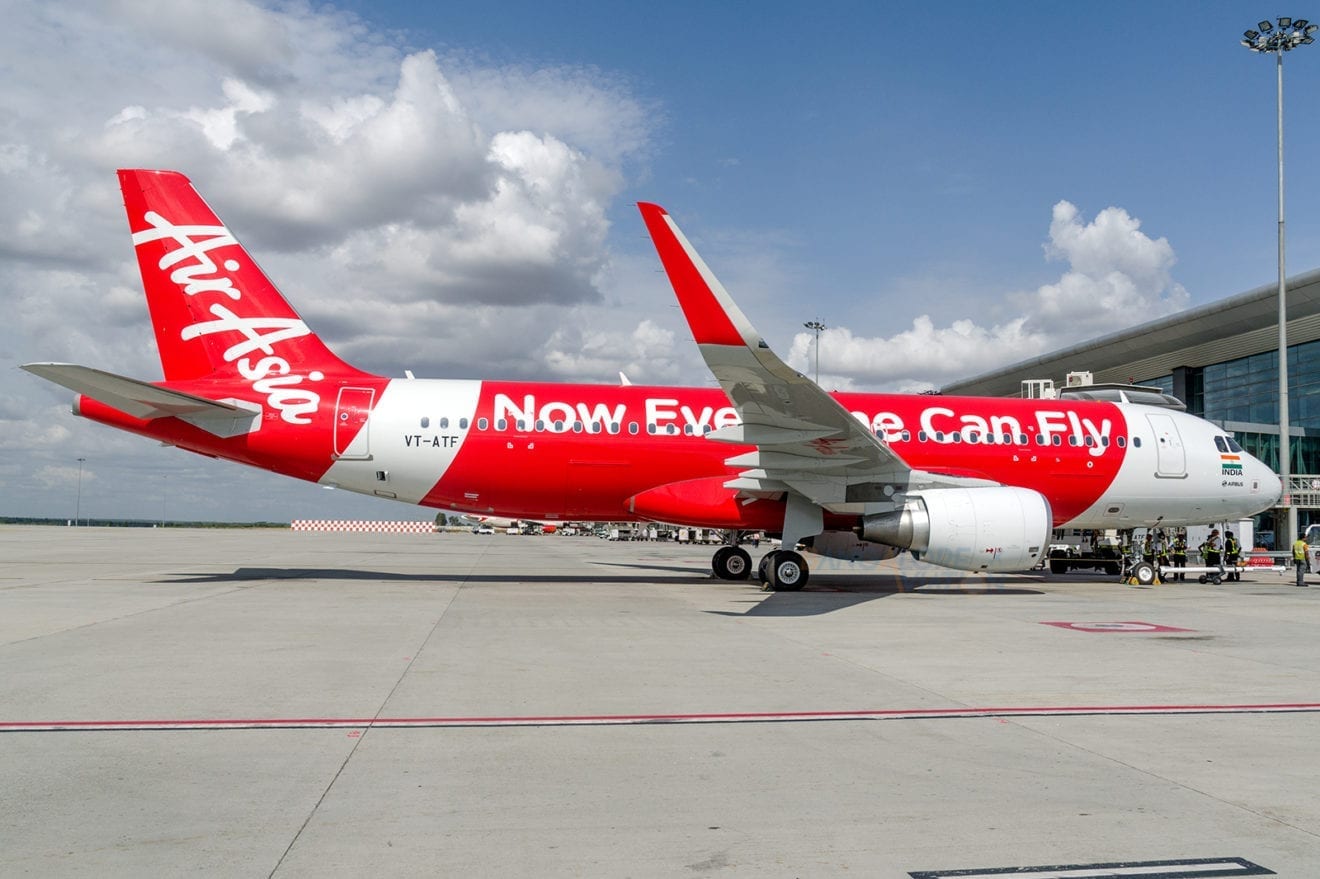
    Low-cost carrier AirAsia has given the world a sneak peek of an eye-catching livery for its new A321neo. The Malaysian airline is due to receive its first of the largest A320 family aircraft in the coming weeks.

    AirAsia revealed the order for the A321neo at the Paris Air Show this year. The airline announced a conversion of 253 A320neos to the larger A321neos, to make AirAsia the largest customer in the world for this type.

    In a post to the airline’s official Twitter feed, AirAsia gave us a sneak peek at their color scheme for the forthcoming A321neo. While most of us would have assumed it would take on the iconic red livery of AirAsia’s fleet, it seems they’re going for something a bit different with this aircraft. Deliveries like this, while not unheard of, are a rarity in the world of aviation. Indeed, there are some good reasons why aircraft, as a rule, are mostly painted white. However, AirAsia is not afraid to stand out from the crowd.

    In fact, many low-cost carriers are known for more colorful liveries. Easyjet aircraft are easy to spot in their bright orange coats, and WOW air’s purple planes will be missed on aprons around the world. For an LCC, branding is crucial, and AirAsia will certainly be recognizable with this plane.

    You can see the livery taking shape in the video below, shared by AirAsia on Twitter.

    Why the A321neo?

    The upscaling of the order back in June at the Paris Air Show was a major boon for Airbus. While none of them were fresh orders, all being converted from existing A320 orders, it was the biggest order for the larger variant of the narrowbody to date, and a massive vote of confidence for the type.

    The A321neo is the longest variant of the popular A320 family of aircraft. With the neo improvements onboard, which include new generation engines and fuel saving Sharklets, it’s 20% more efficient than its predecessor.

    The A321neo will be the ‘backbone’ of the AirAsia fleet. Photo: AirAsia/Twitter
     

    Clearly, a bigger aircraft that is cheaper to fly will make it possible for AirAsia to sell seats at the lowest possible price. The airline confirmed this in the post, when it said that,

    “The A321neo will be the new backbone of our operations as we continue to make flying affordable for everyone.”

    With 253 on order, AirAsia is clearly banking on the A321neo being a massive success. We can’t wait to see this colorful plane arriving at airports all over the world!

  • AirAsia to spend millions for new jets

    AirAsia to spend millions for new jets

    The AirAsia Group is shelling out $350 million to acquire seven more planes for its Philippine unit, according to its chief.

    Talking to reporters in Bangkok late last week, AirAsia Group Chief Executive Officer Tony Fernandes said the move was the Malaysia-based low-cost carrier’s way of strengthening its presence in the country, as this would allow AirAsia Philippines to open new routes and bolster passenger capacity.

    AirAsia Philippines’ domestic market share currently stands at 18 percent, nearly double from 2014’s 9.7 percent.

    The local unit ended the second quarter with 23 aircraft, operating them from hubs in Manila, Cebu, Kalibo in Aklan province, and Clark in Pampanga province.

    While there is no clear timeline yet on when the group expects to reach the number of airplanes to 30, Fernandes said they have started working on it.

    Each plane would cost $50 million, according to him.

    He said they would “come close” to having 50 aircraft in the next three or four years, “which is something I never thought would be possible.”

    Fernandes is optimistic about growth opportunities for AirAsia in the country, banking on the booming tourism industry here.

    “I feel we are going to keep growing. We see so much tourism potential in the Philippines, [and not just domestically]. [W]e think many Filipinos want to travel and see the rest of the world,” he said.

    AirAsia Philippines flies to and from Manila, Cebu, Kalibo and Clark, as well as the cities of Tacloban in Leyte province, Tagbilaran in Bohol province and Puerto Princesa in Palawan province. It also has 13 international destinations from Manila, namely Kuala Lumpur and Kota Kinabalu in Malaysia; Bangkok, Thailand; Bali, Indonesia; Seoul, South Korea; Taipei and Kaohsiung in Taiwan; Shanghai, Guangzhou and Shenzhen in China; Hong Kong; Macau; and Ho Chi Minh City, Vietnam.

  • Bamboo Airways inks deal for 26 Airbus aircraft

    Bamboo Airways inks deal for 26 Airbus aircraft

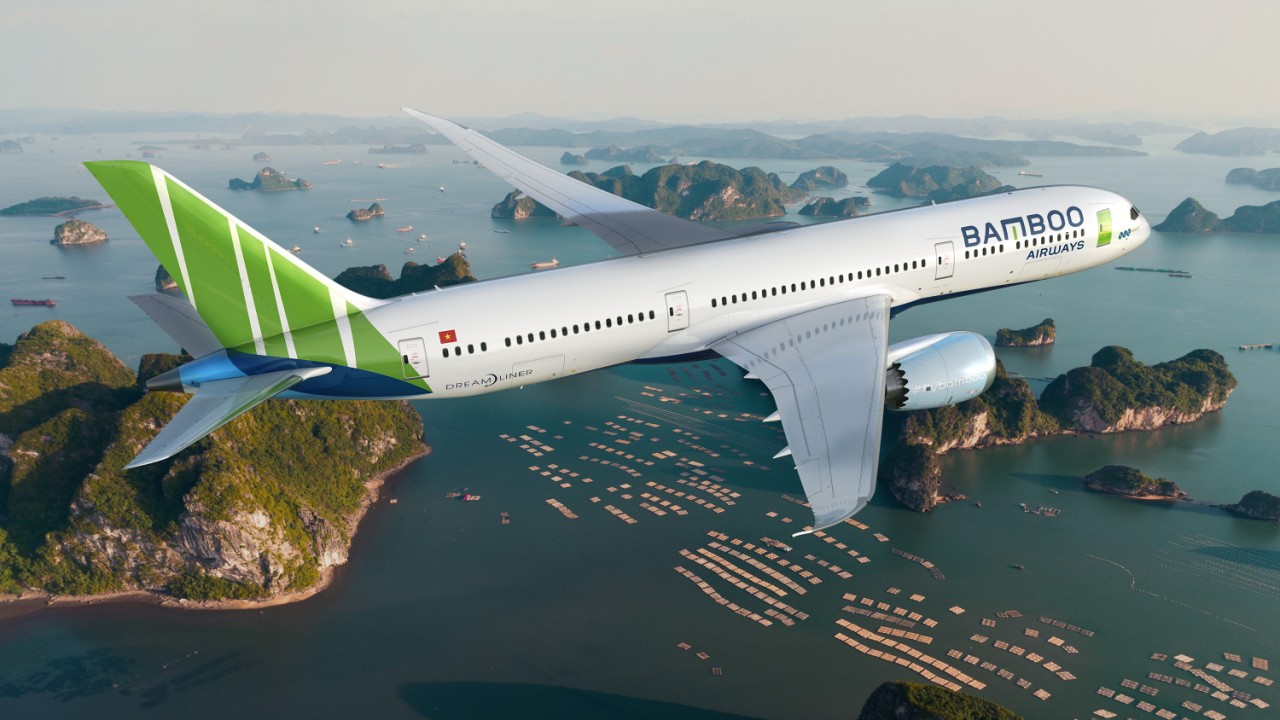
    Private airline Bamboo Airways will buy 26 new narrow-body Airbus aircraft as it expands operations. The value of the deal is $6.3 billion, based on list price, chairman Trinh Van Quyet told. With the previous order of 24 aircraft of the same model last year, the airline has ordered 50 in total.

    Quyet said that the first of the A321Neo planes will be delivered in 2022.

    Bamboo Airways had previously said that it was considering purchasing 25 narrow-body Boeing 737 MAX, which has been grounded internationally after two deadly crashes within a space of five months.

    Last month, Bamboo Airways had inked a deal with Boeing for 10 wide-body 787-9 Dreamliners worth almost $3 billion.

    Starting this year, the airline operates 17 domestic flight routes. It plans to start international flights next month, with Japan, Singapore and South Korea mentioned as possible destinations.

    It also plans to fly to Europe in June and directly to the U.S. by the end of this year or early next year.

    Bamboo Airways is one of five airlines operating in Vietnam. The others are state-owned Vietnam Airlines, budget airline Vietjet, low-cost carrier Jetstar Pacific and Vietnam Air Services Company (VASCO).

    Local airlines served almost 50 million passengers last year, up 10 percent from 2017.

  • Jeju Air inks $4.4 billion deal to purchase 40 new planes

    Jeju Air inks $4.4 billion deal to purchase 40 new planes

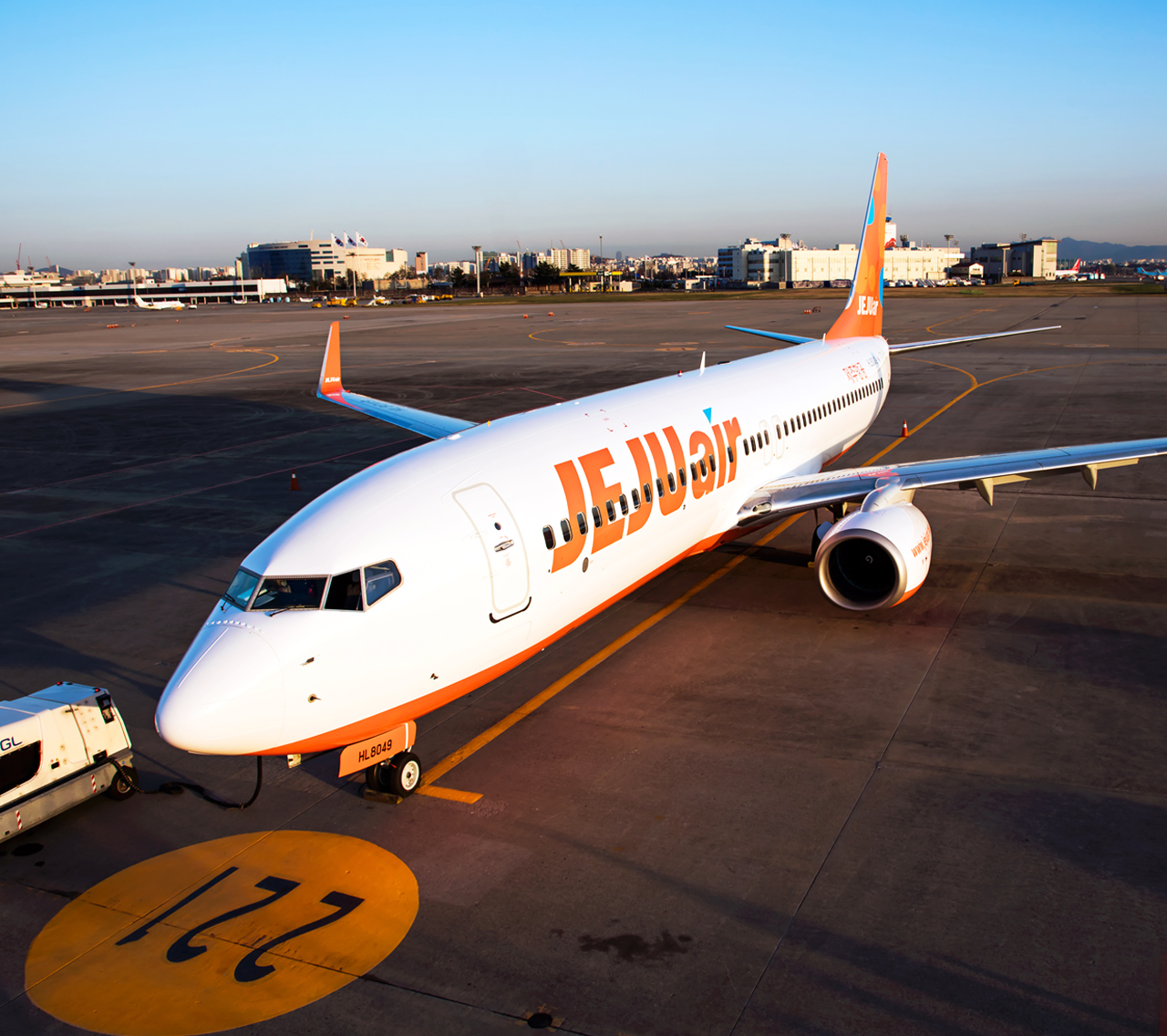
    Jeju Air, Korea’s biggest budget carrier by sales, said, on Tuesday, that it inked a $4.4 billion deal for 40 new planes, with the delivery set to begin in 2022. Jeju Air has decided to buy Boeing’s new B737 MAX passenger jets to strengthen its fleet, the company said in a statement.

    The low-cost carrier plans to assign the 189-seat B737 MAX on its mid and long-haul routes as they are more fuel efficient than the planes it currently operates, a company spokeswoman said over the phone.

    The new jets have a range of some 6,500 kilometers, 1,000 km more than the B737-800NG that the company currently operates.

    In the January-September period, net profit jumped 31 percent to 84.86 billion won ($75 million) from 64.61 billion won a year earlier. Operating profit climbed 14 percent to 95.82 billion won from 83.79 billion won during same period. Sales were up 28 percent to 941.93 billion won from 734.78 billion won.

    Jeju Air said it is on track to achieve sales of over 1 trillion won this year on the back of a strengthened fleet and profitable routes.

  • AirAsia X to get 2 planes next year, more from 2019

    AirAsia X to get 2 planes next year, more from 2019

    AirAsia X said Monday it will take delivery of two new aircraft next year, which could be deployed in North Asia and China, and its new route to India is likely to help boost passenger load factor as the long-haul unit of Malaysian budget carrier AirAsia seeks to expand network in Asia.

    AirAsia X is expected to receive up to four new aircraft a year beginning 2019 as it ramps up capacity after receiving two new planes by end of 2018, Chief Executive Benyamin Ismail said at a news conference.

    “Next year, we will introduce two new India routes in the second half, as well as new routes to Japan and China,” he said.

    His comments come after the company said earlier today that it will start flying from Kuala Lumpur four-times a week from Feb. 5 to Jaipur, a popular tourist destination in the western Indian state of Rajasthan. The airline, which now flies to only to New Delhi, also aims to expand services into second and third-tier cities in the vast South Asian country.

    The airline is targeting an 80% load factor for the new Kuala Lumpur-Jaipur flight, said Benyamin. In 2017, AirAsia X carried 340,000 passengers into India, a 34% increase from 2016, he said.

    “India is a very important market to us,” AirAsia X Group Chief Executive Kamarudin Meranun said at the same event. “We will continue to expand our services to key Indian cities including the second and third tier cities especially those that lack good connectivity.”

    The thrust to expand in India follows the carrier’s stated aim to further penetrate North Asia including lucrative routes in Japan, South Korea and China as it cuts its Australia exposure.

    AirAsia X, which operates a fleet of 30 aircraft, has been looking to rationalize its Australian operations that contributed more than a third of its revenue. However, the airline faced a market plagued by overcapacity amid stiff competition on select routes, which weighed on its last year’s earnings.

    AirAsia X Group has placed orders for 66 A330neo planes to be delivered until 2027. Together with major shareholder AirAsia, the airline group has placed a firm order for close to 600 aircraft with Airbus, making it one of the largest Airbus operators in the world.

    “The company has guided earlier that the focus (growth) area would be North Asia,” said Public Investment Bank’s analyst Nur Farah Syifaa’ Mohamad Fu’ad. “North Asia should be more profitable as compared to other routes,” she said.

  • Philippines Inspect Plane Order at PT Dirgantara Indonesia

    Philippines Inspect Plane Order at PT Dirgantara Indonesia

    Under Secretary for Finance and Material, Department of National Defense of the Philippines (General Retirement) Raymundo Elefante, said that his country is currently interested in purchasing Indonesian defense products to modernize the Philippines’ weapons and combat equipment.

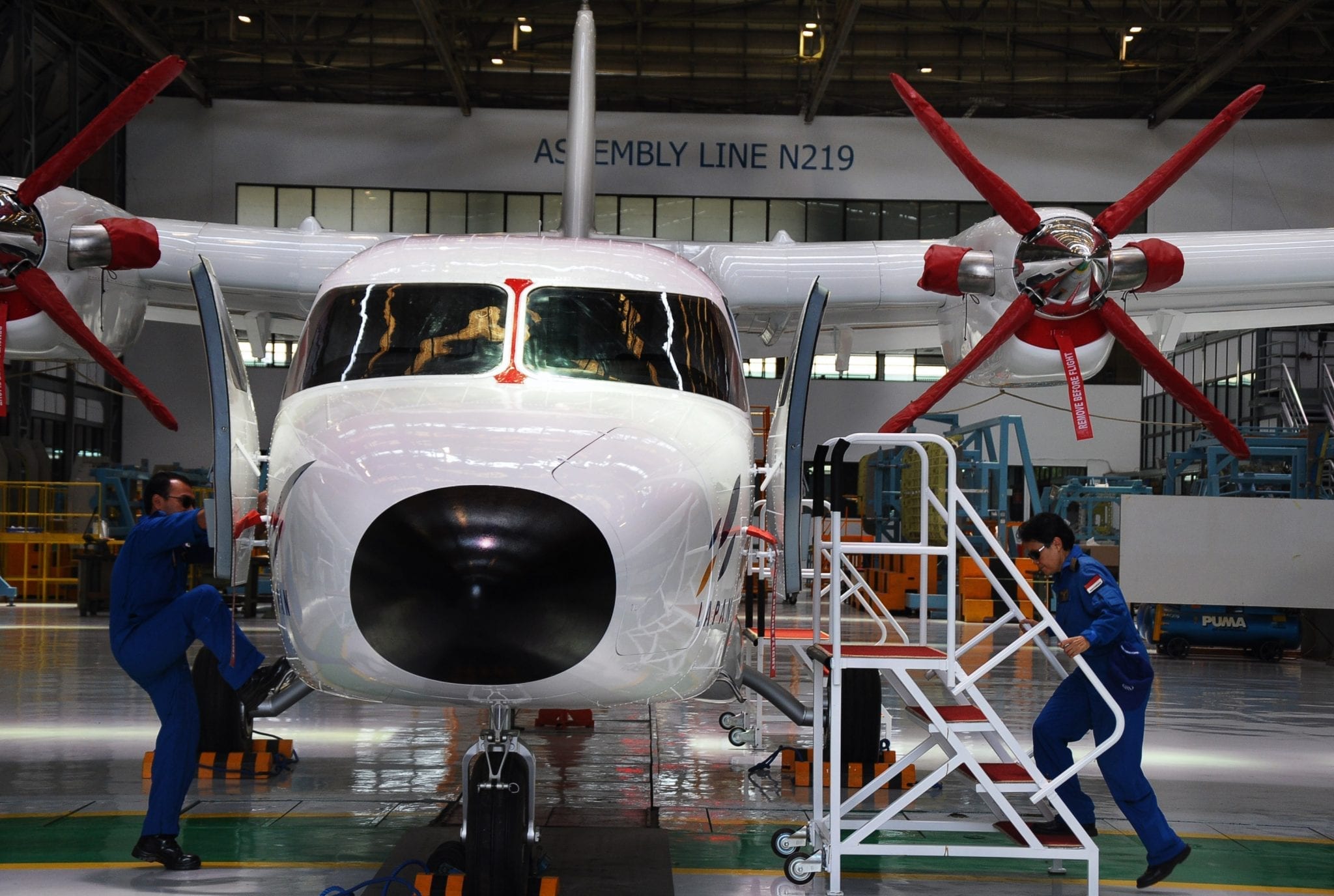
    Raymundo said that two NC212i airplanes he had inspected at PT Dirgantara Indonesia (PTDI) is part of the Philippines’ airplane procurement program. The planes will be delivered to the Philippines’ early next year. “Aircraft produced by PTDI will be used in various conditions such as natural disaster, medical evacuation, and other conditions,” Raymundo said while inspecting the two airplanes at PTDI’s aircraft factory complex in Bandung, November 4, 2016.

    Raymundo said that his country decided to choose NC212i because of its competitive prices. In addition, the Philippines also currently wait for its ship order from PT PAL.

    Raymundo however, did not provide detailed information on the ship orders. PT PAL had delivered one of the Philippines’ ship order and another one will be finished next year.

    Budiman Saleh, Director of Commerce and Restructuring of PT Dirgantara Indonesia said that the two NC212i plane was the first airplane purchase by the Philippines in the last 20 years. “We have to respect [the Philippines] and its modernization program. This is the first purchase by the country after 20 years,” Budiman said.