Tag: plant-based

  • Lactasoy Launches 19G Benefitt Plant Protein Drink in Thailand

    Lactasoy Launches 19G Benefitt Plant Protein Drink in Thailand

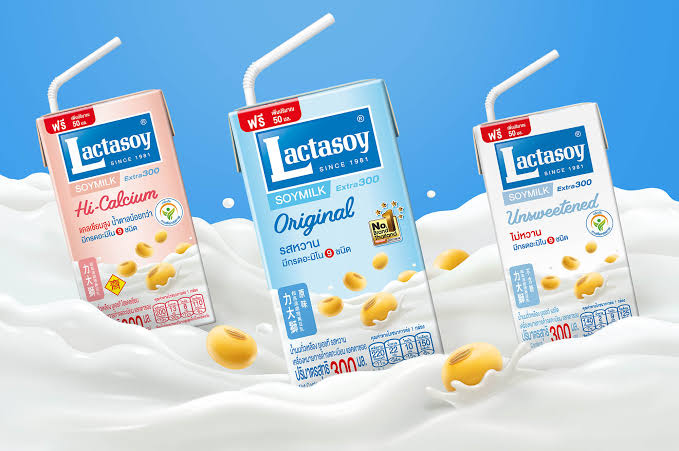
    This week, Lactasoy Co., Ltd. Introduced Benefitt Plant-Based Hi Protein Original in Thailand, delivering 19g of protein in each 250ml carton. Sourced from a blend of soy and pea protein, the beverage is designed for health-conscious consumers seeking a convenient source of high-quality protein.

    Packaged in single-serve cartons, the product is formulated to support muscle health. It expands Lactasoy’s Benefitt soy milk brand into high-density plant protein.

    Formulating for protein density

    Combining soy and pea proteins gives the beverage a broader amino acid profile than standard single-source soy drinks. Delivering 19 grams in a 250ml carton matches levels typically found in dairy whey RTD beverages.

    Single-serve cartons also lower entry barriers for casual fitness consumers who want functional nutrition without mixing powders. That format fits convenience store chillers, where grab-and-go purchases drive daily RTD beverage volume.

    Shifting RTD dairy alternatives

    Thailand’s packaged soy milk sector has long relied on entry-level, sweetened staples sold in volume. Higher ingredient costs and shifting dietary preferences are pushing manufacturers toward functional, premium formulations with explicit health claims.

    Lactasoy is shielding its retail margins by creating dedicated sub-brands like Benefitt. High-protein claims command higher retail price points than commodity soy milk, protecting profitability as baseline ingredient costs fluctuate.

    Retail shelf competition

    Competition in Southeast Asian functional beverages is concentrating in modern trade chillers. Traditional soy brands now face dedicated fitness RTDs, imported oat milk brands, and local plant-based innovators fighting for refrigerated shelf space.

    Suppliers must balance taste and viscosity against higher protein concentrations. Chalky textures and bitter plant notes often deter repeat buyers, making formulation execution decisive for category retention.

    What operators will watch

    Convenience operators and hypermarkets will track whether high-protein plant beverages can build repeat demand beyond dedicated gym-goers. Retail distribution execution across convenience store networks will determine initial sales velocity.

    Reorder rates over the first two quarters will show whether the 19g protein blend can establish Benefitt as a regular purchase or remain a niche alternative on Thai shelves.
  • Turban Chopsticks Launches Eight Flavour Curry Paste Sachet Line

    Turban Chopsticks Launches Eight Flavour Curry Paste Sachet Line

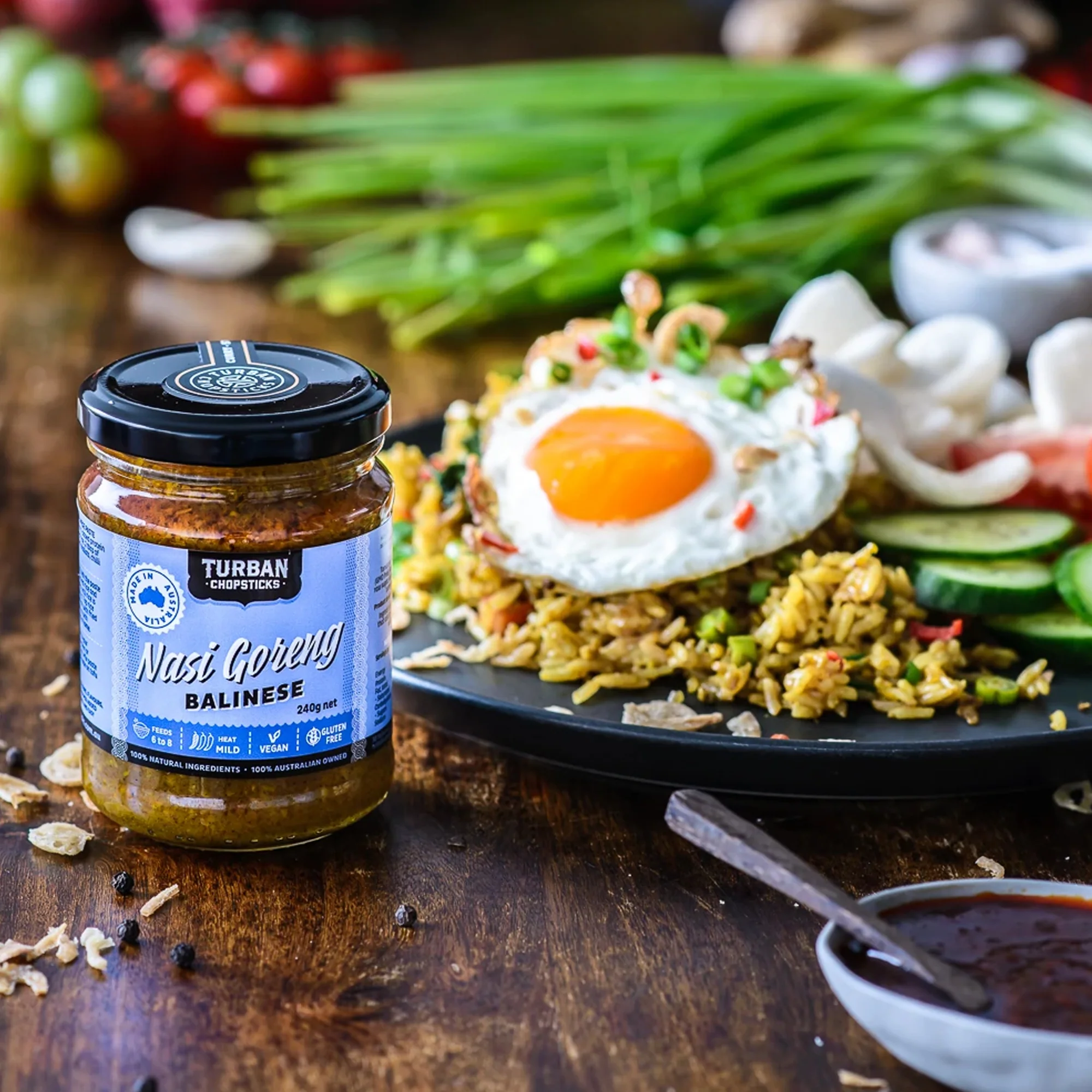
    Perth food producer Turban Chopsticks rolled out an eight-flavour range of curry paste sachets on October 5. The 80-gram packs yield three to four home-cooked servings.

    Shoppers wanting Asian meal bases can buy the smaller packs without committing to full-size glass jars.

    Sachet format and flavour lineup

    Flavours include Korean Gochujang, Japanese Curry, Tandoori, Massaman, Vindaloo, Thai Green Curry, Butter Chicken, and Nut-Free Satay. Every plant-based 80g recipe caters to single-meal household preparation.

    Single-use flexible sachets lower the entry price on retail shelves. They also cut down on pantry waste from half-used jars.

    Pantry shifts and portion control

    Smaller pack formats are gaining ground across supermarket condiment aisles as grocery bills climb. Buyers now look for exact-recipe portions instead of stocking multi-serve jars that spoil.

    For independent brands, the format encourages shoppers to sample different regional dishes. Retailers gain higher inventory turnover and tighter shelf density per square centimetre.

    Competition across supermarket aisles

    Condiment giants and private-label ranges continue to crowd cooking sauces onto middle and bottom shelves. Turban Chopsticks is leaning on allergen-friendly and plant-based recipes to hold shelf space in mainstream Asian grocers and independent supermarket networks.

    Success will hinge on repeat sales against cheaper mass-market pastes. Holding that shelf space demands steady volume across all eight recipes rather than reliance on a single standout dish.

    Distribution and retail targets

    Targeting metropolitan households that cook frequently at home, the brand is rolling out the sachets across Australian retail channels. Reorder rates over the next quarter will decide broader national ranging.

  • BioCheese Launches Protein-Fortified Vegan Cheddar at Coles for $9

    BioCheese Launches Protein-Fortified Vegan Cheddar at Coles for $9

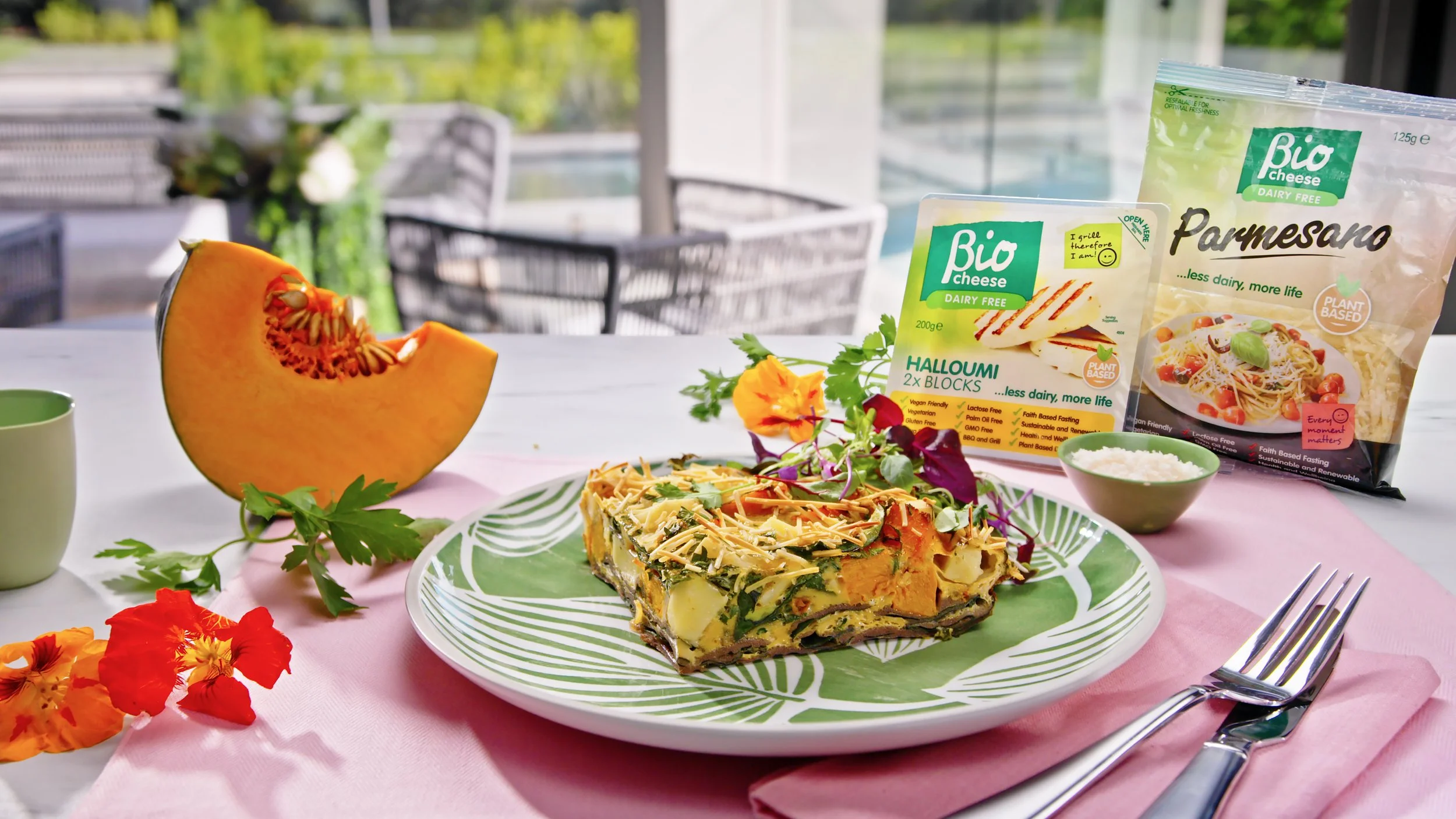
    BioCheese has launched a protein-fortified plant-based cheddar shred across Australian supermarket chain Coles, priced at $9 for a 200-gram pack.

    The product delivers 10 grams of protein per 100 grams, making it the first added-protein dairy-free cheese stocked in Australian grocery aisles.

    Pea Protein and Melting Performance

    Formulated with pea protein, the shredded cheese is built specifically for hot and cold culinary applications. The brand designed the shred to melt in toasties and baked dishes while holding texture in tacos and salads.

    Each unit ships in a resealable 200-gram pouch intended for standard refrigerated dairy and plant-based sections across Coles supermarkets nationally.

    Protein Claims in Plant Dairy

    Plant-based cheese alternatives have historically faced pushback from shoppers over low nutritional value compared to traditional dairy cheddar. While standard dairy cheese provides around 25 grams of protein per 100 grams, standard coconut oil and starch-based alternatives often register near zero.

    By adding 10 grams of functional plant protein, BioCheese is testing whether enhanced nutritional metrics can defend premium shelf space as price-conscious shoppers scrutinise grocery spending across the Asia-Pacific region.

    Distribution is now live across Coles stores, with retail buyers watching whether the $9 price point can sustain regular basket repeat rates against traditional dairy blocks.