Tag: plant based

  • Kraft US launches plant-based Mac & Cheese

    Kraft US launches plant-based Mac & Cheese

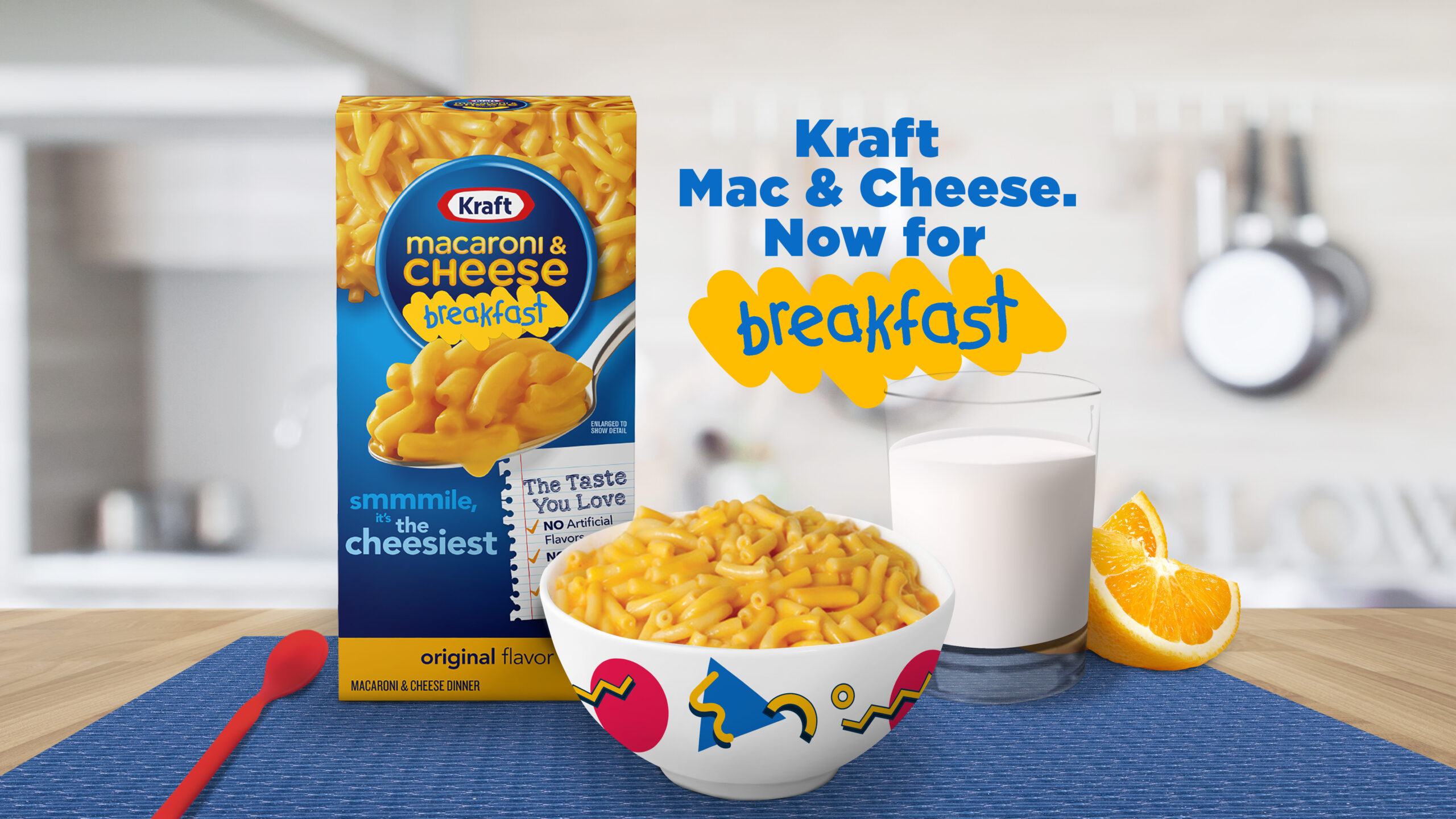
    Kraft US has launched its first plant-based Mac & Cheese, strengthening its plant-based portfolio in the market.

    The range features Original and White Cheddar flavors and is available now nationwide through early next year.

    Kraft NotMac&Cheese is an example of the brand’s plan to expand its portfolio of plant-based solutions across a broad range of categories.

    “The Kraft Heinz Not Company creates plant-based versions of fan-favorite foods that taste like the real thing, yet don’t require people to change their eating habits drastically,” said Lucho Lopez-May, CEO of Kraft Heinz Not Company.

    “NotCo brings its revolutionary AI technology that has a proven track record in creating mouthwatering plant-based foods to Kraft – the beloved mac & cheese brand that sells over a million boxes daily.”

    In addition, the introduction expands on The Kraft Heinz Not Company’s existing plant-based options, which include Kraft NotCheese Slices and NotMayo. The Kraft Heinz Company plans to expand into five additional categories and begin worldwide operations next year.

  • Levi’s unveils plant-based edition of its 501 jeans

    Levi’s unveils plant-based edition of its 501 jeans

    Levi’s new jean is an example of how the food industry is setting fashion trends.

    The San Francisco-based brand unveiled the first 501 jeans made with at least 97 percent plant-based materials. Levi’s said the jeans “are an indication of what the industry could look like in the years ahead given the push to minimize synthetic materials derived from fossil fuels and the need to make more garments with renewable inputs rather than finite resources.”

    Made with 100 precent OCS-certified organically grown cotton, the 501 is made possible through a series of recent partnerships and pilots.

    The fabric is dyed with plant-based indigo from Springfield, Tenn.-based Stony Creek Colors and references Levi’s X80 archival shade. Levi’s invested in the only industrial-scale manufacturer globally of 100 percent bio-based indigo last year, following several Levi’s WellThread collections made with the naturally derived colors.

    For the internal pocket bag, Levi’s used a 100 percent cotton component printed with BioBlack TX, a plant-based black pigment made from wood waste, manufactured in a closed-loop system and developed by Nature Coatings, another collaborating partner. Levi’s used the pigment for the floral-printed denim pieces in its Spring/Summer 2023 WellThread collection.

    Levi’s replaced its traditional leather back patch with one made with Mirum by NFW. The material is comprised of 100 percent bio-based, plastic-free inputs that don’t generate effluent during production. The brand’s use of leather for patches has been a point of contention with PETA, which for years has urged it to adopt cruelty-free alternatives.

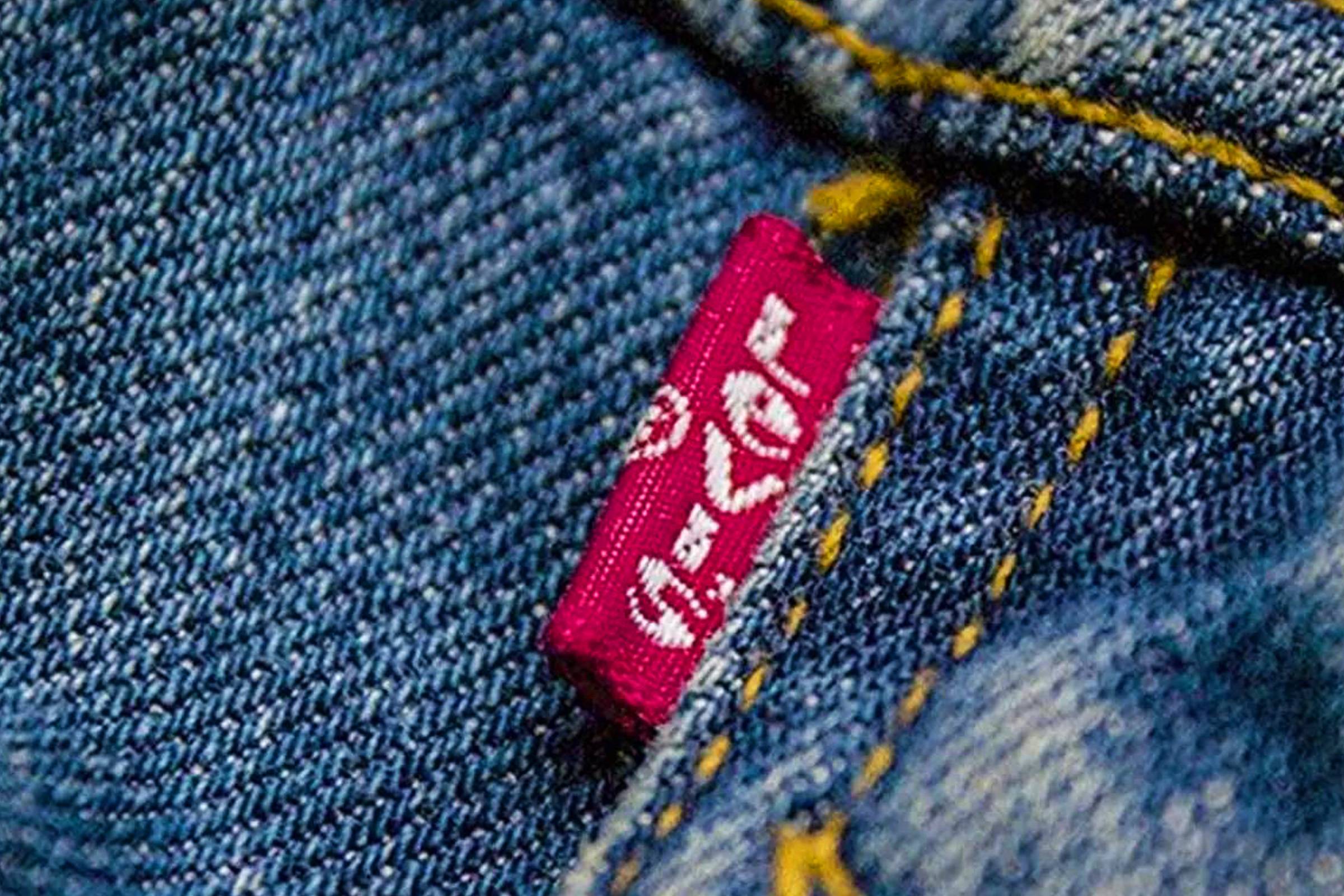
    Each patch says “plant based” and features a small green leaf next to the lot number. The leaf motif is replicated on the 501’s signature red tab.

    The sewing thread, care label and metal trims are the only materials not created from plants.

    The women’s plant-based 501 is available now in two washes, a light wash Indigo Botanics and medium wash Blue From Green, and retails for $128. A men’s version will launch on July 31.

    “In our ongoing research and development, we strive to improve our design practices and conserve environmental resources every way we can,” said Una Murphy, Levi’s director of design innovation. “By incorporating sustainable innovation, in mainline and premium product alike, we learn what’s possible and how we can continue working towards solving some of our biggest challenges.”

    The plant-based jean is part of a suite of newness from Levi’s that challenges traditional denim manufacturing.

    Levi’s will bow a cottonized hemp-cotton blend selvedge 501. The jean will be available in a variety of shades and finishes for women and men, some featuring natural dyes. Levi’s will release the jeans throughout the year.

    The brand is also putting its circular 501, first released last year, back in the spotlight. The jean is made with a blend of organic cotton and Renewcell’s pioneering Circulose fiber, a viscose derived from recycled denim and other cotton-rich textile waste.

    The 501 has been a focal point for Levi’s, which celebrates 150 years this year.

    Paul Dillinger, Levi Strauss & Co.’s VP of design innovation, said the three innovative jeans show that while Levi’s is still focused on producing classic garments, the company is looking to moving in the direction of more circular products and practices.

    “We want to show what is possible,” Dillinger said. “At the same time, we’re challenging ourselves to get closer to a state where products like this represent more of a product line, and where they’re seen not as the endgame, but a starting point that we want to top next season, and the season after that.”
  • Beyond Meat opens JD store, as Chinese remain wary of meat substitutes

    Beyond Meat opens JD store, as Chinese remain wary of meat substitutes

    Beyond Meat has launched an online store in China on e-commerce platform JD, as the plant-based meat maker aims to boost sales in the world’s biggest meat market, where consumer interest in meat alternatives is low.

    US-based Beyond Meat said the JD store will initially help expand the availability of its products in four major cities, including Beijing and Shanghai, and eventually in 300 cities across China.

    Its products are currently mainly available in China through its partnerships with Starbucks Corp, Yum China Holdings and Alibaba Group’s Freshippo markets.

    But expanding into the retail segment by selling on JD will help it reach a wider audience in the country, which is increasingly purchasing fresh food online.

    Online sales in China of fresh food, into which category Beyond Meat’s products fall, are expected to top US$46.4 billion this year, an increase of 18 percent from last year, according to consultancy iiMedia Research.

    Beyond Meat’s direct retail foray follows a similar move by Nestle in December, which launched a range of plant-based burgers, sausages, nuggets, and dishes suited to Chinese cooking.

    The push by global firms comes even as consumers in China are not exactly devouring plant-based meat.

    “Currently it is a solo dance by the manufacturers, the consumers are not joining the tango,” said Zhu Danpeng, an independent food industry analyst.

    A recent poll on Sina Weibo, China’s Twitter-like social media platform, found only 14 percent of 400 participants were willing to try plant-based meat.

    Chinese consumers are deterred by concerns over food safety as well as taste, said Zhu.

    Beyond Meat, which has set up its first manufacturing plant outside of the US in the eastern Chinese city of Jiaxing, near Shanghai, declined to comment on its sales in the market so far.

    A 454gm twin pack of plant-based beef will be sold at $32.50 on the company’s JD store. By comparison, 1kg of good quality domestic beef costs about $21.60 on JD’s fresh food platform.

    Beyond Meat is also adding Beyond Pork to its offering on JD, which has been created for the pork-loving Chinese market.

    It will also sell ingredients that are used in the cooking of local dishes such as stir-fry, dumplings, mapo tofu, zhajiang noodles and lion’s head meatballs to appeal to Chinese consumers.