Tag: platforms

  • India Boosts Cybersecurity: Enforces New Compliance Rules on OTT Platforms and Smartphone Manufacturers

    India Boosts Cybersecurity: Enforces New Compliance Rules on OTT Platforms and Smartphone Manufacturers

    In a bid to enhance digital security due to increasing episodes of online fraud and mobile-related cybercrime, India has released two key directives. These new rules demand compliance from Over The Top (OTT) communication platforms and smartphone manufacturers.

    Ensuring Secure Communication

    The Department of Telecommunications (DoT) in India has instructed messaging platforms such as WhatsApp, Telegram, Snapchat, Signal, and Arattai to enable SIM binding within a 90-day timeframe. According to the Telecommunications (Telecom Cyber Security) Rules, 2024, these applications must remain connected to the mobile number and active SIM card of a user’s device. Moreover, web and desktop versions must log users out every six hours, requiring them to reauthenticate via QR code pairing. Non-compliance will result in penalties as stipulated by the Telecommunications Act.

    This decision has been made in response to the increasing number of cyber fraud cases involving OTT apps accessed without the corresponding SIM or from foreign locations. Such situations allow for identity spoofing and misuse. This order has been issued following nearly a year of discussions between government officials and OTT companies.

    Representatives of the industry have expressed concerns about the impacts on user experience and technical feasibility. They emphasized that not all platforms, particularly iOS, can consistently carry out SIM checks. They also warned about potential disruptions for legitimate uses, including eSIM and dual-SIM devices, international travel, small businesses relying on persistent desktop sessions, and elderly user accessibility. Companies are also unsure if SIM binding will effectively decrease fraud involving Indian SIM cards obtained through intermediaries.

    Demand for Preloaded Cyber Safety App

    On the same day, the telecom ministry of India issued another mandate for leading smartphone manufacturers including Apple, Samsung, Vivo, Oppo, and Xiaomi. They are required to preload the government’s Sanchar Saathi cyber safety app on all new devices sold in the country. Users will not have the option to delete or disable this app. Devices that are already in the supply chain must receive the app via software updates.

    Sanchar Saathi, launched in January, allows users to block and track lost or stolen phones, verify device authenticity, and detect fraudulent mobile connections. Government data reveals that the app has assisted in the recovery of over 700,000 phones, including 50,000 in October alone, and has facilitated the blocking of over 3.7 million lost or stolen devices. Additionally, more than 30 million fraudulent mobile connections have been disconnected using its systems.

    Questions & Answers

    What is the purpose of the new directives issued by India’s Department of Telecommunications (DoT)?
    The new directives aim to tighten digital security due to rising incidents of online fraud and cybercrime related to mobile devices. They introduce new compliance requirements for Over The Top (OTT) communication platforms and smartphone manufacturers.

    What measures are messaging platforms expected to implement under these directives?
    Messaging platforms such as WhatsApp, Telegram, Snapchat, Signal, and Arattai are required to implement SIM binding, which means these apps must remain linked to the user’s mobile number and active SIM card. Web and desktop versions of these apps must also log out users every six hours and require reauthentication through QR code pairing.

    What is the Sanchar Saathi app and why are smartphone manufacturers required to preload it on new devices?
    The Sanchar Saathi app is a cyber safety application launched by the Indian government. It allows users to block and track lost or stolen phones, check device authenticity, and identify fraudulent mobile connections. Smartphone manufacturers are required to preload this app on all new devices sold in India to enhance digital security.

  • “Vietnamese E-commerce Boom: Monthly Online Spending Hits $1.3B on Top Platforms

    “Vietnamese E-commerce Boom: Monthly Online Spending Hits $1.3B on Top Platforms

    In the first three quarters of the year, consumers in Vietnam have shown a growing preference for e-commerce, spending approximately VND34 trillion (US$1.3 billion) per month on popular platforms such as Shopee, TikTok Shop, Lazada, and Tiki. According to analysis from data provider Metric, the gross merchandise value of these leading platforms reached a total of VND305.9 trillion, marking a substantial 34% increase from the previous year.

    Factors Fueling E-commerce Growth

    Several factors contribute to the impressive growth of these e-commerce platforms. A surge in demand, coupled with enticing incentives such as heavy discounts and low shipping fees, has led to increased consumer spending. Additionally, sellers are investing more in livestreaming and short-form video content to further stimulate buyer interest.

    Shopee has maintained its position as the dominant platform, accounting for 56% of the gross merchandise value for the aforementioned period. It is trailed by TikTok Shop, which holds 41% of the market share.

    Shopee’s collaboration with YouTube has also paid off, with 2.4 million products now linked to the video sharing platform. In another strategic move, Shopee recently teamed up with Meta to facilitate the purchase of its products via Facebook livestreams.

    Platform-Specific Strategies

    Meanwhile, TikTok has honed its focus on promoting sales through videos and livestreams. One particular campaign in the northern mountain province of Lai Chau was notably successful, with 300 tons of potatoes sold in the months of September and October.

    Lazada, holding a steady 3% market share, saw the strongest growth in average order value over the past nine months. The platform has been expanding its product range by partnering with several milk brands and South Korean retailer G-Market, adding an estimated 20 million new products to its offerings.

    Looking forward, Metric predicts the gross merchandise value for these four platforms will rise by 15% year-on-year in the fourth quarter. Fashion, beauty, household goods, and groceries-food are expected to continue leading in sales.

    Questions & Answers

    What factors are contributing to the growth of e-commerce in Vietnam?
    Increased demand, attractive discounts, low shipping fees, and more investment in livestreaming and short video content are driving e-commerce growth.

    Which e-commerce platform holds the largest market share in Vietnam?
    Shopee holds the largest market share, accounting for 56% of the gross merchandise value in the first three quarters of the year.

    Which categories are expected to lead in sales in the fourth quarter?
    Fashion, beauty, household goods, and groceries-food are forecast to maintain the lead in sales.

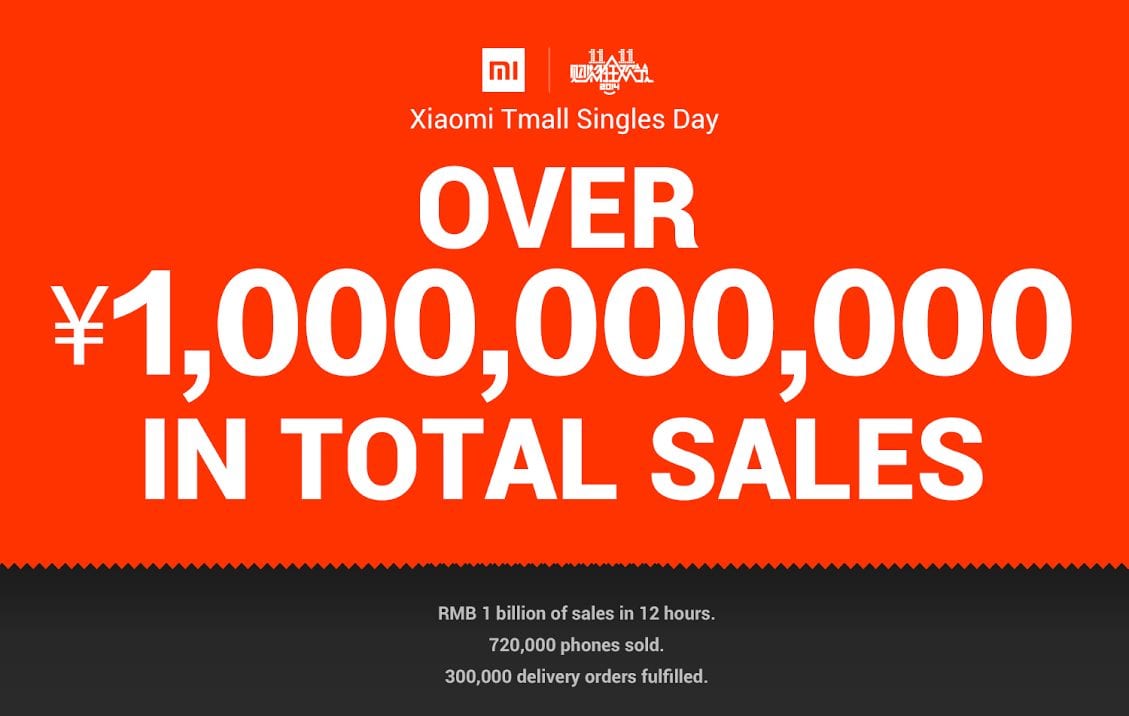
  • Chinese Giants Alibaba, Jd Extend Singles’ Day Sales Amid Economic Challenges

    Chinese Giants Alibaba, Jd Extend Singles’ Day Sales Amid Economic Challenges

    Chinese retailers are capitalizing on the annual ‘Singles’ Day’ phenomenon by extending the sales event for up to five weeks. The sustained retail strategy is being deployed by industry giants Alibaba and JD as they strive to stimulate consumer interest amidst economic challenges.

    The Chinese economy, which is the second largest in the world, has suffered from weak consumer spending this year. Various factors, including negotiations over trade policies with the US, fierce domestic rivalry, inclement weather, and an ongoing property crisis have worked against the economic growth.

    Alibaba recently unveiled an exceptional investment into the biggest annual sales event during a launch event in Shanghai. The e-commerce behemoth has committed 50 billion yuan (US$7 billion) in subsidies for its highest spending 88VIP members. The extensive sales period began recently and will continue until November 11, which is the traditional Singles’ Day, named after the numerical representation of the date.

    Leveraging AI and Instant Retail

    Alibaba reported that 35 brands, which include globally renowned names like Nike and L’Oreal, as well as local companies Anta and Proya, sold over 100 million yuan worth of products in the first hour of the sale.

    To further stimulate sales, Alibaba has integrated artificial intelligence (AI) into its search and recommendation functions. This AI-enhanced system is predicted to boost click-through rates by approximately 10%.

    Instant retail, defined by the delivery of online orders within an hour, is another focal point for this year’s sales strategy. Both Alibaba and JD have invested billions into subsidies to entice customers towards their rapid delivery channels, which have been growing at a faster rate than e-commerce as a whole.

    Changing Shopping Patterns as Consumers Grow Choosier

    JD initiated its campaign on October 9, aligning with China’s return to work post the eight-day Golden Week holiday. However, consumer spending during Golden Week hit a three-year low, even with growth in holiday travel, which raised some concerns regarding the forthcoming Singles’ Day promotions. Additionally, extended promotions this year may not necessarily encourage consumers to splurge more.

    JD announced during a recent press briefing that it would offer over 100,000 popular products at the lowest prices of the year. Included in the sale are 50,000 pairs of thermal long johns, priced at 2 yuan ($0.30) each which includes the cost of shipping.

    Jacob Cooke, co-founder and CEO of WPIC Marketing + Technologies, posits that products that enhance consumers’ perception of themselves, such as beauty brands, outerwear, and packaged food and drink, are likely to perform well this year. However, home appliances, which enjoyed a sales boom in 2024 due to government subsidies, are projected to see a decline. Analysts from Nomura predict a 20% drop in home appliance sales in the last quarter of the year.

    Questions & Answers

    What is Singles’ Day in China and when is it?
    Singles’ Day is an annual sales event in China that takes place on November 11. It was named after the numerical representation of the date, and it is considered the biggest sales event of the year.

    What strategies are Chinese retailers employing this year to boost sales during Singles’ Day?
    Chinese retailers such as Alibaba and JD are extending the sales period up to five weeks, investing in subsidies, leveraging artificial intelligence for search and recommendation functions, and focusing on instant retail or one-hour delivery of online orders.

    What types of products are expected to be popular during this year’s Singles’ Day sales event?
    Products that help consumers feel good or enhance their perception of themselves like beauty brands, outerwear, and packaged food and drinks are expected to be popular. However, home appliances, which saw high sales in the past due to government subsidies, are expected to decline this year.

  • More global digital platforms pay taxes in Vietnam

    More global digital platforms pay taxes in Vietnam

    Seven four cross-border digital platforms, including Meta, Google, Netflix, and TikTok, have paid taxes of VND8.02 trillion (US$334.1 million) this year, more than double the amount last year.

    The General Department of Taxation said as of June some 57 had paid taxes, and urged others who had yet to declare and pay taxes to do so.

    Since March 2022, when the department’s electronic information portal for foreign service providers to pay taxes online easily was set up, a total of VND11.5 trillion has been paid.

    Also, 375 e-commerce platforms have provided tax authorities with information about organizations and individuals that did business through them.

  • UBS Extends Partnership With Private Equity Fintech

    UBS Extends Partnership With Private Equity Fintech

    Switzerland’s largest lender is expanding its partnership with the iCapital Network platform to serve wealthy clients in Switzerland and Asia.

    UBS global wealth management is strengthening its ties to iCapital Network to gain access to the technology company’s data and analytics platform for private markets, according to a statement Thursday.

    Details of the deal were not announced.

    The platform, which automates the lifecycle of private market investments, enables UBS wealth managers to access data related to private equity, private debt, and real assets.

    The two parties, engaged in a strategic partnership since 2017,  expect the appetite for the asset class among high net worth individuals to grow, the statement says.

  • Rewards Platform ShopBack Acquires BNPL Startup Hoolah

    Rewards Platform ShopBack Acquires BNPL Startup Hoolah

    The acquisition is part of the Singapore-based platform’s efforts to drive $3.5 billion in sales this year.

    Temasek-backed cashback platform ShopBack has acquired buy now pay later (BNPL) brand Hoolah for an undisclosed sum in cash and stock, according to an announcement on Tuesday.

    The acquisition extends ShopBack’s product offering to include transactions with payment options like BNPL and more. Meanwhile, Hoolah will be able to accelerate its growth through ShopBack, which allows the BNPL player to extend its offerings to over 8,000 merchants and 30 million shoppers across several APAC markets, the announcement said.

    ShopBack, which was valued at $539.4 million in its latest funding round, said the acquisition will transform the shopping experience for shoppers, and provide a one-stop solution for demand generation and user engagement for merchants across the APAC region.

    ShopBack is also expanding its team across the APAC region. According to its LinkedIn profile, it is looking for ahead of marketing in Singapore, who will be responsible for demand growth and user development funnels on both existing and new business initiatives within ShopBack Singapore.

    Hoolah’s however, has experienced a rocky past few months, with layoffs reported at the company, as well as the departure of co-founder and CEO Stuart Thornton, who has since been replaced by fellow co-founder Henry Chan.

    The BNPL space is expanding rapidly and companies are vying for market share, with a number of partnerships established in recent months to expand their reach. Recent deals include Standard Chartered’s partnership with BNPL platform Atome to deliver a wide range of financial services to consumers and merchants across key markets in Asia, as well as its partnership with Kredivo – one of Indonesia’s largest and fastest-growing digital credit platforms.

    U.S. fintech giant also acquired Japan BNPL payments platform Paidy in September for ¥300 billion (about $2.7 billion), while Square, run by Twitter CEO Jack Dorsey bought Australian Afterpay for $29 billion in August.

  • E-commerce platforms cater to large groceries demand in Vietnam

    E-commerce platforms cater to large groceries demand in Vietnam

    Leading e-commerce platforms in Vietnam saw bigger demand for groceries, including fresh foodstuffs and beverages, in the second quarter of this year, a market research firm says.

    Google searches for keywords relating to online grocery stores in the second quarter of this year surged 223 percent against the first quarter, Malaysia-based market research firm iPrice Group said. Searches for fresh foodstuff, drinks, pre-packaged items, and fruits and vegetables rose 99 percent, 51 percent, 30 percent and 11 percent, respectively.

    According to a second-quarter e-commerce report by, online grocery has been the only goods segment with continuous growth since the pandemic broke out.

    When HCMC started applying social distancing rules in early July, demand for buying groceries online increased sharply. E-commerce platform Lazada Vietnam sold 120,000 fresh milk cartons in the first three hours of July 7, and 10,000 poultry eggs in the first 12 hours of the day.

    According to iPrice researchers, the surge in searches for online grocery stores and supermarkets is linked to the social distancing regulations imposed by municipal and provincial authorities. Retail sales of essential goods will also go online rapidly, they said.

    The higher demand for groceries prompted e-commerce platform Tiki to open fresh groceries stalls (September 2) that would deliver the products within three hours in Hanoi.

    To lure more customers, online shopping platforms have held shoppertainment (shopping in combination with entertainment) activities since early July. Lazada and Shopee have launched online mini-game contests and music shows, and conducted more livestream sales in combination with recreational activities.

    Lazada’s livestream channel reported that its daily views in the second quarter of this year rose 2.5 times over the same period last year. Shopee said the number of Shopee Live users in the first half of this year surged over 200 percent on-year.

    Online payment and shopping platform MoMo attracted eight million players in one month after organizing a game contest with prizes totaling VND10 billion (nearly $435,000). “We will continue to organize similar programs,” said co-founder and vice chairman Nguyen Ba Diep.

    According to rankings complied by iPrice Group and Israel-based digital intelligence provider SimilarWeb, Lazada Vietnam saw its website visits in the second quarter of this year increase 14 percent against the first quarter to 20.4 million, ranking second after Shopee. Shopee ranked the first for the 12 quarters, with 73 million web visits in the second quarter, up 9.2 million visits against the previous one.

    Among e-commerce platforms in Vietnam, Lazada and Shopee have been the most active in terms of shoppertainment events in recent months. They are expected to host more such programs on September 9, the super shopping day.

    The visits to top 50 shopping websites in Vietnam in the first half of this year totaled over 1.3 billion, the highest number so far. Specifically, web visits in the second quarter rose 10 percent over the first.

  • Chinese continue to drive growth of payment platforms

    Chinese continue to drive growth of payment platforms

    More and more Chinese are using payment platforms when shopping, thanks to mainlanders’ increasing affluence and vast usage of social payments such as WeChat Pay.

    That’s according to business intelligence provider Juniper, which says that revenue from payment platforms will grow from US$106 billion in 2019 to $158 billion by 2024. And it forecasts that China will account for more than 50 percent of it.

    Banking on this forecast, California-headquartered PayPal has acquired 70 per cent equity interest in GoPay, making it the first foreign payment platform to provide online payment services in China.

    The fast growth in the payment platforms industry in China is also attributed to the increasing demand for e-commerce services. Market research company eMarketer said in June that the top global e-commerce market in 2019 will be China, with $1.9 trillion in e-commerce sales, more than three times greater than the US with $586.9 billion.

    To sustain the growth momentum, Juniper recommends payment platforms providers diversify their solutions by offering services such as store-management solutions, customer insights and merchant capital finance.

    “The market will move beyond solely offering payments in the near future by expanding to new services. These value-added services will enable payment platforms to differentiate themselves in a saturated market and build out new business models to allow vendors to generate additional revenue,” says research author Morgane Kimmich.