Tag: plaza indonesia

  • Lumine makes debut in Jakarta

    Lumine makes debut in Jakarta

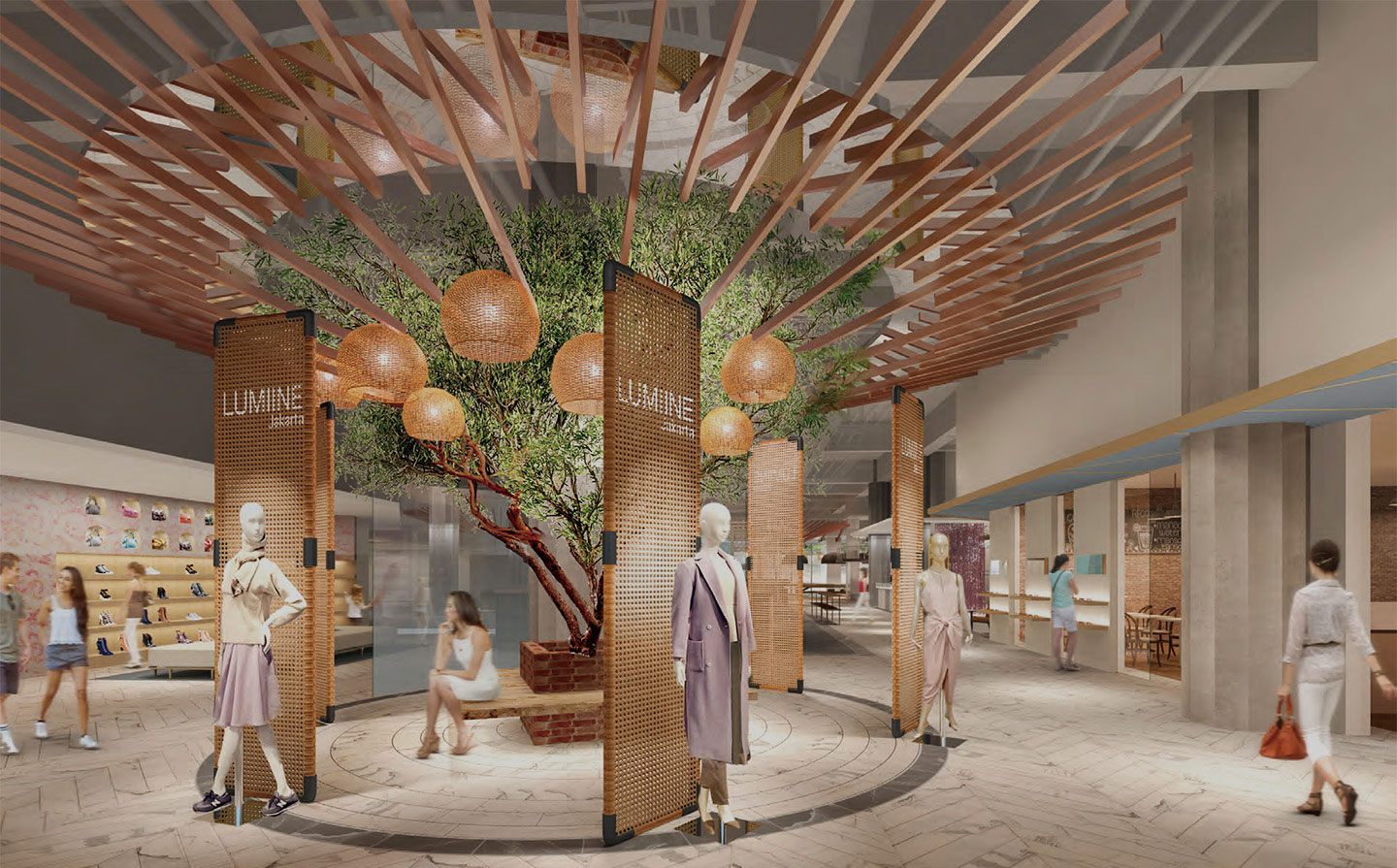
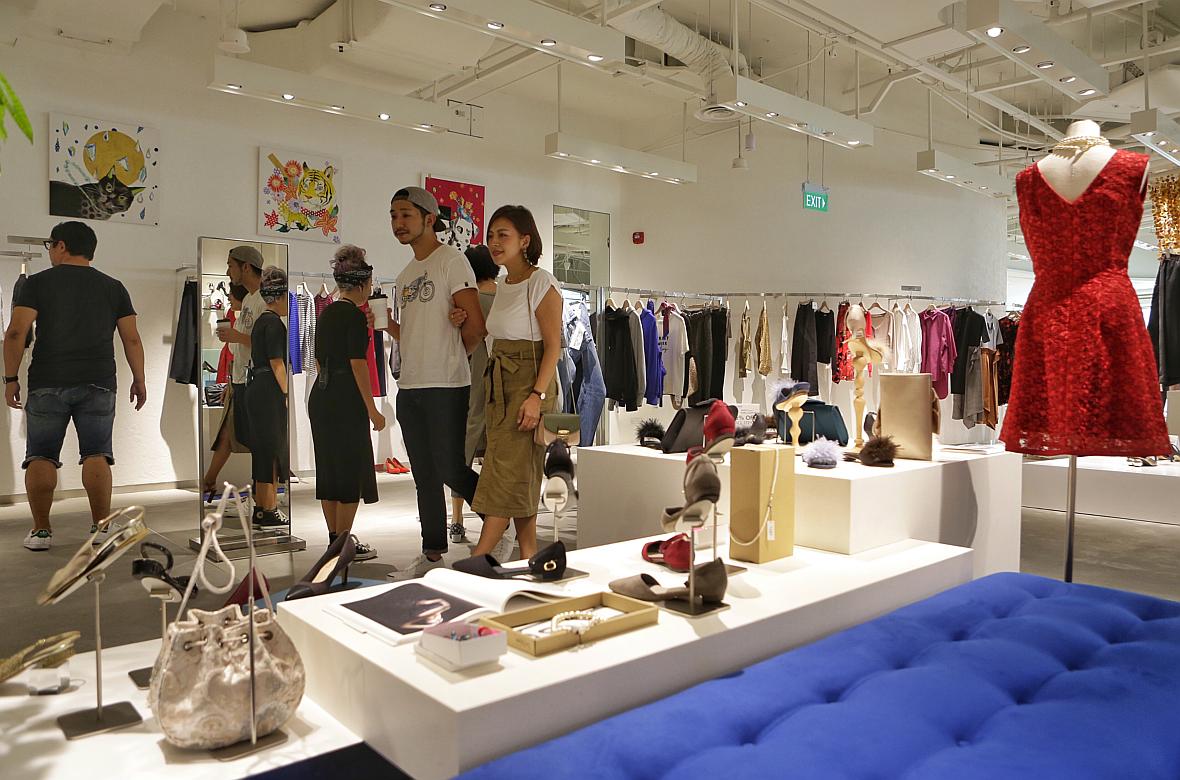
    Japanese retailer Lumine has opened its second overseas location with a launch at Jakarta’s Plaza Indonesia. The opening was timed to coincide with the 60th anniversary of diplomatic relations between Indonesia and Japan, offering a “Tokyo Mood” retail concept where consumers can experience a retail atmosphere that recalls the shopping environment of the Japanese capital.

    As a multi-brand lifestyle venue, Lumine Jakarta targets internationally-minded independent women, offering Japanese fashions as well as general lifestyle merchandise and men’s fashion brands. The store introduces 20 brands to Jakarta for the first time. It also features a cafe serving health-conscious Japanese cuisine.

    View the gallery below (5 images) :

  • Lumine revealed Indonesia expansion

    Lumine revealed Indonesia expansion

    Japanese urban retail concept Lumine is set to open its first store in Jakarta in December.

    Opened in partnership with local retailer Time International, the store at the Plaza Indonesia mall will be Lumine’s second overseas location. The launch is timed to commemorate the 60th anniversary of the establishment of diplomatic relations between Indonesia and Japan.

    President and CEO of Lumine Yuji Morimoto said: “We are very excited to launch our second overseas store, to collaborate with a leading retailer Time International, in Plaza Indonesia. For both Indonesia and Japan, this year is a meaningful anniversary. We hope to become a place that stimulates the sensibilities of our customers, not just a place where they can purchase products.”

    The approximately 1200sqm specialty store offers chic Japanese lifestyle and fashion brands.

    Offerings include womenswear, menswear, miscellaneous lifestyle goods, and a café. Its main target customers are independent women with a global outlook who are sensitive to trends and possess unique and distinctive styles.

    Lumine operates 15 branches in Japan and one in Singapore, which opened last November.

  • Multi-brand boutique Project X launches

    Multi-brand boutique Project X launches

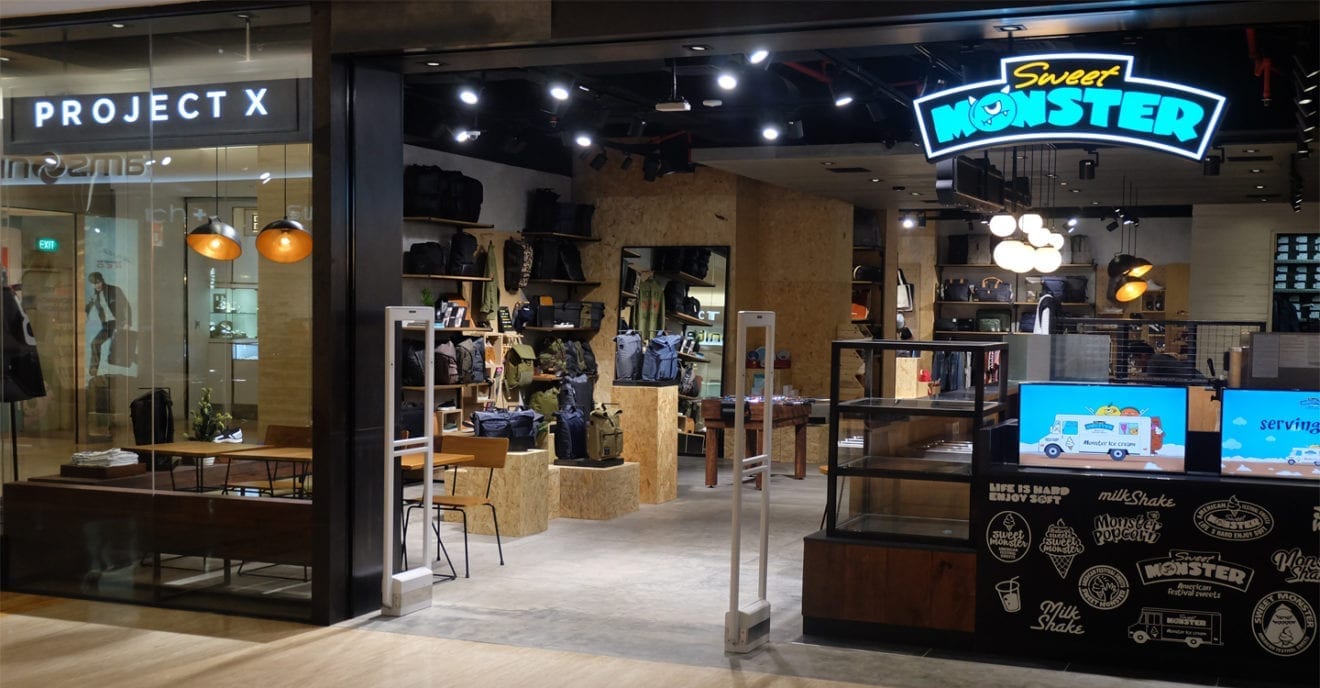
    Project X, a multi-brand boutique that caters to young creative minds, has launched at Plaza Indonesia in Jakarta.

    From Time International, Project X offers a new take on men’s and unisex casual fashion and lifestyle. Its curated retail concept introduces 22 international brands and includes innovative designs in apparel, bags, shoes and accessories such as sunglasses and watches.

    project-x


    From Australia, Japan, South Korea and the US, the products are displayed in fun and creative surroundings, including a dessert stall, Sweet Monster, which features popcorn soft ice cream.

    The store has a palette of white and grey with wooden accents.

    “People like to shop and discover edgy pieces, and they like to hang out. It is a lifestyle,” says Time International president director/CEO Irwan Danny Mussry. “We see an opportunity here.”

    A second Project X is planned for Pondok Indah Mall 2.

    Featured brands at the boutique are Andersson Bell (South Korea), Beyond Closet (South Korea), Blankof (South Korea), BLC & BLC Gray (South Korea), Buddy Happy (Japan), Kapten & Son (Australia), Kiruna (Japan), Lapiz+ (South Korea), Luccica (South Korea), Mascolanza (South Korea), Miel Homme (South Korea), Monofold (South Korea), National Publicity (South Korea), PKG (Canada), Rawrow (South Korea), Riokairyu (South Korea), Salad Bowls (South Korea), Supercomma B (South Korea), Thank You Studios (South Korea), Thread Etiquette (US) and Ul: Kin (South Korea), United by Blue (US).

    Founded in the 1960s, Time International manages and runs both multi-brand retail stores – including @Time, InTime, The Time Place and Urban Icon – as well as mono-brand boutiques for such brands as Cartier, Chanel, Chopard, Diesel, Fendi, Fossil, Liebeskind, Poney, Rolex, Tag Heuer and Tory Burch.

  • Oysho lingerie arrives in Indonesia

    Oysho lingerie arrives in Indonesia

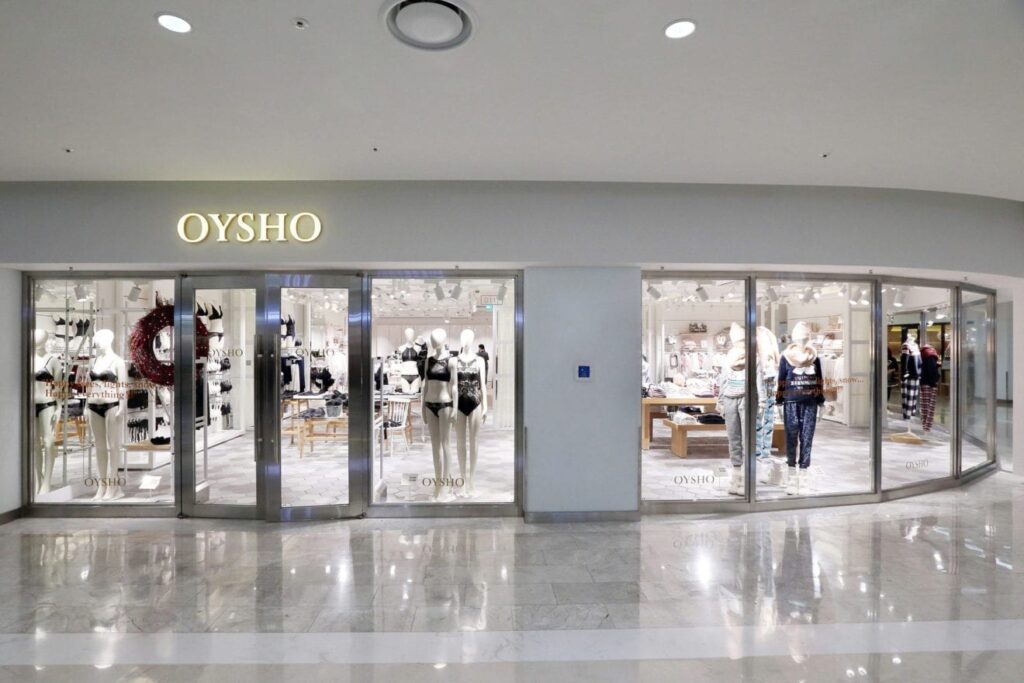
    Spanish lingerie brand Oysho, owned by Inditex, continues its international expansion with the opening of its first store in Indonesia.

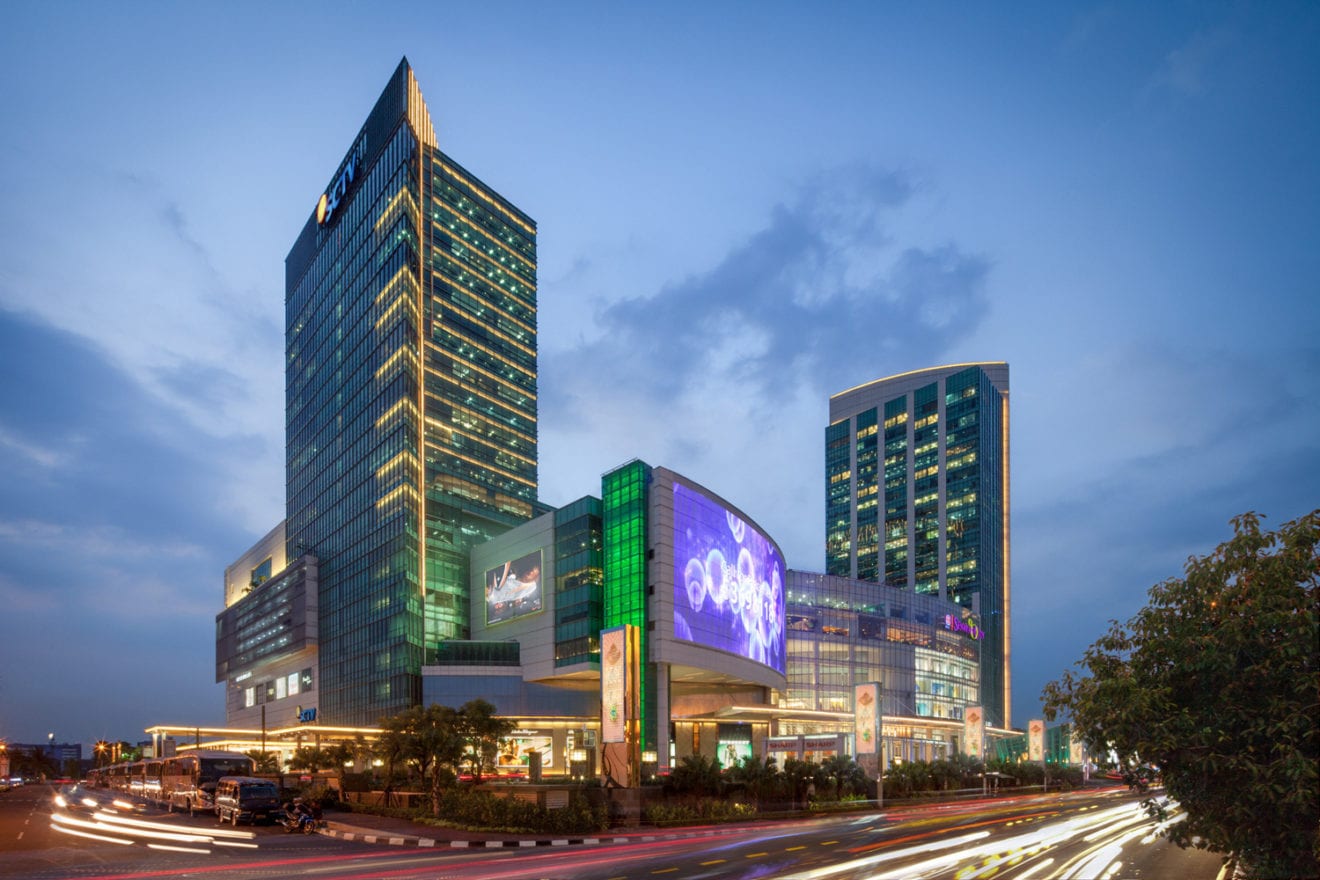
    In Jakarta’s centre, the 300 sqm shop is in Plaza Indonesia, a shopping centre that is also home to other Inditex brands such as Zara, as well as luxury labels including Burberry, Chanel, Hermes and Louis Vuitton.

    oysho-store

    Since launching in 2001, Oysho has expanded its presence to 44 countries with more than 600 stores. The brand specialises in lingerie, sleepwear, loungewear and footwear. It generated 229 million euros (about US$252 million) in the first quarter of this year, representing an 8 per cent increase year-on-year.

  • Plaza Indonesia’s ‘Fashion On4’ Showcases Favorite Local Brands

    Plaza Indonesia’s ‘Fashion On4’ Showcases Favorite Local Brands

    “We’re currently re-branding the whole level four as a new hang-out place for young people in the city,” Astri Abyanti, senior marketing communications, public relations and digital marketing manager of Plaza Indonesia, said at the opening of Fashion On4 on Tuesday (16/08).

    “We want to support Indonesia’s growing fashion industry, especially local brands that target young people. That’s why we’ve invited these nine brands to showcase their collections at Fashion On4,” Astri said.

    The nine fashion labels, according to Astri, were selected based on a survey of the shopping mall’s young clientele.

    “These are the brands that [our young clients] would like to see at the mall,” she said.

    Among the brands are Ikat Indonesia, No’om, Populo Batik, Rama Dauhan, Ria Miranda and Sky Inc.

    “(Fashion On4) breathes fresh air into Plaza Indonesia,” fashion designer Rama Dauhan said. “It’s also an opportunity for us to show that Indonesian fashion brands’ creations are on par with international ones.”

    For Fashion On4, Rama showcases his newest collection “Sensatia,” whose main strength is in easy-to-wear pieces embellished with patchwork designs.

    “It’s a great opportunity for us to branch out,” Sky Inc’s designer Amot Sjamsuri Muda said.

    For the new pop-up store, Sky Inc, previously known as Isis, presents an extended summer collection, inspired by “ulos,” a traditional fabric from North Sumatra. The fabric is made into casual dresses, crop tops and oversized jackets showcasing the intricate patterns of the traditional textile.

    Ria Miranda is the only Muslim fashion label among the nine new labels at the pop-up store.

    “I’m so excited to be here,” Ria said. “I hope to get a lot of new customers from this new store.”

    For Fashion On4, the Muslim designer presents her 2016 Fall/Winter collection, Forresta, inspired by her recent visit to Japan.

    “It’s a universal collection that can be worn by Muslim and non-Muslim [women] alike,” she said.

    The collection features simple pieces in a combination of bold colors that can easily be mixed and matched.

    Fashion On4 will be open at the mall until December 2016.

  • Jakarta shopping centers lack inter-connectivity

    Jakarta shopping centers lack inter-connectivity

    Jakarta may have hundreds of shopping malls, but the city has a long way to go to compete with global shopping destinations like Singapore or Hong Kong, as its malls lack interconnection.

    Property consultant firm Savills Indonesia head researcher Anton Sitorus said recently that malls and shopping centers lacked interconnection as they had been developed in scattered locations all over
    the city, explaining that such conditions were unfavorable for the retail sector.

    Anton said the city had a number of traditional shopping districts like Tanah Abang in Central Jakarta and Mangga Dua in West Jakarta, Anton agreed.

    “However, modern retailers are scattered in many places. Even if some malls are next to each other, the developers have not considered connecting them,” he said.

    Anton said inter-connectivity was one of the main factors required to create an iconic shopping district and boost the market, citing the 1.9 kilometer Orchard Road shopping belt in Singapore as a prime example of a successful interconnected shopping district.

    “15.1 million foreigners visited Singapore in 2014, 41 percent of them visited Orchard Road,” he said.

    He emphasized that other well known shopping belts in the world such as the Avenue des Champs-Élysées in Paris and Fifth Avenue in New York also boast interconnection between shopping centers.

    Anton said a consortium of developers in Jakarta had attempted to create a similar concept on Jl. Satrio in South Jakarta. “However, because of the economic crisis in 1998, the plan was canceled,” he said, adding that since then developers had only built free-standing malls. “The initial Jl. Satrio concept had sidewalks along which shoppers could easily walk between various shopping malls,” he said.

    Most shopping malls in Jakarta do not provide pedestrian facilities as the management prioritize cars. Even when the distance between malls is less than 500 meters, there is no walkway connection.

    The Jakarta administration is currently mulling over plans to widen the sidewalk on Jl. MH Thamrin, Central Jakarta, but the road is mostly occupied by office buildings, not shopping malls.

    Anton said that if the city hoped to develop its retail sectors, it would be necessary to have shopping belts. “It is a good strategy. Retail will be the first sector to revive after the economic slowdown,” he said, adding that the sector also showed good resistance during times of crisis.

    Anton said resilience was the result of various factors, including purchasing power in society, government domestic business incentives, the significant wealth of individuals as well as growing middle class.

    “Although the economy is slowing, Jakartans keep shopping. Malls are packed during weekends and when there are bazaars or fairs scheduled,” he said.

    Currently, there are almost 200 malls located throughout the capital. Shopping tax return company Global Blue revealed in January that Indonesians have been listed among the top four global shoppers, behind Chinese, Middle Eastern and Russians consumers.

    The top five destination countries for shopping were listed as the UK, France, Italy, Japan and Singapore.

    Rosaline Stella Lie, Savills retail senior director, said Indonesian consumers had high purchasing power but emphasized that the price of luxury goods in Indonesia were not competitive.

    “Therefore, the rich love shopping abroad,” she said.

    Rosaline said although the luxury tax was slashed for branded items, the price had remained high due to other costs like import duty.

    Rosaline said the price should be competitive so high-end brands would be eager to open outlets in Jakarta. “More shopping districts will be developed but most of them will be in Greater Jakarta due to the city administration moratorium [2012],” she said.

    She added that shopping districts should be located downtown, near the central business district, as the area offered easy access.

  • Plaza Indonesia Fashion Week Celebrates New Generation of Indonesia Designers

    Plaza Indonesia Fashion Week Celebrates New Generation of Indonesia Designers

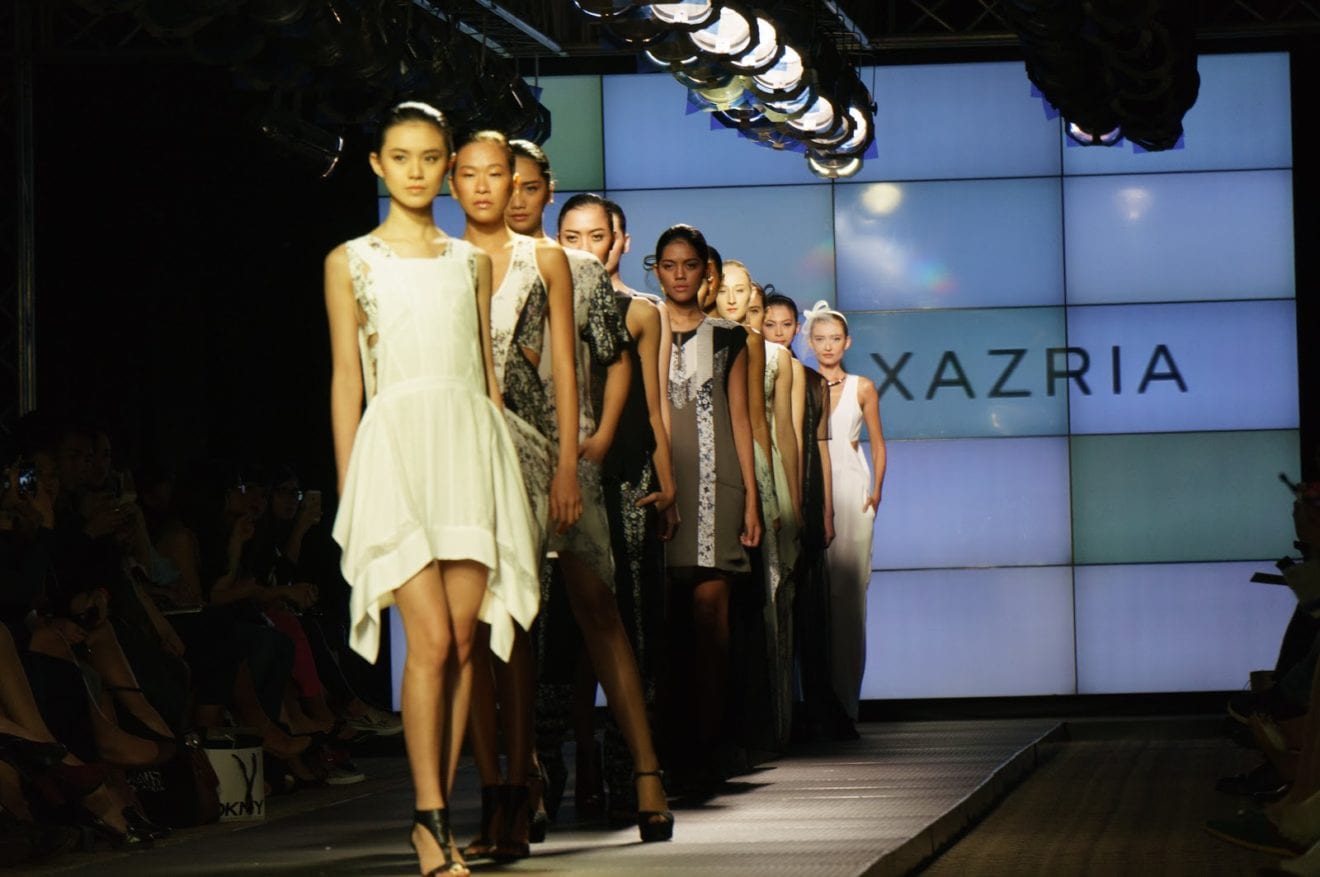
    As the theme for the mall’s anniversary celebration suggests, the fashion week will reflect the so-called “now generation” by putting emerging local designers under the spotlight.

    On Tuesday evening, young designer Yosep Sinudarsono will present his space-inspired spring-summer 2016 collection, continued with Rama Dauhan, whose streetwear designs will be infused by Morrocan and Spanish influences.

    Nikicio, a label whose name has reached cult-like status among the local fashion set, will represent the multi-label store The Goods Dept in its show on Wednesday night. Other show highlights include Opi Bachtiar and Ardistia New York on Thursday as well as Hunting Fields on Sunday.

    A slew of traditional textile-oriented designers will also participate in the fashion week, such as Didiet Maulana of Ikat Indonesia as well as batik brands like Iwan Tirta Private Collection.

    Meanwhile, some notable international labels that will show its collections during the event include Carven and Karen Millen.

    “I’m very excited to be part of Plaza Indonesia Fashion Week,” said Patrick Owen, one of Indonesia’s rising fashion stars whose show on Saturday night will mark the end of the fashion week.

    Patrick will present his latest spring collection, entitled “Jalanan” (“Streets”), which represents “my wildest imagination of how Indonesian streets could be,” he said.

    Known for his exacting tailored pieces and bold artistic prints, the designer will also collaborate with acclaimed illustrator Emte in the show.

    “We’re going to be working together on something backstage during the show, and we will give the audience a surprise by the end,” Patrick hinted.

    But that is not Emte’s only job at the fashion week — he just recently finished a 150-meter-long mural artwork that adorns the hall in which the shows will be held.

    “It is the first time I’ve ever created a work that big,” he said with a laugh.

  • Indonesia Fashion Week Officially Opened

    Indonesia Fashion Week Officially Opened

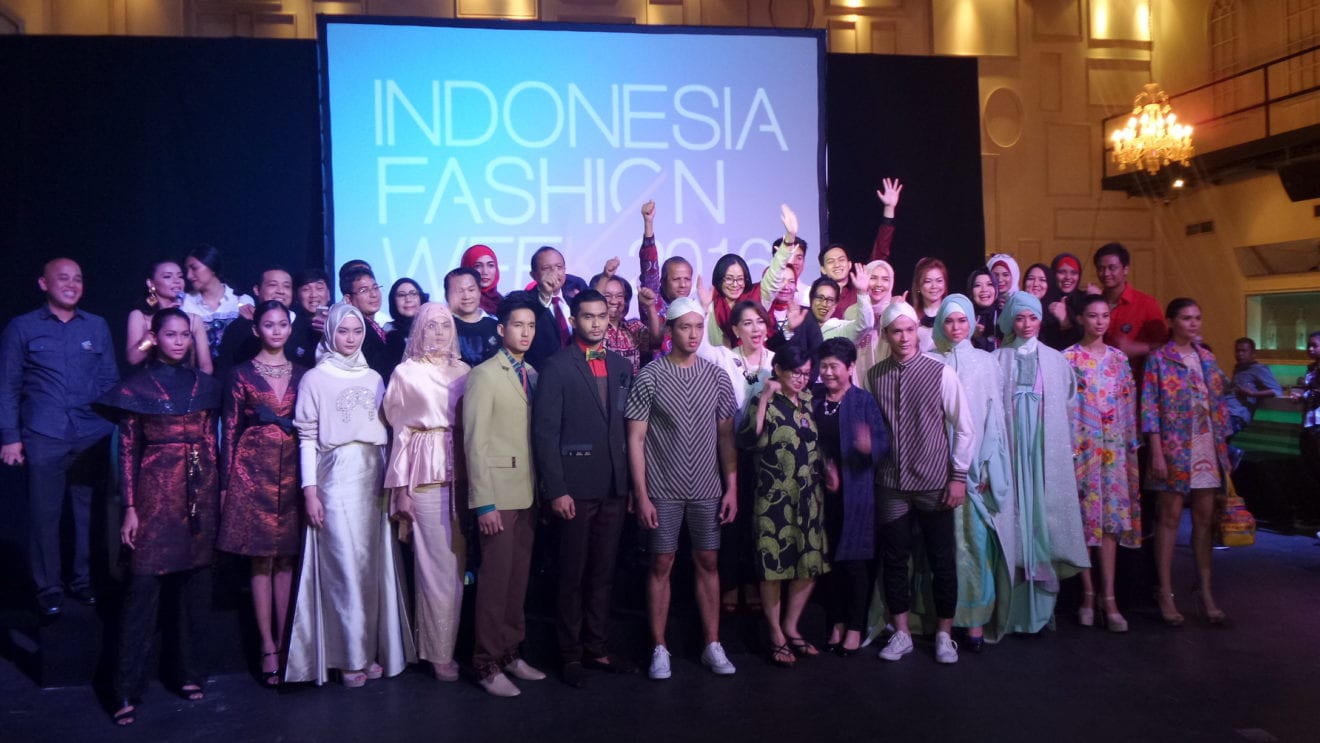
    Indonesia Fashion Week (IFW) 2016 with theme of “Reflection of Culture” is officially opened today, March 10, at the Jakarta Convention Center and will be held from until March 13, 2016.

    “IFW aims to accommodate Indonesian designer needs, both in central and regional,” IFW 2016 President Poppy Darsono said at the opening eventon Thursday, March 10.

    The event created by the Indonesian Fashion Designer Association (AAPMI) will present 32 fashion shows, exhibitions from 480 brands, talk show, workshop and design competition.

    Coordinating Minister of Human Development and Culture Puan Maharani, who represented Vice President Jusuf Kalla, said the fashion event gives opportunity for talented people in Indonesia to show their work.

    Minister of Cooperative and Small-Medium Enterprises (SMEs) Anak Agung Ngurah Puspayoga, who attended the event, hoped that Indonesian designer could meet domestic fashion needs, which is about 40 percent from the ASEAN market. “Don’t let foreign fashion enter Indonesia,” he said.

    Government has a business credit (KUR) program to help designers, including the ones who are starting up their business. The program with low interest is expected to make small businesses, including fashion, to keep growing. “We have prepared Rp120 trillion for KUR,” Puspayoga said.

    Industry Minister Saleh Husin said the ministry is also encourages the growth of fashion industry in the country.

    Saleh said fashion industry has contributed in export worth Rp181 trillion each year and absorbs 3.8 million people per year.