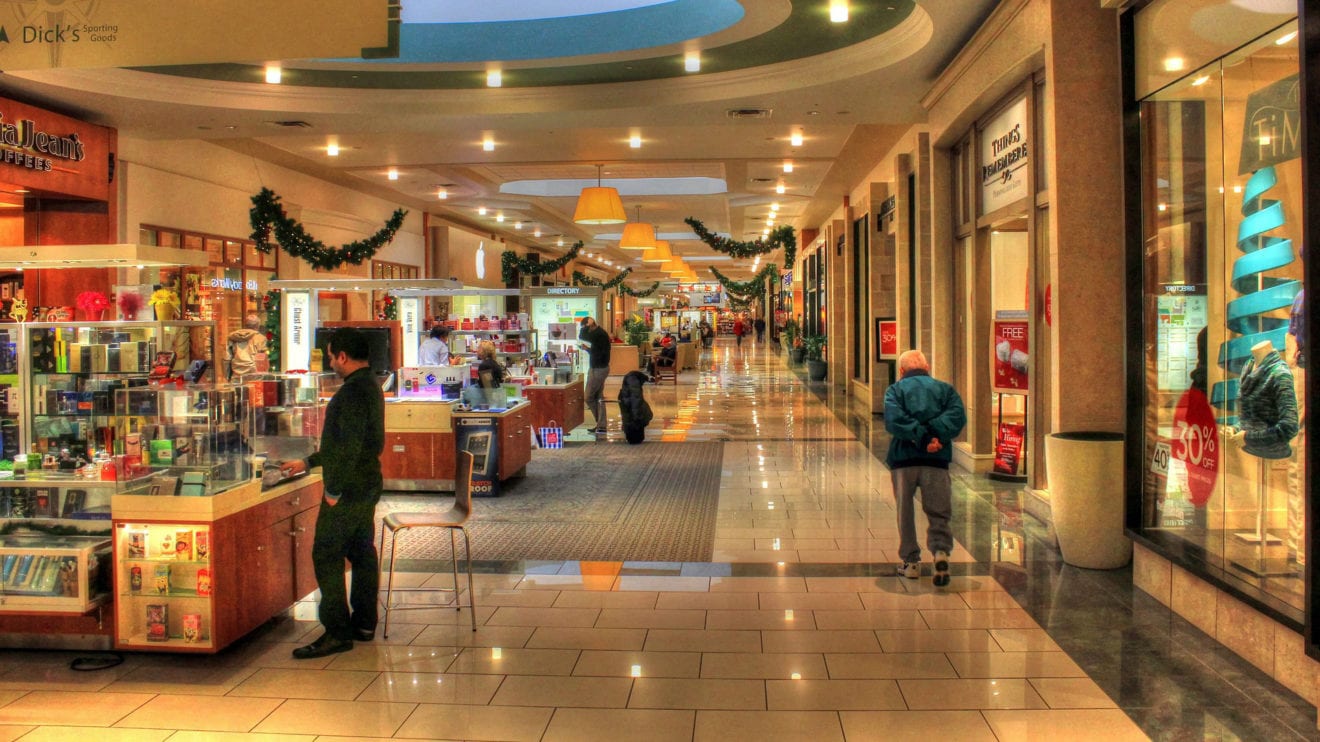
Tag: Plaza Singapura

  • CapitaLand Mall Trust’s 2018 Full-Year Earnings: Steady Growth in Distribution Per Unit

    CapitaLand Mall Trust’s 2018 Full-Year Earnings: Steady Growth in Distribution Per Unit

    CapitaLand Mall Trust (CMT) has achieved a distributable income of S$108.1 million for the December quarter, up 5.1 per cent on the same period a year earlier. CMT’s manager, CapitaLand Mall Trust Management (CMTML), says full-year distributable income reach S$410.7 million, up 3.8 per cent year on year. CMTML chairman Richard R Magnus said the results were achieved through “proactive asset and capital management” and reflect the quality of CMT’s portfolio, underpinned by attractive locations and diverse tenant mix.

    “Cognisant of the challenges ahead – which include slowdowns in the global and Singapore economies, uncertainty in the interest rate environment and competition from the completion of new shopping malls – we remain vigilant and will continually explore new ways to differentiate our malls from the competition and increase customer engagement.”

    CMTML CEO Tony Tan said the portfolio was rejuvenated last year by through the sale of Sembawang Shopping Centre and redeploying the proceeds into acquiring the remaining interest in Westgate – a higher-yielding quality asset.

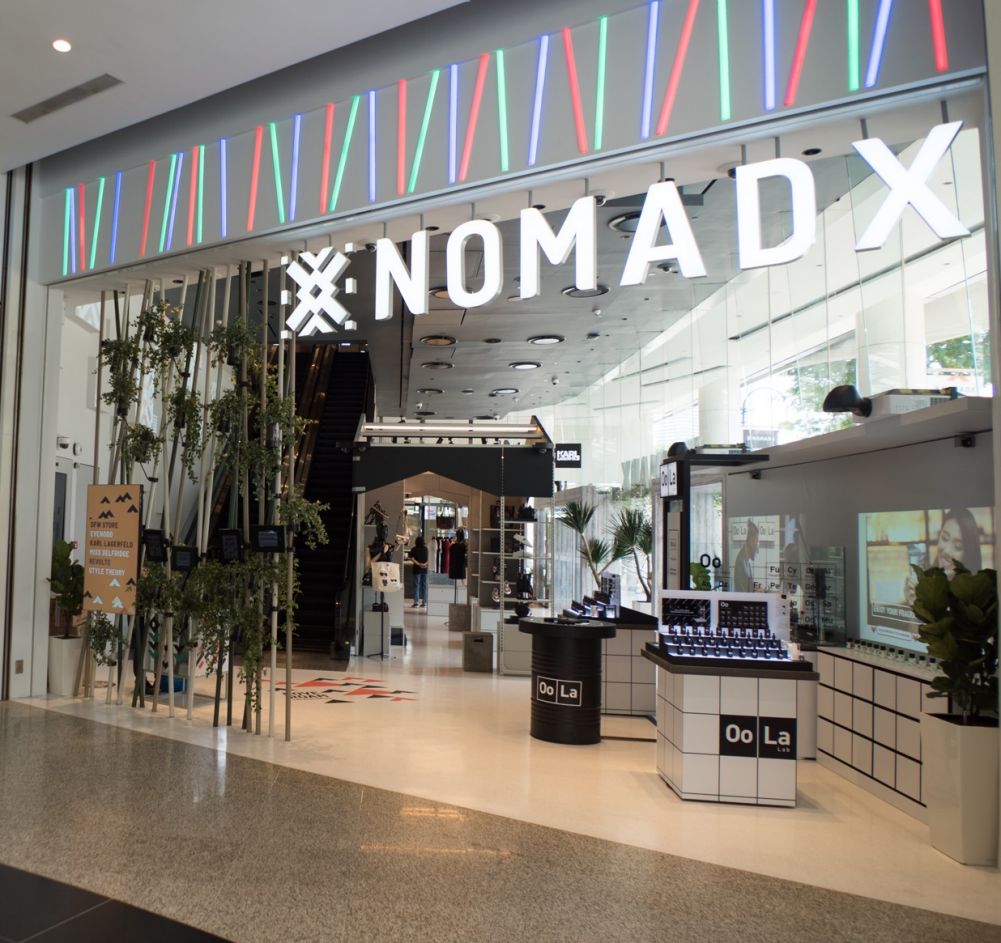
    “During the fourth quarter, we completed the asset enhancement initiatives at Tampines Mall and Westgate, which are targeted at expanding their retail offerings and improving comfort and accessibility for visitors. In the same quarter, Plaza Singapura welcomed NomadX,

    CapitaLand’s first multi-label concept store featuring digital sensors, ePayment systems and unmanned store technology. By immersing our physical retail space with digital technology, we are empowering our tenants to strengthen interactions with a new set of customers while getting to know our shoppers better,” said Tan.

    “Through continual efforts to refresh CMT’s tenant mix and elevate the shopping experience, we ended the year with a high portfolio occupancy of 99.2 per cent.”

    Tan said the Funan redevelopment continues its leasing momentum and is on track to open in the second quarter of this year.

    “Including leases under active negotiations, the leasing for Funan has reached more than 80 per cent.”

  • CapitaLand launches new retail concept store at Plaza Singapura

    CapitaLand launches new retail concept store at Plaza Singapura

    CapitaLand has unveiled Singapore’s first “phygital” multi-label concept store NomadX at Plaza Singapura. NomadX (pronounced as “Nomads”) is styling itself as a “phygital” store for offering a new blend of physical and digital experiences, including a gamified onboarding process, automated store assistance such as smart mirrors, interactive product walls and a cashless payment experience.

    The 11,000sqft space is spread across two floors in Plaza Singapura, with frontage facing Orchard Road. The multi-label retail destination marked its official opening with a curated selection of 18 tenants offering a wide range of fashion, beauty, consumer electronics, gadgets and food and beverage offerings.

    President (Asia & retail) of CapitaLand Group Jason Leow said NomadX represents CapitaLand’s commitment to embrace omnichannel retailing. “It allows us to implement and redefine our ideas for a new generation of retail offerings. As a flexible space incorporating tech-enabled retail infrastructure, NomadX will make it easier and more cost efficient for our retailers to explore and nurture new innovative concepts before wider roll-out at CapitaLand’s shopping malls.

    “NomadX not only augments CapitaLand’s suite of services to meet the demands of retailers at various stages of their digitalisation journey, it will help to enhance the tenant mix at our malls over the longer term. With NomadX, CapitaLand is looking forward to working with a stellar line-up of partnerships to create new expressions of phygital retail experiences at our malls.”

    To ensure maximum flexibility for tenants to push the boundaries, NomadX incorporates short-term leases and “plug & play” retail units that are integrated with smart retail infrastructure. Tenants set up temporary homes like nomads – thus the inspiration for the store’s name – that are demarcated by modular panels and equipped with interactive technologies to encourage product discovery and play.

    The store’s fluid layout and data analytics capabilities make NomadX a suitable testbed for retailers to trial new concepts and products and respond swiftly to consumer reception and feedback.

    CapitaLand Retail CEO Wilson Tan said the company is curating a new shopping experience at NomadX, one which goes beyond the act of simply buying.

    “NomadX promises to be a personalised social space of sensation and discovery. By combining the technology of ecommerce, mobile shopping applications as well as location data analytics, we are able to work with our retailers to customise entirely unique physical shopping experiences that are based on our shoppers’ preferences.”

  • Calm water for Singapore’s CapitaLand Mall Trust quarter

    Calm water for Singapore’s CapitaLand Mall Trust quarter

    CapitaLand Mall Trust Management (CMTML), the manager of CapitaLand Mall Trust (CMT), says CMT has achieved a distributable income of S$103.5 million (US$75 million) for the quarter to September 30. That marks an increase of 4.9 per cent over the $98.7 million for the same period last year.

    Year to date, distributable income was $302.5 million, an increase of 3.3 per cent.

    CMTML CEO Tony Tan says the portfolio continued to deliver stable returns during the quarter, despite uncertain market conditions. Occupancy was 98.5 per cent, “well above the market occupancy level of 92.7 per cent”, he said.

    Asset enhancement initiatives to uplift the customer experience at Tampines Mall and Westgate are on track to complete in the fourth quarter of this year.

    During the third quarter, CMT’s gross revenue and net property income rose by 0.7 per cent and 1.1 per cent respectively year-on-year. Gross revenue was higher from Junction 8, IMM Building, Plaza Singapura, Bedok Mall and Tampines Mall, partially offset by lower gross revenue from Sembawang Shopping Centre, which was sold in June, and lower occupancy and rental rates contracted on new and renewed leases from JCube and Bukit Panjang Plaza.

  • CapitaLand Mall Trust remain stable despite challenges as retail sector stalls

    CapitaLand Mall Trust remain stable despite challenges as retail sector stalls

    Despite challenges in the retail sector, CapitaLand Mall Trust (CMT) maintained stability in its fourth quarter.

    “This points to the underlying strength of our well-located malls, and the management’s continuous focus on enhancing their offering as well as improving efficiency,” says CMT management company CMTML chairman Professor Richard Magnus.

    CMT achieved net property income (NPI) of S$119.3 million (US$90.6 million) for the period, to the end of December, up 2.6 per cent from the final quarter the previous year.

    With Singapore’s GDP growth expected to be stable this year, competition in the retail sector will remain intense, with new retail space coming onstream, says Magnus. “To stay at the forefront of a dynamic retail landscape, CMT will continue to push the boundaries and explore new ways to future-enable its malls.”

    CMT’s malls had an occupancy rate of 99.2 per cent at December 31, says CMTML CEO Tony Tan.

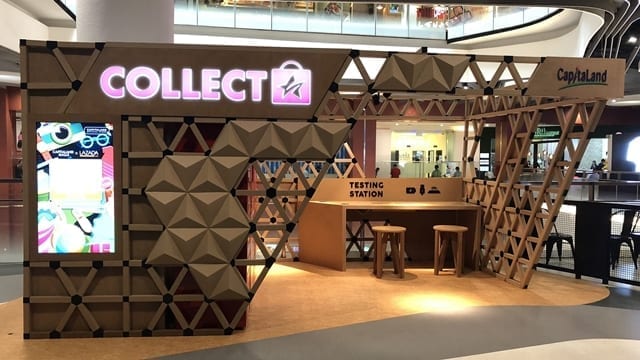
    “As part of our ongoing effort to enhance the offline and online shopping experience in our malls, we introduced seven click-and-collect lounges under CapitaLand’s partnership with e-commerce player Lazada. They are in Bedok Mall, Bugis+, IMM Building, JCube, Plaza Singapura, Tampines Mall and Westgate.”

    He says construction for Funan is progressing well. “With less than two years to target opening, Funan has received strong leasing interest for its retail and office components.”

    For its fourth quarter, CMT recorded growth of 1.8 and 2.6 per cent in gross revenue and NPI respectively year on year. The increase was mainly because of higher occupancy for Bugis Junction and The Atrium@Orchard, partially offset by lower gross revenue from Bedok Mall because of lower rental rates and reduced occupancy.

    For the full year, CMT recorded S$682.4 million in gross revenue, down 1.1 per cent. This was mainly because of the closure of Funan mall for redevelopment, lower rental rates and the lower occupancy at Bedok Mall. This was partially offset by higher rental from IMM Building, JCube and Clarke Quay.

  • Hawaii’s Eggs ’n Things first opening at Plaza Singapura

    Hawaii’s Eggs ’n Things first opening at Plaza Singapura

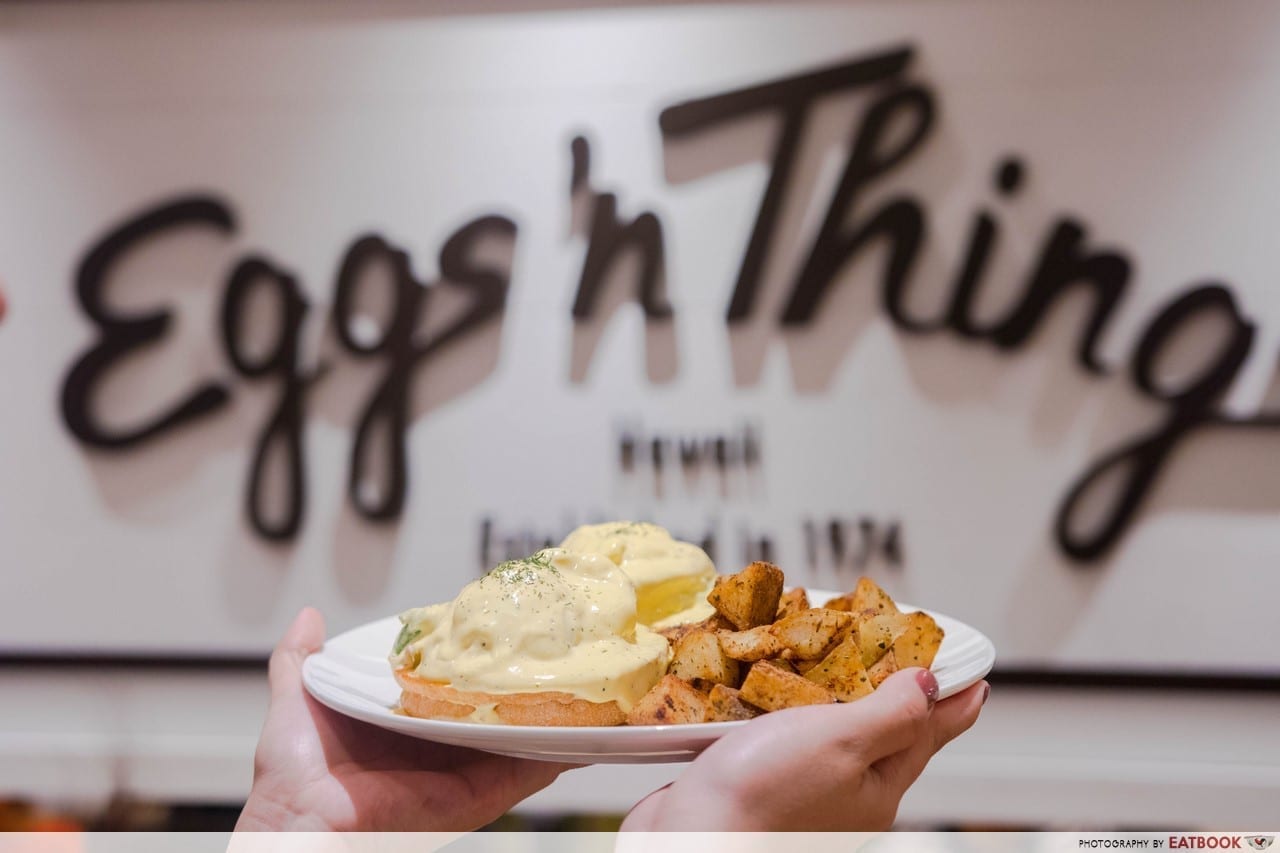
    Hawaiian cafe brand Eggs ’n Things has introduced its breakfast-style menu to Singapore with an outlet at Plaza Singapura.

    As well egg dishes, the casual eatery offers pancakes, crepes and waffles.

    Singapore is the second stop for the brand, launched in Waikiki in 1974. It has 19 outlets in Japan, where its Harajuku store in Tokyo still attracts queues.

    The Singapore cafe emphasises its use of freshly baked bread, organic and locally sourced beef and chicken, and house-made sauces without added flavouring or preservatives.

    Pancakes and waffles are served with an optional tower of whipped cream, the cheese omelette comes with spinach, bacon and roasted potatoes, while the Hawaiian Loco Moco dish comprises rice, a hamburger patty doused in gravy, and two fried eggs.

    Drinks include milkshakes, organic cold-pressed fruit juices, smoothies, free-trade organic tea, and coffee made from a blend of Brazilian, Indonesian and Mexican beans.

  • John Little to close last store by year end

    John Little to close last store by year end

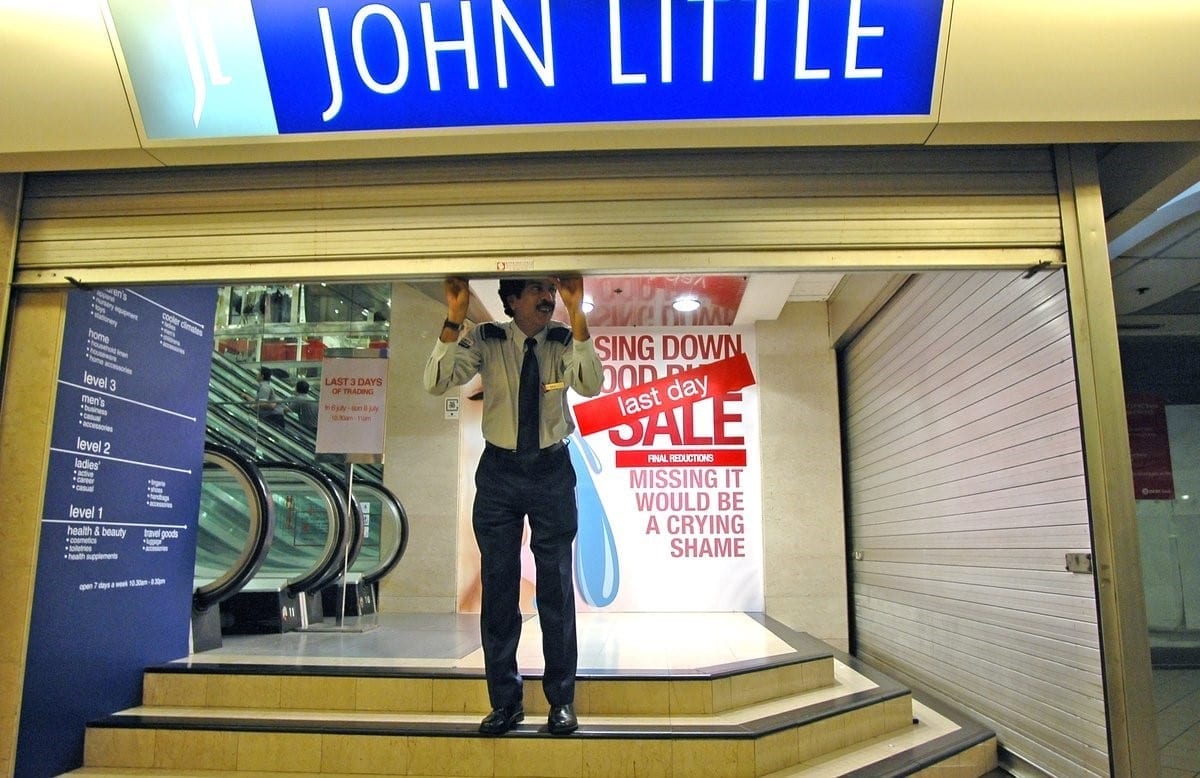
    After 174 years, John Little is closing its last department store in Singapore.

    The remaining outlet at Plaza Singapura will shutter by the end of next month.

    In a statement on Friday, Robinsons Group – which manages John Little, the oldest department store in Singapore – said that the decision was made “after evaluating the relevancy and sustainability of the John Little brick-and-mortar business”.

    But it does not mark the end of the John Little brand. Robinsons Group said that John Little will “evolve as a brand into a pop-up format, which is in line with the global trend for retail businesses”.

    John Little’s new format will be revealed next year.

    The closure is part of consolidation efforts to focus on businesses that are growing within the group, the statement said.

    The Al-Futtaim Group – the Dubai-based owner of Robinsons Group, Royal Sporting House and other retail brands – announced plans earlier this year to shut 10 loss-making outlets here.

    John Little had seven branches in 2002, including its flagship store at Specialists’ Shopping Centre, which it vacated in 2007, after more than 20 years.

    Its outlet at Jurong Point shopping mall shut its doors earlier this year.

    Staff affected by the closure of John Little have been briefed and will be deployed to other businesses within the organisation, which includes Robinsons and Marks and Spencer, Robinsons Group’s statement said.

    John Little Plaza Singapura will be holding a moving-out sale offering discounts of up to 90 per cent until it closes.

  • Will Reits save or kill Singapore’s shopping malls?

    Will Reits save or kill Singapore’s shopping malls?

    REAL Estate Investment Trusts (Reits) were once hailed as the saviours of Singapore’s shopping malls. The theory was that single-owner malls would never match malls run by Reits. And at first, that seemed obvious. After all, compare malls like Sim Lim Square and Ming Arcade (single-owner) to Plaza Singapura and Bugis Junction (run by CapitaLand). The latter command higher rents, are more actively promoted, and don’t expose you to at least seven different diseases when you sit on the toilet bowl. But in a recent Business Times report, there’s a hint that the opinion has changed:

    How are Reits turning into the villain of retail?

    In a recent Business Times report, a number of people were consulted on the reasons for Singapore’s struggling retail scene. With a vacancy rate of 8.8 per cent in the Orchard area, it’s become a hot button topic. Most of the responses covered the oft-repeated reasons: a decline in tourism, the rise of online shopping, economic uncertainty, and so forth. But some responses, such as these, stood out:

    The decline of mainstream retail can be explained by Reits, lack of transparency and online retailing. Most of the retail space in Singapore is owned by Reits whose singular objective is to maximise profits in the short to mid-term.” – Paul Lim, Chief Executive Officer, Secura Group Ltd.

    Also:

    The biggest problem is that investing in real estate is still considered to be a relatively easy way of making money…Together with Reits, this inevitably leads to an oversupply of retail space. That there is now much empty retail space is partly self-created by players in the real estate industry.”  – Lim Soon Hock, Managing Director, PLAN-B ICAG Pte. Ltd.

    Putting the blame on Reits is not a recent development. In fact, we already heard grumbling back in 2014. During the Budget Debate that year, Worker’s Party Non-Constituency Member of Parliament Yee Jenn Jong brought up the issue. He was addressing the perception that Small and Medium Enterprises (SMEs) were being pressured out of business by Reits, which constantly seek to raise rental rates.

    In order to understand the conflict, we need to grasp the basic idea behind retail Reits.

    The role of Reits

    It’s hard to find common ground here. Depending on who you ask, Reits are either the great hope for Singapore’s malls, or abusive landlords who beat their tenants like stepchildren in a fairy tale.

    The point of a retail Reits is to let investors play landlord, without actually buying property themselves. When you buy units in a Reit, you pool your money with other investors to buy retail space (e.g. Malls like Funan Centre). You, along with other shareholders, get dividends based on the rental income that the Reit is able to collect. The more profitable the Reit’s malls are, the more money you make.

    Retail Reits use property managers to decide which malls to buy, and undertake Asset Enhancement Initiatives (AEI) to make the mall more attractive. This is why malls run by Reits are all shiny and clean, and why they constantly have the best Christmas decorations, New Year promotions, Valentine’s events, etc.

    In theory, this means Reits are good for malls. Now I’m not going to name and shame, but we all know there are malls in Singapore that look like post-war Stalingrad. Run down, with entire floors of vacant shops, and the sole decoration being a Christmas tree the security guard put up in 1978.

    Reits mean active asset management, and state of the art malls that are built to pull shoppers. That should be a good thing; the better a mall looks, the more business its shops will get. But then, there’s also…

    The dark side of Reits

    One reason Reits are so attractive is that they’ve been great passive investments (at least, until recently.) By law, Singapore Reits have to pay out 90 per cent of their profits as dividends. They need to publish quarterly reports that detail foot traffic, the profitability of various malls, and the expenses and returns on AEI.

    This places a lot of pressure on the Reits managers. They need to constantly weed out less profitable tenants, and they’re compelled to keep rental rates high. Not only does their bonus depend on it, they have shareholders to answer to. Picture how that affects the insides of a mall:

    Supermarkets take up too much floor space, and generate fewer dollars per square foot. Boom, your favourite Giant or Cold Storage is closed. Now it’s replaced with a dozen smaller shops, all selling branded crap that costs four times your annual income.

    Bookstores don’t make as much money as before. Well we all love literacy, but they can’t cope with the 20 per cent rental rate hike next month. So they’re gone too, replaced with equally short-lived stores. (The new stores will stick around until the next rental rate hike, which is perpetually around the corner.)

    Love little fashion boutiques? Well you’d better blow half your pay cheque in there, before a chain like Uniqlo or Desigual comes along and offers way more money for the space.

    Retail Reits, you see, are relentless, profit-generating machines. And it’s increasingly common to hear complaints that SMEs are driven out of brick and mortar stores by their rent raising antics. Pretty soon, every mall will be a bland mix of the same giant brands, and Din Tai Fung (which apparently wants to be in every mall on the planet).

    Who’s right?

    So far, the situation is unclear. On the one hand, Reits may have the expertise and muscle to bring back the crowds, even in the face of declining tourism and economic struggles. On the other, Reits’ insatiable appetite for rental income may be the very cause of malls dying.

    At present, all we’re hearing are desultory remarks by the occasional business owner or retail space expert. That’s because there are bigger issues to contend with, such as adapting to the online shopping market. That’s a common enemy that both Reits and brick and mortar stores face.

    But as the situation gets worse, ready your popcorn. The accusations and yelling will eventually go into full swing.
  • CapitaLand Malls ‘resilient’ to tough times

    CapitaLand Malls ‘resilient’ to tough times

    CapitaLand Mall Trust says its portfolio of “necessity malls” has proven resilient to the challenging economic and retail period of the last year.

    CapitaLand Mall Trust Management (CMTML), the manager of CapitaLand Mall Trust (CMT), has reported a distributable income for 2015 of S$392.0 million, up 4.4 per cent on 2014.

    Danny Teoh, Chairman of CMTML, said CMT has delivered a good set of financial results in 2015.

    “Distribution per unit to unitholders for 2015 increased 3.8 per cent to 11.25 cents, underscoring the underlying strength of our portfolio – made up of predominantly necessity shopping malls connected to or near transportation hubs serving large catchment areas.”

    Teoh says the trust reinforced its leadership position as Singapore’s largest real estate investment trust with the acquisition of Bedok Mall on October 1.

    “In addition, we unlocked value for unitholders with the sale of Rivervale Mall on December 15, where we recognised a gain of about S$72.7 million. Going forward, CMT’s established track record in proactive mall and asset management will ensure that we remain well-positioned to continually create value for our unitholders.”

    Wilson Tan, CEO of CMTML, said tenants’ sales per square foot and shopper traffic increased by 5.3 per cent and 4.9 per cent respectively last year.

    “Portfolio occupancy remained high, registering 97.6 per cent at December 31.”

    Clarke Quay achieved more than 90 per cent committed occupancy for the reconfigured space in Block C. Anchored by Zouk, a world-class dance club, Block C also comprises popular food and beverage (F&B) and entertainment outlets such as DV8 Club, a top notch live Mandopop concert club; Warehouse, a restaurant and bar with live music; Privé Clarke Quay, a new bar concept by lifestyle group Privé Group; Maziga Café & Bollywood Club, an Indian restaurant helmed by the team behind the Punjab Grill; and the highly anticipated Ramen Keisuke Lobster King, the latest offshoot of the well-known ramen chain Ramen Keisuke.

    “Singapore’s largest outlet mall IMM Building further enhanced its shopping experience and increased its total number of outlet stores to 85 with new designer brands such as Outlet by Club 21, Juicy Couture and Cole Haan. It also boosted its F&B offerings with additions such as Dôme Café. We will continue to transform our malls through asset enhancement initiatives and reinforce our relevance to the communities that we operate in,” said Tan.

    CapitaLand Mall Trust owns 16 shopping malls, strategically located in the suburban areas and downtown core of Singapore, comprise Tampines Mall, Junction 8, Funan DigitaLife Mall, IMM Building, Plaza Singapura, Bugis Junction, Sembawang Shopping Centre, JCube, Raffles City Singapore (40.0% interest), Lot One Shoppers’ Mall, 90 out of 91 strata lots in Bukit Panjang Plaza, The Atrium@Orchard, Clarke Quay, Bugis+, Westgate (30 per cent interest) and Bedok Mall.

    CMT also owns 122.7 million units in CapitaLand Retail China Trust, the first China shopping mall REIT listed on SGX-ST in December 2006.

  • European cosmetics chain heads to Asia

    European cosmetics chain heads to Asia

    European cosmetics brand Stenders is about to open its first store in Singapore as part of a concerted push into new international markets.

    Stenders Singapore will open in Plaza Singapura shopping centre on Orchard Rd this month.

    Stenders Singapore 1

    The opening will be followed in November by debuts in Vietnam and Portugal and London is also on its radar..

    Stenders Singapore 2

    Stenders “a cosmetics brand inspired by northern nature” sells a range of about 350 products from more than 230 shops in 22 countries. In Asia it has so far only reached China and Japan.

    The Latvian-founded company’s market positioning is “high quality products and special packaging” sold from attractively designed stores where the staff have a strong service culture. “We pay special attention to feelings and shopping experience, including design, fragrance, the way of presenting products and customer care culture,” the company says.

    The brand’s product range includes bath, body, face and hair care products.

  • Hamleys Singapore opens its doors

    Hamleys Singapore opens its doors

    The world’s oldest toy store is now open in Singapore.

    Hamleys is now trading in Plaza Singapura on the city state’s prime shopping strip Orchard Rd.

    Occupying 12,000 sqft across two floors of Plaza Singapura, the Hamleys store boasts prominent street frontage along Orchard Rd.

    Dubbed ‘The Finest Toy Shop in the World’ the new store promises an exciting in-store concept where playing is encouraged. Shoppers will find themselves immersed in a magical toy wonderland stocked with more than 10,000 toys, ranging from the traditional to the high-tech, as well as games and puzzles, arts and crafts, magic props, the Luvley Boutique – where girls will find an exciting selection of hair and nail products – and the iconic Hamleys Teddy Bear.

    Hamleys’ unique approach focuses on ‘bringing toys to life’ for children and families by actively encouraging children to play with the toys in store or by engaging with expert toy demonstrators. Understanding that memories underpin the essence of the Hamleys brand, the toy store will arrange for shoppers to meet the Hamleys Bear and popular characters such as  Barbie, Peppa Pig and the Teenage Mutant Ninja Turtles on special occasions.

    Ong Kee Leng, GM of Plaza Singapura, said that when introducing new-to-market brands, the centre looks for those with an established international track record.

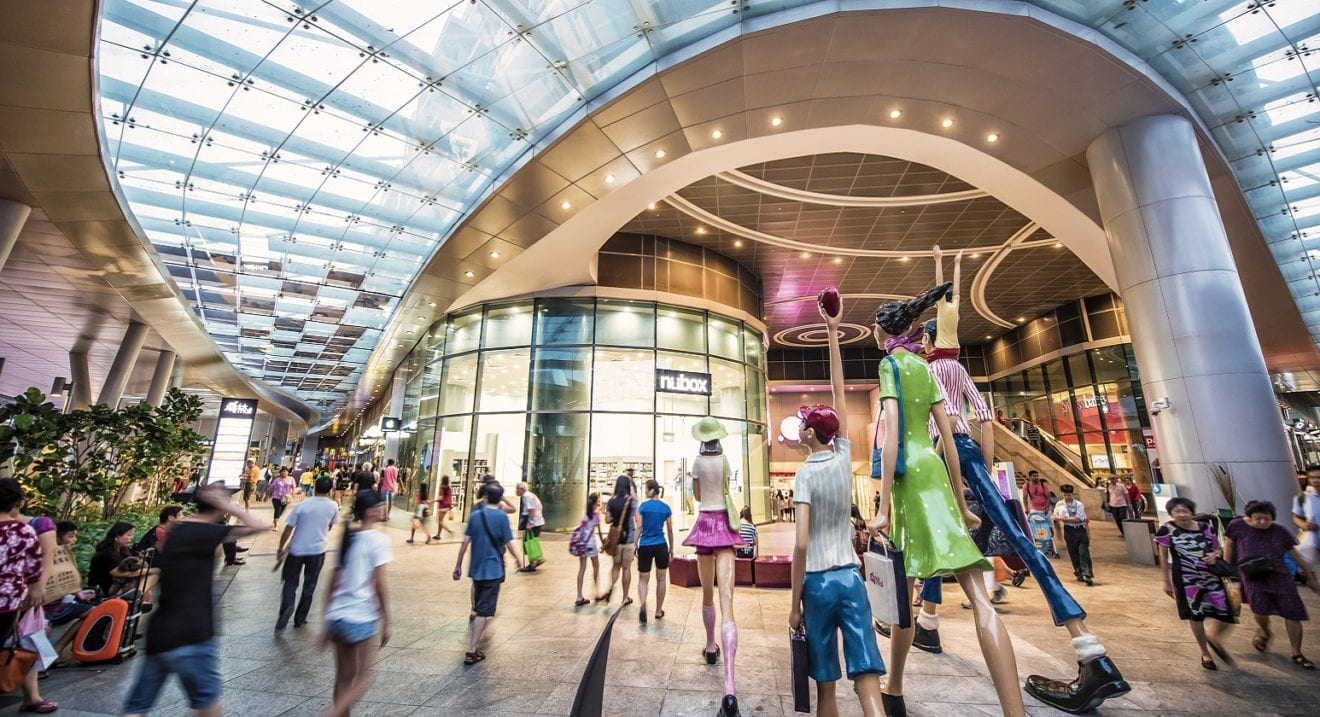
    “The addition of Hamleys to Plaza Singapura will further enhance our position as a one-stop destination mall for families and friends, centrally located on Orchard Rd. We are confident that children will build lasting memories of unbridled joy and unforgettable fun times while adults will relive wonderful childhood years at Hamleys.”Plaza Singapura, also known as PS, is one of the oldest and largest malls on Orchard Rd. Established in 1974, it was the first to pioneer the all-in-one shopping concept, introduce anchor tenants and multi-storey parking.  The nine-storey mall which was recently revamped features over 300 stores and a 170m frontage along Orchard Rd.