Tag: plunge

  • Gold Prices Plunge to 6-Week Low Amid Rising Oil Prices and Anticipated Federal Rate Hikes

    Gold Prices Plunge to 6-Week Low Amid Rising Oil Prices and Anticipated Federal Rate Hikes

    Gold prices in Vietnam experienced a notable decline on Thursday, marking their lowest level since the 11th of June. The downturn continued from the morning into the afternoon session, reflecting a trending decrease in gold prices throughout the year.

    Trends in Gold Prices

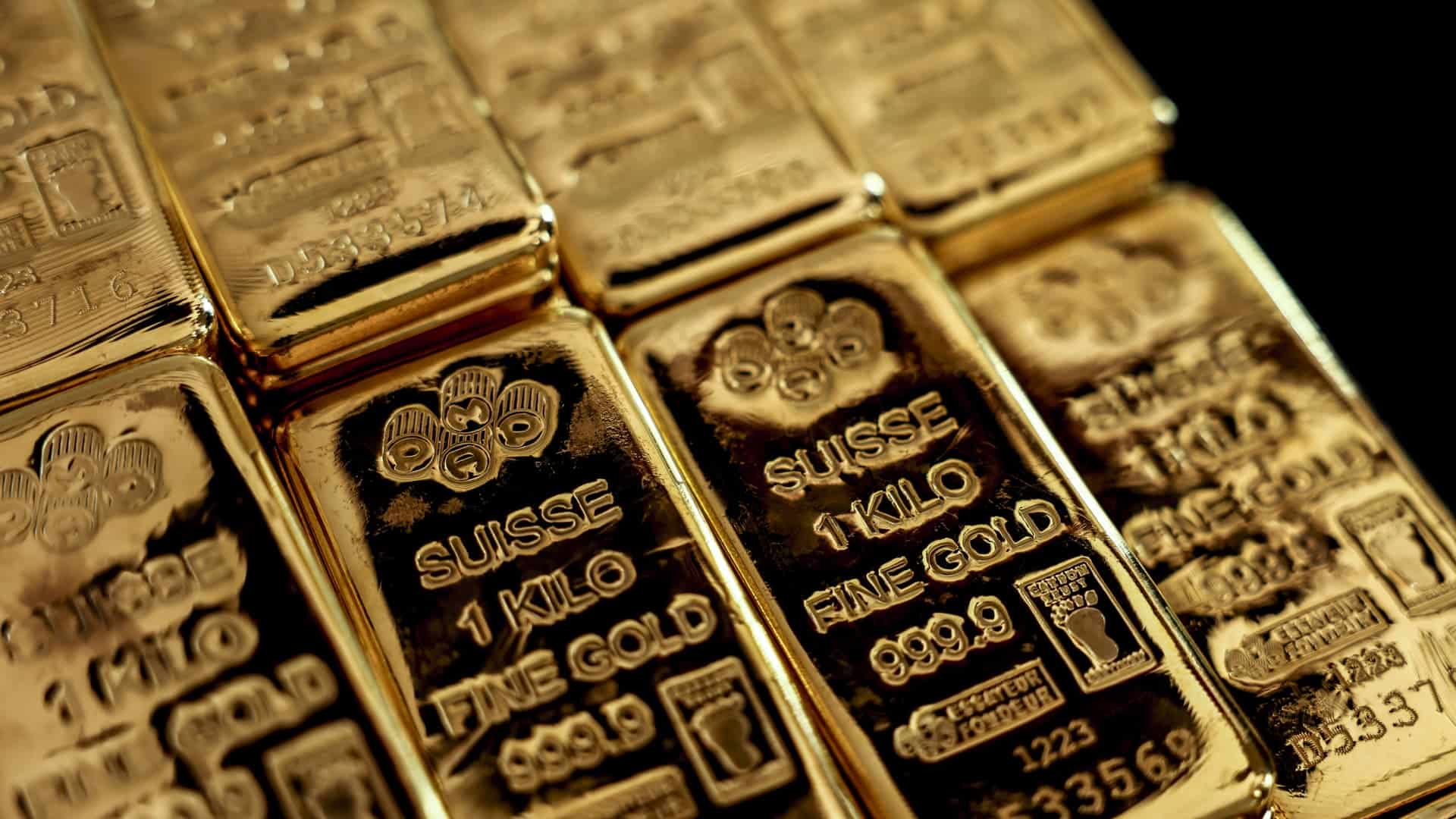
    The Saigon Jewelry Company reported a drop of 1.41% in the price of their gold bars, bringing the price to VND140 million, or US$5,321.37, per tael. This decrease marks a total decline of 4.11% since Wednesday’s close. Additionally, the cost of a gold ring plummeted by 1.85%, settling at VND143.3 million per tael. Overall, gold prices in Vietnam have fallen by 8.4% this year.

    Internationally, the value of gold also fell on Thursday, drifting down from a two-week peak reached earlier. This worldwide decrease was caused by various factors, including a growing conflict in the Middle East, which has led to a surge in oil prices. Traders are also awaiting the outcomes of the Federal Reserve policy meeting next week for indications regarding the possible timing of interest rate hikes.

    Spot gold fell by 0.6%, bringing the price to $4,103.39 per ounce. This shift comes after spot gold reached its highest value since July 7th at $4,165.87 on Wednesday. Concurrently, August delivery for U.S. gold futures dropped by 1.1% to $4,106.40.

    Market Influences and Future Predictions

    These changes in the gold market can be attributed to various causes, as explained by Jigar Trivedi, a senior research analyst at IndusInd Securities. According to him, “Rising oil prices have contributed to escalating inflation and the anticipation of Fed rate hikes. Consequently, these factors have limited the positive momentum in the gold market as the dollar weakens.”

    Questions & Answers

    What factors are causing the drop in gold prices?
    A combination of escalating inflation, expected Fed rate hikes, and a weakening dollar have influenced the gold market negatively, resulting in a price drop.

    What is the current trend in Vietnam’s gold market?
    The gold market in Vietnam has been experiencing a downward trend, with an 8.4% decrease in prices so far this year.

    How has the conflict in the Middle East affected global gold prices?
    The escalating conflict in the Middle East has driven up oil prices. As a result, inflation has increased and gold prices have fallen globally.


  • Durian Glut Crisis: Malaysias Fruit Boom Backfires Amidst Price Plunge and Oversupply

    Durian Glut Crisis: Malaysias Fruit Boom Backfires Amidst Price Plunge and Oversupply

    Over the years, durian growers in Malaysia have been increasing production levels to meet the rising demand from China. This surge in demand has resulted in an abundance of the fruit, causing a significant drop in prices.

    Malaysia, renowned for its prized Musang King durian — often referred to as the “Hermès of durians” — has seen a rapid increase in its export of the fruit over the past decade, particularly to China. This growing demand prompted numerous farmers to join the industry. Consequently, durian plantation areas in the Southeast Asian nation increased from just over 163,000 acres in 2016 to more than 227,000 acres by 2024. Simultaneously, the annual yield nearly doubled, reaching over 568,000 tons.

    According to Lu Yuee Thing, owner of several durian farms near Raub, also known as Malaysia’s durian capital, many people had replaced their rubber trees or oil palms with durian trees in the past. These trees are now starting to bear fruit, leading to an oversupply in the market, especially during the harvest seasons in producing states like Kedah, Penang, Perak, Selangor, Johor, and Pahang. This oversupply has caused prices to plummet, with Musang King retailing for as low as RM9 (US$2.2) per kilogram — a 90% decrease from the usual RM90-100.

    This situation has been exacerbated by fruit that doesn’t meet export standards and is therefore redirected to the local market. The oversupply of durians has proven advantageous for deal-seekers across Malaysia and its neighboring country, Singapore, but it is a major setback for growers.

    Impact on Durian Growers

    Durian farmers and sellers are feeling the strain due to the price drop. Han Sing Keng, a durian farmer and seller in Johor, has had to rely on other crops, such as bananas, to compensate for the lost profits from durian. Han expresses that the pressure from the market is overwhelming for him and believes that the inexpensive, widely available fruit may be substandard in quality.

    The Federal Agricultural Marketing Authority (FAMA) in Malaysia has stepped in to aid growers by buying durians directly from them. FAMA plans to purchase 1,000 tons worth RM7 million through 42 operational centers. Additionally, businesses and entrepreneurs supported by the agency have bought another 1,199 tons valued at RM3.28 million.

    Planning for the Future

    The challenge now is to ensure that demand keeps up with the rising production. This requires both expansion into new export markets and growing new businesses within the domestic market. FAMA has begun processing excess fruit into pulp, which is supplied to manufacturers of cakes, ice cream, and other food products.

    Additionally, Malaysia, as one of the world’s largest durian exporters, is collaborating with Thailand and Chinese customs authorities to develop a land transport route for durian shipments to China, expected to reduce logistics costs.

    Lastly, Malaysia’s trade promotion agency, Matrade, announced plans to increase durian exports to China to $229 million by 2030.

    Questions & Answers

    What has caused the oversupply of durians in Malaysia?
    The oversupply is due to increased production levels, with a significant number of trees planted in previous years now beginning to bear fruit.

    How has the oversupply affected the price of durians?
    The oversupply has led to a significant drop in the price of durians. The Musang King, for example, is now retailing for as low as RM9 (US$2.2) per kilogram.

    What measures are being taken to manage the oversupply situation?
    The Federal Agricultural Marketing Authority (FAMA) is buying durians directly from farmers. In addition, efforts are being made to increase demand by expanding into new export markets and creating new businesses within the domestic market.

  • Vietnam Fuel Prices Plunge Amid Global Rate Fall: Transition to Green Energy in Focus

    Vietnam Fuel Prices Plunge Amid Global Rate Fall: Transition to Green Energy in Focus

    In response to decreasing global rates, Vietnam has adjusted its fuel prices downwards as of Thursday afternoon. RON95 gasoline, the country’s most commonly used fuel, decreased by 5.4%, taking it from its price last week to VND24,150 (US$0.54) per liter. Other fuels have also seen a reduction in their prices: Biofuel E5 RON92 has dropped 4.5% to VND23,250, while Diesel has witnessed a 3.9% decline to VND27,650.

    Global Fuel Market Influences

    The global fuel market has experienced substantial changes recently due to a variety of factors. These include the ongoing negotiations between the U.S. and Iran and the increased U.S. inflation, which is driven by significant fluctuations in energy prices. This information is based on reports from the Ministry of Industry and Trade and the Ministry of Finance. For instance, RON95 gasoline saw a decrease of 9.2%, bringing it to $127 per barrel, diesel dropped 5.5% to $146.70, and mazut decreased by 9.2%, making it US$655.20 per ton.

    New Fuel Sales and Implementation

    Starting June 1, E10 RON95 gasoline will be available for sale on a larger scale, replacing the mineral-based RON 95. E5 RON92 gasoline will remain available until the end of 2030. The Deputy Minister of Industry and Trade, Nguyen Sinh Nhat Tan, stated that the decision to sell mineral-based gasoline and biofuel simultaneously over the past few years was intended to assist the market in adjusting gradually and to support businesses in enhancing their distribution infrastructure.

    However, Tan also mentioned that based on international experience, maintaining a large variety of fuel types over an extended period could lead to higher logistics, storage, and distribution costs, difficulties for retailers, and a reduction in the effectiveness of transitioning to green energy. He reassured that the switch to E10 gasoline has been well assessed by regulators and does not impose restrictions or limit consumers’ choices. According to compatibility assessments, most cars and motorcycles in Vietnam can use E10 gasoline, as per manufacturers’ recommendations.

    Questions & Answers

    What are the new prices of various fuels in Vietnam?
    The price of RON95 gasoline has dropped 5.4% to VND24,150 per liter, Biofuel E5 RON92 has fallen 4.5% to VND23,250, while Diesel has declined 3.9% to VND27,650.

    What will replace mineral-based RON 95, and when will this happen?
    E10 RON95 gasoline will replace mineral-based RON 95 starting June 1. E5 RON92 gasoline will continue to be sold until the end of 2030.

    What potential problems could arise from maintaining a variety of fuel types for a long period?
    According to Deputy Minister of Industry and Trade Nguyen Sinh Nhat Tan, maintaining a variety of fuel types for an extended period could lead to issues such as increased logistics, storage, and distribution costs, difficulties for retailers, and reduced effectiveness in transitioning to green energy.

  • Vietnam’s Gold Market Stumbles: Price Plunge Amid Softening Global Bullion Rates

    Vietnam’s Gold Market Stumbles: Price Plunge Amid Softening Global Bullion Rates

    On Wednesday, gold prices in Vietnam witnessed a decline, following a similar downtrend in global bullion rates. The price of gold bars offered by Saigon Jewelry Company (SJC), a major Vietnamese gold retailer, fell by 0.92%, hitting VND162 million (US$6,144.5) per tael. In addition, the price of gold rings slid down by 1.1% to VND161.5 million per tael. It’s worth noting that a tael in Vietnam is equivalent to 37.5 grams or 1.2 ounces.

    Global Gold Market Trends

    Globally, gold prices also edged lower on Wednesday. This downward trend was primarily due to rising Treasury yields and a strong dollar, which eclipsed the optimism kindled by the prospect of a potential peace agreement between the U.S. and Iran. Spot gold fell by 0.3%, valued at $4,467.59 per ounce, after reaching its lowest point since March 30 in the preceding session. Meanwhile, U.S. gold futures for June delivery suffered a loss of 0.9%, priced at $4,471.10.

    Inflationary pressures stemming from the Iran conflict spurred a selloff in global bond markets. This sell-off drove 30-year U.S. Treasury yields to levels unseen since the precursor period to the 2007 global financial crisis. Concurrently, the dollar floated at a six-week high, making bullion priced in the greenback more expensive for individuals holding other currencies.

    Analysts speculate that gold’s current slump could be attributed to the rising yields and the dollar’s strength. Tim Waterer, the chief market analyst at KCM Trade, opines, “Gold is running out of puff somewhat against this backdrop of rising yields, and a dollar which has a spring in its step courtesy of the hawkish shift in the rates outlook.”

    Questions & Answers

    What triggered the decline in gold prices in Vietnam?
    The fall in gold prices in Vietnam was influenced by the global downtrend in bullion rates, with the price of gold bars and gold rings offered by Saigon Jewelry Company witnessing a significant decline.

    What factors influenced the global downtrend in gold prices?
    Rising Treasury yields and a firm U.S. dollar were the primary factors that attributed to the global decline in gold prices. The optimism surrounding the potential U.S.-Iran peace agreement was overshadowed by these factors.

    What impact did the Iran conflict have on the global gold market?
    The Iran conflict led to inflationary pressures that resulted in a selloff in global bond markets. This, in turn, significantly affected the global gold market, driving U.S. Treasury yields to levels unseen since the precursor period to the 2007 global financial crisis.

  • SSI Group Sees Profits Plunge as Luxury Spending Goes Out of Style in the Philippines

    SSI Group Sees Profits Plunge as Luxury Spending Goes Out of Style in the Philippines

    In the first quarter of 2021, SSI Group, a leading luxury retailer in the Philippines, witnessed a significant drop in profits. The company reported a decrease of 58.5 per cent in net income to US$2.4 million (PHP$152.9 million), even though revenue increased by 11.4 per cent to $123.8 million. This decline in earnings is attributed to consumers prioritizing essentials over luxury goods.

    Financial Performance and Consumer Behavior

    A more promotional business environment impacted SSI’s profitability, shrinking the merchandise gross margin from 44.6 per cent the previous year to 42.6 per cent. The main reason for this change is the growing price sensitivity among consumers due to inflation and escalating living costs. Operating expenses also increased by 15.8 per cent to $48.3 million, due to inflationary pressures and store network expansion, which led to a decrease in EBITDA by 18.4 per cent to $12.3 million.

    During this same period, consumer demand was primarily focused on the essential and lifestyle categories with a 48.5 per cent sales increase in SSI’s ‘others’ segment, which includes personal care, food, and home products. Footwear, accessories, and luggage also experienced a 32.7 per cent increase in sales. However, the group’s core luxury and bridge segment witnessed a 1.7 per cent drop in sales, indicating decreased spending on premium discretionary items.

    Online Sales and Store Operations

    E-commerce sales reached $9.1 million, making up 7.4 per cent of total revenue, while rental income from its Central Square property saw an 8.1 per cent increase to $387,270.

    SSI Group also made adjustments to its physical stores. The company closed 14 underperforming stores permanently, opened five new locations, and renovated 12 stores during the quarter. At the end of the quarter, SSI Group operated 631 stores nationwide.

    SSI Group’s portfolio includes a broad range of brands, from luxury labels like Hermès, Cartier, and Salvatore Ferragamo to fashion and lifestyle brands such as Zara, Bershka, Stradivarius, Pull&Bear, Gap, Old Navy, Lacoste, and Muji. The retailer also offers beauty brands like Mac, Lush, and Beauty Bar; home retailers like Pottery Barn and West Elm; and dining concepts like Shake Shack, SaladStop!, and Venchi.

    In February, the retailer announced the termination of its franchise agreement with Marks & Spencer, which had been in operation since 1980.

    Questions & Answers

    What contributed to the decline in SSI Group’s profits for the first quarter of 2021?
    Consumers shifting their priorities from luxury goods to essentials, coupled with inflation and increased living costs, resulted in the decline of SSI Group’s profits.

    How has SSI responded to this change in consumer behavior?
    In response to changing consumer behavior, the group has focused on promoting essential and lifestyle categories more. It has also optimized its physical store network by closing underperforming stores and opening new ones.

    What is the future of SSI’s relationship with Marks & Spencer?
    SSI Group has decided to end its franchise agreement with Marks & Spencer, which had been operational since 1980. The future of this relationship is not clear at this point.

  • Vietnams Gold Plunge Continues Amidst Rising Inflation Concerns and Middle East Tensions

    Vietnams Gold Plunge Continues Amidst Rising Inflation Concerns and Middle East Tensions

    The price of gold in Vietnam continued to decline on Monday, with reductions seen throughout the day following an initial drop of nearly 1% earlier in the day. Saigon Jewelry Company, a prominent gold retailer, noted a further 0.42% decrease in its gold bar price from the morning, ultimately tallying a total loss of 1.37% for the day. The quoted price of gold per tael (equivalent to 37.5 grams or 1.2 ounces) fell to VND165.2 million, equivalent to US$6,276.26.

    Local Rates Versus Global Prices

    In comparison, local gold prices in Vietnam exceed international gold rates by approximately VND17 million per tael. The price of a gold ring also saw a similar decrease, falling to VND164.7 million per tael.

    Internationally, gold prices fell by 1% on Monday in response to escalating geopolitical tensions. The refusal of President Donald Trump to accept Iran’s recent peace proposal to end ongoing conflicts in the Middle East has raised fears of inflation and a continued period of high interest rates. This sentiment has been reflected in the gold market, with spot gold falling to $4,667.99 per ounce following a 2% increase last week. Concurrently, U.S. gold futures for June delivery saw a drop of 1.1%, hitting $4,677.80.

    Market Reactions and Predictions

    Market observers note the significant impact of these geopolitical developments on inflation risks and market expectations. Bybit’s Chief Market Analyst, Han Tan, highlighted that the stalled peace negotiations have weighed heavily on the market’s psyche, maintaining high interest rate expectations and amplifying pressure on non-yielding gold. Since the conflict’s inception in late February, gold has seen a decline of more than 11%.

    Tan further suggested that gold could face additional downward pressure if the U.S. Consumer Price Index (CPI) forecast for the following day proves hotter than anticipated. This situation could necessitate the Federal Reserve maintaining elevated benchmark rates for an extended duration.

    Questions & Answers

    Why did Vietnam’s gold prices drop on Monday?
    The gold prices in Vietnam dropped due to international gold prices falling by 1% in response to increasing geopolitical tensions and the current conflict in the Middle East.

    What are the implications of high inflation and interest rates on the gold market?
    High inflation and interest rates put pressure on non-yielding bullion, causing its price to drop. The gold market has seen a decline of more than 11% since the conflict began in late February.

    What could cause further downward pressure on gold prices?
    If the U.S. Consumer Price Index forecast proves hotter than anticipated, the Federal Reserve may need to maintain elevated benchmark rates for a longer period. This scenario could exert additional downward pressure on gold prices.

  • Japan retail sales plunge

    Japan retail sales plunge

    Japan retail sales plunged nearly 10 per cent in March compared with a year ago.

    The sales slump – 9.7 per cent – was worse than expected, but despite the shock, analysts urged caution in the interpretation of the data. In March 2014, sales were artificially high as Japanese brought forward spending to avoid a sales tax increase that took effect on April 1.

    Analysts had expected a fall of close to seven per cent. February’s fall was just 1.8 per cent. Retail sales have been subdued since Japan raised the consumption tax to eight per cent last April.

    Marcel Thieliant, an economist at Capital Economics, said in a research note that the spending decline suggests private consumption may have fallen for the first time since the sales tax rose.

    “It was widely expected that consumption would benefit from the plunge in energy prices. However, households have chosen to save rather than spend the windfall from cheaper oil.”

    The decrease was the worst March fall since 1998.