Tag: pokemon go

  • ‘Pokemon Go’ boosts local businesses in Sokcho

    ‘Pokemon Go’ boosts local businesses in Sokcho

    South Korean retailers are capitalizing on the explosive popularity of Nintendo’s augmented-reality mobile game “Pokemon Go” with new products and services targeting local Pokemon game enthusiasts and fans.

    From a sudden rise in consumer spending at select Pokemon-appearing cities in Korea to the launch of Pokemon-inspired hotels, tour packages and goods, the smash-hit game appears to be leaving a notable imprint on the local retail sector.

    Pikachu is surrounded by children during a Pokemon festival in Tokyo on July 18

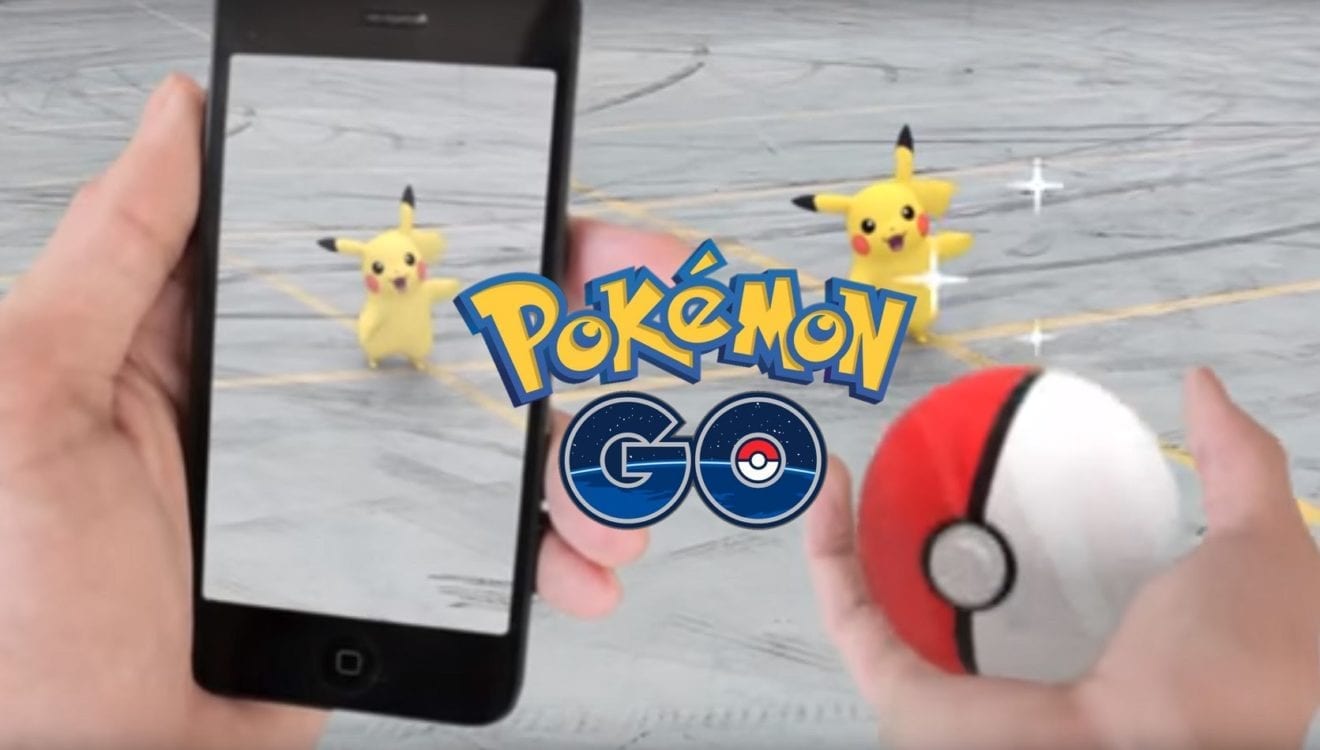
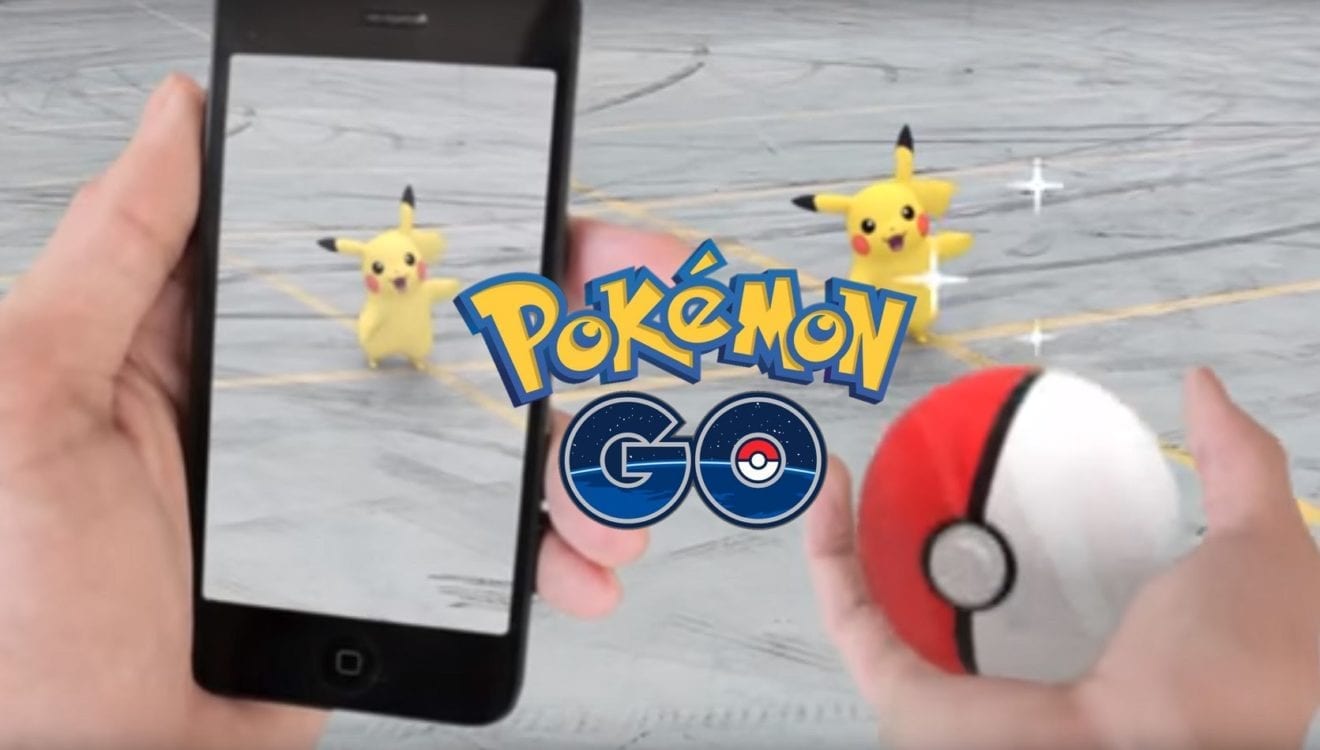
    “Pokemon Go,” produced jointly by Nintendo and U.S.-based Google spinoff Niantic, Inc., is a GPS-based mobile game that has users running through real-life locations to discover and collect virtual monsters, such as the all-famous Pikachu, via their smartphones.

    Though the game has yet to officially launch in Korea, it has been operational in parts of the country, including Sokcho of Gangwon Province since mid-July and most recently parts of Ulsan and Busan, where the game’s GPS signal is active due to technical glitches.

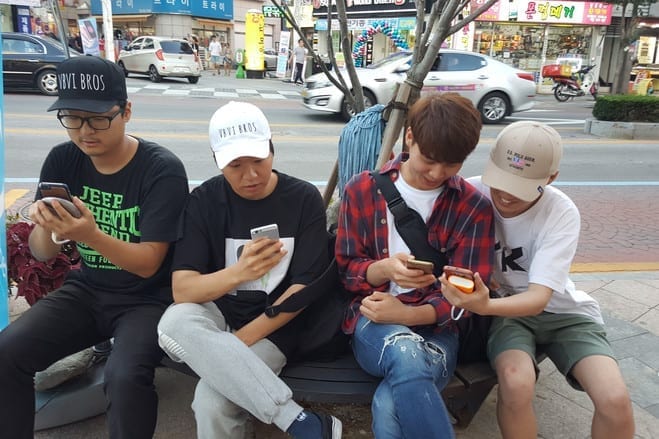
    Eager to play, thousands of avid Pokemon fans here have been flocking to such locations in the past few weeks, boosting business at local retailers in the region and prompting online retailers to introduce an array of Pokemon-inspired products.

    A sign welcoming Pokémon Go players hangs inside at a convenience store inside Sokcho, Gangwon Province, one of the few cities in Korea where the mobile game is active.

    Among the biggest beneficiaries are convenience stores in Sokcho which have been enjoying a sudden sales boom thanks to peaking demand for cell phone battery charging services as well as portable battery chargers.

    CU, the nation’s top convenience store operated by BGF Retail, said its outlets in Sokcho saw their sales from July 11-17 almost double compared to the previous week, thanks to the legions of “Pokemon Go” players in the area.

    During the period, sales of “battery charging” services at CU stores in Sokcho rose by 388 percent from the week before while sales of small electronic devices including portable batteries and earphones rose by 82.4 percent, BGF Retail said.

    A smartphone case featuring Pikachu on sale at Gmarket (Gmarket)

    Game players in Sokcho have been frequenting convenience stores in the area to rest and stock up on necessities such as ice, ice cream and water to fight the summer heat as well, boosting the stores’ daily sales, a CU official said.

    Joining other smaller businesses which have embraced unique forms of “Pokemon Go” marketing, discount supermarket chain E-mart’s Sokcho branch said it has begun offering free ice water to “Pokemon Go” players who capture a Pokemon on its premises.

    Targeting Sokcho-bound travelers, scores of mobile-commerce companies including Ticket Monster, 11st Street, Gmarket and Auction began organizing day-trip bus services from Seoul to Sokcho starting from July 12.
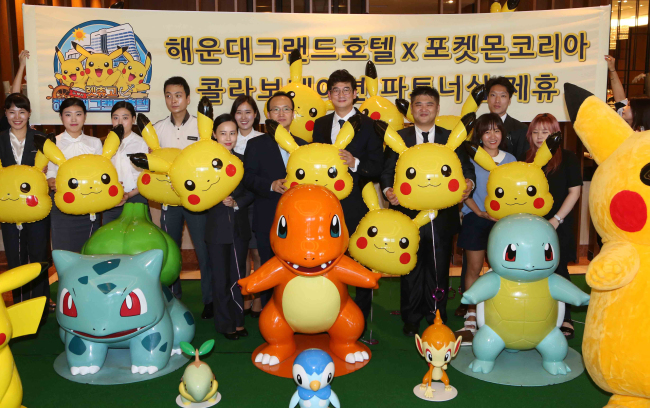
    The Haeundae Grand Hotel in Busan and Pokémon Korea celebrate their partnership during a ceremony held at the hotel on July 21. The hotel is offering diverse Pokémon-themed rooms, merchandise and eateries this summer as part of its joint promotion with Pokémon Korea.

    Meanwhile in Busan, the beachside Haeundae Grand Hotel has partnered with Pokemon Korea Co., in charge of all Pokemon merchandising in Korea, to offer specialized Pokemon-themed rooms, merchandise and eateries that tug at the hearts of local fans.

    Reflecting Pokemon’s resurgent appeal, sales of Pokemon-related toys, stationery and mobile accessories have surged as well. 11st Street saw sales of Pokemon items during July 11-17 rise by 57 percent compared to the previous week while Ticket Monster said sales of such products rose by 211 percent during the same time frame.

    Online retailer 11st Street is even holding a promotional event inspired by “Pokemon Go” — dubbed the “11Mon Go,” in which users can find and collect “11Mon” character while shopping on the website. Those who collect all the characters are eligible for prizes including round-trip bus tickets from Seoul to Sokcho, according to 11st Street.
  • ‘Pokemon Go’ catapults c-store sales in Korea

    ‘Pokemon Go’ catapults c-store sales in Korea

    Convenience stores in some areas in South Korea are enjoying a boom in sales brought by the latest mobile game craze ‘Pokemon Go’.

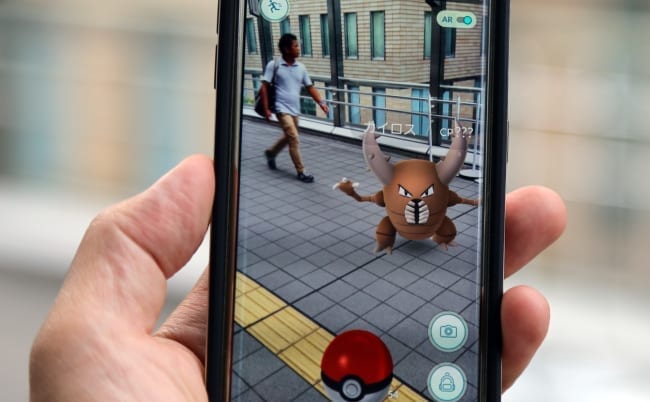
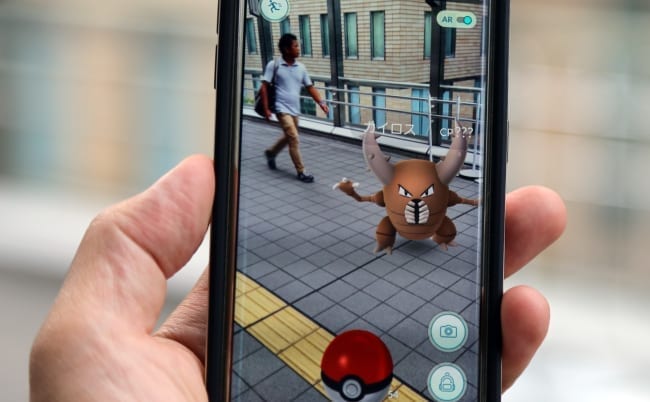
    ‘Pokémon Go’, an augmented reality app developed by Niantic, requires players to walk around and catch creatures called Pokémon using one’s smartphone.

    The hit game is not yet available in the country but a technical glitch made it accessible in a few locations such as Sokcho, Ulsan, and Busan driving people to flock to these areas, according to The Korea Herald.

    Top South Korean c-store operator CU reported that its outlets in Sokcho saw a jump in sales notably in battery charging services which rose by 388 percent and mobile accessories such as portable batteries and earphones by 82.4 percent.

    A rise in demand for ice cream and cold beverages due to summer heat has also been seen so the Sokcho branch of retail chain E-mart offers free ice water, as part of its marketing campaign, to ‘Pokémon Go’ players who can catch Pokémon creatures on its premises.

    Travel agencies, hotels, and retailers selling Pokémon merchandise are also cashing in on the game phenomenon.

  • Korean retailers ride on ‘Pokemon Go’ craze

    Korean retailers ride on ‘Pokemon Go’ craze

    South Korean retailers are capitalizing on the explosive popularity of Nintendo’s augmented-reality mobile game “Pokémon Go” with new products and services targeting local Pokémon game enthusiasts and fans.

    From a sudden rise in consumer spending at select Pokémon-appearing cities in Korea to the launch of Pokémon-inspired hotels, tour packages and goods, the smash-hit game appears to be leaving a notable imprint on the local retail sector.

    “Pokémon Go,” produced jointly by Nintendo and U.S.-based Google spinoff Niantic, Inc., is a GPS-based mobile game that has users running through real-life locations to discover and collect virtual monsters, such as the all-famous Pikachu, via their smartphones.

    Though the game has yet to officially launch in Korea, it has been operational in parts of the country, including Sokcho of Gangwon Province since mid-July and most recently parts of Ulsan and Busan, where the game’s GPS signal is active due to technical glitches.

    Eager to play, hundreds of avid Pokémon fans here have been flocking to such locations in the past few weeks, boosting business at local retailers in the region and prompting online retailers to introduce an array of Pokémon-inspired products.

    Among the biggest beneficiaries are convenience stores in Sokcho which have been enjoying a sudden sales boom thanks to peaking demand for cell phone battery charging services as well as portable battery chargers.

    CU, the nation’s top convenience store operated by BGF Retail, said its outlets in Sokcho saw their sales from July 11-17 almost double compared to the previous week, thanks to the legions of “Pokémon Go” players in the area.

    During the period, sales of “battery charging” services at CU stores in Sokcho rose by 388 percent from the week before while sales of small electronic devices including portable batteries and earphones rose by 82.4 percent, BGF Retail said.

    Game players to Sokcho have been frequenting convenience stores in the area to rest and stock up on necessities such as ice, ice cream and water to fight the summer heat as well, boosting their daily sales, a CU official said.

    Joining other smaller businesses, discount supermarket chain E-mart’s Sokcho branch has reportedly begun offering free ice water to “Pokémon Go” players who capture a Pokémon on its premises.

    Targeting Sokcho-bound travelers, scores of mobile-commerce companies including Ticket Monster, 11st Street, Gmarket and Auction began organizing day-trip bus services from Seoul to Sokcho starting from July 12.

    Meanwhile in Busan, the beachside Haeundae Grand Hotel has partnered with Pokémon Korea Co. to offer specialized Pokémon-themed rooms, merchandise and eateries that tug at the hearts of local fans.

    Reflecting Pokémon’s resurgent appeal, sales of Pokémon-related toys, stationary and mobile accessories have surged as well. Online retailer 11st Street saw sales of Pokémon items rise by 57 percent during July 11-17 compared to the previous week, while Ticket Monster said sales of such products rose by 211 percent during the same time frame.

    11st Street is even holding a promotional event inspired by “Pokémon Go” — dubbed the “11Mon Go,” in which users can find and collect “11Mon” character while shopping on the website. Those who collect all the characters are eligible for prizes including round-trip bus tickets from Seoul to Sokcho, according to 11st Street.

    By Sohn Ji-young

  • Pokemon no-go for Indonesian civil servants

    Pokemon no-go for Indonesian civil servants

    Indonesian civil servants have been ordered not to play Pokemon Go at work in a bid to protect “state secrets”, the latest sign of a growing backlash in the country against the smartphone game.

    Resistance is mounting in official circles to Pokemon Go, with the military and police already having banned their personnel from seeking to catch virtual monsters while on duty, and the Jakarta presidential palace prohibiting the game around its premises.

    The top echelons of the security establishment have expressed fears that the game’s hi-tech capabilities could be used by foreign spies to access sensitive data-although security experts are sceptical there is any danger.

    A Frenchman was briefly detained this week after accidentally wandering onto an Indonesian military base as he hunted for monsters.

    Yuddy Chrisnandi, the minister for bureaucratic reform, has now sent a letter to all government departments across the archipelago, from ministries to the intelligence agency and local leaders, calling on them to ban staff from playing Pokemon Go.

    “We are taking preventative measures to maintain the state’s security and state secrets,” he said in a statement posted on his ministry’s website yesterday, addressed to the country’s approximately 4.5 million civil servants.

    “We cannot endanger the stability of the country.”

    Indonesians have been swept up in the frenzy for Pokemon Go, which has been a worldwide hit since its launch two weeks ago among hordes of users who have taken to the streets with their smartphones.

    While it is not available officially in Indonesia, gamers have managed to download unauthorised copies and have set out to hunt for virtual monsters everywhere from shopping malls to mosques.

    Some local leaders were already heeding Chrisnandi’s order, with the mayor of Bandar Lampung city on western Sumatra island threatening to fire civil servants caught playing the game.

    However there appeared to be resistance in other areas-the governor of Central Java province suggested the game could be used to attract more tourists.

    Pokemon Go uses smartphone satellite location, graphics and camera capabilities to overlay cartoon monsters on real-world settings, challenging players to capture and train the creatures for battles.

  • Pokemon Go promotion backfires

    Pokemon Go promotion backfires

    Involving a celebrity with the Pokemon Go obsession may seem like a golden marketing opportunity, but for one Hong Kong shopping mall the combination has been a screw-up.

    Chrissie ChauWith the game not yet officially available in Hong Kong, actress Chrissie Chau claimed on her Facebook site that she would be the first to catch the augmented-reality (AR) game fever. With the heading “Exclusive Pokemon Go Real Live”, she announced she would do a live stream on Facebook.

    However, it turned out to be a video of Chau dressed in a Pokemon costume, pretending to be Pikachu. Later, some net users discovered that it was a promotional event Chau was working on with a shopping mall.

    This prompted an angry reaction from more than 10,000 internet users in Hong Kong, disappointed that it was just a gimmick and criticising the marketing stunt. Many used Facebook’s “angry” expression, and many left comments describing the the event as a “prank” and even a “PR disaster”.

    Meanwhile, McDonald’s Japan will be the first paying sponsor of Pokemon Go as the game launches there. It will be the first advertiser to test out Pokemon Go’s new sponsored location feature, reports Marketing magazine.

    With the fast-food chain confirming the collaboration, the game in which players use smartphones to search for virtual creatures layered over images of the real world is officially stepping into advertising. In return, McDonald’s Japan will host more than 3000 of its outlets as “gyms” or battle sites for players.

  • CSL to offer free unlimited data for Pokemon GO

    CSL to offer free unlimited data for Pokemon GO

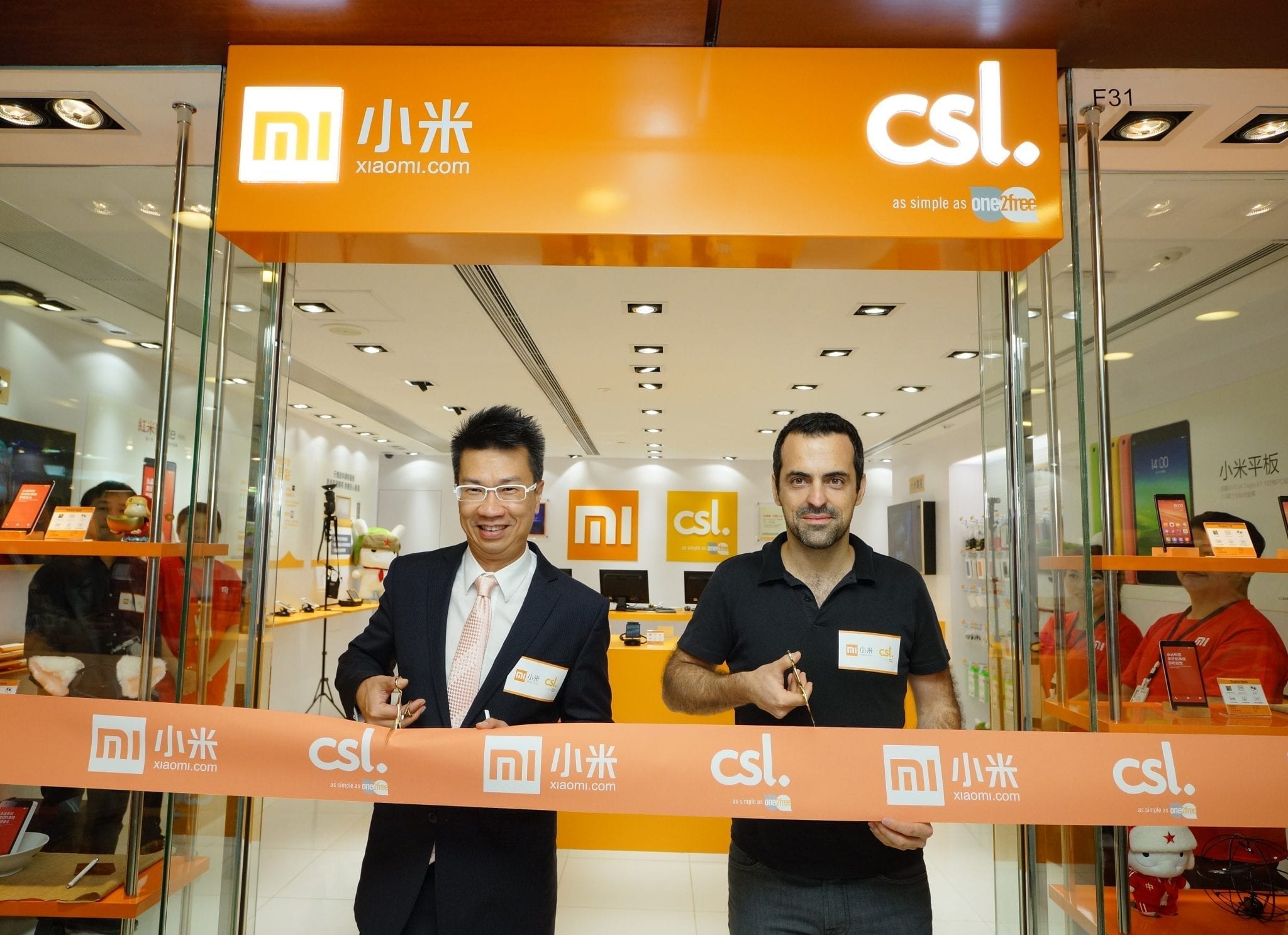
    Hong Kong’s CSL aims to take advantage of the global buzz around the augmented reality game Pokemon GO by offering free unlimited mobile data for the app as a promotional exercise.

    Once the game launches in Hong Kong, customers of both the CSL and 1O1O mobile brands will be able to use the game without incurring data charges.

    The offer appears to be an attempt to attract or retain customers from the younger segment. In line with this, the offer is applicable to CSL’s student plans, which are tailored for users aged between 11 and 17.

    Mobile customers in Hong Kong will also be able to use the Tap & Go mobile payment service to purchase Pokecoins from Google Play and the Apple App Store.

    “As the leading mobile operator in Hong Kong, we foresee that Pokemon GO popularity would take off once this new sensation is launched in Hong Kong,” CSL chief marketing officer Bruce Lam commented.

    “ And we are making this offer available so our customers can play the game for hours on end without having to worry about mobile data consumption.”

  • Businesses in Indonesia Capitalize on Pokemon GO Popularity

    Businesses in Indonesia Capitalize on Pokemon GO Popularity

    “We are excited to announce that Pokémon GO is officially available to Trainers in Germany,” Pokemon Go announced on Wednesday (13/7) on its official website.

    With an official Indonesian release imminent, savvy businesses across the country have begun harvesting the game’s unique featured — requiring players to travel around and explore different areas to find and catch Pokémon.

    The National Museum, Jakarta, suggested players, known as Pokémon trainers, hunt the little monsters through the institution’s grounds on Monday.

    “Are you a Pokémon master/trainer? Come hunt Pokémon at the National Museum. It will add to your knowledge in a fun way!,” the Museum National tweeted.

    Motorcycle taxi ride-hailing application Go-Jek also did not want to miss the opportunity to benefit from the game.

    “Wanna seek Pokémon? Go with Gojek,” the ride hailing app said.

    Qraved.com, a Jakarta-based restaurant search and reservation site, joined the parade after launching a list of restaurants close to Pokéstops — places where players can get free items to enhance game experience — around the Sudirman area.

    The app — created by license owner Pokémon Company, multinational consumer electronics and software company Nintendo and Google’s spin-off software developer Niantic — itself, according to Quartz, has seen its players in the US alone spend $1.6 million each day on in-app purchases.