Tag: pop-up retail

  • Superfan Spending Boosts Japan Annual Retail Turnover by 2%

    Superfan Spending Boosts Japan Annual Retail Turnover by 2%

    Superfan spending across Japan lifted the country’s annual retail turnover by 2 per cent, according to figures highlighted by Rick Kelsey on BBC Business Daily on 12 November 2025.

    Economists credit the surge to oshikatsu, the dedicated fan culture of spending money and time to support idols through merchandise, concerts, and streaming, with helping pull retail sales out of a long slump.

    How Superfans Drive Everyday Retail

    The practice stems from the Japanese verb osu, meaning to endorse or support, which evolved into a noun during the 2000s across domestic idol and anime communities. Today, the behaviour extends far beyond live entertainment venues into everyday high-street retail, convenience stores and food service.

    Consumers regularly purchase acrylic character stands, plush toys, key chains and branded photo cards designed to be carried and photographed in daily settings. Food and beverage operators capture direct spend through collaboration menus, where cafes offer themed items linked to character birthdays, anniversaries and content releases.

    Retailers also capture revenue through dedicated colour-coded apparel, accessories and travel packages tied to anime pilgrimages, where fans visit real-world locations featured in specific series.

    What the Shift Means for Store Operators

    For department stores, convenience chains and shopping centre landlords across Japan, the commercial impact alters basic merchandising strategy. Conventional retail relies on broad demographic appeal and seasonal discounting, but fan-driven retail operates on high price tolerance and non-negotiable loyalty to specific intellectual property.

    Operators that secure exclusive licensing rights and limited-run character merchandise generate immediate foot traffic without heavy promotional markdowns. The risk sits entirely in inventory timing and intellectual property selection, because secondary-market saturation or sudden shifts in fan interest leave unpartnered stock stranded on store shelves.

    Supply Chains Adapt to Collectibles Demand

    Capsule toy machines and blind-box collectibles have expanded floor space in major transit hubs and suburban malls to monetise this demand. Manufacturers now design goods specifically for social sharing, turning consumer photography into free marketing that drives secondary store visits.

    Domestic retailers increasingly structure product launches around character calendars rather than traditional shopping holidays. This predictable cadence gives suppliers steady manufacturing runs for small-format plastics, novelty textiles and packaged food collaborations throughout the year.

    From Niche Subculture to Economic Driver

    A 2024 academic study tracking linguistic use documented how the term transitioned from subculture slang in the early 2000s into a mainstream commercial category embraced by corporate marketing desks. What began as fan-club subscriptions and physical compact disc sales now spans digital streaming support, interactive virtual creators and cross-category retail licensing.

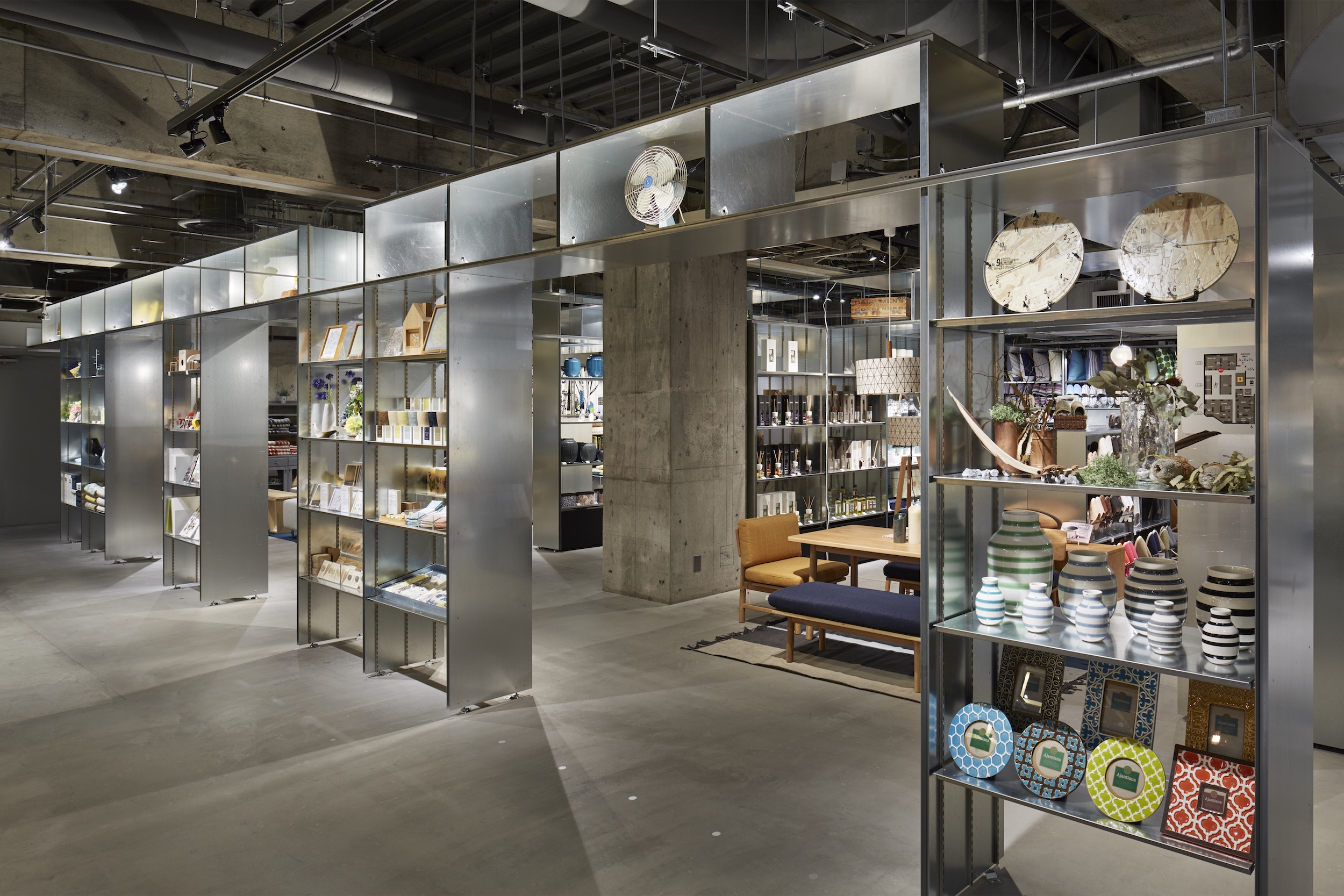
    Department store groups in Tokyo and Osaka that previously cut floor space for youth apparel have rebuilt those areas into rotating pop-up zones for licensed goods. The strategy mirrors broader structural changes across Asian consumer markets, where experiential and identity-driven purchases consistently outpace generic consumer staples.

    The Next Test for Fan Consumption

    Retail analysts are watching upcoming quarterly sales prints from major Japanese department store operators and convenience chains to determine whether the 2 per cent turnover lift holds against broader inflationary pressures on household budgets. Corporate earnings releases scheduled across the next reporting cycle will show whether licensed collaboration margins continue to outpace traditional retail lines.
  • Kuala Lumpur Mall Launches Pocket Monsters Mega Retail Campaign

    Kuala Lumpur Mall Launches Pocket Monsters Mega Retail Campaign

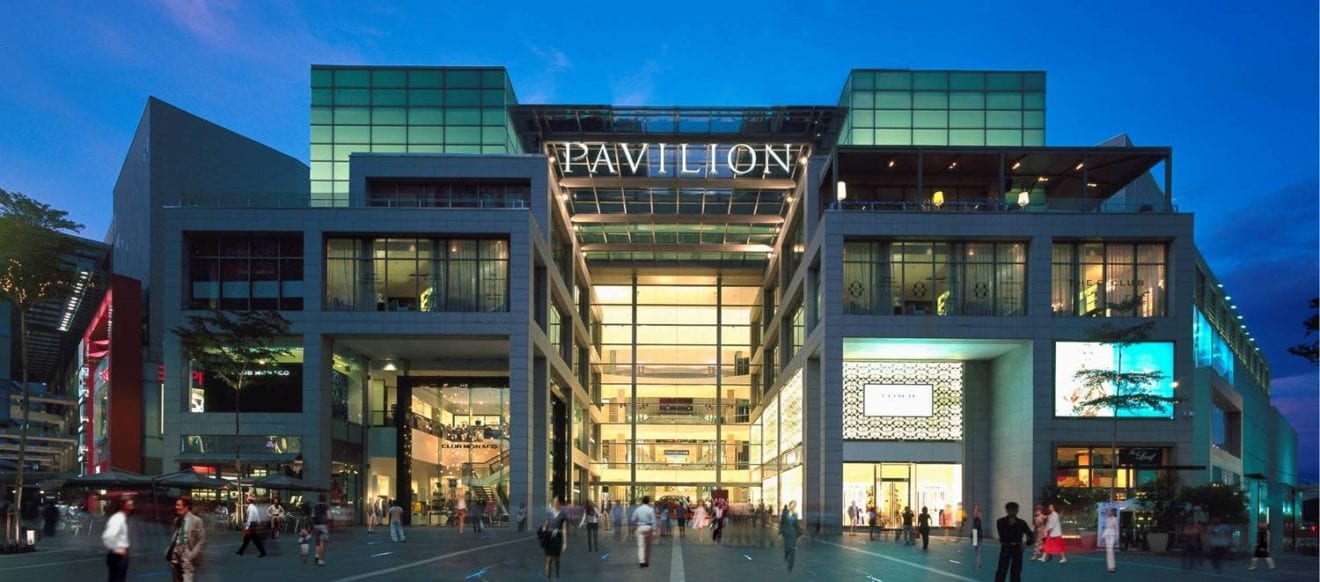
    A Kuala Lumpur shopping mall has launched a mega promotional campaign this week built around the Pocket Monsters entertainment franchise to lift consumer footfall and retail engagement, as reported by The Star.

    The 1 major experiential push combines themed displays, interactive installations and character merchandise across high-traffic retail spaces in the Malaysian capital.

    Entertainment intellectual property in physical malls

    Shopping centres across Southeast Asia increasingly rely on global intellectual property activations to convert casual visitors into paying shoppers. Landlords use character installations and interactive zones to capture family spending during school breaks and weekend shopping peaks.

    Pop culture licensing allows mall operators to differentiate their properties from neighbouring retail hubs without committing to permanent structural overhauls. Merchandising pop-up counters and branded photo opportunities serve as immediate footfall drivers for tenant storefronts nearby.

    Shifting mall footfall strategies in Malaysia

    Malaysian shopping centre operators face persistent competition from suburban developments and expanding e-commerce channels. Securing recognized character franchises provides mall managements with immediate social media visibility and destination appeal.

    Food and beverage outlets and lifestyle retailers positioned near central promotional atriums typically capture the immediate spillover from these events. Landlords structure temporary pop-ups to ensure high tenant dwell times throughout the ground-floor concourses.

    Operational costs and short-term licensing cycles

    Securing franchise rights and building custom exhibition pieces requires substantial upfront capital from shopping centre operators. The commercial return depends heavily on whether increased atrium traffic translates into sustained register receipts across tenanted stores.

    Short-term character campaigns also carry operational limits once the novelty fades among local consumers. Retailers require fast turnaround cycles to rotate seasonal intellectual property before visitor interest wanes.

    The retail pipeline for urban centres

    Experiential retail partnerships continue to dictate leasing and marketing budgets across prime commercial real estate in the Klang Valley. Landlords remain focused on securing exclusive character partnerships to anchor their fourth-quarter marketing calendars.

    Retail operators and tenants will monitor conversion metrics from family-oriented pop-ups as shopping malls finalize their event schedules for the coming retail quarters.

  • Miniso Starts Global Pop-Up Tour with Lisa Featuring 70 Products

    Miniso Starts Global Pop-Up Tour with Lisa Featuring 70 Products

    Miniso opened a global pop-up tour in Bangkok on September 1 with K-pop star Lisa. The rollout introduces more than 70 co-branded products across Asia and the Americas. It follows a 22.4 per cent jump in first-half revenue as the retailer expands its international store network.

    The lineup spans apparel, bags, blind boxes and lifestyle accessories. Central to the range is the YoYo x Lisa Collection Vinyl Plush Surprise Box series. That line pairs the artist’s brand directly with Miniso’s proprietary character IP, YoYo.

    Tour Schedule and Asian Locations

    Bangkok’s IconSiam shopping complex hosted the debut before the tour heads to East Asia. The next activation opens at Omotesando Hills in Tokyo, running from September 11 to October 5.

    Three flagship pop-up locations in Beijing, Shanghai and Shenzhen will open simultaneously on September 12. Jakarta hosts the final Southeast Asian stop in October.

    Beyond Traditional Licensing

    Merchandise strategy is shifting across the business. Instead of relying purely on third-party entertainment licenses, the chain couples its proprietary IP with celebrity partnerships. The approach aims to lift average selling prices and drive foot traffic into physical stores.

    For mall operators and rivals, the push raises competition for temporary space. Pop-up formats let Miniso test local demand and build shopper volume in prime retail corridors without immediate long-term lease commitments.

    Americas Rollout Follows Revenue Gains

    Financial results reported last month showed a 22.4 per cent revenue increase for the first half. Growth was driven by performance across mainland China and international markets.

    Overseas expansion follows the Asian run, with pop-up locations opening across the United States and Mexico in November.

  • Loft Returns to Hong Kong with 3,500-Product Pop-Up at Moko

    Loft Returns to Hong Kong with 3,500-Product Pop-Up at Moko

    Japanese lifestyle chain Loft returned to Hong Kong on August 22, opening a 3,500-product pop-up store at the Moko shopping mall in Mong Kok.

    The one-year temporary location is run by local retail operator Yaichi under a pricing model pegged directly to Japanese domestic rates. The store carries inventory across stationery, cosmetics, homeware, gifts and seasonal items, reviving the Japanese brand’s presence in the territory following an earlier exit.

    Merchandise lineup and price matching

    Yaichi built the retail concept around a Japan Price Match guarantee to counter gray-market importers and cross-border shopping. The outlet stocks exclusive items including the Loft Limited Tote Bag, B-Side Label vinyl stickers, and beauty lines such as Vim Beauty, a cosmetics label developed by Japanese creator Marilyn.

    Alongside shelf pricing, the operator rolled out a dedicated membership tier called Yaichi Loft Tomo. The programme offers members discounted pricing and promotional perks during the pop-up’s stay at the Sun Hung Kai Properties-owned retail complex.

    Testing demand through local franchise partners

    Japanese variety and lifestyle chains have adjusted their overseas playbooks across Greater China, using franchise and distribution partners rather than heavy direct capital investments. Loft previously opened its first direct flagship in Shanghai in mid-2020, but the Hong Kong format relies entirely on Yaichi to manage local stock and lease commitments.

    The Moko pop-up is scheduled to trade through August 2027, giving the brand a 12-month window to gauge consumer response before committing to permanent standalone stores in the city.