Tag: pop

  • Funko Pop to launch first Southeast Asian store in the Philippines

    Funko Pop to launch first Southeast Asian store in the Philippines

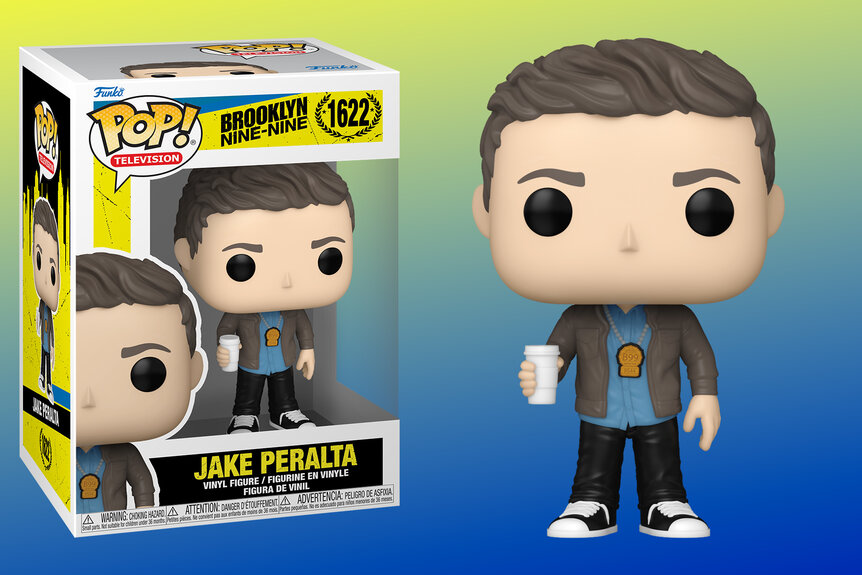
    US lifestyle brand Funko is set to open its first Southeast Asian store this June in the Philippines through a partnership with local distributor Funtastik Enterprises.

    Located in SM Mall of Asia – one of the largest shopping centres in the region –  the immersive retail space will feature exclusive product drops and interactive zones celebrating popular entertainment, sports, music, and anime franchises.

    The store will carry a wide range of collectibles, including the Funko Pop! vinyl figures, Bitty Pop!, Loungefly accessories, and Manila-exclusive apparel and merchandise.

    Cynthia Williams, CEO of Funko, said the Philippines has consistently ranked as one of Asia’s strongest-performing markets.

    “As a global brand, Funko is committed to expanding our presence in the most engaged and fastest-growing fan communities,” said Williams.

    “We’ve seen great success with similar licensed stores in the Middle East, and we’re excited to bring that same momentum here.”

    She added that the new store would help deepen the brand’s local retail footprint and deliver more direct-to-consumer experiences.

    “By enhancing direct-to-consumer experiences, we’re eager to inspire connection, self-expression, and fun for our fans – wherever they are in the world,” she concluded.

    Established in 1998, Funko is a US-based company known for its licensed pop culture merchandise, including vinyl figurines, bobbleheads, plush toys, action figures, apparel, and games.

  • Avelacom establishes PoP at Thai stock exchange

    Avelacom establishes PoP at Thai stock exchange

    Avelacom, a high-performance networking and IT infrastructure provider for the financial services industry, is expanding its reach in Asia with a new point of presence at The Stock Exchange of Thailand (SET).

    The new PoP at the SET’s data center facilities will provide lower latency connectivity as well as more direct connectivity options for traders, brokers and market data vendors.

    For example, it will offer a roundtrip latency of 26ms between the SET and the Singapore stock exchange, and 39ms between the SET and the Hong Kong stock exchange.

    Avelacom CEO Aleksey Larichev said the expansion has been motivated by a growing interest in Asian markets from global capital markets players, as well as the prospect of new arbitrage opportunities for equity derivative products between SET and other major exchanges worldwide.

    “Avelacom’s network has always been intended to serve latency sensitive clients by working with international institutions, accessing emerging markets, particularly on Asian trading venues,” he said.

    “A PoP in Thailand further enhances our Asian presence and provides our clients with low-latency access to yet another growth market. We hope this will bring more global clients to SET and positively influence the exchange trading volumes.”

  • How to get leg up on e-tail with digital POP displays

    How to get leg up on e-tail with digital POP displays

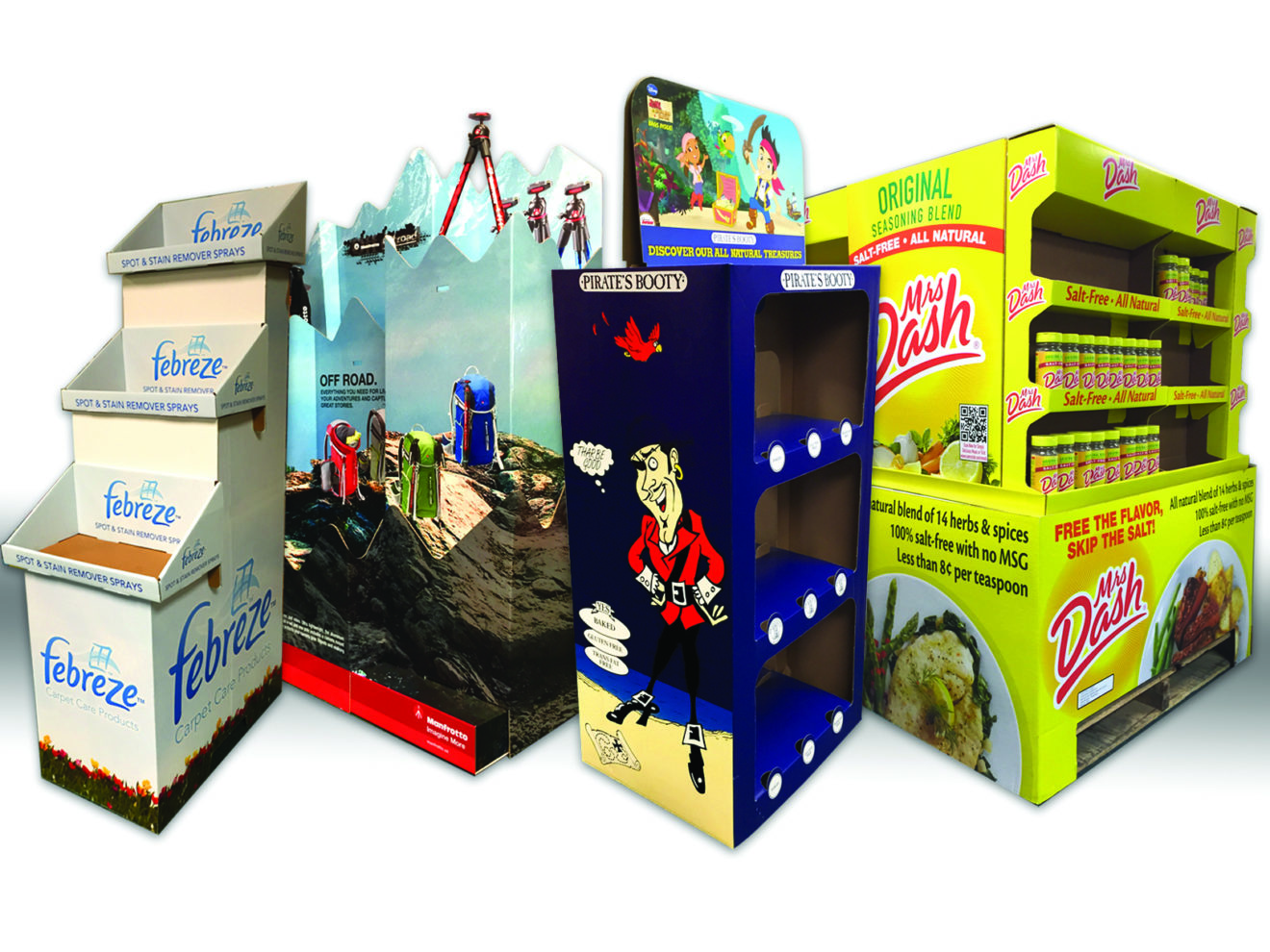
    If there’s anything we’ve learned from the “retail apocalypse,” it’s that consumer shopping habits are changing, and fast. More consumers are making purchases online today than ever before, but surprisingly, several still prefer to shop in-store for a range of goods – mostly because of the immediacy factor, shipping savings and a chance to test drive products before purchase. While no one can predict the future, one thing is certain – to stay afloat, traditional brick-and-mortar stores will need to rethink their approach to the in-store experience. Embracing digital point-of-purchase (POP) displays is one strategy, helping retailers attract and engage customers as well as earn their loyalty.  
    POP signage, both digital and static, has not only been shown to catch the consumer’s eye but also to improve the brand experience and ultimately influence purchasing decisions. In a recent report, 62% of shoppers expressed an increased likelihood to search for a product advertised on a POP display during a future visit, with 43% also noting they’d be more likely to purchase it right away. With technology advancing at breakneck speeds and the cost of screens coming down, the digital POP display in particular is quickly becoming more appealing. Here are 5 ways retailers can improve the in-store customer experience this year using digital POP displays:
    1. Make a lasting impression with moving images
    Capturing the attention of consumers amidst everyday distractions is more difficult than ever, but digital POP displays can help retailers break through the noise with moving imagery. Moving imagery in digital signage has proven to be more than two times as effective at yielding an emotional response than static images and also corresponds to greater recall, which can help boost brand loyalty and ultimately revenue.
    1. Encourage relevant impulse purchases
    Digital POP displays help automate the delivery of “in the moment” ads, promos and other content that can improve the consumer’s day-to-day. For example, a digital promo showcasing “50 percent off all jackets” or a “buy one, get one free” offer for a warm beverage on a cold, rainy day can encourage unplanned purchases based on real-time conditions catered to the shopper. This sort of promo is easy to launch on in-store displays with APIs from digital signage providers having made the integration of real-time data into displays simpler and more efficient.
    1. Get interactive
    Digital POP displays can help you create unique experiences that can’t be found elsewhere, which is important, considering 89% of companies expect to compete on the basis of customer experience.  From a virtual dressing room to on-demand assistance and beyond, touchscreen technology can be used to help stores better engage with customers, so that they leave with a more positive brand association.  
    1. Enhance audience targeting with real-time data
    Today’s digital POP displays easily integrate with measurement tools to provide a clearer overview of audience demographics as well as the types of promotions that might appeal to them. This data can be used to display product information or promos that the customer might find useful. In terms of ROI, measurement technology can also provide insight into how many people on average checked out a particular display as well as the duration of each view. It can also be used to generate reports showing correlations between the number of promo plays and total sales of promoted goods.
    1. Highlight loyalty programs
    Today’s consumer is willing to exchange data for deals, with 77% of consumers reporting that loyalty programs make them more likely to be a repeat customer according to Bond Brand Loyalty’s “The Loyalty Report 2018.”This trend has created a loyalty program fever pitch among retailers. Marketing loyalty and membership programs via in-store digital POP displays can help draw attention to related promotions, and also trigger the delivery of relevant creative to individual consumers whenever they scan their card or enter their phone number in-store.
    For retailers investigating digital POP displays as a way to improve their in-store experience and their customer interactions, there are a host of screens and software available that make it easy to deploy and automate the population of content across displays. But, don’t treat this as a technology-only project. Focusing on the shopper experience that you want to deliver or enhance should also be a priority. It’s important to budget for a content strategy and ongoing content production tailored to the context of these screens versus repurposing TV or web content.
    In today’s shifting market, it’s never been more crucial for retailers to put themselves in the shoes of the modern consumer and think outside the box; digital POP displays offer a smart and flexible way to ensure your brand isn’t left in the dust.
  • Love Yourself a BTS-themed coca cola

    Love Yourself a BTS-themed coca cola

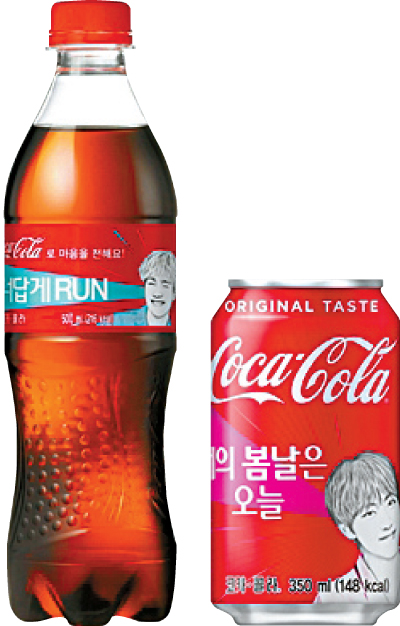
    Coca-Cola launched BTS-themed bottles as part of its “Share a Coke” campaign on Monday. The bottles come in seven different designs – each one representing a member of the K-pop boy group – with inspirational messages referencing the group’s song titles. This year, the special Coke bottle labels read in Korean “Your spring day is today,” “I’m fine if it’s you,” “Run like yourself,” “You’re really dope,” “You are my idol,” “Go instead of worry” and “This year is blazing fire.”

    Bottles are also decorated with images of the members’ faces and vivid colors like pink, yellow and green.

    The BTS-themed drinks are available in grocery stores and convenience stores across Korea. They come in 350-milliliter (12-ounce) aluminum cans and 500-milliliter, 1.5-liter and 1.8-liter bottles.

    Coca-Cola in Korea has been launching special edition Coke bottles as part of its Share a Coke storytelling campaign since 2014. The campaign’s goal is to help consumers share hopeful messages with friends and family by exchanging the drinks with one another.

  • GTT opens new PoP in Japan

    GTT opens new PoP in Japan

    US-based cloud networking provider GTT Communications has launched a new PoP in Osaka Japan as part of an expansion of its global Tier 1 network.

    The company has also opened four new PoPs in the US – in Charlotte, Kansas City, St. Louis and Reno – and one in Calgary in Canada.

    GTT’s network now includes more than 300 PoPs across six continents. The operator also announced in February that it plans to acquire European fiber network operator Interoute for around €1.9 billion ($2.7 billion), adding an additional 400 PoPs to its network.

    The Interoute network includes over 67,000 km of lit fiber, 25 physical or virtual data centers, 31 colocation centers and connections to 195 additional third party data centers across Europe.

    “GTT will continue to expand our network globally as we deliver on our purpose of connecting people across organizations, around the world and to every application in the cloud,” GTT president and CEO Rick Calder said.

  • SingPost introduces Singapore’s first islandwide open parcel locker service

    SingPost introduces Singapore’s first islandwide open parcel locker service

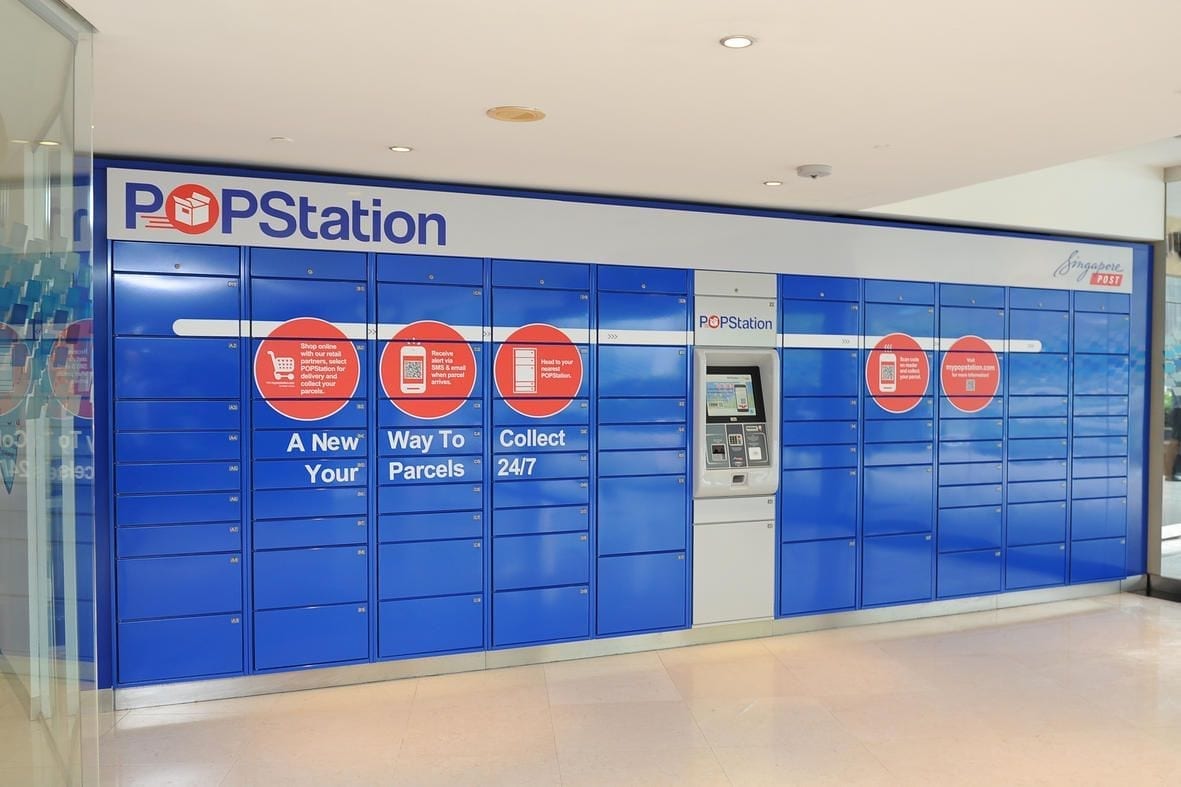
    Singapore Post Limited (SingPost) introduced Singapore’s first islandwide open parcel locker service: Rent-a-POP, an exciting new service for POPStation.

    Retailers and consumers can now rent a POPStation locker to deliver their parcels conveniently 24/7. The SingPost service provides an innovative last mile delivery option to blogshop owners, marketplace sellers and consumers.

    Currently, there are limited cost effective delivery options which provide end-to-end tracking for this customer segment. SingPost’s Rent-a-POP service addresses this gap in the market, and provides a convenient solution that is easy to use.

  • Telekom Malaysia launches POP in Laos

    Telekom Malaysia launches POP in Laos

    Telekom Malaysia has arranged to establish a new point of presence in Laos in collaboration with the Lao National Internet Centre (LANIC).

    Under the agreement, LANIC will host and provide infrastructure for the POP via its international data center in Vientiane.

    Telekom Malaysia will use the POP to provide alternative connectivity options to its customers and afdress growing demand for international internet bandwidth in Laos.

    LANIC is an affiliate of the Laos Ministry of Posts and Telecommunications. The new POP will enable services including IPVPN, IP transit and global Ethernet services.

    “This alliance with LANIC will further strengthen our regional footprint in Southeast Asia, Telekom Malaysia VP for product marketing and operations Mohamed Asri Jaafar said.

    “Through the new POP, TM will be able to offer a vast range of services at a competitive price, going in and out from Laos through diversified routes via submarine and terrestrial cables, connecting to our existing on-net network presence.”

    Telekom Malaysia now has 22 POPs worldwide, spanning Asia, Australia, North America, Europe and the Middle East.