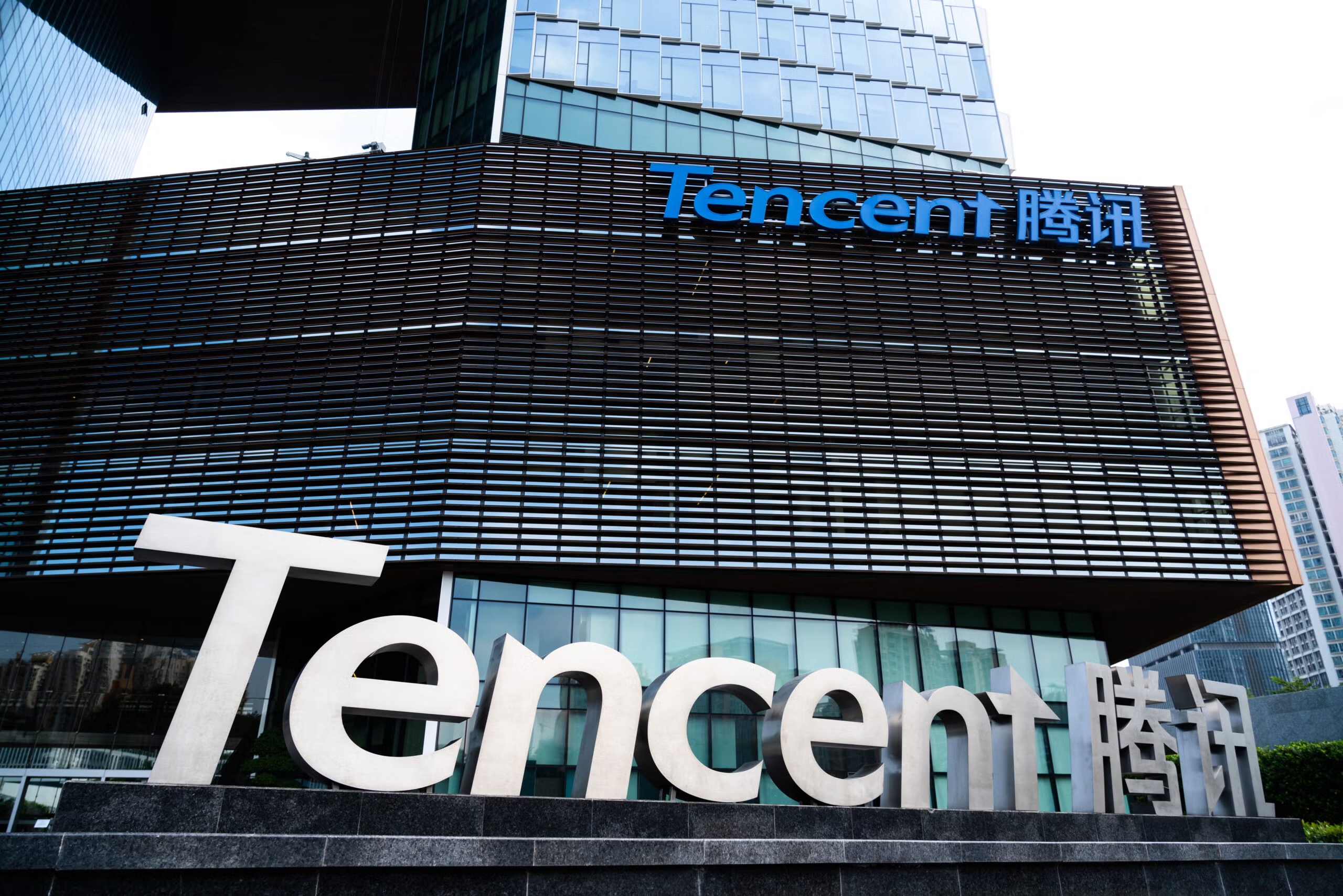
Tencent Cloud signed a preliminary pact with Malaysian carrier U Mobile on September 15 to build enterprise artificial intelligence tools on the carrier’s 5G network. It is Tencent Cloud’s first direct AI partnership with a telecom operator in Malaysia.
Under the memorandum of understanding, the companies will run joint development projects through U Mobile’s Enterprise Innovation Platform. The facility links Tencent Cloud’s AI processing infrastructure with U Mobile’s ULTRA5G mobile network. Both groups plan to test software tools for corporate clients and small to medium-sized enterprises. Commercial rollout across Southeast Asia will follow.
How the platform pipeline operates
The joint programme runs across three stages: build, test, and demonstrate. Technical teams from both companies will hold engineering workshops and conduct pilot shows. They will also open testing environments to software developers, academic researchers, and startups.
Engineers will focus on system integration, automated workflows, network security, and data handling. U Mobile plans to use the trials to identify enterprise use cases. These can convert into paying commercial contracts once network validation wraps up.
At U Mobile, we are focused on using our next-gen 5G network to enable innovation that delivers real value to businesses. Our partnership with Tencent Cloud strengthens this by bringing together 5G, AI and cloud technologies to explore new applications across industries.
Carriers compete for enterprise AI workloads
Southeast Asian telecom operators face flat consumer mobile revenue and rising capital spending on network rollouts. Partnering with Chinese hyperscalers gives local carriers ready-made enterprise software suites without funding research from scratch. For Tencent Cloud, tying algorithms directly to local carrier data pipes secures access to corporate clients. Rivals Alibaba Cloud and Huawei Cloud are already pursuing those accounts in Kuala Lumpur.
This structure shifts the capital burden. U Mobile provides the radio access network and corporate client relationships. Tencent Cloud supplies model architectures and compute tools. The setup reduces upfront overhead for the carrier, though long-term margins will depend on how the partners split software licensing fees.
SME adoption presents commercial hurdle
Small and medium-sized enterprises make up the bulk of Malaysia’s business sector, but smaller firms frequently delay advanced tech spending. High transition costs and complex integration cycles often stall digital transformation plans before software reaches production.
Both partners target this friction by building pre-tested tools for specific operational bottlenecks. If pilot programs fail to show measurable efficiency gains or clear cost cuts within six months, enterprise uptake will lag. Network capacity would then sit underutilised.
Deployment pathway and next steps
Earlier carrier partnerships in the market centered strictly on data connectivity and basic cloud hosting rather than integrated AI tooling. The current project follows U Mobile’s rollout of its commercial ULTRA5G network infrastructure across high-density Malaysian business districts.
Joint technical workshops with selected enterprise partners begin in the fourth quarter of 2026. The initial batch of commercial pilot deployments across retail, logistics, and manufacturing sectors will head for review by mid-2027.