With the pre-Christmas rush at its peak, a serpentine network of conveyor belts at Singapore Post’s new logistics centre moves parcels destined for addresses across the world in time for the festive season.
It is a scene repeated in sorting offices around the globe in December, the busiest time of the year for postal firms with armies of workers toiling to get presents delivered on time.
But times are changing and the explosion of online shopping is forcing traditional delivery companies such as SingPost to adapt or be damned.
The growth of websites such as Amazon and Alibaba means customers can avoid crowded high streets and buy anything from mobile phones to sports equipment online and send them straight to loved ones.
US-based research firm eMarketer said online sales are expected to reach $1.9 trillion this year and top $4.0 trillion by 2020.
And traditional firms are making moves to keep up.
The nearly 200-year-old SingPost, which is partly owned by China’s Alibaba, last month inaugurated its ecommerce sorting office capable of handling up to 100,000 parcels a day.
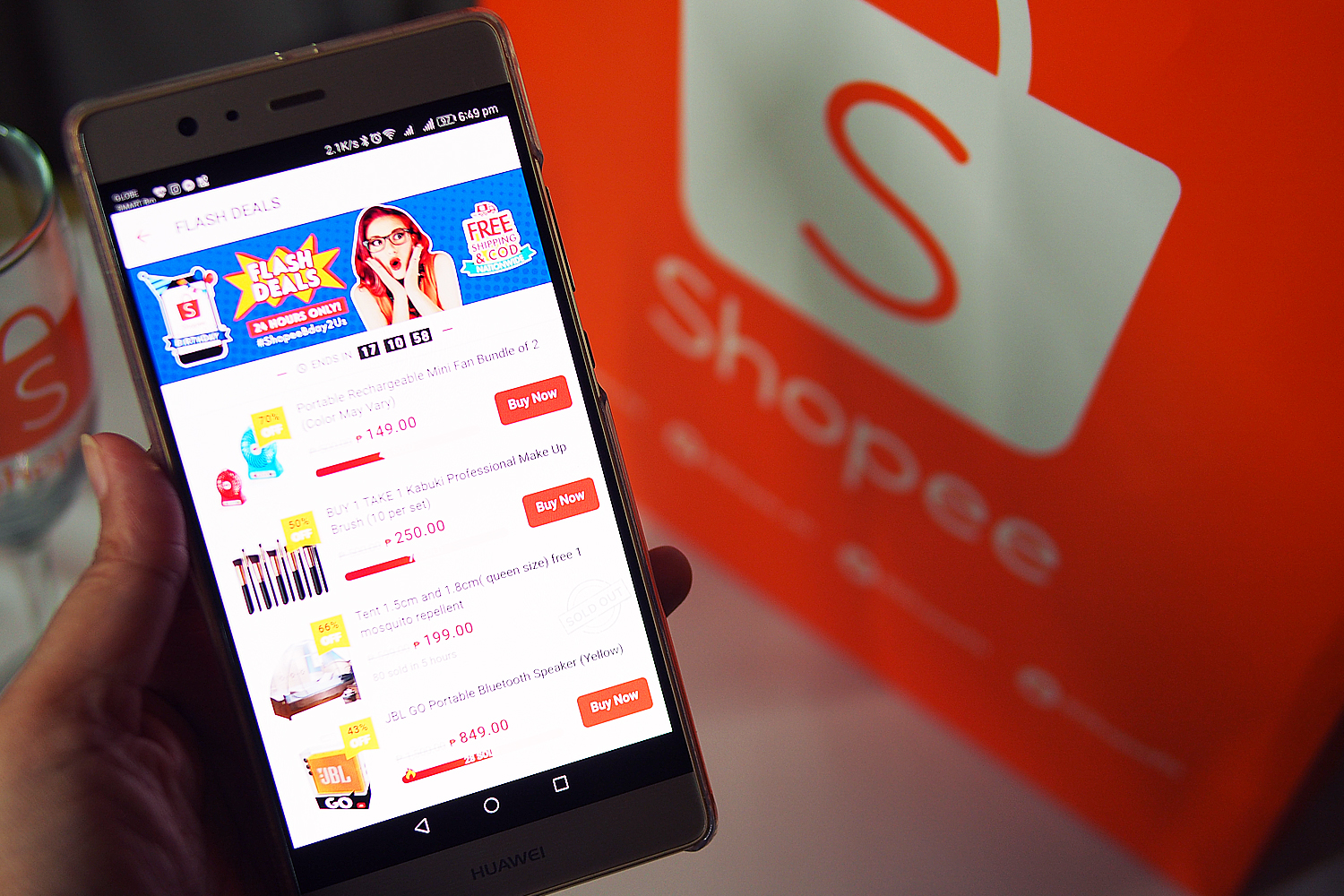
It also now provides a service setting up retail websites for clients and allows for online payments while it has teamed up with brands including Adidas, Timberland and Xiaomi to help expand their online retail sales in the region.
And last year it expanded its US and European presence by buying ecommerce technology provider Jagged Peak and ecommerce firm TradeGlobal.
– ‘Change or die’ –
“In this new digital age, the lives of the traditional postal companies are coming to a turning point: change or die,” said Cris Tran, an analyst with consultancy Frost & Sullivan.
With traditional mail volumes dropping dramatically, ecommerce offers hope for national postal firms in Asia if they adapt quickly enough and do battle with giants like FedEx and DHL.
This year’s “Singles Day” ecommerce promotion by Alibaba on November 11 grossed 120.7 billion yuan ($17.8 billion), smashing last year’s sales record of 91.2 billion yuan.
Asian postal firms “are doing some very innovative things to take advantage of ecommerce”, said Brody Buhler, global managing director for post and parcel at consultancy Accenture.
Japan Post has partnered with convenience stores to provide 24-hour delivery, while Pos Malaysia is boosting its warehousing, logistics and other other capabilities in a bid to become a full-service ecommerce provider, Buhler said.
“Pos Indonesia investments in capabilities such as lockers and faster fulfillment from China are great examples of postal organisations investing to take full advantage of the opportunity ecommerce provides for growth,” he added.
In the year ended March 2016, ecommerce-related revenues accounted for 35.8 percent of SingPost’s turnover which crossed Sg$1.0 billion ($707 million) for the first time, and that is tipped to rise further.
Teo Chung Piaw from the National University of Singapore’s Business School said Asian postal firms must also compete with domestic startups and delivery specialists such as Japan’s Ta-Q-Bin and China’s SF Express.
Regulation of state-owned postal firms is also slowing crucial reforms that will allow them to compete better, he added.
Government-owned Australia Post needed regulatory approval to raise the cost of a basic postage stamp, a move it said was necessary to ease losses in its traditional letter business.