Tag: poultry

  • Thai Chamber of Commerce Urges Raw Material Imports to Defend Food Exports

    Thai Chamber of Commerce Urges Raw Material Imports to Defend Food Exports

    Thailand must permit regulated imports of agricultural raw materials to supply export-oriented factories, the Thai Chamber of Commerce warned this week as persistent domestic shortages squeeze food processing operations.

    Poj Aramwattananont, chairman of the chamber, said the shortfall hinders exports despite the country’s advanced infrastructure in cold storage, sterilisation and canning. “To support the Kitchen of the World, we must enable imports for export-oriented production,” said Mr Poj.

    The bottleneck affects established exports of fresh chicken, processed poultry and tuna, alongside 1 rapidly growing export sector: pet food manufacturing. In addition to raw material deficits, agricultural water management issues continue to limit local supply, preventing domestic production from keeping pace with processing lines.

    Opening Inbound Supply for Export Lines

    Poj proposed setting up regulated import channels specifically for raw agricultural goods destined for re-export after processing, balancing factory demand without depressing domestic farmgate prices.

    Industrial processors operate sterilisation autoclaves and continuous-feed canning lines designed for steady volume. When local farms miss delivery quotas because of seasonal water shortages, these industrial plants run below capacity, driving up the fixed cost per unit on finished export goods.

    Food security has shifted into a top global priority as trade routes face recurring disruption from armed conflicts. Sourcing inputs from outside Thailand allows packaging plants to fulfill overseas retail contracts while domestic agricultural reform remains slow.

    Shifting Formulations to Functional Ingredients

    Visit Limlurcha, vice-chairman of the chamber, said post-pandemic consumption patterns require local processors to shift development toward health, innovation, and environmental criteria.

    Functional ingredients represent the fastest-moving segment of this shift, prompting negotiations between industry groups and the Thai Food and Drug Administration to approve specific ingredient health claims on packaged retail labels.

    Maintaining export margins will also require biological upgrades at the farm gate. Visit said agricultural programs must prioritise targeted plant breeding for disease and pest resistance alongside livestock lines engineered to withstand recurring epidemics.

    Diversifying Culinary Exports Past Staple Dishes

    Restaurateurs and consumer packaged goods brands face similar product concentration risks on retail shelves abroad. Thaniwan Kulmongkol, president of the Thai Restaurant Association, said export campaigns rely too heavily on familiar recipes like pad Thai, leaving regional food styles unmonetised.

    Coordinated marketing through bodies like the Tourism Authority of Thailand could pull lesser-known regional recipes into standard restaurant formats and commercial retort packaging.

    Processing plants already possess the technical equipment to produce shelf-stable regional meals. Without sustained access to raw fish, poultry cuts, and specialised farm inputs, those lines cannot run the production runs necessary to displace cheaper regional competitors.

    The Policy Hurdle Facing Factory Floor Inputs

    Thai agribusiness groups have historically operated behind protective trade walls designed to preserve local farmer margins. The chamber’s call exposes a growing divide between rural agricultural producers and industrial export manufacturers who need cheap, predictable inputs to defend supermarket shelf space.

    If the government grants tariff exemptions or streamlined permits for processing-bound agricultural inputs, factory owners can run their sterilisation and canning operations at planned capacity. If the trade restrictions stay intact, regional processors in neighbouring markets with direct maritime trade access will absorb that volume.

    The Thai Food and Drug Administration continues discussions on labelling rules for functional products, while cabinet review of agricultural import mechanisms remains pending.
  • Huat Lai Launches Five Frozen Poultry Products Under Little Farmer Brand

    Huat Lai Launches Five Frozen Poultry Products Under Little Farmer Brand

    Huat Lai Resources Berhad launched Little Farmer in Malaysia in October 2026, entering the retail frozen poultry category with five value-added chicken products processed from its domestic farming network.

    The company is Malaysia’s largest supplier of Certified Humane cage-free eggs and one of the country’s biggest integrated poultry producers, giving the new consumer label immediate upstream supply support.

    The Initial Five-Product Retail Lineup

    Little Farmer debuts with Shiok Mamak Drumettes, standard Chicken Drumettes, Japanese Crispy Chicken Bites, Tempura Nuggets, and Tempura Nuggets Smokey Cheese. The lineup targets home cooks and quick-meal shoppers through supermarket freezer aisles, carrying the sub-brand tagline “Farm Goodness by Huat Lai”.

    Packaging across the range highlights “Nenek Approved” branding alongside the producer’s farm heritage. The push takes Huat Lai directly into value-added, packaged processed meats, a segment that commands higher margins than wholesale fresh broilers and commodity table eggs.

    Value-Added Processing vs Commodity Poultry

    Upstream livestock producers across Southeast Asia face steady margin pressure from volatile feed grain imports and local retail price controls on standard fresh chicken. Moving into cooked and breaded frozen meats lets producers capture processing margins that commodity wholesale contracts do not provide.

    Retail buyers in Malaysia have allocated more freezer space to local, halal-certified processed foods as shoppers look for convenient meal options. Little Farmer enters a competitive shelf already contested by established regional brands, meaning shelf velocity and distribution reach will matter more than brand heritage alone.

    Farm Integration and Certification History

    Huat Lai built its market position as an early adopter of commercial cage-free egg facilities in Southeast Asia, securing third-party animal welfare certification for its layer operations. That farming scale provides complete traceability for its meat processing lines.

    Controlling feed, breeding, and processing under one corporate umbrella protects product consistency across the new retail line. It also allows Huat Lai to absorb wholesale supply fluctuations that pure-play food packagers must buy through open contracts.

    Retail Expansion to Watch

    The company is deploying Little Farmer across Malaysian grocers and modern trade outlets through the final quarter of 2026. Store distribution numbers and potential category extensions into raw chilled cuts will determine how much supermarket market share the brand takes in 2027.

  • Cargill Commits $130 Million to Expand Asian Poultry Production

    Cargill Commits $130 Million to Expand Asian Poultry Production

    Cargill will spend more than $130 million over the next two years to expand its poultry processing and feed manufacturing operations in Thailand and the Philippines.

    The investment will lift the company’s cooked poultry output in Thailand to 160,000 metric tons annually. It targets THB 25 billion in yearly export revenue.

    Automation in Saraburi and Thai Storage Expansion

    At its central processing plant in Saraburi, Thailand, Cargill is installing an automated cooked chicken production line. The system uses robotic machinery and artificial intelligence to process real-time sorting and quality data. Work will run through 2028. It will create more than 300 manufacturing jobs in the province.

    Upstream feed operations in Thailand get direct support through a new 30,000 metric ton grain silo. Ground was broken on the facility this year, with commissioning planned for early 2027. The extra holding capacity lets the company buy grain outside standard harvest cycles. That buffers feed costs against seasonal price swings.

    Feed Milling and Retail Brands in the Philippines

    Across the Philippines, capital spending focuses on domestic feed supply and farm networks. An animal feed mill with an annual capacity of 190,000 metric tons is now under construction for late 2027 completion. It will employ over 100 workers and supply commercial producers nationwide.

    Beyond the mill, capacity is expanding across local hatcheries, breeder facilities and broiler farms. The extra volume supplies contracted foodservice buyers. It also stocks Tip-Top, Cargill’s retail chicken brand sold in Philippine supermarkets.

    Demand for high-quality protein continues to grow across global markets, and customers are looking for reliable innovation partners who can help them scale with confidence.

    Watcharapon Prasopkiatpoka, vice president and managing director for Cargill’s Asia-Pacific poultry business, oversees the program across both markets.

    Supply Chain Realignment for Export Markets

    Two distinct strategies define the regional split. Thailand serves as the primary export base, shipping cooked poultry to supermarkets and restaurants in Japan, Europe, North America and Asia. Automation at Saraburi addresses industrial labor shortages in central Thailand. It also enforces consistent portion control for strict overseas food safety audits.

    Philippine investments target domestic food security and price stability rather than exports. Local integrators face frequent raw material bottlenecks and volatile feed prices. Controlling the feed mill and hatchery network shields Cargill from spot-market disruptions. That gives its retail pack business a cost edge over smaller domestic processors.

    Earlier Footprint and Regional Competition

    Global agribusiness groups have spent recent years retooling Southeast Asian protein units around processed, cooked meat instead of raw commodities. Thailand became a processing hub through bilateral sanitary agreements with the European Union and Japan. That sparked heavy capital spending from regional competitors CP Foods and Betagro.

    Cargill previously focused regional spending on standalone feed mills and local joint ventures. This capital plan shifts that focus toward integrated infrastructure. It links grain storage directly to automated cooking lines.

    Work on the Thai grain silo wraps up in early 2027. The Philippine feed mill follows late that year, and the Saraburi processing line comes online in 2028.

  • Avian Flu Outbreak: Mandatory Lockdown for Victorias Poultry Farms to Protect Public Health

    Avian Flu Outbreak: Mandatory Lockdown for Victorias Poultry Farms to Protect Public Health

    The state of Victoria has implemented a compulsory housing mandate for certain chicken flocks due to the ongoing detection of H5N1 avian influenza in newly affected areas. This regulation will be in force for 14 days, until August 21, and will pertain to individuals, households, and businesses that own 50 or more chickens in metropolitan Melbourne, coastal regions, and neighbouring zones. The regulation stipulates that chickens must be housed or confined in a way that prevents them from interacting with wild birds or other wildlife off the premises.

    Mitigating the Risk of Disease Spread

    According to the Victorian Government, this action is designed to decrease the likelihood of the virus infiltrating chicken flocks. In areas not included in the local government’s mandate, while confinement is not obligatory, it is suggested where feasible. The goal is to ensure that farm animals are not in contact with wild fauna.

    Victoria’s chief veterinary officer, Graeme Cook, mentioned that the spread of bird flu in Yambuk, Apollo Bay, and Clyde necessitates an increased response in some areas. Beth Cookson, Australia’s chief veterinary officer, stated that testing had identified an additional 20 H5 positive cases in Victoria, all in larger crested terns from the Portland and Nelson regions. So far, Australia has documented 175 confirmed or probable positive detections. No occurrences have been reported in poultry or Australia’s agricultural production system, and the risk to humans remains very low.

    Repercussions of the Avian Influenza Outbreak

    Following the detection of H5 in a migratory bird near Esperance, a prominent poultry company decided to place its Western Australian operations into lockdown in June. The avian influenza outbreak has also led to disruptions in poultry exhibitions. The Royal Adelaide Show has called off its bird and poultry displays planned for the upcoming month, and the Victorian Government is contemplating comparable steps with the Royal Melbourne Show.

    In the meantime, the ACCC has permitted farmers to keep their chickens indoors, allowing them to continue using free-range egg cartons while avian influenza controls are operational. Victoria is the first Australian state to implement a compulsory chicken housing mandate.

    Questions & Answers

    What is the purpose of the mandatory housing requirement for poultry in Victoria?
    The requirement is designed to prevent contact between poultry and wild birds or wildlife, reducing the risk of avian influenza infiltrating poultry flocks.

    Who does this requirement apply to?
    The requirement applies to individuals, households, and businesses that own 50 or more chickens in metropolitan Melbourne, coastal regions, and some neighbouring areas.

    What measures are being taken regarding poultry exhibitions?
    The Royal Adelaide Show cancelled its bird and poultry displays, and the Victorian Government is considering similar actions with the Royal Melbourne Show.

  • Vietnam Soars to 2nd Place in European Poultry Imports: A Boom in Southeast Asia’s Poultry Market

    Vietnam Soars to 2nd Place in European Poultry Imports: A Boom in Southeast Asia’s Poultry Market

    In 2025, Vietnam witnessed an impressive import of over 56,500 tonnes of poultry from Europe, securing the country’s position as the second-largest consumer in Southeast Asia, with the Philippines leading the pack. This considerable import included various products like duck, chicken, and goose from the European Union (E.U.). These figures, released by the European Commission, show the steadily increasing demand for imported poultry products in the country. By January 2026, Vietnam had clinched the top spot as the largest importer of European poultry in the region, with purchases amounting to over 5,300 tonnes.

    Major European Suppliers

    Poland was the key European country supplying poultry to Vietnam, exporting over 37,300 tonnes in the previous year. France trailed behind with about 4,900 tonnes. Other significant contributors were Hungary, Italy, and the Netherlands, with respective exports of 4,680 tonnes, 2,750 tonnes, and 2,170 tonnes.

    According to Dariusz Goszczynski, a representative of the European poultry sector and President of the National Poultry Council under the Polish Chamber of Commerce, Vietnam is a priority market in the region for the E.U.’s poultry industry. This was highlighted during a promotional event in Ho Chi Minh City, under the campaign “European Poultry – From Farm to Fork.”

    Recovery from Pandemic-induced Disruptions

    Poultry importation in Vietnam experienced a downturn during 2021 to 2022 due to the disruptive effects of the Covid-19 pandemic, averaging around 30,000 tonnes per year. However, the volumes have bounced back almost twofold since 2023 as consumption regained momentum.

    Piotr Harasimowicz, the head of the Polish Investment and Trade Agency (PAIH) office in Vietnam, attributed the upswing in imports to the growing consumer trust in European poultry products, renowned for their strict safety and quality standards.

    Future Projections

    Industry professionals expect the demand to continue on an upward trajectory. The annual exports of Polish poultry to Vietnam alone are projected to hit an estimated 45,000 tonnes in the upcoming years.

    According to Agro Monitor, a market data provider, chicken accounted for 33% of Vietnam’s total meat consumption in 2024, a rise from 29% in 2022. This hints at a shift in dietary preferences towards poultry. The average egg consumption per person per year was about 198 eggs, still trailing behind the global average of 250–300 eggs, signifying further potential for market expansion.

    In line with income growth and urbanization, Vietnam’s evolving food consumption patterns are expected to support both domestic livestock development and the continued growth in poultry imports.

    Questions & Answers

    What is the status of Vietnam’s poultry imports from Europe?
    In 2025, Vietnam imported over 56,500 tonnes of poultry from Europe, becoming the second-largest consumer in Southeast Asia.

    Who are the major European suppliers of poultry to Vietnam?
    Poland, France, Hungary, Italy, and the Netherlands are the major European suppliers of poultry to Vietnam.

    What are the future projections for Vietnam’s poultry market?
    The demand for poultry in Vietnam is expected to continue expanding, with annual exports of Polish poultry alone projected to reach about 45,000 tonnes in the coming years. The country’s shifting food consumption patterns, due to factors such as income growth and urbanization, suggest further potential for market growth.

  • Vietnamese fork out less for pork

    Vietnamese fork out less for pork

    Vietnamese families have been consuming less pork in recent months as prices increased, switching to other sources of protein like chicken and eggs.

    Ngoc Thao from HCMC, 32, said that one kilogram of bacon now costs between VND150,000-180,000 ($6.43-7.72), depending on whether it is purchased at a traditional wet market or a supermarket.

    Cheaper cuts of pork, such as cutlet and thigh, range from VND100,000-130,000 per kilogram, which is twice or thrice the price of chicken.

    “The prices of vegetables, spices and many other things have skyrocketed, but my salary remains unchanged, so I must cut back on my spending on expensive stuff,” she said, sighing.

    “Now our family has meat only for one or two meals per week.”

    A survey of livestock farms at the end of June found that the price of live pigs had crossed VND60,000 per kg, a slight increase from previous days.

    The majority of farmers said the price has increased because the cost of animal feed has increased. Prices of new born pigs have also increased by 20 percent compared to two months ago.

    According to the Organization for Economic Cooperation and Development (OECD), the majority of Vietnamese people have been eating less pork, like Thao’s family.

    From 2016-2018, Vietnam had one of the highest average pork consumption rates in the world at 30-31 kg per person per year. However, during the first two years of the pandemic, this fell to 26 kg.

    Data from Ipsos, a multinational market research firm based in France, showed similar results by compiling statistics on the entire supply of cattle and poultry farms in 10 key livestock provinces and cities, in conjunction with official import and export volume, quotas, and meat products.

    It calculated that each Vietnamese person used to consume about 30 kg of pork per year, but by 2021, this had dropped to 23.5 kg.

    According to Phong Quach, director of Ipsos Vietnam, per capita meat consumption in Vietnam has been increasing as living standards improve, and consumers have more meat sources to choose from.

    He said there were three reasons why pork was no longer the top priority.

    First, the African swine fever got people worried and also severely impacted global supply.

    Second, the price of pork kept rising sharply, albeit intermittently, as input costs like that of logistics rose significantly.

    Third, people were cutting back on spending in the post-Covid period and seeking cheaper animal protein sources than pork.

    For several years now, per capita consumption of poultry (primarily chicken) has increased rapidly – from 12 kg in 2016 to 20 kg now.

    Seafood has surpassed pork as the most important source of protein for Vietnamese people, accounting for per capita consumption of 29 kg per year.

    Per capita consumption of beef, which is more expensive than other meat, has increased slightly from 4.3 kg to 5 kg per year.

    The VNDirect Securities Company said in a meat industry analysis published at the end of May: “We believe that demand for meat is likely to increase when kids are on their summer break while restaurants and industrial kitchens continue to consume at the same rate as the first quarter of this year.”

    Quach said the fact that some local pig farms have sold their complete stock after the African swine fever outbreak will further decrease supply and increase prices in the coming months.

    The price of live pigs for slaughter is expected to remain at above VND60,000 per kg, higher than the VND51,000-54,000 range recorded between October 2021 and April 2022.

    The pressure to balance spending amidst rising prices makes short-term consumption recovery difficult, market observers say. But they add that despite the current situation, the pork market has a lot of room for future growth.

    According to the CEO of a publicly traded food company, the pork market is worth about $10 billion, but 90 percent of the products sold are unbranded.

    Meanwhile, consumers are becoming more health-conscious, and demand for branded, traceable meat products will rise once the price storm passes.

    According to the OECD, each Vietnamese person will consume approximately 27.7 kg of pork by 2023, a 7 percent increase over last year.

    By 2029, this figure could rise to 32.7 kg, higher than the pre-pandemic period, and surpass South Korea and China to take the lead in global per capita consumption.

  • UOB Loan to Boost Singapore’s Poultry Industry

    UOB Loan to Boost Singapore’s Poultry Industry

    Singapore Poultry Hub hopes to improve its productivity by 26 percent and its capacity by 70 percent with the new smart and green factory.

    United Overseas Bank (UOB) has just announced a loan of S$40 million ($29 million) to Singapore Poultry Hub, which will be used to set up the first smart and green poultry factory in the country, the bank announced in a press release on Monday.

    Singapore Poultry Hub is a joint venture among poultry producers and processors including Mr. Tan Chin Long, Tong Huat Poultry Processing Factory, Kee Song Holdings, Sinmah Holdings and Tysan Food.

    The smart factory will use technologies such as robotics, industrial internet of things and Industry 4.0 at the facility, which will also feature a new waste management system that converts part of the waste generated by the poultry processors into protein to be used as an ingredient in livestock feed, reducing waste by 60 tonnes per day, according to the press release.

    Our support of Singapore Poultry Hub is another example of how we are helping SMEs to transform their business and to seize opportunities from trends such as Industry 4.0, Eric Tham, head of Group Commercial Banking, UOB, said. He added that the bank is working with Singapore Poultry Hub to digitalize the collection of payments and reduce the use of cash and cheques.

  • Vietnam Poultry industry needed to further develop

    Vietnam Poultry industry needed to further develop

    Vietnam needed to promote the development of it’s poultry industry due to rising demand for eggs and meat in the domestic and global markets. Experts made the comments at a meeting organised by the Ministry of Agriculture and Rural Development (MARD) in Hà Nội on April 12.

    Deputy Minister of Agriculture and Rural Development Phùng Đức Tiến said it was necessary to focus on production to meet quality standards at home and abroad.

    This would create favourable conditions for domestic poultry products to meet hygiene and safety standards in export markets such as Japan, Republic of Korea (RoK) and some ASEAN countries, Tiến said.

    It would also help local businesses expand their production scale and export to potential markets including China and the Philippines, he said.

    However, experts said the industry needed a strategy to increase other processed poultry products including processed chicken and duck and other products processed from eggs.

    They said this year, localities should draw up support policies for farmers, owners and enterprises to invest in poultry development.

    Deputy Head of MARD’s Animal Husbandry Department Nguyễn Văn Trọng said Vietnam held huge potential for poultry production because of domestic high demand with a population of nearly 100 million, excluding export demand.

    According to Trọng, output had increased to 1 million tonnes of meat and 11 billion eggs.

    Current trends in consumption of animal products show that pork accounts for 65 per cent of Vietnamese meals while chicken is just 20 per cent, therefore, the domestic poultry industry needs to enhance chicken farming for domestic consumption and export.

    Nguyễn Quang Hiếu, deputy general director of De Heus Co, Ltd, said to boost exports, the industry should build safe areas free from disease and have mechanisms to protect livestock farms, ensuring quality standards of export markets.

    According to the ministry, joining international organisations as well as bilateral, multilateral and free trade agreements would help domestic poultry production meet domestic consumption and export demands.

    The average consumption for the average person is 89 eggs per year while the figure is 125-340 eggs in Thailand and Indonesia and 404 in Israel.

    In addition, the domestic confectionery and processed food industry was also developing an increasing demand for eggs.

    Global production in 2019 was expected to increase by 3 per cent compared to 2018 to reach 98.4 million tonnes, marking the strongest growth rate over the past five years mainly due to rising demand in China. That was a great opportunity for the nation to promote poultry meat and egg exports, according to the ministry.

    The poultry production industry was applying scientific and technological advances in production to improve quality of products and competitiveness.

    However, there was an imbalance between supply and demand because there were small scale farms with high production costs and risk of disease.

  • Indonesian ban on poultry from Malaysia has no impact on exporters

    Indonesian ban on poultry from Malaysia has no impact on exporters

    Indonesia’s ban on the import of fresh poultry and unprocessed products from Malaysia shipped after Aug 9 will not have any impact on Malaysian exporters, as they have not been in the market for more than a year now.

    According to an industry player who declined to be named, a ban on Malaysian poultry has actually been in effect since the H5N1 avian influenza outbreak early last year.

    “Basically we don’t export that much or none at all. If you remember the outbreak of H5N1 avian flu in Kelantan. Malaysian poultry or veterinary products have been banned in Indonesia since then.

    “The ban has not been lifted, so there is no effect at all and this is just a continuity of the ban,” he said, adding that the announcement could be due to unofficial movement of poultry from Sabah and came on the heels of an outbreak of avian flu there.

    Malaysia External Trade Development Corp said that Malaysia’s exports of live poultry within Asean stood at RM746.3 million in 2017 while that meat and edible offal of poultry stood at RM56.4 million.

    There are some 10 poultry-based companies listed on Bursa Malaysia. Five of them were losers at the close of trading yesterday.

    Lay Hong fell 2.07% to 71 sen on volume of 8.17 million shares, Sinmah Capital declined 1.70% to 29 sen on 12.25 million shares, CAB Cakaran Corp skidded 1.06% to 93 sen on 123,900 shares, QL Resources eased 0.33% to RM5.96 on 297,200 shares and CCK Consolidated Holdings weakened 0.55% to 90.5 sen with 292,100 shares traded.

    DBE Gurney Resources, PWF Consolidated and Teo Seng Capital were flat at 3.5 sen, 85 sen and 84 sen respectively.

    TPC Plus was the lone gainer, rising 1.35% or 0.5 sen to 37.5 sen.

    LTKM’s shares were untraded.

  • Jollibee poultry plant gives chicken farmers new income opportunity

    Jollibee poultry plant gives chicken farmers new income opportunity

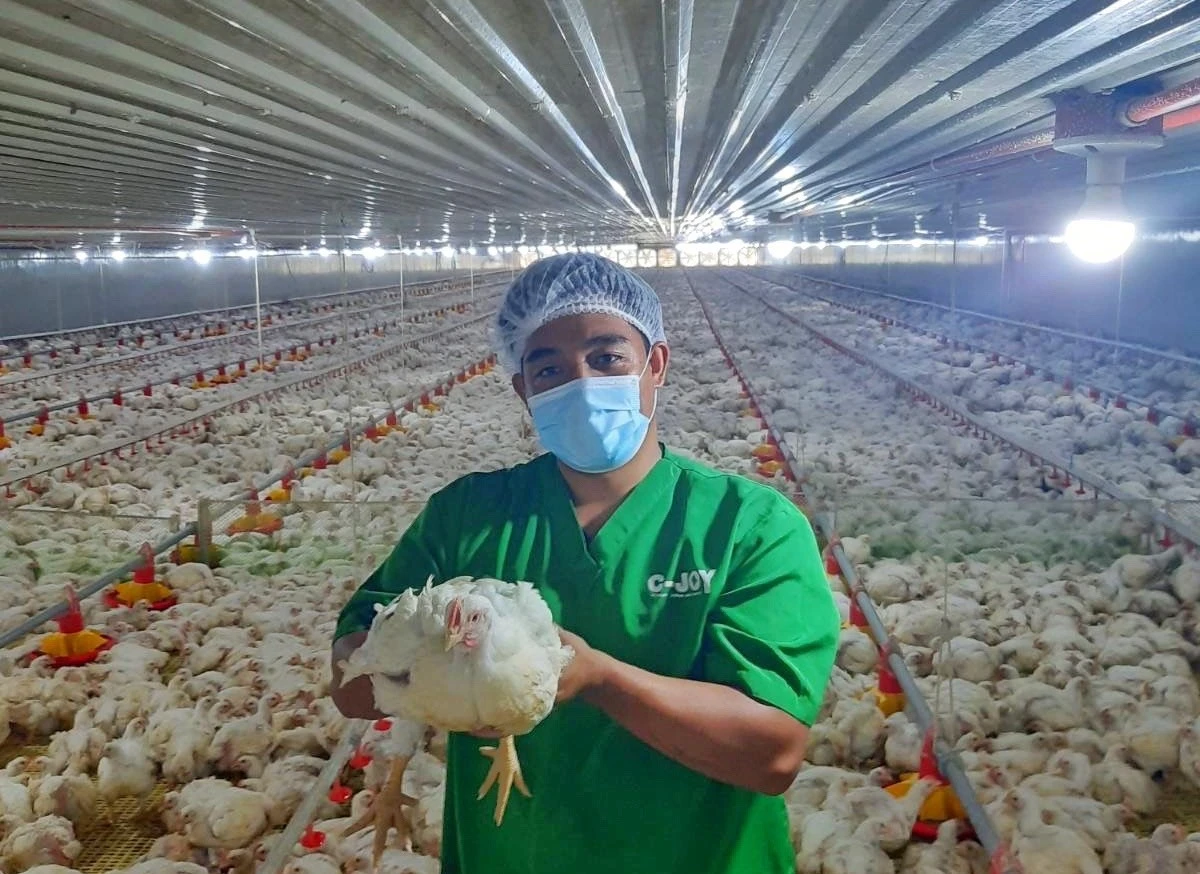
    Cargill Joy Poultry Meat Production Inc. opened on Tuesday, giving chicken farmers in Batangas and nearby provinces new income opportunities, Jollibee Foods said Wednesday.

    A joint venture between Jollibee Foods and Minneapolis, USA-based Cargill , the largest poultry processing plant in the country has a yearly capacity of 45 million chickens.

    “The plant increases income opportunities for local poultry farmers in Batangas and nearby provinces as they will supply the chickens to be processed at the JFC facility,” according to Jollibee Foods.

    The poultry plant in Santo Tomas, Batangas will supply the demand of JFC bands with dressed and marinated chicken.

    “C-Joy is partnering with local poultry farmers in Batangas and nearby provinces to supply the new facility with chicken,” according to Cargill.

    “We are looking forward to producing the chickens that will be supplied to the C-Joy plant to meet the poultry meat requirements of Jollibee,” said Vic Lao, president of Highcrest Corp., a partner-grower of the C-Joy.

    Cargill and Jollibee Foods revealed the partnership in May last year, saying the processing plant will create an estimated 1,000 new full-time jobs in Batangas.

    They said the plant will be 70-percent owned by Cargill Philippines which will oversee the setting up, management, and operations, with Jollibee Foods owning 30 percent.

    JFC invested P244.9 million in the processing plant, and P15.2 million in Cargill Joy Poultry Realty Inc. from which C-Joy leased the land to build the facility.

    The poultry processing plant is industry positive, according to the United Broilers Raisers Association.

    “This is positive for the industry as this will promote competition among big market players like San Miguel and Bounty fresh,” UBRA president Bong Inciong told GMA News Online.

    “Maganda rin ‘yan kasi kaunti lang ‘yung big players. So, healthy for the industry na may competition sila. Also, ‘yung mga small farmers will be given opportunity to grow kasi meron silang bagong malaking client,” he added.

    Summit Securities Inc. president Harry Liu said the development will have an impact on the financial condition of Jollibee Foods.

    “I think it will help the bottom line. I am sure they are doing this investment for future requirement and steady supply for the business now and in the future,” he said in a separate text message.

    JFC closed the third quarter with a net profit of P1.62 billion, up 21.1 percent from a year earlier.

  • Vietnam halts poultry imports from avian flu hit US states

    Vietnam halts poultry imports from avian flu hit US states

    The Vietnamese Ministry of Agriculture and Rural Development (MARD) issued a decision to halt the imports from March 10, saying that these two US states were facing a strain of low pathogenic H5N2 and the high-pathogenicity H7 avian influenza virus.

    MARD has instructed the Veterinary Department to tighten control over the poultry batches imported before March 10 from these states but have not yet been heat treated to eliminate the aviation flu.

    Earlier, the US Department of Agriculture said on Sunday that a farm in southern Tennessee that is a supplier to Tyson Foods had been infected with avian flu. Up to 73,500 birds were killed by the disease, while the remainder has since been suffocated with foam to prevent its spread.

    The outbreak raised concerns among chicken companies because the infected farm is located near the biggest-producing states for chicken meat, including Georgia and Alabama.

    US trading partners, including South Korea and Japan, earlier restricted shipments of US poultry because of the infection in Tennessee.

  • Birde flu force cull of 22 million poultry pieces

    Birde flu force cull of 22 million poultry pieces

    South Korean authorities have culled more than 22.5 million poultry this winter, according to an official, as part of intense efforts to contain its worst bird flu epidemic in recent history that has affected farms across the country.

    The total number slaughtered since November 18 accounts for about 15 percent of the country’s poultry stock. The first outbreak was reported at a chicken farm in Haenam, about 420km south of the capital Seoul.

    Authorities also plan to kill an additional 2.97 million chickens and ducks across the country in coming days, reported on Saturday.

    “Korea has suffered from several bird flu outbreaks since 2003. I can tell you this year is the worst year ever,” Oh Se-ul, chairman of the Korea Poultry Association said.

    The outbreak – the first in nearly seven months – was caused by the highly pathogenic H5N6 strain of bird flu, a new type of virus that was first detected in South Korea.

    Previous cases

    In 2014 South Korea had culled 14 million birds amid a bird flu outbreak.

    As of the end of March this year, the country had killed more than 156 million chickens and more than 9.5 million ducks, according to government data.

    Because most of the birds culled since last month are egg-laying hens, the consequential shortage in eggs has caused their prices to rise sharply.

    In South Korea, the average retail price for 30 eggs has risen nearly 25 percent to $5.68 since November 18 – the highest in more than three years, according to state-run Korea Agro-Fisheries & Food Trade Corp.

    According to data from the institution, it is the highest month-on-month increase in egg prices in nearly a decade. Besides the price increases, some stores are restricting egg purchases.

    To ease the shortage, South Korea’s agriculture ministry is seeking to import egg-laying chickens and eggs from the US, Spain and New Zealand.

    Analysts say the egg shortage is expected to last at least one year as it could take up to two years for egg and poultry industry to raise baby chickens and rebuild flocks.

    Yoon Se-young, a farmer in Seoul said that he was worried because the government has not yet announced any plans to compensate farmers who had to cull their poultry.

    “It has been a month since I had to kill all my chickens and bury them. However, I have never heard of any clear explanation on how the government will compensate for my loss,” he said.

    Jeong In-Hwa, a member of South Korea’s Parliamentary Agriculture Committee said that as the issue of President Park Geun-hye’s impeachment takes the spotlight, the media has failed to highlight the bird flu epidemic.

    “As President Park’s impeachment becomes the most important national issue, protesters at candlelight rallies are dominating the headlines,” he said.

    “Because of that, the avian flu isn’t getting much attention.”

    Japan and China tackle outbreak

    Japan and China have also taken serious measures to control the bird flu outbreak that spread across northeast Asia.

    Japan launched a new chicken cull on a southern island, days after gassing hundreds of thousands of birds about 2,400km to the north.

    Tackling Japan’s sixth outbreak since end-November, Kyushu authorities said they will gas just over 120,000 chickens after the H5 virus was detected on a farm.

    The outbreak in Japan’s Miyazaki prefecture follows the gassing of more than 200,000 chickens at a farm in the northern island of Hokkaido last weekend and brings the country’s cull this season to nearly a million chickens and ducks.

    The cases in Japan – outbreaks before Miyazaki were all confirmed as H5N6 bird flu – are the first in nearly two years, with the bird cull now standing at its highest in six years.

    In China, chickens are being fed more vitamins and vaccines while farmers also ramp up henhouse sterilisation in an effort to protect their flocks.

    As part of its protection drive, China now has bans in place on poultry imports from more than 60 countries, including South Korea and Japan as well as parts of Europe now also experiencing a bird flu outbreak.

    The last major outbreak in mainland China in 2013 killed 36 people and caused about $6.5bn in losses to the agriculture sector.

    According to the website of China’s agriculture ministry, delegations from Japan, South Korea and China gathered in Beijing last week for a symposium on preventing and controlling bird flu and other diseases in East Asia.

  • Cargill enters partnership with Japfa for poultry products in Indonesia

    Cargill enters partnership with Japfa for poultry products in Indonesia

    Cargill and So Good Food, a wholly-owned Indonesian subsidiary of leading agri-food company Japfa, have entered into a 60-40 joint venture to produce and supply fully-cooked poultry products in Indonesia. The strategic partnership will leverage Cargill’s broad industry expertise to boost So Good Food’s capabilities in consumer food processing technologies, product innovation and quality assurance. Cargill and Japfa will also work together to produce a new range of value-added consumer food products.

    Besides toll manufacturing for So Good Food, the joint venture company, Cahaya Gunung Foods (Shining Mountain Foods), will supply high quality products to well-established and reputable quick service restaurants (“QSR”); hotels, restaurants, and the food service sector (“HORECA”); as well as convenience stores and petrol kiosks (“CVS”) in Indonesia. Cahaya Gunung Foods will also have the capability to export products to the region.

    Cementing Partnership, Strengthening Capabilities

    Derek Schoonbaert of Cargill was appointed Managing Director of Cahaya Gunung Foods and he stated: “Indonesia is an important growth market for Cargill. This is our first venture in the poultry business in Indonesia and we are excited to be partnering with Japfa. We will implement our world-class systems and processes to ensure high quality chicken products through our broad industry expertise and quality standards.

    On Japfa’s latest partnership, Mr Tan Yong Nang, Chief Executive Officer of Japfa, explained, “We are pleased to further cement our relationship with Cargill, whom we have had a long standing business relationship with. To be selected as Cargill’s JV partner is testament of Japfa’s high quality, food safety and welfare standards. We look forward to strengthening our capabilities and know-how with Cargill’s broad industry expertise, and deliver even better quality chicken products.”

    Cahaya Gunung Foods will initially operate out of So Good Food’s existing value-added meat plant at Boyolali, Indonesia and take over the employment of the employees at the processing facility. Both companies will look to invest and expand the operations together, focusing on new premium products.

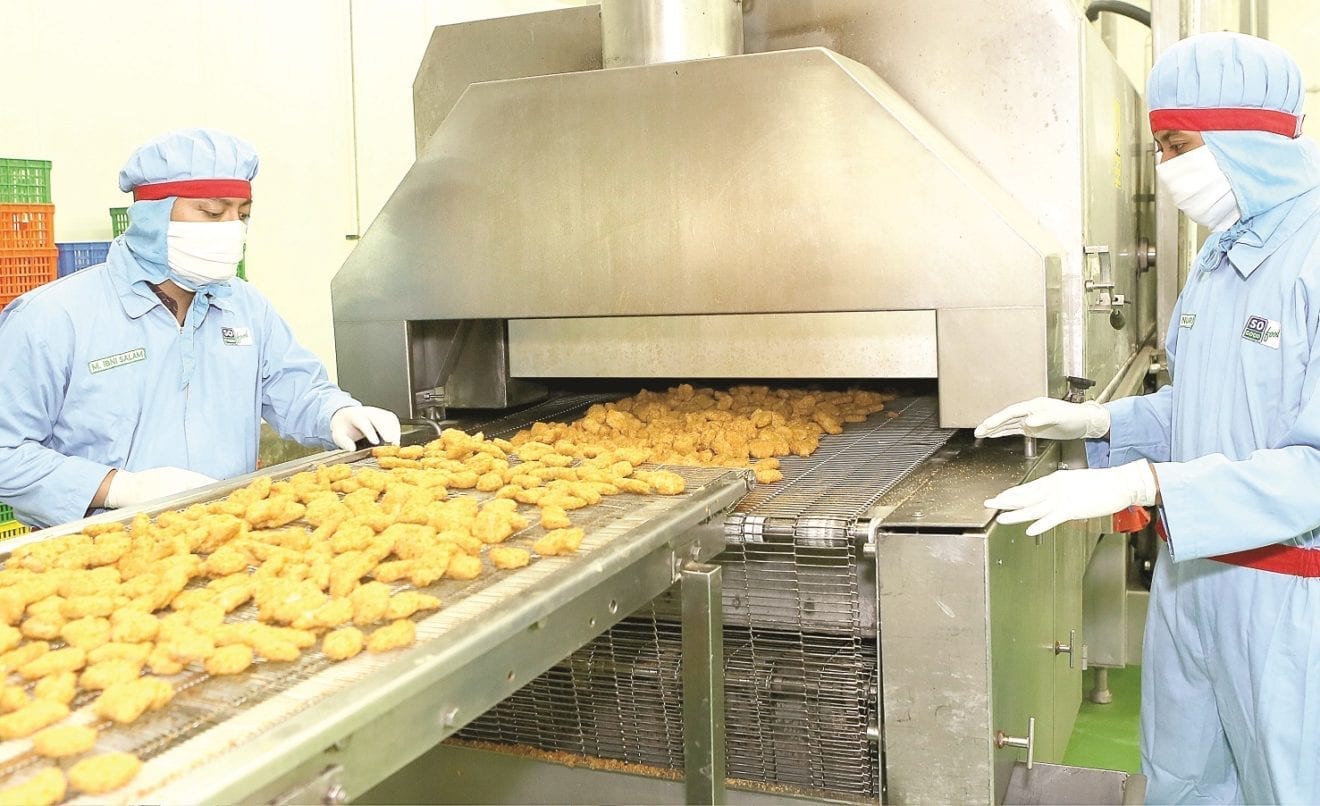
    Meanwhile, So Good Food will continue to operate its four meat processing plants in Indonesia, focused on producing downstream branded ready-to-eat consumer food products such as chicken nuggets, meat balls and shelf-stable sausages.

    Growing Appetite in Indonesia

    According to Euromonitor, Indonesia is the largest foodservice market in ASEAN. The value sales for Indonesia’s foodservice market grew at a compound annual growth rate (“CAGR”) of 8.7% from 2010 to 2014, reaching US$36.8 billion in 2014, which was about US$14 billion higher than the next largest ASEAN market, Thailand.

    Full-service restaurants, fast food and street stalls/kiosks are the top three growth drivers for Indonesia’s foodservice market. The sales value of the foodservice market is estimated to increase at a CAGR of 9.0% from 2015 to 2019 to hit US$56.3 million by end 2018.

    “As the world’s fourth most populous nation, Indonesia’s foodservice market offers immense opportunities. Today, our So Good, So Good Sozzis and So Nice brands are already award-winning household brands in Indonesia for processed meats such as chicken nuggets, meat balls and shelf-stable sausages. Our JV with Cargill will take us a step further into new growth segments such as HORECA and CVS with a wider range of consumer food products,” concluded Mr Tan.

  • Charoen welcomes Salim Group into poultry feed business

    Charoen welcomes Salim Group into poultry feed business

    Salim Group’s decision to enter the poultry feed business in Indonesia in a bid to expand has yet to deter publicly listed poultry firm Charoen Pokphand Indonesia — whom currently holds 34 percent of the market share.

    Charoen Indonesia voiced optimism that its parent company, Charoen Pokhand Group will support the company, especially in terms of technology. The Thailand-based conglomerate is currently one of the biggest poultry business players in the world.

    “We have not prepared any special strategy to anticipate their entrance into the market. We welcome newcomers in the competition,” said Charoen Pokphand Indonesia president Director Tjiu Thomas Effendy on Wednesday.

    In December 2015, Salim Group purchased a controlling stake in Malaysia-based poultry firm CAB Cakaran Bhd. The conglomerate, through its shell company Plant Wealth Holdings Ltd, took 11.05 percent of shares in Cakaran.

    It plans to form a joint-venture in Indonesia this year. “Our Malaysian partner will do the technology transfer, while Indofood will support the operations,” Salim Group Chairman Anthoni Salim told thejakartapost.com recently.

    While Charoen is strong in poultry feed and day-old chicks, its poultry-based food business is low. This opens a door for Salim, as the big player in food industry, to enter especially as Salim has 35.8 percent shares in Fast Food Indonesia, the license-holder for the Kentucky Fried Chicken franchise in Indonesia.