Tag: power generation

  • Semirara Slashes Coal Target to 12 Million Tons as Pit Floods

    Semirara Slashes Coal Target to 12 Million Tons as Pit Floods

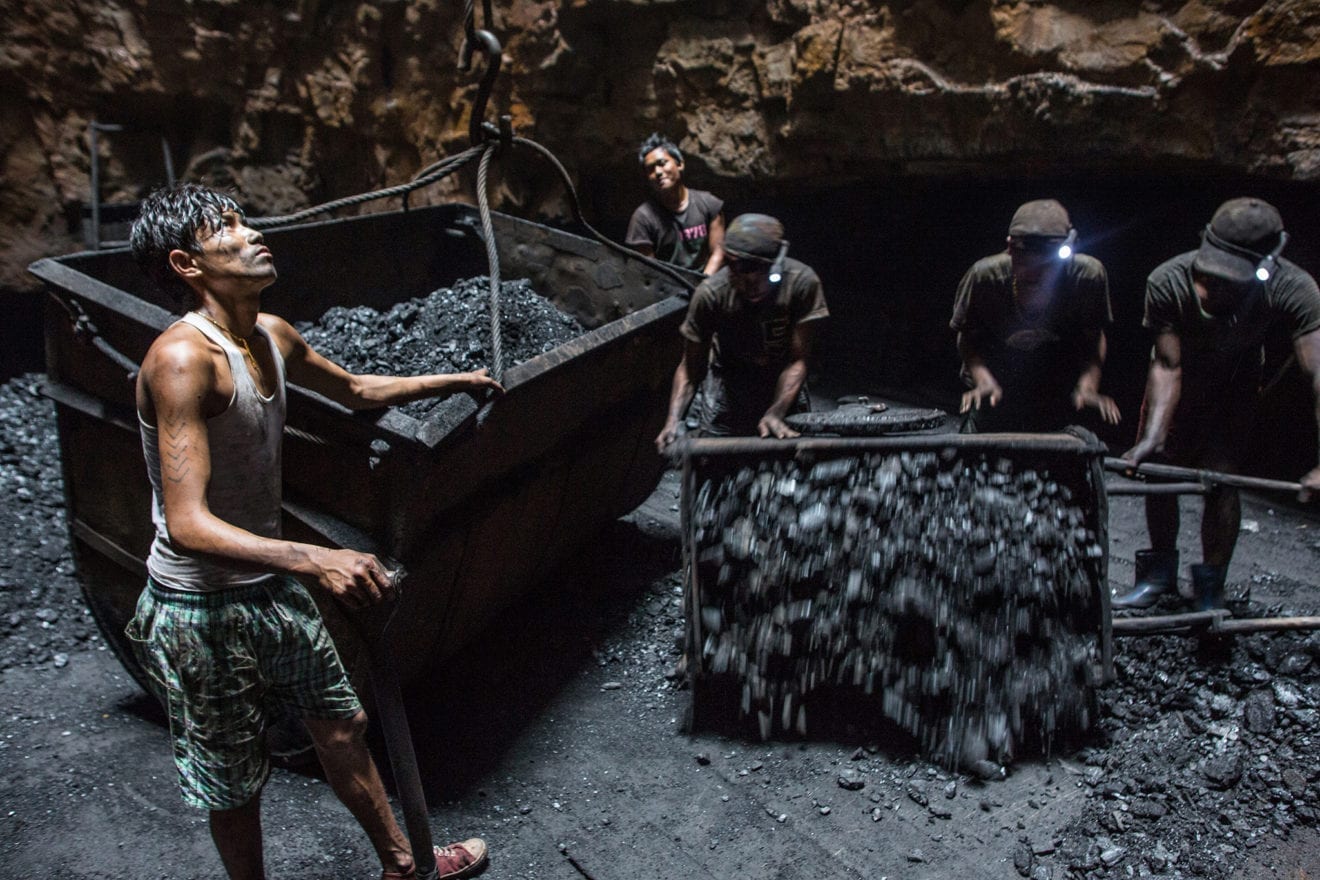
    Semirara Mining and Power Corp. Slashed its 2026 coal output target to 12 million metric tons after uncontrollable seawater flooded its core Acacia pit in the Philippines. Stripping operations are halted indefinitely. The revised target is a drop of nearly 40 percent from the record 19.9 million tons produced in 2025.

    Seawater is surging into the active pit at roughly 30,000 cubic meters an hour. That far exceeds on-site pumping capacity. The structural failure accelerated on September 20 when material from North Block 1 Dam 2 collapsed, sending surface runoff straight into the mining area.

    Crews are attempting to erect another cut-off wall. Meanwhile, the operational breakdown forced SMPC to lay off 1,458 mine-site workers. The company cut an initial tranche of 462 staff before letting go an additional 996 personnel.

    Contract Expiry and Asset Disputes

    Timing could not be worse for the operator or the power grid. Coal Operating Contract No. 5 expires on July 14, 2027. That leaves the Department of Energy scrambling to auction operating rights to the highest financial bidder.

    Energy officials terminated a previous bidding round in September following legal disputes, engineering problems, and operator objections. They now plan to restart the auction between November and December. That gives the winning contractor barely seven months to take over before the current license lapses.

    A legal fight is also playing out in court over more than 55 billion pesos in infrastructure and machinery on Semirara Island. SMPC filed a petition for declaratory relief after the energy department demanded a full inventory of the operator’s property and plant to share with rival bidders.

    State Revenue Versus Engineering Capacity

    Regulators argue that equipment with costs recovered under the operating contract can vest in state hands and pass to the next operator. SMPC counters that cost recovery serves only as reimbursement under Presidential Decree 972. Title and removal rights remain strictly with the company.

    Higher revenue shares and consumer concessions remain the government’s priority, grounded in the state’s ultimate ownership of mineral resources. SMPC notes it contributed 43.4 billion pesos in government share alongside 3.7 billion pesos in taxes between 2021 and the middle of 2026.

    Commercial power users and industrial operators face the threat of electricity cost inflation. Acacia was projected to deliver the bulk of domestic coal supply in 2027. Any prolonged disruption will force power producers to import expensive replacement thermal coal from Indonesia and Australia.

    Spillover to the Local Island Economy

    Fallout has already spread across Semirara Island as payroll cuts hit retail and service trade. Small island businesses report falling daily revenue and customer defaults as families lose their primary income.

    Island social programs face immediate risk as well. SMPC has historically funded about 90 million pesos annually for free tuition at the Divine Word School of Semirara Island. More than 1,500 students depend on that mine-supported schooling.

    The Department of Energy has not issued bid bulletins, prequalification screens, or a model contract clarifying minimum technical requirements for the flooded pit. Restarting the bidding process in late 2026 will test whether the state can secure an operator capable of draining the Acacia pit before the July 2027 handover deadline.
  • Japan Offshore Wind Stalls at 253 Megawatts as Developers Turn to AI

    Japan Offshore Wind Stalls at 253 Megawatts as Developers Turn to AI

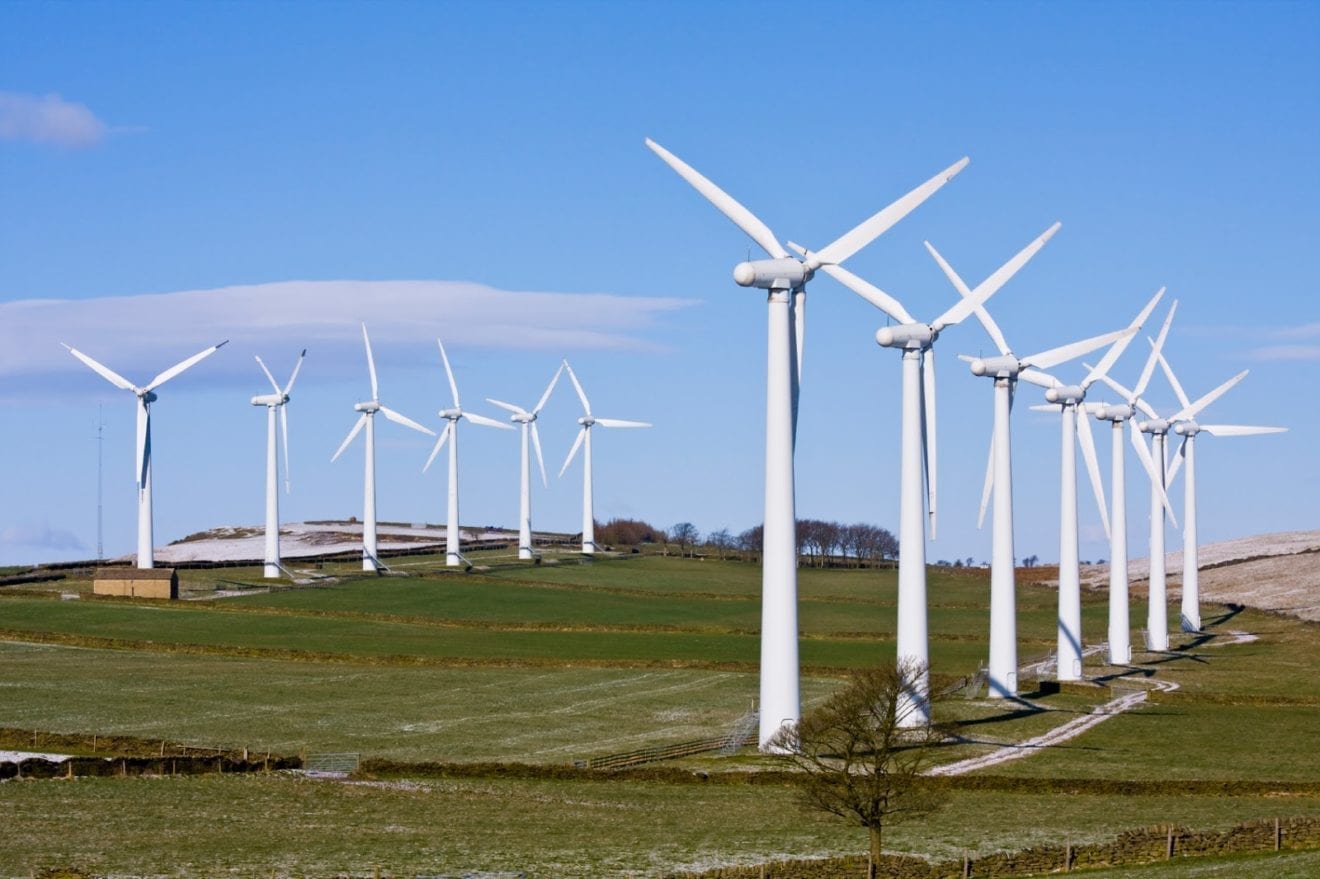
    Japan has deployed only 253.4 megawatts of offshore wind capacity across seven projects. That falls far short of its 10-gigawatt target for 2030.

    Soaring construction costs doubled project budgets and forced Mitsubishi Corp to abandon three developments in mid-2025.

    Supply chain bottlenecks and high raw material prices have choked development since the initial 2021 government auctions, according to Japan Wind Power Association data. Mitsubishi’s exit dealt a heavy blow to national clean energy planning. Utilities must now find ways to reduce project risk.

    Rising Costs and Cancelled Projects

    Financing pressures are only half the problem for developers along the Sea of Japan coast, Tohoku and Hokkaido. Projects have run into stiff resistance from commercial fisheries and local conservation groups over threats to rare marine wildlife and bird habitats.

    Regulatory disputes and community objections have already suspended or delayed wind projects across Fukui, Shiga and Hokkaido prefectures. Similar pushback is stalling planned developments in Fukuoka and Shizuoka, where developers face strict environmental review standards.

    For industrial power users and data centre operators across Japan, these delays threaten future supplies of zero-emission electricity. Without a working offshore wind pipeline, corporate buyers must rely on imported fossil fuels or pay higher grid tariffs from conventional thermal generation.

    Developers who miscalculate environmental risks face severe financial penalties once turbines are built. Projects that disrupt local ecosystems can be ordered to curtail generation during peak hours or suspend operations entirely. That destroys forecast equity returns.

    Bird Strikes Force Operational Cuts

    Utility operator Eurus Energy had to curtail power output at its Hamasato Offshore Wind Farm in Hokkaido after multiple bird strikes. During seasonal migrations, the facility could run only for a few hours at night, sharply reducing revenue and power delivery.

    A similar conflict halted a planned wind development along the Shiga and Fukui prefectural border in 2023. An environmental assessment failed to account for nesting sites of golden eagles and mountain hawk-eagles. Developers were left with a stranded, suspended asset.

    Onshore sites suitable for large utility-scale turbines are scarce in Japan. That makes coastal waters essential for long-term power supply. Coastal wind corridors overlap directly with migratory pathways for white-tailed eagles, Steller’s sea eagles and red-throated loons.

    Testing AI and Thermal Monitoring

    Operators are deploying automated sensor suites to prevent collisions and keep turbines spinning. At two wind farms in Hokkaido, operators installed Nvbird, an AI system developed by Greek firm Nvisionist. The system uses thermal imaging to spot approaching raptors and throttles blades automatically.

    Leadedge Technology and the Japan Weather Association built a domestic alternative called AI Bird. The platform merges high-resolution cameras, infrared feeds and radar sensors. It achieved a 94 per cent identification accuracy rate in controlled field trials.

    “AI Bird is a proactive step to balance clean energy goals with environmental conservation,” said Ho.

    Environmental Data Gaps

    Tokyo originally framed offshore wind as the pillar of its 2050 net-zero roadmap, targeting 10 gigawatts by 2030 and between 30 and 45 gigawatts by 2040. The earliest auctions in 2021 attracted global players including Norway’s Orsted alongside domestic trading houses, before inflation and local opposition disrupted the pipeline.

    Commercial trials are now underway for the Japan Weather Association’s AI Bird system. At the same time, the Wild Bird Society of Japan is assembling marine sensitivity maps to overhaul future site selections before the next round of government auctions.

  • Petrobangla Halves Net Worth Requirement to $50 Million for Spot LNG Suppliers

    Petrobangla Halves Net Worth Requirement to $50 Million for Spot LNG Suppliers

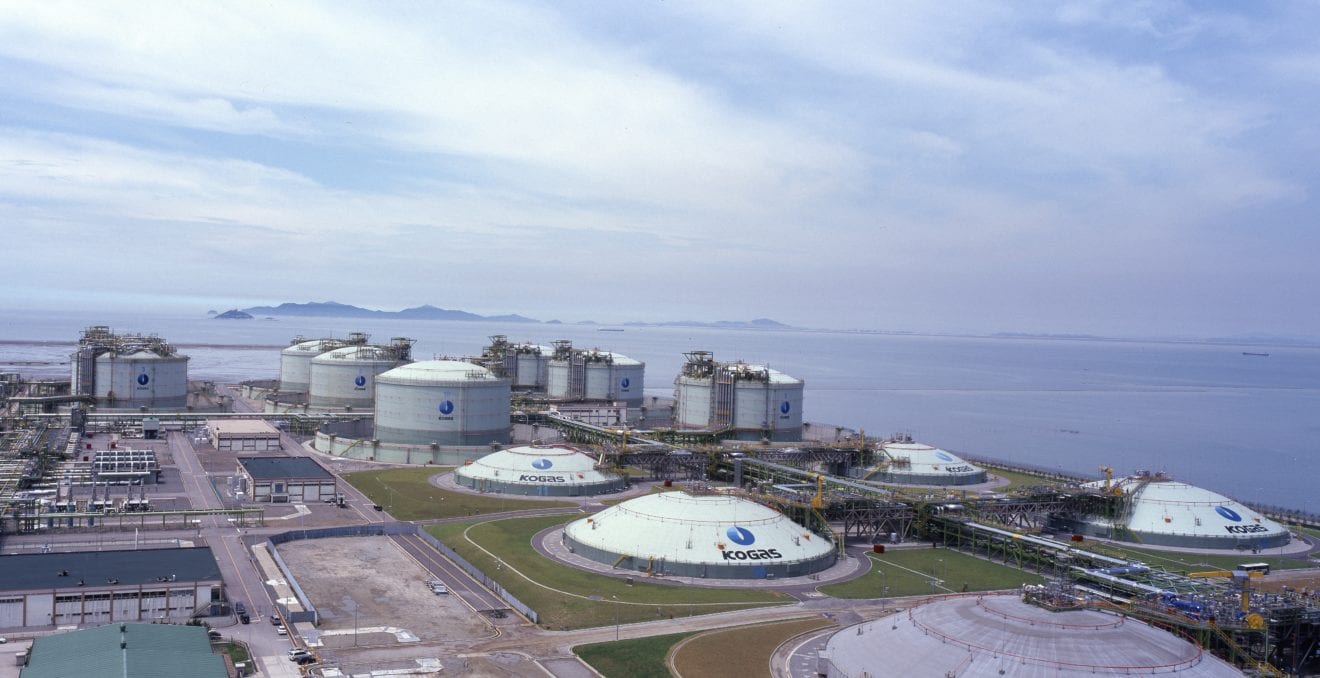
    Petrobangla has slashed its financial and experience thresholds for spot liquefied natural gas suppliers, halving the required net worth to $50 million to ease severe national fuel shortages.

    The state-run energy company now demands just one completed supply contract with no minimum cargo volume, dropping a previous rule requiring 0.5 million tonnes delivered across two separate years.

    Lower barriers for commodity traders

    Under the revised criteria issued on August 29, Petrobangla eliminated requirements for suppliers to own or charter an LNG vessel, prove experience with floating storage and regasification units, or guarantee lean gas containing at least 91 percent methane. Applicants no longer need to verify an absence of failed cargo deliveries over the past five years or limit their arbitration losses to three awards. For joint ventures, the lead partner must cover 75 percent of the $50 million financial capacity, while partners supply the remaining 25 percent.

    “We are looking for more participants in the spot market,” Petrobangla Director for operations and mines Md Shoyeb said.

    Pressure on industrial output

    For industrial manufacturers and export supply chains across South Asia, reliable gas flow dictates factory uptime and power tariffs. Bangladesh faced severe disruption in August when average gas deliveries dropped to 2,235 million cubic feet per day against official demand of 3,860 million cubic feet per day, the lowest August supply figure in a decade. Terminal outages and global supply bottlenecks forced emergency spot purchases at more than $28 per million British thermal units, up sharply from historical norms of $10 to $12 per MMBtu.

    Lowering entry barriers allows smaller trading houses without dedicated fleets to bid against established multinational commodity merchants. The tradeoff sits squarely in operational risk: by waiving past delivery guarantees and vessel charter proofs, Petrobangla accepts higher exposure to cargo defaults and scheduling failures when spot vessel availability tightens.

    Procurement shift since 2024

    The revised criteria follow a governance overhaul that suspended the Quick Enhancement of Electricity and Energy Supply Act, which previously allowed direct, non-tender contracts. The interim administration shifted spot purchases under the Public Procurement Rules 2025, expanding the active spot tender roster to 30 companies from an earlier pool where purchases were concentrated among five suppliers.

    Applications for the new supplier pool close on September 15.