Tag: Premier Investments

  • Myer Posts AU$276.5 Million Loss on Impairments as Solomon Lew Joins Board

    Myer Posts AU$276.5 Million Loss on Impairments as Solomon Lew Joins Board

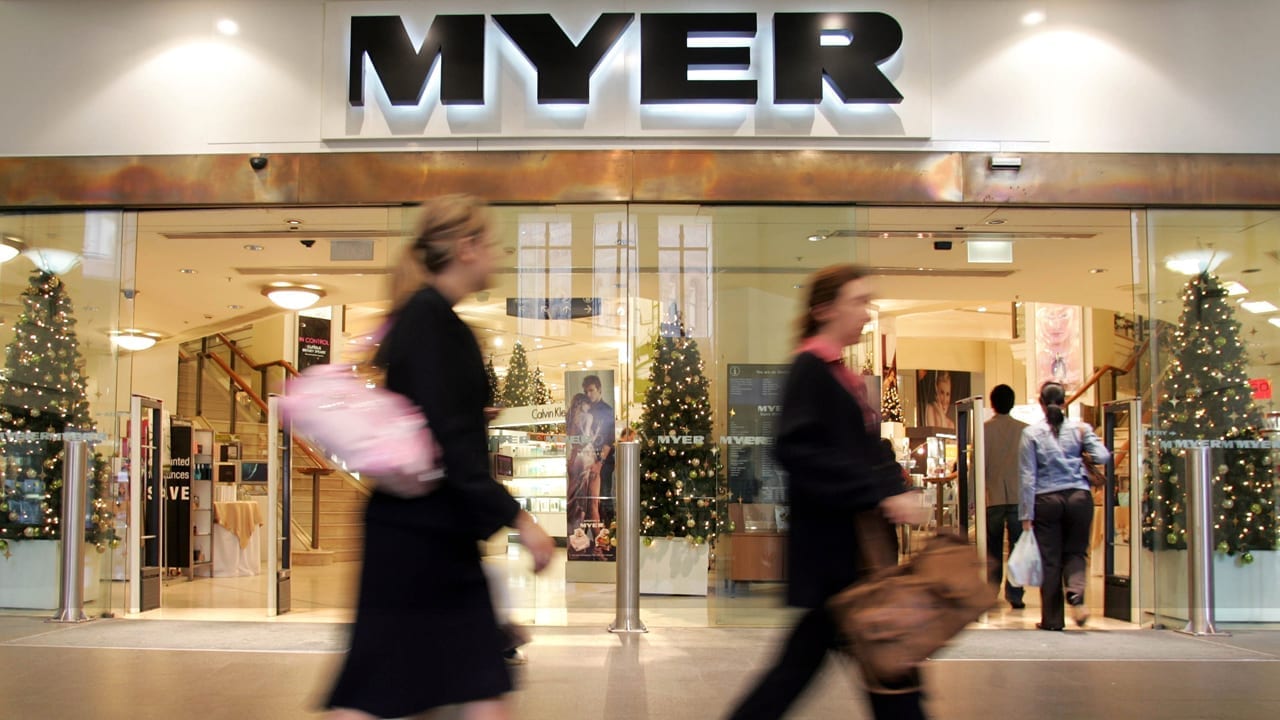
    Department store operator Myer posted a statutory net loss of AU$276.5 million for fiscal 2026. The result followed AU$319 million in one-off write-downs and expenses.

    Total group revenue surpassed AU$4 billion, rising 11.3 per cent over the year after consolidating apparel chains acquired from Premier Investments. An asset impairment of AU$279.6 million drove the bulk of the bottom-line hit. Stripping out exceptional charges, underlying net profit after tax stood at AU$42.5 million.

    Retail magnate Solomon Lew joins the Myer board on September 24 as a non-executive director. Lew controls Premier Investments, which holds approximately 30 per cent of Myer equity. Premier executive Mark Middeldorf joins alongside him as an alternate director.

    Apparel Brands Show Mixed Integration

    Revenue in the consolidated Apparel Brands division, spanning Just Jeans, Jay Jays, Jacqui E, Dotti and Portmans, fell 1.3 per cent during the period. Just Jeans sales rose 6 per cent. That gain failed to offset weak customer demand at other former Premier labels like Portmans. Core department store operations under Myer Retail booked a 0.7 per cent sales increase year on year.

    Consumer demand shifted abruptly during the final quarter of the financial year across Australian shopping centers. Group executive chair Olivia Wirth cited steep slowdowns in June and July as household budgets tightened across the country.

    “The second half of FY26 was characterised by a volatile and significantly more challenging macroeconomic and retail environment than 1H26 or FY25,” said Myer Group executive chair Olivia Wirth.

    Asset Impairments and Market Pricing

    The AU$279.6 million impairment resets the balance sheet after years of structural pressure on department store floor space and portfolio valuations. Writing down those assets clears accumulated legacy costs ahead of integrating supply chains and loyalty programs across hundreds of regional storefronts. Equity investors took the writedowns in stride. They bid the stock higher on the underlying earnings figure, despite a 61 per cent share price drop over the preceding twelve months.

    Operating costs across Australian retail supply chains remain high as freight contracts, store rent escalations and award wage adjustments squeeze gross margins. Competing department store and apparel groups have trimmed inventory orders and turned to promotional discounts to clear seasonal stock. Myer must now extract distribution savings from its newly absorbed specialty brands before overheads erode specialty store cash flows.

    Earlier Steps in the Premier Transaction

    That restructuring traces back to December, when Myer completed the purchase of the Apparel Brands portfolio from Premier Investments in exchange for equity. The deal made Lew the retailer’s dominant shareholder and granted him board observer status while regulatory reviews concluded. Lew was initially slated to assume a formal directorship in April before the company finalized its full-year accounts.

    Earlier trading updates in July had warned of soft first-half momentum across discretionary retail categories. The full-year results confirm the winter retail slowdown deepened, leaving margins compressed across multiple apparel lines.

    Board Oversight and the Next Trading Window

    With Lew taking a direct seat in boardroom deliberations, capital allocation decisions will focus on store footprint rationalisation and digital integration across the combined portfolio. Management expects volatile consumer sentiment to persist across the domestic retail sector throughout the next twelve months. The upcoming November promotional period and December Christmas trading quarter will test whether the expanded brand lineup can stabilize operating cash flows.
  • Smiggle Asia shows positive growth

    Smiggle Asia shows positive growth

    Smiggle Asia is thriving, its success here encouraging the stationery retailer’s parent to expand in other global markets.

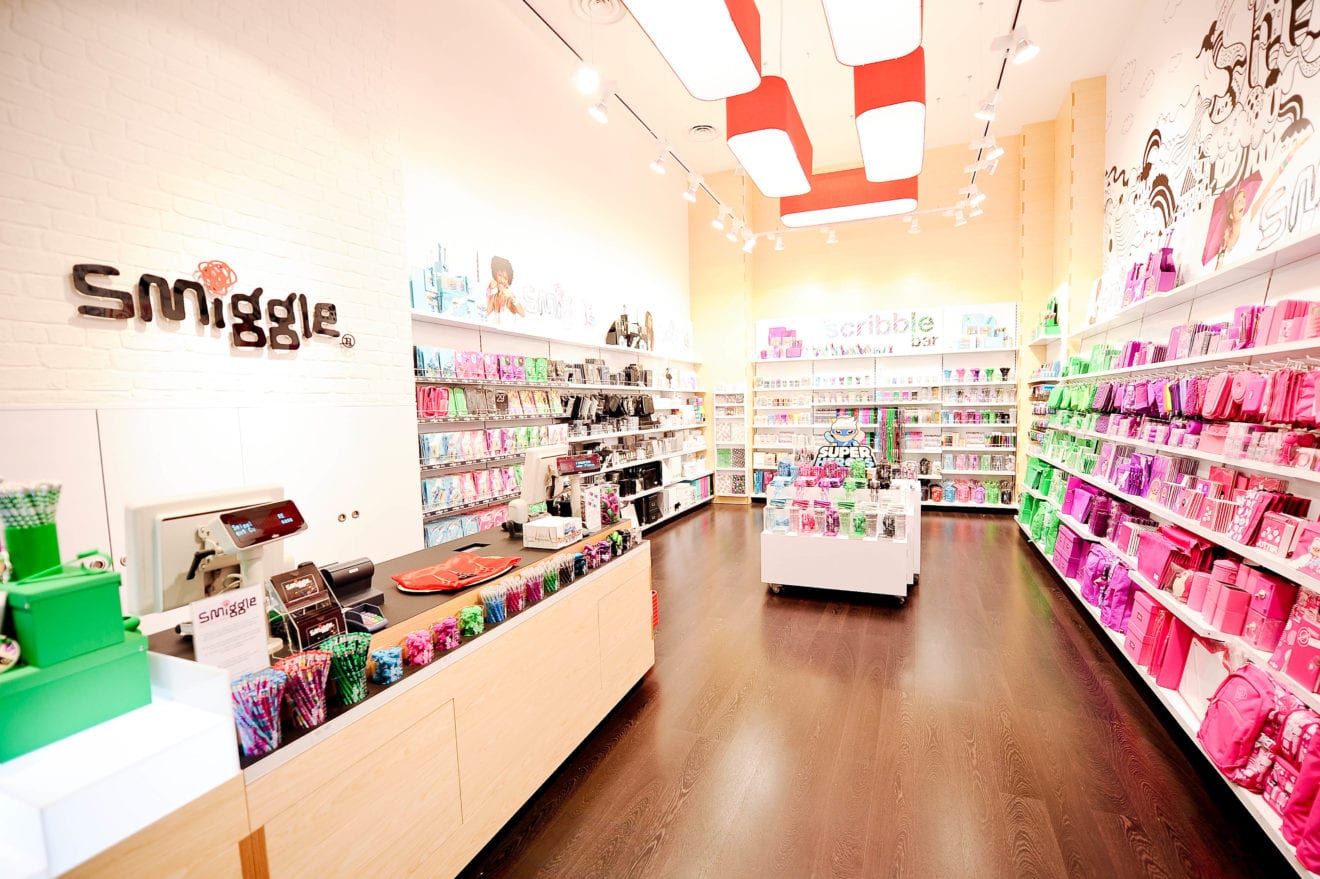
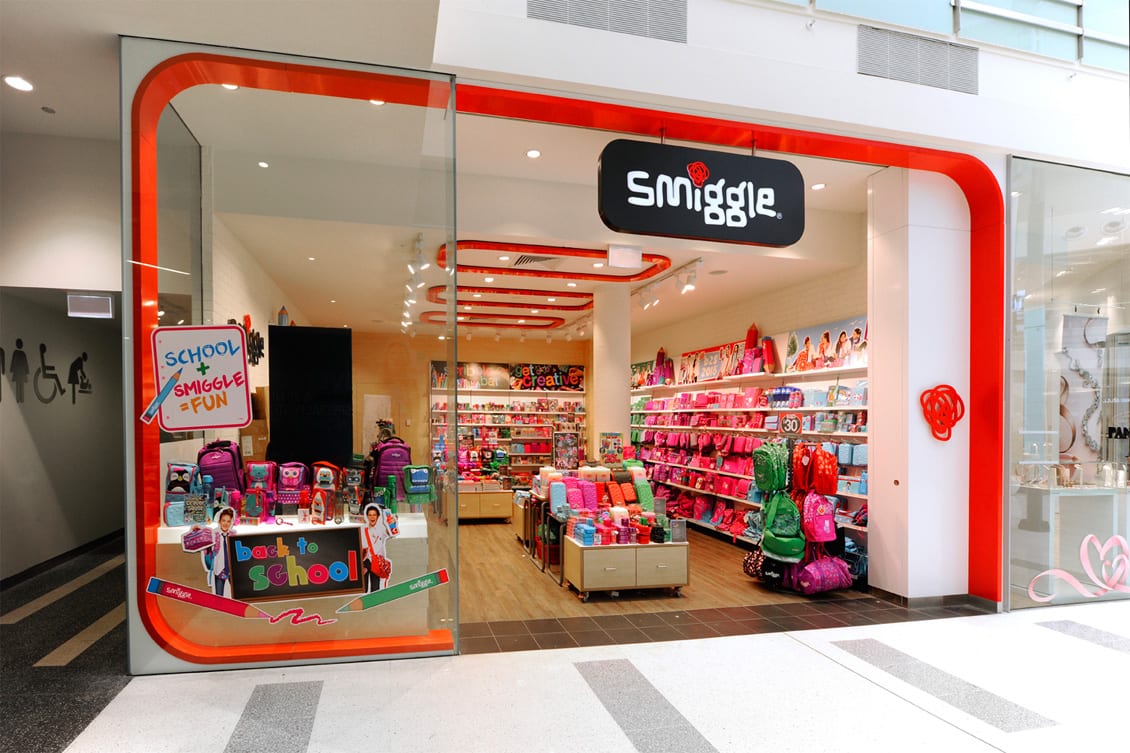
    Smiggle, a subsidiary of Australian listed company Premier Investments, opened three new stores in Hong Kong in the first half of its current trading year and a further two in Malaysia. Both markets now have 13 Smiggle stores trading.

    “The brand now expects to have between 17 and 19 stores operating in Malaysia within three years of first opening. This is well ahead of the original plan,” the company said in an earnings filing.

    “The Smiggle Asia division had an exceptionally strong half. Singapore, the most mature of the Asian markets, enjoyed strong like-for-like growth with tourists providing valuable insights into potential new Smiggle markets.”

    The brand achieved record global sales of A$170.7 million (US$131.6 million) in the first half, up 26.7 per cent on the same time last year, underpinned by the opening of 35 new stores. More than 60 per cent of Smiggle sales during the period were from outside Australia. Smiggle now has 332 stores across Australia, New Zealand, Singapore, England, Scotland, Wales, Northern Ireland, Hong Kong, Malaysia and Ireland.

    The company will open a global flagship on Oxford Street in London in May as the UK business aims for $200 million in annual sales by next year.

  • Smiggle plans Hong Kong, Malaysia roll-out

    Smiggle plans Hong Kong, Malaysia roll-out

    Trendy stationery retailer Smiggle says it will open two more stores in Hong Kong in the next six months.

    Smiggle, owned by Australian-listed multi-brand retail group Premier Investments, also plans its first store in Malaysia before July 31 and expects to build a network of 50 stores across Hong Kong and Malaysia during the next five years.

    The chain already has 42 stores trading in the UK, plans 18 more over the next six months, and targets 100 there by Christmas.

    The Smiggle plans were revealed in the parent company’s half year result to January 30, The company, which also owns the Peter Alexander nightwear, Dotti, Jay Jays, Just Jeans, Portmans and Jacqui-E retail chains, predominantly trades in Australia and New Zealand. But Smiggle is a standout.

    Premier’s chairman, Solomon Lew, says Smiggle will remain and strong growth driver for the group.

    “Smiggle delivered global sales growth of 46.5 per cent and our UK roll-out is progressing well ahead of schedule. We continue to believe that Smiggle has the potential to become a truly global brand.”

    The company reported a net profit of AU$98.3 million (HK$583.625 million) for the half ended 30 January 2016, up 24.9 per cent year-on-year, before tax and interest.

    Total sales were up 15.1 per cent to AU$565 million, while like-for-like sales were up 6.9 per cent.

  • Smiggle speeds Asian expansion

    Smiggle speeds Asian expansion

    Smiggle, the trendy, stationery retail concept from Australia, is to open stores in Hong Kong and Malaysia within 14 months.

    Smiggle – popular with students and people seeking gifts – has proven an enormous success in Singapore for its parent, Melbourne-based Premier Investments. During the announcement of the company’s trading results yesterday (read about Premier’s year here) founder and chairman Solomon Lew outlined plans to expand into Hong Kong, Malaysia, Wales and Scotland over the next 14 months.

    Based on trading figures from the company’s Singapore store network, Lew said management expected Hong Kong and Malaysia to support 50 stores within five years.

    “I am pleased to announce the expansion of the Smiggle footprint in Asia through entry into two new markets, Malaysia and Hong Kong.”

    Smiggle’s worldwide sales rose 26 per cent. The company opened 24 stores in the UK during the last trading year and expects to have another 16 open before Christmas.

    Lew says both Smiggle and its sleepwear chain Peter Alexander performed beyond expectations in the year past.

    The company opened eight new Peter Alexander stores in the first half of the current year and plans as many as 15 more over the next two years in Australia and New Zealand.