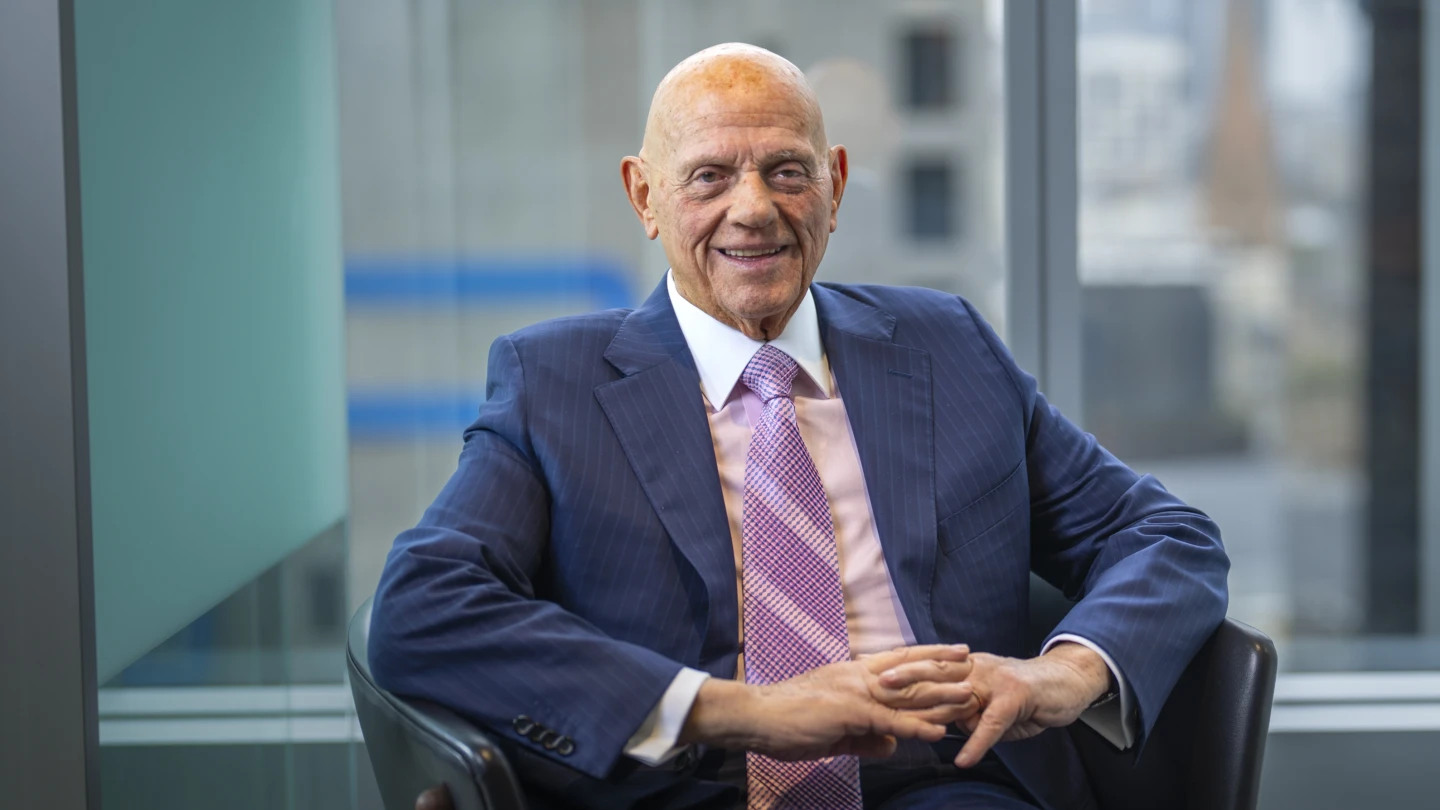
In the wake of Premier Investment’s FY25 results, Chairman Solomon Lew highlighted the company’s robust balance sheet and hinted at impending merger and acquisition ventures. Despite navigating decades of fluctuating retail cycles under Lew’s guidance, Premier continues to see itself as a potential buyer in a market where others are struggling. The challenge lies in leveraging their financial power to diversify into new categories during a time of significant change in the retail sector.
Prospects in Health and Beauty
Lew has previously expressed interest in expanding into the health, beauty, and cosmetics sector, given its resilience through economic cycles and the sector’s strong emphasis on branding. However, this sector is highly competitive, with global giants such as L’Oreal and Estee Lauder dominating the market. Companies looking to compete in this space must be prepared to either purchase established equity or heavily invest in marketing and product development.
According to retail consultant Danny Lattouf, the health and beauty sector is particularly attractive to investors due to its high profit margins, frequent purchase cycles, and emotional appeal. However, he cautions that Premier’s success would hinge on identifying a unique brand with potential for growth, rather than becoming just another competitor in an already saturated market.
A Tale of Contrasting Fortunes
Premier’s primary brands – Smiggle and Peter Alexander – are experiencing markedly different trajectories. Smiggle, once a global growth story, is now under pressure due to leadership instability and an ongoing investigation into workplace misconduct. This has resulted in a 22.5% decline in group profit to $144 million in FY25. On the other hand, Peter Alexander saw sales increase by 7.7% to $548 million in FY25 due in part to its broad appeal across demographics and strong giftability.
Legacy and Leadership
Few individuals have had as significant an impact on Australian retail as Solomon Lew. He is known for his resilience, adaptability, and ability to navigate changes in the retail landscape. However, Lew’s leadership style and legacy of opportunistic deals may also pose challenges, particularly for brands in need of reinvention, not just resilience.
Lew’s fiscal conservativism, illustrated by his aversion to debt, has safeguarded the company during economic downturns. However, as he prepares to join the Myer board as a non-executive director, it remains to be seen how his leadership style will continue to shape Premier’s direction and influence broader department store strategies.
The Future of Premier in Retail Landscape
As Premier evolves, it faces the question of whether it remains a leader in Australian retail or has become a niche portfolio business. Premier’s cash reserves and agility set it apart from many of its listed peers, but the company also risks over-reliance on a few brands.
The future of Premier may be characterized by expansion into new categories, possibly the beauty sector. However, such a pivot would require a balancing act of financial discipline and creative brand building.
Questions & Answers
What challenges does Premier Investments face in diversifying into new categories like health and beauty?
Ans: The health and beauty sector is highly competitive, dominated by global brands and fast-growing disruptors. Therefore, Premier would need to identify a unique brand with growth potential or be prepared to heavily invest in marketing and product development.
How are Premier’s primary brands, Smiggle and Peter Alexander, performing?
Ans: Smiggle is facing challenges due to leadership instability and an ongoing investigation into workplace misconduct, resulting in a decline in group profit. Conversely, Peter Alexander is experiencing growth, with a 7.7% increase in sales in FY25.
What potential risks does Solomon Lew’s leadership style pose for Premier?
Ans: Lew’s legacy of opportunistic deals and his preference for control could pose challenges for brands that need reinvention rather than just resilience. His aversion to debt, while offering protection in downturns, may also limit the company’s ability to seize new opportunities.