Tag: prepaid

  • Starbucks Korea faces probe over US$153 million in prepaid card takings

    Starbucks Korea faces probe over US$153 million in prepaid card takings

    Starbucks has been the subject of growing speculation as a number of Korean banks express their concerns over the US coffeehouse chain’s potential move into the competitive financial services industry.

    The global chain itself has not announced its plans to edge into financial services, but the booming success of the company’s prepaid gift card and mobile app – which Starbucks announced collectively had $1.56 billion in stored value by the end of 2019 – suggests there is a path emerging for the company to become a bank if it wanted to.

    Despite the enticing $1.56 billion figure, 3,900 US banks have less than $1 billion in total assets according to the Federal Deposit Insurance Corporation (FDIC).

    Starbucks revealed on a recent earnings call that its rewards program in the US had grown to 18.9 million active members at the end of 2019, up 16% year-over-year. “This is important because we know from experience that when customers join our rewards program, their total spend with Starbucks increases meaningfully,” he said on the call.

    South Korea’s Hana Financial Group is acutely aware of Starbucks’ competitive potential. Its chairman Kim Jung-tai said in his New Year address: “Technologies have allowed coffee companies like Starbucks to be our rivals. It will be fine to call Starbucks an unregulated bank, not a mere coffee company.”

    One year prior, South Korea’s KB Financial Group, KB Kookmin Bank and NongHyup Financial Group all mentioned Starbucks in their New Year’s addresses too. “The most-used mobile payment app in the US was the Starbucks app, not Google or Apple Pay,” KB Financial Group’s chairman Yoon Jong-kyoo said last year.

    “About 40% of its payments were made with the app, and the amount of cash loaded onto its prepaid cards and apps surpassed the amount of cash that some provincial banks had,” Jong-kyoo added. Industry experts believe Starbucks might move into asset management through its prepaid cards, as well as into the loan, insurance and currency exchange sectors.

    “Starbucks has been regarded as a fintech firm, not a coffee company, over the past few years,” an unnamed bank official said. “The removal of the word coffee from its signboard also proves this.”

    The coffeehouse partnered with cryptocurrency trading platform Bakkt at the end of last year. In the first half of 2020, Starbucks and Bakkt will test a consumer app “to make it easy for consumers to discover and unlock the value of digital assets”, Bakkt’s chief product officer Mike Blandina said in October.

    These recent movements by Starbucks against the backdrop of its prepaid card success have spurred the Korean financial industry to call for regulators to put controls on the coffeehouse. “Regulations are needed for prepaid service providers to maintain a certain level of capital adequacy ratio,” Hansung University’s economics professor Kim Sang-bong said.

    The global chain has plenty of capital to start up its own bank. According to Statista, its revenue in 2019 was roughly $26.51 billion. With Big Techs such as Amazon, Facbook, Uber and Grab all planting their flag in the space, it seems imaginable that a similarly well-known brand such as Starbucks might be able to do the same.

    But if regulators decide to clamp down on the company in certain regions, then its currently speculative appetites for a financial play could easily be curbed or at least put on hold.

  • Telenor Myanmar extends non-stop roaming to Malaysia, Singapore

    Telenor Myanmar extends non-stop roaming to Malaysia, Singapore

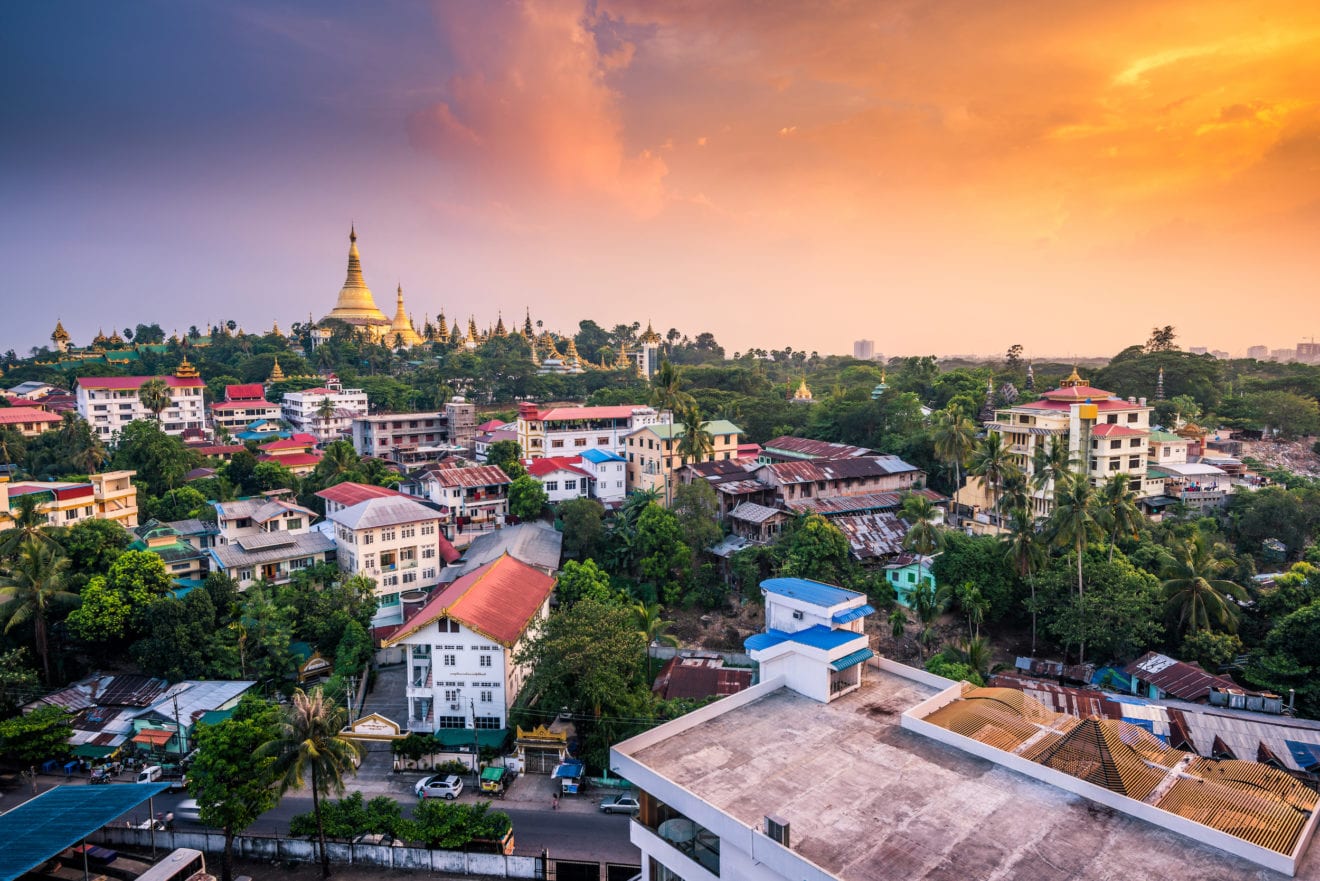
    Telenor Myanmar has expanded its unlimited international data roaming service to Malaysia and Singapore, one month after the launch of the new service in Thailand.

    The company’s non-stop data roaming pack offers unlimited data in the three international markets for total fees of 999 kyats ($0.65) for three days of service. Speeds are uncapped for the first 1GB per day, and then shaped to 512kbps.

    Prepaid and postpaid customers can activate the service on the MyTelenor APP, sending a message to a dedicated number, or dialing a different number.

    “We are amazed by the support we have seen on our latest roaming product for visitors to Thailand. So we decided to extend this popular service to Malaysia and Singapore which we know as the other two most frequently visited countries in Southeast Asia,” Telenor Myanmar CMO Amaresh Kumar said.

    “We have made international roaming affordable for everyone and we welcome our customers to experience the only worry-free data roaming packs that users can get in Myanmar.”

    Thanks to the connections of parent company Telenor from Norway, Telenor Myanmar now offers roaming services with 171 partner operators in 125 countries, with its 4G roaming service currently available in China, Thailand, Malaysia, Singapore, Japan, UAE, Canada, Macau, Taiwan, New Zealand, Sweden, Belgium and Norway.

    Meanwhile subscribers to 227 operators from 134 countries can use their overseas SIMs with the Telenor network in Myanmar.

  • Thailand to adopt fingerprint registration for SIMs

    Thailand to adopt fingerprint registration for SIMs

    Thailand’s National Broadcasting and Telecommunications Commission (NBTC) has revealed plans to require all mobile operators to introduce an online fingerprint ID system for prepaid and postpaid mobile SIM registrations.

    The regulator has given a tentative deadline of February for operators to support mandatory fingerprint ID registration.

    NBTC officials told the publication that the system is designed to ensure greater security in mobile banking and reduce the risk of fraud as Thailand continues to transition to a cashless society.

    Around 14 million of Thailand’s 103 million mobile subscribers are already using mobile banking services, according to the report.

    According to the report, while the operators will be required to implement a fingerprint registration system to complement their existing mandatory SIM registration systems, mobile customers will not be required to submit their fingerprints. The fingerprints will be stored on an NBTC database server.

    The fingerprint system was developed by the Engineering Faculty of Kasetsart University, which won a tender to supply the system for 15 million baht ($421,000).

    Operators will be able to deduct the costs of implementing the system from their annual universal service obligation fee, which amounts to around 3.5% of operators’ total revenue.

  • India grants demonetization exemption for prepaid credit

    India grants demonetization exemption for prepaid credit

    The Indian government has made a special exception to temporarily allow demonetized 500 rupee notes for the purchase of prepaid top ups in response to a sharp decline in purchases.

    The government enacted legislation earlier this month to declare the use of 500 rupee and 1000 rupee banknotes invalid as part of a crackdown on counterfeiting and black market money.

    New 500 rupee and 2000 rupee banknotes have been issued to exchange the old currency, but the policy led to a cash shortage in the country.

    In response to lobbying from GSM industry body the Cellular Operators’ Association of India (COAI), the government has added prepaid top-ups up to the list of essential services allowed to accept the old banknotes.

    Consumers will be able to pay for top-ups up to a maximum of 500 rupees using the old notes until December 15.

    The mobile industry had been seeking for the exemption to apply to both prepaid and postpaid services, and for the old 1000 and 500 rupee notes, but the government has approved the exemption only for prepaid purchases and 500 rupee notes, the report adds.

  • Prepaid purchases gaining traction in India

    Prepaid purchases gaining traction in India

    For the first time, cash is no longer king in India’s online shopping scene.

    In a post-Diwali media release, India’s online marketplace Snapdeal reported that customers across India were willing to pay at the time of making the purchase instead of opting for cash on delivery.

    “This was in part driven by Snapdeal’s partnerships with eight leading banks this Diwali including with American Express, Axis Bank, Citi Bank, HDFC Bank, Kotak Bank, Standard Chartered Bank, State Bank of India and Yes Bank,” the report noted.

    These banks offered 10-25% additional instant discounts on each day of the sale in October. Data also showed that customers who bought electronics and furniture were the most likely to go for prepaid options.

    Among the cities, Trivandrum had the highest share of prepaid orders, constituting a whopping 85% of the total orders from the city. But the preference for prepaid transactions was the strongest in South India, followed by North, West, and East in that order.

    Snapdeal’s Unbox Diwali Sale was held from October 2-6. On the first 16 hours of the sale alone, Snapdeal reported more than 800,000 buyers from over 2,800 cities and towns across India, with sales volumes jumping six times the daily average. The orders went to nearly 50,000 sellers all over the country.

    During the sale, the e-commerce giant said it recorded the fastest shipping track record by delivering an order within an hour. An order for iPhone 5s placed at 7.20 a.m. was delivered to the buyer in Gurgaon at 8.10 a.m.

    To power faster deliveries, Snapdeal said nearly 72% orders were shipped out of its fulfillment centers (SD+). Nearly 32,000 people deployed every day of the month to deliver the packages across India.

    On the seller side, out of the more than 300,000 sellers on the platform, more than 32,000 sellers saw sales grow 7X from last Diwali season. The cities where most of these sellers are based were: Delhi NCR, Mumbai Metropolitan Region, Bengaluru, Jaipur and Surat.

    A little more than 60% orders came from Tier 2 cities and beyond. Moreover, over 82% of overall orders were placed through mobile platforms. The highest numbers of units ordered were for the fashion category, followed by home, electronics and mobiles in that order. In the fashion category, women’s’ ethnic wear was the most popular purchase.

    Diwali or Deepavali is a Hindu festival of lights celebrated every year in autumn. People generally dress up and exchange gifts on Diwali night and shop during the festive period.

  • IIJ to sell prepaid data roaming SIMs in Taiwan

    IIJ to sell prepaid data roaming SIMs in Taiwan

    ISP and MVNO Internet Initiative Japan (IIJ) has arranged to sell a prepaid SIM card for Taiwanese visitors planning to visit Japan at all Taiwan 7-Eleven locations.

    The ready-to-use, data only Japan Travel SIM offers 1GB of data for 30 days for TW$780 ($24), with additional data packs purchasable at select locations in Japan.

    The service is being offered over NTT DoCoMo’s LTE and 3G networks, which offers download speeds of up to 375Mbps and upload speeds of up to 50Mbps in certain coverage areas.

    IIJ said Taiwan ranks third after China and South Korea in terms of the number of visitors to Japan. Total Taiwanese travelers to Japan increased 30% in 2015 to a record 3.67 million.

    Meanwhile 7-Eleven is the largest convenience store chain in Taiwan, with 5,045 locations as of April.

    Japan Travel SIMs will go on sale at Taiwanese 7-Eleven stores from July 18.

  • Dtac plans major prepaid brand revamp

    Dtac plans major prepaid brand revamp

    Thailand’s Dtac has announced a major prepaid brand revamp and introduced new promotional tariff plans as  part of efforts to attract at least 1 million digital consumers to its prepaid subscriber base.

    As part of the revamp, Dtac will replace its Happy prepaid brand as it moves to bring all its prepaid brands under the Dtac umbrella.

    The operator has allocated 200 million baht ($5.7 million) this year towards marketing the Dtac prepaid brand.

    Dtac has also introduced plans offering unlimited internet access and free calls within Dtac networks for 29 baht ($0.83) per day.

    Prepaid customers will also be offered free YouTube streaming from midnight to 8am and 24 hour music streaming.

    Around 80% of Dtac’s 25.5 million subscribers are prepaid customers, with the wide majority using the operator’s 3G network, statistics provided by the company show. Around 68% of Dtac’s prepaid customers own a smartphone.

  • Thailand’s AIS launches prepaid broadband

    Thailand’s AIS launches prepaid broadband

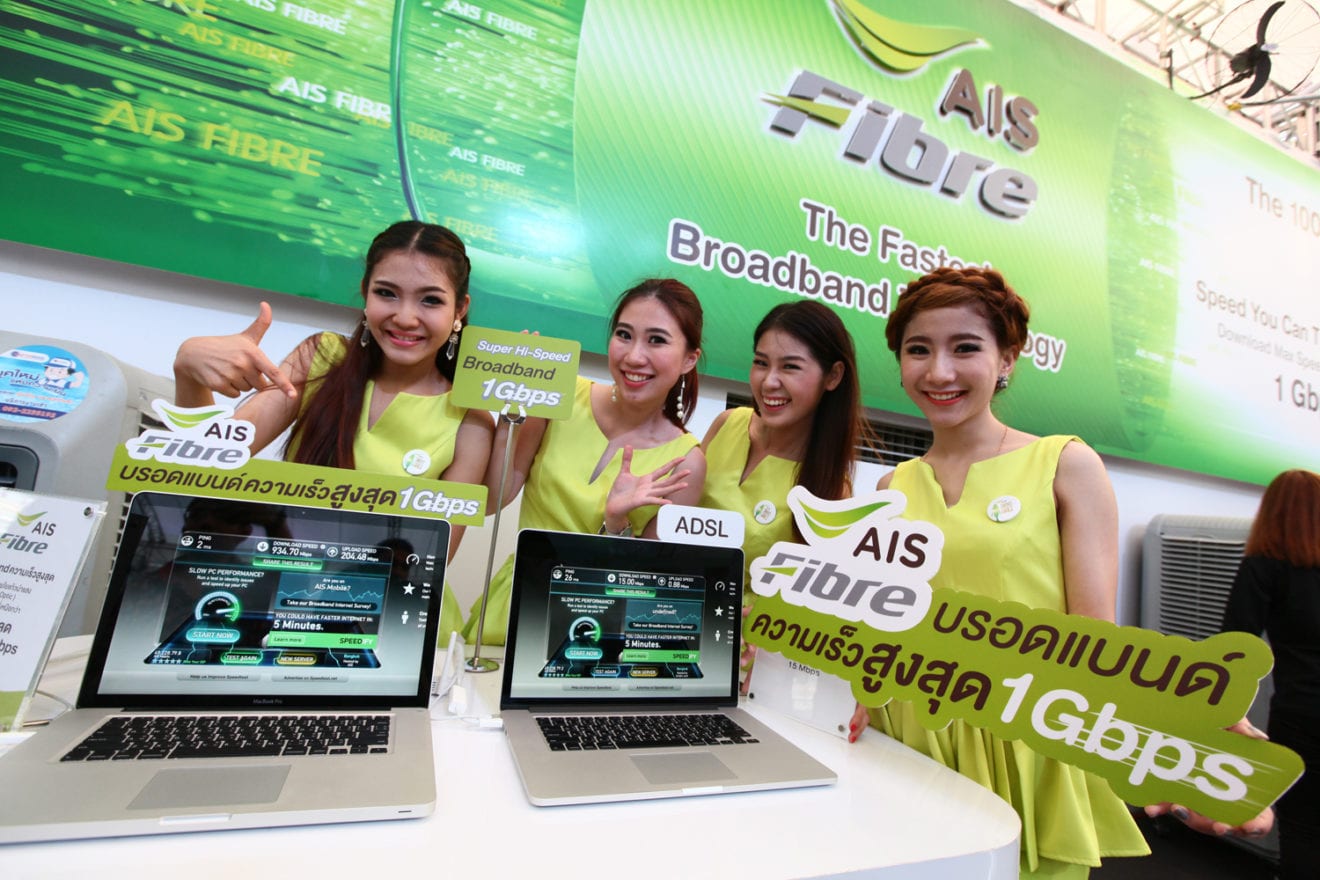
    Thailand’s AIS has launched the nation’s first prepaid fixed broadband service, introducing a 15Mbps speed plan for a 500 baht ($14) monthly top-up fee.

    AIS has set a target of becoming Thailand’s second largest broadband player by 2019, citing comments from a senior executive at the company.

    The operator launched commercial fixed broadband services in April last year and had 450,000 subscribers as of December. AIS plans to increase this to 1 million by 2018 and 2 million by 2019.

    In order to achieve its growth ambitions AIS has allocated 7 billion baht to extend its fiber network to cover 24 provinces this year, and a further 10 billion baht to expand this to 40 provinces in 2017.

    Meanwhile rival Jasmine International, whose subsidiary Triple T Broadband operates landline broadband services under the 3BB brand – has retaliated by slashing the price of its 50Mbps plans to 700 baht per month, from 2,500 baht.

  • Airtel to allow prepaid data top-ups for postpaid plans

    Airtel to allow prepaid data top-ups for postpaid plans

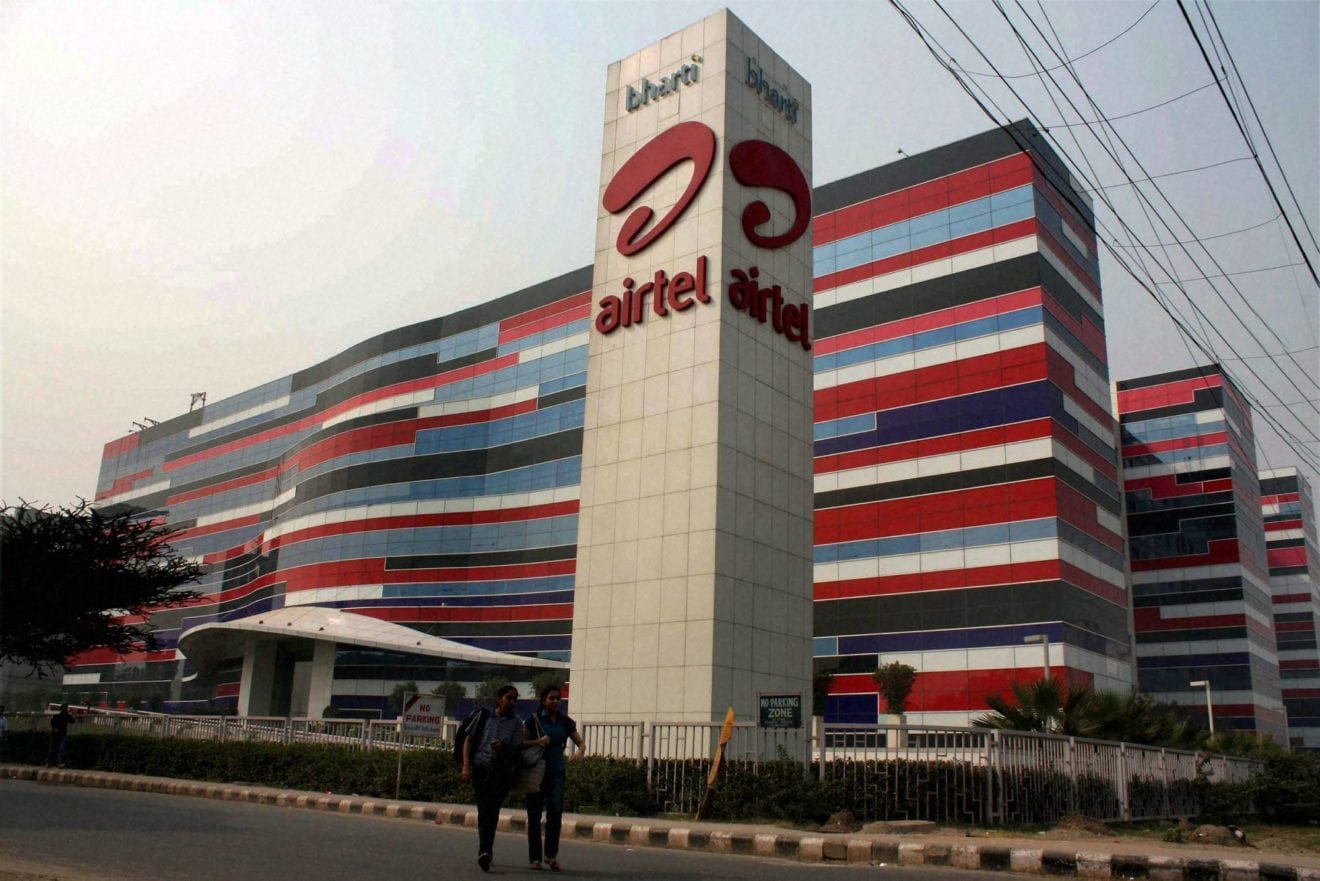
    India’s Bharti Airtel has introduced an innovative new service allowing post-paid business customers to top up their data allocations with prepaid credit.

    The operator will allow customers to recharge their accounts through retail or online credit purchases or mobile wallets.

    The new Prepaid on Postpaid feature has been introduced to give business customers more flexibility in how they use their mobile plans while simplifying the data experience.

    Users of corporate plans that lack mobile data, for example, could pay for their own allocations rather than needing to swap SIMs or devices every time they want to use their data allocations.

    Standard prepaid data recharges start at 99 rupees ($1.48), the company said. Airtel has asserted that allowing prepaid top-ups for postpaid plans is an industry first.

    Bharti Airtel is India’s largest mobile operator with an estimated 245.8 million customers as of the end of January.