Tag: price

  • Gasoline Takes a Dip while Diesel Climbs: Fuel Price Fluctuations Amid Global Tensions

    Gasoline Takes a Dip while Diesel Climbs: Fuel Price Fluctuations Amid Global Tensions

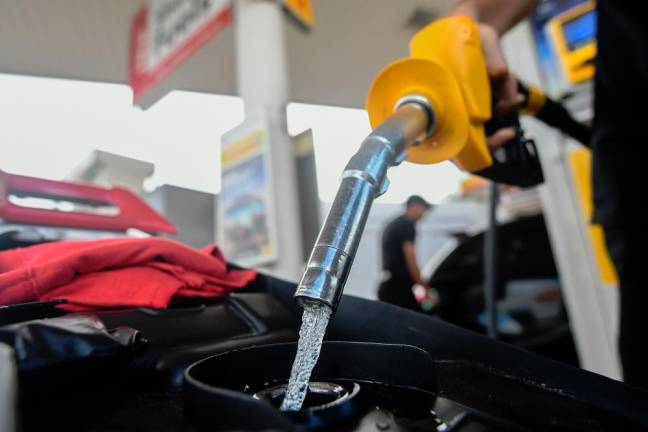
    On Thursday afternoon, fluctuations in global rates resulted in a decrease in gasoline prices and an increase in diesel prices. The popular gasoline variant, E10 RON95, saw a 2.01% drop pricing it at VND20,000 (US$0.76) per liter.

    Diesel Prices Rise as Biofuel Demand Increases

    Contrarily, diesel prices experienced a 2.73% surge, amounting to VND21,740. Despite the recent increase, the cost of diesel has seen a significant reduction, dropping by half from its peak price in April of this year. In addition, Biofuel E5 RON92 saw a 2.69% increase, bringing the price to VND19,190.

    Global fuel prices have been considerably influenced by recent tensions in U.S.-Iran relations, as reported by the Ministry of Industry and Trade and the Ministry of Finance. Over the last week, the price of RON95 fell 2.6% to $97.5 per barrel, while diesel prices increased 4.2% to $116.5 per barrel. The cost of Mazut also decreased by 1% to $428.3 per ton.

    Vietnam’s Fuel Consumption Trends

    Vietnam authorities have announced that they will continue to eliminate fuel-related taxes, excluding the special consumption tax, through the end of September. Following the widespread introduction of E10 gasoline just a month ago, Vietnam has reported a consumption of approximately 980 million liters of biofuel gasoline. Out of this total, E10 gasoline made up for 924 million liters or 96%.

    Questions & Answers

    What changes were observed in the fuel prices recently?
    Gasoline prices fell by 2.01%, while diesel prices increased by 2.73%.

    What factors are influencing the global fuel prices?
    The recent U.S.-Iran tensions have had significant impacts on the global fuel prices.

    What has been the consumption trend for biofuel gasoline in Vietnam?
    In the past month, Vietnam consumed around 980 million liters of biofuel gasoline, out of which E10 gasoline accounted for 96%.

  • Durian Glut Crisis: Malaysias Fruit Boom Backfires Amidst Price Plunge and Oversupply

    Durian Glut Crisis: Malaysias Fruit Boom Backfires Amidst Price Plunge and Oversupply

    Over the years, durian growers in Malaysia have been increasing production levels to meet the rising demand from China. This surge in demand has resulted in an abundance of the fruit, causing a significant drop in prices.

    Malaysia, renowned for its prized Musang King durian — often referred to as the “Hermès of durians” — has seen a rapid increase in its export of the fruit over the past decade, particularly to China. This growing demand prompted numerous farmers to join the industry. Consequently, durian plantation areas in the Southeast Asian nation increased from just over 163,000 acres in 2016 to more than 227,000 acres by 2024. Simultaneously, the annual yield nearly doubled, reaching over 568,000 tons.

    According to Lu Yuee Thing, owner of several durian farms near Raub, also known as Malaysia’s durian capital, many people had replaced their rubber trees or oil palms with durian trees in the past. These trees are now starting to bear fruit, leading to an oversupply in the market, especially during the harvest seasons in producing states like Kedah, Penang, Perak, Selangor, Johor, and Pahang. This oversupply has caused prices to plummet, with Musang King retailing for as low as RM9 (US$2.2) per kilogram — a 90% decrease from the usual RM90-100.

    This situation has been exacerbated by fruit that doesn’t meet export standards and is therefore redirected to the local market. The oversupply of durians has proven advantageous for deal-seekers across Malaysia and its neighboring country, Singapore, but it is a major setback for growers.

    Impact on Durian Growers

    Durian farmers and sellers are feeling the strain due to the price drop. Han Sing Keng, a durian farmer and seller in Johor, has had to rely on other crops, such as bananas, to compensate for the lost profits from durian. Han expresses that the pressure from the market is overwhelming for him and believes that the inexpensive, widely available fruit may be substandard in quality.

    The Federal Agricultural Marketing Authority (FAMA) in Malaysia has stepped in to aid growers by buying durians directly from them. FAMA plans to purchase 1,000 tons worth RM7 million through 42 operational centers. Additionally, businesses and entrepreneurs supported by the agency have bought another 1,199 tons valued at RM3.28 million.

    Planning for the Future

    The challenge now is to ensure that demand keeps up with the rising production. This requires both expansion into new export markets and growing new businesses within the domestic market. FAMA has begun processing excess fruit into pulp, which is supplied to manufacturers of cakes, ice cream, and other food products.

    Additionally, Malaysia, as one of the world’s largest durian exporters, is collaborating with Thailand and Chinese customs authorities to develop a land transport route for durian shipments to China, expected to reduce logistics costs.

    Lastly, Malaysia’s trade promotion agency, Matrade, announced plans to increase durian exports to China to $229 million by 2030.

    Questions & Answers

    What has caused the oversupply of durians in Malaysia?
    The oversupply is due to increased production levels, with a significant number of trees planted in previous years now beginning to bear fruit.

    How has the oversupply affected the price of durians?
    The oversupply has led to a significant drop in the price of durians. The Musang King, for example, is now retailing for as low as RM9 (US$2.2) per kilogram.

    What measures are being taken to manage the oversupply situation?
    The Federal Agricultural Marketing Authority (FAMA) is buying durians directly from farmers. In addition, efforts are being made to increase demand by expanding into new export markets and creating new businesses within the domestic market.

  • Global Uncertainties Trigger Gasoline Price Tumble in Vietnam: Implications for U.S.- Iran Peace Talks

    Global Uncertainties Trigger Gasoline Price Tumble in Vietnam: Implications for U.S.- Iran Peace Talks

    In Vietnam, gasoline prices experienced a minor decrease on Thursday amidst the ongoing global price instability due to the uncertainties surrounding the peace talks between the U.S. and Iran. E10 RON95, a commonly used fuel, saw a 3.73% drop, bringing its price down to VND20,410, or $0.78, per liter.

    The biofuel E5 RON92 also recorded a decline of 5.05%, reducing its cost to VND19,730 per liter. Diesel, another widely used fuel, fell by 3.16% to VND21,170 per liter.

    Global Fuel Price Fluctuations

    Over the past week, global fuel prices have demonstrated mixed trends when compared to the previous week. These fluctuations are, in part, due to the ongoing negotiations between the U.S. and Iran, as stated by the Ministry of Industry and Trade and the Ministry of Finance.

    In an effort to minimize the impact of the escalating conflict in the Middle East on its economy, Vietnam has made a decision to continue its zero-tax policy on petroleum products until the end of September. However, the special consumption tax on gasoline will remain in place.

    Following the introduction of E10 gasoline for mass sale, approximately 980 million liters of biofuel have been consumed across the country in the first month. Out of this total, E10 accounted for a whopping 924 million liters, or 96%, while E5 consumption amounted to about 56 million liters.

    Steps to Ensure Continuous Fuel Supply

    In light of the persistent uncertainty in global energy markets, the Domestic Market Management and Development Agency under the Ministry of Industry and Trade has directed fuel importers and distributors to formulate supply plans. The goal is to ensure a steady availability of fuel across all distribution networks.

    There has also been an instruction for businesses to avoid hoarding fuel in anticipation of price hikes or supply disruption. The businesses are required to guarantee adequate deliveries to retail gas stations, particularly in remote and rural areas.

    Questions & Answers

    What caused the decrease in fuel prices in Vietnam?
    The decrease in fuel prices in Vietnam is due to the ongoing global price instability caused by uncertainties in the U.S.-Iran peace talks.

    How is Vietnam dealing with the impact of the conflict in the Middle East?
    To mitigate the impact of the conflict in the Middle East, Vietnam is continuing its policy of zero tax on petroleum products until the end of September, with the exception of the special consumption tax on gasoline.

    What measures are being taken to ensure continuous fuel supply in Vietnam?
    The Domestic Market Management and Development Agency has instructed fuel importers and distributors to develop supply plans to ensure uninterrupted fuel availability across their networks. They have also been instructed not to hoard fuel in anticipation of price increases or disrupt supply and to ensure adequate deliveries to retail gas stations, especially in remote and rural areas.

  • Prime Minister Albanese Extends Petrol Price Relief for Australian Motorists Amid Middle East Crisis

    Prime Minister Albanese Extends Petrol Price Relief for Australian Motorists Amid Middle East Crisis

    The Australian government has announced plans to further alleviate the financial strain on motorists impacted by the ongoing conflict in the Middle East. The Prime Minister, Anthony Albanese, is expected to confirm that the nation’s petrol price relief measures will be extended.

    Australia, heavily reliant on imported fuel, has taken decisive action to mitigate the impact of soaring global oil prices on its citizens. In response to significant disruption to oil shipments via the Strait of Hormuz, the country reduced its petrol tax for motorists by half and slashed a levy for truck drivers in March. These interim measures, set to expire at the end of June, will now be prolonged for another month, offering some financial respite for drivers throughout July.

    Government’s Commitment to Economic Relief

    Prime Minister Albanese’s decision underlines the government’s commitment to providing economic relief to those affected by the international crisis. “We are cognizant of the continued pressures our citizens face,” Albanese noted in a pre-emptive statement, due to be publicly released soon. The extension of these measures offers a tangible reflection of the government’s efforts to support its citizens during these challenging times.

    Questions & Answers

    What measures has the Australian government taken to alleviate financial pressures on motorists?
    The government has halved the petrol tax for motorists and reduced a levy for truck drivers.

    Why were these measures introduced?
    These measures were introduced in response to rising global oil prices, caused by significant disruption to oil shipments via the Strait of Hormuz.

    Until when will these relief measures be available?
    Originally set to expire at the end of June, these measures will now be extended through the end of July.

  • Global Gold Rush Stumbles: Vietnam Witnesses Gold Price Drop Amid Rising Crude Oil Rates

    Global Gold Rush Stumbles: Vietnam Witnesses Gold Price Drop Amid Rising Crude Oil Rates

    In Vietnam, the price of gold took a hit on Wednesday morning, coinciding with a global decrease in bullion rates. Saigon Jewelry Company, a prominent gold dealer, experienced a 0.32% drop in the price of their gold bars. This translated to a new rate of VND157 million, equivalent to US$5,960.5 per tael.

    In a parallel development, the cost of gold rings also witnessed a similar decline, ending up at approximately VND156.8 million per tael. It should be noted that one tael is equivalent to 37.5 grams, or 1.2 ounces.

    Global Downturn in Gold Prices

    Internationally, the price of gold experienced a downturn on Wednesday. The renewed tension in the Middle East, which resulted in a surge in crude oil prices, sparked fears of prolonged high-interest rates. This fear was intended to curb inflation.

    Spot gold registered a 0.2% decline to stand at $4,476.50 per ounce. Meanwhile, U.S. gold futures set for August delivery also echoed the downward trend, falling 0.3% to land at $4,504.40.

    The Middle East saw renewed hostilities on Wednesday. The U.S. military reported thwarted or otherwise unsuccessful Iranian missile attacks on Bahrain, Kuwait, and other regional targets. The lack of diplomatic progress between Washington and Tehran seemed to contribute to the situation.

    As a result, oil prices marked an increase of more than 1% in early trading on Wednesday. This development deepened concerns about inflation and potential interest rate hikes, factors that tend to negatively impact non-yielding gold.

    Questions & Answers

    What was the percentage decrease in the price of gold in Vietnam?
    The price of gold in Vietnam fell by 0.32%.

    What were the global factors contributing to the decline in gold prices?
    Several global factors contributed to the decline in gold prices, including renewed tensions in the Middle East, a rise in crude oil prices, and fears of prolonged high interest rates intended to curb inflation.

    How did the situation in the Middle East affect oil prices?
    The renewed hostilities in the Middle East led to an increase in crude oil prices by more than 1% in early trade on Wednesday.

  • Dragon Fruit Dilemma: Surplus Supply and Falling Demand Trigger Price Crash in Vietnam

    Dragon Fruit Dilemma: Surplus Supply and Falling Demand Trigger Price Crash in Vietnam

    Dragon fruit farmers in central and southern Vietnam are faced with declining prices due to an oversupply and reduced demand for their produce. Farmers are being forced to sell their crops at prices far below their cost of production, resulting in significant losses.

    Plummeting Dragon Fruit Prices

    In the Central Highlands’ Lam Dong Province, a farmer named Luong finds her offer of VND3,000–8,000 per kilogram for her harvested dragon fruits met with little interest from traders. “I need to sell at VND10,000 or more to be profitable,” Luong said, noting that prices have plummeted by 50–70% since the start of the year.

    Meanwhile, in the southern province of Dong Thap, farmer Hanh is struggling to cover costs as she sells her dragon fruits between VND8,000–12,000 per kilogram. This is insufficient considering the 25-40% rise in fertilizer and pesticide expenses this year. Hanh states that prices must remain above VND13,000–15,000 per kilogram for her to breakeven. “If prices remain lower than this range, we might have to reduce our cultivation area for the next harvest,” she warns.

    The Causes of the Price Crash

    Dinh Van Hien, a dragon fruit trader, attributes the price plummet to the sharp increase in supply, as it is currently the peak harvest season in most growing areas. This, coupled with the harvest of other fruits such as durian, mangosteen, lychee, and plum, has led to a decrease in demand for dragon fruit.

    Huynh Canh, chairperson of the Binh Thuan Dragon Fruit Association, agrees that the drastic drop in dragon fruit prices is primarily due to oversupply. Additionally, he states that China’s imports have sharply decreased after the country expanded its dragon fruit cultivation area in recent years. Furthermore, with the dragon fruit season in China running from May to November, there is heightened competition with Vietnam’s produce.

    There are also challenges with Vietnam’s exports to the European Union due to tightened rules, including an inspection frequency of 30% at the border. According to Canh, only the highest quality fruits meeting the import standards of the receiving countries will command high prices.

    Currently, Vietnam has around 55,000-60,000 hectares dedicated to dragon fruit cultivation, primarily in the central and southern regions, with an annual output of approximately 1.4 million tonnes.

    Questions & Answers

    What is the main cause of the drop in dragon fruit prices in Vietnam?
    The primary cause of the price drop is an oversupply of dragon fruits due to the peak harvest season and a decrease in demand.

    How has the increase of cultivation in other countries affected Vietnam’s dragon fruit market?
    Increased cultivation in other countries, particularly China, has led to a decrease in imports of Vietnam’s dragon fruits, contributing to the oversupply and drop in prices.

    What challenges is Vietnam facing with its fruit exports to the European Union?
    Vietnam is facing challenges with its fruit exports due to tightened regulations, including a higher frequency of inspections at the border. Only the highest quality fruits that meet the import standards of the receiving countries can secure high prices.

  • Vietnam’s Gold Market Stumbles: Price Plunge Amid Softening Global Bullion Rates

    Vietnam’s Gold Market Stumbles: Price Plunge Amid Softening Global Bullion Rates

    On Wednesday, gold prices in Vietnam witnessed a decline, following a similar downtrend in global bullion rates. The price of gold bars offered by Saigon Jewelry Company (SJC), a major Vietnamese gold retailer, fell by 0.92%, hitting VND162 million (US$6,144.5) per tael. In addition, the price of gold rings slid down by 1.1% to VND161.5 million per tael. It’s worth noting that a tael in Vietnam is equivalent to 37.5 grams or 1.2 ounces.

    Global Gold Market Trends

    Globally, gold prices also edged lower on Wednesday. This downward trend was primarily due to rising Treasury yields and a strong dollar, which eclipsed the optimism kindled by the prospect of a potential peace agreement between the U.S. and Iran. Spot gold fell by 0.3%, valued at $4,467.59 per ounce, after reaching its lowest point since March 30 in the preceding session. Meanwhile, U.S. gold futures for June delivery suffered a loss of 0.9%, priced at $4,471.10.

    Inflationary pressures stemming from the Iran conflict spurred a selloff in global bond markets. This sell-off drove 30-year U.S. Treasury yields to levels unseen since the precursor period to the 2007 global financial crisis. Concurrently, the dollar floated at a six-week high, making bullion priced in the greenback more expensive for individuals holding other currencies.

    Analysts speculate that gold’s current slump could be attributed to the rising yields and the dollar’s strength. Tim Waterer, the chief market analyst at KCM Trade, opines, “Gold is running out of puff somewhat against this backdrop of rising yields, and a dollar which has a spring in its step courtesy of the hawkish shift in the rates outlook.”

    Questions & Answers

    What triggered the decline in gold prices in Vietnam?
    The fall in gold prices in Vietnam was influenced by the global downtrend in bullion rates, with the price of gold bars and gold rings offered by Saigon Jewelry Company witnessing a significant decline.

    What factors influenced the global downtrend in gold prices?
    Rising Treasury yields and a firm U.S. dollar were the primary factors that attributed to the global decline in gold prices. The optimism surrounding the potential U.S.-Iran peace agreement was overshadowed by these factors.

    What impact did the Iran conflict have on the global gold market?
    The Iran conflict led to inflationary pressures that resulted in a selloff in global bond markets. This, in turn, significantly affected the global gold market, driving U.S. Treasury yields to levels unseen since the precursor period to the 2007 global financial crisis.

  • Johor Eateries Resist Price Hikes Amid Surging Ingredient Costs, but Future Increase Likely

    Johor Eateries Resist Price Hikes Amid Surging Ingredient Costs, but Future Increase Likely

    Even as the cost of raw materials rises, food service operators in Johor, the southernmost state of Malaysia, have not yet increased their prices. However, if the Middle East conflict continues, these increases may become unavoidable.

    Adapting to Rising Costs

    Hussein Ibrahim, the Secretary of the Johor Indian Muslim Entrepreneurs Association, shared that member restaurants have maintained current prices despite a 20-30% increase in raw ingredient costs since March. “We can’t just raise our prices as Malaysians are cost-conscious, which could impact our business,” he stated.

    The association boasts 338 members, including around 200 Indian-Muslim food service operators throughout Johor, with the majority in Johor Bahru, a city on the Singapore border. To deal with increasing expenses, many operators are considering reducing portion sizes, according to Hussein. He also mentioned that unavoidable price increases might be on the horizon if the current crisis continues.

    Roland Lim, head of the Johor Bahru City Businessmen and Traders Association, reported a similar narrative, affirming that member restaurants have also kept their prices steady. He pointed out that downtown Johor Bahru restaurants have been hit hard by tighter security measures at the Johor-Singapore Causeway. These new procedures, established earlier this year, have caused Malaysians commuting to work in Singapore to skip their usual breakfast stops and go straight to immigration checkpoints. Reduced dining out by families, combined with ongoing infrastructure projects and subsequent traffic congestion, have further decreased restaurant patronage.

    The Impact of Rising Food Prices

    The ongoing conflict has resulted in increased food prices in Johor and other regions of Malaysia since February 28. By March’s end, vegetable prices in Johor Bahru had surged by 20-30%, attributed to higher transportation costs due to diesel price hikes and a prolonged heatwave.

    More recently, Economy Minister Akmal Nasrullah Mohd Nasir reported price increases for certain food items in the first week of May. For example, the price of Indian mackerel increased by 3.9% to RM17.42 (US$4.43) per kilogram; white prawns were up 1.2% to RM32.11 per kg; and fresh coconut milk rose 6.7% to RM16.88 per kg. Despite these increases, he reassured that food prices remain within a manageable range, with some items, such as beef, experiencing price reductions.

    Mohamad Sabu, the country’s Agriculture and Food Security Minister, warned that food prices could escalate in the upcoming three to six months due to increased production costs, such as fertilizer, animal feed, and fuel. “When these costs rise, market prices may also be affected,” he stated.

    Questions & Answers

    What are the potential consequences of the Middle East conflict on Malaysian food service operators?
    If the Middle East conflict continues, price hikes may become unavoidable due to rising costs of raw materials.

    How are food service operators in Johor dealing with the increasing costs?
    To cope with the rising costs, many operators are considering reducing portion sizes.

    How have recent price increases in various food items affected the overall food prices in Malaysia?
    Despite recent price increases in certain food items, the country’s Economy Minister reassured that food prices remain within a manageable range, with some items experiencing price reductions.

  • Domestic Airfares Skyrocket Amid Fuel Price Hike and Supply Chain Disruptions

    Domestic Airfares Skyrocket Amid Fuel Price Hike and Supply Chain Disruptions

    The escalating tensions in the Middle East have disrupted fuel supply chains, leading to a rise in average domestic airfares by 15-20%. This has resulted in airlines discontinuing their low-cost options.

    Demand and Supply Imbalance

    The disruption has severely affected the airlines as domestically, Jet A1 fuel only caters to around 20% of the demand. This has forced them to depend on imports from countries that are currently imposing export restrictions such as China, South Korea, and Thailand, as stated in a fresh report by the Airports Corporation of Vietnam.

    To combat this situation, airlines have started consolidating flights and suspending overnight operations. This strategic move is aimed at increasing the number of passengers per flight and optimizing load factors.

    Impact on Aviation Operations

    As a consequence of these adjustments, there has been a significant reduction in the number of takeoffs and landings at airports managed by the Airports Corporation of Vietnam (ACV). The unavailability of affordable tickets has led to a decline in passenger demand, especially in the leisure travel segment, as per the report.

    The International Air Transport Association has reported that jet fuel prices in the Asia-Pacific region surpassed $207 per barrel in mid-April, which is 2.4 times the average price in 2025. The airlines are confronted with further challenges due to fluctuating exchange and interest rates that are negatively impacting their operational efficiency.

    Passenger Statistics

    Despite these challenges, in the previous year, ACV airports welcomed 120.3 million passengers, marking a 9.4% increase. Among these, international passengers accounted for a 14% rise, reaching 47.1 million.

    Questions & Answers

    What has caused the rise in average domestic airfares?
    The escalating tensions in the Middle East have disrupted fuel supply chains, leading to a hike in average domestic airfares.

    How are airlines dealing with the disruption in fuel supply chains?
    Airlines are consolidating flights and suspending overnight operations to increase the number of passengers per flight and optimize load factors.

    What is the impact on passenger demand due to the rise in airfares?
    The unavailability of affordable tickets has led to a decline in passenger demand, especially in the leisure travel segment.

  • Mangosteen Dethrones Durian: The Fruit Price Shift in Malaysia

    Mangosteen Dethrones Durian: The Fruit Price Shift in Malaysia

    In Malaysia, the locally adored fruit known as Mangosteen, often referred to as the “queen of fruits,” is becoming more costly than durians due to a shift in agricultural trends causing a decrease in supply. Prices for the locally cultivated Mesta variety of mangosteen, also known as the Japanese mangosteen, have risen to approximately RM20 per kilogram. In contrast, the price for the highly popular Musang King durian has fallen to around RM16.80 per kilogram.

    Availability and Promotions

    Numerous durian varieties, such as D13 and Red Prawn, are presently readily available, with prices as low as RM5 per fruit. One fruit seller, Walter Chew, says that they even have “buy one, get one free” promotions going on. According to Chew, the reason behind the decrease in durian prices is due to an increase in supply caused by a “mini season” which started approximately two weeks ago. This season introduces durians from several areas in Johor, Malaysia’s southernmost state.

    In contrast, the local supply of mangosteens has been inconsistent and limited, Chew points out. Another fruit seller, Yong Boon Sing, added that most mangosteens available on the market are now imported from Thailand and Indonesia.

    Changes in Supply due to Farming Shift

    Over the years, the supply of durians in Malaysia has increased as the fruit’s production and economic contribution have grown. In 2025, durian exports to China, the world’s largest durian market, reached a staggering $37.2 million. Malaysian durians are seen as premium produce, commanding much higher prices than those of regional competitors, averaging $12,138 per tonne as compared to $4,239 for Thai and $3,739 for Vietnamese fruits.

    The popularity of durian has also sparked a boost in tourism as more and more travelers plan their trips around harvest seasons, visiting orchards to taste different varieties and partake in experience-driven packages.

    Data has shown that durian plantations in Malaysia expanded from over 163,000 acres in 2016 to more than 227,000 acres by 2024. During this period, yields almost doubled to over 568,000 tonnes. The exponential increase in supply has consequently driven prices down. The Musang King durian, which was once sold for as much as RM100 per kilogram, has seen prices drop by about 80%.

    Mangosteen trees are often grown alongside durians as an additional source of revenue and for creating a more balanced farm ecosystem. As a result, mangosteen has traditionally been available during the durian season, with the two fruits commonly enjoyed together. However, Yong notes that many new durian farm owners have recently cut down mangosteen trees as their foliage can block sunlight and limit rain reaching the durian roots. This has led to a decline in mangosteen production and, subsequently, an increase in prices.

    Nor Sam Alwi, director-general of the Department of Agriculture, stated that mangosteen production declined from 23,297 tonnes in 2020 to 22,073 tonnes in 2023. She attributed this to the crop’s lengthy juvenile phase, which lasts over six years until it reaches full production. This has made it less attractive for investment, especially when compared to more profitable crops like durian.

    Alwi, however, also noted that yields have been impacted by several factors, including weather changes and increased vulnerability to certain physiological disorders. Preliminary data for 2024 indicates a potential recovery in output.

    Chin Nyuk Moy, the president of the Kuala Lumpur Fruit Wholesalers’ Association, stated that the days when mangosteen was readily available during durian season are mostly over. “Some orchards in Raub still grow the Japan variety, but those days are mostly over.”

    Questions & Answers

    Why has there been a decrease in the supply of mangosteens?
    This is mainly due to new durian farm owners cutting down mangosteen trees as their foliage can block sunlight and limit rain from reaching durian roots. Also, the crop’s long juvenile phase discourages investment.

    What is the current situation for durian exports?
    Durian exports, especially to China, are flourishing. In 2025, durian exports to China reached $37.2 million. Malaysian durians are seen as premium produce and command much higher prices than those of regional competitors.

    How has the shift in farming trends affected the prices of durians and mangosteens?
    The increase in durian supply has led to a decrease in prices. In contrast, the decrease in mangosteen production has led to an increase in prices due to its limited availability.

  • Vietnam Witnesses 4-Week Diesel Price Dip Amid Global Crude Oil Declines

    Vietnam Witnesses 4-Week Diesel Price Dip Amid Global Crude Oil Declines

    On Thursday, diesel prices in Vietnam experienced a significant drop of 5.8%, reaching VND31,040 (US$1.18) per liter. This is the lowest price point for diesel since March 20. Conversely, gasoline prices saw a minor increase. The most commonly used fuel, RON95, rose by 0.93% to VND23,760, while biofuel E5 RON92 saw a 1.12% increase to VND22,590.

    Global Crude Oil Benchmarks

    Internationally, there was a decline in the prices of the two primary crude oil benchmarks by 0.3% early Thursday. The Brent crude went for $94.6 per barrel, while U.S. WTI crude fell to $90.9. These price reductions occurred in response to investors’ expectation of a potential peace agreement between the United States and Iran.

    Fuel Subsidies in Vietnam

    The Vietnamese government maintained its fuel subsidy during this adjustment period, with VND400 per liter allocated for diesel and VND800 per liter or kilogram for gasoline and mazut. In addition, the government provided an extra VND8 trillion from the state budget as an advance for the subsidy fund.

    Government Tax Waivers

    In an effort to control inflation, lawmakers sanctioned tax waivers on fuel from April 16 to June 30. These waivers, which included the environmental protection tax, value-added tax, and special consumption tax, are anticipated to reduce state revenue by an average of VND7.3 trillion monthly.

    Although this will impact state revenue, the government dubbed this as a “special fiscal measure applied in exceptional circumstances.” This action is intended to lessen the effects of energy price variations and to help maintain macroeconomic stability and social security.

    Questions & Answers

    Why did diesel prices drop in Vietnam?
    Diesel prices in Vietnam fell by 5.8% due to fluctuations in the global market, coupled with the national fuel subsidy.

    How did the Vietnamese government respond to these changes in fuel prices?
    The Vietnamese government subsidized fuel during this adjustment period and allocated extra funds from the state budget for the subsidy fund.

    What are the expected impacts of the tax waivers approved by the lawmakers?
    The tax waivers on fuel are expected to decrease state revenue by an average of VND7.3 trillion per month. However, they aim to control inflation and maintain macroeconomic stability and social security.

  • Meituan’s Struggles Continue Amidst Food Delivery Frenzy: Can Signs of Easing Price War Restore Profits?

    Meituan’s Struggles Continue Amidst Food Delivery Frenzy: Can Signs of Easing Price War Restore Profits?

    Meituan, the leading food delivery company in China, reported its second consecutive quarterly loss, slightly missing revenue growth forecasts. This comes after a year of aggressive, subsidy-intensive competition in China’s one-hour delivery market.

    Meituan’s revenue growth and profits have been under pressure for several consecutive quarters since the introduction of new ‘instant retail’ platforms by e-commerce heavyweights Taobao, which is owned by Alibaba, and JD.com in early 2025.

    The term ‘instant retail’ or ‘quick commerce’ refers to online orders that typically include food, bubble tea, and everyday items, delivered within an hour.

    However, the early part of 2026 has signaled a potential slowdown in the instant retail pricing battle, which has been condemned as a “race to the bottom” by Chinese regulatory bodies.

    For the quarter ending on December 31, Meituan’s revenue reached 92.1 billion yuan (approximately US$13.3 billion), marking a 4.1% increase from the previous year. This figure is slightly below the 92.2 billion yuan analysts had predicted.

    The company managed to reduce its adjusted net loss to 15.1 billion yuan, down from 16 billion yuan in the third quarter. This is a stark contrast to the same period a year earlier, when Meituan reported a profit of 9.8 billion yuan.

    During a post-earnings call with analysts, Meituan’s CEO, Wang Xing, claimed that the regulatory stance on the instant retail competition is “already quite clear”. Wang stressed that regulatory authorities are vehemently against the escalating ‘neijuan’ competition and are keen on promoting a healthy, orderly market. ‘Neijuan’, or ‘involution’, refers to a situation where individuals or companies are forced into intensifying competition that yields minimal benefits.

    Earlier in the week, Meituan’s shares experienced a surge of 14% following the re-publication of a state media editorial by Chinese regulators. The editorial called for an end to the ongoing food delivery price wars, and its re-publication was perceived by industry experts as an official endorsement.

    Questions & Answers

    What is ‘instant retail’?
    Instant retail, also known as quick commerce, refers to online orders typically comprising food, bubble tea, and daily use items, delivered within an hour.

    What does ‘neijuan’ mean?
    ‘Neijuan’, or ‘involution’, refers to a situation where companies or individuals are pushed into a state of intensifying competition that brings very little benefit.

    What was the response of the market to the call for an end to the food delivery price wars?
    Following the re-publication of a state media editorial that called for an end to the food delivery price wars, Meituan’s shares experienced a 14% increase, suggesting a positive market response.

  • Singapore Sees First Gasoline Price Drop in Weeks as Global Oil Tumbles

    Singapore Sees First Gasoline Price Drop in Weeks as Global Oil Tumbles

    In a surprising turn of events, gasoline prices in Singapore have seen a drop for the first time in nearly three weeks. Shell, one of the leading retailers, has become the pioneer in cutting its rates.

    As of Wednesday afternoon, Shell was selling 95-octane petrol at a 1.44% reduced rate, which translates to SGD3.42 (US$2.67) per liter. This move has set them apart from other companies such as Caltex, Esso, and Sinopec which have opted to maintain their rates at SGD3.47. Despite the reduction in petrol prices, Shell has increased its diesel price by a significant 5.3%, hiking it up to SGD3.93.

    Global Oil Prices and International Relations

    Interestingly, this development has coincided with a fall in global oil prices. The Brent benchmark, for instance, slipped below $100 at the time of writing. This was largely attributed to an announcement from Iran stating that “non-hostile vessels” could safely navigate through the Strait of Hormuz, provided they liaised with its authorities.

    Simultaneously, U.S. President Donald Trump has reversed his earlier threats aimed at Iran’s power grid. He recently stated that the U.S. and Iran had engaged in “very good and productive” conversations.

    Trends in Diesel Prices

    According to Tom Kloza, a prominent energy adviser at Gulf Oil, diesel prices have been climbing at a steeper rate than petrol prices. This is party due to a squeeze on supply, even before any conflict. He stated, “The world was well supplied with petrol on Feb 28, but it was not well-supplied on these middle distillates like diesel, gasoil, marine fuel, and jet fuel.”

    Questions & Answers

    Why did Shell reduce its petrol prices?
    Shell reduced its petrol prices due to the recent fall in global oil prices.

    Why have diesel prices been climbing faster than petrol prices?
    Diesel prices have been rising faster than petrol prices due to a tight supply of diesel and other middle distillates like gasoil, marine fuel, and jet fuel.

    What was the reason behind the recent drop in global oil prices?
    Global oil prices fell after Iran assured the safe passage of “non-hostile vessels” through the Strait of Hormuz, given they coordinated with Iranian authorities. This, coupled with U.S. President Donald Trump stepping back from threats to target Iran’s power grid, eased tensions and led to the drop in oil prices.

  • Asia’s War-Driven Price Surge: From Instant Noodles to Cosmetics, Consumers Brace for Impact

    Asia’s War-Driven Price Surge: From Instant Noodles to Cosmetics, Consumers Brace for Impact

    As the conflict in Iran intensifies, both consumers and businesses across Asia are bracing for a potential crisis. The war is causing a squeeze in oil and plastics supplies, leading to an increase in prices on a broad range of products, from ramen noodles to cosmetics.

    Impact on Plastic Industries

    Choi Gun-soo, manager of a 57-year-old South Korean factory producing plastic films, gives an insight into the harsh realities of the situation. The factory, which caters to farmers for crop coverage and television manufacturers, is dealing with a substantial hike in raw material prices and shortages. Some suppliers have escalated prices by as much as 50%, while others have completely run out of stock. The next couple of weeks are likely to be critical; if the shortage of raw materials continues, it will force a systematic shutdown of the machinery.

    While the company has previously managed to survive oil shocks and the Covid-19 pandemic, the current crisis due to the Iran war is unparalleled. Choi shares that they have reduced their production to merely 20-30% of the regular output, marking the first time they have been hit this severely.

    The Strait of Hormuz: A Key Factor

    A vital cog in the supply chain disruption is the Strait of Hormuz, a narrow water channel off Iran’s southern coast. Around one-fifth of the world’s oil and liquefied natural gas usually passes through this strait. Asia, which is heavily dependent on crude oil, gas, fuel, and fertilizer from the Middle East, is most susceptible to supply disruptions.

    Currently, the most critical shortages are in oil derivatives like naphtha, predominantly sourced from the Gulf and used in refineries across Asia to produce plastics and other petrochemicals. These materials are integral to almost every manufactured product.

    Soaring Prices

    Prices for essentials of modern life, including plastic and rubber, are reaching record highs. South Korea’s Samyang Foods, the manufacturer of the renowned spicy Buldak instant ramen noodles, warns of a potential shortage of packaging materials and increased costs due to the ongoing conflict.

    Rival ramen producer Nongshim is preparing for the possibility of prolonged warfare by maintaining two to three months’ worth of packaging material inventory.

    The Cosmetic Industry’s Struggle

    Yonwoo, a container producer for L’Oreal and K-beauty firms like Amorepacific, is scrambling to secure stocks of plastic resin, a key material in manufacturing pots used for skincare and cosmetics. The company fears little visibility on material supply beyond June.

    Global Impact

    The conflict has instigated fuel shortages worldwide, with businesses ranging from airlines to supermarkets and used car dealers struggling with challenges such as rising costs, weakening demand, and disrupted supply chains.

    In Japan, department store operator Takashimaya has expressed concern that if the crisis persists, it could lead to price increases and supply issues spreading to clothing and household appliances.

    China’s Struggle with Raw Material Shortages

    China, the world’s largest synthetic rubber producer, is also feeling the strain. Shortages of naphtha, essential for synthetic rubber production, are impacting the supply chain and forcing manufacturers of goods like tires and gloves to consider raising prices or shifting to natural rubber.

    Effect on the Toy Industry

    Liu Chaonan, who owns a toy company that supplies to major U.S. retailer Walmart, revealed the escalating raw materials costs are taking a toll on the toy industry.

    Panic Buying due to Supply Concerns

    The crisis has also led to panic buying among consumers, resulting in them hoarding goods like garbage bags. With supermarkets reporting shortages and limiting purchases, consumers like South Korean student Ryu June-ho are buying in bulk in anticipation of price hikes.

    Questions & Answers

    What factors are contributing to the increased prices of goods in Asia?
    Increased goods prices in Asia are primarily due to the ongoing conflict in Iran, which is causing disruptions in oil and plastic supplies.

    How is the conflict in Iran affecting industries in Asia?
    The conflict is causing a crisis in various industries, including food, cosmetics, and manufacturing, due to increased raw material costs and supply shortages.

    How are consumers reacting to the escalating prices and supply shortages?
    Consumers are reacting with panic, leading to hoarding of goods such as garbage bags and ramen noodles in anticipation of further price increases and shortages.

  • Vietnam Experiences Significant Fuel Price Drop Amidst Global Declines and Tax Adjustments

    Vietnam Experiences Significant Fuel Price Drop Amidst Global Declines and Tax Adjustments

    In a notable development, gasoline prices in Vietnam saw a significant drop ranging from 6.47% to 18.8% late on Thursday. The widely used RON95 fuel recorded the highest decrease of 18.8%, reducing its price from Wednesday to VND24,330 (equivalent to US$0.92) per litre.

    Decrease in other fuel prices

    Along with RON95, other fuels also witnessed a price drop. Biofuel E5 RON92 plunged 16.9%, bringing its price down to VND28,070 per litre. Diesel, another essential fuel, recorded a 6.47% decrease to VND35,440 per litre.

    Global fuel price trend

    The decline in Vietnam’s fuel prices aligns with the global trend. Internationally, RON95 gasoline decreased by 7.4% from Wednesday, reaching $135.6 per barrel, and diesel fell 6.5% to $204.6 per barrel. These global price changes were reported by the Ministry of Industry and Trade and the Ministry of Finance.

    Tax Changes Influence

    However, the global price drop is not the sole cause for the fall in Vietnam’s fuel prices. A series of tax adjustments implemented late on Thursday also contributed to the decrease in local rates. The environmental protection tax on gasoline, excluding ethanol, diesel, and aviation fuel, has been reduced to zero from the previous VND1,500–2,000, as per a decision of the Prime Minister.

    Additionally, the excise tax on all types of gasoline and the value-added tax on gasoline, diesel, and aviation fuel have been modified, with the former being cut to 0% from an earlier 10%.

    Local Fuel Market Situation

    Despite the ongoing conflict in the Middle East, which has put added pressure on the domestic fuel market, the local fuel supply in Vietnam remains stable, according to an earlier statement by the trade ministry.

    Questions & Answers

    What was the percentage decrease in the price of RON95 fuel in Vietnam?
    The price of RON95 fuel in Vietnam decreased by 18.8%.

    What other factors contributed to the decrease in fuel prices apart from the global price drop?
    A series of tax adjustments, including a reduction in the environmental protection tax and excise tax on gasoline, also influenced the decrease in fuel prices.

    Despite the conflict in the Middle East, how is the domestic fuel supply in Vietnam?
    Despite the escalating conflict in the Middle East, the domestic fuel supply in Vietnam remains secure and stable.