Tag: pricing

  • Turmoil in Thailand: Livestream Durian Sales Spark Controversy Over Pricing Amid Surplus

    Turmoil in Thailand: Livestream Durian Sales Spark Controversy Over Pricing Amid Surplus

    Last Tuesday, a significant event took place, featuring Suphajee Suthumpun, Thailand’s deputy prime minister and commerce minister, and one of the country’s most influential online merchants, Pimrypie. Pimrypie is recognized for her diverse range of products, from her brand of fish sauce to luxurious perfumes. The occasion was held in anticipation of a 33% increase in Thailand’s durian production this year, and it attracted approximately 800,000 viewers. Within hours, it generated roughly 200,000 orders. However, the announcement of the price sparked a significant controversy.

    Concerns Over Low Pricing

    Farmers expressed apprehension that the government’s indication of a low price could set a maximum price instead of a minimum price for wholesalers. They argued that the significant discount could depress farm gate prices in an already burdened season. Puk Pimsorn, a durian seller who sources directly from orchards, argued that selling durians for 100 baht per kilogram would result in retailer losses, particularly at 100 baht per fruit. This pricing could impact the market by driving consumers towards cheaper options over quality produce, leaving other sellers unable to compete without suffering losses.

    Sommai Panasri, a durian shop owner, shared similar concerns, suggesting the campaign would further strain durian retailers already struggling with economic slowdown, rising fuel costs, and expensive transportation. Additionally, Panusak Saipanich, president of the Thai Durian Association, noted that a retail price of 100 baht left farmers with meagre or no profit once logistics and middleman fees were accounted for.

    Despite the growing backlash, Pimrypie clarified that the livestream intended to support durian growers and highlight the sector’s challenges, not to distort market pricing. She added that she had never organized such a vast campaign before and had incurred personal losses exceeding 10 million baht from the sales.

    Government Response and Durian Market Conditions

    The Ministry of Commerce responded swiftly to the controversy. A deputy spokesman clarified that the promotion only applied to “secondary-grade” fruits with visual imperfections. Suphajee distanced herself from the campaign, stating the ministry only sets standards and does not organize or endorse individual sales promotions. She noted the 100-baht price as a “sales-promotion technique,” not a value indicator, and reassured that market prices remain satisfactory.

    Durian is one of Thailand’s most profitable agricultural exports. The country is currently preparing for a potential excess, caused by increased cultivation due to strong prices in the late 2010s. This year’s rise in output is being exacerbated by global economic uncertainty, which is making consumers more cautious, increasing transport costs, and extreme heat, which is expected to yield smaller, lower-grade fruits.

    Competition is also intensifying, particularly as Vietnam expands its market share, now holding over 40% of the market within just three years. Meanwhile, Malaysia, though it exports smaller volumes, has built a reputation for high-quality durians that command higher prices.

    Despite the stable prices of Thai export-grade durians and the market not collapsing, the sector is preparing for a significant test in May when peak harvest volumes are expected to arrive. To mitigate potential issues, the commerce minister has outlined a strategy aimed at stabilizing prices and supporting growers by increasing domestic consumption and expanding overseas sales.

    Questions & Answers

    What is the controversy regarding the durian market in Thailand?
    There were concerns that the government’s indication of a low price for durians might set a maximum rather than a minimum price for wholesalers, which could potentially depress prices at farm gates.

    What was Pimrypie’s response to the backlash on the livestream?
    Pimrypie clarified that the livestream was intended to support durian growers and highlight the sector’s difficulties, not to distort market pricing. She revealed that she had incurred personal losses exceeding 10 million baht from the sales.

    What is the government’s approach to mitigate potential issues in the durian market?
    The government’s strategy involves stabilizing prices and supporting growers by increasing domestic consumption and expanding overseas sales. The plan includes expanding export routes, investing in storage and processing, and training farmers in live commerce and content creation to reduce reliance on middlemen.
  • Coles’ Profit Dips Amid Ongoing ACCC Pricing Case and Regulatory Disputes

    Coles’ Profit Dips Amid Ongoing ACCC Pricing Case and Regulatory Disputes

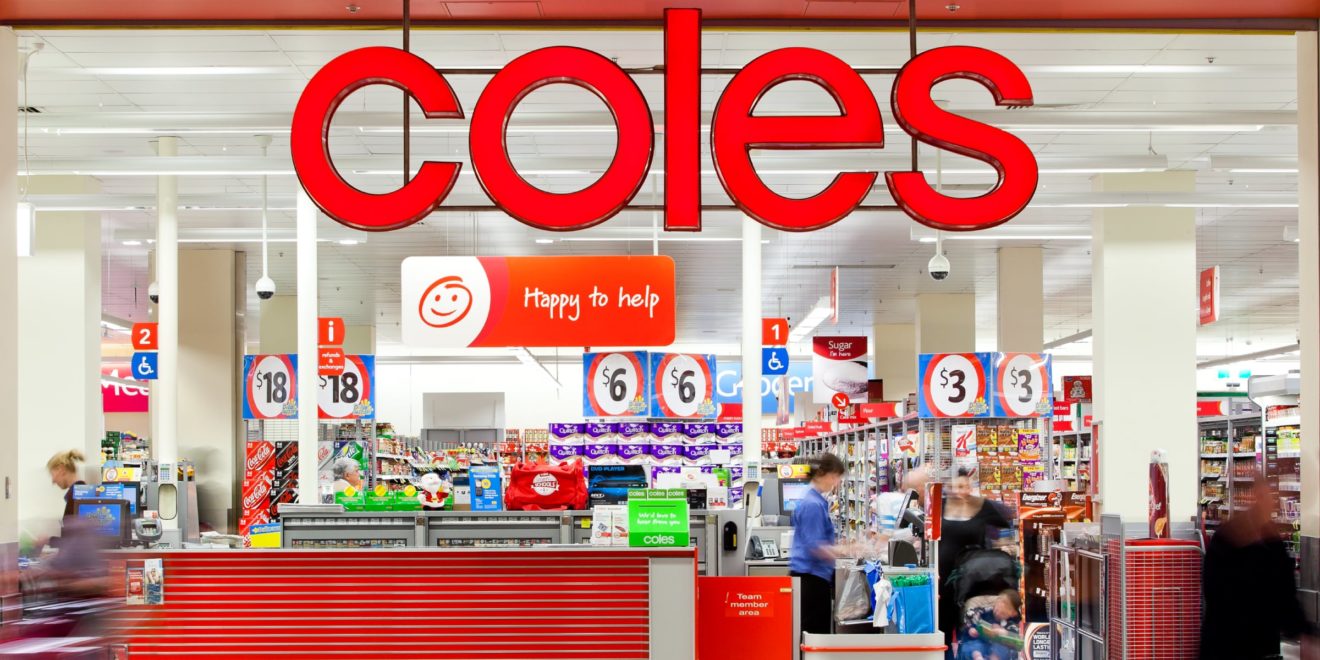
    Despite seeing growth in its supermarket division, leading grocery retailer, Coles, has experienced a significant fall in profits, largely due to what has been referred to as the “case of the century”, instigated by the Australian Competition and Consumer Commission (ACCC).

    Profit Decline Amidst Supermarket Growth

    Coles’ after-tax profit for the first half of this financial year saw an 11.3% decline. This happened in spite of a considerable expansion in the company’s supermarket division, where sales, gross margin and earnings before interest and tax (EBIT) all increased. The phenomenal $23.1 billion in revenue from grocery stores contributed to 90 per cent of Coles’ total revenue for the period.

    Liquor Sales Dwindle

    On the contrary to the supermarket division, Coles’ liquor sales witnessed a “subdued” period, according to the company. The segment experienced a 3.2 per cent fall in revenue along with a significant 37 per cent plunge in EBIT.

    Regulatory Disputes Affecting Profits

    Coles’ after-tax profits were substantially impacted by provisions from regulatory disputes. One such dispute involved allegations of the company not adhering to the general retail industry award (GRIA) guidelines in terms of staff remuneration. The Fair Work Ombudsman passed a judgment on this matter on September 5 of the previous year.

    This case, heard in the Federal Court of Australia, along with subsequent settlements, resulted in a staggering $235 million cost to Coles. The company also warned of the “risk” of further payments. The dispute involved 15,011 staff members and led Coles to pay $31 million in remuneration to employees following an internal review.

    Ongoing ACCC Dispute

    In addition to past disputes, Coles is currently faced with an ongoing disagreement with the ACCC. The dispute involves the supermarket’s longstanding “Down Down” promotion which has not yet been resolved.

    Despite the ACCC’s allegations of misleading customers with its discount promotion, Coles maintains its innocence. The company stated that “at least” 245 products are being reviewed, and the financial impact of any outcome remains uncertain.

    Questions & Answers

    What was Coles’ primary source of revenue in the first half of this financial year?
    The primary source of Coles’ revenue was its supermarket division, which contributed to 90% of the company’s total revenue.

    How have regulatory disputes affected Coles’ profits?
    Regulatory disputes have significantly impacted Coles’ after-tax profits. One such dispute resulted in a $235 million cost to the company with the risk of further payments.

    What is the ongoing dispute between Coles and the ACCC about?
    The ongoing dispute between Coles and the ACCC is regarding the supermarket’s longstanding “Down Down” promotion. The ACCC alleges Coles misled customers with this discount promotion, a claim which Coles denies.

  • Aldi Unveils Bold Pricing Strategy: Slashes Rates on 300 Items in Battle with Major Supermarket Chains

    Aldi Unveils Bold Pricing Strategy: Slashes Rates on 300 Items in Battle with Major Supermarket Chains

    Aldi, a renowned supermarket chain, is altering its business approach to better compete with industry rivals such as Woolworths and Coles. This modification in strategy arrives shortly after Costco, another competitor, surpassed Aldi’s profits despite having a mere 15 brick and mortar establishments.

    Intensified Price War

    Aldi’s new tactic revolves around lowering the prices of around 300 selected products, aiming to provide customers with more affordable options compared to its competition. The company, in August 2025, posited that its prices are approximately 16.8% lower than the competition.

    In the words of the company spokesperson, “Our recent reductions in grocery prices present the perfect opportunity for customers to try out new products from our everyday range or to replenish their stock of beloved items.”

    Reducing Branded Goods

    Aldi Australia’s CEO, Anna McGrath, has also acknowledged that the company intends to decrease the number of branded goods available for sale. However, requests for additional commentary on this new business strategy from Aldi have thus far gone unanswered.

    During the ACCC Supermarkets Inquiry of 2024-2025, Aldi acknowledged its relatively limited product range. The company stated that it carries roughly 1,800 products, in stark contrast to the approximately 25,000 products that full-line supermarkets offer.

    Market Performance

    Aldi Australia, which commands a market share of around 9-11%, reported a sales figure of AUD 13.3 billion for the previous fiscal year and profits amounting to AUD 403.7 million.

    Questions & Answers

    What is Aldi’s new strategy to compete with Woolworths and Coles?
    Aldi is planning to decrease prices on around 300 products to provide cheaper alternatives to its competitors.

    How is Aldi’s product range different from full line supermarkets?
    Aldi carries about 1,800 products, far less than the approximately 25,000 products that full-line supermarkets typically offer.

    How is Aldi Australia performing in terms of market share and financials?
    Aldi Australia holds a market share of around 9-11%, and it reported sales of AUD 13.3 billion and profits of AUD 403.7 million in the last fiscal year.

  • Coca-cola Q3 Report: Revenue Boost Amid Challenging Market, Category & Regional Performance Explored

    Coca-cola Q3 Report: Revenue Boost Amid Challenging Market, Category & Regional Performance Explored

    In the third quarter, Coca-Cola revealed a 5% increase in net revenue, rising to $19.2 billion. Their organic revenue also observed a 6% increase during this period.

    Challenging Market Conditions

    James Quincey, the Chairman and CEO of Coca-Cola, acknowledged the challenging market conditions, yet credited the company’s impressive performance to their diverse beverage portfolio and the unique strengths of their franchise model.

    Growth Across Regions

    Unit case volume increased by 1% during the third quarter. This growth was driven by increasing sales in specific regions such as Central Asia, North Africa, Brazil and the UK.

    Category Performance

    The performance varied across the different beverage categories. Sparkling soft drink volumes remained stable, with a 1% growth in unit case volume. This growth was primarily driven by gains in Europe, the Middle East and Africa, and the Asia Pacific region.

    Coca-Cola Zero Sugar saw a considerable increase in sales, with a 14% rise across all regions. Diet Coke and Coca-Cola Light also performed well, with a 2% increase predominantly due to growth in North America and the Asia Pacific region.

    However, not all categories experienced growth. Sparkling flavours saw a 1% decline as gains in Europe, the Middle East and Africa were offset by weaker results in the Asia Pacific region. Additionally, juice, value-added dairy and plant-based beverages saw a 3% decline.

    Conversely, water saw a 3% increase across all regions, sports drinks rose 3% due to growth in North America, and coffee grew 2%, driven by the Asia Pacific and Europe, Middle East and Africa regions.

    Refranchising Strategy

    Coca-Cola also made advancements in its refranchising strategy during the quarter. Coca-Cola HBC AG agreed to obtain a controlling interest in Coca-Cola Beverages Africa, furthering the company’s shift towards a franchise-focused model. In a separate transaction, the company completed the sale of a 40% stake in Hindustan Coca-Cola to the Jubilant Bhartia Group.

    The company confirmed that its productivity programs have helped counter inflationary pressures and have supported investment in areas such as digital and omnichannel capabilities.

    Future Projections

    Coca-Cola anticipates generating a minimum of $15 billion in free cash flow for the remainder of the fiscal year and affirmed that it is on track to meet its full-year guidance. Looking further ahead, Quincey expressed confidence in the company’s ability to meet its 2025 guidance while also working towards achieving its long-term objectives.

    Questions & Answers

    Does Coca-Cola expect to meet its full-year guidance?

    Yes, Coca-Cola confirmed that it expects to meet its full-year guidance.

    Which regions contributed to the growth of Coca-Cola?

    The growth in the third quarter was largely driven by increasing sales in regions such as Central Asia, North Africa, Brazil and the UK.

    What was the result of Coca-Cola’s refranchising strategy in the third quarter?

    During the third quarter, Coca-Cola HBC AG agreed to obtain a controlling interest in Coca-Cola Beverages Africa, furthering the company’s shift towards a franchise-focused model. Additionally, the company completed the sale of a 40% stake in Hindustan Coca-Cola to the Jubilant Bhartia Group.

  • Hanoi Landlords Raise Housing Rents Amid Rising Inflation Pressures

    Hanoi Landlords Raise Housing Rents Amid Rising Inflation Pressures

    In the bustling Khuong Dinh Ward of Hanoi, Thuy Ngan recently faced a tough decision: stay put or move. Her landlord had decided to raise the rent on her 20-square-meter apartment from VND3.8 million (US$144) to VND4.2 million, a 10% increase starting this September. “With inflation soaring, all prices are on the rise. Rent cannot remain untouched,” the landlord explained, echoing a sentiment felt by many in Vietnam’s rental market.

    For Ngan, the struggles of rising living costs meant her total monthly expenses, including utilities, surged to nearly VND5 million, consuming a hefty third of her income. After weighing her options, she opted for a new apartment five kilometers away, where the rent was 10% lower, albeit with a longer commute.

    A Shocked Tenant in Cau Giay

    Quang Huy and his wife found themselves in a similar predicament in Cau Giay Ward. With their lease set to expire, they were blindsided when their rent shot up by 15% to VND9 million for a two-bedroom unit. “The landlord said the property had been freshly painted and renovated, which justified the hike,” Huy noted. The couple was bluntly informed that with students flocking to the area, any disagreement over rent would be met with indifference. After two weeks of searching for more affordable housing, they now contemplate a move to an older unit further from their current home.

    Rising Rents Across the Board

    Nguyen Tuan Anh, who operates a rental company managing 50 units in Hanoi, reveals that many landlords are raising rents by 10% to 15%. Inflation, increasing property prices, and bumps in furnishing costs are common justifications. According to the General Statistics Office, the consumer price index surged by 3.24% year-on-year last month, with household electricity prices climbing 10.8% and water costs up 3.9%.

    Meanwhile, data from property portal Batdongsan indicates that rental demand in Hanoi rose by 11% in July alone. Since March, rents have been on a steady ascent, up 10% overall, with smaller units seeing hikes of up to 15%. Pham Duc Toan, CEO of property developer EZ Property, acknowledged that urban migration is contributing to robust rental demand in cities like Hanoi and Ho Chi Minh City, with 22% of respondents in a recent index citing better job opportunities as their reason for relocating.

    Struggling to Keep Up

    As rents continue to climb, landlords and investors are anticipating even higher returns, driven by the rise in property prices and general inflation. Toan emphasized, “When living costs and prices of goods and services increase, landlords are inclined to raise rents as well.” The September arrival of a new school year typically spurs a 20% to 30% increase in rental demand, coinciding with lease expirations, said Nguyen Chi Thanh, vice chairman of the Vietnam Association of Realtors.

    However, as economic strains persist and salaries stagnate, many residents are forced to compromise. They are increasingly opting for smaller, less central, and more affordable living spaces to make ends meet. A survey conducted by VnExpress reveals that nearly 14% of respondents plan to leave Hanoi and return to their hometowns due to soaring housing costs.

    Seeking Solutions

    Experts suggest that enhancing social housing options could alleviate some of the rental pressures. Toan recommends increasing the supply of social housing through interest rate and tax incentives, alongside improved access to land for developers. After all, in a city where the rent is always too darn high, every little bit helps.

    Questions & Answers

    What factors are driving the increase in rental prices in Hanoi?
    Factors contributing to rising rents include inflation, increased property costs, and a high demand for rental units, especially during the school season.

    Why are some tenants opting to move to less central locations?
    Many tenants are compelled to move further from the city center to find more affordable housing options in response to climbing rents and overall living costs.

    What solutions do experts propose to tackle rising rents in Vietnam?
    Experts advocate for the expansion of social housing availability, which could ease the pressure on the rental market, supplemented by tax incentives and improved land access for developers.

  • Philippines Cracks Down on AirAsia Malaysia: Website Shut for Excessive Pricing Practices

    Philippines Cracks Down on AirAsia Malaysia: Website Shut for Excessive Pricing Practices

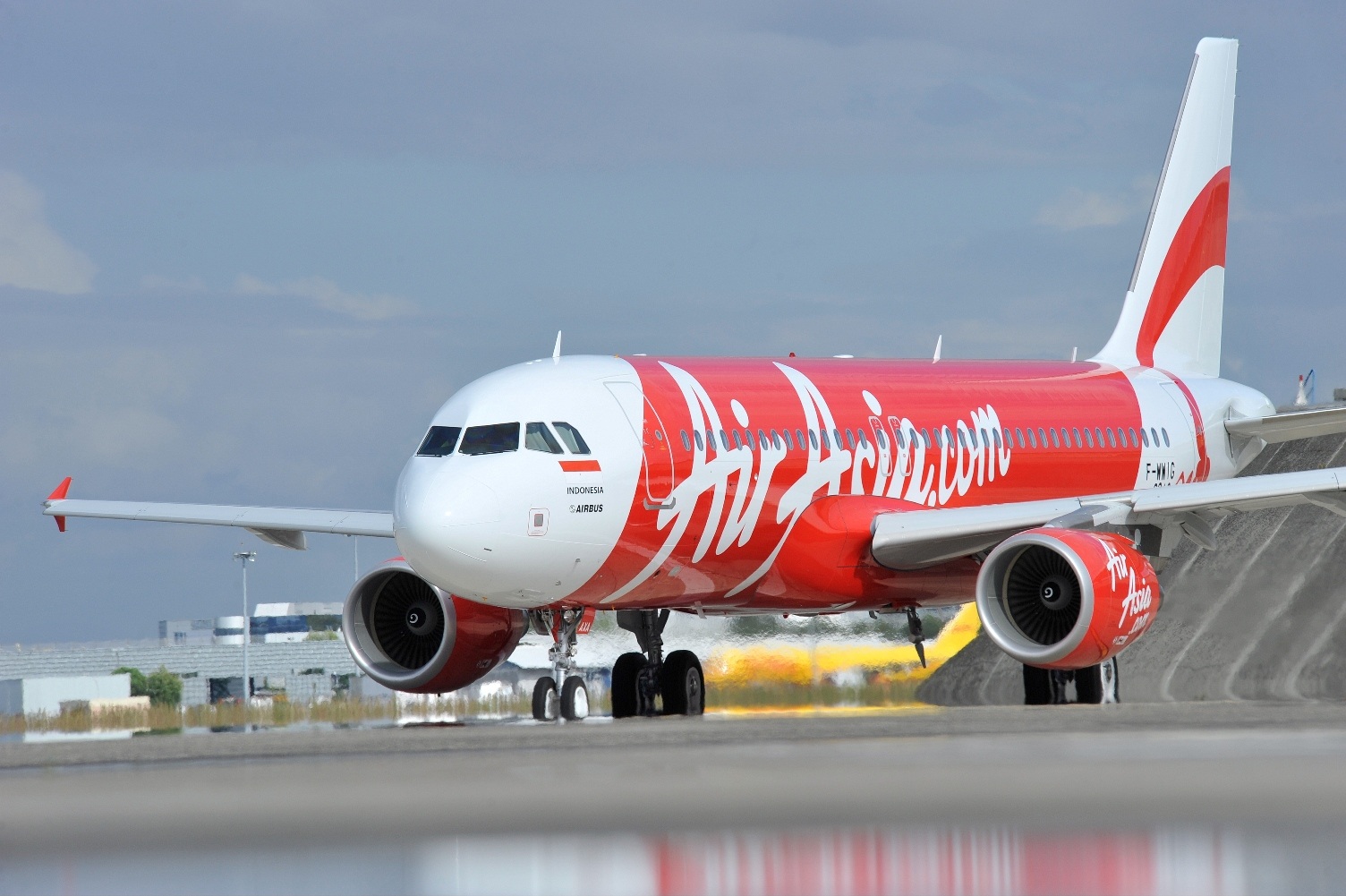
    The Philippine government has thrown a wrench in AirAsia’s online ticket sales by ordering the airline’s platform, AirAsia Move, to cease operations due to exorbitant pricing practices.

    Transportation Secretary Vince Dizon announced on June 2 that the Civil Aeronautics Board had issued a cease-and-desist order while teams collaborated with law enforcement to shut down the site.

    The aviation authority, tasked with regulating airfare caps in the Philippines, revealed that the company jacked up its prices following transport disruptions in Tacloban City, triggered by the closure of a vital bridge for truck access. “We will throw the full weight of the law on these unscrupulous online platforms that exploit our citizens,” Dizon declared with resolve.

    Plans are underway to swiftly file charges of “criminal economic sabotage” against the Malaysian-owned platform, Capital A Berhad. Over the preceding weekend, AirAsia Move controversially priced a one-way ticket from Manila to Tacloban City via Philippine Airlines at an astonishing PHP77,000 (US$1,382)—three times higher than the fare listed by the national carrier, as reported by the Transportation Ministry. “Clearly, this is just absurd,” Dizon asserted at a recent briefing, labeling AirAsia Move’s actions as nothing short of criminal.

    Questions & Answers

    What prompted the Philippine government to take action against AirAsia Move?
    The government acted after discovering that AirAsia Move was charging excessive fares, particularly following transport disruptions in Tacloban City.

    What is the Philippine government’s plan regarding AirAsia Move?
    Authorities intend to file a case for “criminal economic sabotage” against AirAsia Move to hold the platform accountable for its pricing practices.

    How high were the ticket prices set by AirAsia Move compared to the national carrier?
    AirAsia Move charged PHP77,000 for a one-way ticket from Manila to Tacloban City, which is three times the fare on Philippine Airlines’ website.

  • Chinese Cherries Delight Vietnamese Consumers, Priced Sweetly at $19 per Kilogram

    Chinese Cherries Delight Vietnamese Consumers, Priced Sweetly at $19 per Kilogram

    Thanh Loan recently indulged her taste buds in Ho Chi Minh City by purchasing 2 kilograms of premium Chinese cherries for nearly VND1.2 million. To her delight, these cherries were not only more affordable than their counterparts from the U.S. or Australia but also offered a significant quantity—two kilograms for the same price that would typically fetch just one.

    What swung her vote in favor of Chinese cherries? It was their meticulous greenhouse cultivation, devoid of chemical fertilizers or growth stimulants, ensuring a product that is both delicious and healthy. Vendors have recently introduced Chinese cherries as a striking new option on the Vietnamese fruit scene. These cherries, resembling their Australian cousins in size, boast a sweet flavor and a satisfyingly crispy texture.

    Fresh from Orchard to Table

    “They are harvested and air-freighted, arriving in Vietnam within one or two days, which helps maintain their freshness,” explains Han, a vendor in HCMC. However, due to limited supplies, her shop typically receives only a few dozen crates per shipment.

    Phuong, a representative of an import company in the city, mentions that they have acquired approximately 100 crates of these luscious fruits. “I always recommend storing them in the refrigerator and consuming them within a week since they contain no preservatives,” she adds, highlighting the cherries’ short shelf life.

    While these greenhouse cherries have begun to make their mark, a report from the Thu Duc Agricultural Wholesale Market reveals that they have not yet been officially imported, primarily due to low production levels that result in most of them being hand-carried into the country.

    The Cherry Story from China

    Yantai in Shandong Province holds the distinction of being the first region in China to pioneer greenhouse cherry cultivation. Cherries from this area are typically sold between CNY45 and CNY55 (about US$4.8–7.6). In contrast, cherries from Wafangdian in Dalian have reached a jaw-dropping CNY130 this year, marking them as the priciest cherries in China.

    China’s cherry cultivation spans over 1.5 million acres, reflecting a robust 12% increase from last year. Around 50,000 acres in Shandong are devoted to greenhouse cherries, contributing 100,000 tons, or a quarter of the nation’s total production.

    However, growers are grappling with soaring production costs. The construction of a single acre of greenhouse facilities in Shandong now costs about 150,000 yuan, a 12% increase from the previous year. Additionally, the daily wage for fruit pickers has surged to CNY200, representing a staggering 40% rise since 2020, and hinting at the ever-evolving landscape of fruit production.

    Who knew cherry troubles could be this complex? Next time you savor your cherries, think of the journey they took to reach your table!

    Questions & Answers

    **What are the benefits of choosing Chinese cherries?**
    Chinese cherries are cultivated in greenhouses without chemical fertilizers or growth stimulants, making them a healthier choice.

    Why are these cherries in limited supply?
    Their limited supply is due to ongoing low production levels, and most cherries are currently hand-carried into Vietnam.

    How do the prices of Chinese cherries compare to others?
    The price of Chinese cherries can provide better value, with 2 kilograms available for the same cost as just 1 kilogram of U.S. or Australian cherries.

  • Apple reveals discount pricing feature for subscriptions in the App Store

    Apple reveals discount pricing feature for subscriptions in the App Store

    A post on the Apple Developer website reveals that a new “contingent pricing” feature will be available in the App Store. The subscription gets its name because customers can be given a discount on a subscription contingent on them having an active subscription to another publication. That discount will continue to be offered every month as long as the customer remains subscribed to both magazines.

    Here is what Apple told developers on the website: “Contingent pricing for subscriptions on the App Store — a new feature that helps you attract and retain subscribers — lets you give customers a discounted subscription price as long as they’re actively subscribed to a different subscription. It can be used for subscriptions from one developer or two different developers. We’re piloting this feature and will be onboarding more developers in the coming months.”

    Apple says developers should start planning how they will work contingent pricing into their App Store pricing strategies. A link on the website will allow developers to sign up to receive a notification from Apple in January, when the company will inform developers of more details related to “contingent pricing.”

    In explaining exactly what “contingent pricing” is, Apple writes, “For example, you might offer Ocean Journal premium subscribers the opportunity to subscribe to Mountain Climber for a discounted price of $4.99/month instead of the regular $5.99/month. Customers pay the discounted price as long as they remain Ocean Journal subscribers.”

    While Apple is writing to developers, the tech giant does explain how customers will be able to find publications in the App Store that offer “contingent pricing.” Apple says that customers will find the discounted pricing in a publication’s App Store listing, off-platform marketing channels, and planned placements in the App Store.

    Apple says that it will help developers manage the implementation of “contingent pricing” by offering customers “a seamless redemption and purchasing experience” based on the contingent price proposition the developers will provide.

    Obviously “contingent pricing” isn’t going to be available to App Store customers until sometime next yeear.

  • Qatar Airways taps PROS for optimal pricing

    Qatar Airways taps PROS for optimal pricing

    Qatar Airways Cargo is empowering its online channels with real-time personalised dynamic pricing for air freight bookings with PROS Smart Price Optimization and Management.

    The AI-powered optimisation solution models improve win rates by personalising the price offering and maximising sales. This means customers can now receive real-time, reliable, and personalised pricing with each shipment requested via Digital Lounge, marketplaces and host-to-host integrated connections, enabling them to book immediately with the best prices available

    Qatar’s Digital Lounge places an emphasis on user experience and ease of use, allowing customers to price and book cargo shipments without the need to call or email the sales team directly. The new pricing feature is now live on all online booking channels across the airline’s network.

    The carrier said PROS Air Cargo Orchestration Services enables it to provide real-time, optimised prices to third-party digital marketplaces like WebCargo, CargoAI and Cargo.one.

    “PROS real-time pricing engine provides a highly accurate, scalable pricing capability that directly translates to a reliable and responsive buying experience for our customers,” said Florent Bonello, Vice President Cargo Revenue Management at Qatar Airways Cargo. “As a next phase of our implementation, we are seamlessly integrating PROS Smart Configure Price Quote within our sales ecosystem, so that we can quickly manage and deliver omnichannel quoting across our spot, contract and allotment sales.”

  • Pricing Tactics to Boost Sales in E-Commerce

    Pricing Tactics to Boost Sales in E-Commerce

    More than 80% of the purchasing decision depends on price. Especially in the ultra-fast e-commerce arena where businesses showcase and change their prices every 3 to 6 hours. But before changing prices out of the blue you must know that there are certain conditions to do that. Decrease your prices to very low and you’ll leave a lot of money on the table raise them up high and you’ll end up hunting flies.

    The Importance of Pricing

    Let’s start by going through each insight down below to understand why pricing needs more attention ever than before.

    • 90% of consumers invest their time to hunt the best online deals.
    • 80% of “first-time” consumers say it’s important to be able to see and compare prices from different sellers.
    • 70% of consumers believe they’ll get a better deal online than in brick&mortar stores.
    • 50% of consumers will purchase products left in shopping carts if those products are offered at a lower price.

    As you can see pricing is very, very important.

    Let’s get into some tactics on how you can approach pricing to increase your profits margins and sales numbers.

    Charm Pricing

    Have you ever heard about the power of 9s? That is the strategy, where you end a price with a “9” instead of a “0” on the price tag. This is a very common tactic especially in physical stores, but you may also come across it in online stores as well.

    Here’s why! Our brain perceives $50.00 and $49.99 as different values. According to consumer perception, $49.99 seems closer to $40.00, which is cheaper than $50.00 and product prices ending with a “9” are considered “the” deal to not miss.

    Prestige Pricing

    This is suitable for high-end, luxury, emotion-triggering products, where you should apply round prices such as $500, $750, opposite of charm pricing. Setting round prices on products which evokes emotions converts better.

    A study by Kuangjie Zhang and Monica Wadhwa, claims that “A rounded price ($100.00) encourages consumers to rely on feelings when evaluating products, while a non-rounded price ($98.76) encourages consumers to rely on reason. When a purchase is driven by feelings, rounded prices lead to a subjective experience of feeling right,”

    Bundle Pricing

    This psychological trick makes online shoppers search for getting an extra item with the purchased product at the same price. This presents a golden opportunity for the wise e-commerce seller. To reduce this pain and encourage online shoppers to buy your products, use bundling, set your prices accordingly and get these customers to reach deeper into their pockets.

    For example, Amazon has an advanced bundling strategy; it always suggests two or three related items that you may want to purchase at the same time. Most of the online shoppers jump onto these types of offers because they’re amazed by the simplicity of purchasing them all at the same time. Bundle two or three items together with a single price set an adequate discount, and you can start selling less-popular items.

    What’s Next?

    All of the tactics above are some part of the common approaches laid out from the people of Prisync. To learn more about other pricing strategies take the time to read most of their blog posts. When you’ve successfully implemented a strategy, you’ll either address your customer’s emotions or logic. Either way, you will start winning and boosting your conversion rates, sales, and eventually revenue. And if you want to automate that, we recommend you start using a pricing software sooner before its too late.