Retail News CRM

Tag: printing

  • With 3D printed ‘steaks’, Spanish startup eyes the mass market

    With 3D printed ‘steaks’, Spanish startup eyes the mass market

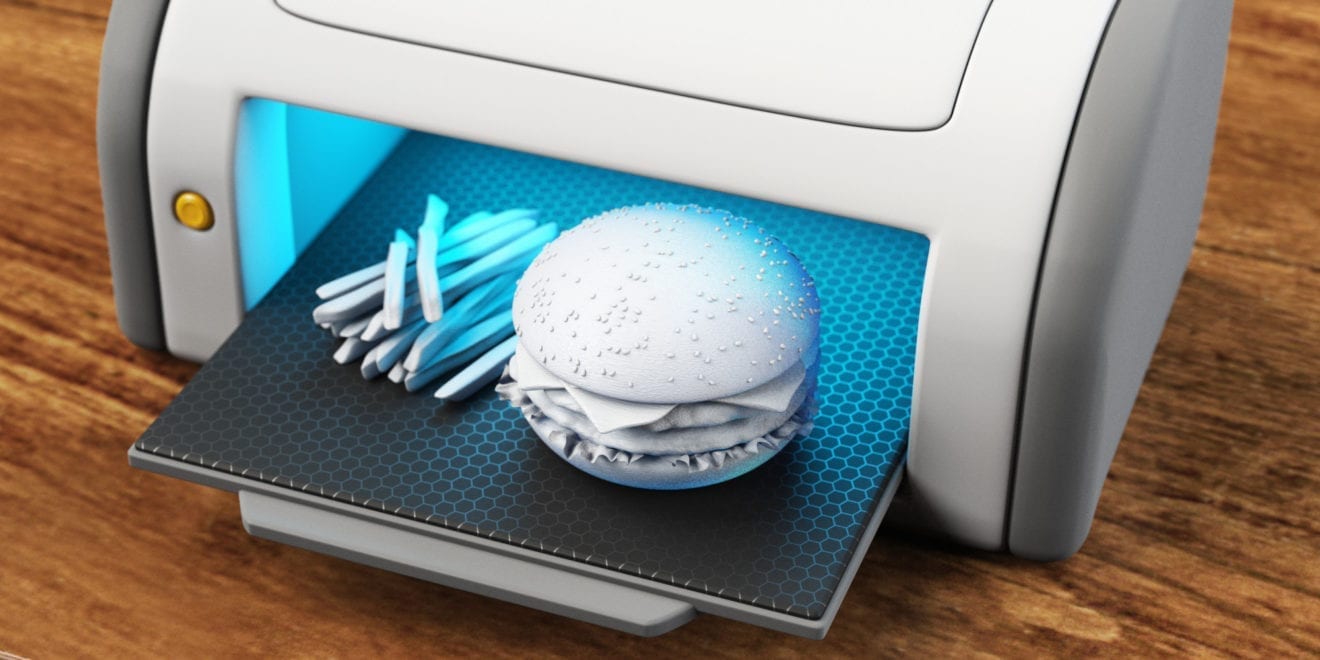
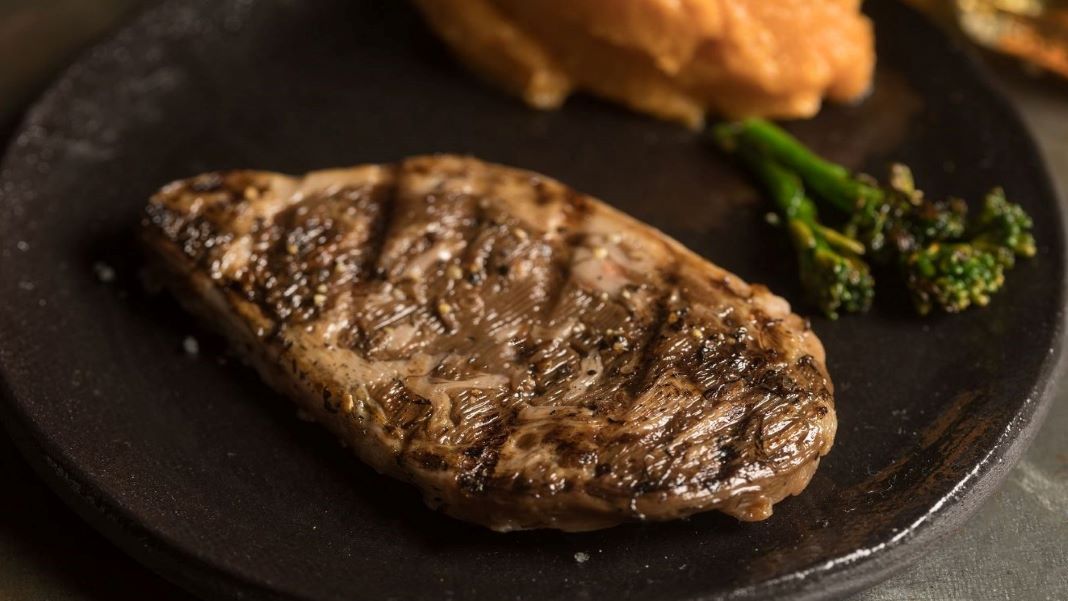
    As demand for plant-based alternatives to meat rises, Barcelona-based startup Novameat is using its 3D printing technology to manufacture vegetarian “steaks” that it hopes will reach the mass market next year.

    Novameat plans to sell its “steaks” directly to consumers and to businesses such as restaurants interested in producing plant-based meat, business development manager Alexandre Campos said.

    The Spanish company, which developed its technology in 2018, was showing how its latest 3D printer produced food at Barcelona’s Mobile World Congress (MWC).

    “It didn’t have the feeling of a traditional steak but I was positively surprised because I did not expect that the texture would be so well achieved,” said Ferran Gregori, after trying one of the “steaks” printed at Novameat’s stand at the world’s largest telecoms gathering.

    The company uses 3D technology to test recipes, introducing ingredients through capsules because it is a cheaper process than mass-producing, Campos said.

    Once a model is considered successful, it could then be produced on a larger scale in bigger machines not using 3D technology, manufacturing up to 500 kg of fake meat per hour, he added.

    Campos said the startup’s aim had been to recreate the muscle fibers of animal meat but using 100% plant-based ingredients. He forecast the plant-based industry would keep growing at double-digit rates in the foreseeable future.

    The company also said it was producing fake meat for environmental reasons.

    “We seek to replace animal meat for something that is better for the planet, ourselves and animals,” Campos said.

  • Online printing startup Gogoprint raises $7.7m to prepare new markets

    Online printing startup Gogoprint raises $7.7m to prepare new markets

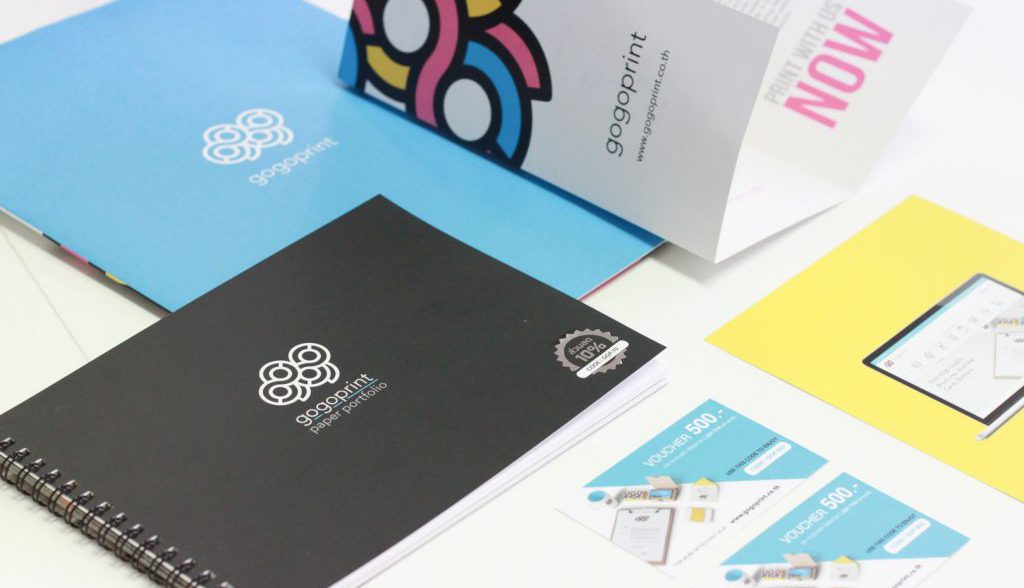
    Gogoprint, a startup that’s modernizing the printing industry, has raised US$7.7 million in series A funding to fuel its expansion into new markets like Australia, New Zealand, and South Korea in the next 12 months.

    Gogoprint is an online service for printing things like business cards, flyers, and leaflets. It uses algorithms that take into account parameters such as paper type, quantity, and delivery, and then aggregates those orders into a “print-run” or a batch of prints.

    This enables printers to make the most out of one printing sheet. Because each sheet carries fixed costs, maximizing it helps reduce prices and turnaround time for customers. It also allows printers to take in small orders from budget-conscious firms, instead of only focusing on large volume orders.

    Printers that partner with the company are able to tap new customers, helping offset the cost of any unused capacity.

    Gogoprint is active in four countries: Thailand, where it started, as well as Singapore, Malaysia, and Indonesia. In Indonesia, it faces competition from another online printing startup, Prinzio.

    To date, Gogoprint has experienced a 200 percent year-on-year growth in customer base, attracting more than 45,000 customers with over 250 million products printed. Its clients include Honda, Lazada, Lion Air, Yamaha, Singapore’s Nanyang Technological University, and Booking.com.

    Retail News reached out to the company for more financial details, but it declined to disclose figures.

    The series A round was led by its existing backer OPG (Online Printing Group), an investor and partner of Brazil-based Printi.

  • World-first 3D-printed basketball boot unveiled

    World-first 3D-printed basketball boot unveiled

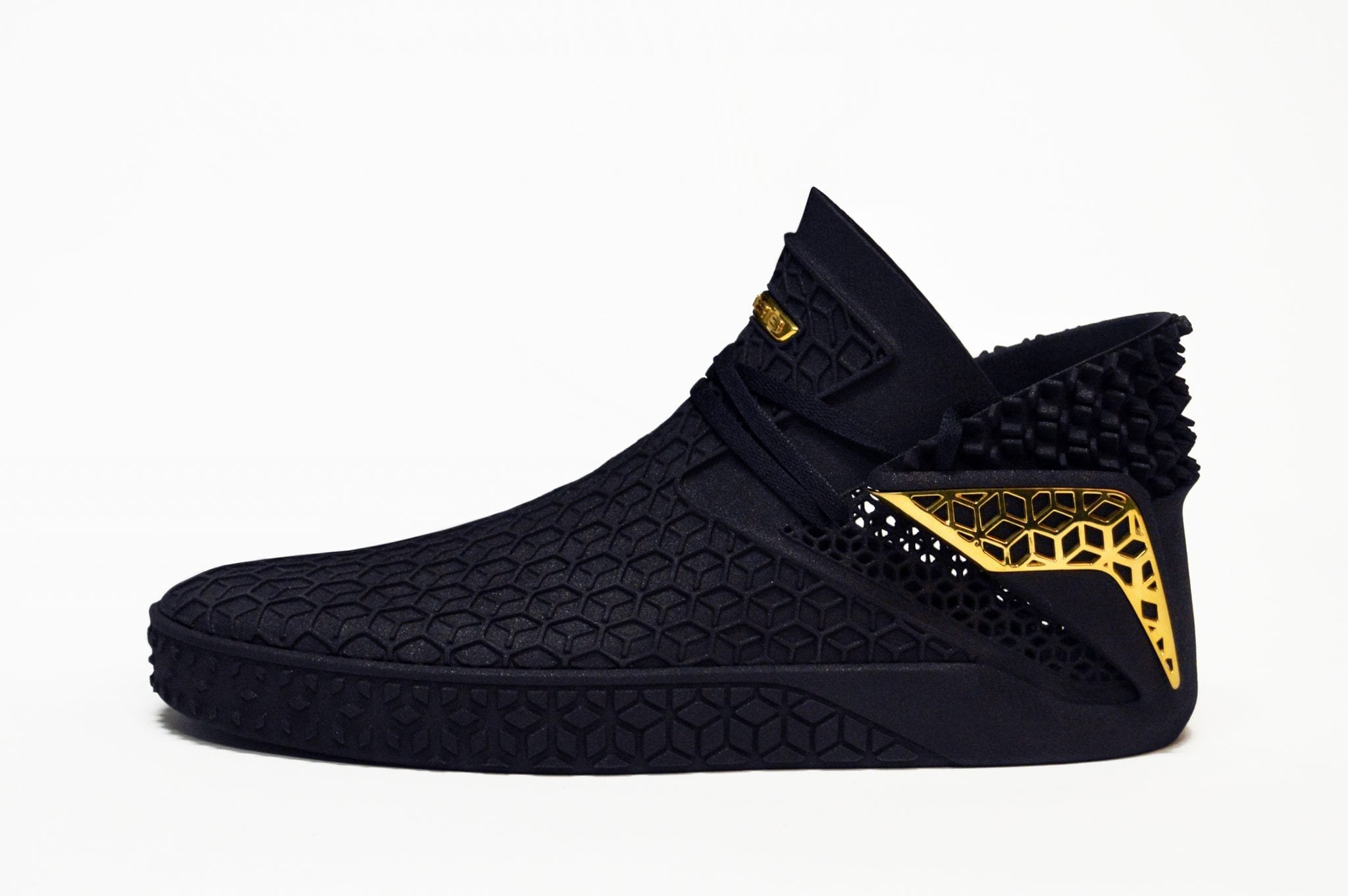
    US sports brand Peak has unveiled what it says is the world’s first 3D-printed basketball boot.

    Peak is one of the world’s first footwear brands to apply 3D printing technology to a sports shoe. Three years ago, the company acquired advanced 3D printing equipment and rolled out products based on the 3D printing concept.

    Peak launched the “Future I” 3D printed running shoes last May and believes the evolution to a 3D printed basketball boot moves the company into the position of being the world’s leading sports brand in the research and application of 3D printing technology.

    Peak uses SLS laser technology and printing prototyping of flexible and light TPU powders in the design.

    “As a new prototyping and processing technology, 3D printing is of great significance to Chinese sports brands and the country’s Made in China 2025 strategy,” said Peak GM Xu Zhihua.

    NBA professional player Dwight Howard III, who plays with the Charlotte Hornets, is impressed: “This pair of boots has obviously higher performance than traditional ones,” he said at the boot’s unveiling in China.

    “I felt that the 3D printed soles and vamp side walls enable a more comfortable wearing experience. Maybe, one day in the future, you’ll see me wearing the 3D printed basketball boots, footwear designed based on R&D carried out by Peak, during an NBA competition.”

    The Dwight Howard III 3D-basketball boot deploys a 3D-lattice structure in the middle of the sole, while using the 3D printed TPU structure for the vamp side walls, breaking existing design structure limits and expanding the room in which designers could allow themselves to be more creative.

  • DataLase & Xerox Team for Late-Stage Inline Digital Printing Solutions

    DataLase & Xerox Team for Late-Stage Inline Digital Printing Solutions

    Xerox, the global leader in digital print technology and services, has signed an agreement with DataLase, the newly acquired SATO subsidiary and inline digital printing experts, to launch a new inkless printing solution that allows brand owners to connect with consumers with personalisation and late-stage ability to differentiate products and packaging.
    Variprint™ is the next generation of revolutionary inline digital printing solutions from DataLase which uses the new Laser Imaging Module (LIM) designed and built by Xerox. The LIM is capable of printing at higher resolutions than most inkjet digital printing solutions, creating sharper images. The LIM can produce greyscale images with a natural resolution up to 1,200 dpi and can digitally print variable information such as graphics, barcodes and text up to 1 metre per second.
    The patented laser reactive pigments are incorporated into a coating that is conventionally printed onto a variety of products or packaging. When exposed to the LIM, a colour change reaction is generated in the coating resulting in a high definition, premium quality, digital print.
    “Building on the huge interest we generated at drupa 2016, the DataLase solution can deliver a unique way to help connect brands with consumers on a one-to-one basis through personalisation and late stage differentiation of products and packaging – such as adding timely local promotions and marketing material. Real time marketing capability on pack is now a reality,” said Dr. Chris Wyres, CEO of DataLase.
    “The digital print and packaging market is growing at a healthy pace,” said Aanand Parthasarathi, Manager, Packaging Programs at Xerox. “Our new lasers, coupled with DataLase technology, will deliver new capabilities in the fulfilment process such as switching languages or a last-minute change in an ingredient list.”
    DataLase is seeing the development of a range of market applications for its technology on a global basis. Its technology can be used across a wide range of product and packaging applications in the food and drink, pharmaceutical, personal care and household sectors for case coding, labelling, product coding and folding cartons.
  • Ford exploring 3D printing of one-piece auto parts

    Ford exploring 3D printing of one-piece auto parts

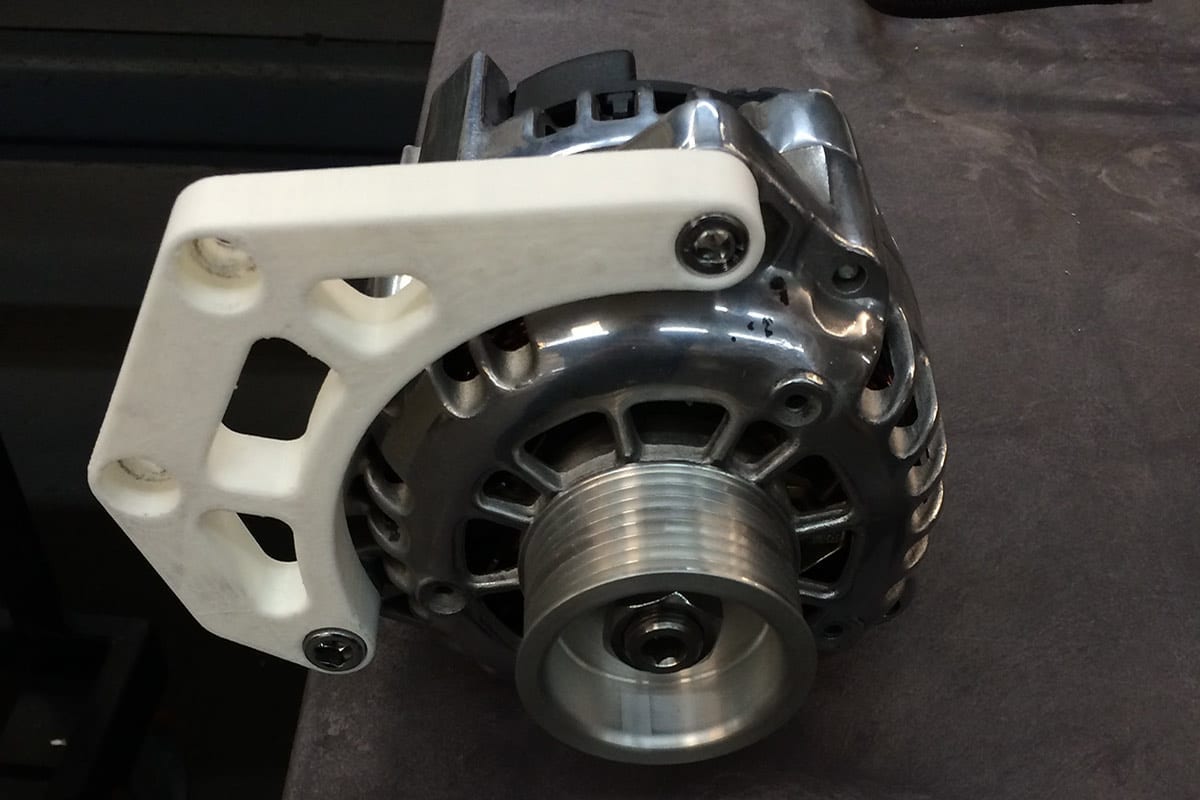
    US based car manufacturer Ford Motor Company is exploring how large-scale one-piece auto parts, like spoilers, could be printed for prototyping and future production vehicles, as the first automaker to pilot the Stratasys Infinite Build 3D printer.

    Capable of printing automotive parts of practically any shape or length, the Stratasys Infinite Build system could be a breakthrough for vehicle manufacturing claims the company. It will provide more efficient and affordable way to create tooling, prototype parts and components for low-volume vehicles such as Ford Performance products, as well as personalized car parts.

    The new 3D printer system is housed at Ford Research and Innovation Center in Dearborn.

    “With Infinite Build technology, we can print large tools, fixtures and components, making us more nimble in design iterations,” said Ellen Lee, Ford technical leader, additive manufacturing research. “We’re excited to have early access to Stratasys’ new technology to help steer development of large-scale printing for automotive applications and requirements.”

    Wider adoption of 3D printing has been driven by recent technology advances, new areas of application and government support, according to Global Industry Analysts.

    By 2020, the global market for this emerging technology is expected to reach $9.6 billion, the organization reports. As 3D printing becomes increasingly efficient and affordable, companies are employing it for manufacturing applications in everything from aerospace to education to medicine.

    3D printing could bring immense benefits for automotive production, including the ability to produce lighter-weight parts that could lead to greater fuel efficiency. A 3D-printed spoiler, for instance, may weigh less than half its cast metal counterpart.

    The technology is more cost efficient for production of low-volume parts for prototypes and specialized race car components. Additionally, Ford could use 3D printing to make larger tooling and fixtures, along with personalized components.

    How it works
    With 3D printing, specifications for a part are transferred from the computer-aided design program to the printer’s computer, which analyzes the design. The device then goes to work, printing one layer of material at a time, then gradually stacking layers into a finished 3D object.

    When the system detects the raw material or supply material canister is empty, a robotic arm automatically replaces it with a full canister. This allows the printer to operate unattended for hours – days, even.

    Using traditional methods to develop, say, a new intake manifold, an engineer would create a computer model of the part, then have to wait months for prototype tooling to be produced. With 3D printing technology, Ford can print the intake manifold in a couple of days, at a significant cost reduction.

    3D printing is not yet fast enough for high-volume manufacturing, but it is more cost efficient for low-volume production. Additionally, minus the constraints of mass-production processes, 3D-printed parts can be designed to function more efficiently.

  • Mobile marketing cuts printing cost for Pizza Hut

    Mobile marketing cuts printing cost for Pizza Hut

    With over 70 restaurants in the city, half of Pizza Hut’s business in Hong Kong is dine-in. This gives the diner a great incentive, but at the same time, huge pressure to improve its customer experience.

    In 2014, Pizza Hut started its mobile marketing campaign project. The primary objective was to better serve its customers. Additionally, it wanted to cut out a huge portion of its printing costs on direct marketing materials.

    Pizza Hut has been a customer of Salesforce. “When we started the mobile marketing campaign project in 2014, however, we didn’t know that Salesforce Marketing Cloud could help us to manage marketing campaigns,” said Ravel Lai, group IT director at Jardine Restaurant Group Hong Kong and Macau, in an interview with Computerworld Hong Kong. Jardine Restaurant Group operates Pizza Hut and the KFC restaurants throughout the city.

    Lai’s team studied different marketing solutions and decided to adopt Salesforce Marketing Cloud. “We considered other marketing tools such as those from Oracle and Adobe. We had even approached IBM, but they didn’t have a marketing solution,” he recalled.

    Evaluating a marketing solution was different from that of an IT solution. “This was not a traditional ERP solution, but something new to the IT team. We invited the marketing people and bosses at Pizza Hut and KFC to view the solution demo, and then we let everybody vote,” Lai said.

    Extra 7-10% revenue

    “We were not trying to solve a particular technology problem, but to improve on our marketing campaign management,” said Lai.

    In the past, Pizza Hut used to mail cash coupons to its customers. This involved different stages of production, which were all time-consuming, such as graphic design and printing, before it can finally distribute and mail out the coupons.

    With the new solution, conducting mobile marketing campaigns has become much easier. Now, Pizza Hut would only need to involve an in-house graphic designer to design the digital marketing material, which could be ready for distribution in just two hours.

    “Last year on one rainy morning, I asked my team to send a mobile message along with a coupon to our customers. After preparing the customer segmentation, we decided to send the message to 15,000 housewives and office workers at around 11:00 am to catch up with lunchtime at noon,” said Lai. “The results were good, as we generated an extra 7-10% in revenue for the day.”

    90% printing cost savings

    In the past, Pizza Hut used to distribute paper coupons to customers. The printing and mailing costs involved had been 10 times higher than if the marketing campaigns were conducted on Salesforce Marketing Cloud.

    “This is a very good tool for us to do the job. Instead of sending physical leaflets, we now use the mobile marketing platform, which incurs just 10% of the original printing cost,” said Lai.

    “Besides, the replacement of physical leaflets with mobile marketing messages makes Pizza Hut more environmentally friendly, too.”

    Express ticket

    According to Lai, many restaurant groups have developed their own mobile applications, but their primary function is largely limited to remote ticketing. “When everybody does the same thing, we ask ourselves, ‘How should we do it differently?’”

    To distinguish its restaurant mobile app from the competition, Lai borrowed the idea of “Fast Pass” from Disneyland theme park. A Disneyland Fast Pass allows a visitor to shorten his or her waiting time by getting a pass in advance for selected attractions, and return within specific timeframes.

    Using Pizza Hut HK’s mobile app, a user can obtain a queue number before they even reach the restaurant. This cut down the time and money required for us to issue queue numbers.

    By doing proper customer segmentation on Salesforce Marketing Cloud, Pizza Hut can send messages to customers whose last visit was over one month. The typical message would read: “Dear customer, you visited us one month ago and purchased a meal in our restaurant. We are so sorry that you had to wait for 15 mins. Here is an express ticket for you so you can jump queue upon your next visit. The express ticket is good for two weeks,” Lai suggested.

    Loyalty points reward system

    Pizza Hut HK’s mobile app also provides a points rewarding system. With every HK$5 of purchase at the restaurant, a customer gets one point. “With 50 points, our customers can redeem four pieces of chicken wings,” Lai said.

    Pizza Hut’s loyalty points are transferrable. “When you come to the restaurant with your friends, you and your friends can combine the points together to redeem the reward, for example, 50 points for a pizza,” said Lai.

    Social CRM

    With Salesforce Marketing Cloud, Pizza Hut’s mobile marketing campaign platform has enabled the restaurant group to tap on social CRM. “When I sold the idea of social CRM to the management, I emphasized not just on the benefits, but the improvement on the customer journey,” Lai said.

    Regarding Pizza Hut’s implementation of mobile marketing campaign project, Lai summed up, “If I do it now, I am the pioneer. If I do it later, I would just be a follower.”
  • How 3D printing will shake up the supply chain

    How 3D printing will shake up the supply chain

    Consumers today are already familiar with personalizing their favorite treats by molding them into unique shapes or printing edible messages on cakes, chocolate and flowers, among others. What if you could customize any product in the future to suit your preference – from shoes to even houses? While some may perceive this to be a pipe dream, the fact is that this is actually a reality. New Balance just introduced 3D printed shoes last April, and in China, Huashang Tengda successfully built a two-storey house in just under two days!

    3D printing is also known as additive manufacturing, a process that allows us to seemingly create objects such as bicycle frames and toys out of thin air. Manufacturing and supply chains have typically been all about assembly lines, warehousing and shifting products outwards from the point of manufacture. 3D printing is now revolutionizing the way products are manufactured and distributed.

    With the advent of 3D printing, individualized products can be designed, produced, delivered, and serviced in new ways. To start, organizations can leverage a product innovation platform that supports direct communication with customers and network partners from conceptualization to production. Consumers today love to customize everything and anything, and 3D printing makes this both possible and affordable. Organizations can now evolve beyond demand-driven supply chains to enable demand-driven manufacturing, furthering customer centricity and personalization.

    3D printing is also transforming the manufacturing industry, making it more digitized and in the process throwing out all the traditional rules of the game. Essentially, 3D printing changes who is in control. Analog manufacturing used to be the realm of huge companies that have the resources to invest and produce large quantities of the same good. These companies need to have the capital to support research, prototyping and focus groups to identify products that will please the critical mass, and marketing to promote that same product to large volumes of consumers. On top of that, delivering the products to consumers requires complex supply chain and retail channels.

    In contrast, 3D printing allows complex items to be produced on demand, eliminating the need for assembly lines. With 3D printing, the supply chain has the potential to become more efficient, more local and globally connected. Manufacturers are using 3D to respond to dynamic, real-time customer demands, reduce inventory and slice into transportation costs while dramatically compressing the time needed to ship products.

    Imagine this: Without the need for huge capital outlay, manufacturers do not need to set up factories at permanent locations. All manufacturers need is a 3D printer in local markets or regional production hubs, solving a number of large problems. The ability to bring manufacturing local will provide a way to significantly reduce carbon footprint. If you add the benefits of timeliness, cost reduction, and the freedom to print multiple materials and properties, you start to understand the impact 3D printing can have on society.

    Supply chains have a reputation for being boring, complicated, and uninteresting. But with the advent of the digital economy and 3D printing technologies, all of this is about to change. As the digital supply chains become both disruptive and important within the next few years, supporting the supply chain and the manufacturing floor to boost productivity will have ripple effects throughout any industry. The future of supply chain will be more collaborative and integrated with suppliers, retailers and even product planning and design.

    Where supply chain used to be the most inelastic piece in the journey from manufacturing to customer delivery, 3D printing will be the catalyst and enabler to reimagine a supply chain that can dynamically respond to customer requirements and expectations. In addition, we are going to see more of these advanced efficiencies permeating production activities as 3D printing continues to rise past the hype and into everyday manufacturing.

    In 2013, Wohlers Associates, a consulting firm that specializes in 3D printing, predicted that the sector would grow to $10.8 billion by 2021. The firm now forecasts even greater and faster growth, with the industry reaching $21.2 billion in 2020. That’s because while the firm is skeptical about the value of low-end, consumer-oriented printers, they are positive that more and more industrial clients – especially manufacturers – will be buying and implementing high-end, expensive 3D printers.

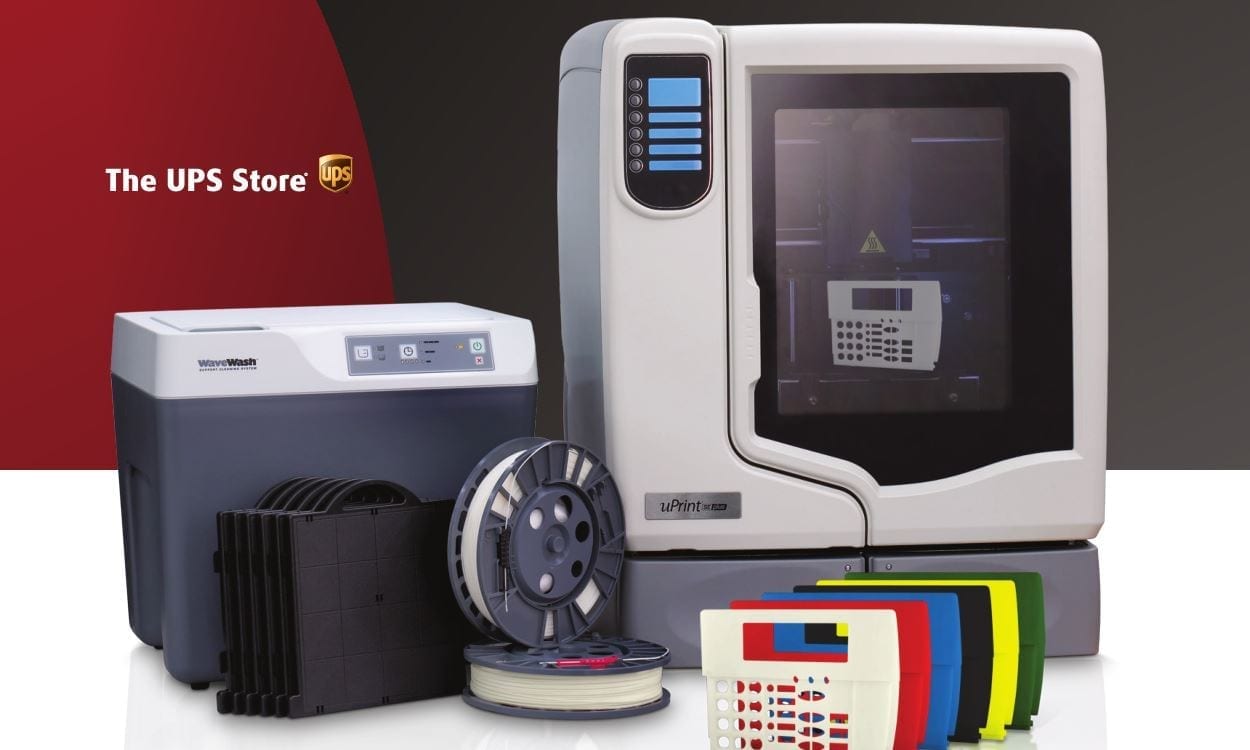
  • UPS expands its on-demand 3D printing network to Asia

    UPS expands its on-demand 3D printing network to Asia

    UPS will expand its on-demand 3D printing network to Asia when Fast Radius opens a factory in Singapore by the end of the year.

    According to UPS, it will also set up a team in Asia to create a centre of excellence which will develop supply chain solutions and promote the use of 3D printing.

    “3D printing will have a significant impact on industrial manufacturing and 21st century supply chains,” said Ross McCullough, president of UPS Asia Pacific. “At UPS, we are embracing disruptive technologies and integrating them into our global logistics network. We believe that much like e-commerce digitized and transformed retail, 3D printing will have a similar impact on manufacturing.”

    Advantage of 3D printing include lower inventory for slow-moving parts, lower transportation costs, shorter production runs and better customization.

    “UPS’s 3D printing Centre of Excellence reinforces Singapore as an innovation-driven economy,” said Michelle Ho, managing director of UPS in Singapore. “Having Fast Radius’ factory connected to UPS’s network means customers can send their 3D printing orders by 5pm and have them delivered to their customers in most major Asian cities within 24 hours. The automotive, high-tech, aeronautic and aviation, healthcare and retail industries have a lot of opportunity to take advantage of this type of manufacturing.”

    Fast Radius will direct 3D printing orders to the manufacturing location in either Singapore or the US, depending on speed, geography and product requirements, according to UPS.

  • Largest 3D printing factory in SEA opens in Singapore

    Largest 3D printing factory in SEA opens in Singapore

    The largest commercial 3D printing facility in South-east Asia opened in Singapore today (Sept 28), capitalising on the rising demand for such services.

    Launched by NASDAQ-listed ­Ultra Clean Asia Pacific (UCT), which develops and supplies systems for the semiconductor industry, the UCT Additive Manufacturing Centre will target business sectors such as the aerospace, dental and medical industries. It will also offer consumer services.

    The centre, which cost more than S$5 million to establish, has 15 sets of 3D printers. There are ­12 ­employees at the facility at present, with plans for that number to double by next year, UCT said.

    “The establishment of UCT’s ­additive manufacturing facility ­reflects Singapore’s progression ­towards advanced manufacturing and engineering,” said Mr Lim Kok Kiang, Assistant Managing Director of the Singapore Economic Development Board, which supports the facility.

    “Companies can tap on Singapore’s base of skilled engineering talent, ­industry-focused public research and development ecosystem … to ­develop better products and services to serve their growing Asian customer base.”

    The Singapore Government in 2013 announced plans to set aside S$500 million over five years to support a “future of manufacturing” programme, which includes 3D printing.

    Such 3D printing functions much like conventional 2D printing. But instead of printing a flat image, a 3D printer extrudes material through a nozzle, layer by layer, to create a physical ­object.

    Although it has been around since the late 1980s, technological improvements have made the service more affordable, driving up demand.

    In Singapore, ­retail shops have reported ­increased requests from consumers seeking to print products, from figurines to jewellery.

    Mr Lavi Lev, senior vice-president of the Asia Division at UCT, added that 3D printing allows individuals and companies to manufacture parts with no capital equipment investment.

    “It allows large corporations to ­increase their R&D pace through rapid prototyping. In particular, the medical and aerospace sectors are ­using 3D printing extensively,” he said.

    For instance, he explained, if someone breaks a bone, they can take an X-ray or CT scan of it, and 3D print a bone implant.