
Tag: private wealth

  • Indonesia Leads Global Surge in Ultra-Wealthy Population Through 2031

    Indonesia Leads Global Surge in Ultra-Wealthy Population Through 2031

    Indonesia will post the fastest growth in ultra-high-net-worth individuals worldwide over the five years to 2031, expanding its wealthiest cohort by 81.7 percent.

    Data from Knight Frank’s The Wealth Report 2026 shows the country’s population of individuals with a net worth exceeding $30 million will jump from 3,833 in 2026 to 6,966 by 2031.

    Southeast Asia claims four of the top ten spots globally for ultra-wealth expansion. Vietnam ranks fourth worldwide with a projected 59 percent increase, lifting its ultra-rich count from 1,233 individuals in 2026. The Philippines takes ninth place with 48.9 percent growth from a base of 1,910 wealthy residents, while Singapore ranks tenth with an expected 46.4 percent gain.

    Shifting Wealth Concentrations Across the Region

    Singapore maintains the largest absolute pool of wealth in Southeast Asia, housing 7,171 ultra-high-net-worth individuals in 2026. Indonesia holds second place, followed by Thailand with 2,853 individuals, the Philippines with 1,910, Malaysia with 1,566, and Vietnam with 1,233.

    Together, the combined ultra-wealthy population across Indonesia, Vietnam, the Philippines, Singapore, and Thailand will climb from more than 14,000 people in 2026 to over 22,000 by 2031. That pace adds an average of more than four individuals to the $30 million wealth bracket every single day.

    Saudi Arabia and Poland rank second and third globally, each registering projected growth of roughly 63 percent. Australia ranks fifth at 58.5 percent, Sweden sixth at 55.3 percent, the United States seventh at 54.1 percent, and Romania eighth at 49.5 percent.

    Commodities and Digital Platforms Drive Jakarta Liquidity

    Indonesia’s domestic market of more than 280 million consumers provides substantial scale for homegrown commercial enterprises. Rapid expansion across commodity extraction, logistics, and digital financial platforms continues to convert private equity and equity holdings into personal liquidity for founding families.

    For luxury retailers, private wealth managers, and premium real estate developers, this structural shift alters where high-ticket capital originates. Luxury operators have traditionally concentrated flagship retail footprint and private client salons in Singapore. As wealth pools deepen in Jakarta, Manila, and Ho Chi Minh City, commercial landlords in those secondary capitals will capture direct allocations of luxury retail square footage rather than relying solely on outbound tourist spending.

    The operational risk sits in domestic wealth preservation and regulatory shifts. High headline percentage growth rates partly reflect lower starting baselines in developing markets, meaning total addressable purchasing power still trails mature western hubs. Capital controls, local currency volatility, and uneven infrastructure also determine how much of that accumulated balance sheet stays within domestic retail and property assets.

    Billionaire Tallies Tell a Divergent Story

    Billionaire creation patterns diverge from broader wealth expansion. Indonesia does not place in the global top ten for forecast billionaire growth over the five-year forecast window.

    The Philippines leads regional billionaire momentum instead, with its billionaire roster projected to grow 63 percent to 26 individuals by 2031, ranking eighth fastest worldwide. Thailand registers a more modest trajectory, with its ultra-rich population expected to grow 26 percent through 2031 to rank 17th globally.

    Tracking these shifts shows how Southeast Asian manufacturing gains, supply chain relocations, and digital commerce adoption have steadily lifted private balance sheets across developing Asian economies over the past decade.

    Luxury brands and commercial property operators will monitor whether Indonesia reaches its interim milestones toward 6,966 ultra-rich residents as new wealth data releases throughout 2027.
  • Singapore Ranks 6Th Globally in Savills Next-Gen Wealth Index

    Singapore Ranks 6Th Globally in Savills Next-Gen Wealth Index

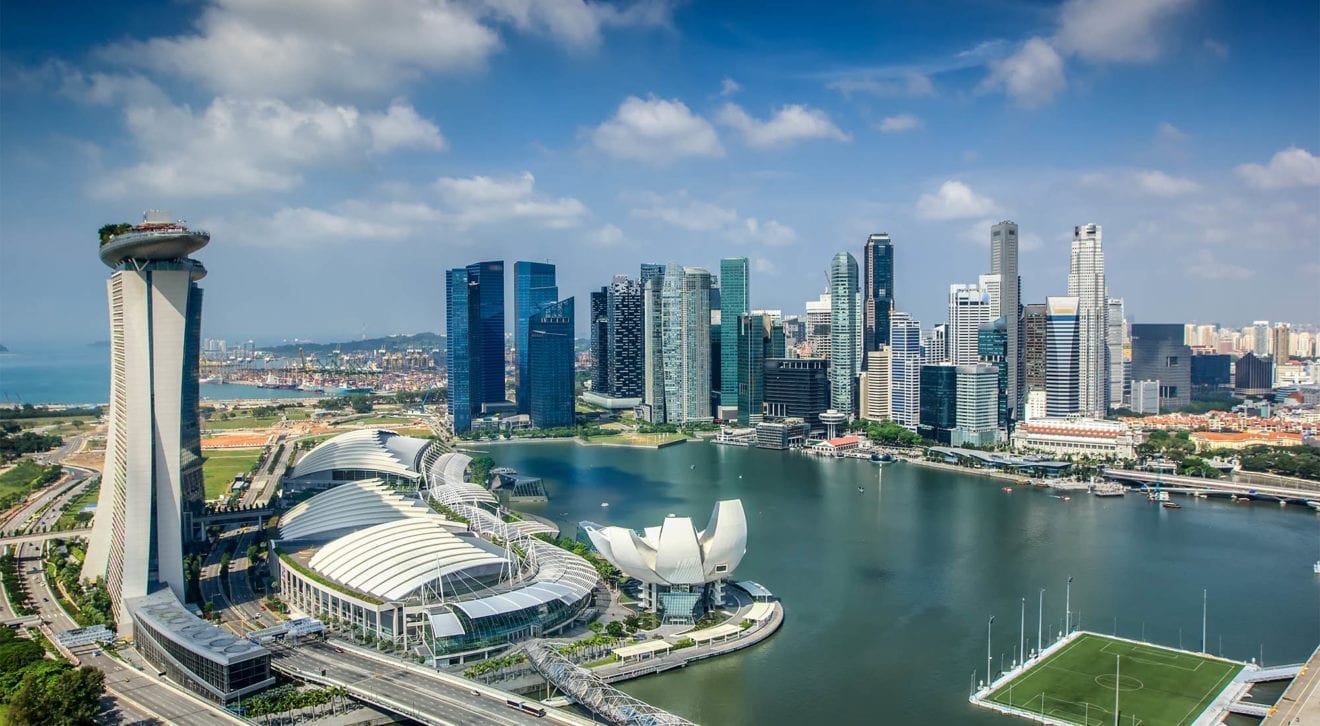
    Singapore took sixth place globally and first across Asia-Pacific on Savills’ Next Generation Wealth Hubs Index released last Thursday, beating seventh-placed Hong Kong for young high-net-worth individuals.

    The benchmark tracks capital destinations for individuals under 40 with a net worth of at least US$5 million as an estimated US$84 trillion transfers between generations over the next 20 years.

    Savills evaluated more than 100 destinations across four core pillars: business, governance and connectivity; wealth clusters and local environment; wealth management and taxation; and lifestyle. Singapore gained ground through its concentration of private capital, tech networks and family office structures.

    “Singapore’s combination of regional connectivity, established financial infrastructure and access to opportunities across Asia gives it an important role in these capital flows,” says Rayson Yeong, Savills Singapore’s head of private wealth, investment sales and capital markets.

    The Global Benchmark and Asian Standings

    United States cities dominated the upper tiers of the global ranking. New York took the top spot, followed by Miami, London, San Francisco and Los Angeles before Singapore broke into the sixth position.

    Hong Kong placed immediately behind Singapore at seventh. The city continues to attract mainland Chinese capital through its low-tax environment, family office ecosystem and direct access to cross-border financial channels.

    Other Asian commercial centers secured positions in the global top 30. Tokyo ranked 12th, Shanghai took 18th, Bangkok placed 25th, and Kuala Lumpur claimed 29th position.

    Shifting Priorities Among Under-40 Millionaires

    Younger wealth holders are reallocating capital based on different criteria than previous generations. Inheritors and tech founders below 40 prioritize education, wellness, lifestyle amenities and personal values alongside pure capital preservation.

    This shift alters demand for luxury real estate and commercial investments. Established wealth management hubs must now offer cultural infrastructure and urban livability to retain international capital.

    Singapore and Hong Kong serve primarily as structuring centers. Both territories handle private banking, cross-border investment platforms and corporate holding entities for assets distributed across Southeast Asia and mainland China.

    Emerging Hubs and Manufacturing Wealth Creation

    Wealth creation across the wider region is moving outward from traditional financial centers. Industrial growth in Vietnam and India is producing a new pool of entrepreneurs across technology, manufacturing, financial services and real estate development.

    Secondary destinations across Southeast Asia are capturing lifestyle and residential demand. Phuket, Bali, Hoi An and Ho Chi Minh City recorded growing interest from mobile high-net-worth residents.

    Rising consumer spending in urban centers like Bangkok and Ho Chi Minh City is pulling luxury retail operators and commercial landlords into faster expansion plans. Upgraded transport links and modern residential developments continue to back that inflow.

    Capital Structuring Against Global Competition

    Competition between Singapore and Hong Kong centers on family office registrations and fund management incentives. Both jurisdictions offer tax exemptions and residency pathways tailored to high-net-worth families.

    Western hubs like Miami and London maintain strong pull through deep capital markets and established lifestyle assets. Asian hubs rely instead on proximity to fast-growing regional supply chains and regional wealth creation.

    Private banks and property developers are tracking how the US$84 trillion intergenerational wealth transfer spreads across Asia over the coming decade.