Tag: product safety

  • Cotton on Pays $19,800 Penalty over Late Safety Incident Filings

    Cotton on Pays $19,800 Penalty over Late Safety Incident Filings

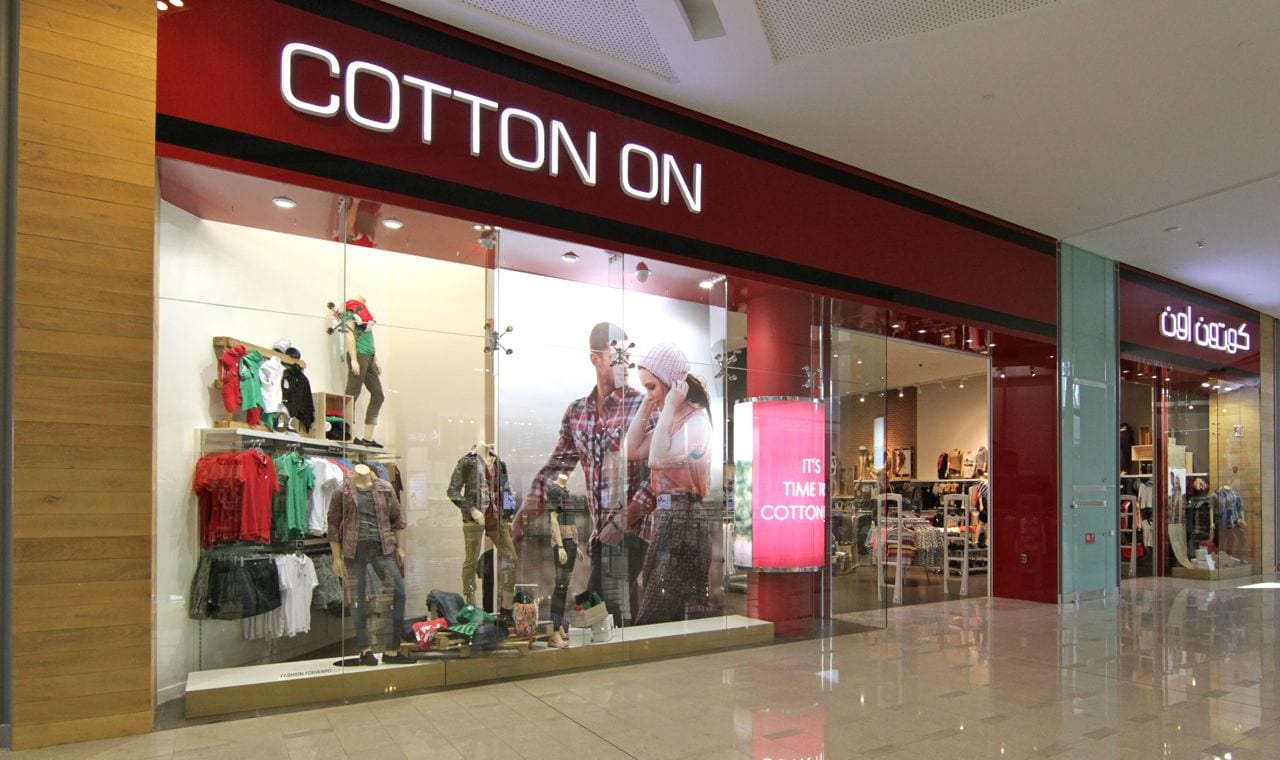
    Cotton On Australia has paid $19,800 in penalties after failing to report customer injuries linked to products sold by its subsidiaries within the mandatory two-day deadline.

    This week, the Australian Competition and Consumer Commission penalised the retail group following reporting delays on incidents tied to its Supré and Typo brands. The regulator issued two infringement notices over the late filings.

    Under the Australian Consumer Law, suppliers must notify authorities within 48 hours of learning that a product may have caused death or serious injury. Cotton On missed that cut-off on both counts before submitting the paperwork. Company risk assessments and safety tests later confirmed neither product had a defect or safety hazard.

    The Two-Day Rule and Regulatory Scrutiny

    Regulators penalised the administrative failure rather than product performance. The statutory deadline exists to prevent companies from withholding incident logs while conducting their own internal reviews.

    “While the ACCC has not identified any safety concerns about the products, Cotton On’s alleged reporting failures delayed important product-safety information reaching us,” said ACCC commissioner Luke Woodward.

    The watchdog treats mandatory reporting protocols as an early warning tripwire rather than a post-investigation formality. Waiting to verify technical fault before notifying authorities breaches the statutory threshold.

    What It Means for Regional Retail Operations

    For large apparel and lifestyle chains operating across the region, product reporting compliance has become a direct operational risk. Cotton On operates under brands including Cotton On, Cotton On Kids, Cotton On Body, Factorie, Rubi, Supré, Typo and Ceres Life. A multi-brand structure multiplies customer contact points, meaning customer service desks often receive injury reports before technical compliance teams know an incident occurred.

    Retailers operating multi-concept store networks face stricter scrutiny across their quality assurance pipelines. Fast fashion and gift retailing carry rapid inventory turnarounds and volatile sourcing cycles, leaving very little margin for slow internal escalations. Regulators in Australia and neighboring Asian markets increasingly examine digital intake systems to ensure that frontline customer service interactions immediately flag safety complaints to compliance executives.

    Earlier Scrutiny and Corporate History

    The penalty is not the first time the group has faced regulatory enforcement over merchandise standards. In December 2012, the Federal Court ordered Cotton On Kids Pty Ltd to pay $1 million in penalties following an ACCC prosecution over children’s nightdresses and pyjamas that failed mandatory fire safety labelling standards.

    Enforcement has also widened across competing retail chains in the domestic market. The ACCC took Kmart Australia to court in October 2026 over separate product safety allegations, focusing on cosmetic nail glue packaging and button battery compliance standards.

    Three Years of Consumer Complaint Audits

    Cotton On, owned by parent entity COGI Pty Ltd, cooperated with regulators to overhaul its safety notification workflows following the notices. The retailer agreed to run regular audits of all customer complaints that record an injury or illness for the next three years to verify ongoing compliance with mandatory reporting laws.
  • H&M Fined $138,600 over Children’s Fire Hazard Labels in Australia

    H&M Fined $138,600 over Children’s Fire Hazard Labels in Australia

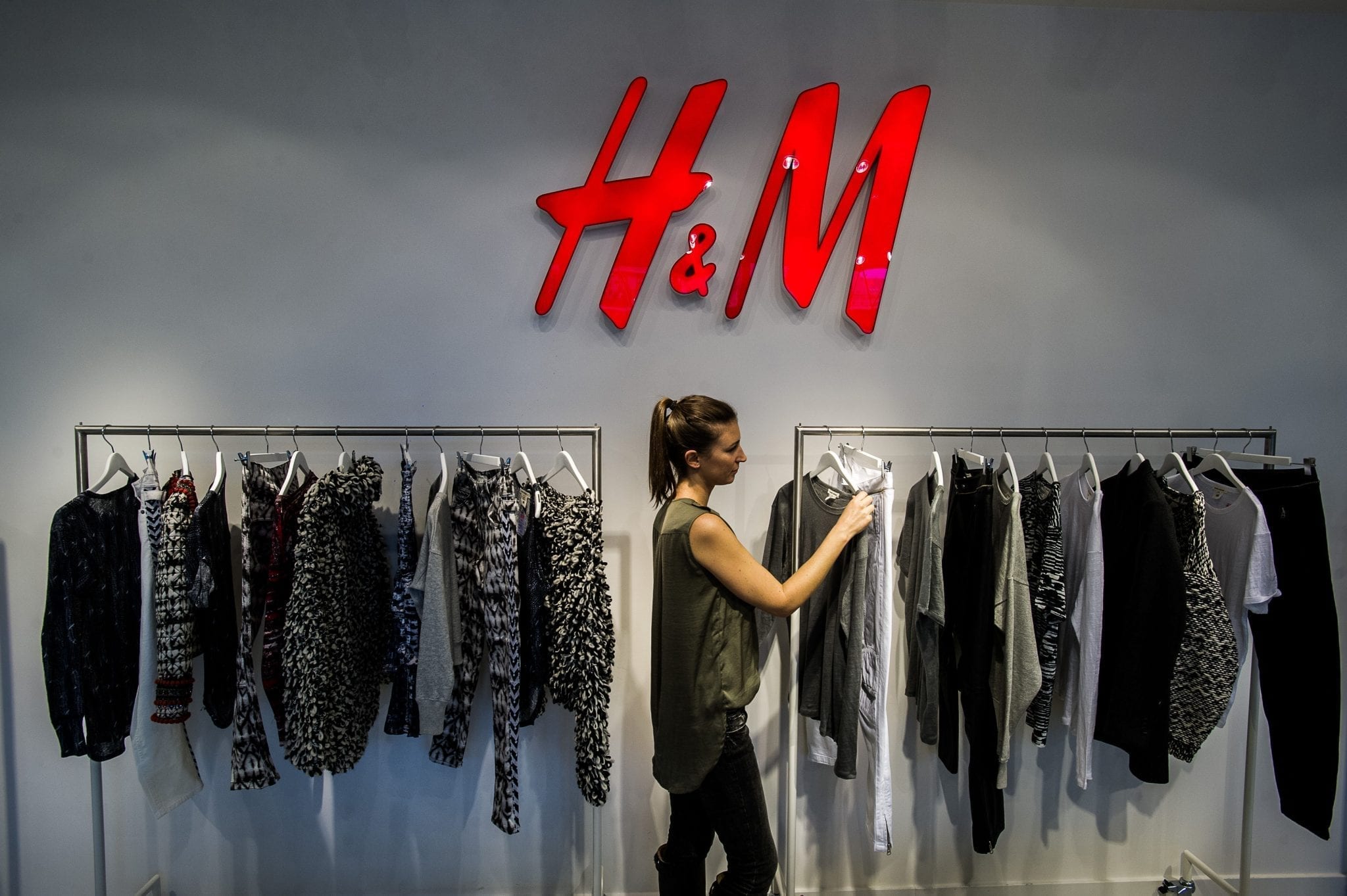
    H&M Australia has paid $138,600 in penalties after the Australian Competition and Consumer Commission issued seven infringement notices for alleged breaches of the Consumer Law.

    The regulator cited the retailer for supplying 4,473 items across four types of children’s nightwear that failed mandatory fire safety requirements. Under Australian standards, children’s nightwear must display explicit hazard ratings of either ‘high fire danger’ or ‘low fire danger’, dictated by fabric makeup and rigorous flammability testing.

    The enforcement action follows voluntary recall notices that H&M Australia issued for the non-compliant lines in July 2024, April 2025 and June 2025.

    Inspection Failures and Label Deficiencies

    Some garments reached store shelves with no warning tag at all. Other items carried labels with inaccurate warning wording or displayed the tags in unauthorised positions, obscuring critical hazard information from shoppers.

    H&M admitted to the conduct following the enforcement action. The retailer has committed to funding a public awareness campaign explaining fire hazard labels on children’s clothing, advertising its recall notices further, and overhauling internal compliance checks via a formal safety compliance program.

    “Without the correct labelling, parents or carers may have been unaware of the severity of the risk to children wearing these garments and being close to heat or flame. This creates an unacceptable risk of serious injuries to children,” said ACCC deputy chair Catriona Lowe.

    Operational Exposure Across Fast-Fashion Supply Chains

    For international apparel groups operating in Asia-Pacific, the penalty exposes the operational vulnerability of global inventory pipelines entering strictly regulated domestic jurisdictions. Global fashion networks depend on centralized sourcing hubs across Asia, but local safety rules do not tolerate harmonized, one-size-fits-all factory tagging.

    When fast-fashion retailers push thousands of seasonal units through distribution hubs into regional retail networks, manual inspection lapses trigger immediate statutory liability. The fine itself is modest for an international brand, but mandatory corrective advertising and safety audits disrupt merchandising cadence and draw sharp regulatory scrutiny.

    Stricter Regulatory Enforcement in Australia

    The enforcement follows three separate voluntary recall rounds executed by H&M Australia in July 2024, April 2025 and June 2025. Those recalls pulled the four affected nightwear lines from stores after internal audits and regulatory queries identified the missing and misplaced warning tags.

    Australian watchdogs have systematically targeted children’s sleepwear over the past two years. Davie Clothing, the firm behind loungewear label The Oodie, paid $101,280 in 2024 after failing to attach mandatory high fire danger warning labels to its children’s products.

    Attention now shifts to H&M’s rollout of its court-enforceable compliance program and the public launch of its mandatory safety awareness campaign across Australian retail channels.

  • Temu Pays $3 Million to Settle Texas Data Privacy and Safety Claims

    Temu Pays $3 Million to Settle Texas Data Privacy and Safety Claims

    Chinese discount marketplace Temu agreed to pay $3 million to settle Texas state data privacy claims. The deal also restricts how it handles personal customer information.

    Enforcement targeted a massive footprint. As of September 2023, Temu counted more than 82.4 million active users across the United States.

    Data firewalls and transfer limits

    Documents released October 16 show Temu agreed to store personal information on US servers. Transmissions to China must be limited strictly to details required to complete and deliver orders, such as shipping addresses.

    State officials confirmed this is the first binding settlement where Temu accepted formal limits on cross-border data routing. Non-compliance carries real teeth. Texas can impose penalties of $8 million for each year a violation occurs.

    Temu admitted no wrongdoing under the consent order. The company stated it “has come to an agreement to resolve this matter as we continue to focus on serving consumers and supporting businesses across Texas.”

    Mandatory audits and seller bans

    The terms reach beyond digital privacy into physical supply chain liability. Temu must run annual independent safety audits to screen merchandise for hazardous chemicals and toxic materials. Regulators are focusing heavily on apparel and children’s goods.

    When tests flag unsafe inventory, listings must come down immediately. The company must also terminate responsible merchants and their storefronts, alert affected Texas buyers, and process full refunds.

    Attorney General Ken Paxton said the agreement forces Temu to run strict product audits while blocking unchecked harvesting of consumer data.

    The squeeze on direct-from-China models

    For cross-border operators in Guangzhou and Yiwu, the settlement alters the math of selling into North America. Direct-to-consumer platforms built scale by cutting out local importers and skipping conventional compliance overheads. Mandatory third-party testing and fast merchant bans now add friction to low-margin supplier models.

    Other state regulators now have a blueprint to replicate. Asian e-commerce platforms face rising costs to keep access to American shoppers. That means spending more on software audits and product verification.

    Escalating state scrutiny

    Paxton’s office sued over allegations that apps run by Temu and parent PDD Holdings sought excessive device permissions. Temu rejected those claims throughout the case.

    Lawsuits in several other states target Temu over cybersecurity risks and server links to China. Texas is the first to extract financial penalties and binding operating commitments.

    Outstanding state dockets

    Multiple state-level lawsuits remain active across the US court system. PDD Holdings still faces enforcement inquiries elsewhere, with attorneys general weighing similar data restrictions, vendor safety rules, and compliance penalties.

  • Shein Budgets $15M for Product Safety in 2025 Compliance Push

    Shein Budgets $15M for Product Safety in 2025 Compliance Push

    Shein will spend $15m in 2025 to tighten product safety and regulatory compliance across its global marketplace.

    That budget will fund 2.5 million individual product tests this year, a 25 per cent increase from the testing volume completed in 2024.

    Tighter Rules for Childrenswear and Electronics

    The Singapore-headquartered platform is expanding working agreements with 15 commercial inspection groups, including SGS, Intertek, and Bureau Veritas. The checks target baseline safety benchmarks such as the US Consumer Product Safety Act and the European Union’s General Product Safety Regulation. Suppliers and third-party marketplace merchants must now clear internal standards set out in Shein’s Restricted Substances List.

    Under the new rules, the retailer limits garment production to an approved materials library of certified fabrics, trims, and hardware. Starting April 2025, every fabric used in Shein-branded children’s clothing must clear mandatory chemical and flammability screening before listing. Similar requirements apply to all decorative trims and fasteners.

    A second enforcement phase begins in May 2025, focusing on high-risk third-party merchandise such as consumer electronics, toys, cosmetics, and personal protective equipment. Sellers in these categories must supply verified certifications, including RoHS compliance and FCC documentation, before their listings go live.

    Enforcing Penalties on Third-Party Merchants

    Cross-border retail platforms operating out of Asia face mounting scrutiny from Western regulators over illicit chemical residues and untested electrical goods shipped directly to consumer doorsteps. Direct-to-consumer marketplaces built on rapid-turnaround contract manufacturing must prove they can police hundreds of independent workshops without slowing delivery cycles.

    Shein has already removed more than 540 non-compliant sellers from its marketplace since introducing third-party vendor onboarding. Merchant accounts now undergo recurring audits based on random laboratory screenings and shopper complaints. Vendors that fail testing thresholds face product delistings, financial penalties, or permanent account termination, with Shein committing to notify government regulators of severe safety violations.

    Marketplace teams will track merchant compliance rates closely as the documentation mandate takes effect for electronics and cosmetics vendors in May 2025.