Tag: program

  • HSBC Surpasses Earnings Predictions, Upping Cost-Savings and Resuming $1B Share Buyback Program

    HSBC Surpasses Earnings Predictions, Upping Cost-Savings and Resuming $1B Share Buyback Program

    HSBC has reported a robust 23 percent hike in its first-half profit, surpassing market predictions. The banking major has also upgraded its cost-saving goal and announced the launch of a new share buyback programme worth 1 billion dollars.

    The bank’s pre-tax profit for the first half of the year stands at 19.5 billion dollars, a significant leap from 15.8 billion dollars during the same time frame last year. This outcome surpassed the market consensus prediction of 18.9 billion dollars. The elevating growth in earnings stems from higher net interest income from the bank’s operations, an uptick in fee and other income – particularly from its Wealth and Wholesale Transaction Banking businesses – and a positive net influence from notable items. Revenue also witnessed a year-on-year growth of 16 percent, backed by a 1.3 billion dollar gain from notable items, inclusive of 200 million dollars in restructuring charges.

    Revival of Share Buyback Programme

    HSBC has declared the resumption of its share buyback programme, introducing a fresh tranche of up to 1 billion dollars. This is the bank’s first buyback initiative following the privatization of its Hang Seng Bank subsidiary listed in Hong Kong.

    Earlier in the year, HSBC confirmed the 14 billion dollar purchase of the remaining shares in Hang Seng Bank that were not yet in the bank’s possession. Consequently, the bank had put share buybacks on hold in recent months. However, the bank now deems its capital standing robust enough to recommence the repurchase of its own shares.

    Speeding Up of Restructuring

    HSBC CEO Georges Elhedery now anticipates the group’s annual cost savings to reach 2 billion dollars, marking an increase from the prior goal of 1.5 billion dollars.

    Elhedery initiated a comprehensive restructuring programme after stepping into the CEO role in 2024. The bank has consequently phased out several thousand jobs and has closed or pulled out of several business areas. This includes the sale of its insurance unit in Singapore, the termination of its retail banking operations in Egypt, and the sale of its Australian mortgage portfolio.

    The bank has also elevated its guidance for net interest income, now projecting to generate more than 46 billion dollars, as compared to its earlier forecast of hitting 46 billion dollars.

    Questions & Answers

    What was the first-half pre-tax profit reported by HSBC?
    HSBC reported a pre-tax profit of 19.5 billion dollars for the first half of the year.

    What significant change has been introduced in HSBC’s share buyback programme?
    HSBC has resumed its share buyback programme with a new tranche of up to 1 billion dollars, marking the first buyback since the privatization of its Hang Seng Bank subsidiary.

    What alterations has HSBC’s CEO Georges Elhedery made since his appointment in 2024?
    Since his appointment, Elhedery has initiated a comprehensive restructuring programme, resulting in significant job cuts and the termination or exit from several business lines, including the bank’s insurance unit in Singapore, retail banking operations in Egypt, and Australian mortgage portfolio.

  • Vietnam Sets Stage for Globally Competitive CEO’s: Launches Trailblazing Leadership Program

    Vietnam Sets Stage for Globally Competitive CEO’s: Launches Trailblazing Leadership Program

    The Vietnam Chamber of Commerce and Industry (VCCI) recently rolled out a leadership advancement initiative aimed at fostering a new cohort of globally competitive CEOs within the nation. The undertaking, dubbed “CEO Vietnam The New Era,” aims to imbue top executives with globally recognized management acumen and ready them for digital metamorphosis, ecological transitioning, and further integration into global supply chains.

    Shaping Leadership for Economic Growth

    This move coincides with Vietnam’s accelerated economic growth ambitions, and an intensified focus on cultivating business leadership that is in sync with governmental priorities of expanding the private sector’s role. Ho Sy Hung, the chairman of the chamber, emphasized at the initiative’s unveiling that Vietnamese enterprises require leaders who possess a future-oriented vision, modern managerial abilities, and the flexibility to navigate swift technological and geopolitical shifts.

    The VCCI has plans to draw on the support of its extensive in-country networks, business organizations, training collaborators, industry experts, international bodies, and the wider business sector to execute this program.

    Educational Collaboration and Curriculum Highlights

    Prof. Dr. Nguyen Thi Thanh Mai, president of Vietnam National University–Ho Chi Minh City, highlighted the program’s goal of fortifying collaboration amongst the government, educational institutions, and businesses in the areas of education, research and knowledge-sharing.

    The university, collaborating with partners such as A11 Management Consulting Vietnam and INSEAD Business School, has developed a comprehensive curriculum suitable for a broad spectrum of participants, ranging from top-tier corporate heads to executives of small to medium-sized businesses, family-run ventures, and startups. Key focus areas of the program will encompass strategic leadership, corporate governance, digital transformation, finance, sustainability, ESG, and international business growth.

    In the words of Professor Sameer Hasija, Dean of Executive Education and Dean of the Asia Campus at INSEAD, as Vietnam maintains its impressive economic stride, the cultivation of future-ready business leaders will be pivotal to sustaining growth and pioneering innovation.

    Questions & Answers

    What is the purpose of the “CEO Vietnam The New Era” program?
    The program aims to equip business leaders with globally recognized management skills and prepare them for digital transformation, green transition, and deeper integration into global value chains.

    Who are the key partners in developing the curriculum for this program?
    The Vietnam National University–Ho Chi Minh City has partnered with A11 Management Consulting Vietnam, INSEAD Business School, and other partners to create the curriculum.

    What will be the primary focus areas of the program?
    The program will cover strategic leadership, corporate governance, digital transformation, finance, sustainability, ESG, and international business development.

  • Lululemon Revives Like New Resale Program in Hong Kong, Pioneering a Sustainable Fashion Ecosystem

    Lululemon Revives Like New Resale Program in Hong Kong, Pioneering a Sustainable Fashion Ecosystem

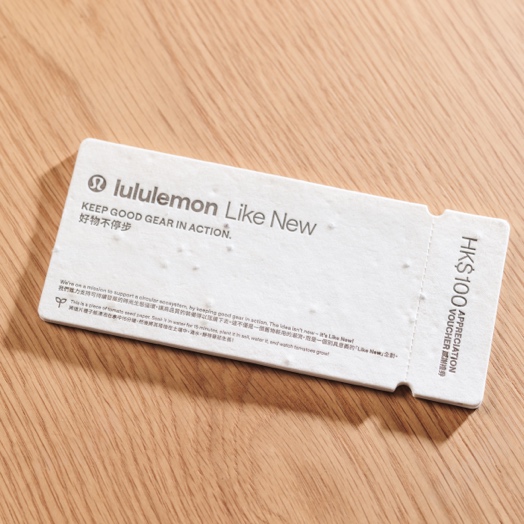
    Lululemon, the renowned athletic apparel company, is reinitiating its Like New programme in Hong Kong, in collaboration with Redress, a local NGO. This endeavour aims to give a second life to pre-owned clothes and is part of Lululemon’s broader sustainability strategy.

    A Take-Back Scheme with a Difference

    The Like New programme, which was first piloted last year, is a comprehensive approach to keep used clothes in circulation by reselling, donating, or recycling them. Between July 2 and September 30, customers can bring their gently used Lululemon or non-Lululemon items to any of the six participating stores in Hong Kong, which includes Queen’s Road Central, Pacific Place, Times Square, Cityplaza, Elements, and New Town Plaza outlets.

    Once collected, Redress will sort the items. Those appropriate for resale will be listed accordingly, while others will be donated or recycled. Donations will be made via the charity Crossroads and other local organizations.

    Joey Chan, regional director of Lululemon Hong Kong, Macau, and Taiwan, expressed her pride in bringing Like New back to Hong Kong. “This initiative reflects our ongoing commitment to prolonging the lifespan of our products, as well as furthering our collaboration with partners and local communities to advance circularity,” he shared.

    Pop-Up Shop and Design Competition

    The program will reach its high point in November with a temporary Like New pop-up, where consumers will be able to buy a collection of pre-owned Lululemon items. More details about the pop-up, such as its location and opening dates, will be revealed in due course.

    In a related development, Lululemon has joined forces with the Hong Kong Polytechnic University for the launch of Re:Form, a circular design competition. This contest aims to instill circular design principles in fashion students and nurture the industry’s future talent.

    Questions & Answers

    What is the Like New programme?
    It is a take-back and resale initiative by Lululemon, where gently used items can be dropped off at selected stores for resale, donation, or recycling.

    Who is Lululemon collaborating with for this program?
    Lululemon is partnering with the NGO Redress for this initiative.

    What is the Re:Form circular design competition?
    Re:Form is a circular design competition launched by Lululemon with the Hong Kong Polytechnic University. This event aims to promote circular design principles among fashion students and foster the growth of future industry talent.

  • 10 Ways to Save Money Using Free Apps and Online Tools

    10 Ways to Save Money Using Free Apps and Online Tools

    Saving money doesn’t always mean giving up the things you enjoy. Whether you’re shopping online, streaming your favorite content, or exploring digital entertainment such as Jili games, making smarter financial choices can help you get more value from your budget. Thanks to a wide range of free apps and online tools, it’s easier than ever to track expenses, find discounts, and manage everyday spending.

    The best part is that many of these solutions are completely free to use. Whether your goal is to reduce monthly expenses, stay on top of your finances, or simply spend more wisely, these practical tools can help you save money without sacrificing convenience. Here are 10 effective ways to make the most of free apps and online resources.

    1. Track Your Spending with a Budgeting App

    One of the easiest ways to save money is to know where it is going. Budgeting apps that are free help you keep track of your income and expenses, categorise purchases, and monitor your monthly spending habits.

    When you can see where your money goes, you can spot expenses you don’t need to be paying and make better financial decisions, but still be free. 

    2. Search for Coupons Before You Buy

    Take a few minutes to look for coupon codes or promotional offers before you buy something online. Many free browser extensions and coupon websites automatically find and apply available discounts at checkout.

    Even small discounts add up over time, especially if you shop online regularly. 

    3. Compare Prices Across Multiple Stores

    Never jump at the first price you see. Price comparison websites are useful for comparing different retailers before you buy.

    If you’re shopping for electronics, household goods or everyday necessities, price comparisons can help you get better deals and not overpay. 

    4. Set Price Alerts

    Thinking about buying something but waiting for a better deal? Many shopping sites and price-tracking tools let you set alerts for specific products.

    No need to check prices every day, you’ll get a notification when the price drops, this helps you to buy at the right time. 

    5. Use Cashback and Rewards Platforms

    Cashback sites and rewards apps allow you to earn points or a cut of your purchase back when you shop with participating retailers.

    Even if the savings on one purchase seem small, the regular use can result in considerable savings over the year. 

    6. Organize Bills and Payment Reminders

    Late payment fees are an avoidable expense that you can often avoid.

    Free calendar apps and reminder tools help you remember when to pay bills, subscriptions and recurring payments: This means you can better manage your monthly finances and not get charged penalties. Being organized… 

    7. Cancel Unused Subscriptions

    There’s still a lot of people paying for streaming services, software or memberships they hardly ever use.

    Subscription management apps can help you find recurring charges and see what you’re actually using. Cancelling one or two unnecessary subscriptions can release some extra cash every month. 

    8. Use Free Cloud Storage and Productivity Tools

    Use free cloud storage, document editors, spreadsheets and collaboration tools online instead of paying for pricey software.

    These services provide everything many users need for work, school, or personal projects without the need for expensive subscriptions. 

    9. Take Advantage of Free Learning Resources

    You don’t have to pay for expensive courses to learn new skills.

    There are many trustworthy sites that provide free tutorials, online courses, educational videos, and digital libraries on topics such as personal finance, technology, design, business, languages, and more. You could even get better career opportunities without any additional educational costs by improving your skills. 

    10. Choose Entertainment That Fits Your Budget

    Entertainment is important, but it doesn’t have to be a financial burden.

    Many digital entertainment platforms offer welcome offers, loyalty programmes, free content, or special promotions that enable users to get more value. So before signing up for any platform, be sure to compare available features, understand the terms and select services that fit your interests and your budget.

    For online gaming and digital entertainment, it is also worth choosing licensed platforms that encourage responsible play via functions such as deposit limits, time management tools and self-exclusion options. Responsible entertainment ensures that having fun stays fun and affordable. 

    Tips for Saving Even More Money Online

    Free apps are only part of the equation. Building smart financial habits can help you maximise your savings over the long term.

    Here are some simple practices to adopt:

    • Review your monthly expenses.
    • Look up prices before you buy something big.
    • Avoid impulse buying by waiting 24 hours before making non-essential purchases.
    • Instead of running after every bargain, look for legitimate promotions.
    • Protect your personal information using trusted websites and strong passwords.
    • Don’t fall for deals that sound too good to be true.

    Small changes to your daily habits can add up to the biggest savings over the long run. 


  • KFC Loyalty Program Captivates China: 590 Million Members and Counting

    KFC Loyalty Program Captivates China: 590 Million Members and Counting

    Yum China, the parent company of KFC in China, reported a significant expansion in its digital loyalty programs which now boast over 590 million members, accounting for over 40% of the country’s population.

    Growth in Loyalty Programs

    According to Yum China’s 2025 earnings report, unique membership in loyalty programs across KFC and Pizza Hut experienced a growth of 13% from the previous year. The report also revealed that 55% of the company’s sales were made through these programs.

    David Slavick, the founder of Ascendant Loyalty Marketing, a US-based consulting firm, referred to the achievement as “the largest loyalty program in the world”.

    Yum China’s Rapid Expansion

    Yum China Holdings, an offshoot of Yum Brands based in Shanghai, owns and franchises more than 18,000 stores across the country. This includes approximately 13,000 KFC locations, which the company claims is the largest restaurant chain in the country.

    The company has pursued a strategy of quick expansion in a market where consumers utilize digital payment apps more extensively than in other consumer markets such as the United States, a trend which has sped up in recent times.

    Impact on Yum China’s Business

    On Wednesday, Yum China’s CEO, Joey Wat, informed investors that the KFC loyalty program was “really helping our long-term and short-term business”. He attributed this to the growth in the popularity of the KPRO brand, a healthier and more upscale version of KFC, which was launched in 2017. Wat revealed that 80 to 90% of KPRO’s sales come from KFC loyalty members.

    Wat also mentioned that the company’s new AI ordering assistant for KFC app users, which was rolled out across the country in January, has been used by two million members so far, mainly by diners ordering breakfast and coffee.

    Increasing Trend of Digital Ordering

    Industry experts indicate that consumers in China use digital ordering apps more frequently than their counterparts in the United States. The market for loyalty programs in China was worth nearly $20 billion in 2025 and is projected to reach almost $33 billion by 2029.

    Yum China reported that 265 million users are active, meaning they have used the program in the past year. The company’s brand-specific loyalty apps, similar to the ones in the US, allow users to order meals and deliveries digitally, and also offer discounts and personalized recommendations. Unlike most restaurant brands in the US, Yum China’s KFC app also has paid and invitation-only tiers in its membership program that provide free deliveries and prioritization in delivery queues.

    Questions & Answers

    What is the scale of Yum China’s digital loyalty programs?
    Yum China’s digital loyalty programs have over 590 million members, which represents over 40% of the population of China.

    How much of Yum China’s sales are made through their loyalty programs?
    According to the company’s report, 55% of their sales are made through their digital loyalty programs.

    What is special about Yum China’s KFC app?
    Unlike most US restaurant brands, Yum China’s KFC app has paid and invitation-only tiers in its membership program. These tiers provide benefits such as free deliveries and prioritization in delivery queues.

  • Indonesia’s Gen Z Tackles Rising Unemployment and AI Influx: Is the National Internship Program the Solution?

    Indonesia’s Gen Z Tackles Rising Unemployment and AI Influx: Is the National Internship Program the Solution?

    Indonesia is currently experiencing a “demographic dividend” phase, characterized by a surge in the young population. However, this younger generation, primarily Generation Z (those born between 1997 and 2012), is wrestling with significant employment obstacles.

    Employment Challenges for Gen Z

    By 2023, nearly 10 million individuals from this generation were neither employed nor receiving an education or vocational training, according to data from Statistics Indonesia. This figure, consisting primarily of women, highlights the persistent problems of youth unemployment and skill deficits.

    Furthermore, these individuals must adapt to an increasingly competitive job market, exacerbated by the advent of Artificial Intelligence (AI). According to a report from the World Economic Forum, AI’s broader implementation in workplaces is projected to alter approximately 23% of all jobs.

    Indonesia’s Population and Economic Prospects

    Indonesia’s population, which is growing at an annual rate of about 1.11%, is expected to reach 284.4 million by 2025. During the “demographic dividend” decade from 2020 to 2030, Generation Z has become the largest demographic, comprising almost 28% of the total population, or roughly 75 million people.

    Despite this surge, the demographic dividend period offers not only potential opportunities but also significant challenges. If not properly harnessed, it could hinder the country’s economic growth and overall wellbeing.

    In early 2025, a hashtag translating to “Just Escape for Now” gained popularity among young Indonesians, symbolizing a collective urge to seek better opportunities overseas.

    National Internship Program

    To address these issues, the Indonesian government launched the National Internship program in 2025. The Ministry of Manpower reported that the program successfully achieved its target of enrolling 100,000 participants, primarily recent graduates, during its first year. The program is expected to continue in 2026 with an equivalent number of participants.

    Media Wahyudi Askar, the Director of Public Policy at the Centre of Economic and Law Studies, believes that the National Internship Program could expedite the shift towards improved access to formal employment opportunities.

    Questions & Answers

    What is the “demographic dividend” period in Indonesia?
    The “demographic dividend” period refers to the current decade (2020-2030) in Indonesia where Generation Z (those born between 1997 and 2012) has become the most significant population group.

    What are the major employment challenges faced by Generation Z in Indonesia?
    The primary issues include high rates of unemployment, a lack of necessary skills, and changes in the job market due to the implementation of Artificial Intelligence.

    What is the objective of the National Internship program initiated by the Indonesian government?
    The National Internship Program aims to address employment challenges faced by the younger generation by providing them with better access to formal employment. The program enrolled 100,000 participants in 2025, with a similar number expected to continue in 2026.

  • Aldi Australia Expands Affordable Solar Energy Program To East Coast Cities

    Aldi Australia Expands Affordable Solar Energy Program To East Coast Cities

    Aldi Australia has revealed plans to expand its residential solar energy program to key urban areas along the East Coast, offering residents an affordable and uncomplicated route to renewable energy.

    Program Expansion

    The initiative, which had its pilot run in Victoria, is now accepting pre-orders in New South Wales, Queensland, Victoria, and the Australian Capital Territory. The company plans to start installations in early November.

    The basic package, which starts at $6999, includes a 6.6kW solar system coupled with a 5.5kW inverter, and an option for battery storage. Each system comes with a 10-year product warranty and a 25-year performance assurance for the solar panels.

    Simon Padovani-Ginies, group director at Aldi Australia, spoke about the expansion. “Making Aldi Solar available to more Australians along the Eastern Seaboard is an exciting advancement for us, as we extend our commitment to delivering exceptional quality and affordability beyond our grocery offerings,” he said.

    He added that with transparent pricing, flexible battery storage options, installations by licensed professionals, and an impressive return on investment period, Aldi Solar is empowering households ready to take charge of their energy expenses.

    Digital Management

    Aldi has stated that the program is completely managed through the Aldi Solar online portal. Here, customers can schedule assessments, receive cost estimates, and stay updated on their installation timeline. All systems will be installed by SAA-accredited professionals, with the majority of installations expected to be completed within a day.

    The service is now accessible to residents in various Australian cities, including Sydney, Newcastle, Wollongong, Melbourne, Canberra, Brisbane, Gold Coast, and Sunshine Coast.

    Questions & Answers

    What does Aldi’s basic solar package include?
    The basic package includes a 6.6kW solar system coupled with a 5.5kW inverter and an optional battery storage.

    How is the Aldi Solar program managed?
    The program is entirely managed through the Aldi Solar online portal, where customers can schedule assessments, receive cost estimates, and monitor their installation timeline.

    Where is the service available?
    The service is now available to residents in Sydney, Newcastle, Wollongong, Melbourne, Canberra, Brisbane, the Gold Coast, and the Sunshine Coast.

  • Lazada Unveils Ambitious $100 Million Annual Investment to Boost Affiliate Program

    Lazada Unveils Ambitious $100 Million Annual Investment to Boost Affiliate Program

    Lazada is ramping up its efforts in the affiliate marketing sphere, announcing a bold $100 million annual investment into its Lazada Affiliate Programme. This move aims to further establish affiliate marketing as a pivotal growth engine across Southeast Asia’s rapidly evolving eCommerce landscape.

    In 2024, a remarkable 82% of consumers in Southeast Asia are expected to base their purchasing decisions on influencer recommendations, marking a 3% rise from the previous year. This trend underscores the rising significance of affiliate marketing as a key sales driver, contributing about 20% to the region’s online sales—roughly translating to a staggering US$15 billion in Net Merchandise Value.

    The influx of funds is poised to empower both brands and creators by transforming recommendations into tangible revenue. To enhance the user experience and overall performance of the LazAffiliate Programme, Lazada is rolling out an array of updates. These include a revamped affiliate interface, customized storefronts showcasing curated products, and seasonal campaign boosters that offer not just higher commissions but also gamified challenges and attractive bonuses.

    As excitement builds for the upcoming 6.6 sale, affiliates are in for a treat—earning up to 36% commission when promoting brands through store vouchers. A curated list of high-commission products, along with a real-time performance dashboard, will help affiliates hone their strategies and focus on what sells best.

    Lazada is not stopping there; it plans to implement co-developed, performance-based strategies designed to maximize the impact of influencer marketing, turning it into scalable sales. This strategy includes Lazada-funded vouchers and access to an expansive network of influencers, content creators, and key opinion consumers (KOCs).

    Kicking off with the highly anticipated 6.6 Mega Sale, the affiliate programme will feature gamified challenges and a rewarding pool of $100,000 for the top 10 affiliates in the region. Over 80 brands, particularly those in the fashion and beauty sectors, are set to join in on the action.

    Jared Chan, head of regional affiliate at Lazada Group, emphasized that this investment is about unlocking new income opportunities for creators and forging stronger, localized connections between brands and consumers. Notably, the LazAffiliate Programme is open to all, welcoming participants without any minimum follower requirements.

    Questions & Answers

    What is the significance of Lazada’s $100 million investment?
    This investment is aimed at enhancing Lazada’s affiliate marketing program, turning it into a performance-driven growth channel across Southeast Asia, which is crucial for eCommerce success in the region.

    How does Lazada support its affiliates?
    Lazada provides affiliates with a redesigned interface, customized storefronts, and tools like a performance dashboard to help them optimize their strategies. They also offer opportunities for higher commissions and bonuses during promotional campaigns.

    Is there a minimum follower requirement to join the LazAffiliate Programme?
    No, the LazAffiliate Programme is open to everyone, allowing individuals with any follower count to participate and benefit from the growing field of affiliate marketing.

  • H&M, Lululemon back $250 million Fashion Climate Fund

    H&M, Lululemon back $250 million Fashion Climate Fund

    Lululemon Athletica and H&M Group are among backers of a $250 million fund aiming to speed up efforts to cut carbon emissions in the fashion industry’s supply chain, non-profit group Apparel Impact Institute said on Wednesday.

    Bringing together clothing brands, philanthropic donors and other industry stakeholders, the institute’s Fashion Climate Fund also hopes to unlock a further $2 billion in funding once effective solutions have been found and scaled up.

    Other early backers include the H&M Foundation and the Schmidt Family Foundation. More are expected to be announced in the coming months, with the fund hoping to raise $10 million from each.

    “The urgency to address the climate issues has never been more acute. Early-stage innovations and new solutions play a critical role, but the impact does not happen before they can be scaled, and the industry starts adopting and implementing them,” said the H&M Foundation’s Christiane Dolva.

    “The Fashion Climate Fund will support new programmes and solutions with a structured pipeline for getting from pilot to scale. We believe it provides a powerful mechanism to overcome the challenges of getting new solutions implemented by the industry, and thereby accelerate the progress on climate action.”

    While many of the world’s leading companies have committed to reaching net-zero emissions across their businesses by mid-century and to halving emissions by 2030, the Apparel Impact Institute said many large barriers remain.

    A recent study it conducted with the World Resources Institute found 96% of the fashion industry’s emissions come from third-party farms and factories used by multiple firms.

    The fund will help finance a range of initiatives including expanding the use of renewable energy, developing next-generation materials, ditching the use of coal in manufacturing and improving energy efficiency.

    It hopes that the use of philanthropic capital to help fund early stage projects and the forging of partnerships with retailers to scale up successful initiatives will encourage other industry participants to help meet future funding needs.

  • Apple reportedly considering a monthly subscription program for iPhone and other hardware

    Apple reportedly considering a monthly subscription program for iPhone and other hardware

    Apple is working on a hardware subscription service that would let you use its products in exchange for a monthly fee. It would be different than the iPhone Upgrade program that lets you pay for the iPhone in 24 monthly installments. Under that program, the device is yours once you have paid for it in full.

    The new rumored Apple subscription service will not work like that. It will be similar to paying a monthly subscription fee for paid apps. So, while this would let you use products like the iPhone during the subscription period, the monthly fees wouldn’t be the same as splitting the cost of an iPhone over a 12 months period, for instance, and thus, the phone will technically never be yours. It would be more like a leasing service.

    At the risk of reading too much into this, it could be that the monthly fees will be a lot lower when compared to the installments charged by carriers and Apple at the moment for ownership programs. The report adds that users would be able to swap out phones when a new one comes out.

    This would generate recurring sales for the company and will help further reduce the influence of carriers since Apple will apparently operate this program itself, via the App Store or iCloud.

    At the same time, it would also make Apple products more accessible to consumers who cannot afford to pay for the devices upfront.

    Apple could bundle it with the Apple One services subscription program and AppleCare extended warranty and technical support plans and promote it as a one-stop subscription service.

    Apple’s hardware subscription program has been subject to delays, and we can expect the company to formally announce it by the end of this year or in 2023.

  • 5 Reasons for Loyalty Program from Small Business

    5 Reasons for Loyalty Program from Small Business

    Several businesses have implemented a loyalty program, and for a healthy reason. They increase purchases volumes, improve customer loyalty, encourage repeat clients, and much more.

    According to studies, it costs five times as much to attract a new client than retain an existing one. That’s why small firms need to turn a one-time customer into a loyal, repeat customer.

    And yes, a loyalty program from small business is your secret weapon. According to statistics, 40 percent of customers are likely to buy again from businesses and brands that reward loyalty.

    Here are the main reasons why small businesses should invest in loyalty programs for their customers.

    1. Gather Customer Data

    Yes, a customer loyalty program gives you a high quality of data associated with having their purchases synched into an organized system. Rather than play a guessing game about how new and existing customers are spending money with your firm, the loyalty program provides insightful information on their shopping habits.

    The valuable data helps you make market-specific products or promotions to the existing clientele. All this will be based on their spending habits.

    1. Helps You Retain Existing Customers

    Yes, retaining an existing customer is exponentially easier, less costly, and more beneficial than attracting new ones. According to studies, increasing the retention rate by five percent increases profits by anywhere from 25 to 95 percent. But that’s not all, attracting a new customer will cost your firm 5 times more than retaining an existing one. And yes, existing customers are known to spread the gospel about the quality of your products, services, and loyalty program to their friends and relatives. All this helps grow your business.

    1. Increase in Sales

    A customer is always looking for a better deal in terms of quality and price or both. So, why would a customer pay more for a deal when they can pay less or get loyalty perks for buying the same products or services in your store?

    According to statistics, over 70 percent of buyers are likely to purchase products from a business that offers a loyalty reward program. Therefore, a loyalty program is a perfect tool to increase sales and revenue for a business.

    1. Increases Brand Awareness

    Yes, brand awareness is among the major factors driving customer’s buying decisions. Markets are extremely competitive and overcrowded, therefore, customers are likely to stick with a company or brand they know.

    The market instability –previous and current- makes the price a major factor when buying products. This creates a gap in the market for firms that give back to their customers allowing them to stand out from the rest.

    And yes, customers share their experiences with their friends and relatives, therefore don’t underestimate the power of referrals. If a client is receiving a discount or cashback from your purchase, there’s a probability they’ll share the information with their friends and relatives.

    1. Measure Customer Loyalty Value

    Other than gathering data for customer loyalty programs, it is also providing you an opportunity to measure how valuable an individual customer is to your firm. For instance, you can gather data on how much data they spend annually or how frequently they shop in your stores.

    All this information helps you connect and relate with your most engaged fans. The continuous data feed helps you refine the loyalty program to reach the repeat top customers as efficiently as possible.

    Conclusion

    As a small business owner, you want to grow your business to greater heights. Well, investing in loyalty programs may help you realize this dream. It does so by increasing your building customer loyalty, which in turn results in higher sales. And yes, you can use the program to measure the loyalty value and tailor your programs to reach the top customers as efficiently as possible.


  • Watsons loyalty program Expanding for Travellers

    Watsons loyalty program Expanding for Travellers

    Watsons is about to expand its loyalty program cross-border with 8 million members in 11 cities in the Greater Bay Area the first to benefit.

    “Watsons operates in many popular travel destinations worldwide, and our customers also tell us that they would like to shop in Watsons overseas,” said group COO Malina Ngai. “Therefore, in order to bring more excitement to our members, it is logical our loyalty program goes international.”

    Members of the Watsons loyalty program in Watsons Hong Kong and Watsons China (in particular Greater Bay Area members) will be able to upgrade their membership to the One Pass-level program to enjoy benefits when they shop in any of the 660 Watsons stores in the 11 cities: Hong Kong, Macau, Guangzhou, Shenzhen, Zhuhai, Foshan, Zhongshan, Dongguan, Huizhou, Jiangmen and Zhaoqing.

    The cross-border program will be launched in other Asian markets including Singapore, Malaysia, Thailand, Taiwan and Indonesia in July.

    “Watsons has been the No.1 Pharmacy/ Drugstore brand in Asia for 10 consecutive years with more than 90 million loyalty club members, and the majority of them are frequent travellers,” said Ngai.

    Indeed, recent research of 14,000 consumers in seven Asian regions showed the average frequency of cross-border Asian travelling is 1.7 per year. Hong Kong people travel 2.2 times yearly, ranking second across Asia, preceded only by Singaporeans, who travel 2.7 times per year.

  • Thai Airways revamps Royal Orchid Plus frequent flyer program

    Thai Airways revamps Royal Orchid Plus frequent flyer program

    Thai Airways is making significant changes to its Royal Orchid Plus frequent flyer program from October 1 2019, affecting how miles are both earned and redeemed on Thai Airways and Star Alliance flights across the globe.

    On the one hand, business class and first class passengers travelling with Thai Airways stand to earn more miles from the same flights – as do Silver, Gold and Platinum Royal Orchid Plus members – but in turn, the number of miles needed to book a flight or secure an upgrade is increasing dramatically: more than doubled in some cases.

    Here’s an outline of what’s changing, and how it affects you, the traveller.

    Earn extra Royal Orchid Plus miles on first class, business class travel

    Passengers travelling with Thai Airways on all paid first class fares, some business class tickets and the highest-priced flexible economy fares will earn more miles when they fly from October 1.

    Of the fare types that will award more miles, here’s a look at today’s earn rate – given as a percentage of the number of actual miles flown in the sky – compared to the earn rate coming into place for flights taken on and from October 1:

    Class of service
    Fare letter
    Today’s earn rate
    Earn from October 1
    First class
    F 150% 250%
    First class
    A, P 150% 200%
    Business class
    C, D 125% 150%
    Flexible economy
    Y, B 100% 110%

    For example, a non-stop flight from Sydney to Bangkok measures up at 4,679 miles, which today would provide first class travellers booked onto an ‘F’ fare approximately 7,018 Royal Orchid Plus miles at the 150% rate, being the distance flown (4,679 miles) multiplied by the 150% earning rate.

    Fast forward to October, and that same one-way journey would instead generate a higher 11,697 miles, when the earning rate climbs from 150% to 250% on the same fares.

    All other fare types, including J- and Z-class business class tickets, will continue earning miles at the same rate as today.

    Silver, Gold and Platinum Royal Orchid Plus status gets easier to earn

    Thai Airways uses ‘qualifying miles’ to determine which travellers have earned Silver, Gold and Platinum status in Royal Orchid Plus: and as travellers earn ‘qualifying miles’ at the same rate as spendable miles above, passengers booked on those higher-end fare types will reach the lofty heights of status faster than before.

    For instance, Royal Orchid Plus Silver status – equivalent to Star Alliance Silver – is awarded after earning 10,000 qualifying miles in a rolling 12-month period, or 15,000 qualifying miles over a rolling 24-month time frame.

    Using the same example above, that would be achievable with a single first class flight from Sydney to Bangkok, while the airline’s Royal Orchid Plus Gold level (Star Alliance Gold) would be unlocked after a single return first class flight from Sydney to London via Bangkok with Thai Airways.

    Royal Orchid Plus Platinum – a level that provides access to Thai Airways’ first class lounge in Bangkok regardless of fare type, complimentary flight upgrades and more – would also be achievable from two return treks between Sydney and London, flying first class (F class) on one trip and business class (C or D class) on the other.

    It’s not that the requirements for reaching Silver, Gold and Platinum status are being lowered, of course: it’s simply that the airline’s highest-priced fare types will earn more qualifying miles from October, being the Thai equivalent to status credits, which brings these memberships within easier reach of passengers booking those premium fare types.

    New ‘tier bonus’ for Royal Orchid Plus members on Thai Airways flights

    From October 1, Silver, Gold and Platinum Royal Orchid Plus cardholders will earn even more miles on Thai Airways flights, through the introduction of a ‘tier status bonus’.

    Silver members will earn 5% more miles, Gold members get 10% more miles and Platinum travellers will pocket 20% more miles, year-round.

    This bonus is calculated upon the full overall earning rate from each Thai Airways flight, making it highly rewarding for first and business class flyers, although the extra points awarded via this ‘tier bonus’ aren’t also counted as qualifying miles: merely, extra miles to be spent on flight bookings and upgrades.

    As an example, a return flight from Sydney to Bangkok clocks in at 9,358 miles flown, which would earn a base-level member 14,037 miles from October 1 when flying on a C or D business class fare, given the 150% earning rate applied to those fares.

    The tier bonus is then added on top, giving top-tier Platinum members a further 20% boost on that initial haul of 14,037 miles, for an all-out gain of 16,844 miles.

    More Royal Orchid Plus miles needed to book Thai Airways flights

    Currently, the number of miles needed to book a Thai Airways flight differs, depending on whether you’re making a one-way reservation or flying return, with return-trip points bookings presenting the best value, requiring fewer points than booking the journey as two one-way flights.

    However, that pricing difference is being removed as part of these changes – the cost of a return flight to become twice as many miles as a one-way ticket – with the overall number of miles needed also being amended, for new bookings made from October 1 2019.

    For passengers taking return trips, here’s how that plays out across a range of routes, including flights from Australia (Sydney, Melbourne, Brisbane and Perth) to Bangkok and beyond:

    Route, flying return
    First class *
    Business class
    Economy class
    SYD/MEL/BNE-Bangkok (today)
    150,000 miles 98,000 miles 55,000 miles
    SYD/MEL/BNE-Bangkok (1/10-)
    180,000 miles (+20%) 130,000 miles (+33%) 55,000 miles (no change)
    Perth-Bangkok (today)
    N/A 75,000 miles 45,000 miles
    Perth-Bangkok (1/10-)
    N/A 130,000 miles (+73%) 55,000 miles (+22%)
    Australia-Bangkok-Europe (today)
    230,000 miles 170,000 miles 90,000 miles
    Australia-Bangkok-Europe (1/10-)
    450,000 miles (+96%) 350,000 (+105%) 160,000 miles (+78%)
    Bangkok-Europe (today)
    185,000 miles 130,000 miles 70,000 miles
    Bangkok-Europe (1/10-)
    250,000 miles (+35%) 180,000 miles (+38%) 85,000 miles (+21%)

    * On Australian routes, first class only available to/from Sydney.

    Curiously, Thai’s new Royal Orchid Plus reward pricing makes it more attractive to plan a stopover in Bangkok than to merely connect through the airport, booking the Australia-Bangkok and Bangkok-Europe legs on separate tickets.

    For example, book a return business class trip from Australia to Europe after October 1 and you’d part with 350,000 Royal Orchid Plus miles – but book a return business trip between Australia and Bangkok (130,000 miles), and separately, a return business class trip between Bangkok and Europe (180,000 miles) and you’d pay only 310,000 miles overall: an easy saving of 40,000 miles, by booking your flights across two reservations instead of one.

    This works best when you’re genuinely breaking the journey in Bangkok, and shouldn’t be used for tight flight connections when you don’t plan to leave the airport, as the airline may not be able to check your bags all the way through, and if the first flight of your journey is delayed, you may not be ‘protected’ should you miss an onward flight, as would be the case when all flights are on a single ticket.

    Notably, the number of miles needed to fly solely between Perth and Bangkok also comes into line with the rates from Sydney, Melbourne and Brisbane as part of these changes.

    Booking Star Alliance flights also requires more miles

    Similarly for passengers using Royal Orchid Plus miles to book flights with Thai Airways’ Star Alliance partners, the number of miles needed is increasing across the board, with some flights requiring more than twice as many miles to book from October 1 as are needed today.

    While the changes impact travel in all classes, here’s how the increases shape up on a range of popular routes for passengers booking business class, based on a return trip for one person:

    From Australia to (return) Business class (today) Business class (1/10-) Increase in miles
    NZ, Fiji, Samoa, Tahiti, Vanuatu
    50,000 100,000 50,000 miles (+100%)
    China – Beijing
    150,000 210,000 60,000 miles (+40%)
    China – Shanghai 150,000 190,000 40,000 miles (+27%)
    India 127,000 210,000 83,000 miles (+65%)
    Japan, South Korea 150,000 210,000 60,000 miles (+40%)
    Canada, US mainland
    150,000 400,000 250,000 miles (+167%)
    Europe + Turkey
    170,000 350,000 180,000 miles (+106%)
    Middle East + Egypt
    140,000 210,000 70,000 miles (+50%)
    South America 175,000 400,000 225,000 miles (+129%)
    South Africa 180,000 350,000 170,000 miles (+94%)

    Travellers jetting from Australia to the United States and Canada are hardest-hit, requiring an extra 250,000 miles per return business class trip over and above today’s rates, meaning you’ll need a staggering 400,000 frequent flyer points to book a single return business class ticket, even on non-stop flights with the likes of Air Canada and United Airlines direct from Australia.

    Interestingly, the table above also mirrors how many miles will be needed to book Thai Airways international connecting flights from October 1 – 350,000 miles for return business class to Europe, for example – so there’s no difference in price whether you choose to fly with Thai Airways or a Star Alliance airline on these tickets, except when flying Thai Airways through Bangkok and breaking the journey, as previously described.

    Star Alliance round-the-world tickets also hiked

    Currently, you can fly round-the-world with Thai Airways and its Star Alliance partners for 480,000 Royal Orchid Plus miles in first class; 340,000 miles in business class or 220,000 miles in economy: but come October 1, those rates also jump astronomically.

    From that date, a round-the-world first class ticket will set you back a whopping 950,000 miles – almost twice as many miles as are needed today – while business class also climbs to 725,000 miles, more than double today’s rates.

    Booking an economy round-the-world ticket is similarly increased to 350,000 miles.

    To put it another way, with 350,000 Royal Orchid Plus miles in your Thai Airways account today, you could comfortably circle the planet in business class: but make that same booking from October 1 and you’d be stuck back in economy, and paying even more miles for the privilege!

    More miles needed to upgrade Thai Airways, Star Alliance flights

    Passengers flying Thai Airways from Sydney to Bangkok on the most common J, C and D business class airfares can currently secure a coveted first class upgrade for 52,000 Royal Orchid Plus miles, pending availability: but from October 1, that climbs to 81,000 miles for the same one-way upgrade.

    On longer legs such as between Bangkok and London, or most other European cities where Thai Airways’ first class service is available, that same first upgrade increases from 58,000 miles today to 112,500 miles from October 1, being almost twice as many miles needed to upgrade the same one-way flight.

    Using Royal Orchid Plus miles to upgrade Star Alliance partner flights will also require more miles from October, with most business-to-first-class upgrades from Asia to Europe bumped from 80,000 to 115,000 miles, such as from Hong Kong to Frankfurt aboard Star Alliance member Lufthansa.

    Similar increases apply when upgrading from economy and premium economy to business class with Thai Airways, and from economy to business class with Star Alliance partners.

    For further information about these and other Royal Orchid Plus changes, visit the Thai Airways website.
  • Samsung Vietnam develops intensive language programe

    Samsung Vietnam develops intensive language programe

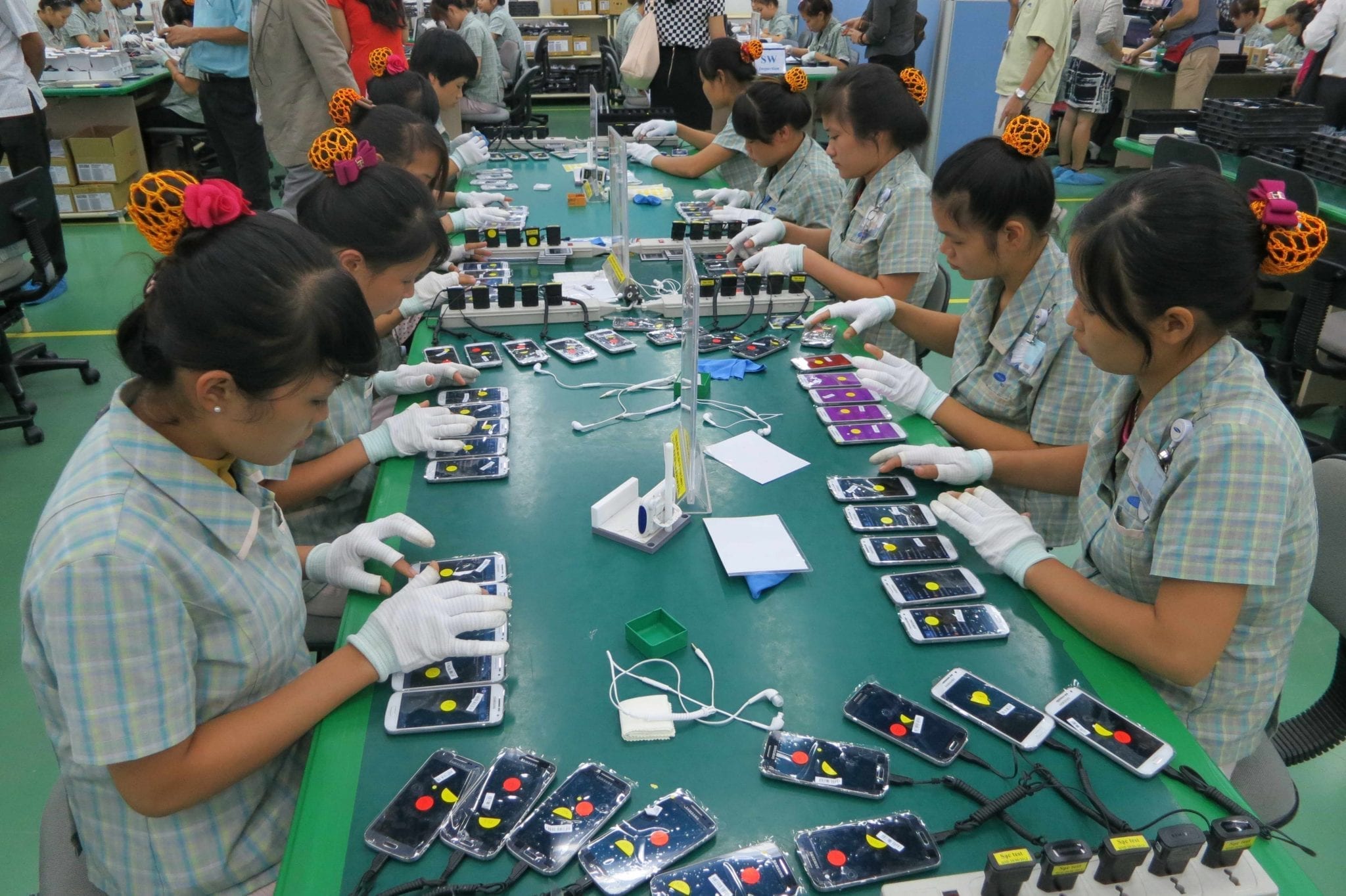
    Samsung Electronics Việt Nam (SEV) in association with University of Social Sciences and Humanities and the University of Languages and International Studies on Saturday held a ceremony to mark completion of the 14th Korean language course.

    The course was taken by outstanding employees at SEV and Samsung Electronics Việt Nam Thái Nguyên (SEVT) plants.

    The programme is a part of SEV’s sustainable development plan to contribute to the country’s high quality human resource development in general and to provide Samsung’s employees opportunities to learn and improve their capabilities.

    The programme is undertaken by Samsung annually for free for its employee, with the company spending nearly VNĐ50million (US$2,200) spent per trainee, and is exclusive for employees performing exceptionally well in the SEV and SEVT plants.

    Each course, which continues for 12 straight weeks, will be taught by Korean lecturers and Vietnamese teachers with PhD and master’s degrees from the two leading universities.

    On returning to work, the employees can practice their intensive Korean skills at their department by self-study or through spending time with Korean dispatchers. Following the 12-weeks course, all trainees will get the opportunity to obtain the TOPIK certificate. All the trainees are provided with training, accommodation and meals for free.

    “We believe every Samsung employee comes here not just to work, but to also get an opportunity to develop soft skills and hard skills for their personal development. Therefore, their development is a high priority within the company. We hope through these training programmes, our Vietnamese employees will be more proactive and confident in the global working environment and develop solid skills during the management process in the future”, Cho Hoseok, general director of Human Resources, said.

    Established in 2014, Samsung has organised 14 Korean training courses for nearly 250 employees. Samsung expects to host another six training courses for 120 employees next year.

    Samsung has also established several training programnes for management levels, as well as the entire staff body at the two factories.

  • Thai univeristy opens Alibaba e-commerce training center

    Thai univeristy opens Alibaba e-commerce training center

    The University of the Thai Chamber of Commerce (UTCC) has become an authorized Alibaba e-commerce training center in Thailand.

    Both organizations said they will work to accelerate e-commerce growth in Thailand and help Thai SMEs position themselves in the global market.

    Several collaborative programs, including training the trainers, have already been implemented. A team of Alibaba personnel has coached UTCC faculty members in the School of Business and the School of Science and Technology, among others, to become certified Alibaba trainers.

    These trainers, in turn, are now ready to train Thai SMEs, entrepreneurs and UTCC students to run businesses on Alibaba.com.

    UTCC said it can train more than 5,000 individuals per year, which would help create more e-commerce-minded entrepreneurs and allow more SMEs to expand their businesses internationally.

    “Thai SMEs can potentially drive Thailand’s economy. They just need opportunities to do so. UTCC is now taking the lead to open the door of opportunities for those who aim to take their B2B businesses to another level,” said UTCC President and Associate Professor Dr. Sauwanee Thairungroj.

    Jerry Wu, Alibaba’s country manager in Thailand, said the company sees great potential in products from Thailand and hopes to train Thai SMEs to compete effectively on the global stage through e-commerce.