Tag: project finance

  • Nippon Life to Invest $12.75 Billion in Infrastructure Financing

    Nippon Life to Invest $12.75 Billion in Infrastructure Financing

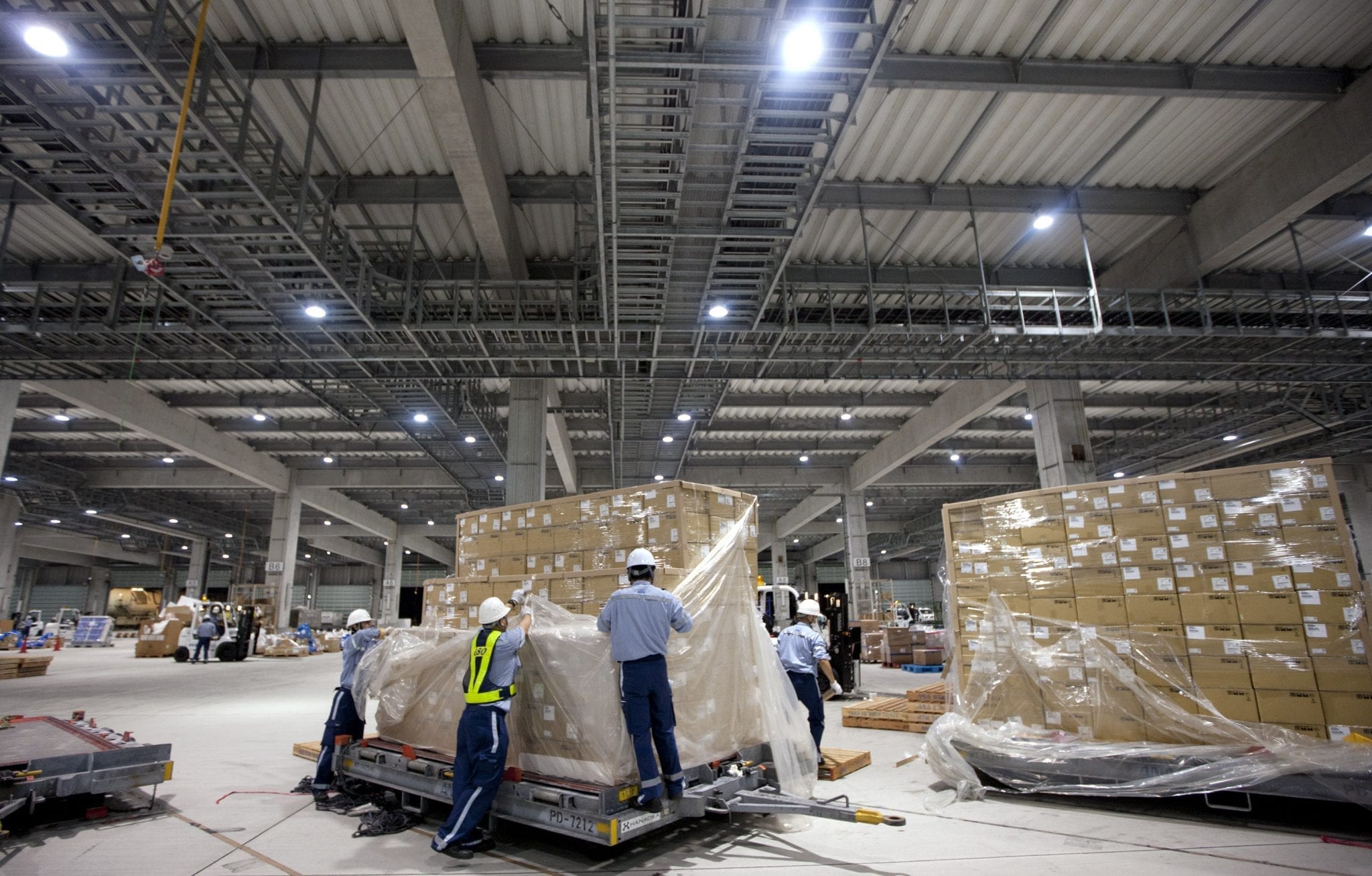
    Nippon Life Insurance plans to invest 2 trillion yen ($12.75 billion) in infrastructure financing, backing the construction of data centers across the United States, Nikkei Asia reported on Sunday.

    The Tokyo-based insurer will deploy the capital through project finance structures, securing loan repayments directly from the operational cash flows generated by the underlying digital facilities.

    Yield Spreads Drive Capital Abroad

    Management targets project finance assets in the American market to capture average spreads exceeding 2 per cent over benchmark rates. Those yields provide an attractive margin for the insurer while spreading risk across a broader mix of overseas infrastructure holdings.

    Competition for high-capacity computing sites has intensified as cloud service providers and tech conglomerates expand physical networks. Nippon Life is stepping into that funding gap, positioning long-term institutional debt as a steady funding source for developers requiring private project capital.

    The Balance Between Foreign and Domestic Assets

    For institutional lenders across Asia, this cross-border deployment shows how life insurers continue to balance global credit with domestic opportunities. Rising interest rates and renewed inflation in Japan have made domestic real estate and logistics assets more viable, yet US infrastructure debt still offers depth and liquidity that local markets cannot match.

    The risk for life insurers in project lending sits largely in execution and tenant retention. Unlike corporate bonds backed by full corporate balance sheets, these loans rely on continuous power access, long-term tenant leases and uninterrupted cash flows from single facilities or dedicated operating pools.

    Building the Domestic Pipeline

    Japanese institutional funds have long looked abroad to escape negative interest rates at home. That dynamic is shifting as data demands inside Japan surge, opening up room for domestic power and computing projects alongside offshore portfolios.

    Nippon Life is actively evaluating loans for data center developments in Japan before the end of fiscal 2026. The insurer plans to expand that local portfolio steadily, setting a target to double its outstanding project balance to 2 trillion yen by fiscal 2035.
  • UK Plans $2.5 Billion Financing for Ho Chi Minh City Metro Extension

    UK Plans $2.5 Billion Financing for Ho Chi Minh City Metro Extension

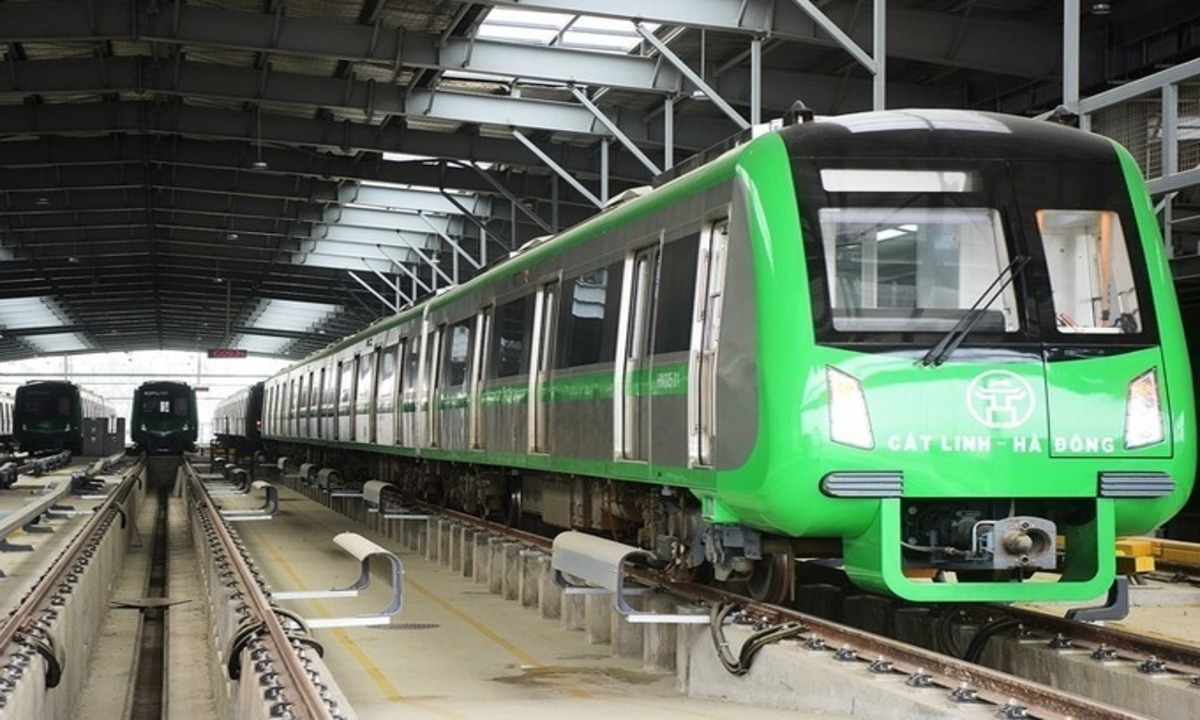
    UK Export Finance, Britain’s export credit agency, is preparing up to $2.5 billion in financing to help Ho Chi Minh City extend its metro line to Long Thanh International Airport, according to reports in September 2026.

    The planned facility from UK Export Finance represents one of the largest single Western financial packages proposed for Vietnam’s urban rail network, targeting the transit corridor between the country’s main commercial centre and its upcoming aviation hub.

    Financing the Airport Corridor

    UK Export Finance structured the proposed package to back engineering, rolling stock and systems procurement as municipal planners push to connect the city center with Long Thanh. The greenfield airport in neighboring Dong Nai province needs mass transit links before opening commercial terminals to relieve congested Tan Son Nhat International Airport.

    Vietnam relies heavily on bilateral export credit agencies and official development assistance to build out urban rail. Ho Chi Minh City’s initial metro infrastructure experienced extended delays and budget adjustments, prompting authorities to look for structured export credit packages that tie financing directly to equipment delivery and construction milestones.

    Shifting Transit Real Estate Dynamics

    Securing rail access between central Ho Chi Minh City and Long Thanh changes commercial land economics across the southern economic corridor. Retail developers, logistics operators and hospitality groups have acquired land parcels around planned transit nodes, anticipating commuter volume shifts once the airport becomes operational.

    For international contractors and rail operators, the British financing framework opens direct procurement channels in a market historically dominated by Japanese, South Korean and European consortiums. The risk centers on local site clearance and rights-of-way handovers across provincial borders, which previously slowed rail integration projects across the metropolitan area.

    Broader National Transport Timelines

    The financing proposal emerges alongside an accelerated national infrastructure schedule. Vietnam set a target date of December 2027 to start construction on its multi-billion dollar north-south high-speed rail line, while provincial authorities fast-track supplementary feeder roads and freight connectors across southern industrial zones.

    Final credit terms and municipal approvals will determine when procurement tenders open for the Long Thanh airport rail route.

  • Korea Post Names Capstone and IGIS for $368M Property Debt Strategy

    Korea Post Names Capstone and IGIS for $368M Property Debt Strategy

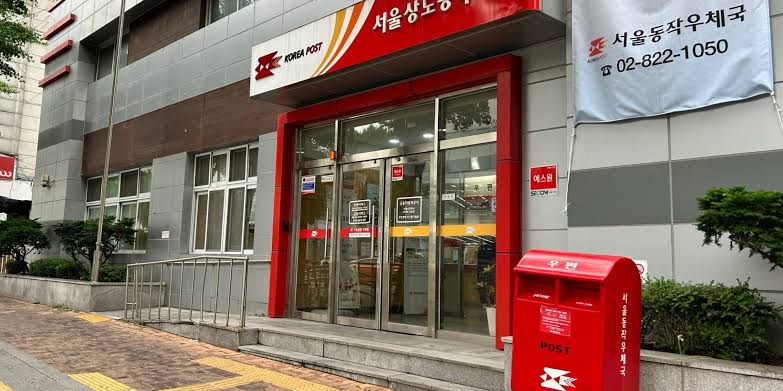
    Korea Post has picked Capstone Asset Management and IGIS Asset Management to manage a 500 billion won ($368 million) domestic property loan strategy. The mandate reopens development lending after three years.

    The state-run postal agency selected the two Seoul-based asset managers as preferred bidders following a July tender. It has not disclosed how the capital will be split between them.

    This is the first domestic real estate debt programme from Korea Post Savings since 2023. Back then, the institution committed 400 billion won to a single manager while banning all development and project financing. Lending to construction projects is now permitted once building work is underway. Bans remain on higher-risk land-backed and bridge loans.

    Lending Terms and Guardrails

    Under the guidelines, the blind-pool funds will focus on senior secured loans backed by South Korean offices, logistics hubs and other commercial real estate. Senior debt must account for at least half of all invested capital. Korea Post is targeting a net internal rate of return of at least 5.5 per cent.

    Each fund vehicle must raise a minimum of 150 billion won. The investment period runs up to three years, with an initial lifespan capped at eight years. Portfolio-level loan-to-value and loan-to-cost ratios are capped at 70 per cent. Individual completed-asset loans may reach 75 per cent LTV, while development loans are limited to 80 per cent LTC.

    Single asset commitments cannot exceed 40 per cent of a fund’s total commitments. Each management team must co-invest at least 1 per cent. Korea Post also retains first-refusal rights on co-investment opportunities across the portfolio.

    Institutional Capital Returns to Development

    South Korean institutional investors pulled back sharply from property project finance following the 2022 Legoland developer default and subsequent interest rate hikes. Korea Post is now providing liquidity to completed and active sites through post-groundbreaking debt. Strict collateral covenants remain in place to prevent land-stage exposure.

    The debt mandate brings Korea Post’s announced domestic property commitments since 2025 to 1.15 trillion won. That total includes up to 500 billion won committed to a Mirae Asset Global Investments core property vehicle deployed into Seoul commercial assets. It also covers a 150 billion won REIT and senior debt mandate awarded to IGIS in June.

    Korea Post manages 157 trillion won in savings and insurance assets, balancing rising returns from alternative credit against persistent deficits in its traditional mail operations. Final manager appointments will conclude once on-site due diligence and investment review committee approvals wrap up.