Tag: propel

  • Singapore’s Jumbo Group Launches Joint Venture to Propel Ng Ah Sio Bak Kut Teh Brand in China

    Singapore’s Jumbo Group Launches Joint Venture to Propel Ng Ah Sio Bak Kut Teh Brand in China

    The popular Singapore-based Jumbo Group has recently announced its intention to broaden the reach of its Ng Ah Sio Bak Kut Teh brand in China, commencing with a focus on Shanghai.

    Joint Venture for International Expansion

    Jumbo Group’s wholly-owned subsidiary, Jumbo F&B Services, has partnered with K Grand Resources and investor Yap Kok Kiong to establish this venture. K Grand Resources is the major stakeholder, owning 60% of the project. Jumbo F&B Services and Yap Kok Kiong each have a 20% stake.

    The newly formed Singapore-based company will possess the area franchise rights for the Ng Ah Sio Bak Kut Teh brand in Shanghai and other designated locations throughout China. Its responsibilities encompass sourcing franchisees and facilitating the brand’s growth within the Chinese market.

    As part of the agreement, the joint venture will have permission to utilize the Ng Ah Sio Bak Kut Teh trademark and associated intellectual property, granted by Jumbo Group.

    Strategic Growth and Funding

    Jumbo has clarified that the investment necessary for this initiative will be sourced internally and is unlikely to significantly impact the group’s earnings or net tangible assets for the financial year ending September 30.

    This strategic move aligns with Jumbo’s larger expansion plans. The group is determined to fortify its presence in China and Southeast Asia, with a specific focus on Shanghai, Jakarta, and Ho Chi Minh City. The group also hopes to diversify into institutional catering, thereby broadening its business portfolio.

    Questions & Answers

    Who are the partners in this joint venture?
    The joint venture partners are Jumbo’s subsidiary, Jumbo F&B Services, K Grand Resources, and investor Yap Kok Kiong.

    What are the responsibilities of the new company?
    The Singapore-based company will hold the area franchise rights for the Ng Ah Sio Bak Kut Teh brand in Shanghai and other agreed locations in China. It will be responsible for appointing franchisees and driving the brand’s expansion in the market.

    What is the broader growth strategy of Jumbo Group?
    The Jumbo Group aims to expand its presence in China and Southeast Asia, targeting growth in cities like Shanghai, Jakarta, and Ho Chi Minh City. The company also plans to diversify into institutional catering.
  • Ikea’s Strategic Shift: Smaller Stores Propel China Expansion

    Ikea’s Strategic Shift: Smaller Stores Propel China Expansion

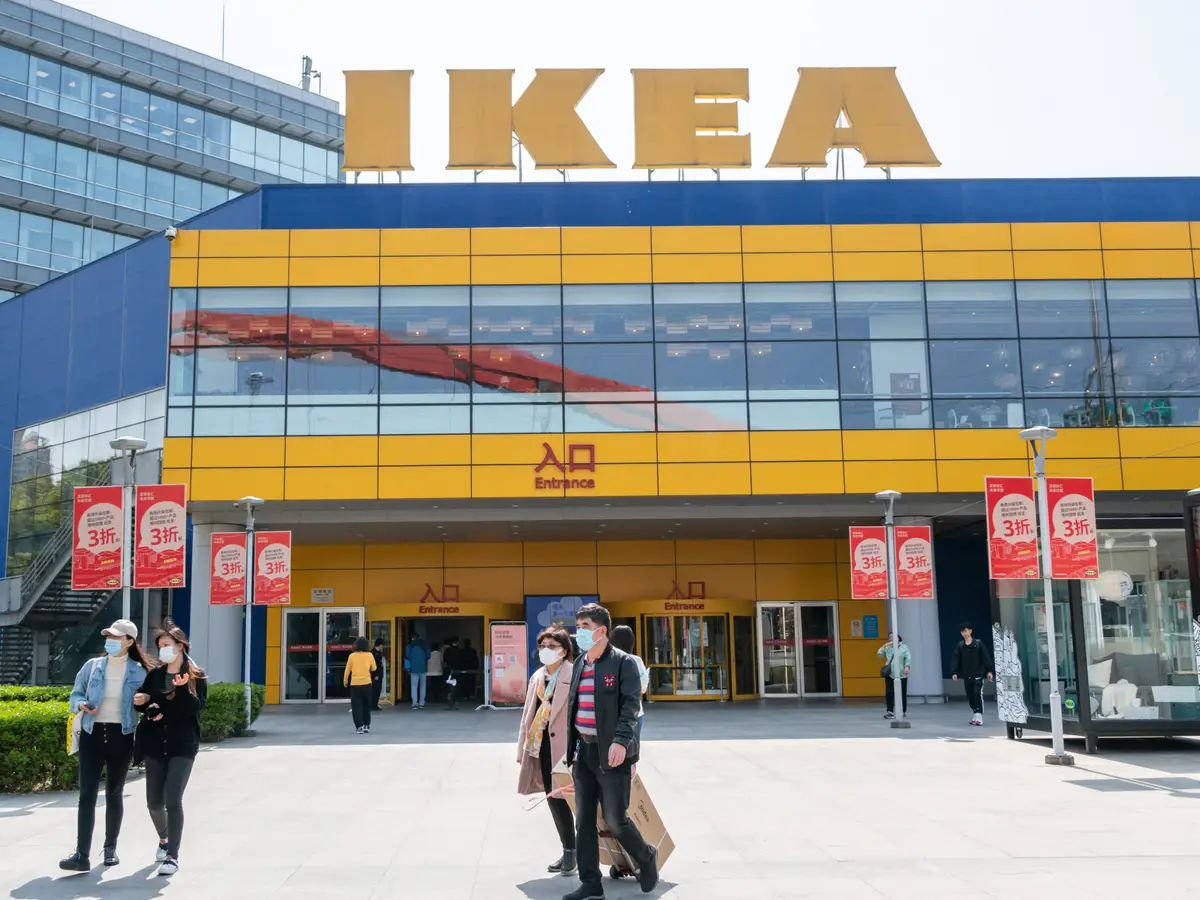
    Swedish furniture giant, Ikea, is intensifying its expansion strategy in China by launching a more compact store model in the eastern part of Beijing. This move is part of the company’s shift from its traditional large-scale stores towards smaller and more accessible locations.

    The New Small-Format Store

    The new Ikea outlet is managed by the Ingka Group and situated in Beijing’s Tongzhou District. It spans over an area of approximately 1,500 square meters, quite a downsize from the standard Ikea store which generally covers around 30,000 square meters. Despite its smaller size, the store still offers an impressive assortment of about 3,000 products.

    Ikea’s latest outlet puts more emphasis on services like home planning, rather than maintaining a large-scale inventory on-site. This innovative approach marks Ikea’s fifth presence in Beijing, and its inaugural location in the city’s eastern region. It also signifies a broader shift in the way the company is tackling the market.

    Shifting from Megastores to Compact, Accessible Locations

    Instead of depending on large-scale destination stores, Ikea is pivoting towards smaller, more accessible locations that are in closer proximity to residential areas.

    Javier Quiñones, the global commercial manager at Ingka Group, commented on this strategic shift. He noted, “The one-size-fits-all approach no longer applies. This makes our current expansion more relevant. We are getting closer to more people than ever, and continually learning how to fine-tune our offerings and presence.”

    This compact store model has already been successfully piloted in Shenzhen, with plans to introduce similar outlets across other major cities.

    Ikea’s Global Expansion

    So far in the current year, Ikea has inaugurated 21 new outlets worldwide, with sizes ranging from a few hundred square meters to over 4,000 square meters. These new outlets are spread across Europe, North America, and Asia. The company also plans to unveil additional locations in forthcoming months.

    Questions & Answers

    What is the size of the new Ikea store in eastern Beijing?

    The new Ikea store in eastern Beijing covers approximately 1,500 square meters.

    What differentiates the new Ikea store from the traditional ones?

    The new Ikea store emphasizes more on services like home planning rather than maintaining a large on-site inventory, and it’s located closer to residential areas.

    How many new Ikea locations have opened globally this year?

    Ikea has opened 21 new locations globally this year.

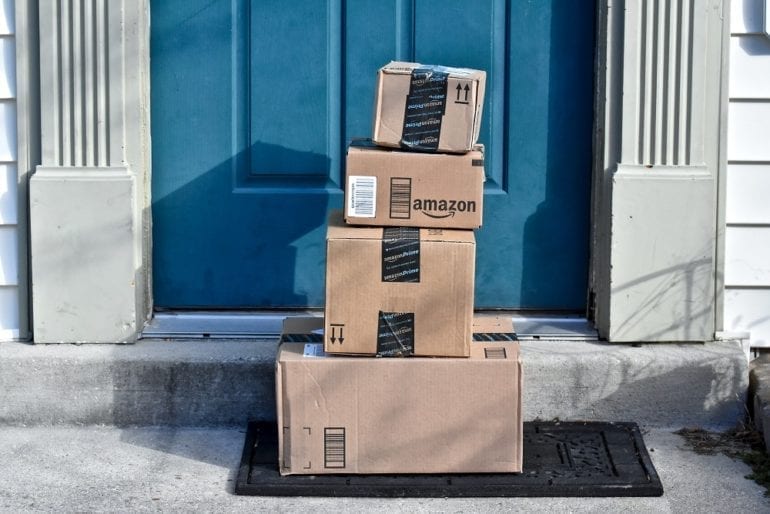
  • Amazon Boosts Indian Market Presence: Cuts Reseller Referral Fees to Propel Small Business Growth

    Amazon Boosts Indian Market Presence: Cuts Reseller Referral Fees to Propel Small Business Growth

    In a bid to strengthen its foothold in India’s highly competitive e-commerce sector, Amazon recently announced that it will cease to charge sellers referral fees for products priced under 1,000 rupees, or US$10.98. This decision, revealed by the company on Monday, is part of an ongoing initiative to attract a broader range of merchants to its online marketplace.

    Enhancing the ‘Zero-Referral Fee’ Policy

    Amazon is building upon its ‘zero-referral fee’ policy that was introduced last year. Initially, this policy was applicable only to about 12 million products that were priced below 300 rupees. However, the implementation of this policy led to a remarkable 50% increase in the number of new sellers joining Amazon’s platform in India.

    A referral fee is essentially a commission that sellers have to pay to Amazon for each product sold through its platform. The newly extended policy, which came into effect on March 16, now applies to more than 125 million products.

    Along with this, Amazon has also announced a reduction in certain shipping charges, making it even more cost-effective for sellers to use their platform.

    Amit Nanda, the director of Selling Partner Services for Amazon India, stated that this move was aimed at “making selling on Amazon more lucrative and simpler, particularly for small businesses and entrepreneurs in tier-2 and tier-3 cities.”

    Amazon’s Crucial Market: India

    India has become an increasingly important market for Amazon due to its expanding base of internet users, which has significantly fueled e-commerce growth in the world’s most populous country.

    However, the e-commerce giant faces stiff competition not just from Walmart-backed Flipkart and the retail division of Mukesh Ambani’s Reliance Industries, but also from quick-commerce platforms such as Eternal’s Blinkit and Swiggy’s Instamart, which have been rapidly gaining market share.

    Amazon revealed plans in December to invest more than $35 billion in India by 2030. The investment will not only be used to expand its AI infrastructure, but also to enhance retail logistics and boost small-business growth.

    Questions & Answers

    What does Amazon’s new decision entail?
    Amazon has decided to stop charging sellers in India referral fees for products priced under 1,000 rupees. It has also reduced certain shipping charges.

    What is the goal behind Amazon’s decision?
    This decision is aimed at attracting more merchants to Amazon’s online marketplace in India, making the platform more lucrative and simpler, especially for small businesses and entrepreneurs in tier-2 and tier-3 cities.

    How does Amazon plan on investing in India’s e-commerce sector?
    Amazon has revealed plans to invest more than $35 billion in India by 2030. The funds will be used to expand its AI infrastructure, improve retail logistics, and boost the growth of small businesses.

  • CJ Olive Young & Sephora Join Forces to Propel K-Beauty Brands Globally: A Strategic Expansion in Key Markets

    CJ Olive Young & Sephora Join Forces to Propel K-Beauty Brands Globally: A Strategic Expansion in Key Markets

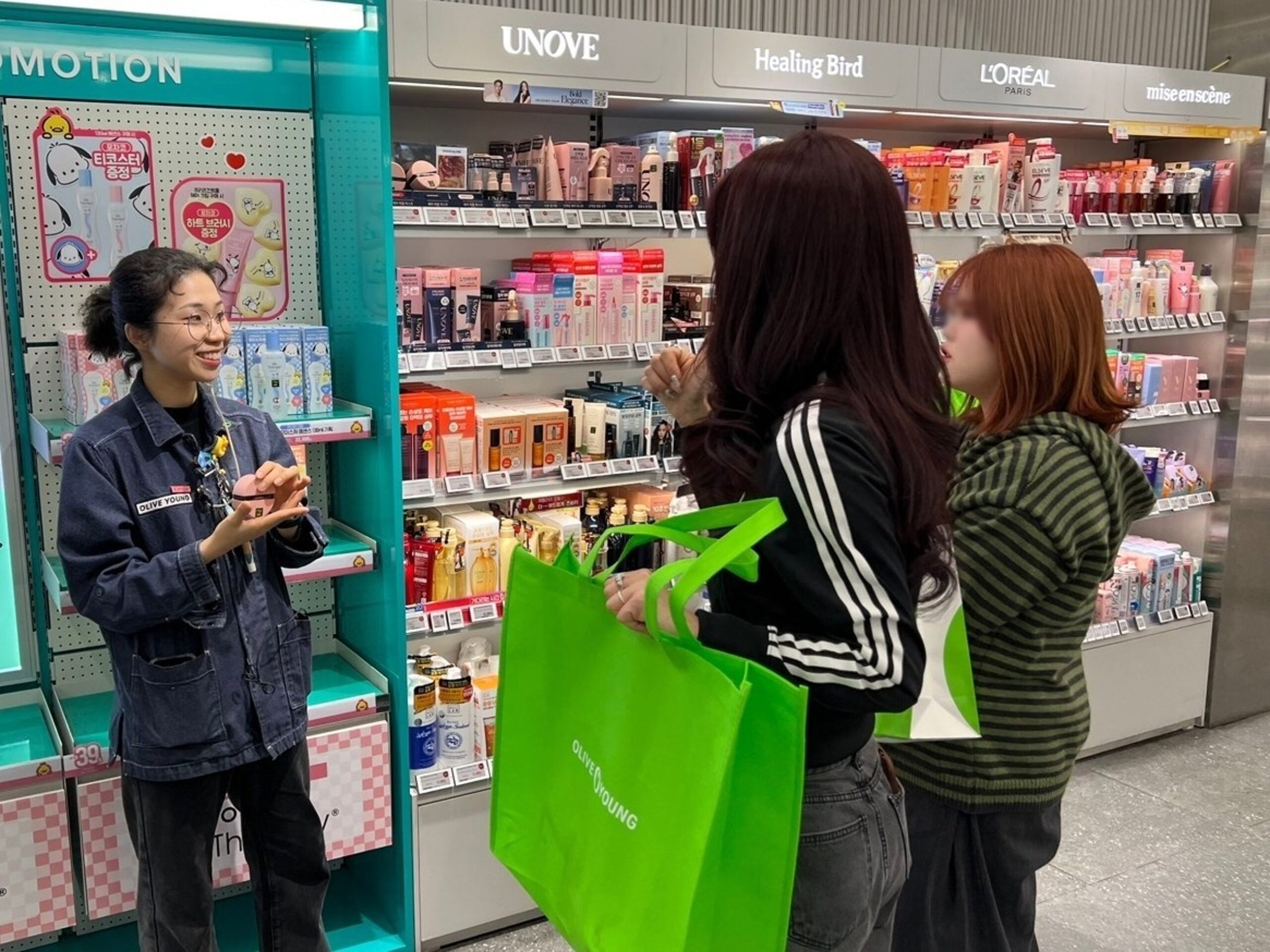
    CJ Olive Young, a leading beauty retailer in South Korea, has embarked on a significant global partnership with Sephora, an entity of LVMH, to broaden the international presence of Korean beauty brands. Their strategy primarily revolves around leveraging existing retail networks.

    The Launch of K-beauty Zones

    As part of the partnership agreement, Olive Young will curate dedicated Korean beauty (K-beauty) sections on Sephora’s online platforms and within select physical outlets. These areas are set to be launched in the latter half of the current year.

    Initial Rollouts and Future Expansion

    The initial phase of the rollout is anticipated in Singapore, Malaysia, Thailand, Hong Kong, the United States, and Canada. This will then be followed by an expansion into additional markets in the subsequent year, including the United Kingdom, Australia, and the Middle East.

    Strategic Collaboration

    Youngah Lee, Chief Strategy Officer at CJ Olive Young, highlighted the global fascination with K-beauty as a driving force behind the partnership. Lee emphasized that this collaboration is a significant step towards enhancing the international presence of Korean beauty brands in key global markets.

    Olive Young’s Global Aspirations

    This partnership aligns with Olive Young’s larger international ambitions. The company also recently announced its intention to open its first standalone store in Los Angeles, United States, later this year as part of its expansion strategy.

    Questions & Answers

    What is the goal of the partnership between CJ Olive Young and Sephora?
    The partnership aims to expand the international presence of Korean beauty brands by leveraging Sephora’s established retail networks.

    When and where will the initial rollouts of the K-beauty zones take place?
    The initial rollout of the K-beauty zones on Sephora’s online platforms and selected physical stores is planned for the second half of this year in Singapore, Malaysia, Thailand, Hong Kong, the US, and Canada.

    What are Olive Young’s broader international plans?
    Apart from the partnership with Sephora, Olive Young has also announced plans to open its first standalone store in Los Angeles, USA, sometime this year.

  • Yirong Wee Ascends to CEO Role at PROPEL: Singlife’s One-Stop Service Center Celebrates Year of Success

    Yirong Wee Ascends to CEO Role at PROPEL: Singlife’s One-Stop Service Center Celebrates Year of Success

    Insurer Singlife’s comprehensive shared service center, PROPEL, has announced a change in leadership one year after its inception. Yirong Wee has assumed the role of chief executive officer (CEO), succeeding Steven Ong, who will spearhead a new business venture within Singlife, starting 2026.

    A Wealth of Experience

    Yirong Wee brings to the table an impressive 18-year track record in financial services, operations, and distribution strategy. Prior to her appointment as CEO, Wee held the position of chief operating officer (COO) of group distribution at Singlife. Her experience also extends to her role as COO at GROW with Singlife, an integrated investment solutions platform for financial advisor representatives.

    About PROPEL

    PROPEL is an all-inclusive shared service center designed for financial advisory firms under the Singlife group. Since its inauguration in January 2025, it has successfully recruited over 1,300 financial advisor representatives.

    Questions & Answers

    What is the function of PROPEL?
    PROPEL is a comprehensive shared service center for financial advisory firms under the Singlife group.

    Who is the new CEO of PROPEL?
    Yirong Wee has been appointed as the new CEO of PROPEL.

    What will the ex-CEO of PROPEL, Steven Ong, be doing in the future?
    Steven Ong will be leading a new business initiative within Singlife from 2026.

  • Supercharged Supermarket Sales Propel Coles’ First Quarter Success

    Supercharged Supermarket Sales Propel Coles’ First Quarter Success

    Coles, the prominent Australian supermarket chain, reported an increase in sales for the first quarter, primarily fueled by the robust performance of its supermarket division.

    Sales Increase in the First Quarter

    Coles experienced a 3.9% rise in sales for the 13 weeks ending September 28, totaling $10.9 billion. The supermarket division was the primary driver for this growth, where the sales surged by 4.8% reaching $9.9 billion.

    Dynamic Competitive Market

    Excluding tobacco, the supermarket sales increased by 7%, which was supported by a concentrated effort on product selection and value, enhanced availability, and a 28% increase in e-commerce sales. Amid an ever-changing competitive market, Coles has adjusted its pricing structure across various categories to adapt to the evolving landscape. The retailer has expanded the number of products in its everyday low price (EDLP) range to cater to customer needs.

    Decrease in Tobacco Sales

    The sales of tobacco drastically fell by 57% due to new legislation and growth in the illicit market. Excluding tobacco, the inflation of supermarket prices moderated to 1.2% from 1.5% in the previous quarter.

    Liquor Segment Sales

    Despite the overall sales growth, the liquor segment experienced a minor slip, with sales dropping 1.1% to $842 million. Additionally, the ‘other’ segment, related to the product supply agreement with Viva Energy, witnessed a 17.9% decrease in sales to $156 million.

    CEO’s Comments on Performance

    Coles Group CEO Leah Weckert expressed satisfaction with their performance, attributing the supermarket sales growth to the focus on value, quality, and customer experience. Noting the positive impact of major transformation projects, Weckert mentioned that availability had reached its highest levels since pre-Covid, with e-commerce sales penetration reaching 13.3%.

    Looking Forward

    As Coles enters the second quarter, supermarket sales growth remains at similar levels to the first quarter, whereas the liquor market continues to be challenging with customers staying budget-conscious. As the holiday season approaches, Coles aims to cater to every taste and budget with their Christmas range and continue to focus on improving the omnichannel customer experience.

    Questions & Answers

    What was the key driver for Coles’ sales growth in the first quarter?
    The supermarket segment was the primary driver for first quarter sales growth, accounting for a 4.8% rise.

    What changes did Coles make to adapt to the changing competitive market?
    Coles has adjusted its pricing structure across various categories and expanded the number of products in its everyday low price (EDLP) range.

    How has Coles been performing in the second quarter?
    In the early part of the second quarter, supermarket sales growth has remained at similar levels to the first quarter. However, the liquor market continues to be challenging with budget-conscious consumers.