Tag: property development

  • Malaysian Court Orders R&F to Pay RM10.56 Million over Handover Delays

    Malaysian Court Orders R&F to Pay RM10.56 Million over Handover Delays

    A Malaysian court ordered developer R&F Development to pay RM10.56 million ($2.6 million) in damages to 84 apartment buyers over handover delays at its R&F Princess Cove project in Johor Bahru.

    The Johor Bahru High Court found the company breached sale and purchase contracts by splitting the original first phase into two separate stages, handing over keys before finishes and communal facilities were ready.

    Buyers took possession of their apartments in 2017, but the court ruled that R&F fulfilled its legal handover requirements only in November 2018. The ruling established that delivering residential units into an active construction site does not constitute proper contractual completion.

    The Penalty Formula for Late Handover

    The court set late-delivery compensation for the apartments at an annual rate of 10 percent of each unit’s purchase price. For unfinished common facilities, the judge assessed compensation at an annual rate of 10 percent on one-fifth of the unit purchase price, covering the period up to November 2018.

    Claims filed by buyers of another 39 units failed. The court directed those claimants to pay R&F RM10,000 per unit in legal costs after records showed they signed sales contracts after the developer modified the master building plan.

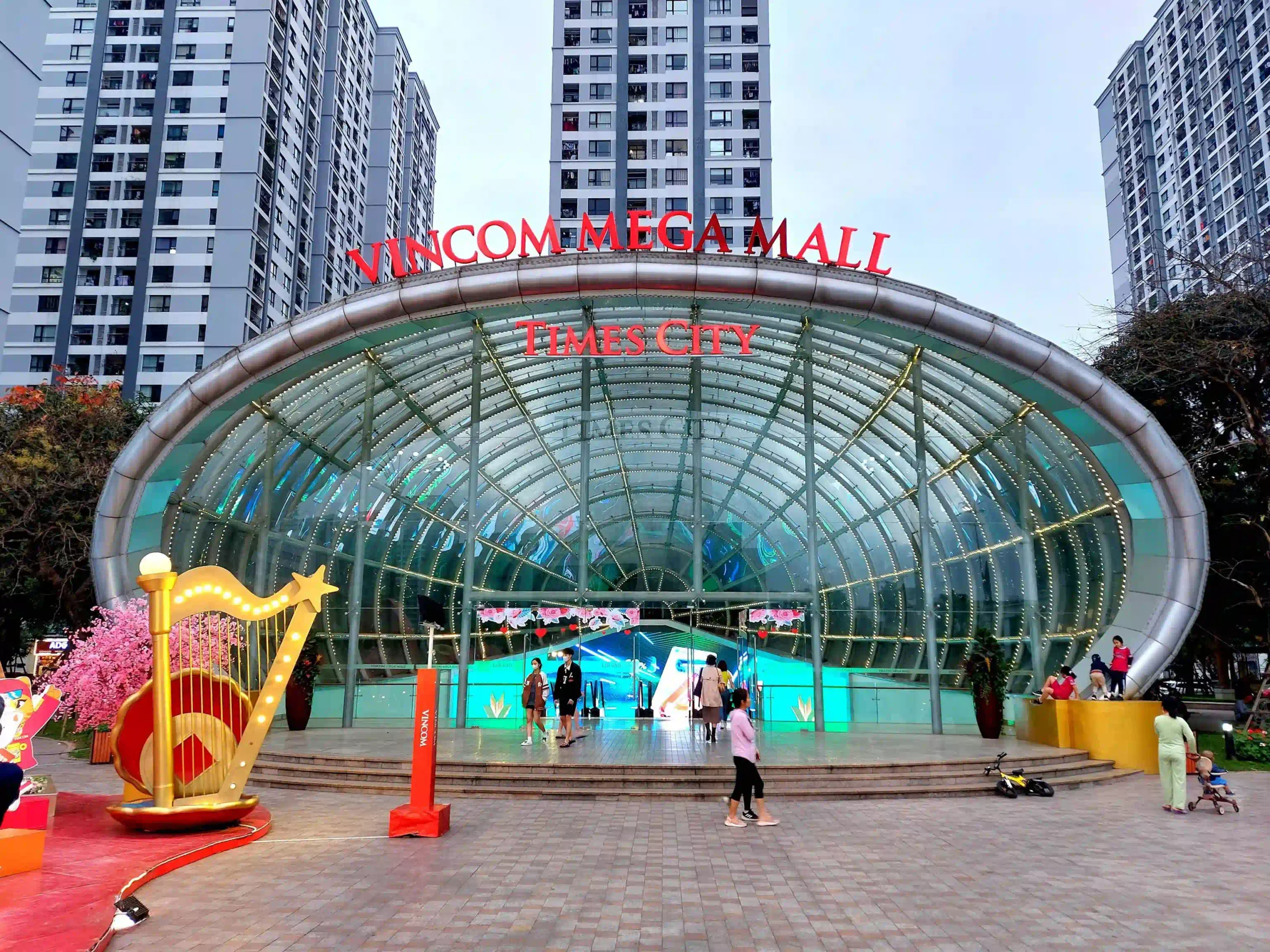
    R&F Princess Cove sits immediately adjacent to the Johor-Singapore Causeway. Built by China’s R&F Group, the complex features a 650-meter covered pedestrian bridge connecting directly to Johor Bahru’s Customs, Immigration and Quarantine complex to attract daily cross-border commuters.

    Cross-Border Buyer Pushback

    The ruling tests the sales playbook Chinese developers have deployed across southern Malaysia for a decade. Large developers targeted middle-class Singaporeans and regional investors with promises of luxury living at a discount to Singapore prices, relying on phased handovers to manage cash flow while ongoing construction dragged on around early residents.

    That approach faces tighter legal scrutiny across Southeast Asian residential corridors. When buyers organized to contest the piecemeal delivery, the court rejected the developer’s defense that partial access satisfied delivery clauses. The judgment establishes that common facilities and unhindered road access carry enforceable financial value that developers cannot defer without paying penalties.

    For institutional investors and residential operators, the penalty bill introduces a concrete balance-sheet risk for phased handovers. Property firms in cross-border zones can no longer rely on standard disclaimers or revised secondary schedules to escape late-delivery clauses when primary agreements promise complete integrated estates.

    Phased Handover Roadblocks

    The project initially attracted retail investors on the strength of direct Singapore connectivity. Early buyers took keys in October 2017 to find incomplete shared infrastructure, obstructed roadways, and surrounding construction zones that disrupted access across the site.

    Semi-retired Singaporean buyer Crystal Ng sold her unit after taking delivery in late 2017, recalling that early access routes were blocked by temporary fencing while contractors were still working on adjacent structures.

    When we received keys to the unit (in October 2017), the whole area was very messy and full of construction debris. Even the access route to our block was still obstructed … There was a fence erected on the road

    Developer Prepares Appellate Challenge

    R&F legal counsel Josiah Tea confirmed the developer will appeal the High Court decision. The appeal will focus on the contractual interpretation of staged building plans and the formula used to calculate damages across the 84 awarded properties.

    The appellate filing represents the next step for both the developer and the claimant group.
  • Metro Manila Office Completions to Hit 231,600 Square Metres in Q4 2026

    Metro Manila Office Completions to Hit 231,600 Square Metres in Q4 2026

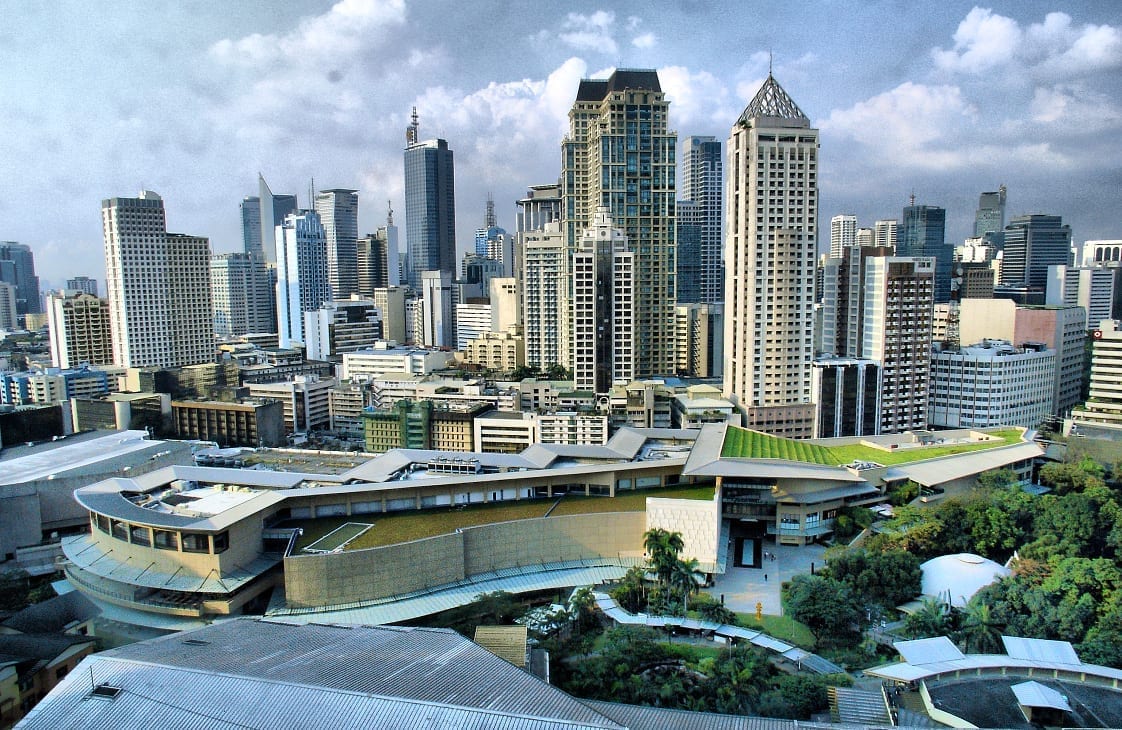
    Metro Manila faces 231,600 square metres of Grade A office space scheduled for delivery in the final quarter of 2026 after construction slippages left third-quarter handovers at just 16,900 square metres. The delivery pileup threatens to tip metropolitan vacancy past 20 percent before January.

    Property data from Savills Philippines shows the fourth-quarter concentration accounts for roughly 70 percent of the 329,800 square metres projected for completion across all of 2026. Developers completed only 9 percent of the 183,400 square metres originally slated for handover between July and September.

    Delays Funnel Handouts into Year-End

    Three developments slipped out of the third quarter: Yuchengco Centre, Offices at the Galleon, and SM North EDSA Tower 5. These join Southfield Center and Spectrum in a crowded fourth-quarter schedule that adds about 2.3 percent to the capital region’s total office stock in three months.

    The supply arrives as tenant demand weakens. Metro Manila recorded negative net absorption of 23,900 square metres in the third quarter, down from positive take-up of 144,700 square metres in the second quarter. While gross leasing took up 118,200 square metres, tenants surrendered 142,100 square metres as business operators consolidated, relocated, or trimmed their operating floors.

    Rents Resist Mounting Vacancy Across Key Hubs

    Average Grade A monthly rents across Metro Manila still rose 0.5 percent quarter on quarter to 861.10 pesos per square metre, logging a third straight quarterly advance. Bonifacio Global City stood out as the sole major commercial district to discount space, with rents sliding 0.4 percent to 1,089.60 pesos per square metre.

    Other districts pushed rates higher despite mounting vacancies. Alabang posted the steepest climb at 2.8 percent, while Ortigas Center and Quezon City recorded 1.5 percent increases. Total vacant space across the metropolis reached 1.96 million square metres at the close of September, lifting the overall vacancy rate to 19.2 percent from 18.9 percent in June.

    Makati and Quezon City Face Supply Pressure

    Makati central business district faces sharp vacancy increases once Yuchengco Centre opens its doors. Savills projects the district rate will jump to around 23 percent by December, up from 20.9 percent in the third quarter, after Makati shed 2,100 square metres of occupied space. Gross leasing in the district fell to 13,700 square metres from 24,800 square metres in the prior quarter, though monthly rents rose 0.8 percent to 999.50 pesos per square metre.

    Quezon City registered the sharpest deterioration among all submarkets, with vacancy jumping to 23.1 percent from 19.8 percent in the previous three-month period. A major corporate departure triggered negative net take-up of 30,900 square metres, and completions before December could elevate district vacancy to 26 percent.

    Bay Area Leads Vacancy as Ortigas Center Tightens

    Ortigas Center proved an outlier by logging four straight quarters of declining vacancy, ending September at 18.6 percent with positive net absorption of 7,800 square metres. That reprieve will prove short-lived, with 81,700 square metres of new offices due by the end of the first quarter of 2027, an addition equal to 6 percent of the district’s footprint that could drive vacancy back to 22 percent.

    The Bay Area remains the most oversupplied market in Metro Manila, sitting on an empty-space rate of 35.3 percent despite absorbing 11,600 square metres during the third quarter. Projections indicate Bay Area vacancies will reach 36 percent by year-end and hover near that band through 2027 as more buildings finish construction.

    The contraction in third-quarter absorption broke a streak of six straight quarters of positive net absorption that had held firm since late 2024. Corporate real estate directors now face an aggressive tenant-favoured market as 231,600 square metres of new office space is scheduled for delivery in the fourth quarter.

  • Hanoi Grade A Towers Add Retail Floors as Office Pipeline Hits 495,000 Sq M

    Hanoi Grade A Towers Add Retail Floors as Office Pipeline Hits 495,000 Sq M

    Hanoi commercial developers are allocating ground floors and podium levels to retail tenancies to protect leasing rates ahead of 495,000 square metres of new Grade A office supply entering the market by 2028.

    Eighteen office projects, concentrated heavily in Hanoi’s western business district, are introducing dedicated retail, dining and wellness hubs to compete for multinational tenants.

    The Starlake Model and Layout Shifts

    Parc Hanoi, a Grade A office project in the Starlake township, has dedicated its entire ground floor to consumer retail and dining. The developer placed a wellness centre, meeting suites and open event spaces across Level 2, pairing physical workspace with consumer services in a bid to secure corporate leases.

    The push reflects shifts in corporate occupier demands across Southeast Asia. A CBRE occupier survey showed 92 per cent of corporate respondents ranked collaborative zones and lifestyle amenities as critical to employee retention and productivity, while 64 per cent prioritized green spaces and natural ventilation.

    Regional Blueprints in Singapore

    Hanoi landlords are replicating models tested in Singapore, where mixed-use office towers use food and beverage to generate revenue outside core business hours. The PLUS tower in Raffles Place runs two floors of retail, gyms and spas underneath prime office suites.

    Marina One in Singapore operates 14,000 square metres of commercial floor plate across its retail podium, The Heart. That space combines supermarkets, gyms and food operators that draw foot traffic through the weekend, ensuring seven-day tenant revenue rather than relying purely on weekday office workers.

    Yield Risks for Commercial Landlords

    Integrating retail into Grade A office towers shifts the commercial risk profile for developers. Office leases in Hanoi typically run on fixed three-to-five-year commercial terms, whereas food and lifestyle tenants require lower base rents, revenue-share structures and higher capital outlays for exhaust, plumbing and grease traps.

    Landlords that misjudge the mix face dead ground-floor space that damages the building’s corporate positioning. Success depends on securing anchor food and convenience brands that turn daily office footfall into steady cash flow without crowding corporate lobbies.

    Supply Pipeline Builds in Western Hanoi

    The developer push comes after five years of decentralized expansion across Hanoi, where western districts drew corporate tenants away from the central Hoan Kiem district. The western submarket now accounts for the largest share of modern floor space under construction in the city.

    Developers will deliver the bulk of the 495,000 square metres across western Hanoi over the next 24 months. Leasing teams are tracking whether podium retail commitments can hold Grade A effective rents steady as all 18 towers open for handover before the end of 2028.

  • Tokyo Inner Ward Population Hits 9.8 Million as Density Reaches 15,600

    Tokyo Inner Ward Population Hits 9.8 Million as Density Reaches 15,600

    Tokyo’s 23 central wards added 1.2 million residents over the past two decades, pushing urban density to 15,600 people per square kilometre, as reported by Paul de Vries for The Japan Times in September 2026. The population in the inner wards now stands at 9.8 million.

    Construction firms and property developers have absorbed this influx primarily through two methods. Builders are erecting high-rise residential towers containing hundreds of units while buying standalone houses with private yards, razing the greenery, and replacing them with multiple narrow homes.

    Subdividing Plots for Housing

    Landed housing subdivisions now supply a steady stream of compact urban properties across residential wards. Replacing a single detached home with two or three townhouses increases plot yield for homebuilders. It also removes private gardens that previously provided urban tree cover and communal wildlife corridors.

    Tower developments concentrate hundreds of households onto single commercial footprints. These buildings offer high floor-area ratios but leave standard rooftops largely bare of functional green infrastructure.

    Pressure on Urban Greenery

    For residential property developers in Japan, plot subdivision remains the fastest way to bring infill housing to market without assembly delays. However, municipal planning offices face mounting heat-island effects in wards where open ground cover has vanished. Residential developers across Seoul and Singapore face similar constraints, but Japanese zoning codes give private landowners wider leeway to maximise structural footprints up to boundary lines.

    Institutional real estate investors holding multifamily residential assets in Tokyo face shifting tenant preferences. Renters and buyers in high-density districts increasingly seek access to private or communal outdoor spaces, creating a pricing gap between conventional concrete blocks and properties that integrate rooftop greenery.

    Rooftop Space Under Scrutiny

    Tokyo’s urban growth runs counter to Japan’s broader demographic decline, which has hollowed out regional prefectures while concentrating capital and labour in the Kanto region. Previous redevelopment cycles focused on expanding transport nodes and commercial office floors around central railway hubs.

    Attention is shifting to residential rooftop retrofits across the 23 wards as developers balance land costs against municipal open-space guidelines.

  • Thai Mortgage Rejections Hit 60 per Cent as Banks Tighten Debt Checks

    Thai Mortgage Rejections Hit 60 per Cent as Banks Tighten Debt Checks

    Thailand’s state-owned Government Housing Bank approved only about 40 per cent of home loan applications across January and February 2026, rejecting the remaining 60 per cent as lenders scrutinised borrower balance sheets.

    Kasikorn Research Center expects full-year mortgage lending in 2026 to range between zero growth and a 0.5 per cent contraction. That stall comes even after regulators extended relaxed loan-to-value rules through June 2027 to help developers clear unsold residential inventory.

    Household Debt Limits Borrowing Capacity

    Elevated consumer obligations remain the primary hurdle for prospective buyers. Kasem Praphan, Bangkok district office branch 1 area manager at GH Bank, said elevated household debt, unverified income streams, and inconsistent banking records drive most rejections.

    High debt loads leave little room for new commitments. Under GH Bank criteria, total monthly debt servicing must generally remain within 60 per cent of a borrower’s income. Applicants carrying auto financing, personal loans, and credit card balances frequently exceed that ceiling even when base salaries seem adequate.

    Income verification poses an equal challenge for self-employed applicants, freelancers, and online sellers, who now form one of the largest applicant demographics. GH Bank has started reviewing digital transaction histories, including QR code payment receipts from micro-merchants, but requires documented consistency over several months rather than irregular cash lump sums.

    Pre-Approval Programmes Target Unsold Housing

    To rehabilitate unqualified applicants, GH Bank established a Financial School programme. The scheme targets four specific segments: salaried new graduates, gig workers, informal earners, and individuals working through past loan delinquencies.

    Seventeen property developers have also partnered with the bank under a linked Financial School Extra initiative. Under that arrangement, prospective buyers make regular monthly deposits directly to GH Bank for up to 12 months, which the lender then transfers to developers as accumulated down payment installments.

    Borrowers who clear outstanding debts using funds from third parties must also document the money trail. If funds come from friends or informal partners without clear paper records, the bank imposes a mandatory 90-day waiting period before reassessing the application to verify that the liability was genuinely settled rather than temporarily moved.

    Lenders continue to evaluate total household use rather than property equity alone. Housing developers in Bangkok are watching the June 2027 expiration of loan-to-value relief measures as commercial banks keep credit criteria tight through the remainder of the year.