
Tag: property prices

  • Australian Home Values Slide 1.2% in October as Capital City Slump Accelerates

    Australian Home Values Slide 1.2% in October as Capital City Slump Accelerates

    Australian dwelling prices dropped 1.2 percent in October, registering a seventh consecutive monthly fall that pulled national values 6.7 percent below their March peak. That decline strips roughly A$63,400 ($44,528) from the median home value as borrowing limits bite.

    Capital city markets bore the brunt of the downturn, falling 8.1 percent over the past seven months. That extends the pullback beyond the 7 percent drop seen in 2022 when the Reserve Bank of Australia initiated its post-pandemic rate-tightening cycle.

    Brisbane and Perth Lead Capital Declines

    Mid-sized capital cities that saw rapid value spikes over the last six years registered the sharpest drops during the month. Brisbane property values fell 2.0 percent in October, while Perth dropped 1.7 percent. Over the past three months, values retreated 6.1 percent in Brisbane and 5.7 percent in Perth.

    Sydney dwelling prices fell 1.6 percent in October, bringing the median dwelling price to A$1,178,959. That puts Sydney 10.1 percent below its February peak and 1.5 percent below levels seen in October 2021. Melbourne retreated 0.8 percent, leaving prices 7.3 percent lower than five years ago. Hobart and Darwin recorded modest increases of 0.5 percent and 0.6 percent respectively.

    Property owners retain built-in valuation buffers despite the monthly drops. Brisbane values stand 46.1 percent higher than five years ago, while Perth properties retain a 68.3 percent gain over the same timeframe. Annual price growth in Brisbane flattened to 0.4 percent in October, down from 18 percent in May.

    Transaction Volumes and Auction Clearances Slip

    Buyer demand slowed across major metropolitan areas, with estimated home sales over the past three months down 23 percent year-on-year. Sydney transaction volumes fell 30 percent, while Brisbane dropped 29 percent. Median time on market lengthened to 39 days, the longest period recorded since August 2020, while vendor discounts expanded to an average of 4.7 percent.

    Auction markets reflected similar hesitation entering November. Preliminary clearance rates across combined capitals reached 47.2 percent from 1,735 auctions in the week ending November 1, marking the weakest result since April 2020. Brisbane auction clearances settled at 26.2 percent, finishing under the 30 percent threshold for the fourth time in five weeks.

    Investor activity fell following changes in the May Federal Budget that tightened tax treatment on established rental assets. New investor lending commitments dropped 8.6 percent in the June quarter, marking the sharpest quarterly retreat since September 2022. Because residential rents rose as values fell, gross rental yields across the combined capitals climbed to 3.77 percent.

    Household Wealth Pressures Hit Consumer Demand

    Shrinking home values directly erode consumer balance sheets, hitting household spending on big-ticket homewares, renovation services and discretionary goods. For retail operators and shopping centre landlords across Sydney and Brisbane, declining asset values compound existing household budget constraints created by persistent living costs.

    Retailers face softer foot traffic as mortgage serviceability reduces discretionary cash flow. While tight housing supply and population gains prevent broader systemic liquidations, discretionary merchants must prepare for prolonged margin compression as households prioritize essential grocery and utility outlays over higher-margin merchandise.

    Rate Policy Tightens Squeeze on Borrowers

    The Reserve Bank of Australia raised its official cash rate by 100 basis points earlier this year to 4.60 percent. Financial markets priced an 85 percent probability of another rate rise following the release of September quarter inflation numbers.

    Commonwealth Bank of Australia expects the RBA to lift the cash rate to 4.85 percent before pausing, with bank economists forecasting two rate cuts in August and November 2027. The bank lowered its domestic growth outlook, projecting unemployment to rise to 5.1 percent by late 2027.

    Households will bear the brunt of the needed slowdown in economic activity.

    The central bank meets on Tuesday to review borrowing costs, with retail landlords and commercial property lenders watching whether the cash rate reaches 4.85 percent.
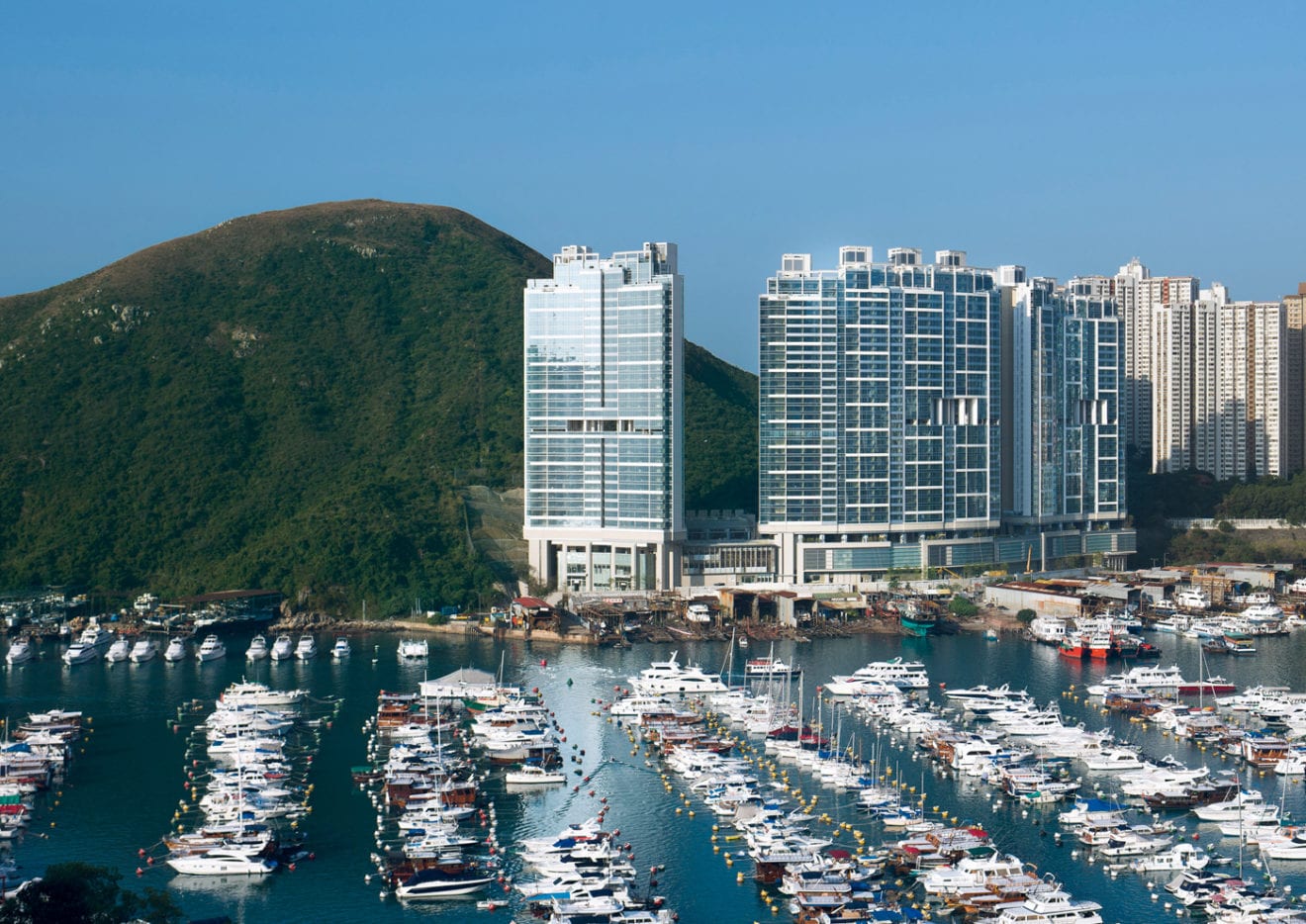
  • Hong Kong Property Prices Expected to Fall by 2016

    Hong Kong Property Prices Expected to Fall by 2016

    Despite being the city with the 3rd most expensive real estate prices in the world and home prices hitting a record high earlier this year, Hong Kong property prices are expected to begin to drop in 2016, according to experts and analysts in the city’s residential property sector.

    With an average price at $22,814 per square meter, property values in Hong Kong have long been ranked third in the world and have been considered to be extremely pricey. One of the main leading reasons for the high prices and the constant increase in value was the limited space in the financial hub of Asia.

    Home values have been on a constant rise as proven by the 340% increase since 2003. The relentless rise in real estate prices has, in fact, renewed concerns that the government may impose more property tightening measures to puncture the trend. Example of such a measure would be stricter mortgage restrictions or higher taxes on foreign purchases.

    However, this trend seems to be changing. Both JPMorgan Chase and the global lender UBS disclosed recently that home prices in Hong Kong could be on the fall until the end of 2017 as buying demand is hurt by an economic slowdown in China and Hong Kong, rising unemployment rates, and a lower inflation rate.

    The Future of Hong Kong Property Prices?

    According to Cusson Leung, the head of Hong Kong research, conglomerates and property for JPMorgan, there is a high chance that residential prices will start falling by 5% to 10% per year starting in 2016.

    Despite the expected fall in residential housing prices starting next year, real estate prices are still expected to rise for the rest of 2015. With the new homes and existing housing expected to be 5% and 10% more expensive respectively, property values for this year will still be relatively expensive.

    Eva Lee, executive director and head of Hong Kong/China Property Research at UBS, was of the same opinion. In a briefing the earlier week, she mentioned that the upcoming cycle that will lead to the fall of Hong Kong property values will be different from previous ones, This is because it will not be triggered by global economic shocks, but rather the deteriorating local economy.

    Cusson Leung pointed out that the shrinking retail market in Hong Kong, mainly driven by the closure of many luxury brand stores, was one of the main factors in driving down the property sales. The other factors were rising unemployment, shaken investors’ confidence over concerns that China’s growth is slowing, and that the global markets may suffer from a planned in the interest rate hike in the United States.

    According to Leung, “Pressure on the economy is the biggest concern here instead of an interest rate hike.”

    Alfred Lau, a property analyst from Bocom International predicted the potential fall in prices from looking at real estate prices relative to property stocks. Lau said that Hong Kong home prices are now the highest compared to property developer stocks in almost two decades.

    “It is a sign that the property market will drop as much as 20 per cent in the last quarter this year,” he said.

    There were other signs telling the same story.

    In August, Hong Kong’s private-sector economy saw its sharpest contraction ever since 2009. This is a distress signal for the economic health of Asia’s financial capital.

    Weakest home sales in 17 months were also reported after a month-long stock rout that originated in China hurt market sentiment among buyers and investors. Comparing year to year data, the sales this year have been down by a third in terms of units sold.

    In regards to the shrinking retail market, it was found that 42% of the sales came from tourists. This is the highest proportion in the world and Hong Kong real estate values will suffer even more once the tourist arrivals fall and hit the retail market.