
Tag: Prosecco

  • Australian winemakers fight EU to retain Prosecco name

    Australian winemakers fight EU to retain Prosecco name

    Winemakers from Victoria’s King Valley traveled to Canberra on Tuesday to lobby parliamentarians to protect their use of the prosecco grape variety name. Australian winemakers are “not giving any ground” against the European Union, which does not want exporters to sell foods trademarked under geographical indicators as a condition in Australia’s free trade deal.

    Australian Grape and Wine is a producer representative organization leading the campaign against the name ban. Chief executive Lee Mclean said the European Union wanted to use the Australia EU Free Trade Agreement to ban Australian producers from using the variety name.

    “The fact is, prosecco is a grape variety name, just like chardonnay or cabernet sauvignon,” Mr McLean said.

    “The European Union’s approach to this issue is motivated by a desire to protect Italian producers from the competition and nothing more.”

    In 2009, Italy changed the name of the prosecco grape variety to “glera” within the European Union.nIf the condition is agreed upon as part of Australia’s EU free trade deal, Australian winemakers could have to use “glera” or “Australian prosecco” on labels. Most Australian prosecco is produced in Victoria’s King Valley and Murray Valley where many winemakers have invested heavily in the grape variety.

    Pizzini Wines owner Alfred Pizzini said this was not the first time winemakers had been to Canberra to state their case.

    “It’s been an ongoing conversation with government,” Mr Pizzini said.

    “This is coming to a pinnacle because the free trade arrangements are negotiated as we speak and could be finalized over the next six months.”

    Mr Pizzini estimated the King Valley needed to plant up to 50 hectares of prosecco each year to keep up with demand and the loss of the name would have economic impacts on exports.

    “In the short term it would be economically damaging, but we’ve got to be careful not to give any ground because it’s the use of the name of a grape variety,” he said.

    “I think one of the potential problems we will have, a lot of export of prosecco goes through Singapore ports.

    “If we lose that name, there’s a good chance we will lose the opportunity to send prosecco through Singapore.”

    Victorian winemakers fear the loss of the name prosecco could lead to further grape variety names being banned in Australia. Brown Brothers winemaker Katherine Brown told ABC Radio they would stand strong against Italy.

    “Champagne is a method and it’s made in a certain way and we understand the French want to keep that as their own, but prosecco is a grape variety,” Ms Brown said.

    “Italians have created a region in Italy called prosecco and they are claiming now that sparkling wine that comes from there is the only wine that can have prosecco on it and the rest of us who have been using prosecco grapes need to find another name.”
  • Australia And Eu Resume Free Trade Talks: Farming, Food Labeling, And Intellectual Property Rights In Focus

    Australia And Eu Resume Free Trade Talks: Farming, Food Labeling, And Intellectual Property Rights In Focus

    Trade Minister Don Farrell has announced that Australia and the European Union (EU) are set to resume negotiations for a free trade agreement immediately. This comes two years after Australia withdrew from discussions due to an unsatisfactory market access proposal for its beef, sheep, dairy, and sugar sectors.

    Changing Global Trade Landscape

    The global market has reshaped in unexpected ways due to the unanticipated tariff hikes imposed by the United States under President Donald Trump. As a result, the prospects for fruitful negotiations between Australia and the EU, specifically centered on enhancing access for select agricultural products and reducing bureaucratic hurdles, have considerably improved.

    One of Australia’s prime objectives is to amplify its beef and lamb exports to Europe. However, this is a task easier said than done, considering the significant political sway held by European farmers. An offer made by the EU in 2023 accounted for a scant 0.3% of its agricultural imports and was inferior to what it proposed to other trade partners.

    Contentious Discussion Points

    Another significant obstacle has been the EU’s insistence that Australia relinquish naming rights for hundreds of food and beverage products. The EU is pushing for Australia to adopt its system of controlling the names of region-specific food and spirits specialties, which, if agreed upon, could adversely affect Australian consumers, dairies, and boutique spirit manufacturers.

    The EU is advocating for Australia to implement its “geographical indications” model to safeguard the names of European goods. This includes a list of 170 food names and 236 spirit names that the EU wishes Australia to concede.

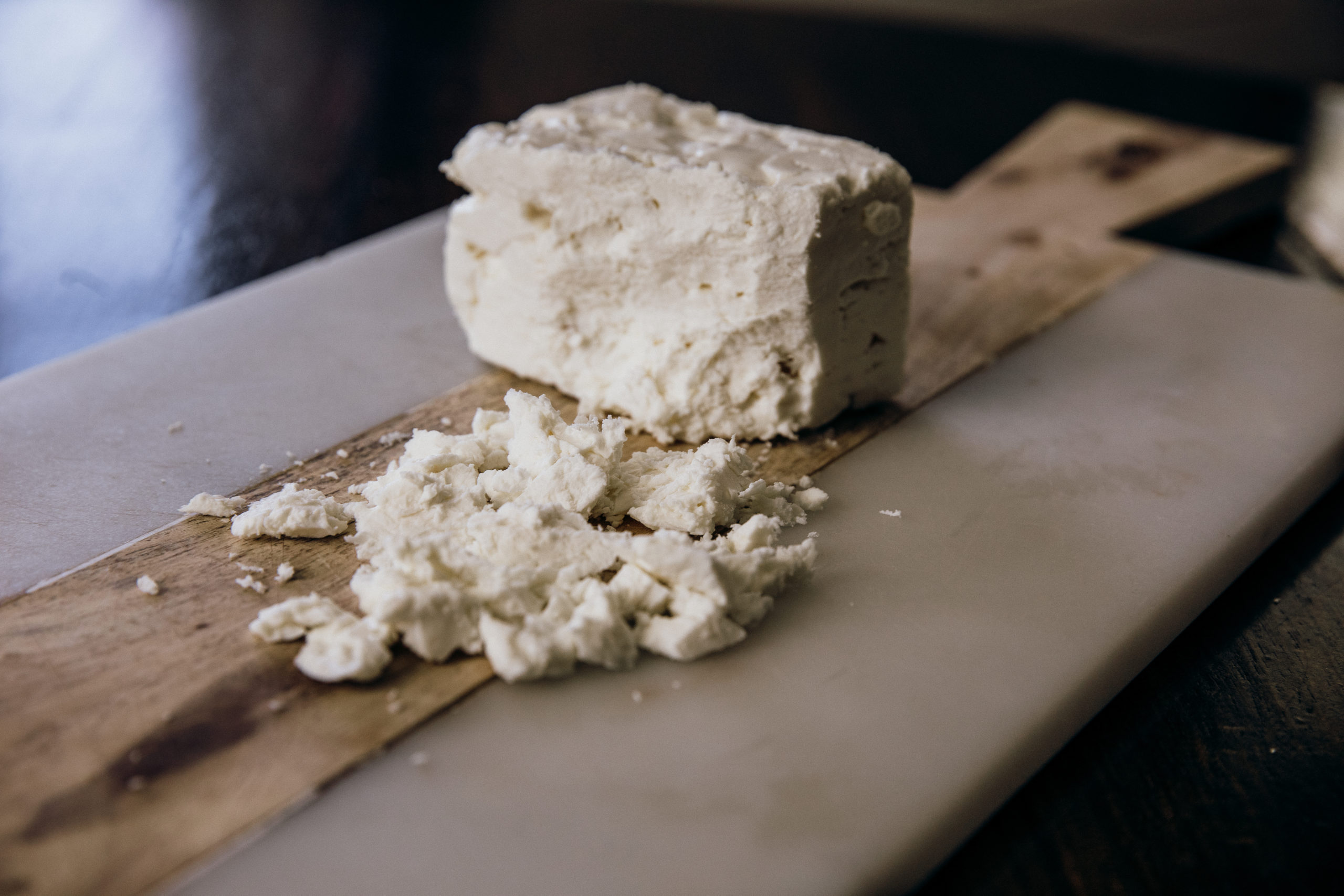
    The EU’s proposition is that only Greek feta should be allowed for sale in Australia; currently, Australian, Greek, Danish, and Bulgarian feta are sold nationally. It also seeks to reserve the names prosecco and parmesan exclusively for European manufacturers.

    Australia’s approach to food labeling is primarily driven by consumer protection laws and there is minimal history of fraud. By contrast, Europe initially introduced this system for wines due to rampant fraud, before extending it to food products.

    Intellectual Property Challenges

    Issues arise with the specific food and spirits names that the EU wishes to reserve for its producers. Australia contends that these are common names for the food items and it should not lose access to them. The country’s trade agreements allow for an objection process in situations where intellectual property rights limit what other producers can do. However, the government has thus far failed to offer a resolution process or feedback for those affected by the EU’s naming demands, hindering due process of law.

    Questions & Answers

    What impact could the EU’s naming demands have on Australian producers and consumers?

    It could negatively affect Australian dairies and boutique spirit manufacturers, as well as consumers who are accustomed to products with certain names.

    Why is Australia resisting the EU’s naming demands?

    Australia argues that these are common names for food items and that they should not lose access to them. The country also maintains that its approach to food labeling, driven by consumer protection laws, is adequate.

    What concessions could Australia potentially make to reach an agreement?

    Australia could follow the precedent set by Canada by accepting feta as a geographical indication while allowing existing Australian producers to continue producing and selling feta. Similar safeguards could be sought for other products.