Tag: protests

  • No surprise as retail sales in Hong Kong down again

    No surprise as retail sales in Hong Kong down again

    Retail sales in Hong Kong have plunged by more than one-third over the first four months of this year.

    Census and Statistics Department figures show a 36.1-per-cent decline, which follows an adjusted 42.1-per-cent fall in March.

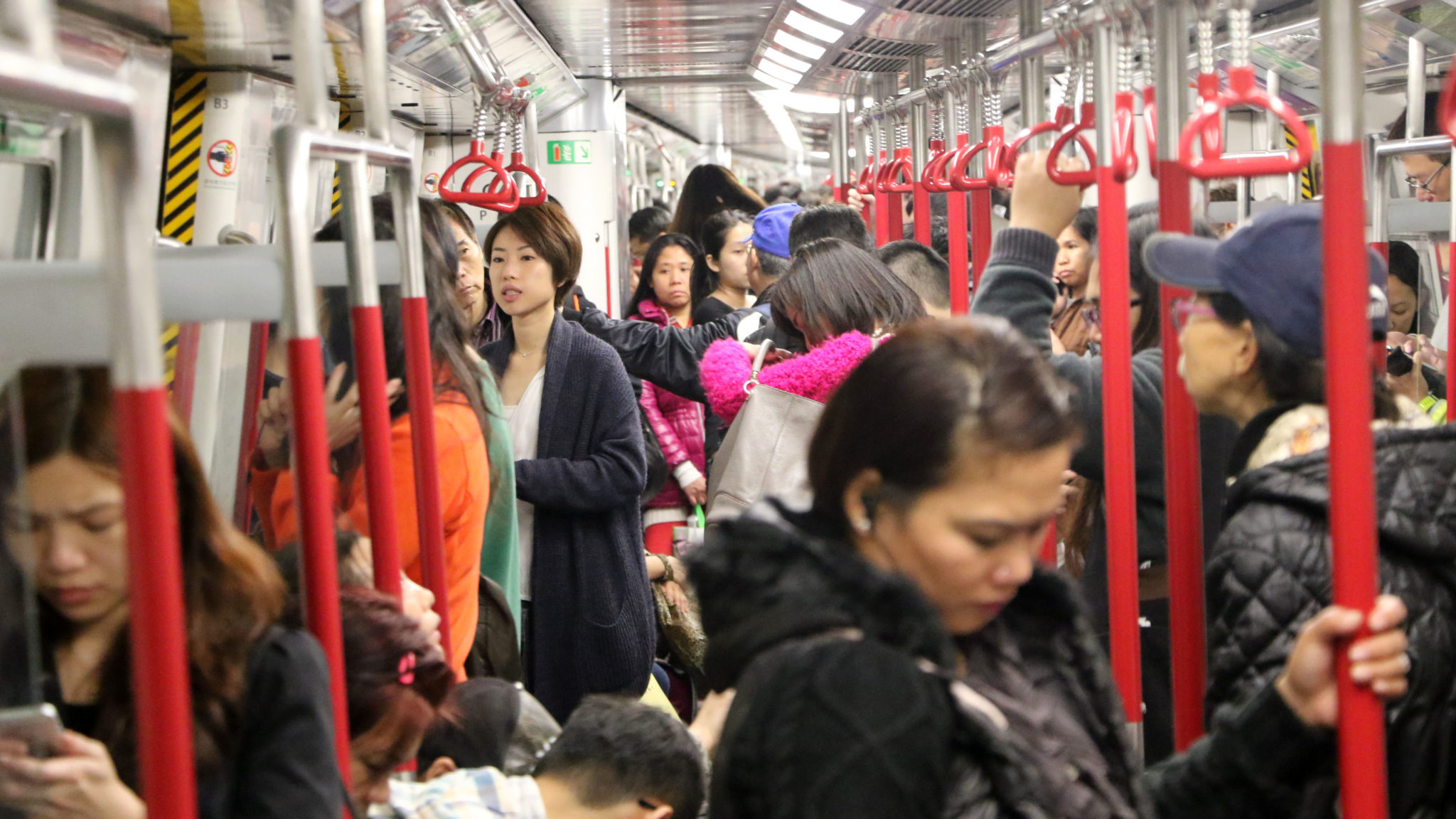
    Those two months represent the beginning of the real impact of the Covid-19 pandemic which has seen the border with Mainland China effectively closed down and starving the territory’s retailers of traditional sales to inbound tourists.

    A government spokesman said that April’s decline, while narrower than that of March, was still “huge”.

    “While the epidemic has abated in Hong Kong, the business environment for retail trade remains challenging, as Covid-19 has brought inbound tourism to a standstill, and as austere labor market conditions and various uncertainties continue to weigh on consumer sentiment.”

    Retailers received little relief in May as when local social-distancing measures were relaxed, social unrest recommenced, leading to stores being shut in the popular Causeway Bay district, with some, including I.T Group-owned premises, vandalized. Retail sales in Hong Kong are unlikely to show any lasting recovery until much later this year when the border reopens and international travel resumes.

    Broken down by category, the April data made for grim reading. Watches, clocks and jewelry sales were down a massive 76.6 percent on April last year. Apparel sales slumped 63.6 percent, cosmetics and medicines were down 62.9 percent and footwear and accessories fell by 55.6 percent.

    Optical shop sales fell by 43.2 percent, sales of books, stationery and newspapers fell by 39.9 percent, of Chinese drugs and herbs by 35.3 percent and of electrical goods and electronics by 21.7 percent.

    Department-store sales were down by 18 percent, and of food, liquor and tobacco by 14 percent.

    Just two categories posted growth: supermarket sales up by 14.4 percent and furniture and fittings by 1.6 percent.
  • Hong Kong protests against I.T Group

    Hong Kong protests against I.T Group

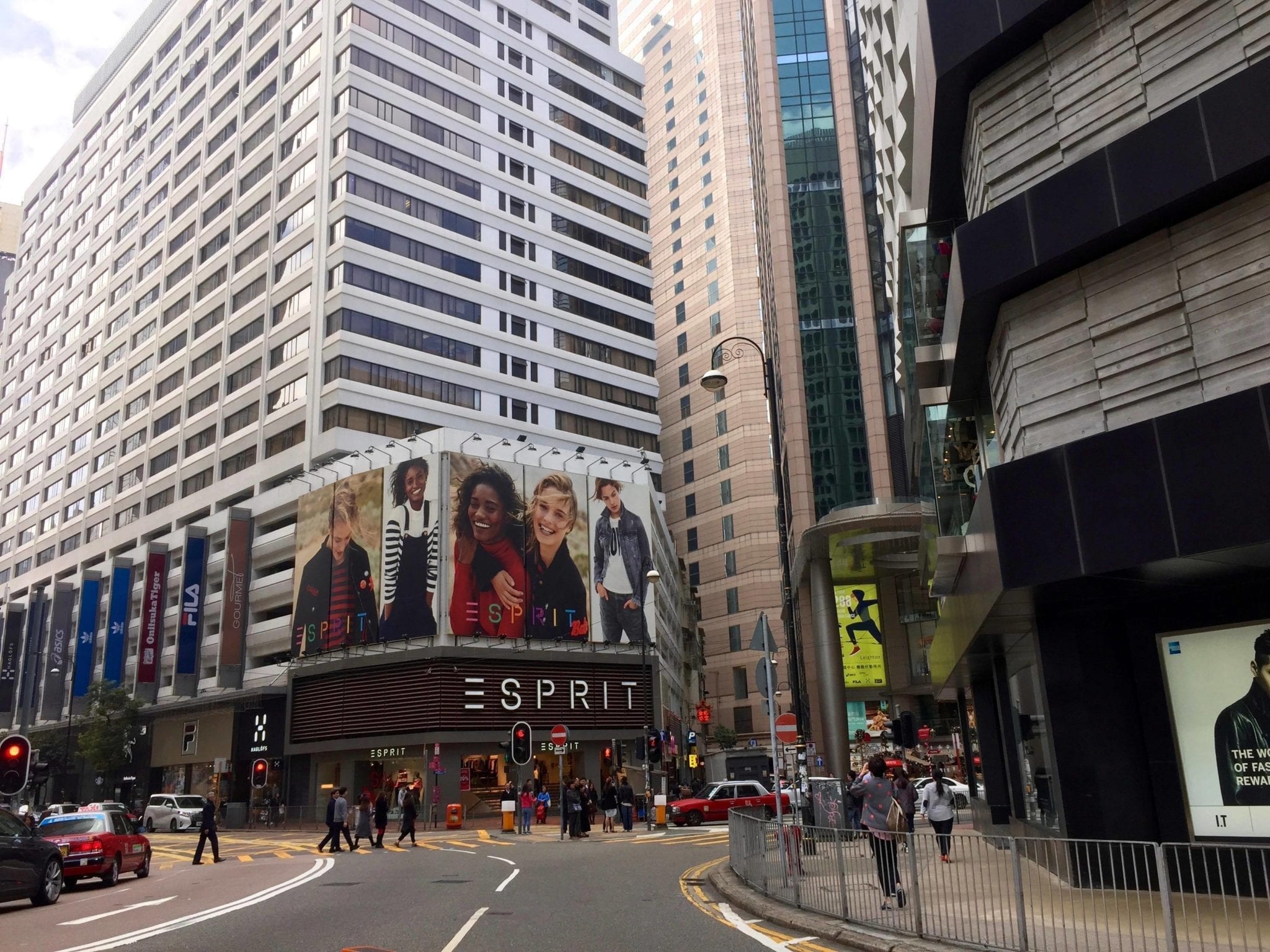
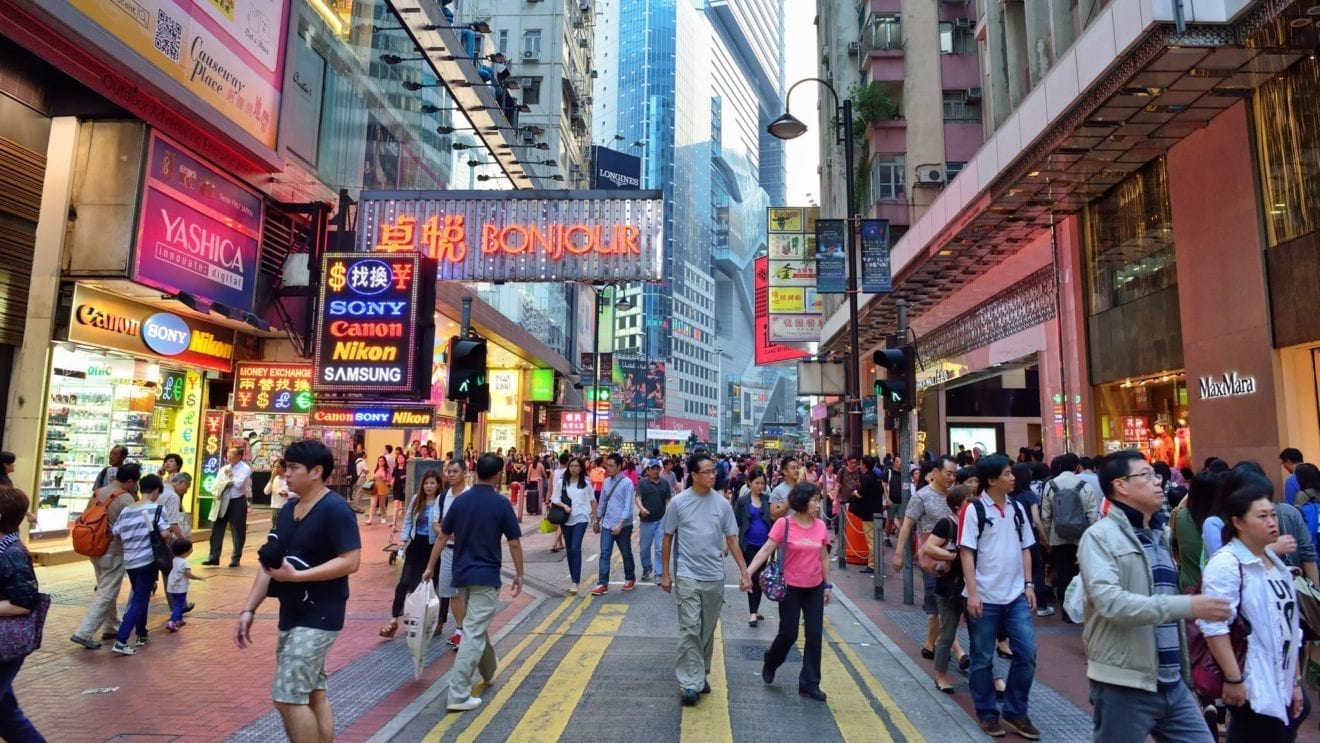
    Hong Kong’s Causeway Bay was yesterday the center of the largest and most disruptive protest activity since the outbreak of Covid-19, forcing stores to close and shoppers seeking shelter from tear gas.

    And they revealed a new target: Hong Kong-listed apparel retailer I.T Group and its founder Sham Kar Wai.

    Angered by moves in Beijing to impose new national security laws on the territory, thousands of protesters took to the streets yesterday, ignoring social-distancing practices and unconcerned that the gathering had not been authorized by police.

    About 180 people were arrested after police fired tear gas and pepper spray and used one of its water cannons to shower groups gathered on Hennessy Road and surrounding streets.

    I.T Group’s A Bathing Ape store on Lee Garden Road had all of its feature windows smashed, with piles of glass fragments covering the footpath.

    Around the corner, its Commes de Garcons store received similar treatment. As during last year’s protests when retailers perceived to be pro-Beijing had stores targeted, nothing was stolen.

    Images of the damaged I.T stores were circulated on Twitter along with explanations why the company is now a target. Sham Kar Wai has been identified by the protest movement as “pro-Blue” after photographs were circulated allegedly showing him attending a police social event.

    “…This has absolutely NOTHING to do w/Comme des Garcon. If anything, I admire Rei Kawakubo A LOT!,” a person identifying themselves as Chloe tweeted, referring to the damaged store. “Her inspiration is often driven by freedom and rebellion. On that note I hope Dover St Market and CDG would stop their partnership with Sham Kar Wai’s I.T.”

    In a long stream, the person also shared internal memos instructing I.T staff to urgently remove stock from shelves from the US brand Awake NY after it posted messages last year supporting protests via tweets on its own channel:

    Meanwhile, across town, live television broadcasts showed several people in restraints being escorted from the Harbour City shopping centre in Kowloon, some by plainclothes police.

  • Hong Kong protests blamed for less tourists

    Hong Kong protests blamed for less tourists

    Ongoing Hong Kong protests have been blamed for a 40-per-cent slump in inbound visitors to the territory in August.

    Given travelers account for about 50 percent of Hong Kong retail turnover, that figure does not bode well for official retail sales figures for the month, due to be released in early October. A predicted double-digit decline now seems inevitable, especially as the luxury sector is hardest hit by a drop in visitors.

    In a weekend blog post translated by Reuters, finance secretary Paul Chan said August’s year-on-year fall of 40 percent followed a more modest decline of 5 percent in July.

    He said hotel occupancy rates have dropped by as much as half and room rates are down as much as 70 percent as operators battle for a dwindling customer base.

    “The most worrying thing is that it does not seem that the road ahead is easily going to turn any better,” Chan said in his blog, as translated by Reuters.

    Despite chief executive Carrie Lam’s announcement that the much-despised extradition bill was being formally withdrawn (as opposed to suspended), protestors returned to the streets during the weekend. While the majority were peaceful, a small group of radicals smashed up MTR station facilities and lit fires in the heart of the luxury shopping precinct of Central, including one at a station entrance. Those images are playing across television screens and online worldwide, potentially discouraging visitors from traveling to Hong Kong.

    Chan said the Hong Kong protests have severely damaged the territory’s image as a safe international city.

  • Hong Kong protests affect Richemont sales

    Hong Kong protests affect Richemont sales

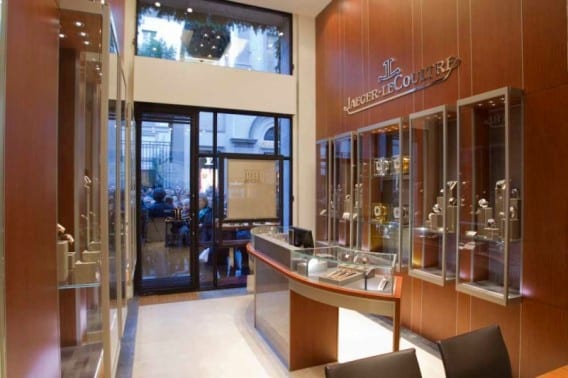
    Protests in Hong Kong have likely contributed to an unexpected drop in revenues for Richemont sales in a key luxury market.

    The Cartier timepiece brand owner saw a 2-per-cent drop in sales in the last quarter and experienced a 3.9-per-cent fall in its stock price.

    The effect has not been across the board within the luxury sector: competitors Burberry and Swatch announced positive results for the period, although Swatch did also note the impact on sales following the highly publicized protests.

    Part of the difference in results lies in a recent inventory glut for Richemont over the past two-to-three years, compelling the firm to buy back unsold products from the market. According to the firm, the measured distribution tactics are intended to make its products scarcer, and that its new watches will be released in the next quarter.

    Shipments of Swiss watches to Hong Kong dropped 27 percent in June, averaging 6.6 percent for the first half. The decline corresponds with a general drop in Swiss watch exports, which fell 11 percent in June, partially set off by a boom in the mainland Chinese luxury industry, shifting sales away from Hong Kong where margins are typically higher due to lower taxes.

    Boosted sales on the mainland did help Richemont post a 9-per-cent rise in comparable revenue for the quarter to June 30, offsetting the effect of the Hong Kong protests.

  • Hong Kong protests may drive retail-sales slump

    Hong Kong protests may drive retail-sales slump

    The ongoing Hong Kong protests are eroding the sales of the territory’s retailers according to the HKRMA.

    “Depending on the performance of different retail categories, most member companies said the turnover in the first week of June recorded an average [decline] of double digits,” said the Hong Kong Retail Management Association in a statement we have translated from Chinese.

    “Activities are spreading across districts, and members expect business to be greatly affected,” said the HKRMA, noting that July and August mark the traditional summer-holiday sales season, but recent large-scale demonstrations, including one in a Sha Tin shopping mall last Sunday, may deter manilanders from visiting the city.

    “Large-scale parade activities have caused individual stores to suspend business. Not only are the retail companies under pressure, so is the income of store employees.”

    The HKRMA said the industry is worried that the ongoing protests will impact on Hong Kong’s reputation as a safe city, a food capital, and a great place to shop.

    “These large-scale parades have an impact on the life of the people and the business environment. If the situation persists, the association anticipates an annual decline of retail sales in the double digits.

    “The association appeals to the government to solve the problem peacefully at an early date and bring social order back on track.”

    The HKRMA called on employers and employees to maintain close communication during Hong Kong protests.

    “In the face of special circumstances, employee safety should be the most important consideration.