Tag: PTT

  • Cafe Amazon Drives Record-breaking Quarter For Thailand’s Ptt Oil And Retail Business

    Cafe Amazon Drives Record-breaking Quarter For Thailand’s Ptt Oil And Retail Business

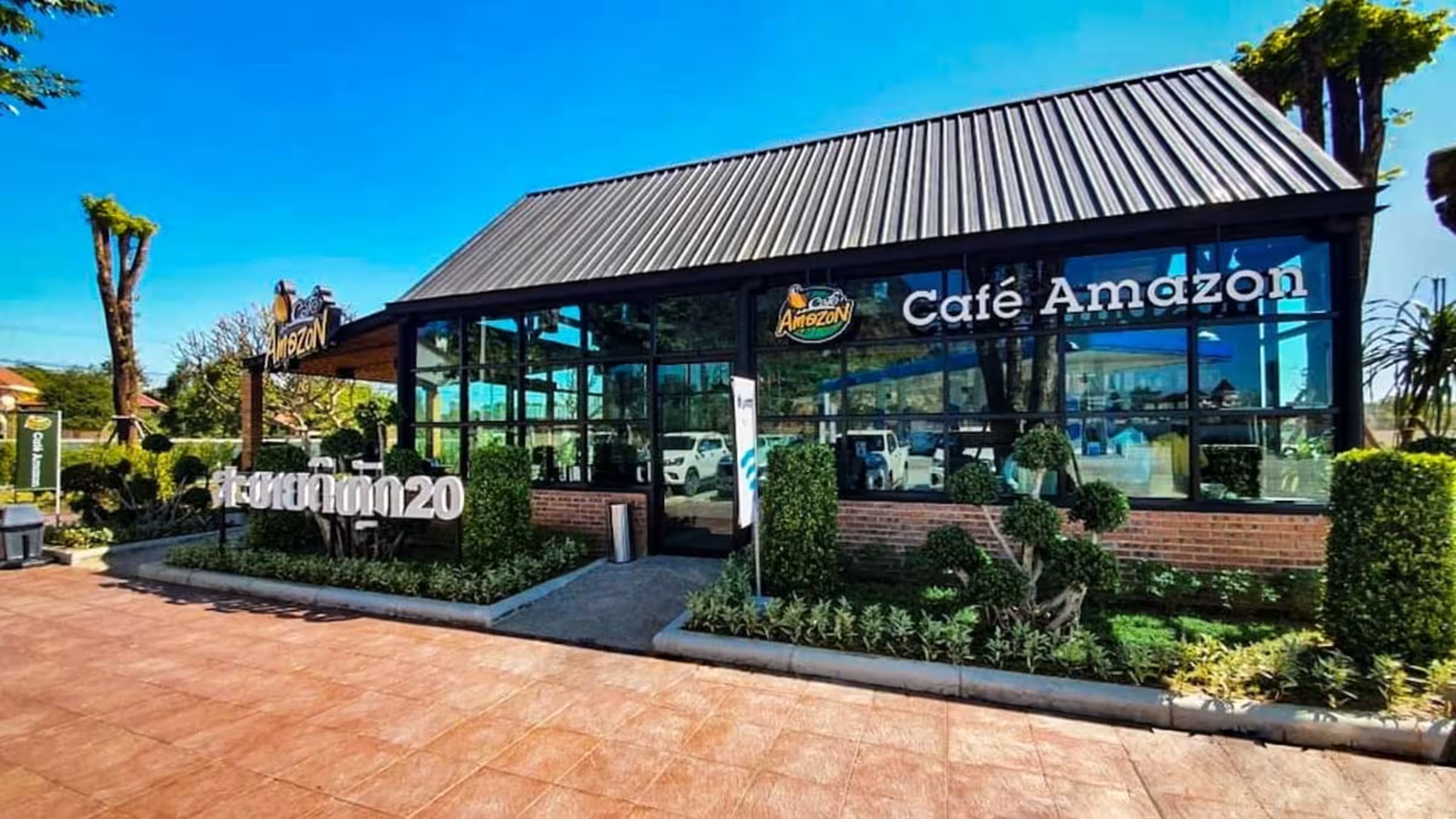
    PTT Oil and Retail Business (OR), the lifestyle and retail subsidiary of Thailand’s PTT Group, has announced a record-breaking financial performance for the first quarter of this year. This success is largely attributable to its leading brand Cafe Amazon, which experienced a period of significant expansion throughout Southeast Asia.

    Noteworthy Performance

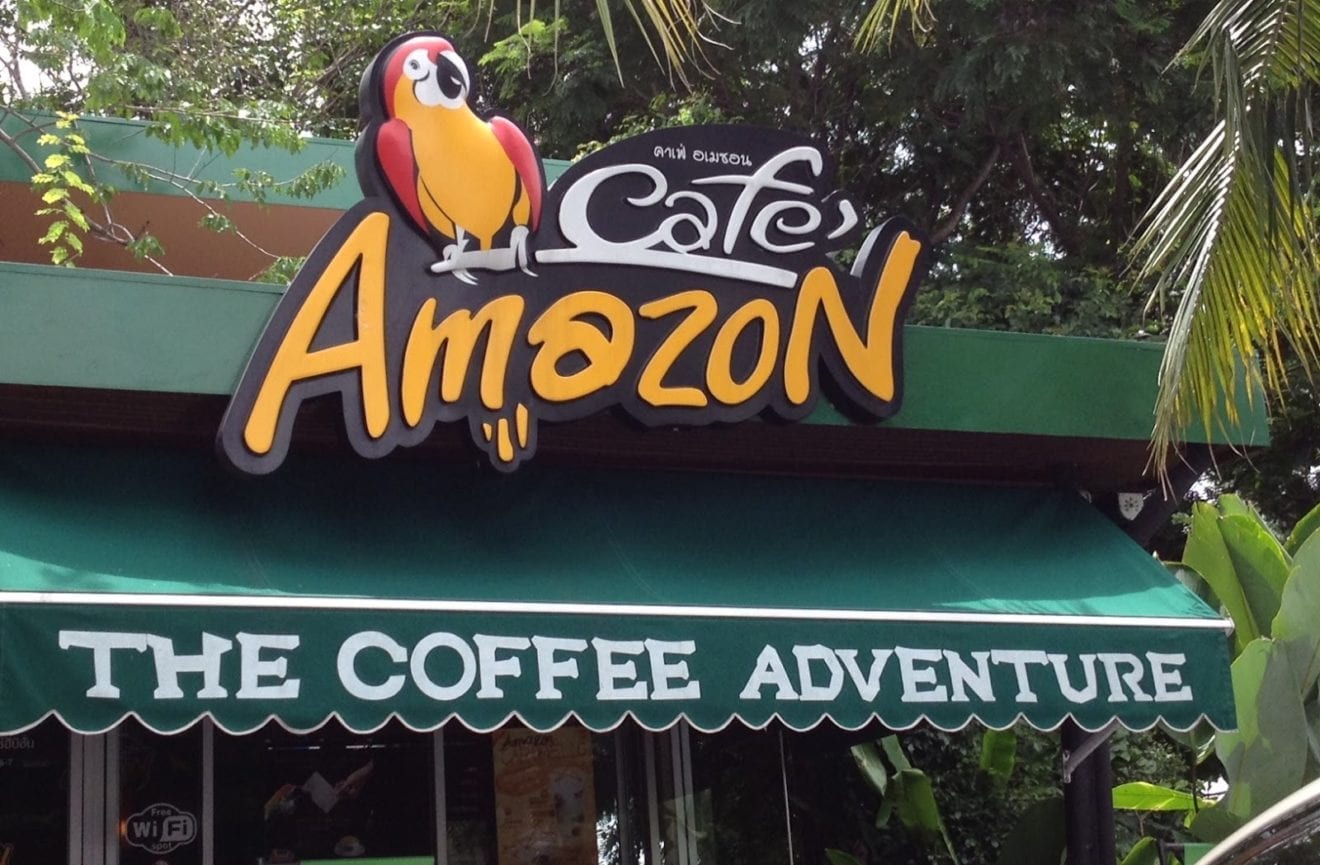
    Cafe Amazon sold over 112 million cups of coffee during the first quarter, emphasizing the strength of the brand. With 391 stores now in operation outside of Thailand, the cafe chain has become a key driver of OR’s earnings growth. The company’s total revenue hit an impressive US$5.6 billion, with net profits increasing by 46 per cent from the last quarter to approximately $134 million. This represents a 17.6 per cent growth year-on-year.

    ML Peekthong Thongyai, CEO of OR, credited the robust performance to the resilience of the business model. “Our strong performance this quarter underscores our long-term strategic direction. We are expanding with a clear purpose, delivering value for individuals, contributing to community prosperity and demonstrating our commitment to environmental responsibility.”

    Global Expansion

    Cafe Amazon’s reach extends to nine markets. These include Cambodia, Laos, Vietnam, the Philippines, Malaysia, Oman, Saudi Arabia, Bahrain, and Japan.

    The cafe chain is part of OR’s wider Global Business segment. This segment reported a 30.8 per cent year-on-year increase in sales volume together with an 81.5 per cent rise in EBITDA.

    Peekthong reiterated the company’s mission beyond monetary profit. “We’re not just about selling fuel or coffee. Our goal is to build platforms that strengthen local economies, encourage entrepreneurship, and facilitate long-term, sustainable growth.”

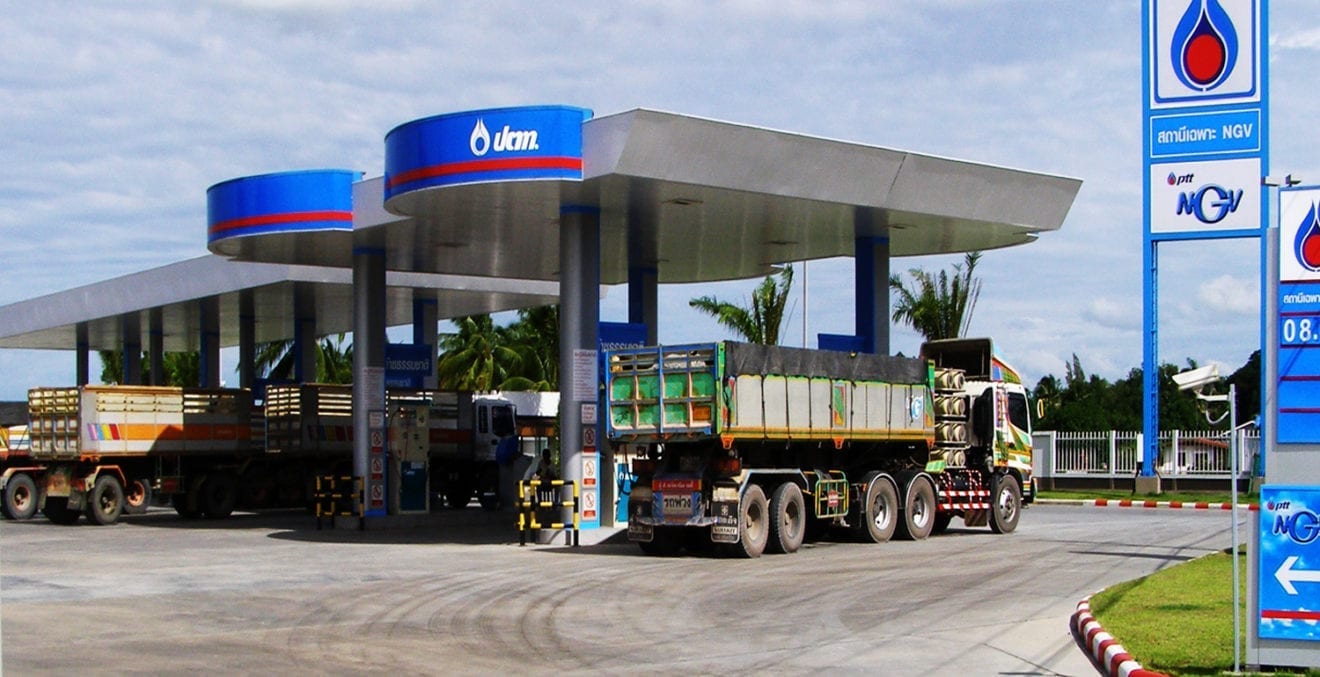
    OR oversees 415 PTT Stations and 391 Cafe Amazon outlets across Asia and the Middle East.

    Questions & Answers

    What factors contributed to OR’s record-breaking financial performance?
    The company attributes its success to the significant expansion of Cafe Amazon, which sold over 112 million cups of coffee in the first quarter.

    What markets does Cafe Amazon currently operate in?
    The cafe chain operates in nine markets, including Cambodia, Laos, Vietnam, the Philippines, Malaysia, Oman, Saudi Arabia, Bahrain, and Japan.

    What is OR’s greater mission beyond selling products?
    OR aims to build platforms that strengthen local economies, promote entrepreneurship, and facilitate sustainable, long-term growth.
  • Foxconn Invests $36 Million In EV Partnership With Gigasolar

    Foxconn Invests $36 Million In EV Partnership With Gigasolar

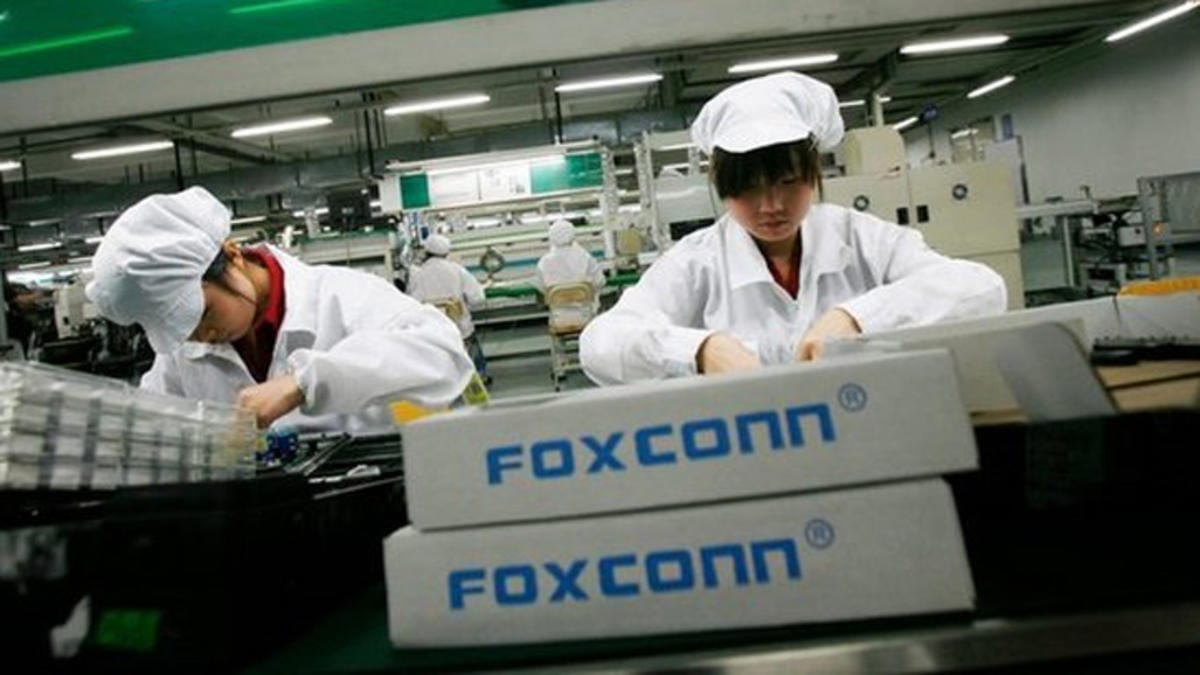
    Taiwan’s Foxconn said a subsidiary has invested T$995.2 million ($36 million) in Gigasolar Materials Corp to develop electric vehicle (EV) battery materials.

    Foxconn, Apple’s main iPhone maker, said the investment via a private placement through a Taiwan-based subsidiary will make it the second-largest shareholder in Gigasolar, known for manufacturing solar cell materials.

    The two companies will jointly develop materials for electric cars, Foxconn said in a statement on Tuesday.

    Foxconn has identified electric vehicles as a key new business and has struck several deals with companies, including Italian carmaker Stellantis and Thailand’s state-run energy group PTT.

    The Taiwanese company aims to provide components or services to 10% of the world’s electric cars by 2025 to 2027, Foxconn chairman Liu Young-way said in October, vowing to lower manufacturing and other costs with its assembling know-how as the world’s largest contract electronics manufacturer.

  • Thai fuel player bets US$1.5 billion on coffee

    Thai fuel player bets US$1.5 billion on coffee

    The head of Thailand’s biggest gas station network has US$1.5 billion that says motorists will soon be stocking up on a different kind of fuel – coffee.

    That’s the bet that Jiraporn Kaosawad, Chief Executive of PTT Oil and Retail Business (PTTOR), is placing on rolling out thousands of coffee shops at home and abroad, along with other non-oil businesses, as global auto and fuel players gear up for a near future dominated by electric car growth.

    A month on from Thailand’s biggest initial public offering of the year, Jiraporn’s plans for the Cafe Amazon business – already the no.1 Thai coffee shop chain – present PTTOR’s take on the task facing oil majors from BP to Total: how to maximise profit from fuel networks as drivers of the near future wait for their electrics cars to be charged up.

    These strategies are dependent on mass-scale take-up of electric vehicles (EV), now being promoted by governments and international organisations as one key to capping and ultimately reducing the emissions that stoke climate change.

    “Our investments and partnerships have to build on the company’s strength, and align with consumer demand,” Jiraporn told Reuters in a recent interview. “Charging EVs takes about 20 minutes, while you wait you can have a meal, buy things in the service station.”

    PTTOR’s network now stands at 2,000 gas stations across Thailand: it plans to add another 500 by 2025, and to rapidly ramp up the number that are equipped with EV charging points, to 300 by 2022 from just 30 currently. That surge will come as the Thai government seeks to implement plans to have 1.05 million EVs on the road by 2025, up from current levels of about 200,000.

    To be sure, PTTOR’s expansion plans beyond oil require heavy investment, with oil business still accounting for 90% of its revenue. Some point out that its dominance within Thailand won’t do anything per se to further its international ambitions.

    “The retail business has had a competitive advantage in Thailand,” said Maybank Kim Eng analyst, Kaushal Ladha. “This advantage of course will be significantly reduced if it goes to international markets.”

    Still, PTTOR has deep pockets and strong backing. State-owned energy giant PTT Pcl retains a 75% stake in the company after it raised $1.8 billion in its listing last month.

    Jiraporn said PTTOR’s plan to invest 74 billion baht ($2.39 billion) over five years to expand will be heavily skewed toward non-oil operations, which last year carried an operating profit margin of nearly 20%, compared to a skinny 1%-2% for oil sales.

    “The investment will be heavily used in the first two years,” she said, with 65% allocated to its non-oil business, overseas expansion, and new ventures, while 35% would be for oil.

    Though not alone, coffee is PTTOR’s best-known product line outside oil.

    Cafe Amazon started out in 2002 as outlets offering coffee, cookies and other goods for motorists at gas stations, before expanding into a 3,000-store Starbucks-like chain, including shopping mall and standalone outlets. PTTOR’s goal is to expand that to 5,200 in the next five years, Jiraporn said.

    Abroad, it operates a store in Singapore’s Jewel Changi Airport as it seeks insights into adapting business for international customers. It also counts branches in Cambodia, Japan, Oman, Vietnam and China.

    PTTOR’s investments beyond coffee include 500 million baht for a 20% stake in an organic food restaurant, Ohkajhu, and it has announced a partnership for cloud kitchens – spaces where restaurateurs cook meals solely for delivery – with a food delivery platform Line Man Wongnai.

    For investors, though, the main point of interest and appeal in the PTTOR model, remains the retail network of stations that can provide more than gas.

    “The attraction is the station, not the oil,” said prominent Thai investor Niwes Hemvachiravarakorn, who doesn’t own shares in PTTOR.

    “The gas stations have become a centre for travellers and through this they can add products and services continuously to expand business – use the real estate to sell fried chicken.”

  • Thai oil company PTT joins race for Tesco

    Thai oil company PTT joins race for Tesco

    Thai oil company PTT is said to be preparing to make a bid for the Tesco Asia businesses in Malaysia and Thailand.

    The firm’s retail unit, which also owns the rapidly growing Cafe Amazon chain, will join local retailer Central Group and conglomerate Charoen Pokphand in first-round bids.

    At the beginning of this month, Bloomberg sources were tipping the Tesco Asia business could fetch as much as US$7 billion. But this week, Reuters sources are estimating the deal to be worth as much as US$9 billion. If one of the Thai suitors is successful, the deal could potentially be the second-largest acquisition ever by a Thai company.

    Tesco currently operates about 2000 outlets in Thailand, and another 74 in Malaysia in a local partnership with Sime Darby Group.

    Tesco announced in December it was reviewing the future of the business after receiving expressions of interest. As Inside Retail Asia reported earlier this month, Thai billionaire Dhanin Chearavanont, who owns the Charoen Pokphand Group, and the Chirathivat family-controlled Central Group are among a group of potential investors in discussions with Tesco.

    Meanwhile, Reuters has reported that Thailand’s Office of Trade Competition Commission has issued a rare warning under the country’s anti-monopoly laws, saying it will closely monitor any deal.

    Thai oil company PTT is actively pursuing business expansion outside its core fuel-retailing business. The company is rolling out Amazon Cafe outlets across Southeast Asia, with the latest markets including Singapore and Vietnam.

    In late 2018, the company said it planned to open 20,000 cafes globally, nearly 10 times its then the network of 2300 outlets in Thailand, the Philippines, Laos, Cambodia, Myanmar, and Japan.

  • PTT Philippines to open more Cafe Amazon outlets

    PTT Philippines to open more Cafe Amazon outlets

    Thai gas-stations operator PTT plans to open up to 20 new Cafe Amazon outlets across the Philippines next year, as part of the company’s non-oil expansion plans.

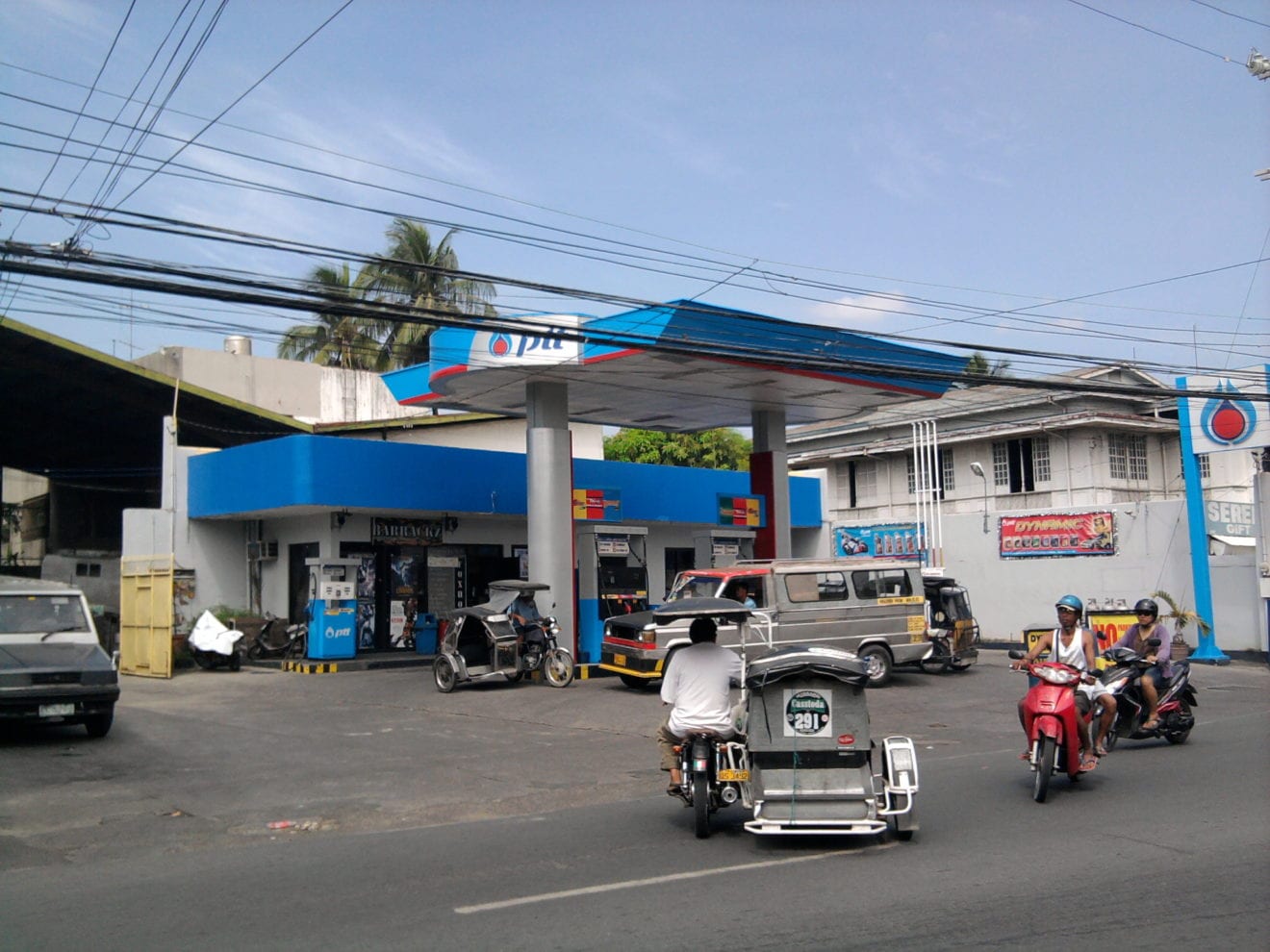
    PTT Philippines President and CEO Thitiroj Rergsumran said the company is allotting 80 million pesos (US$1.6 million) to expand the Cafe Amazon network, which currently stands at about 15.

    Rergsumran said the expansion is driven by the country’s vibrant economy and the strong reception it receives from customers.

    “We expect to duplicate our target next year, so you could expect us to be more visible in various areas in the Philippines especially in the provinces,” he said.

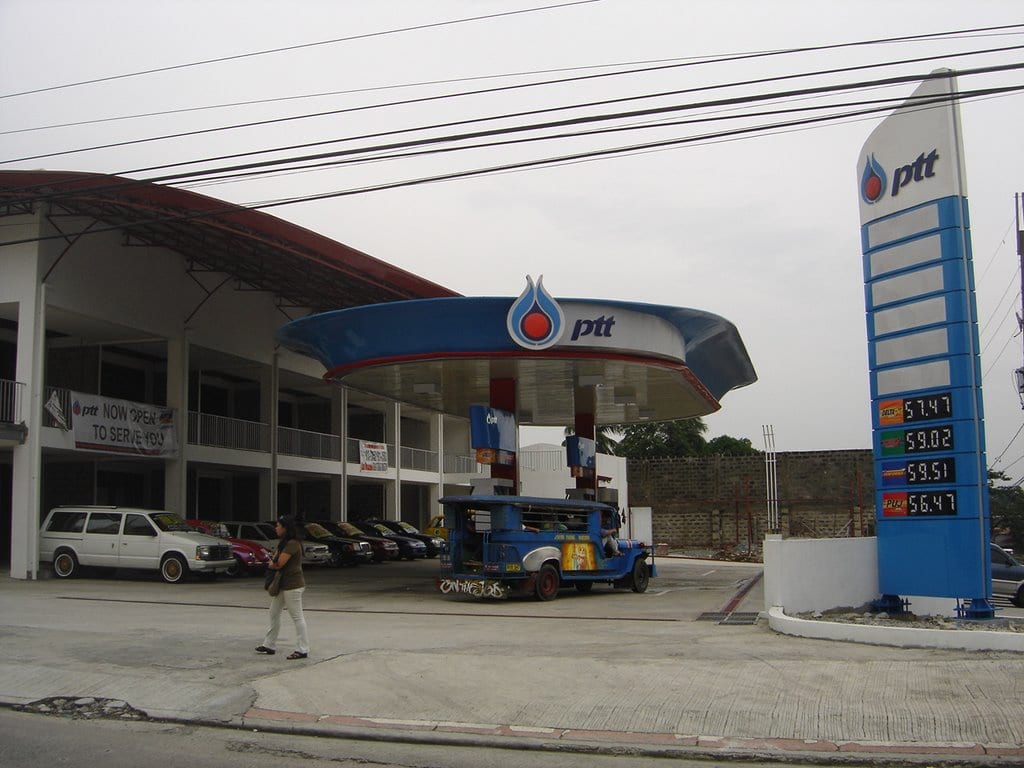
    PTT also plans to open 40 new gas stations next year, in addition to its existing 170.

    A subsidiary of Thailand-based PTT Oil and Retail Business, PTT Philippines has been operating for 20 years. It introduced Cafe Amazon into the country in 2016.

    In Thailand, there are more than 2500 Cafe Amazon outlets trading, along with more than 200 abroad, including in Cambodia, Laos, Japan, Myanmar, Oman, Singapore, China and the Philippines.

  • Cafe Amazon preparing Coffee Shop concept to challenge Starbucks

    Cafe Amazon preparing Coffee Shop concept to challenge Starbucks

    Thai oil company PTT plans to spin off its Cafe Amazon division and build a coffee chain it says will one day rival Starbucks. The company says it will open 20,000 cafes globally, nearly 10 times the current network of 2300 outlets in Thailand, the Philippines, Laos, Cambodia, Myanmar and Japan.

    PTT will invest US$1.3 billion in the Cafe Amazon brand over the next five years to develop the franchise business.

    “We aim to build the Cafe Amazon into a top 10 global brand over the next five years,” said PTT Oil and Retail CEO Jiraporn Khaosawas.

    The move signals PTT’s turn towards the retail business at a time when it stands poised to be floated next year, initially into China and the Middle East via franchise partnerships.

    PTT announced plans earlier this year to sell off half of its retail holdings, which generate 20 per cent of the group’s profits, including takings of THB10 billion (US$303 million) from Cafe Amazon last year. The firm has declined to reveal how much it expects to raise in the floatation, although experts have valued the firm’s retail unit at roughly THB120 billion ($3.6 billion).

    PTT’s executive VP for the retail oil business Suchat Ramarch said: “We will not only expand Cafe Amazon, but we will also expand our petrol stations and our lube oil retail business. However, Cafe Amazon will be the highlight, with strong potential to grow.”

    Informed estimates suggest it would cost about THB2.3 million ($70,000) to open a Cafe Amazon shop in a PTT gas station, and from $100,000 to $300,000 for a stand-alone outlet.

  • China Telecom enters Philippines third telco fray

    China Telecom enters Philippines third telco fray

    China Telecom and Telekom Austria’s Mobiltel have become the latest companies to purchase bid documents for the selection process for the Philippines’ third telco player.

    The operators purchased bid documents from regulator NTC on Saturday.

    The two overseas companies have joined six others, including Norway-based Telenor and fixed line operator Philippine Telegraph and Telephone (PT&T), in purchasing the application documents for the beauty contest style section process.

    China Telecom was approached by Philippines president Rodrigo Duterte last yearwith the opportunity of being awarded the third telco license, before the government elected to hold the selection process instead.

    Any overseas entity winning the third telco license will need to establish a joint venture with local companies in order to comply with the Philippines’ restrictions on foreign ownership in telecoms infrastructure.

    Meanwhile local company NOW Telecom, which has been vying to become the market’s third telco and has been fighting a legal battle to disrupt the selection process, has had its application for a temporary restraining order against the selection process rejected by a Manila court.

    The court reportedly found no basis for the restraining order on the grounds that NOW’s case does not meet the requirements such as a clear right to be protected, or an urgent need for an injunction due to the risk of irreparable injury.

    Bidders will have until early November to submit their bids for the selection process, which will be judged on criteria including guaranteed investment and rollout commitments.

  • Cafe Amazon makes debut in Middle Eastern

    Cafe Amazon makes debut in Middle Eastern

    The launch of the Cafe Amazon Muscat store, in partnership with Oman Oil Marketing, will help PTT to study local market preferences for coffee, food, decor and atmosphere before making expansion plans.

    PTT currently operates 2557 branches of Cafe Amazon, most of them located in Thailand and run out of petrol stations.

    The brand has been subject to considerable expansion over the past four years in business, and now has a presence in Japan, Myanmar, Laos, Cambodia and the Philippines, as well as the new Cafe Amazon Muscat. Plans are underway to launch in Mainland China later this year.

    PTT is aiming to reach 4000 outlets by 2023, with branches in 14 countries.

  • PTT plans to double retail fuel margins

    PTT plans to double retail fuel margins

    PTT, the national oil and gas conglomerate, plans to double profit margin from fuel retailing business to 30% of total sales by 2022, says Auttapol Rerkpiboon, chief of operations for downstream petroleum business.

    To achieve the goal, the company has set aside a capital spending budget next year of 12.17 billion baht, with another 10 billion for each year until 2022 to expand its oil and non-oil businesses.

    Mr Auttapol said the executive board approved the increased spending last week.

    The board also gave the go-ahead to an increase in the number of petrol stations to 1,800 nationwide next year and to 2,560 by 2022. The company has 1,400 petrol stations now.

    “Competition in the retail fuel business should be fierce,” Mr Auttapol said.

    PTT hopes the spending plan will allow it to maintain its position as the top fuel retailer with a 41% market share.

    The company plans to focus on diesel consumers next year by adding two new diesel stations for trucks.

    Diesel consumers are expected to drop over the next several years because of rival projects from competitors, Mr Auttapol said.

    The focus on petrol should help offset a dip in gas sales, Mr Auttapol said. Natural gas demand is expected to drop substantially after the removal of universal government subsidies this year, making prices uncompetitive against other fuels.

    The capital spending plan calls for PTT to expand the number of Amazon Coffee Shops to 2,300 next year, up from 2,000. The shop total is expected to rise to 4,000 in 2022, Mr Auttapol said.

    Another expansion on the non-oil front will be new food and drink retailers at PTT petrol stations. Next year, PTT expects to have an additional four food franchise brands at its stations.

    Mr Auttapol said PTT is about to finalise a plan to develop budget hotels adjacent to its fuelling stations and could announce a partner for the project soon.

    He said PTT plans to expand its petrol station network in other Asean countries from 225 stations to 295 next year and to 600 by 2022.

    For lubricants, PTT also plans to increase the sale of lube products next year, particularly in overseas markets such as China, where demand for lube remains high.

    PTT expects sales of lube product in China to rise to 400 million litres by 2022, up from roughly 200 million litres this year.

    Mr Auttapol said PTT expects fuel demand next year to grow by 2-3%, which is close to growth seen this year, an assumption based on domestic economic growth of 3-4%.

    The company’s PTT Oil and Retail Co is expected to be fully spun off in 2018, he said.

    PTT Oil and Retail Co aims for a listing on the Stock Exchange of Thailand in 2019.

    PTT shares closed yesterday on the SET at 448 baht, up two baht, in heavy trade worth 1.96 billion baht.

  • PTT earmarks P500 million for coffee-fuel expansion mix

    PTT earmarks P500 million for coffee-fuel expansion mix

    PTT Philippines expects to spend PHP500 million (US$9.9 million) on beefing up its retail network, including a foray into the Japanese market.

    President/CEO Sukanya Seriyothin says that while the bulk of the expansion for the Thai oil and gas giant PTT subsidiary will be gasoline stations, it includes about 12 Cafe Amazon outlets, mainly in Luzon.

    Following its diversification into the coffee business, PTT has started investing in the Philippines to complement its more than 1850 stores in Thailand and other parts of Asia, including one in Japan, says the company.

    With a “notable landscape change” in its investment plan, the company aims to open 100 cafes in the near term, with six to be up and running by year end.

  • PTT Philippines to supply Cebu Pacific’s jet fuel for 2017

    PTT Philippines to supply Cebu Pacific’s jet fuel for 2017

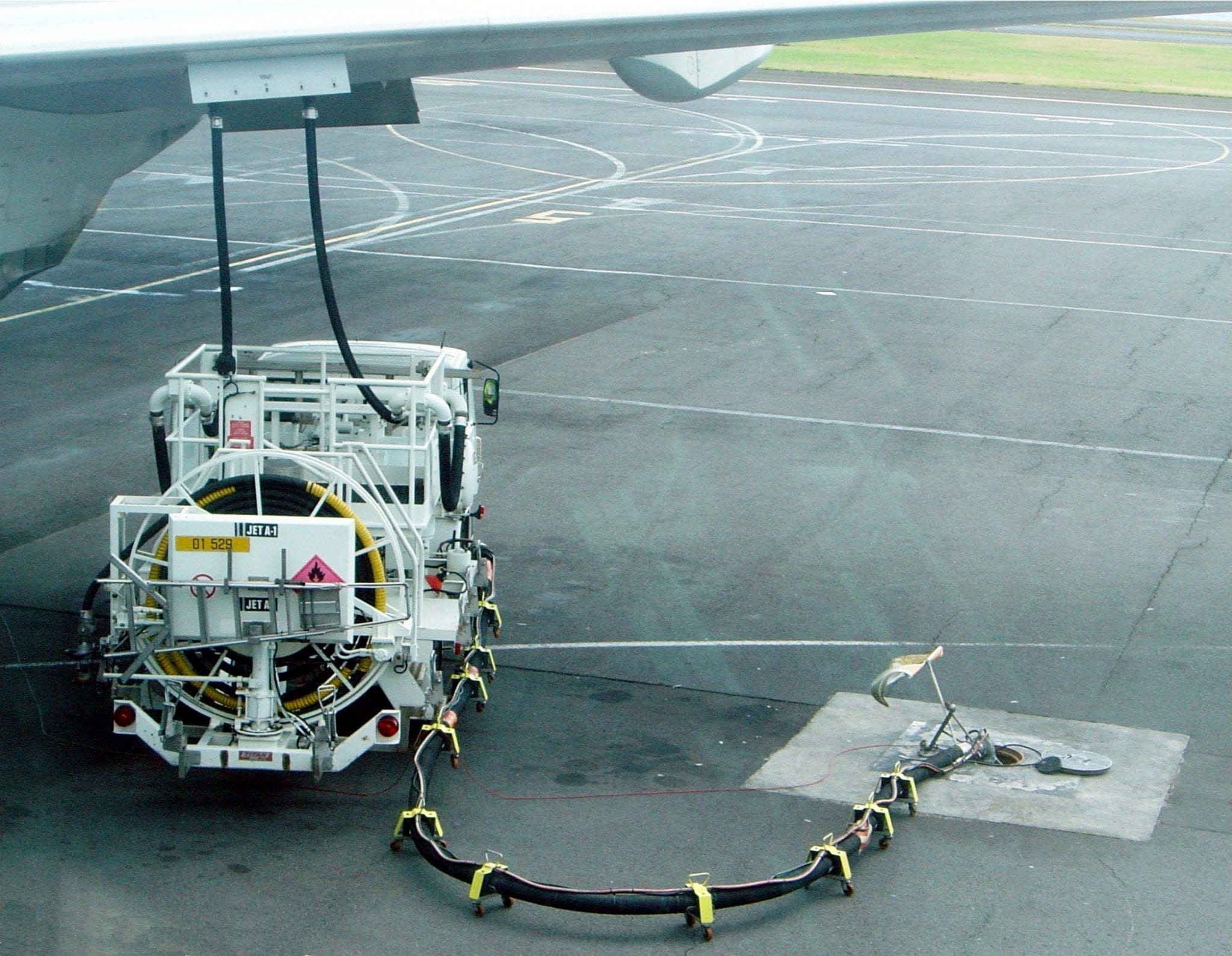
    PTT Philippines has renewed its deal to supply the bulk of Cebu Pacific airline’s fuel requirements this year. The local unit of the Thailand petroleum company will supply 1, 680,000 US barrel (267 million liters) of aviation fuel to Cebu Pacific for 2017.

    “We are always grateful to have partnered with Cebu Air. Our partnership has been growing stronger that is anchored on trust, loyalty, and commitment to providing the best and quality products and services that we could afford them,” PTT Philippines president and CEO Sukanya Seriyothin said.

    Seriyothin and Cebu Pacific president and CEO Lance Gokongwei recently signed the fuel supply contract for 2017.

    PTT Philippines has been supplying Cebu Pac’s jet fuel for over 10 years, and currently accounts for most of the airline’s total jet fuel requirements, particularly flights at the Ninoy Aquino International Airport, the Diosdado Macapagal Airport in Clark, and its Visayas routes.

    The local unit recently hiked its five-year investment plan to P5 billion for the expansion of its retail network to 300 and the Amazon Café brand from 2017 to 2021.

    The Thailand-based oil firm has been in the country for 20 years and is into retail with over 100 service stations across Luzon and Cebu. Its wholesale business also serves the maritime industry.

  • PTT Philippines rolls out P5-B 5-yr investment plan

    PTT Philippines rolls out P5-B 5-yr investment plan

    Thai firm local subsidiary PTT Philippines rolls out its five-year investment plan commanding capital outlay of P5.0 billion to bulk up on its retail network to 300 stations.

    PTT President Sukanya Seriyothin said “you can expect to see more PTT stations as we have allocated around P5.0 billion for the construction of more stations to reach our target of 300 stations by year 2021.”

    The company will already have 112 stations for its retail portfolio until the end of the year; and to hit its investment target, it will need to work on the 188 stations more in the coming years.

    The Thai firm is targeting to beef up its retail network beyond Luzon – that 20 percent of its planned 20 stations next year will likely be in Visayas. Mindanao is similarly part of the goal for new ventures, but company officials qualified this is still under serious study.

    “Our expansion in the Philippines, particularly our retail, is in full swing… we now have 105 service stations in Luzon and in Cebu in the Visayas. This month, seven more stations are scheduled to open, and therefore, our total service stations operating will be 112 by end of this year,” the PTT chief executive added.

    The investment proposition will be a combination of mega or large-scale and compact stations. For the second one, the pilot venture is already firmed up for  location in Urdaneta City in Pangasinan.

    A good bit of the company’s retail and branding reinforcement would be the integration of “Café Amazon” being a vital element of non-fuel service to patrons of their gasoline stations.

    “Part of the budget will also be allocated for new Café Amazon and we are targeting 60 branches by that time,” Seriyothin said.

    The “Café Amazon” is a key feature of major PTT stations in Thailand as well as in the company’s operations in Laos, Myanmar, Cambodia and Japan – and it is a retail business component that the Philippine subsidiary would want to re-introduce here. PTT has already integrated such at its softly opened station at the northbound of the Subic-Clark-Tarlac Expressway.

    Given the boom-and-bust cycle of the oil industry, Seriyothin noted that the non-fuel component of their business would definitely help boost profitability.

    “Our estimated sales volume by end of 2016 is expected to reach more than 1.0 billion liters, 6.0-percent higher than planned,” she said.

    Seriyothin further explained that “the increase in volume is primarily due to higher sales in aviation and retail segments.”

    The oil firm emphasized it is projecting an average annual growth rate of 11-percent in the next five years “with positive growth in all segments.”

    Tags: , , , , , ,

    Related Posts

  • Uncertainty Marks The Year End For Thailand

    Uncertainty Marks The Year End For Thailand

    The non-ceasing political disturbance and reigning uncertainty is dominating every aspect of life in Thailand since the King Bhumibol Adulyadej’s death on October 13. The Crown Prince Maha Vajiralongkorn is supposed to appear for an audition as a heir to the throne after he had been invited to become the next King by the parliament. The deeply divided society, depressed under the rule of the military junta, needs reconciliation.

    The macro view from the long-term perspective for Thailand is rather worrying, notwithstanding the country’s status of oil and gas producer. Its own natural resources are not proving to be large enough to count on to satisfy the growing domestic demand. The oil reserves are on the way to extinction, and the capacities of the robust gas production are not sufficient to compensate for overtaking consumption. Thailand has turned into a net gas importer and faces increasing reliance on oil imports as well.

    The import curve reflects an intermittent character of oil cargo inflows, it remains unclear they are at all affected by the event of the King’s passing followed by the mourning period.

    More than a half the crude shipments are originated in the Middle East, with zero contribution by Iran. Although it is predictable that in not so remote a future the once rogue member of OPEC will find its way to squeeze into the Thai market anyway.

    The state-owned PTT and its refining unit Thai Oil have reported strong 3rd quarter profits, overshadowing the forecasts. Forex gains and favourable refining margins helped to reverse losses suffered in 2015.

    PTT is currently undergoing some restructuring splitting off its retail business unit, which is due to be renamed as PTT Oil and Retail Business Co Ltd (PTTTOR) to be listed eventually on the Stock Exchange of Thailand. The move is aimed to react to shrinking tolerance of fluent markets to inflexibility typical for inert government-controlled institutions.

    In the 1st quarter of 2017, Thai authorities were supposed to open for bids 29 onshore and offshore concessions for gas and oil production. But the first auction since 2007 was postponed again, and will be only completed in 2018. The existing contracts held by Chevron Corp and PTT Exploration and Production are due in 2022 and 2023, respectively.

    Previously, PTT announced plans to sign 15-year contracts with Royal Dutch Shell and BP to secure supplies of liquefied natural gas. The 5 million tons capacity of Map Ta Put LNG import terminal in the Gulf of Thailand will be doubled by March 2017. The current long-term deal with Qatar is ensuring some 2 million tons a year.

    More gas is being pumped in via the ASEAN pipeline from Thai-Malaysia joint offshore development area. This type of cooperation sets an example to follow in a region where territorial disputes have long been the cause of dormancy for many downstream projects.

    However, the Thai authorities will have to lose sleep over the challenging task to pursue the investors’ money. Any wrongdoing might provoke the capital outflow, then it will take a lot of effort to make the country attractive for investment again. To be updated soon.

  • Village for Cafe Amazon’s Japan launch

    Village for Cafe Amazon’s Japan launch

    Rather than a big city, Thai coffee-shop chain Cafe Amazon has chosen a village for its launch into Japan.

    More than 200km from Tokyo, Kawauchi in the Fukushima prefecture has fewer than 2000 residents, and the community is still struggling to recover from the 2011 nuclear disaster.

    Cafe Amazon Japan store

    Kawauchi is about 25km away from the Fukushima Daiichi nuclear power plant, which had meltdowns after the earthquake and tsunami on March 11, 2011. The village was temporarily evacuated, with about 30 per cent of the registered population of 2700 yet to return.

    However, Thai state oil and gas company PTT, which owns the Cafe Amazon chain, believes that starting out in such a location could help to raise brand awareness.

    PTT president/chief executive Kevin Vongvanich, who travelled from Bangkok to attend the Kawauchi shop’s opening ceremony, says the company hopes to open other branches across Japan.

    Cafe Amazon Japan open

    He says one of PTT’s objectives in Kawauchi is to gather consumer feedback. “We have a special coffee designed for the Japanese – a bit lighter than coffee in Thailand. The testing will provide us with information so we can adapt our coffee to suit Japanese tastes.”

    Cafe Amazon is using the same Thai beans it offers in its 1600 domestic outlets. A basic cup of coffee in Kawauchi sells for 250 yen (US$2.30), and the 60-seat shop resembles a wooden house, with customers being asked to leave their shoes at the entrance.

    Japanese building materials maker Codomo Energy, which has a factory in Kawauchi, has the Cafe Amazon franchise for Japan, and the partners plan to open several more branches next year, starting in Osaka.

    For Kawauchi, the cafe represents a rare investment from outside the community. At the opening ceremony, Mayor Yuko Endo said he hoped more outsiders would visit the village because of the cafe.

  • PTT firms up local expansion program

    PTT firms up local expansion program

    PTT Philippines, a unit of PTT Public Co. Ltd. of Thailand, plans to invest P3 billion in the next five years to expand the company’s network here.

    The capital expenditure program includes investments in retail stations, oil depots and terminals in Luzon and Visayas.

    “In the next five years, PTT appropriated P3 billion for expansion plan, for laying down on infra,” general manager Danilo Alabado told reporters.

    PTT Philippines currently has 94 stations and plans to put up a total of 300 by 2020.

    “Right now we have the trading areas in Luzon and Cebu. In order for us to achieve our goal to be one of the top five oil companies in the next five years, we will expand into other trading areas, other islands,” Alabado said.

    He said the company needed the support of a stronger infrastructure network  for its expansion program.

    “We need depot, fuel terminal that could come in in Visayas and Mindanao which we have been looking at,” the official said.

    PTT president and chief executive Sukanya Seriyothin cited a strong growth projected growth in Luzon for the company’s planned expansion.

    “Visayas and Mindanao we still have to further expand. We’re still moving forward in Luzon, but aside from that, we move further in Visayas, Mindanao,” Sukanya said.

    Alabado, meanwhile, said the company performed “fairly well” in 2015 with sales volume likely to increase 5 percent to 6 percent.

    “We are confident we are going to meet our target,” Alabado said, adding revenues may reach P1.1 billion this year.

    “We are looking at 5 to 6 percent growth next year until 2017 because we are going to lay down our infra support for expansion for 2018 going into 2020, we are looking at growth of 60 percent compared to what we had in 2015,” he said.

    PTT Thailand is Thailand’s biggest oil player and ranked number 81 under Fortune 500’s List of world’s largest companies.

    The company, controlled by the Thai government, is engaged in downstream and upstream petroleum, natural gas, coal, and other related businesses.

    PTT Public Co. Ltd. of Thailand, the parent of PTT Philippines, earlier said it planned to increase the revenue share of its overseas retail oil business to 20 percent in the next five years.

    PTT Thailand vice president for international marketing Wisarn Chawalitanon noted that the share of the overseas retail oil business to the company’s revenues was still small.

    PTT Thailand, which owns around 1,200 to 1,300 retail stations in Thailand, is banking on its overseas presence in the Philippines and other countries to help propel the company’s growth.

    Wisarn said the Philippines remained PTT Thailand’s priority market.

    “The Philippines is the biggest operation that we have in other Asean countries. Our revenue in the Philippines is more than 20 billion baht [P26 billion] compared with the other countries which have around 5 billion baht [P6.5 billion]. That’s why we pay attention to the Philippines,” the official said.