Tag: public health

  • Singapore Activates Haze Subsidies as PSI Hits 151

    Singapore Activates Haze Subsidies as PSI Hits 151

    Singapore opened subsidized medical care across polyclinics and participating private clinics on October 12 after transboundary smoke pushed the 24-hour Pollutant Standards Index to 151.

    The Ministry of Health activated both the Public Health Preparedness Clinic scheme and the Haze Subsidy Scheme following a sustained week-on-week rise in hospital emergency admissions for respiratory conditions.

    All Singapore citizens qualify for subsidized consultations and treatments for haze-linked ailments at government polyclinics, including allergic rhinitis, asthma, bronchitis, conjunctivitis, chronic obstructive pulmonary disease, and upper respiratory tract infections.

    How The Subsidy Pricing Structure Works

    Patients visiting participating private general practitioner clinics face tiered co-payments based on concession status. Public Assistance cardholders receive treatment at zero cost.

    Pioneer Generation and Merdeka Generation seniors pay no more than S$5 per visit. Other eligible lower- to middle-income citizens, children under 18, and adults over 65 holding Community Health Assist Scheme cards pay a maximum fee of S$10.

    The government reimburses the remaining service costs directly to participating medical operators. Close to 1,000 of the roughly 1,370 private clinics enrolled in the national preparedness network confirmed participation ahead of the Monday launch.

    Hospital Protocols and Urban Foot Traffic

    Hospitals across the island stepped up baseline containment procedures over the weekend. Staff closed ward windows and corridor openings. They ran indoor mechanical ventilators, spot coolers, and commercial air purification systems.

    A surge in influenza A infections coincided with the jump in pollution. The combined caseload drove higher patient volumes into polyclinic waiting rooms and private neighborhood practices across housing estates.

    Extended smoke haze shifts consumer footfall from open-air street precincts into enclosed, air-conditioned retail centres. Operators in suburban transport hubs absorb heavier retail traffic. Meanwhile, outdoor recreation and alfresco food venues face immediate booking cancellations.

    Comparison With Previous Severe Episodes

    Authorities last activated the full Haze Subsidy Scheme in 2015. Prolonged agricultural fires across regional peatlands blanketed the city-state for weeks during that crisis, pushing pollution readings beyond the 300 hazardous threshold.

    Health Minister Ong Ye Kung confirmed that current inter-monsoon wind patterns and low rainfall suggest the smoke haze will linger over the island for several more weeks. Prevailing wind flows prevent quick atmospheric clearing across southern Malaysia and the Singapore Strait.

    Across the border, air quality data tracked parallel deterioration. Environmental stations in Johor recorded index readings reaching 180 in Pasir Gudang, reflecting widespread exposure across the shared industrial and logistics corridor.

    Air Quality Readings Across the Island

    National Environment Agency monitoring stations registered unhealthy air quality ratings across all five island zones on October 11. Readings between 101 and 200 fall under the agency’s unhealthy classification band.

    Western districts recorded the highest 24-hour index at 151. Central commercial zones followed at 149, while eastern residential neighborhoods stood at 135. Northern and southern coastal sectors both recorded readings of 115.

    Health authorities advised residents with chronic heart or lung ailments to avoid outdoor exertion until daily readings drop below the 100 mark.
  • Thai Cabinet Approves Medical Cannabis Bill with 3-Year Licences

    Thai Cabinet Approves Medical Cannabis Bill with 3-Year Licences

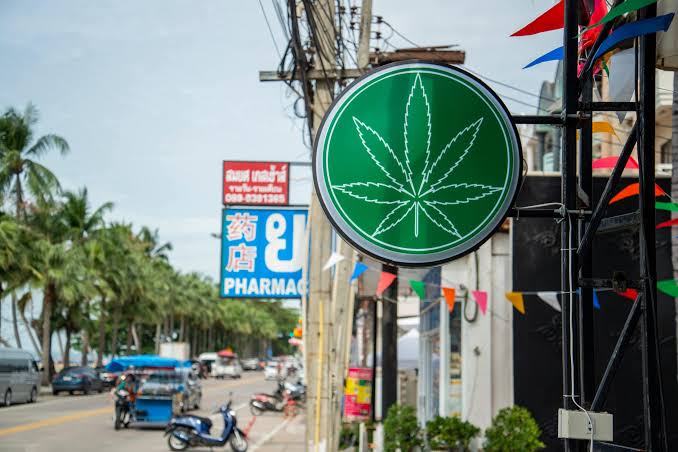
    The cabinet on Tuesday approved a cannabis control bill that will restrict cannabis and its extracts strictly to medical treatment and research.

    Public Health Minister Pattana Promphat said the legislation represents Thailand’s third attempt to plug regulatory loopholes since the country decriminalised cannabis in 2022, aiming to prevent abuse and protect youth.

    Under the draft law, the cultivation, production, import, export and sale of cannabis will require three-year licences issued by the Department of Thai Traditional and Alternative Medicine, a regulatory shift expected to reduce the nation’s 11,000 dispensaries to about 2,000 approved clinics.

    Three-Year Licences and Strict Retail Zones

    Commercial operators face tightly restricted trading boundaries under the new framework. Dispensaries cannot operate near schools, university dormitories, temples, public parks, zoos or amusement parks, and retail transactions to buyers under 20 years old or pregnant women are banned entirely.

    Marketing channels will close as well. The bill outlaws all commercial advertising and promotional campaigns for cannabis buds, resin and consumption paraphernalia, penalising unauthorised commercial operators with criminal fines and prison terms.

    “This is to protect the health of people, especially children and youth, and prevent cannabis abuse,” said Public Health Minister Pattana Promphat.

    Clinic Conversions Squeeze Independent Operators

    For store owners, the shift from retail commerce to medical dispensing creates severe capital hurdles. Transitioning a lifestyle weed shop into a licensed health clinic requires retained medical staff, diagnostic oversight and clinical record-keeping systems that small operators cannot easily fund.

    Landlords in major entertainment districts face an immediate tenant shakeout. Prime commercial corridors in Bangkok, Phuket and Pattaya that filled vacant retail footprints with lifestyle dispensaries after 2022 will see substantial vacancy as uncertified storefronts exit the market.

    Supply Chain Realignment and Wholesale Pressure

    Growers and wholesale distributors must adjust output to pharmaceutical specifications rather than commercial recreational volumes. The requirement for three-year operating licences gives regulators direct control over production quotas and processing standards across local supply chains.

    Institutional healthcare networks stand to gain the market share surrendered by independent retailers. Hospital operators and licensed wellness clinics already possess the compliance infrastructure needed to handle regulated extracts and patient consultations.

    Legislative Route Since Decriminalisation

    The draft represents the third attempt by Thai lawmakers to regulate the sector since the government removed cannabis from the Category 5 narcotics list in June 2022. That move, overseen by current Prime Minister Anutin Charnvirakul during his tenure as health minister, eliminated criminal penalties without establishing statutory retail controls.

    Previous legislative efforts under both the Prayut Chan-o-cha administration and the subsequent Pheu Thai government under Paetongtarn Shinawatra stalled before reaching final enactment. The current bill cleared regulatory impact assessments and public hearings earlier this year before Tuesday’s cabinet endorsement.

    Parliamentary Debate Sets Three-Year Countdown

    Parliament will take up the draft legislation for readings and committee scrutiny before it passes into law. Public Health Minister Pattana Promphat estimated that the transitional clinic rules will reduce the country’s 11,000 storefronts to approximately 2,000 licensed medical operators over the three-year licensing cycle.

  • Taiwan Sets up 431 Vaping Drop Bins Ahead of Possession Fines

    Taiwan Sets up 431 Vaping Drop Bins Ahead of Possession Fines

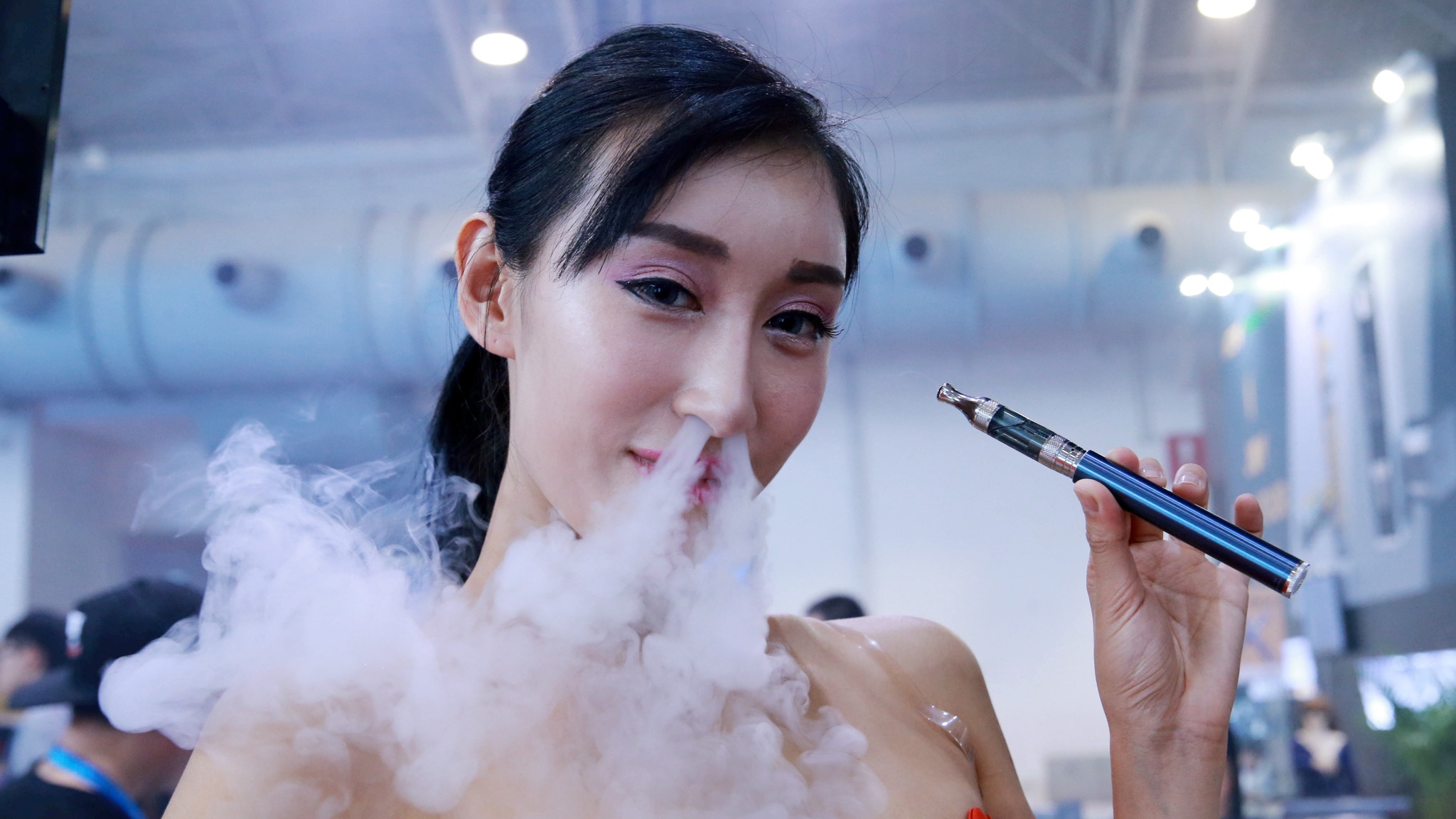
    Taiwan is rolling out 431 anonymous collection bins nationwide to let consumers dump e-cigarettes ahead of planned possession fines of up to NT$100,000.

    The drop-off network opens next Wednesday at municipal health bureaus, public clinics, police stations and addiction treatment centers across the island.

    Under the Tobacco Hazards Prevention Act, the manufacture, importation, sale, supply, display, advertising and use of e-cigarettes are already illegal. Taiwan’s Executive Yuan approved an amendment on June 25 to add possession to the list of prohibited acts, sending the bill to the legislature for review.

    Fines of up to NT$100,000

    Once the amendment passes and takes effect, authorities will enforce a one-month grace period. Inspectors will confiscate devices without issuing fines during that first month, the Health Promotion Administration said. After the grace period expires, anyone caught in possession of an e-cigarette faces confiscation and a fine between NT$30,000 and NT$100,000.

    Lo Su-ying, head of the HPA Tobacco Control Division, said the 431 bins feature a one-way design that prevents retrieval once a device drops inside. Local health departments will work with environmental protection agencies to transport the collected hardware to centralized disposal facilities.

    Stricter enforcement across Asia

    Regulators across East Asia continue to close legal gaps surrounding alternative nicotine products, shifting enforcement from storefronts directly to consumers. While markets such as Japan permit regulated heated tobacco devices, authorities in Hong Kong, Singapore and Taiwan have pursued total prohibitions, cutting off legal retail channels entirely.

    Taiwanese lawmakers have not yet set a date to review and vote on the draft amendment, which will establish the start date for the one-month grace period.

  • Hong Kong Study Links Frequent Fast Food Intake to Depression Risk in Young Adults

    Hong Kong Study Links Frequent Fast Food Intake to Depression Risk in Young Adults

    Hong Kong young adults who consume fast food frequently face higher rates of depression and anxiety symptoms, according to a 142-person university study published in Nutrients.

    Depressive symptoms in the city already stand at 34 per cent and anxiety at 31 per cent, outpacing global averages. The findings arrive as quick-service restaurant chains continue to rely on youth footfall in high-density commercial districts across the territory.

    Burgers, Fries and Bubble Tea

    Researchers at the HKU School of Professional and Continuing Education and Hong Kong University tracked participants aged 18 to 27 using a 22-item food frequency questionnaire. The team split subjects into high- and low-intake brackets to evaluate how specific menu choices correlated with psychological outcomes.

    Four menu staples showed the strongest links to mental distress: beef burgers, French fries, fried chicken, and sweetened bubble tea. Each carries elevated levels of saturated fat, sodium, or added sugar.

    Sugar-free beverages showed the opposite effect. Regular consumption of unsweetened tea correlated with lower reported rates of depressive symptoms, pointing to potential protective dietary properties.

    Nutritional Imbalance and City Pressures

    High property costs and tight living spaces push many young Hong Kong workers toward cheap, calorie-dense convenience meals. Fast-food operators have built substantial market share around these budget constraints, offering rapid service at price points traditional sit-down restaurants struggle to match.

    Nutritional shortfalls compound the problem. Diets heavy in processed fats and refined sugars trigger systemic inflammation and disrupt gut health, which researchers associate with impaired neurotransmitter production.

    For food chains across East Asia, shifting consumer scrutiny toward mental wellness creates new menu hurdles. Brands that expanded aggressively across Hong Kong with high-sugar milk teas and deep-fried combos face growing pressure to formulate lower-sodium and zero-sugar alternatives.

    The research team called for larger longitudinal studies to track dietary impacts over multi-year periods as public health bodies evaluate targeted dietary advisories for young consumers.