Tag: public transport

  • BYD Launches C12 DUO Electric Coach in UK with 547-Kilometre Range

    BYD Launches C12 DUO Electric Coach in UK with 547-Kilometre Range

    BYD unveiled its C12 DUO battery-electric coach at the Euro Bus Expo in Birmingham, entering the British long-distance passenger transport sector with a claimed range of up to 547 kilometres (340 miles). The 12.3-metre vehicle seats up to 57 passengers and runs on the Chinese manufacturer’s lithium-iron-phosphate Blade battery technology.

    Frank Thorpe, Managing Director of BYD UK Commercial Vehicles, announced that the high-decker was developed specifically for the UK market. It targets tour operators, school transport, and scheduled services between cities, towns, airports, and event venues. BYD offers the model with two battery options, a 429 kWh pack and a 495 kWh pack, capable of charging at up to 215 kW.

    This week’s world premiere follows earlier announcements outlining the Chinese automotive giant’s entry into the UK coach segment. The expansion builds on BYD’s established presence in Britain, where the company has delivered or secured orders for more than 3,000 electric buses across single-deck and double-decker categories.

    Chassis Integration and Operating Specs

    Power comes from two wheel-hub motors generating 150 kW each, matching the drivetrain layout of BYD’s existing urban and intercity bus lines. Integrating the battery cells directly into the vehicle frame increases torsional rigidity while reducing the vehicle’s weight.

    Luggage capacity measures up to four cubic metres, which is slightly less than in conventional coaches of this size. However, the C12 DUO preserves a full 57-passenger seating capacity without compromise. BYD backs the integrated traction battery with a 15-year warranty.

    The platform measures 12.3 metres in length, 2.55 metres in width, and 3.54 metres in height, sitting on a 6.15-metre wheelbase. Build Your Dreams aims to prove that long-distance electric passenger transport is achievable without compromising range, passenger comfort, or operational efficiency.

    Commercial Fleet Expansion Outside China

    Thorpe noted that the success of the company’s battery-electric double-decker and single-decker transit buses in the UK motivated the move into coaches. Across the country, BYD currently offers single-deck buses in lengths of 9.9 m, 10.4 m, 10.8 m, and 11.8 m.

    The manufacturer also supplies the BD11 double-decker in 10.6-metre or 10.9-metre lengths, featuring a maximum battery capacity of 532 kWh.

    “The transition to zero-emission commercial transport is no longer a distant goal, it is an operational reality,” said Frank Thorpe, Managing Director, BYD UK Commercial Vehicles. “With the debut of the C12 DUO, we are demonstrating that sustainable, long-range electric travel is feasible across every transport segment, from dense city centres to intercity corridors across Europe.”
  • Hyundai Deploys 11 Electric Buses for Bali Public Transit Fleet

    Hyundai Deploys 11 Electric Buses for Bali Public Transit Fleet

    Hyundai Motor delivered 11 County EV buses to Bali on October 22, introducing the resort island’s first electric public transit fleet.

    The eight-metre buses carry 20 seats, run on 128 kWh battery packs and cover more than 200 kilometres on a single charge.

    The fleet arrived under the Bali Sustainable Transportation System Official Development Assistance Project. The Global Green Growth Institute manages the programme alongside South Korea’s Ministry of Climate, Energy and Environment and the Indonesian government, having selected Hyundai through a tender floated in late 2025.

    Local Assembly and Vehicle Architecture

    Hyundai supplied the electric bus platforms. Local bodybuilder Laksana constructed the coachwork in Indonesia, pairing the domestic frame with a 150 kW motor.

    Technical specifications indicate the vehicles produce over 30 per cent quicker acceleration between 50 and 80 km/h than equivalent diesel models. Hyundai has opened an on-site field quality monitoring room to track real-time powertrain performance, daily battery degradation and structural wear across the tourist island’s stop-and-start traffic routes.

    Regional transit operators face steep technical tests when transitioning fleets in tropical leisure hubs. Air conditioning loads run continuously at peak capacity, which drains battery range far faster than standard municipal testing suggests. By retaining operational control through its on-site situation centre, Hyundai is underwriting service uptime directly while local maintenance technicians train on high-voltage battery architecture.

    Commercial Expansion Beyond Java

    The Bali contract duplicates Hyundai’s initial commercial transit test in East Java. The manufacturer handed over an identical batch of 11 County EV units to Surabaya in November 2024 to test fleet durability in dense city environments.

    South Korean commercial vehicle makers are establishing fleet positions in Southeast Asia before Chinese rivals take every municipal transit tender. Hyundai is carving out mid-capacity shuttle routes through bilateral development finance and domestic coachbuilding tie-ups. This shields municipal buyers from heavy upfront capital expenditure while securing guaranteed parts inventories.

    The procurement originates from a government memorandum signed between South Korea and Indonesia to decarbonise regional transport links across prime commercial centres. Indonesian officials, including Minister of National Development Planning Rachmat Pambudy and Bali Governor I Wayan Koster, took handover of the keys alongside South Korean Ambassador Soon-gu Yoon.

    Hyundai plans to expand its electrified commercial vehicle network into Jakarta, Semarang and Medan as municipal transport boards prepare follow-up tenders for provincial commuter routes.

  • Toyota Unveils 10-Passenger Tamaraw Jeepney in Philippines

    Toyota Unveils 10-Passenger Tamaraw Jeepney in Philippines

    Toyota Motor introduced a 10-passenger Tamaraw jeepney in the Philippines this week, expanding its multipurpose vehicle lineup into everyday public transportation.

    Built at the automaker’s plant in Laguna province, the new model complies with Philippine government standards for Class 1 modern public utility vehicles.

    Hardware and route capacity

    The vehicle features air conditioning, Wi-Fi connectivity and automated fare collection systems. Unlike larger Class 2 jeepneys that link central Manila with peripheral towns, this Class 1 version handles shorter neighborhood routes and lighter passenger volumes. Toyota builds the model on its modular IMV truck platform, the same architecture underpinning the Hilux Champ sold in Thailand.

    The provincial fleet market

    Local transport operators face steep capital replacement costs under national fleet overhaul mandates. Toyota is directing its sales efforts toward cooperatives and private fleet owners outside Manila, pitching the Tamaraw jeepney alongside available state purchase subsidies. Securing volume orders in regional provinces will test whether small-scale transport cooperatives can absorb commercial financing rates compared to traditional, low-cost backyard-built vehicles.

    Platform scale across Southeast Asia

    The Laguna rollout fits into Toyota’s wider defensive playbook across Southeast Asia. Japanese automakers continue to rely on utilitarian, internal-combustion commercial platforms to protect market share against incoming Chinese electric commercial van makers. By adapting a shared regional chassis into localized utility bodies, Toyota spreads manufacturing costs while locking in transport operators accustomed to its provincial parts supply network.

    Laguna assembly line roots

    Toyota revived the Tamaraw nameplate in January 2025 as a multipurpose platform for light trucks and ambulances. The badge first gained widespread adoption in the Philippines during the 1970s as an affordable domestic workhorse.

    Masando Hashimoto, president of Toyota Motor Philippines, described the jeepney model as a central step in expanding the vehicle’s domestic role.

    “Today, we add an important missing piece, a jeepney,” Masando Hashimoto, president of Toyota Motor Philippines said this week. “By becoming part of everyday public transportation, the Tamaraw becomes a true national car, a vehicle for all Filipinos.”

    Government subsidy rollout

    Operator uptake now hinges on how quickly regional transport franchises qualify for state subsidy disbursements. Commercial deliveries will begin through Toyota’s domestic dealer network, with order volumes in provincial transport cooperatives providing the first test of whether the Class 1 format can displace aging utility fleets.

  • Yutong Deploys 50 Electric Articulated Buses in Thessaloniki

    Yutong Deploys 50 Electric Articulated Buses in Thessaloniki

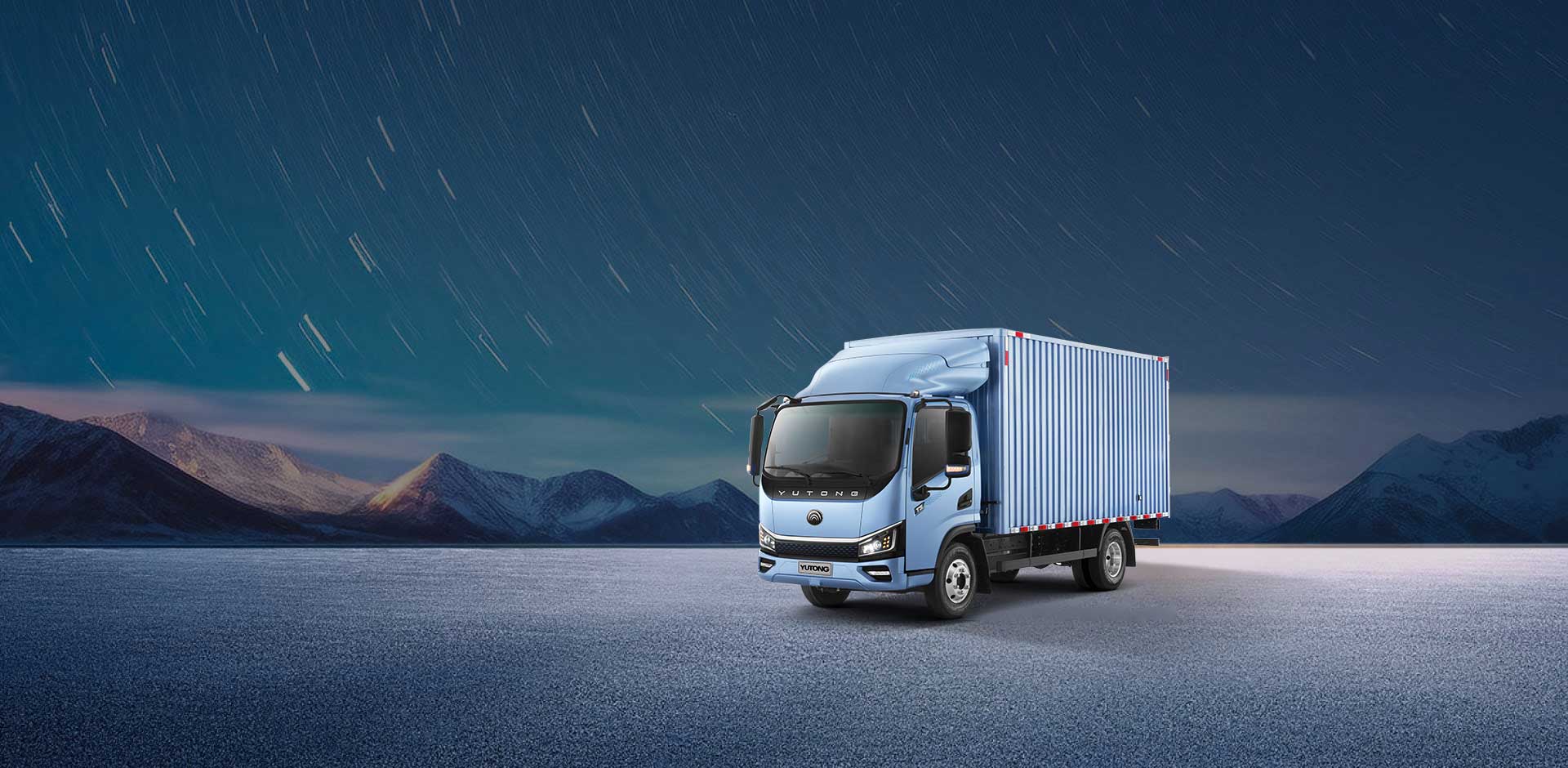
    Chinese commercial vehicle maker Yutong delivered 50 electric articulated buses to Thessaloniki, expanding the Greek city’s battery-powered transit fleet to roughly 160 vehicles. The 18-meter units entered commercial service across four municipal routes at the start of September.

    City transit agency OASTH hired 170 drivers to run the expanded schedule and increase trip frequencies across western Thessaloniki routes X1, 12, 27 and 32. Each vehicle carries up to 130 passengers and delivers an operating range of 300 kilometres on a single charge.

    Fleet Specifications and Route Coverage

    The buses feature air conditioning, ventilation units and tilt-and-turn passenger windows. Authorities did not release the exact model name, though the technical footprint points to Yutong’s U18 platform, which carries battery packs between 528 and 704 kilowatt-hours.

    Operating these articulated models across western routes targets heavy commuter corridors that link residential districts with commercial hubs. Deploying high-capacity zero-emission buses on fixed schedules allows municipal operators to cut fuel bills while meeting European urban emissions mandates.

    Chinese Bus Exports Push into Southern Europe

    For Chinese automotive exporters, fleet procurement contracts across Southern Europe provide steady volume outside domestic assembly markets. Yutong and its domestic competitors continue to win municipal tenders by bundling high battery capacities with prompt delivery timelines that European legacy coachbuilders struggle to match.

    The risk for Chinese suppliers sits in political scrutiny over European Union transit procurement and long-term depot maintenance. Winning tenders requires solid local aftersales partnerships, spare parts distribution hubs and dedicated charging support to avoid costly downtime for municipal operators.

    Expansion Following 2024 Joint Tender

    This deployment builds on an earlier procurement round in 2024, when transport authorities in Athens and Thessaloniki jointly bought 250 electric buses from Yutong. That delivery formed the core of Greece’s state-backed plan to replace ageing diesel fleets in its two largest metropolitan areas.

    OASTH plans to introduce additional routes and increase departure frequencies as the 170 newly recruited drivers complete route training during the winter timetable.