Tag: Puig

  • French Dermocosmetics Brand La Rosée Weighs Sale as Yearly Sales Top €100M

    French Dermocosmetics Brand La Rosée Weighs Sale as Yearly Sales Top €100M

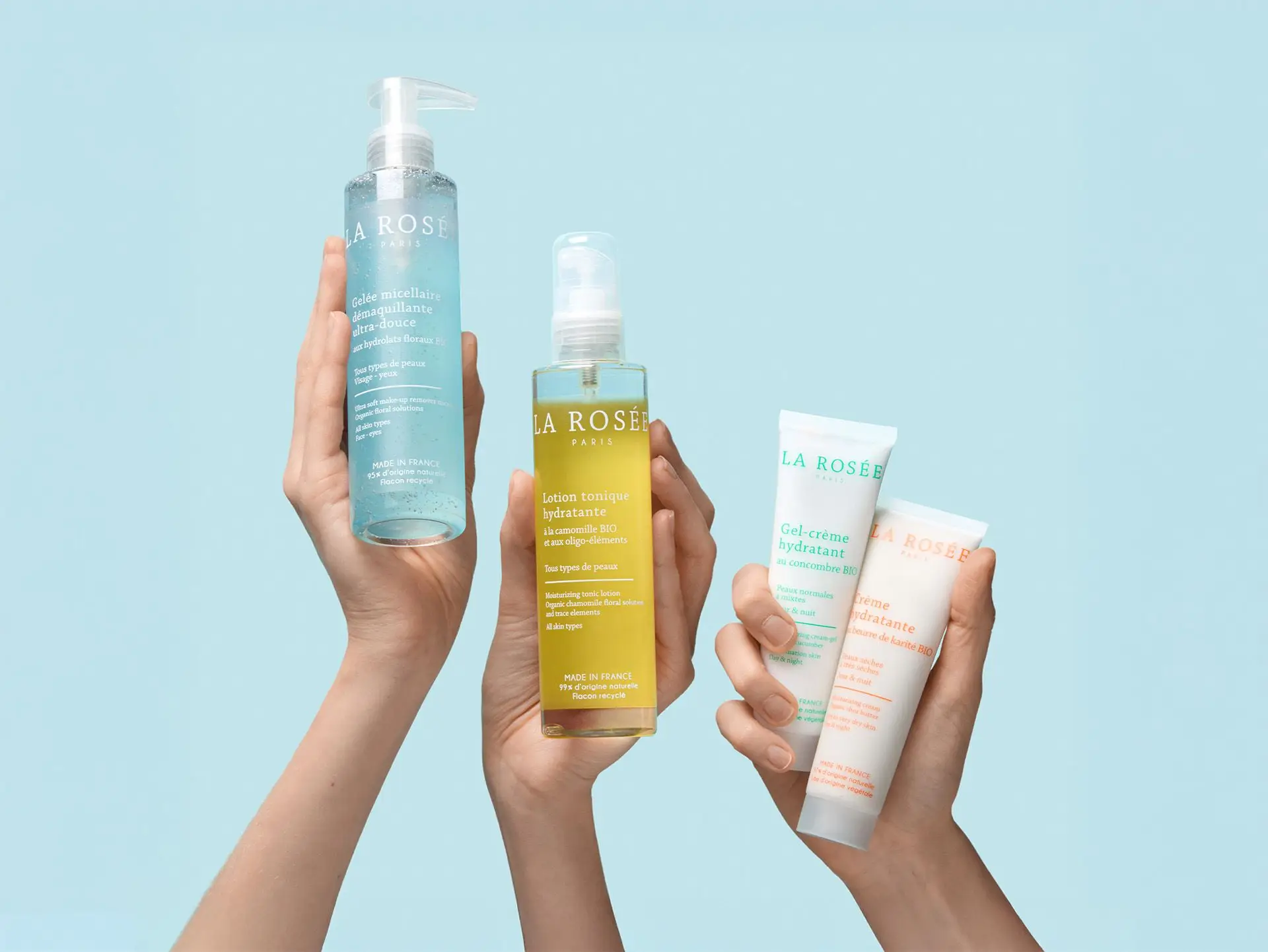
    French dermocosmetics brand La Rosée could be sold as early as year-end, according to industry sources, after expanding at home and abroad to generate more than 100 million euros in annual sales.

    Both strategic buyers and investment funds have expressed interest in acquiring the business, whose revenue in South Korea alone now exceeds 10 million euros. Company executives could not immediately be reached for comment.

    Pharmacist university friends Coline Bertrand and Manhault de Guilbert launched La Rosée in 2015, building a cult following around affordable, natural formulations. Starting in 300 pharmacies across France, the brand has expanded into more than 9,500 domestic outlets, making it the fourth bestselling dermocosmetics brand in French pharmacies.

    Expanding From French Pharmacies to Asia

    International expansion provided the second leg of growth across 13 countries. The company entered South Korea in 2022, establishing a fast revenue run rate in one of the most competitive personal care markets in the world. Earlier this year, the business entered Canada by securing placement across 540 Shoppers Drug Mart stores alongside a regional direct-to-consumer site.

    Global Consolidators Chase Pharmacy Formulations

    Large cosmetic houses are bidding aggressively for clinical and pharmacy-backed formulations across the Asia-Pacific region. Puig bought a minority stake in French brand Krème in July through a round led by Iris Ventures, while sector leaders L’Oréal and Beiersdorf are channeling higher operational spend into their own active skin units.

    Mordor Intelligence estimates global dermocosmetics revenue sits at 54.41 billion dollars, with projections pointing to 80.29 billion dollars by 2031 at an 8.1 percent compound annual rate. Korean consumer demand for functional, irritation-tested formulations makes local retail traction a key valuation driver for Western acquisitions.

    Product Breadth and Packaging Shifts

    La Rosée expanded its catalogue from five initial stock keeping units to more than 40 products, including dedicated hair and infant ranges, with price points across its universal range averaging 14 euros. Its refillable deodorant and sun care stick are the brand’s top sellers.

    Most product containers use plant-derived feedstocks such as sugarcane to meet B Corp sustainability standards. The founders previously brought in outside funding in August 2023, when Belgian family office FG Bros acquired a 20 percent stake in the enterprise.
  • Puig Shatters Fiscal Year Predictions: Robust Sales Boost And Profit Surge In First Half Of 2025

    Puig Shatters Fiscal Year Predictions: Robust Sales Boost And Profit Surge In First Half Of 2025

    Global beauty conglomerate Puig has announced robust interim results for fiscal year 2025, surpassing predictions with a stable surge in sales and a significant boost in profitability.

    In the first half of the year, net revenue increased by 7.6% to reach €2.3 billion (~US$2.7 billion), primarily boosted by a weaker US dollar. The adjusted net profit climbed to €247 million (~US$289 million), while the reported net profit witnessed an impressive leap of almost 79% to €275 million (~US$322 million).

    Impressive Growth and Noteworthy Profitability

    The group’s adjusted EBITDA also saw an increase of 8.6%, amassing €445 million (~US$521 million). The EBITDA margin improved to 19.4%, bolstered by revenue enhancement, cost management, and strategic promotional investments.

    The company’s fragrance and fashion sectors led the growth, making up 73% of the total revenues. Exceptional performances were seen from niche brand Byredo and the prelaunch of Carolina Herrera’s new perfume, La Bomba.

    After a period of stagnation, the makeup sector experienced a resurgence with a 2% like-for-like growth, driven by high demand for Charlotte Tilbury’s Super Nudes and Unreal collections. Skincare also experienced a substantial increase of 8.6%, propelled by Uriage’s sun care range and an expanded product line from Charlotte Tilbury.

    Geographic Expansion

    Puig has experienced considerable growth across different regions. The Americas saw a 10.9% like-for-like increase, Asia-Pacific revenues grew by 16.5%, and EMEA witnessed a 3.6% rise.

    The company also announced the appointment of Jose Manuel Albesa as the deputy CEO to supervise all divisions. Albesa, a veteran in the company since 1998, and instrumental in rebranding major labels, will directly report to Marc Puig, the chairman and CEO.

    Forecast for Second Half of FY 2025

    Puig anticipates maintaining its upward trajectory in the second half of the year, powered by the holiday season and the full launch of La Bomba. The firm aims for a 6-8% like-for-like revenue growth, alongside further expansion of adjusted EBITDA margin, with a keen focus on M&A strategies.

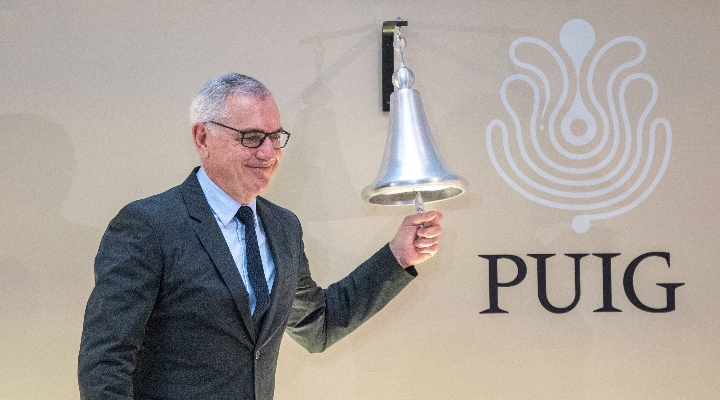
    Marc Puig, Chairman and CEO, expressed that the second half is typically their most active period, with holiday demand and the full launch of Carolina Herrera’s new fragrance, La Bomba still in the pipeline. He added, “The appeal of our brands, combined with our ongoing cost discipline, enables us to invest in them to ensure sustainable long-term growth. This reaffirms our optimism for the year’s forecast.”

    Questions & Answers

    What led to Puig’s strong first-half performance in FY 2025?
    A weaker US dollar, strategic marketing investments, and cost control strategies contributed to Puig’s impressive performance. Noteworthy performances from the fragrance and fashion sectors also played a key role.

    What are the growth expectations for Puig in the second half of FY 2025?
    Puig aims to continue its momentum by targeting a 6-8% like-for-like revenue growth. This will be largely driven by the holiday season and the full release of Carolina Herrera’s new fragrance, La Bomba.

    Who has Puig appointed as the new Deputy CEO?
    Puig has appointed Jose Manuel Albesa as the deputy CEO. Albesa has been with the company since 1998 and has played a crucial role in repositioning major brands.

  • Dries Van Noten sells a majority share to Puig

    Dries Van Noten sells a majority share to Puig

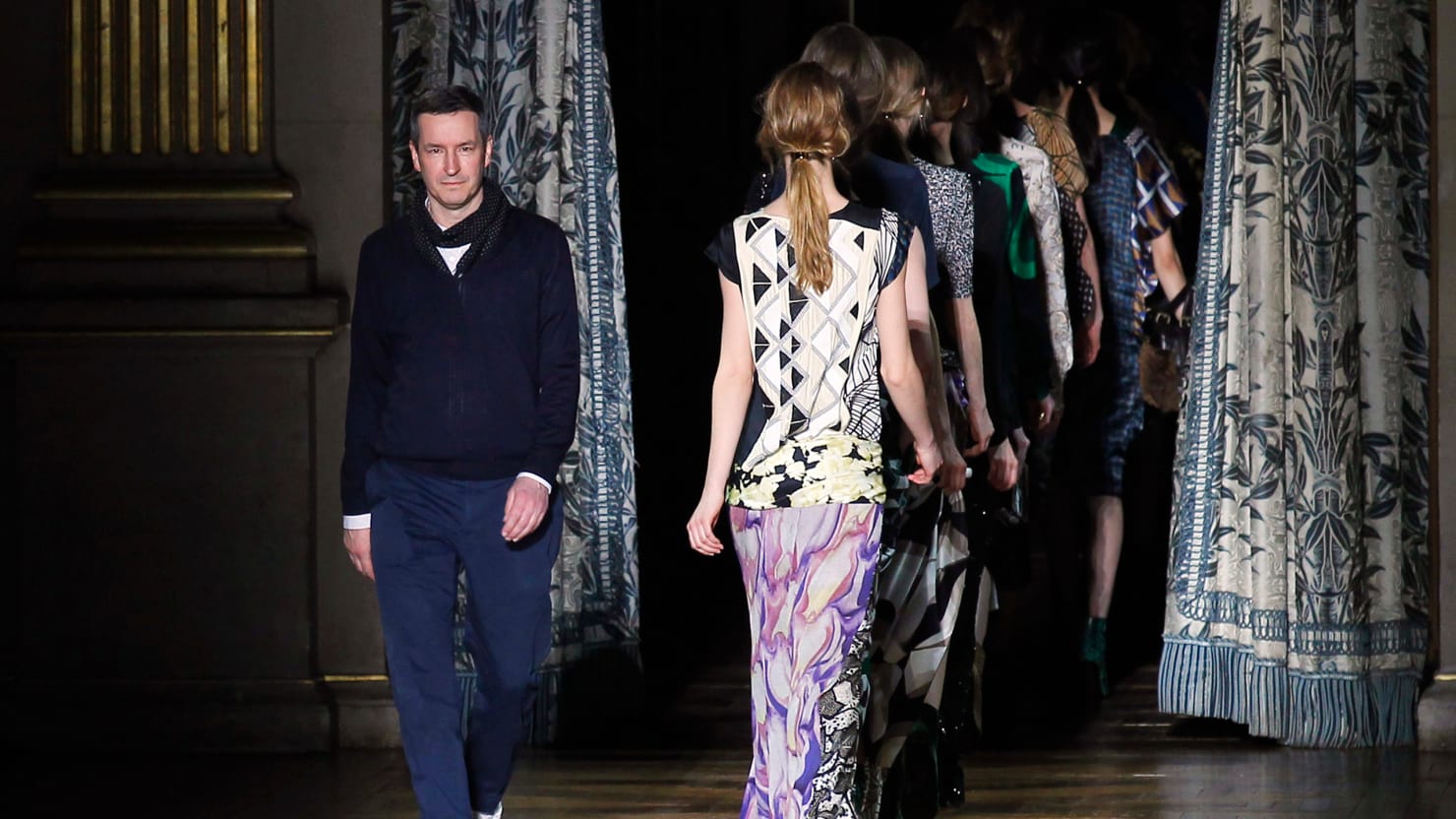
    Dries Van Noten, one of the last independent luxury fashion houses, has sold a majority stake to Spanish group Puig.

    Van Noten will remain a “significant” minority shareholder, as well as chief creative officer and chairman of the board, according to the companies. The team will remain in Antwerp, where the designer established his business in 1986. The financial terms of the deal were not disclosed.

    “As an independent house, Dries Van Noten has, over the years, built an exceptional reputation with its avant-garde fashion collections,” said Marc Puig, chief executive and chairman of the group, which also owns Carolina Herrera, Jean Paul Gaultier, Nina Ricci and Paco Rabanne. “Our entry today into the capital structure of Dries Van Noten proves yet again our strategic commitment to developing the Puig fashion business.”

    To some, Puig may be an unexpected partner for the Belgian designer. For its first 80-some years in existence, Puig dealt only in fragrance. Fashion, while complementary, has a completely different business model. Perfume is a high-margin, high-volume business that serves as a size-free, affordable entry point into a brand. Ready-to-wear is lower volume, with a more complex supply chain and unreliable margins.

    However, Puig’s interests have been shifting. In 1987, the group acquired the French fashion house Paco Rabanne, whose fragrance it had been producing since the late 60s. Its other major ready-to-wear business is Caroline Herrera, which it acquired from Venezuelan businessman José de Armas in 1995.

    Today, Puig owns 100 percent of both the Carolina Herrera fragrance and ready-to-wear business, which was projected to generate $1.2 billion in retail sales in 2016. There is also the secondary line, CH by Carolina Herrera, which launched in 2003 and has become popular in parts of Europe and South America. The line generated $359 million in retail sales in 2015.

    While it has had some success with accessories — in particular, shoes — Dries Van Noten is one of few fashion companies for which ready-to-wear is a major driver of revenue, accounting for more than 90 percent of sales, according to reports. (His apparel is by no means affordable, but it is known to be fairly priced when compared to competitors.) The company doesn’t publish or reveal sales figures, although market sources estimate that 2018 revenue will be under $100 million.

    Given the brand’s potential — and its unique positioning in the market — Van Noten likely entertained offers from various investors. Joining Puig — known for giving their designers creative independence — will offer the infrastructure Dries Van Noten needs to enter new, more scalable categories. While Van Noten has yet to release a signature fragrance, he did collaborate on a limited-edition scene with the perfumer Frédéric Malle.

    “Puig sees an opportunity to develop the beauty business of Dries Van Noten,” said Luca Solca, head of luxury goods at Exane BNP Paribas. For Puig, Dries Van Noten also offers a new level of fashion relevancy that will help to further establish it as an apparel player set to compete against the likes of Mayhoola, LVMH, Richemont and Kering.

    And Van Noten’s core business is still growing. In a 2017 interview with the Financial Times’ How To Spend It, the designer said his business experienced double-digit growth for three years straight. “Independence is that you don’t have to copy an existing business model,” he said onstage at VOICES, BoF’s annual gathering for big thinkers, last December. “We achieved what we achieved often by coincidence. We grabbed opportunity in an organic way.”

  • Shiseido perfume ambition revealed

    Shiseido perfume ambition revealed

    Japanese cosmetics group Shiseido is aiming to become one of the world’s top five perfume makers in five years, up from its current seventh spot.

    New acquisitions will help Shiseido perfume market share grow – along with a step-up in marketing, especially online.

    Shiseido has beaten Spain’s Puig to win Procter & Gamble‘s Dolce & Gabbana perfume (D&G) licence, which generates 400 million euros ($445 million) in annual revenue. It aims to grow this to 1 billion euros in 10 years.
    Shiseido group chief executive for Europe, Middle East and Africa Louis Desazars, who was previously US head of Shiseido’s Nars make-up brand, says there is a new mindset and energy in the group.

    The D&G licence business will compensate for Shiseido’s loss this year of the Jean-Paul Gaultier perfume licence as part of an agreement with Puig when it bought the French brand in 2011.

    Shiseido says the D&G perfume business helped it more than double its market share instantly to 5.8 per cent from 2.2 per cent. It is aiming to reach 9 per cent in five years.

    On top of its own skincare lines, Shiseido makes perfume under licence for fashion brands Azzedine Alaia, Elie Saab, Issey Miyake and Narciso Rodriguez. The group has created a separate branch for niche brands it has acquired such as Serge Lutens last year, and the skincare and cosmetics brands Laura Mercier and ReVive in July.

    The global perfume market grew 2.9 per cent last year, while niche perfume brands saw their sales surge 15 per cent.

    Estee Lauder has also placed niche perfume brands it has bought, such as Editions de Parfums Frederic Malle and Le Labo, in a separate division.
    Including perfume, skincare and makeup, Shiseido ranks fifth globally behind L’Oreal, Coty, LVMH and Chanel, and is bigger than Clarins. In skincare alone, Shiseido says it aims to join the top three globally, up from its current fifth spot.