Tag: Pull&Bear

  • Pull&Bear Bids Farewell to Singapore: Iconic Spanish Retailer Closes Final Store

    Pull&Bear Bids Farewell to Singapore: Iconic Spanish Retailer Closes Final Store

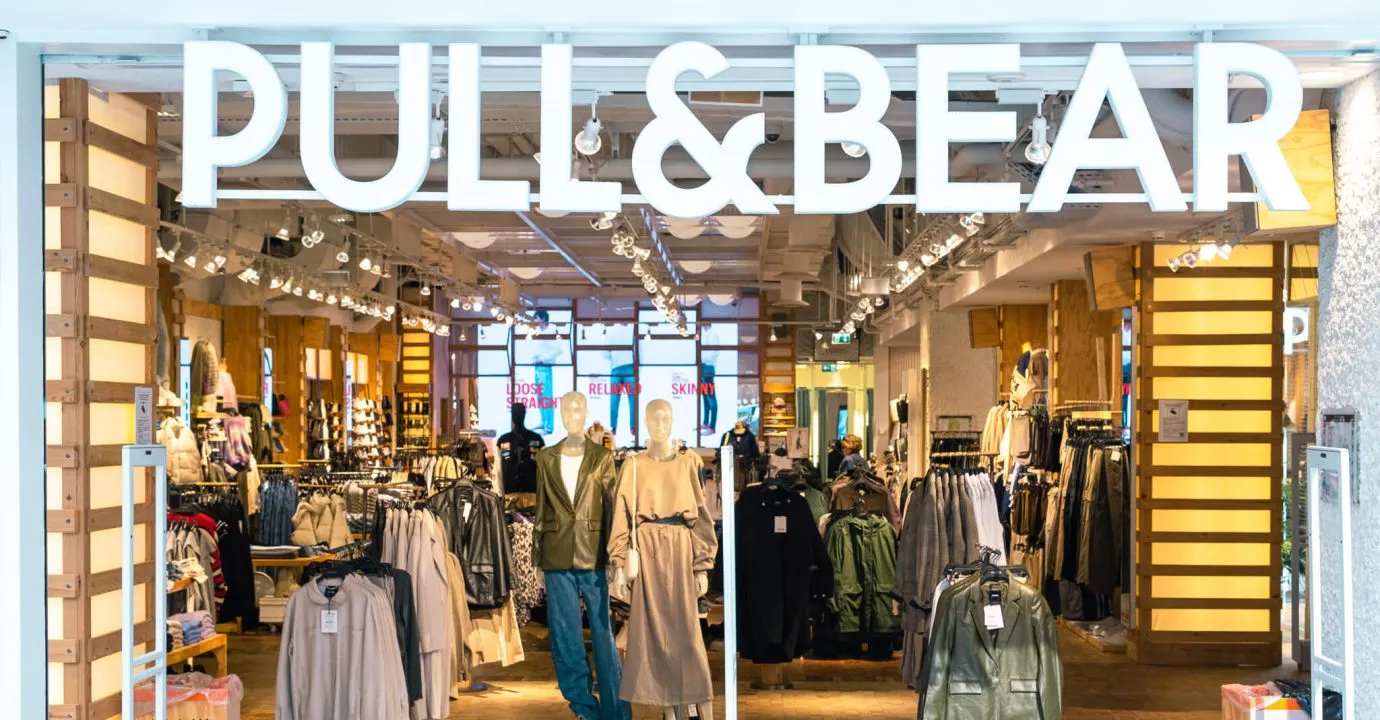
    Pull&Bear, a renowned Spanish fashion label, has decided to withdraw its presence from Singapore following the closure of its remaining outlet at VivoCity Mall. The final day the store was open for business was February 22, 2026, as indicated by an announcement on the brand’s official website. Unfortunately, the company did not reveal the rationale behind the decision.

    Despite the closure, the fashion retailer has assured that customers are still able to return purchased items at the closed outlet. It encourages those who have recently made purchases to inspect their receipts to understand the return timeframe.

    Pull&Bear first launched in Singapore in 2006 with a prominent flagship store inaugurated at VivoCity. At the height of its operations, the brand had four operational outlets in the country.

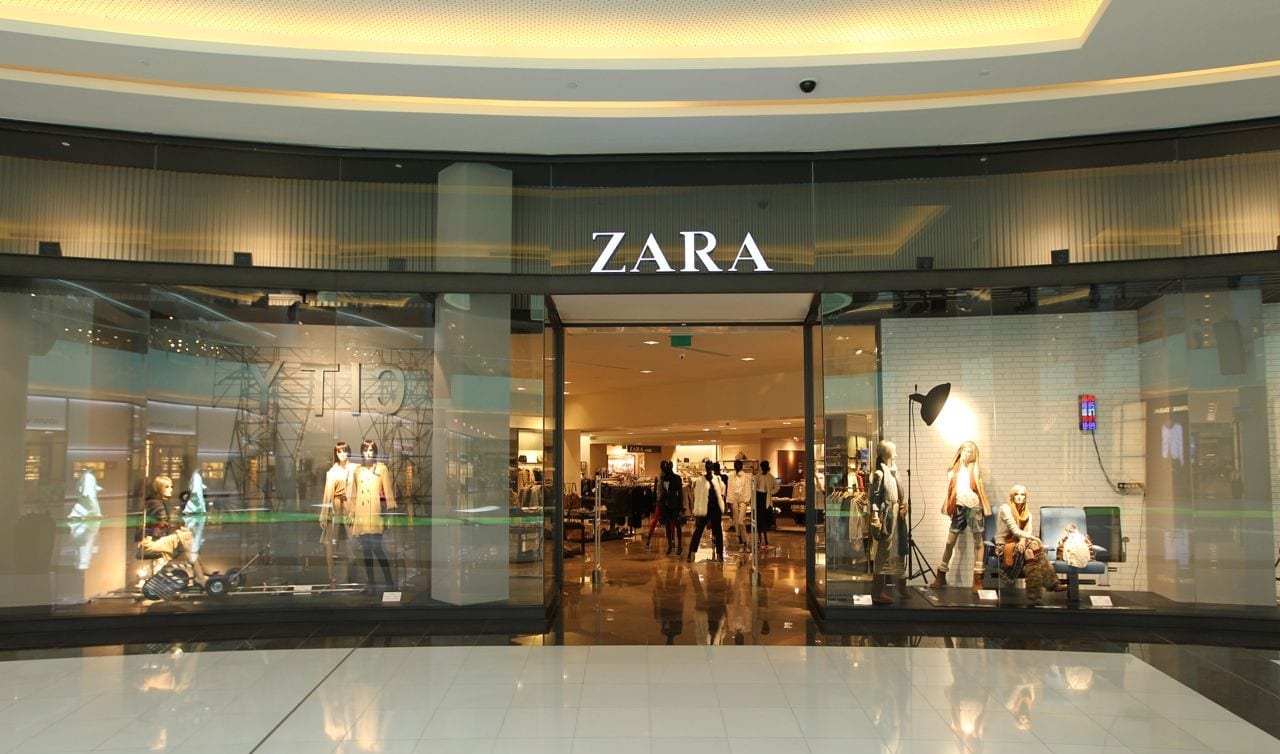
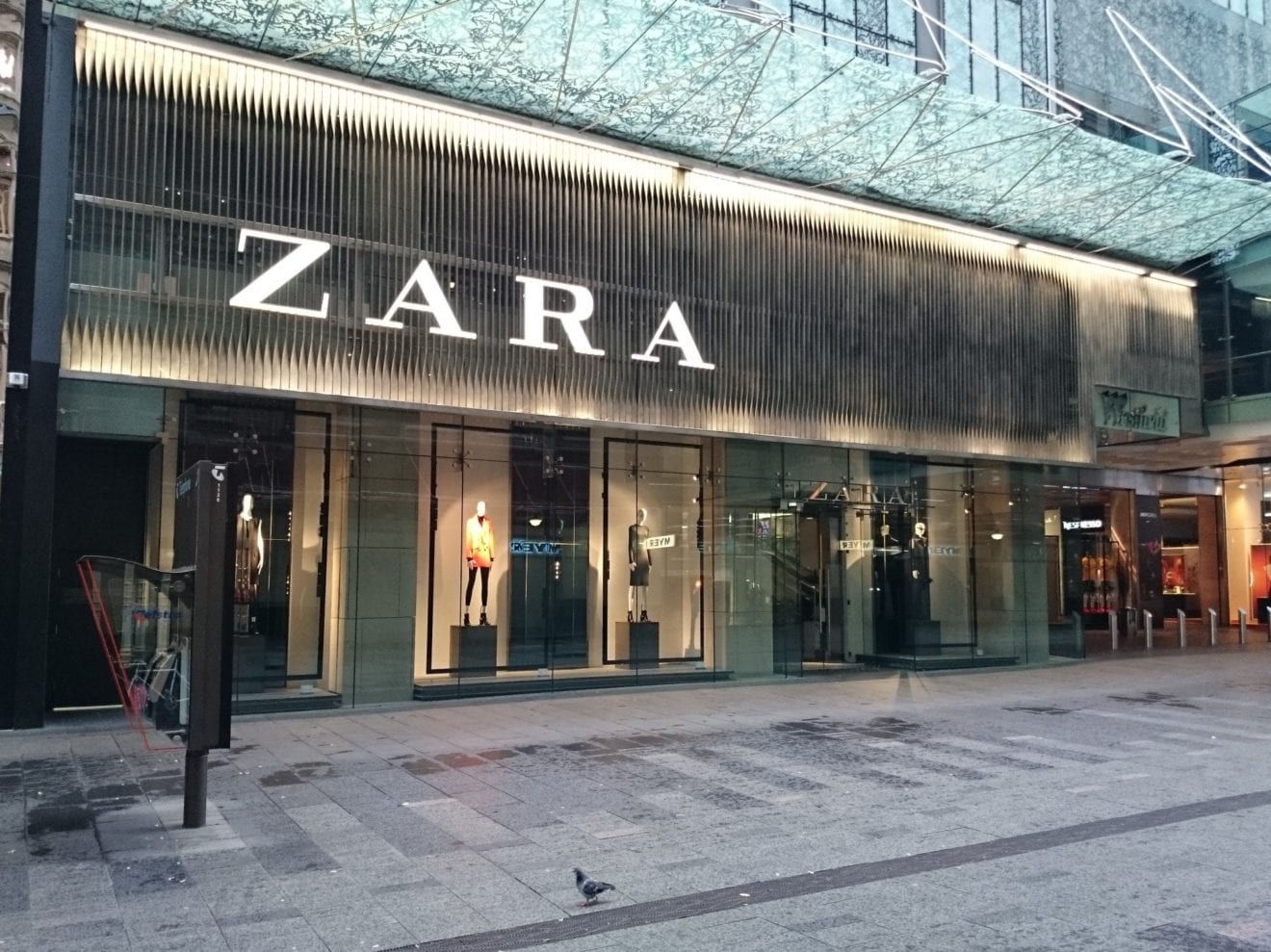
    Pull&Bear is one of the principal brands under the umbrella of Spanish fashion conglomerate Inditex, which also owns other popular brands including Zara, Bershka, Massimo Dutti, and Stradivarius.

    The exit of Pull&Bear from Singapore is part of a larger global strategy of the parent company that involved the closure of over 100 outlets in the previous year. Furthermore, two other Inditex brands, Stradivarius and Bershka, have also confirmed the closure of their respective outlets in Singapore.

    Questions & Answers

    When did Pull&Bear close its last store in Singapore?
    The last Pull&Bear store in Singapore closed on February 22, 2026.

    Why did Pull&Bear decide to exit Singapore?
    The company did not provide specific reasons for the closure of its Singapore outlet.

    Are other Spanish fashion brands also closing outlets in Singapore?
    Yes, Stradivarius and Bershka, two other brands owned by Inditex, the parent company of Pull&Bear, have also closed their outlets in Singapore.
  • Inditex suffers from late coming winter

    Inditex suffers from late coming winter

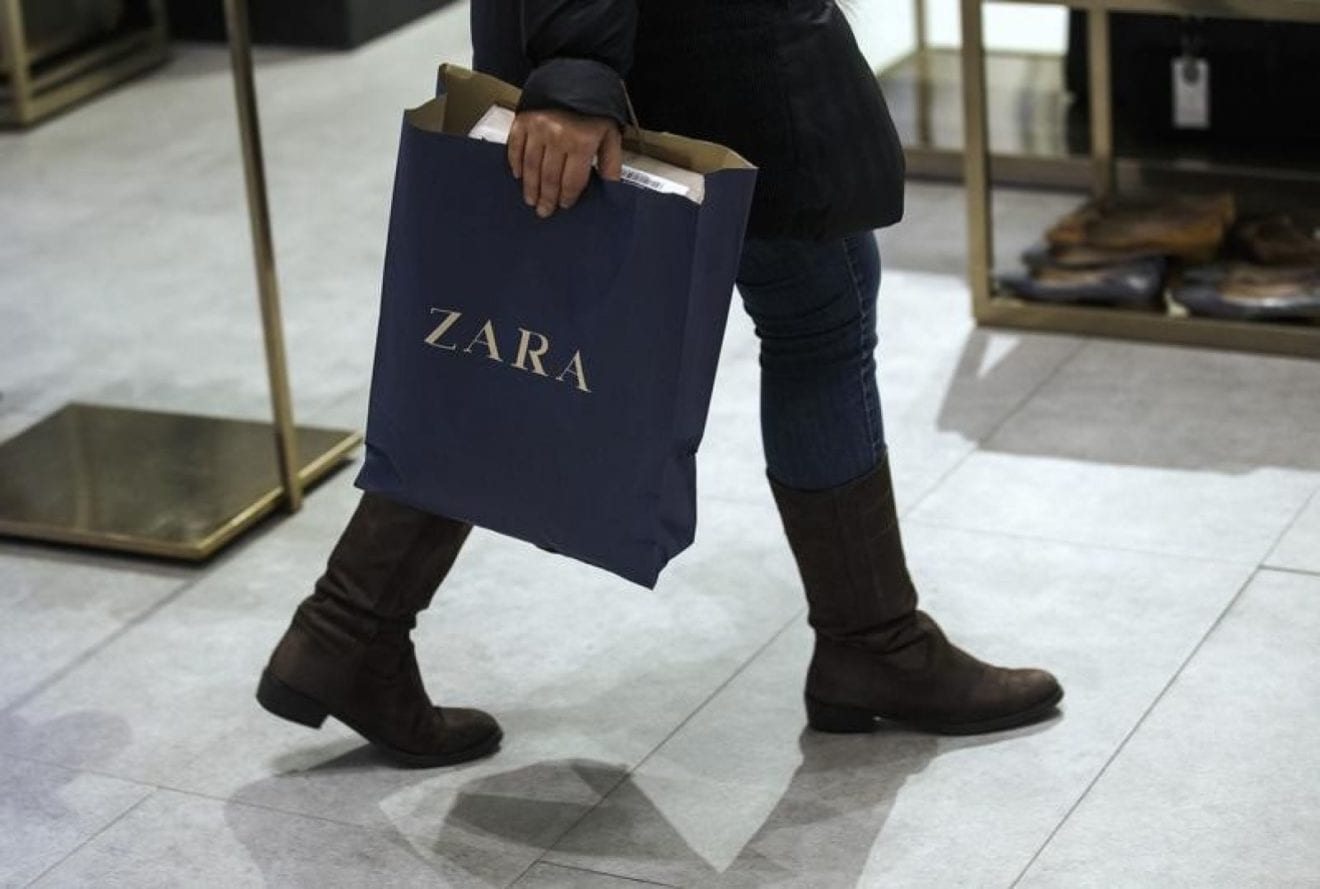
    Zara owner Inditex has posted slow like-for-like sales growth due to the unusually warm autumn and adverse currency moves. Inditex, which also owns upmarket label Massimo Dutti and teen label Bershka, posted a 3 per cent rise in like-for-like sales in the six months to the end of November after an “extraordinarily warm September”. Sales bounced back somewhat to 5 per cent in October and November.

    The fashion giant reported an increase in earnings before interest and tax of €3.07 billion from the previous corresponding period.

    In the first nine months of the year, the world’s largest fashion retailer reported a 3 per cent increase in sales to €18.4 billion and a 4 per cent rise in net profits to €2.4 billion.

    According to Inditex, the company didn’t have to cut clothing prices from September like its rivals, which resulted in margin growth of 108 basis points during the third quarter.

    The clothing retailer maintained sales and margin guidance for the rest of the year.

    Pablo Isla, Inditex chair and CEO, said the group’s strong business model, which continues to deliver solid structural growth in all markets, and its constant focus on developing the integrated store and online platform through continued enhancement of technology and systems, have contributed to its performance.

    The company announced last September that all products from all its brands will be made available online by 2020, including in markets where it does not have any stores.

    Isla had said that Inditex wants to make all fashion collections available to all customers wherever they are in the world.

    “Even in those markets which do not currently have our bricks-and-mortar stores,” Isla added.

    Other than Zara, Massimo Dutti and Bershka, Inditex also sells the brands Pull & Bear, Stradivarius, Oysho and Uterque across its network of almost 7500 physical shops. It operates online in 49 markets.

  • Zara lipstick launched online

    Zara lipstick launched online

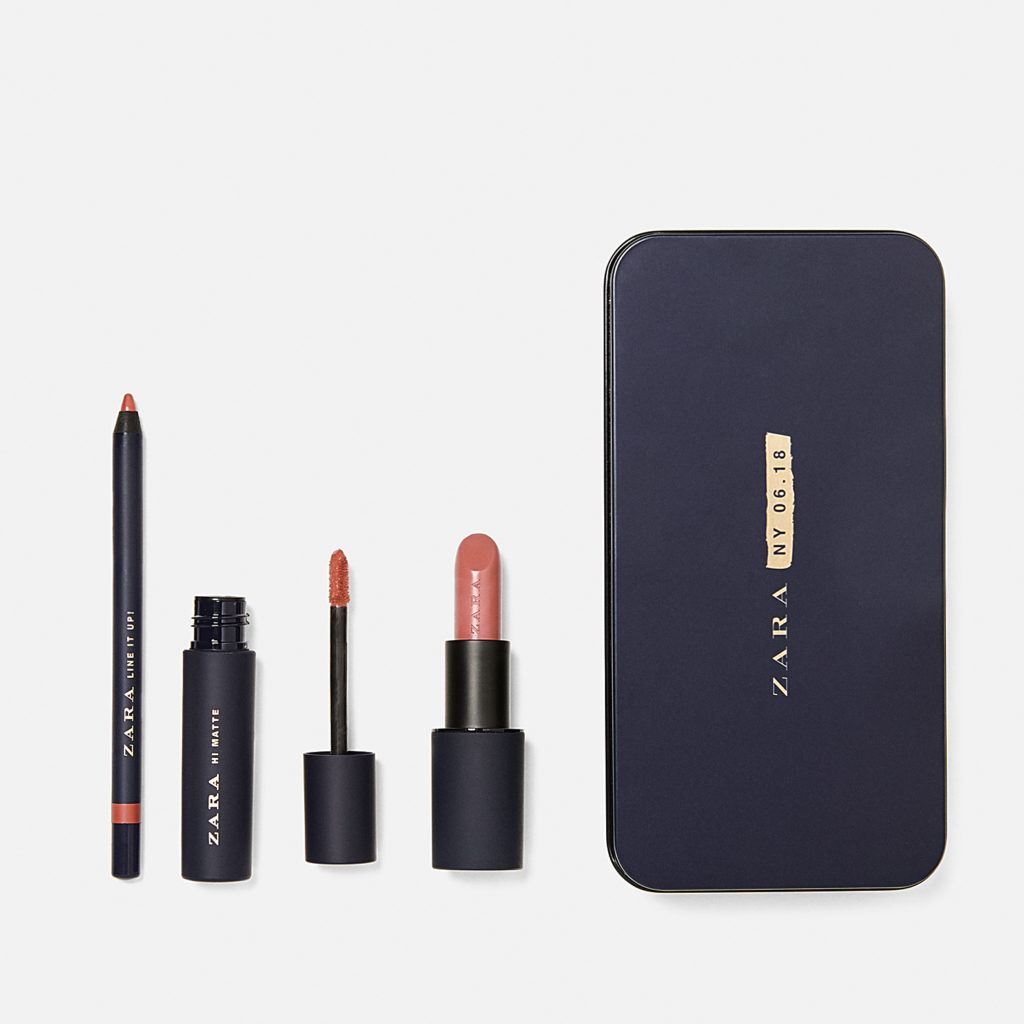
    Zara lipstick goes on sale this week – but only online. The fast-fashion brand’s first lipstick collection – called Zara Ultimatte – marks a continuing expansion of its beauty and cosmetics offer. Sister brands Bershka and Pull&Bear already have makeup lines, targeting younger consumers.

    Parent company Inditex says the collection was “inspired by the kind of makeup needed to create ad campaigns”. It is based on a colour palette created by British make-up artist Pat McGrath, (famous for working with Christian Dior and Armani Beauty, among others).

    The French-made Zara lipstick collection was designed in Los Angeles, featuring 12 high-pigment lipsticks, eight liquid-matte lipsticks, a box kit with three red colours and a limited-edition, behind-the-scenes kit. Prices range from €7.95 to €19.95. While available only on the Zara website, the company will ship worldwide.

  • Pull&Bear opens flagship store at VivoCity with new face

    Pull&Bear opens flagship store at VivoCity with new face

    Pull&Bear, the young fashion brand run by the Inditex Group (owners of Zara, Pull&Bear, Massimo Dutti, Bershka, Stradivarius, Oysho, Zara Home and Uterqüe), presents its refreshed store image in an improved location in VivoCity, Singapore.

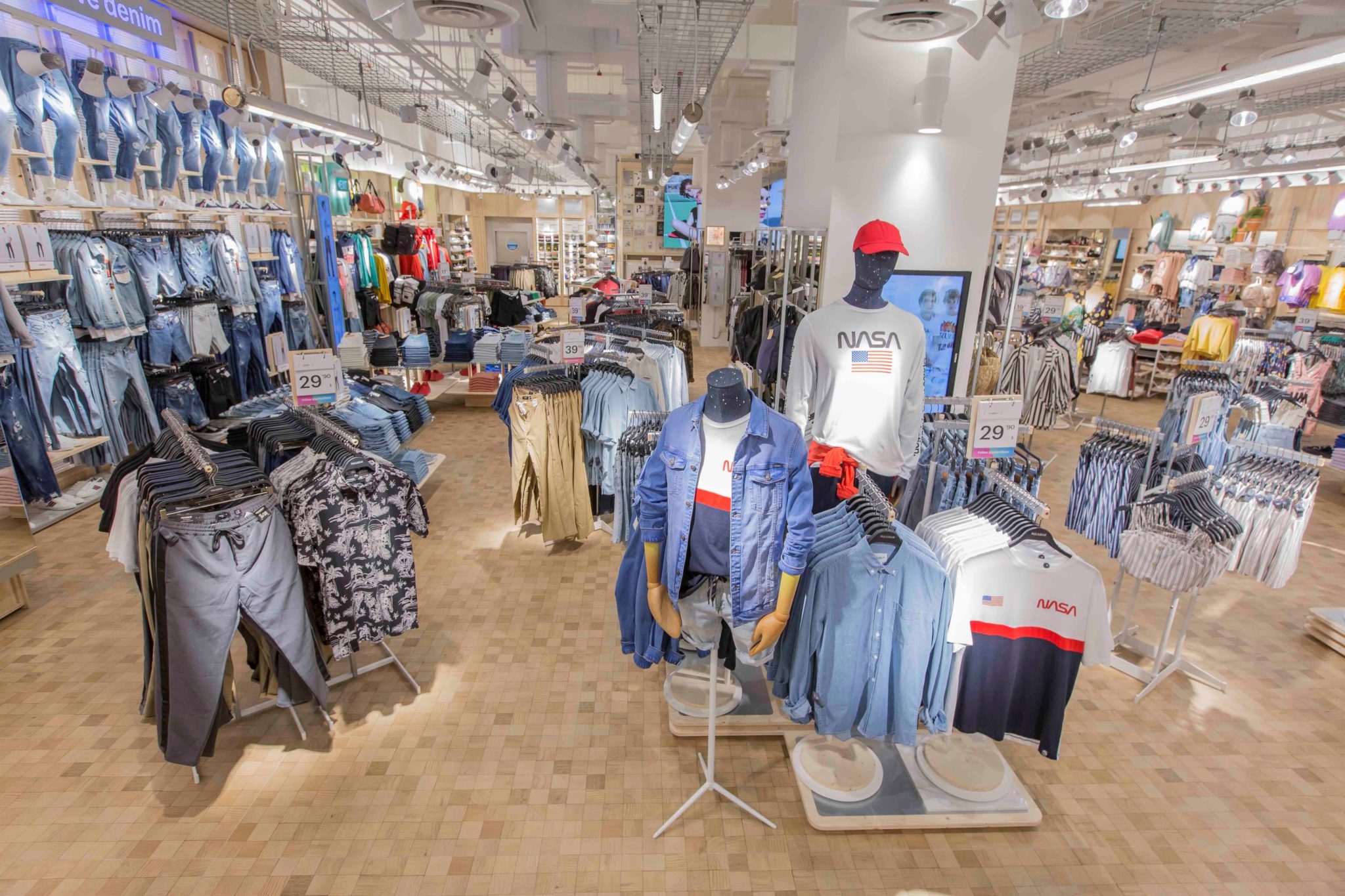
    This new point of sale presents Pull&Bear’s latest store image for the first time in the Singapore market, where the brand has two more stores in ION Orchard and Bugis+. The store displays the young fashion brand’s latest collections over a wide 465 square-metre-commercial space.

    The new store takes to a new level the California concept, which draws inspiration from the iconic atmosphere of Palm Springs and other scenarios from the American West Coast. On top of this trademark store style, some new features have been implemented for a higher product visibility and a more useful and pleasant shopping experience.

    By and large, the decoration has been simplified and the furniture is now lower, which provides for a wider view of the space. The store welcomes visitors with a warmer feel, created by the mix of three different types of finishing – white textures, wood and galvanized metal. Designed to provide a sensory shopping experience, the lighting in-store provides comfortable and soft ambient lighting which allows shoppers to focus on the clothes, while the store’s exterior features large LED screens which lends it a vibrant appeal.

    Sustainability is also paramount. All the wood used for visual merchandising comes from certified forest productions which guarantee 100% traceable timber.

    See the inside of the store in the gallery below (4 images) :


  • Inditex Group sales rise on new stores

    Inditex Group sales rise on new stores

    Zara parent Inditex Group sales rose by 12 per cent in its latest trading year, to January 31, reaching €23.3 billion.

    Growth was achieved in every geographic region where the group is present, and includes contributions from debut stores in Vietnam and New Zealand.

    Same-store sales rose by 10 per cent, up from 8.5 per cent the previous year, with positive same-store sales growth in all geographies and across all brands.

    Net profit was €3.2 billion, up 10 per cent year-on-year, while earnings before interest and tax grew 8 per cent to €5.1 billion.

    Chairman and CEO Pablo described the result as positive against a backdrop of strong prior-year performance.

    Inditex opened 279 stores, net of closures, in 56 markets, across all its brands, ending the year with 7292 stores in 93 countries, a large proportion of the new ones in Asia, including its first Zara in Vietnam, in Ho Chi Minh City.  Other Zara stores opened in China, Thailand, Indonesia and Japan and it refurbished it flagship in the Shinjuku district in Tokyo, one of Japan’s most important shopping districts, which reopened to the public in November.

    A flagship Pull&Bear store opened in Windsor House in Hong Kong and new stores were opened by Massimo Dutti in India and by Oysho in Indonesia. Bershka refurbished its flagship on Nanjing Road East in Shanghai and Zara Home opened a global flagship on Garosu de Seoul in South Korea.

    Since the financial year ended, it has opened online stores in Malaysia and Singapore, taking its online platform to 43 markets.

  • Inditex Asia: the relentless push continues

    Inditex Asia: the relentless push continues

    As Spanish apparel giant Inditex continues its global expansion in earnest, the Inditex Asia business is accounting for a major share of the action.

    Inditex is committed to both multi-brand and multi-channel strategies as it builds it global dominance of the fast fashion market.

    During the first nine months of 2015 it opened 230 stores in 48 markets.

    Online, Zara extended its eCommerce presence to Taiwan, Hong Kong and Macao. Inditex also launched online operations in the southern hemisphere with the launch of Zarahome.com in Australia on December 3 – soon after the homewares brand opened online in Japan.

    Pull&Bear, Massimo Dutti, Stradivarius and Oysho all launched online in China.

    Inditex opened physical stores in all continents during the nine months to the end of October. The net number of stores across the group’s brands increased by 109 in Europe, by 47 in the Americas – and in Asia and the rest of the world, by a net 74, taking the group’s global store count to 6913.

    In Asia, these openings included new Zara stores in Osaka (Japan), Beijing, Harbin and Hong Kong (China) and in Singapore.

    Bershka opened its first store in Taiwan and a flagship store in Korea; and Stradivarius, with openings in the Chinese cities of Chengdu and Harbin.

    Oysho has opened its first store in Korea; Zara Home opened its flagship in Sydney (marking its 500th store worldwide).

    As at the end of October, Inditex had a presence in 88 markets, with online operations in 28 of these.

    Inditex said its net profit over the first nine months of the year was up 20 per cent to €2.020 billion. Net sales increased 16 per cent year on year to €14.74 billion.